
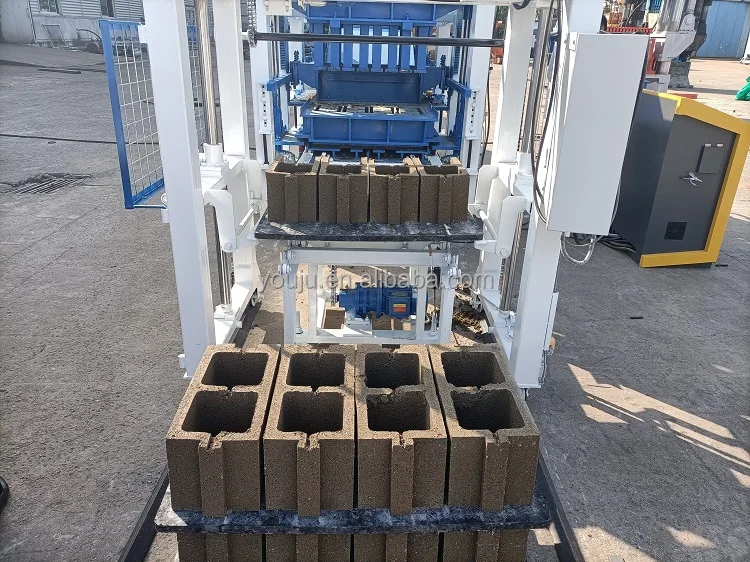
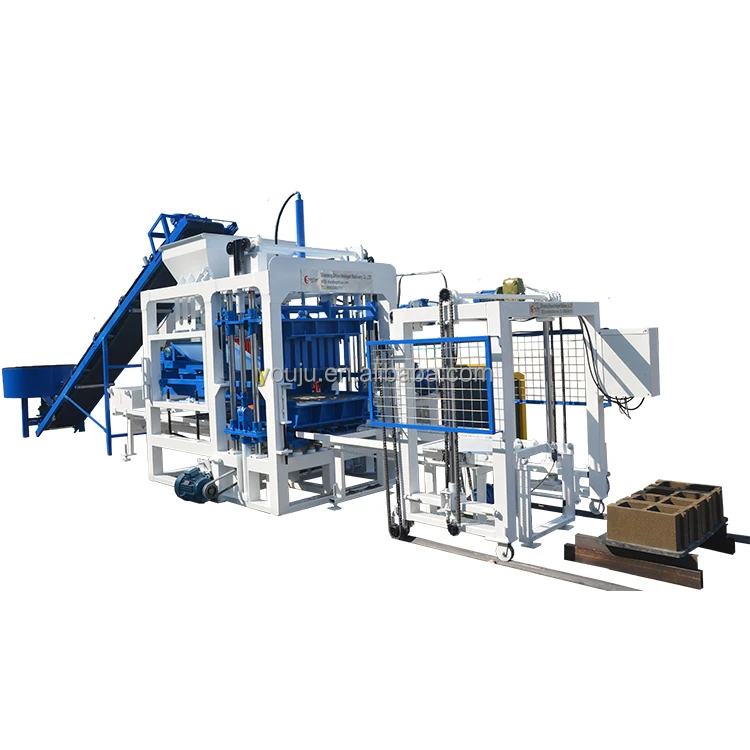
Description
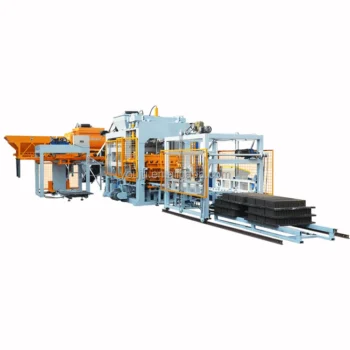
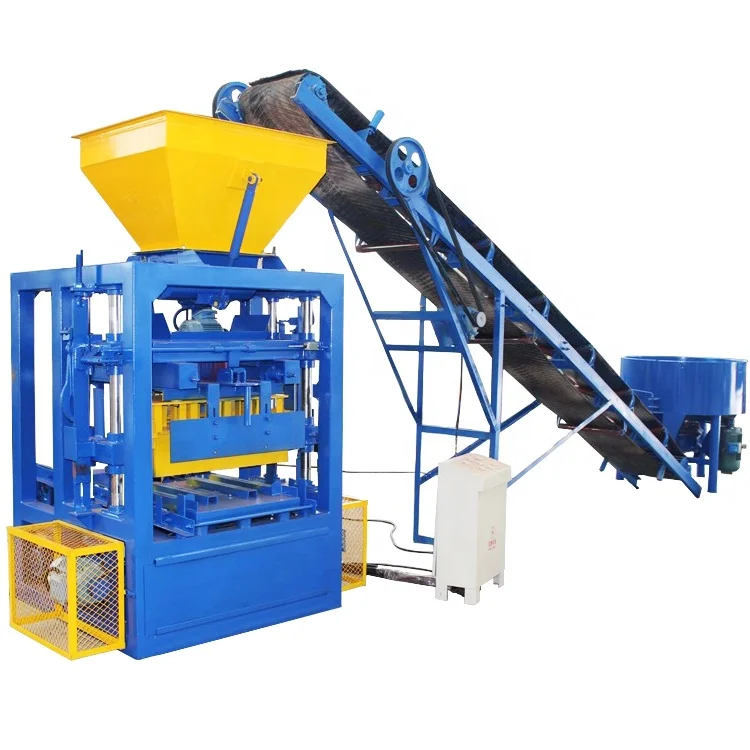
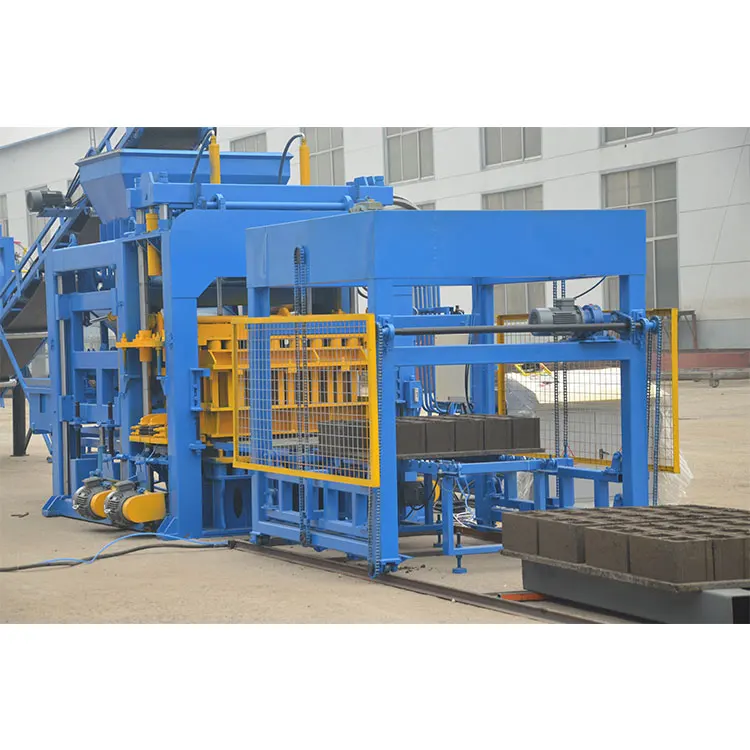
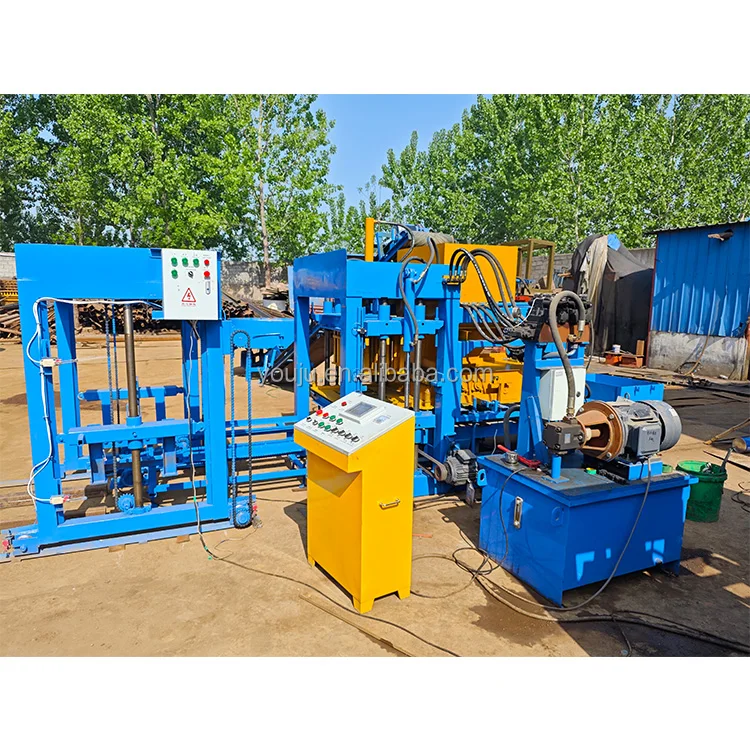
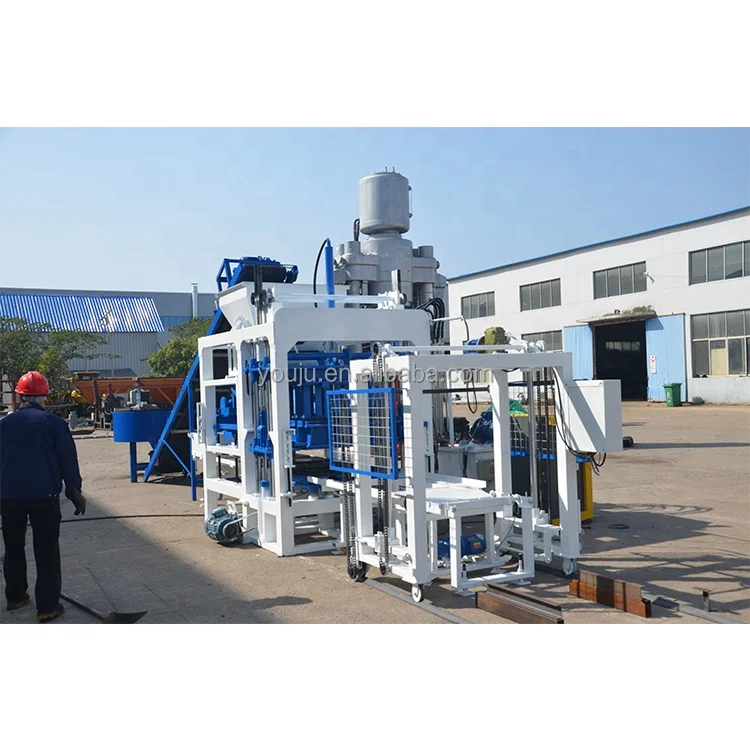
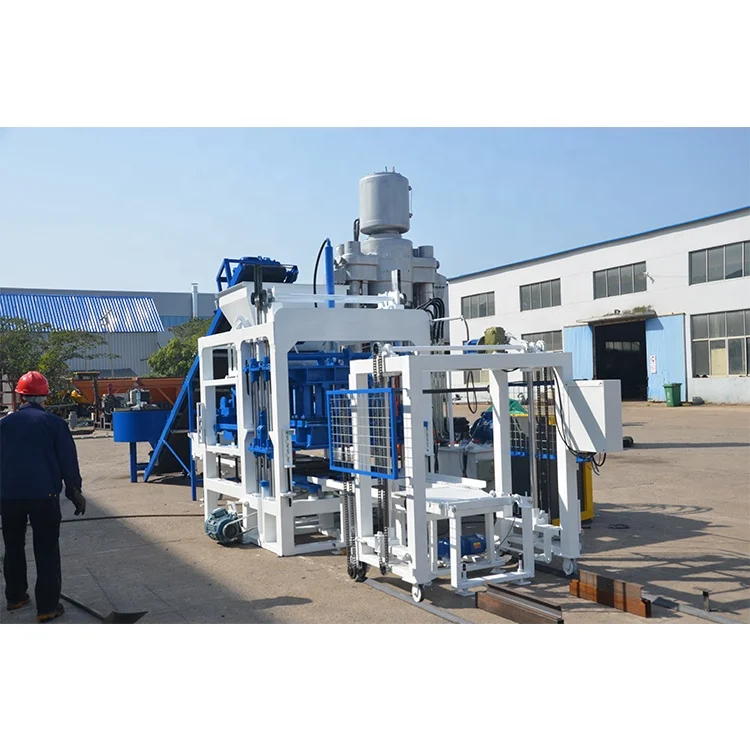
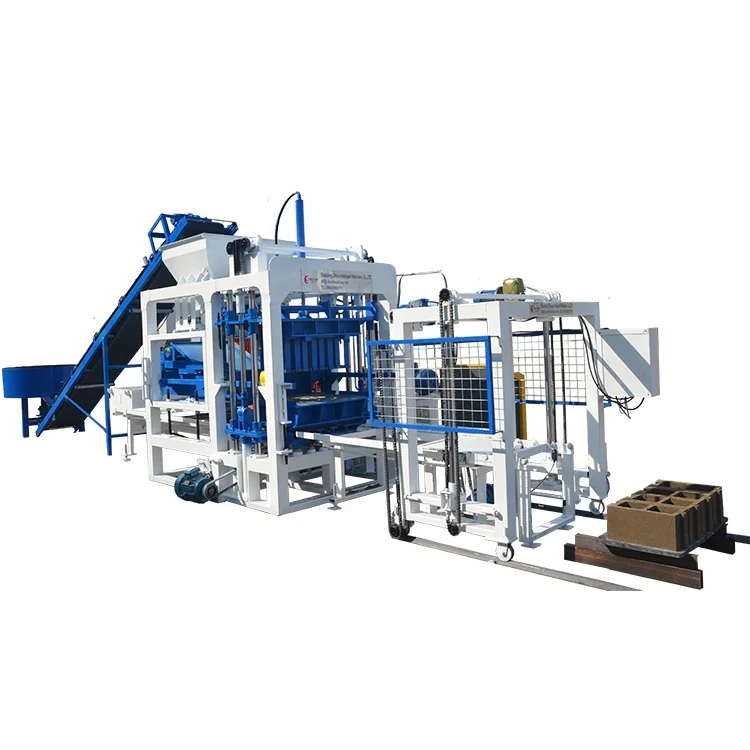
Stocked and Ready — The QT4-18 automatic concrete block making machine ships from existing inventory, shortening the gap between order confirmation and container loading for project-bound buyers.
Technical Specifications
| Parameter | Value |
|---|---|
| Model | QT4-18 |
| Product Type | Automatic Concrete Block Making Machine |
| Overall Dimensions (L×W×H) | 2500×1750×2200mm |
| Rated Pressure | 16MPa |
| Vibration Form | Platform Vibration |
| Pallet Size | 950×550mm |
| Molding Cycle | 18-25s |
| Overall Power | 27.5kW |
| Control System | PLC with frequency converter |
| Electrical Components | Schneider |
| Mold Lifting Mechanism | Double-sided synchronous gears |
| Automation Level | Automatic pallet feeder (hydro-cylinder), automatic block convey |
| Support Equipment Options | JQ500 pan mixer, 8m/6m belt conveyor, stacker, block clamper, extra molds, trolley, cement silo, batching plant |
| Voltage & Frequency | Configurable to site requirement (basis to be confirmed) |
| Output Capacity | Dependent on block format and material (basis to be confirmed) |
Application Suitability
| Application | Material or Output |
|---|---|
| Hollow block production for building walls | Crushed stone, sand, cement, fly ash |
| Solid block manufacturing for load-bearing structures | Gravel, sand, cement blends |
| On-site production for construction contractors | Locally sourced aggregate with cement binder |
| Small to mid-scale block plant operations | Standard concrete masonry unit formats |
What "In Stock" Actually Means for Your Project Timeline
Confirm the exact configuration held in warehouse before committing to a dispatch date.
Many suppliers quote availability without clarifying whether the stocked unit matches the buyer’s voltage, PLC language, or mould format requirements. I have seen containers arrive at a port in the Middle East only for commissioning to stall because the control panel displayed a language the local operator could not read, and the voltage did not match the site transformer. The QT4-18 automatic concrete block making machine in stock may be physically ready, but configuration mismatches can add weeks of delay after arrival [NEED_CITE: common causes of commissioning delays in exported block machinery].
Dispatch Lead Time and What Ships Together
The QT4-18 automatic concrete block making machine in stock allows dispatch within days rather than months, but the lead time clock only starts once voltage, frequency, and PLC display language are confirmed. A stocked press sitting in the warehouse with an unconfirmed control configuration is not truly ready to ship. Buyers should request a stock confirmation document listing the exact mould set, pallet count, and support equipment bundled with the unit.
Container Loading and Machine Dismantling
The QT4-18 is dismantled into major assemblies — press frame, hydraulic station, control cabinet, feeder system — for container loading. A complete line with mixer, belt conveyor, stacker, and pallets typically requires more than one container. Packing photographs should be provided before the container is sealed so the buyer can verify that every item on the packing list is physically loaded. This step prevents the frustrating scenario where a critical component is discovered missing on site [NEED_CITE: container loading verification practices for industrial machinery exports].
Reading the Specs Beyond the Brochure Numbers
The 16MPa rated pressure and platform vibration system work together to compact the concrete mix into the mould cavity. Insufficient pressure or vibration force relative to the mix design produces blocks with low density and poor compressive strength. The 950×550mm pallet size determines how many blocks are formed per cycle, and this dimension must match the buyer’s existing curing racks and forklift capacity. A mismatch here means either purchasing new curing infrastructure or operating below the machine’s designed output.
The PLC with frequency converter controls the moulding cycle timing, which ranges between 18-25 seconds depending on block format and material. Schneider electrical components reduce the risk of sourcing replacement parts in markets where international brands are stocked locally. The 27.5kW overall power requirement demands confirmation that the site’s electrical supply can deliver the required voltage and frequency without voltage drop under load.
The Hidden Cost of Skipping the Configuration Check
When a QT4-18 is ordered from stock without verifying the mould format against the buyer’s local market demand, the machine may arrive producing a block size that does not sell. I once worked with a buyer in the Gulf region who purchased a stocked machine configured for hollow blocks, only to discover that his primary market required interlocking pavers. The mould change was possible, but the additional moulds and pallets had to be manufactured and shipped separately, adding weeks to his production start date [NEED_CITE: mould format selection and local market demand for concrete blocks].
Pallet handling and stacking equipment left off the quotation means blocks are moved and stacked by hand after leaving the press, negating the automation advantage. Buyers should confirm whether the stacker, block clamper, and pallet return system ship in the same container as the press.
Why Buyers Source This Machine Here
Block machinery is the single focus of production, meaning the QT4-18 press, moulds, pallets, and handling equipment are specified as a matched system rather than assembled from unrelated suppliers. The configuration is set against the buyer’s actual mix design and local aggregate, not a catalogue default that assumes materials unavailable at the job site.
Standard moulds for common block formats are held alongside the press in stock, reducing the wait for custom tooling. Automation level is selectable, allowing a buyer to start with semi-automatic pallet handling and upgrade the stacking system later without replacing the entire press. Installation support includes operator training so that the crew running the machine on day one understands the mould change procedure and daily maintenance schedule.
Documentation & Verification
- Factory test record showing the QT4-18 running on your specified block format before crating
- Machine specification sheet confirming voltage, frequency, and PLC display language as ordered
- Mould drawing and format list for every mould included in the shipment
- Packing photographs of the dismantled QT4-18 and support equipment inside the container
- Hydraulic and electrical schematic for on-site troubleshooting during commissioning
- Customs documentation package prepared for the destination country import requirements
Installation, Commissioning & Support
- Foundation pad must be level and cured to support the 2500×1750mm footprint and vibration loads of the QT4-18
- Dedicated electrical circuit sized for the 27.5kW total draw with correct voltage and frequency verified at the panel
- Press frame, hydraulic station, and feeder system reassembled on site with alignment checked against factory records
- PLC parameters loaded and moulding cycle timing adjusted to the buyer’s mix design and block format during first run
- Operator training covers mould change using the double-sided synchronous gear lifting mechanism and daily greasing points
- Wear parts list provided with part numbers for hydraulic seals, vibration springs, and mould liner plates
Before You Send the Inquiry
To receive a meaningful stock confirmation and dispatch estimate, provide the target block format and dimensions, the local voltage and frequency at the installation site, and the preferred PLC display language. If you have an existing curing area or forklift, share the pallet dimensions currently in use so that the 950×550mm pallet can be evaluated for compatibility. Buyers working to a fixed project deadline should state the required arrival date so that transit time from the port of loading can be calculated against the dispatch window.
Frequently Asked Questions
Q: Which QT4-18 configurations and moulds are currently in stock, and what is the dispatch lead time?
A: Stock status covers the press with standard mould sets for common hollow and solid block formats. Dispatch lead time begins once the buyer confirms voltage, frequency, and PLC language, even if the physical machine is already built. Request a written stock confirmation listing the exact mould formats and support equipment included before committing to a shipping schedule.
Q: How is the machine dismantled for container loading, and how many containers are needed?
A: The QT4-18 is broken into major assemblies — press frame, hydraulic station, control cabinet, feeder — for loading. A complete line with mixer, conveyor, stacker, and pallets may require two containers depending on pallet quantity. Packing photographs are taken before the container doors close so the buyer can cross-check every item against the packing list.
Q: What voltage, frequency, and PLC display language are configured before shipment?
A: These parameters must be confirmed by the buyer before dispatch, even for a stocked machine. The 27.5kW system is wired to the specified voltage and frequency, and the PLC display is set to the requested language. Changing these after the machine is built may require rewiring or component replacement, which adds time before the container leaves the factory.
Q: Which support equipment ships with the press, and what must be sourced locally?
A: The quotation should clearly list whether the JQ500 pan mixer, belt conveyor, stacker, and pallets ship in the same container as the QT4-18. Cement silos and batching plants are sometimes sourced locally due to their bulk. Confirm exactly which items are included so that nothing critical is missing when the container is opened on site.
Q: What customs documentation is provided, and is a CE declaration available for the stocked unit?
A: Commercial invoice, packing list, bill of lading, and certificate of origin are prepared for the destination country. A CE declaration is available where applicable and should be confirmed at the time of order. The buyer’s customs broker should review the documentation package before the vessel departs to avoid clearance delays at the port of entry.