

Description
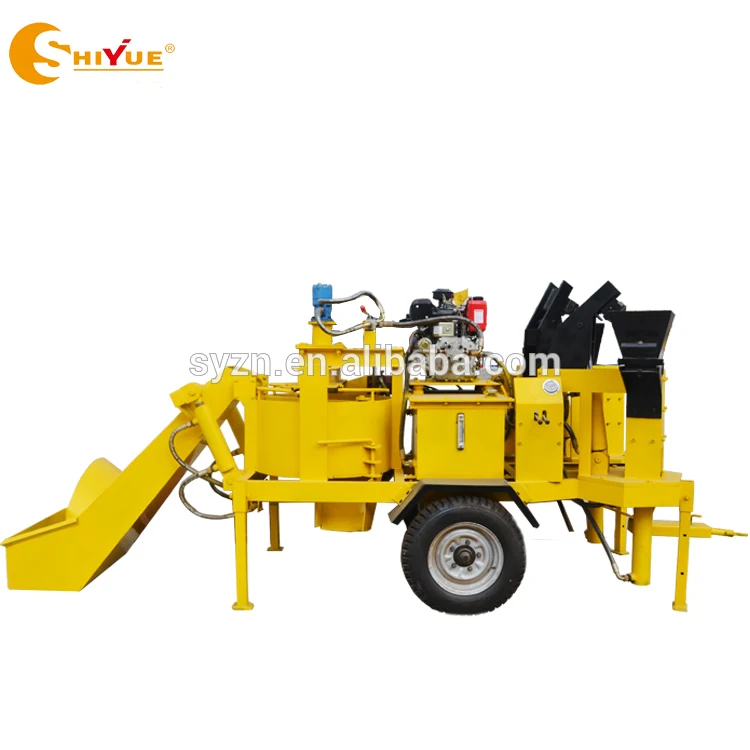
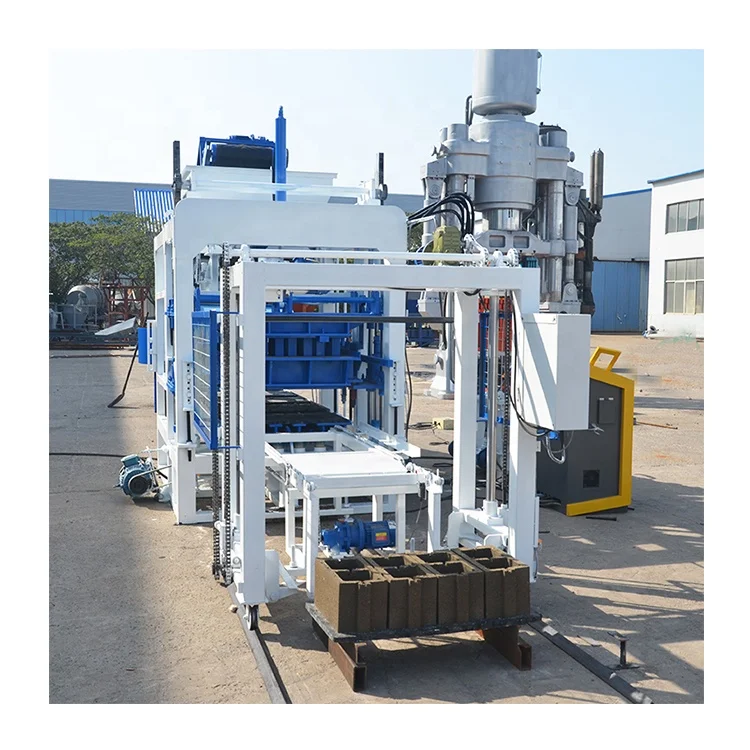
Stocked for dispatch — QT4-18 block making machine in stock ships nude-packed in a 20GP container with standard moulds and pallets, so your project timeline is not delayed by production lead time.
Technical Specifications
| Parameter | Value |
|---|---|
| Model | QT4-18 |
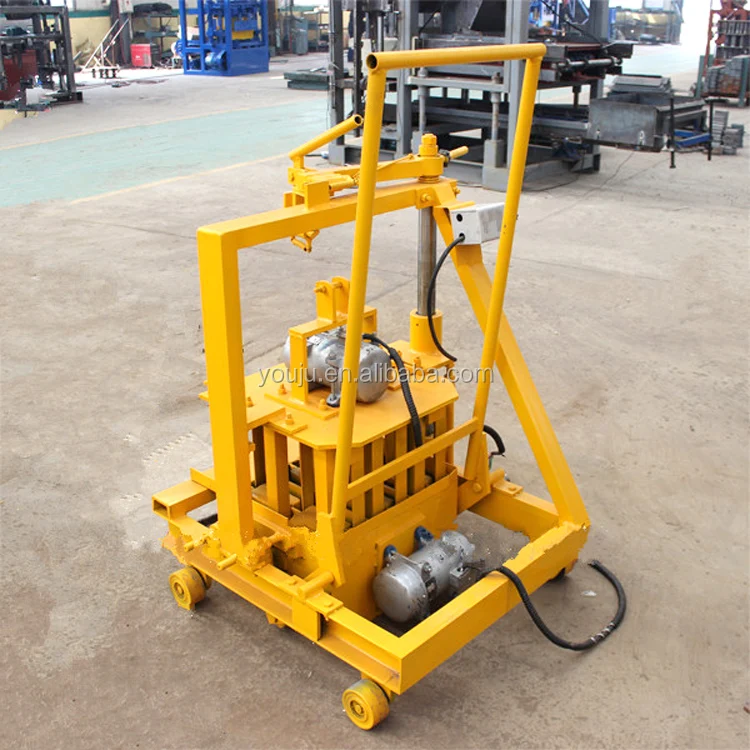
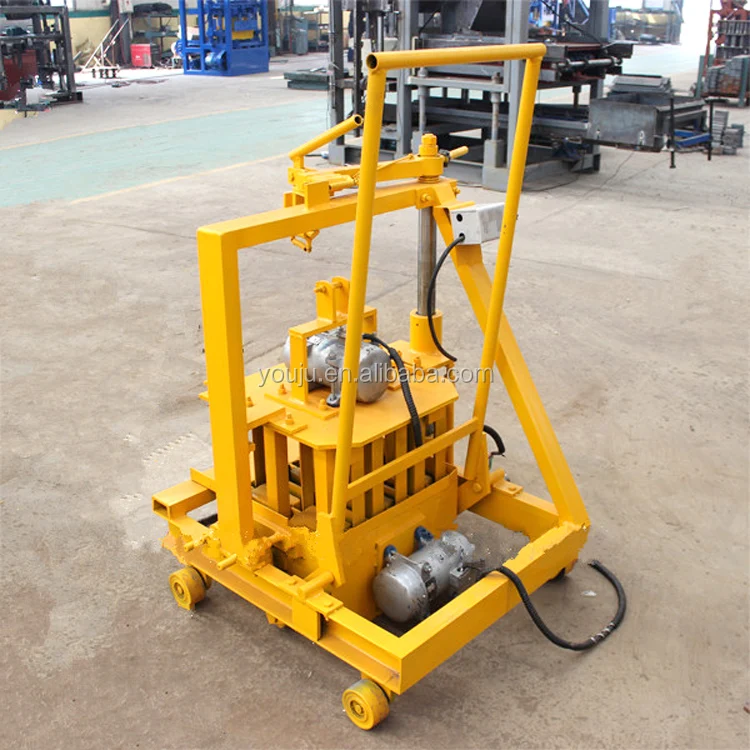
| Product Type | Semi-Automatic Concrete Block Making Machine |
| Overall Dimensions | 3900×1600×2300 mm |
| Total Weight | 3 T |
| Rated Power | 24 kW |
| Molding Cycle | 15-25 s |
| Vibration Force | 40-50 kN |
| Mixer Model | JQ350 |
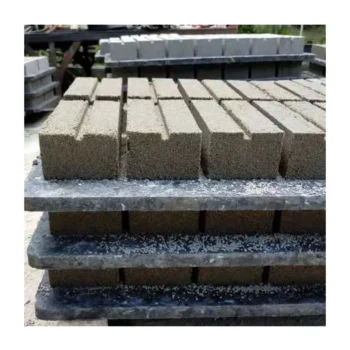
| Pallet Size | 850×550×25 mm |
| Pallet Material Option | Fiber glass or wooden |
| Hydraulic System | Hydraulic station with high-pressure forming |
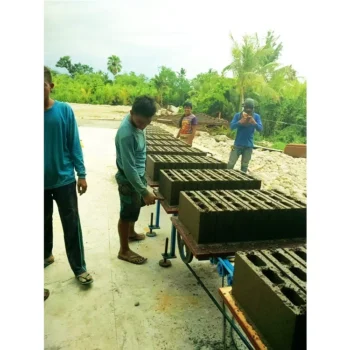
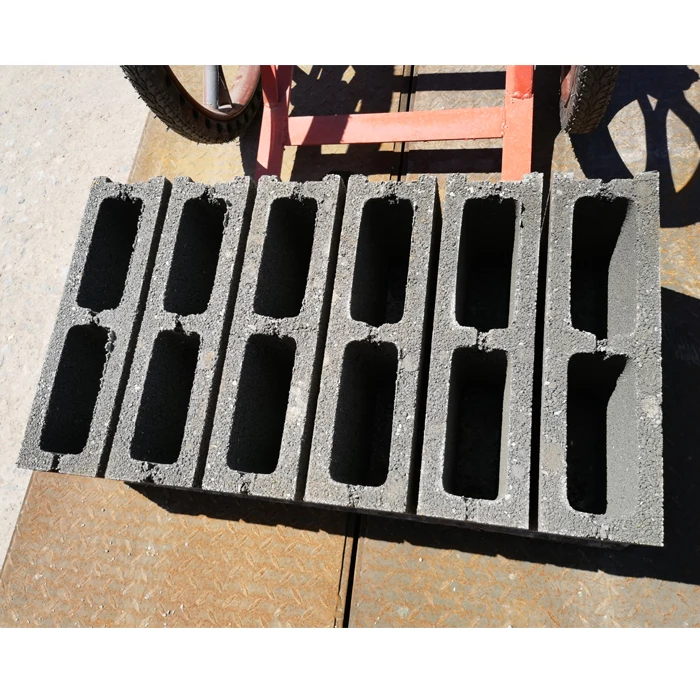
| Applied Products | Hollow block, solid brick, paver, curbstone |
| Output Capacity (400×200×200mm Hollow Block) | 1200-1680 pcs/hr; 9600-13440 pcs/8hr |
| Output Capacity (400×150×200mm Hollow Block) | 1800-2400 pcs/hr; 14400-19200 pcs/8hr |
| Output Capacity (240×115×53mm Solid Brick) | 3240 pcs/hr; 16200-19440 pcs/8hr |
| Container Loading | Nude-packed in 20GP, approx. 500 pallets per container |
| Voltage & Frequency | Basis to be confirmed with buyer |
| Control Language | Basis to be confirmed with buyer |
Application Suitability
| Application | Material or Output |
|---|---|
| Hollow block production (8", 6", 5", 4") | Crushed stones, sand, cement, fly ash, dust |
| Solid brick production | Crushed stones, sand, cement mix |
| Paving block production | Aggregate-cement blend with surface finish |
| Kerbstone / curbstone production | High-density concrete mix |
| On-site contractor production | Local aggregate with portable plant setup |
| Small-to-medium block plant operations | Semi-automatic line with manual pallet handling |
Why the Dispatch Date Matters More Than the Brochure Number
A confirmed loading schedule protects your project deadline far more than a theoretical output figure.
When a housing development or infrastructure project has a fixed completion date, the block supply chain cannot absorb vague lead times. I have watched contractors lose weeks because the QT4-18 block making machine in stock they were promised turned into a build-to-order cycle after the deposit cleared. The gap between "we usually have it" and "your machine is on the dock being photographed before loading" is where project schedules collapse. Buyers working against a handover date need a dispatch commitment tied to a container booking, not a factory gate estimate. [NEED_CITE: container booking lead times during peak shipping season]
What "In Stock" Actually Means for the QT4-18
Stock in this context means the QT4-18 host press, JQ350 mixer, and hydraulic station are assembled, factory-tested, and staged for dismantling into a 20GP container. The semi-automatic configuration ships as a matched set — press, mixer, and pallets — so nothing is left waiting on a separate supplier. Standard moulds for common hollow block and solid brick formats are typically on the shelf alongside the machine, which eliminates the usual mould fabrication delay that pushes dispatch back by weeks.
Container Loading Without Surprises
The QT4-18 block making machine in stock is nude-packed and dismantled for 20GP loading, with room for approximately 500 pallets in the same container. This matters because shipping pallets separately doubles your freight cost and creates a second arrival date to coordinate. The loading plan should show how the press frame, hydraulic station, and mixer are positioned to maximize the pallet count. Packing photographs taken before the container doors close are the only proof that what was quoted is what was loaded. [NEED_CITE: standard container loading practice for heavy industrial machinery]
How Pressure, Vibration, and Pallet Size Interact
The 40-50 kN vibration force and the hydraulic station work together to compact the concrete mix into the mould cavity. Higher vibration without sufficient hydraulic pressure leaves blocks with weak edges; excessive pressure with low vibration traps air and causes surface cracking. The 850×550×25 mm pallet size is not arbitrary — it determines how many blocks cure per square meter in your yard and must match the forklift tine spacing you already own. The 15-25 second molding cycle varies by block format and wall thickness, which is why the cycle time should be confirmed against the specific block you intend to produce rather than treated as a single fixed number. The 24 kW total power draw tells your electrician what dedicated circuit to prepare before the machine arrives.
The Cost of Ordering Without Confirming the Small Details
Voltage mismatch is the most common reason a block machine sits idle after arrival. If the QT4-18 is wired for a frequency or phase that your site transformer does not supply, commissioning stops until a new motor or transformer is sourced locally. The same applies to PLC language — a control panel displaying only Chinese characters is useless to an operator who reads English, French, or Portuguese. These are not design flaws; they are ordering oversights. [NEED_CITE: voltage and frequency standards by export market] Pallet material is another point where assumptions cause problems. Fiber glass pallets last longer under high-frequency vibration but cost more; wooden pallets are cheaper but warp in humid curing environments. Choosing without considering your local climate and curing setup means replacing pallets sooner than expected.
What Sets This Dispatch Apart
Block machinery is our single focus, so the QT4-18, its moulds, pallets, and the JQ350 mixer are specified as one matched system rather than assembled from unrelated suppliers. Dispatch lead time is quoted as order-to-port with a container booking reference, not a vague factory-gate date. Standard moulds for the hollow and solid formats most commonly sold in your market are stocked alongside the press, so format flexibility is real from day one. The 20GP loading plan includes pallets, tools, and accessories in one shipment, eliminating a second container booking. Factory test records with photographs are provided before the machine leaves the floor.
Documentation & Verification
- Line layout showing QT4-18 footprint and pallet flow path to curing area
- Machine specification sheet with confirmed voltage, frequency, and control language
- Mould drawing and format list matching your target block dimensions
- Pallet specification stating material, dimensions, and load rating per pallet
- Factory test record with photographs taken before container loading
- Packing list with item count verified against container loading plan
Installation, Commissioning & Support
- Foundation pad sized for 3900×1600 mm footprint with level tolerance specified
- Dedicated 24 kW circuit with correct voltage and frequency confirmed before wiring
- Machine arrives dismantled; reassembly sequence provided with torque settings
- First production run supervised to set molding cycle for your block format and mix
- Operator training covers PLC navigation, mould change procedure, and daily greasing points
- Wear parts list with reorder codes for hydraulic seals, vibration springs, and mould liners
Before You Send an Inquiry
To give you an accurate dispatch date and container loading plan for the QT4-18 block making machine in stock, tell us which block formats your market sells, the daily output you need per format, and your destination port. Confirm your site voltage, frequency, and preferred PLC display language so the machine is configured correctly before it leaves our floor. If you have an existing curing yard or forklift, share the dimensions so the 850×550×25 mm pallets are verified as compatible.
Frequently Asked Questions
Q: Which QT4-18 configurations and moulds are currently in stock, and what is the dispatch lead time?
A: The standard semi-automatic QT4-18 with hydraulic station, JQ350 mixer, and common hollow and solid block moulds is typically staged for dispatch. Lead time is quoted as order-to-port once voltage, frequency, and control language are confirmed. We provide a container booking reference so you can track the vessel schedule to your destination port.
Q: How is the machine packed and loaded into a 20GP container?
A: The QT4-18 is dismantled and nude-packed into a 20GP container. The press frame, hydraulic station, and mixer are secured against movement during transit. Packing photographs are shared before the container is sealed so you can verify completeness and condition against the packing list.
Q: What pallets ship with the machine, and can I order extras in the same container?
A: The standard pallet size is 850×550×25 mm, available in fiber glass or wood. A 20GP container holds approximately 500 pallets alongside the dismantled machine and accessories. Ordering extras in the same shipment avoids a separate freight booking and keeps everything arriving together.
Q: What is the estimated arrival time at my destination port after dispatch?
A: Arrival depends on the destination port and current vessel schedules. Once the container is booked, we share the estimated transit time so you can plan site preparation and customs clearance. We quote order-to-port lead time upfront, not just the factory completion date.
Q: Can I order replacement moulds or wear parts with the same shipment?
A: Yes. Additional moulds for different block formats and wear parts such as hydraulic seals and vibration springs can be loaded into the same 20GP container. This consolidates freight costs and ensures you have spares on hand before the first replacement cycle is due.