

Description
Stocked Availability Confirmed — every QT6-15 unit is checked against destination grid parameters before crating, so the control panel powers up the day it clears your port.
Technical Specifications
| Parameter | Value |
|---|---|
| Model | QT6-15 |
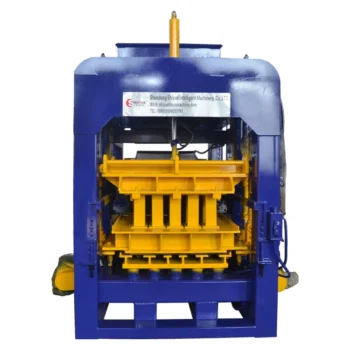
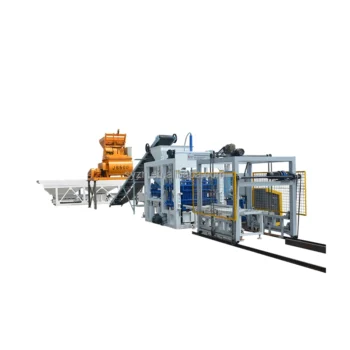
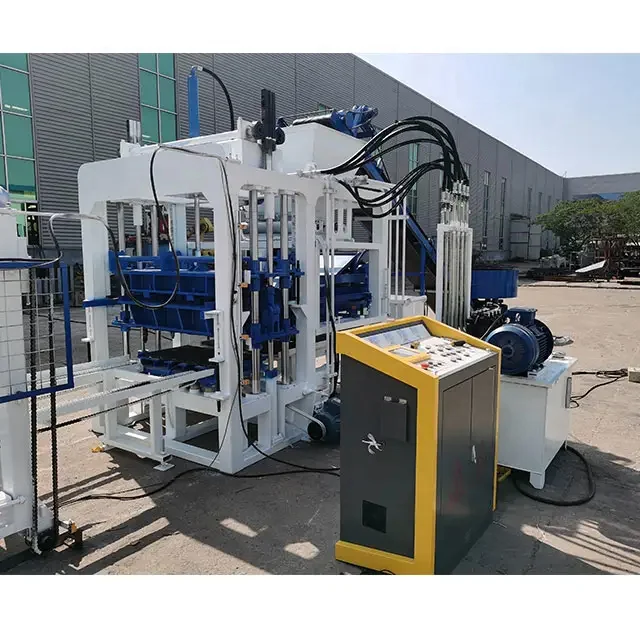
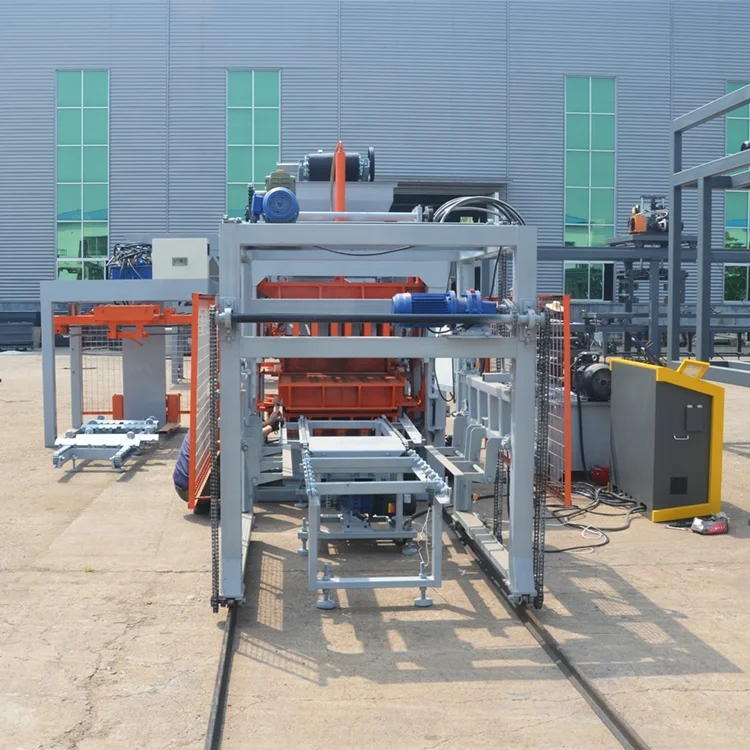
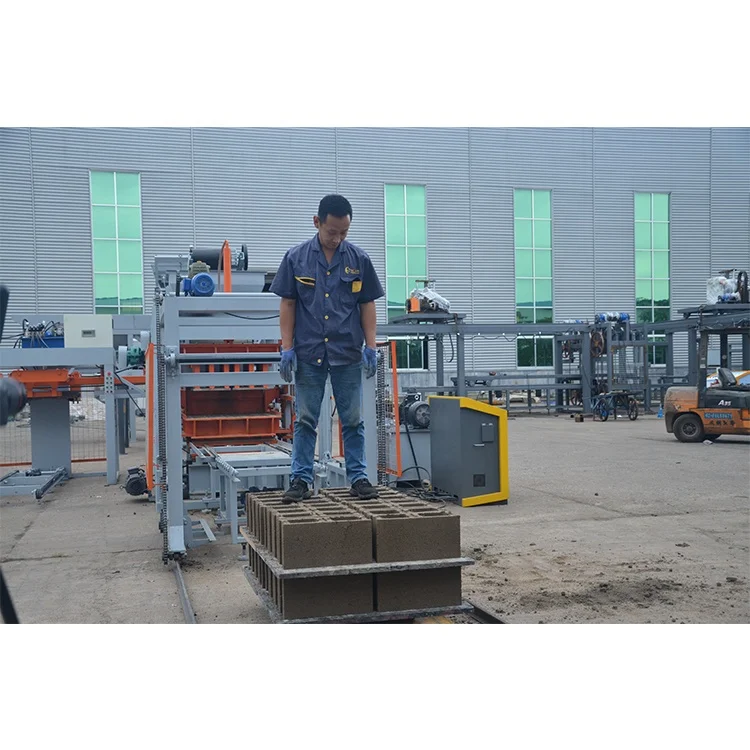
| Product Type | Automatic Hydraulic Block Making Machine |
| Overall Dimension | 8200 × 1700 × 2950 mm |
| Pallet Size | 880 × 850 mm |
| Vibration Force | 45 kN |
| Vibration Frequency | 0–60 Hz |
| Vibration Form | Platform vibration |
| Moulding Mode | Automatic load, vibration moulding |
| Demolding Method | Hydraulic |
| Hydraulic System | Independent integrated hydraulic station |
| Molding Cycle | 15–20 s (basis: standard hollow block) |
| Overall Power | 37 kW |
| Control System | PLC with touch screen |
| Total Mass | 7 T |
| Factory Area Required | 1200 m² |
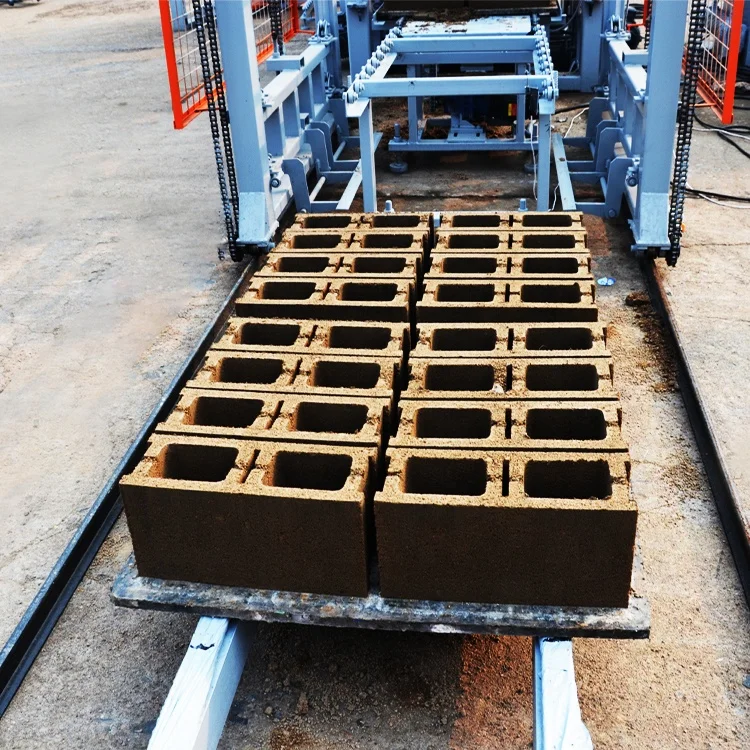
| Output — Hollow Block 400×200×200 mm | 1080–1440 pcs/hour; 8640–11520 pcs/8 hr |
| Output — Hollow Block 400×150×200 mm | 1440–1920 pcs/hour; 11520–15360 pcs/8 hr |
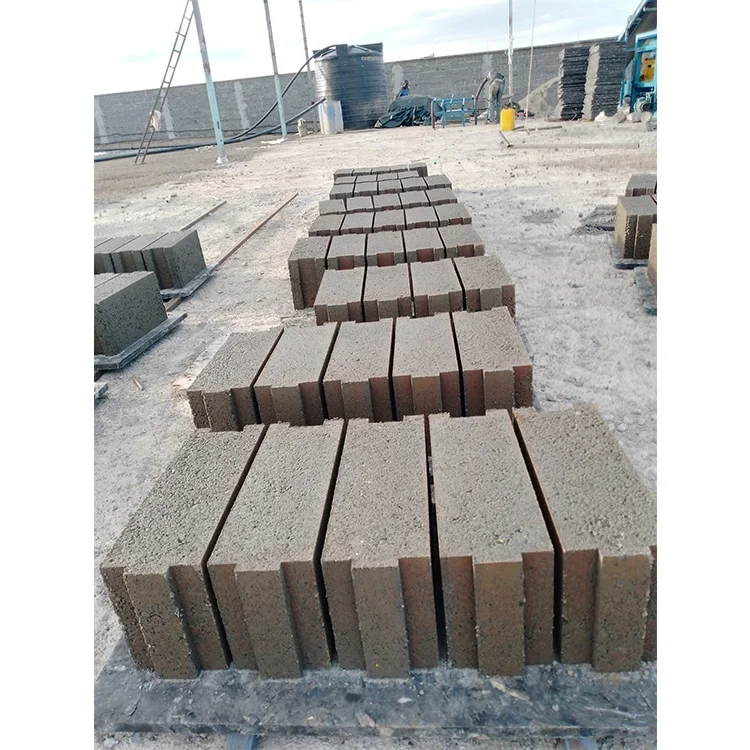
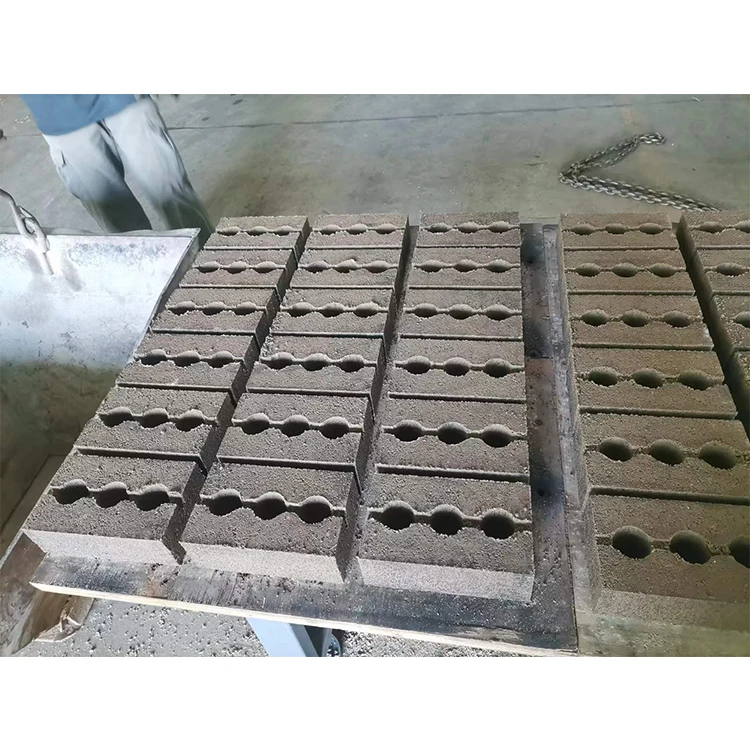
| Output — Solid Brick 240×115×53 mm | 5760–7680 pcs/hour; 46080–61440 pcs/8 hr |
| Output — Rectangular Paver 200×100×60 mm | 2160–2880 pcs/hour; 17280–23040 pcs/8 hr (basis: 20–25 s cycle) |
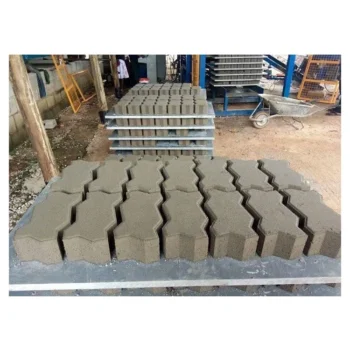
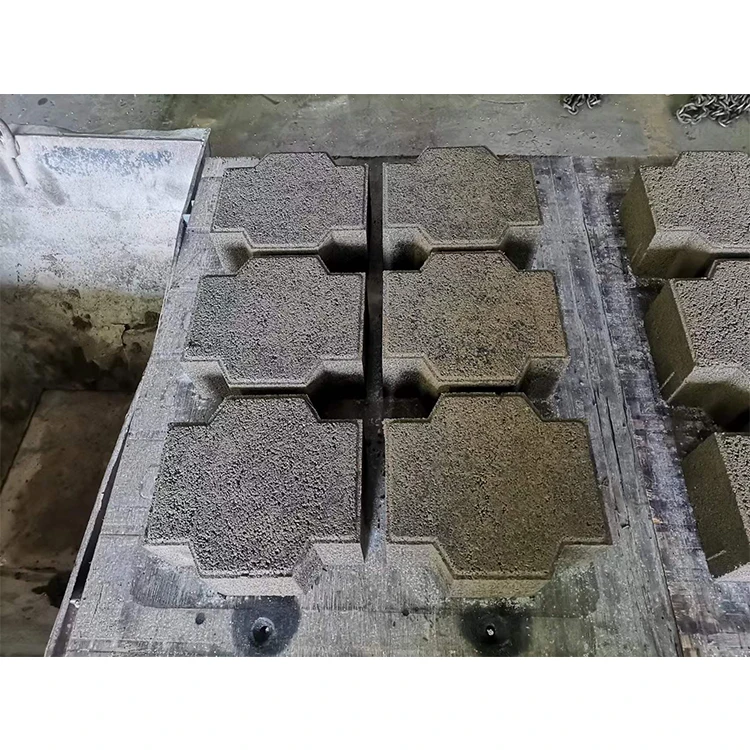
| Output — Zigzag Paver 225×112.5×60 mm | 2160–2880 pcs/hour; 17280–23040 pcs/8 hr (basis: 20–25 s cycle) |
| Block Compressive Strength | > 15 MPa |
| Raw Material Adaptability | Waste ash, slag, cement reduction capable |
| Standards | CE declaration (where applicable) |
Application Suitability
| Application | Material or Output |
|---|---|
| Hollow block production for housing projects | Crushed stone, sand, cement, waste ash blends |
| Solid brick manufacturing | Fly ash, slag, cement mixtures |
| Rectangular paving brick for roads and yards | Aggregate, sand, pigment, cement |
| Zigzag interlocking paver for driveways | Fine aggregate, cement, colour oxide |
| On-site block production for contractors | Local quarry aggregate and cement |
Why the Voltage Question Must Come Before the Container Loads
Confirming destination voltage and frequency before dispatch eliminates the most common on-site delay we see in block machine exports.
A QT6-15 block machine in stock means little if the PLC cabinet arrives wired for a grid your site does not have. I have watched a 37 kW hydraulic press sit idle at a West African port for three weeks while the buyer sourced a step-down transformer, because the factory default was 380 V / 50 Hz and the local supply was 415 V / 60 Hz. The project schedule slipped, the contractor paid demurrage, and the block plant opening was pushed back an entire month. Matching electrical parameters to the destination grid is the single most overlooked step in fast-delivery equipment procurement [NEED_CITE: voltage and frequency standards by export market].
Dispatch Timing You Can Build a Schedule Around
When a buyer needs a QT6-15 block machine in stock, the conversation starts with the exact dispatch date, not a production window. Stocked units at our Linyi yard are photographed with their serial plates before the inquiry is answered, so the buyer sees the physical machine, not a catalogue render. Container loading plans are shared upfront: the main frame, hydraulic station, and pallet feeder are dismantled into sections that fit a standard 40-foot high-cube container, and the loading sequence is documented so your forklift team knows which crate comes off first.
What Arrives With the Machine
A fast delivery promise only holds if every supporting component ships in the same container. The QT6-15 leaves the yard with its standard mould set, the matching 880 × 850 mm pallets, the independent hydraulic station, and the PLC touch-screen cabinet. Spare seals and hydraulic hoses for the first service interval are packed inside the control cabinet to avoid separate courier delays. Packing photographs are taken at each crating stage and sent to the buyer before the container doors close [NEED_CITE: CE machinery directive requirements for industrial equipment].
How Vibration Force and Hydraulic Pressure Shape Block Density
The 45 kN vibration force on the QT6-15 works through platform vibration, shaking the mould table while the hydraulic head presses from above. This dual action forces air out of the mix and compacts aggregate particles into a tighter matrix, which is how compressive strength exceeds 15 MPa even when waste ash or slag replaces part of the cement. The vibration frequency range of 0–60 Hz lets the operator tune the shake to the block format: lower frequencies for large hollow blocks where the cavity walls need gentle settling, higher frequencies for thin pavers where surface finish matters. If the frequency is set too high on a hollow block, the face mix can segregate, leaving a rough surface that fails visual inspection.
The 880 × 850 mm pallet size was chosen to match standard curing rack spacing common in mid-scale block plants. A pallet that is even 50 mm wider forces the buyer to re-weld every curing rack or buy a different forklift attachment, adding hidden cost to what looked like a straightforward machine purchase. The PLC touch screen records cycle parameters per mould, so when the operator switches from hollow blocks to rectangular pavers, the system recalls the vibration duration and pressure settings that produced the last合格 batch, keeping consistency across format changes.
The Cost of Skipping the Electrical Checklist
Buyers who focus only on lead time sometimes treat voltage confirmation as a formality, ticking the box without checking the actual transformer capacity on site. The result is a machine that trips the main breaker every time the hydraulic pump starts under load, because the inrush current of a 37 kW motor on a shared circuit exceeds the local supply rating. Rewiring after arrival means flying in an electrician who understands PLC cabinet layouts, or worse, opening the cabinet locally and voiding the warranty. That delay cancels out any advantage gained by choosing a stocked machine in the first place [NEED_CITE: typical electrical compliance delays in machinery imports].
Why Procurement Runs Smoothly From This Yard
Block machinery is our single focus, which means the QT6-15 is specified as a matched system — press, mould, pallet, and hydraulic station — not assembled from separate suppliers who each blame the other when cycle times slip.
Configuration is set against the buyer’s actual mix design and target block format, so the capacity figures quoted are tied to a named brick dimension, not a generic cycle count.
Stocked machines and standard moulds are photographed and logged before the quote is issued, giving the buyer a confirmed dispatch date rather than a production estimate.
Machine dismantling for shipment follows a documented sequence that matches container dimensions, reducing the chance of a second container being needed at the last minute.
Voltage, frequency, and PLC display language are confirmed in writing before the electrical cabinet is sealed, so the machine arrives ready for the local grid and operator.
Documentation & Verification
- Factory test record run on the buyer’s specified block format before crating
- Hydraulic and electrical schematic matching the shipped serial number
- Voltage and control language confirmation sheet signed before dispatch
- Packing photographs showing each crate and container loading stage
- CE declaration included where applicable to the destination market
- Operation and maintenance manual in the confirmed PLC display language
Installation, Commissioning & Support
- Foundation plan accounts for the 8200 × 1700 mm footprint and 7 T operating mass
- Dedicated 37 kW circuit with correct breaker rating for the destination voltage
- Dismantled sections reassembled on site following the container loading sequence
- PLC parameters calibrated to the buyer’s mix design during first production run
- Operator training covers mould change procedure and cycle time adjustment per format
- Wear parts list identifies hydraulic seals and vibration springs for first reorder
What We Need to Confirm Your Delivery Date
To lock a dispatch date on a QT6-15 block machine in stock, share your target block format, the daily output you need to hit, and the voltage and frequency at your site. If you already have curing racks or a forklift, send the pallet dimensions they accept so we can confirm the 880 × 850 mm pallets will fit your existing layout. Once these points are confirmed, the quotation will include an exact dispatch lead time and container loading plan.
Frequently Asked Questions
Q: Is the QT6-15 block machine in stock or made to order?
A: Specific QT6-15 units are held in stock at the Linyi yard and can be allocated immediately upon order confirmation. Each stocked machine is photographed with its serial plate so the buyer sees the exact unit before payment. If the required voltage or PLC language differs from the stocked configuration, a short adjustment period is needed before dispatch.
Q: What is the dispatch lead time from payment to container loading?
A: For a stocked QT6-15 with confirmed electrical parameters matching the destination grid, container loading typically follows within a short window after payment clearance. The exact date is quoted in the proforma invoice so the buyer can book the shipping space in advance and plan site preparation accordingly.
Q: How is the machine dismantled and packed for shipment?
A: The QT6-15 is broken into main frame, hydraulic station, pallet feeder, and control cabinet sections that fit a standard 40-foot high-cube container. Each section is bolted, not welded, so reassembly on site requires standard hand tools. A loading sequence document tells your team which crate to unload first.
Q: Can I get arrival timing estimates before placing the order?
A: Once the dispatch date is confirmed, the transit time depends on the destination port and shipping line schedule. We provide the container booking reference so the buyer can track the vessel and plan foundation work, utility connections, and raw material delivery to align with the expected arrival date.
Q: What standard moulds are included and are they also in stock?
A: Stocked QT6-15 machines are typically paired with one standard mould set matching a common hollow block or paver format. Additional moulds for other formats can be added to the same container if they are available in the mould inventory at the time of order, and their availability is confirmed in the quotation.