


Description
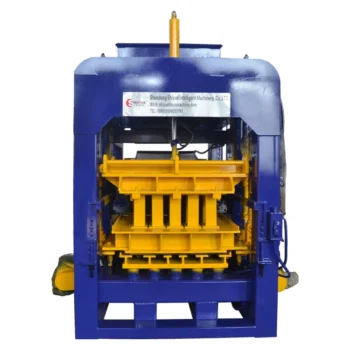
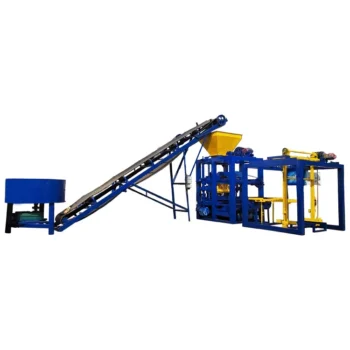
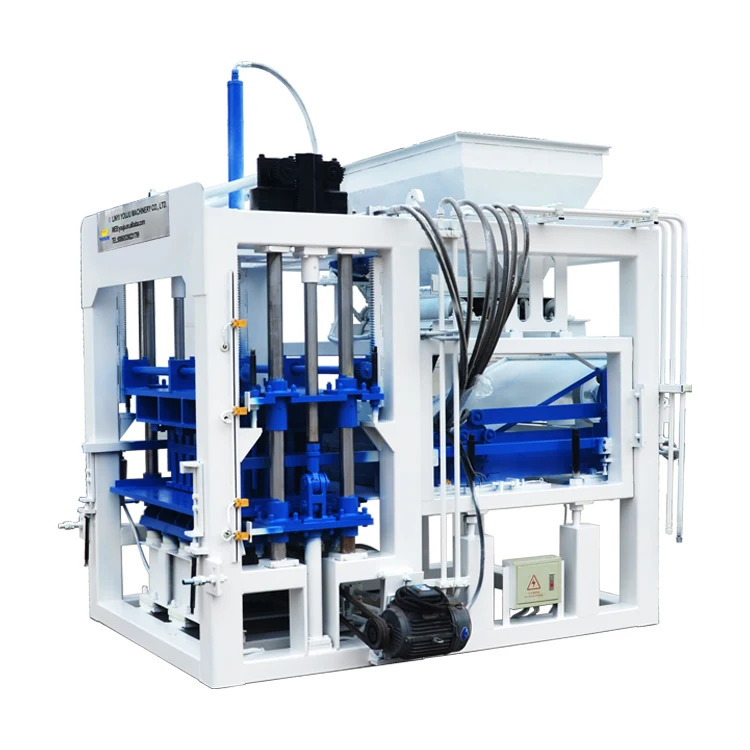
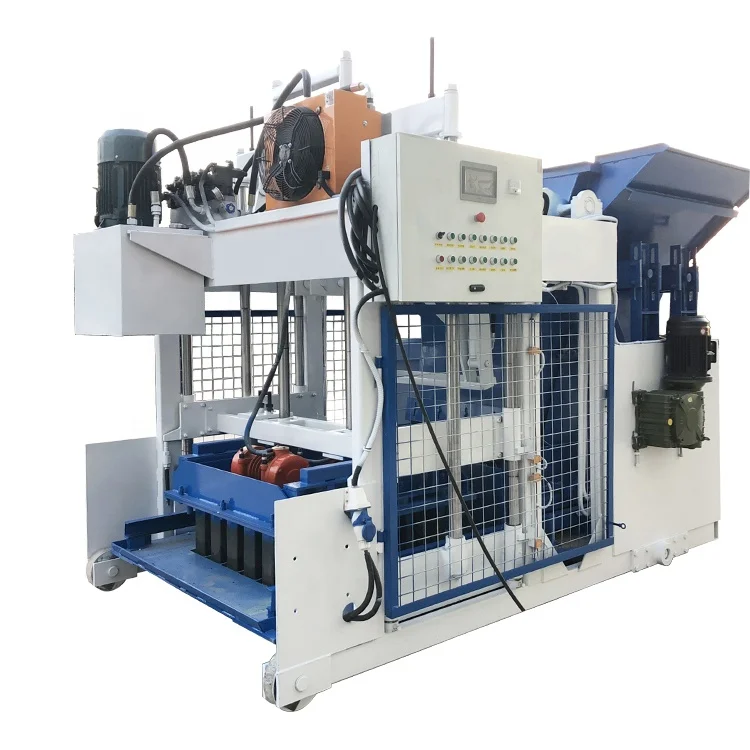
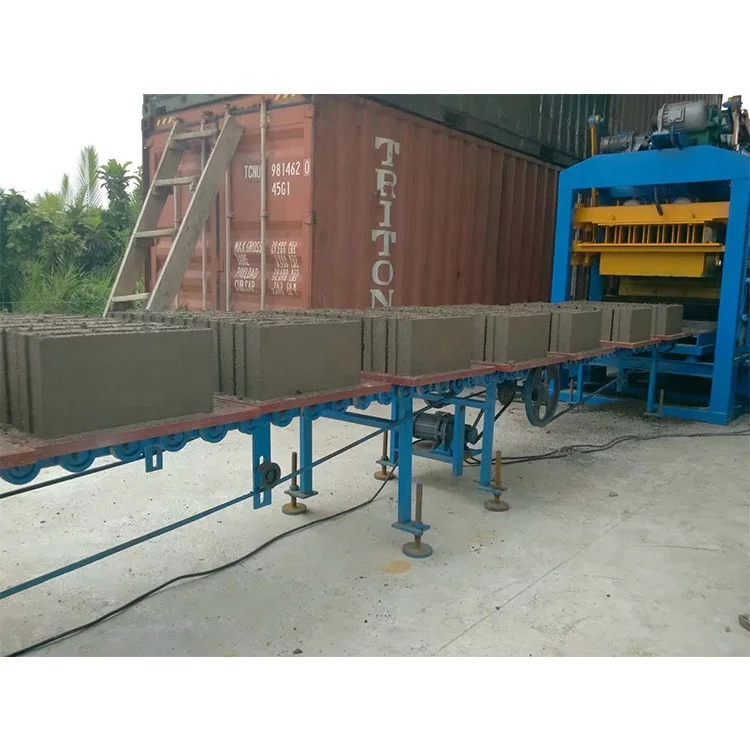
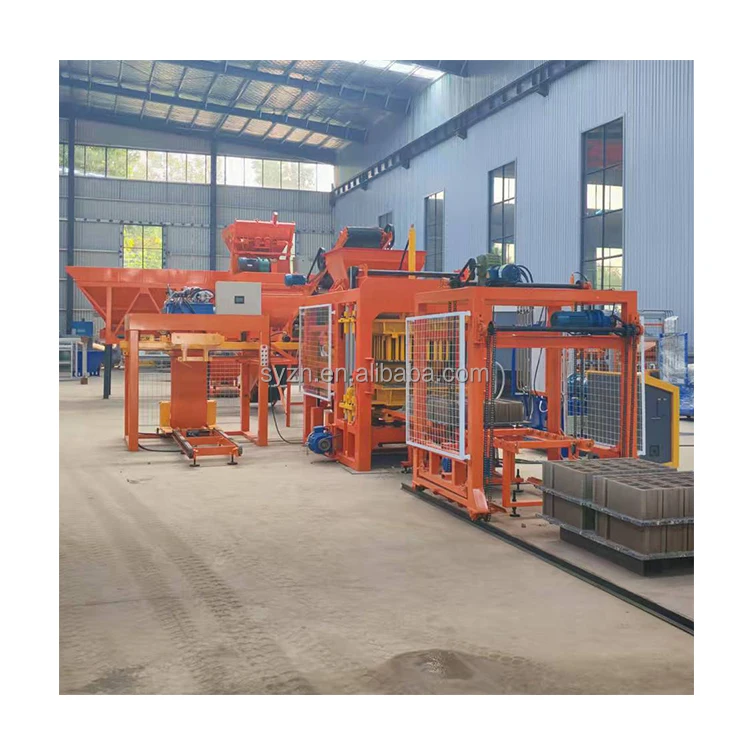
Stocked for immediate dispatch — QT6-15 block machine prepared with standard moulds and pallets, ready to ship without waiting through a full production cycle.
Technical Specifications
| Parameter | Value |
|---|---|
| Model | QT6-15 |
| Product Type | Hydraulic Concrete Block Making Machine |
| Overall Dimensions (L×W×H) | 8200×1700×2950 mm |
| Vibration Frequency | 0-60 Hz |
| Vibration Form | Platform Vibration |
| Moulding Mode | Automatic loading with vibration moulding |
| Pallet Size | 880×850 mm |
| Molding Cycle | 15-20 s |
| Overall Power | 37 kW |
| Vibration Force | 45 kN |
| Total Mass | 7 T |
| Demolding Method | Hydraulic |
| Recommended Factory Area | 1200 m² |
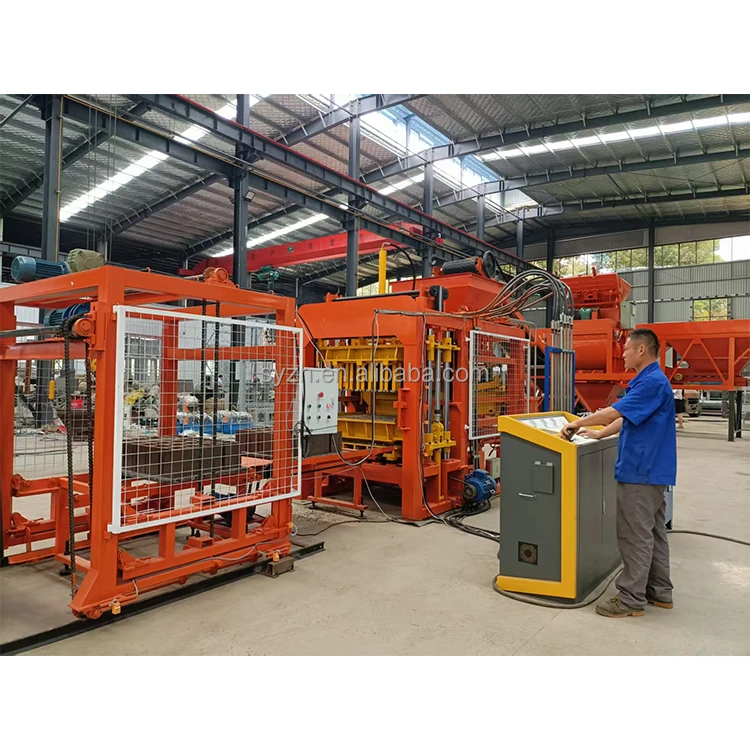
| Control System | PLC (Programmable Controller) with touch screen interface |
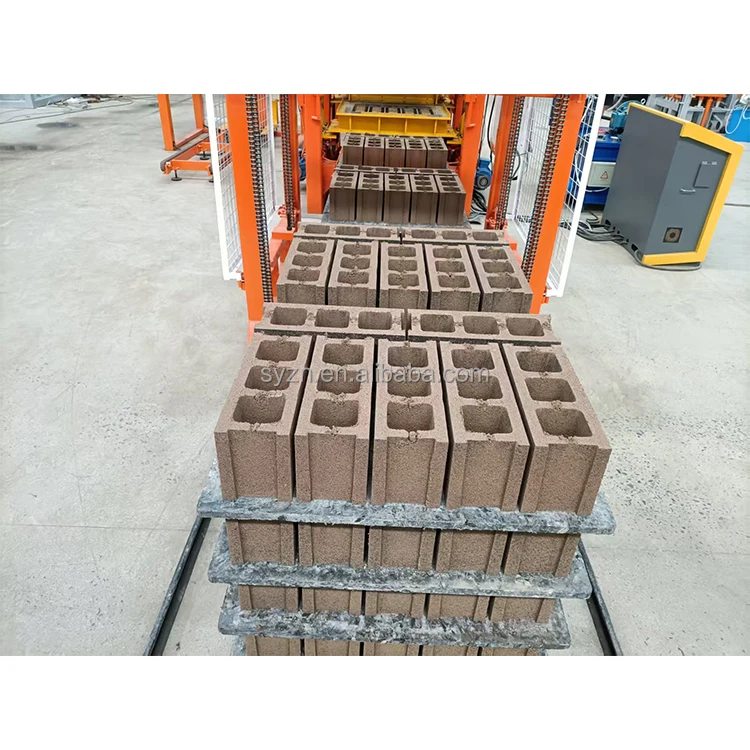
| Output Capacity (Hollow block 400×200×200 mm) | 1080-1440 pcs/hour, 8640-11520 pcs/8hr |
| Output Capacity (Hollow block 400×150×200 mm) | 1440-1920 pcs/hour, 11520-15360 pcs/8hr |
| Output Capacity (Solid brick 240×115×53 mm) | 5760-7680 pcs/hour, 46080-61440 pcs/8hr |
| Output Capacity (Rectangular brick 200×100×60 mm) | 2160-2880 pcs/hour (cycle 20-25s), 17280-23040 pcs/8hr |
| Output Capacity (Zigzag brick 225×112.5×60 mm) | 2160-2880 pcs/hour (cycle 20-25s), 17280-23040 pcs/8hr |
| Hydraulic System | Independent integrated hydraulic station |
| Compressive Strength of Blocks | >15 MPa |
| Raw Material Adaptability | Waste ash, slag, and various aggregates |
| Warranty | 1 year for whole machine (excluding spare parts) |
Application Suitability
| Application | Material or Output |
|---|---|
| Hollow Block Production | Crushed stone, cement, waste ash |
| Solid Brick Manufacturing | Slag, local aggregates, cement |
| Paving Brick Production | Rectangular and zigzag formats for walkways |
| Construction Project Supply | High-volume output for housing developments |
When the Project Deadline Cannot Wait for a Custom Build
The QT6-15 block machine in stock configuration allows contractors to bypass typical multi-week production lead times and secure immediate dispatch.
I have stood at trade shows in Europe watching buyers commit to a machine based only on a brochure’s peak output number. Then the unit arrives two months later, and the local aggregate does not flow through the hopper the way the factory test did. For buyers with a fixed completion date, waiting for a fully custom production slot is not an option. The stocked QT6-15 provides a proven baseline configuration, but the mould format, pallet material, and electrical specifications must still be confirmed against your site conditions before it leaves the warehouse [NEED_CITE: standard export packing and loading procedures for heavy machinery].
Ready-to-Ship Configurations and What They Include
When a machine sits in the yard, the real question is what is actually on the pallet. The QT6-15 block machine in stock is typically assembled with the platform vibration system, the independent hydraulic station, and the PLC touch-screen cabinet connected and tested. We hold standard moulds for common hollow block and paving formats, meaning the core pressing unit does not need to be built from scratch. Buyers working to a tight project schedule can review the available mould list and select the formats that match their local market demand, rather than waiting for a new mould pattern to be cast.
Verifying the Dispatch Package Before Loading
The difference between a fast arrival and a delayed commissioning often comes down to the items that were not checked before the container doors closed. For every stocked QT6-15 block machine in stock, we confirm the voltage and frequency match the destination grid, and the PLC language is set to the operator’s requirement. Packing photographs show the dismantled main frame, the hydraulic hoses capped, and the moulds crated separately [NEED_CITE: container loading plans for 40-foot high-cube shipments]. This visual record lets the buyer verify the shipment readiness without traveling to the factory.
Matching Vibration and Pressure to the Block Format
The QT6-15 delivers 45 kN of vibration force through a platform system with adjustable frequency from 0 to 60 Hz. This range allows the operator to tune the vibration to the specific mix design, whether it is a dry concrete blend for hollow blocks or a finer mix for solid paving bricks. The independent integrated hydraulic station handles demolding, isolated from the main vibration to prevent seal wear. A molding cycle of 15-20 seconds for standard formats is achievable when the material moisture and aggregate grading are consistent. The 880×850 mm pallet size dictates the curing rack spacing and forklift capacity required on site, so this dimension must be checked against existing handling equipment before dispatch.
The Cost of Ignoring Pallet and Voltage Details
A machine that arrives with the wrong voltage configuration sits idle while a transformer is sourced, and the project timeline slips. Similarly, if the 880×850 mm pallets do not fit the buyer’s existing curing racks or forklift tines, the entire material handling flow must be redesigned after arrival. These mismatches are not equipment failures; they are specification oversights that turn a fast delivery advantage into a costly on-site delay [NEED_CITE: common causes of commissioning delays in imported block plants].
Why Buyers Source This Stocked Unit Here
Block machinery is our single focus, so the QT6-15 is specified as one matched system: machine, mould, pallet, and handling are aligned before it ships. We set the configuration against the buyer’s actual mix design and target block format, not a catalogue default. Moulds for the formats the buyer’s market sells are selected from inventory or manufactured to custom drawings. The automation level is selectable, allowing a buyer to start with the standard PLC setup and add automatic stacking later. Installation support and operator training are arranged to begin as soon as the unit is positioned on the foundation.
Documentation & Verification
- Factory test record showing cycle times on your specified block format before dispatch.
- Machine specification sheet confirming hydraulic pressure and vibration force ratings.
- Mould drawing and format list for all tooling included in the container.
- Voltage, frequency, and PLC language confirmation document signed before loading.
- Packing photographs and container loading plan for shipment tracking.
Installation, Commissioning & Support
- Foundation must support the 7 T mass and 8200 mm length of the main frame.
- Dedicated power circuit required for the 37 kW overall power draw.
- Machine arrives dismantled; reassembly includes hydraulic and PLC connections.
- Commissioning includes setting vibration frequency and molding cycle parameters.
- Operator training covers PLC touch screen fault diagnosis and daily checks.
- Wear parts list and mould maintenance schedule provided at handover.
Preparing Your Dispatch Inquiry
To move quickly on a stocked unit, provide your target block formats and the daily output required for your project deadline. Confirm the local voltage, frequency, and the PLC display language your operators need. Let us know the pallet size your curing area and forklifts currently handle so we can verify compatibility before the container is sealed.
Frequently Asked Questions
Q: Is the QT6-15 currently in stock, and what is the dispatch lead time from order to port?
A: Stock availability fluctuates with recent orders, but the QT6-15 block machine in stock configuration is often prepared for rapid dispatch. Once you confirm the mould selection and electrical specifications, the unit can typically be loaded and move to the port within a short window, bypassing the standard production queue.
Q: Which block formats and moulds are included with the stocked machine?
A: Stocked units usually include standard hollow block or solid brick moulds. Buyers can review the available mould inventory and select formats that match their market. Additional moulds can often be added to the same container shipment, maximizing the value of the dispatch.
Q: How is the machine dismantled for container loading, and what reassembly support is provided?
A: The main frame is separated from the hydraulic station and PLC cabinet to fit standard shipping containers. We provide packing photographs and a loading plan. On arrival, our commissioning team guides the reassembly of the 8200×1700×2950 mm unit and connects all systems for the first production run.
Q: What voltage and frequency configurations are available from stock, and is the PLC language set?
A: The electrical system is configured to match the buyer’s site requirements before the machine leaves the factory. We confirm the voltage, frequency, and PLC touch screen language during the pre-dispatch verification, ensuring the control system is ready for immediate operation upon installation.
Q: Can I see the factory test record and packing photographs before loading?
A: Yes. We provide a factory test record demonstrating the QT6-15 running your specified block format, along with detailed packing photographs. This documentation confirms the machine’s condition and the secure loading arrangement before the container doors are closed for shipment.