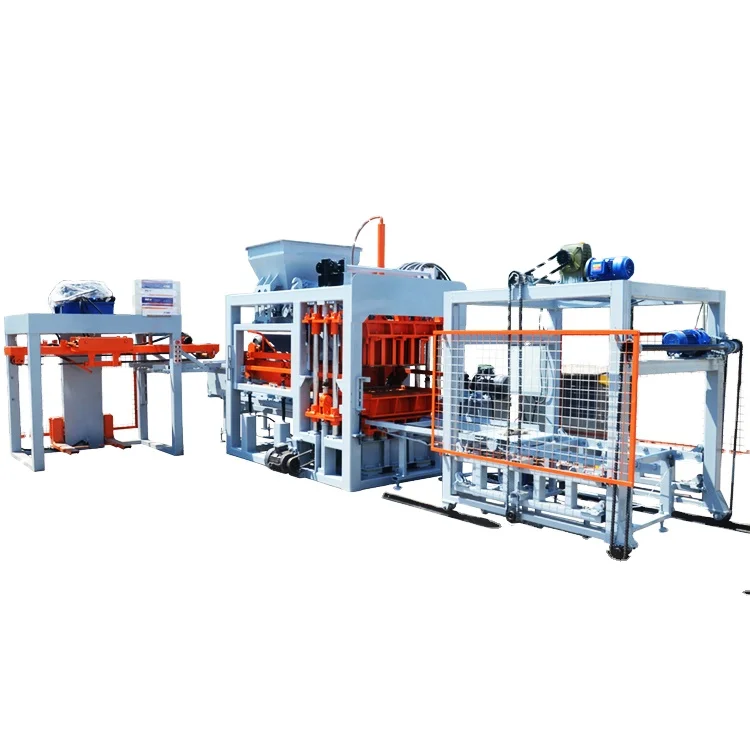
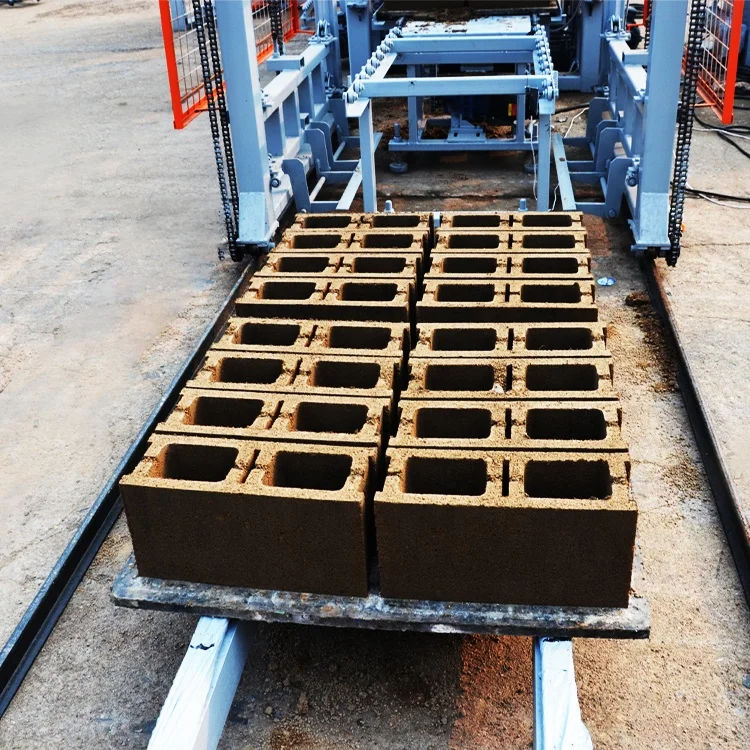
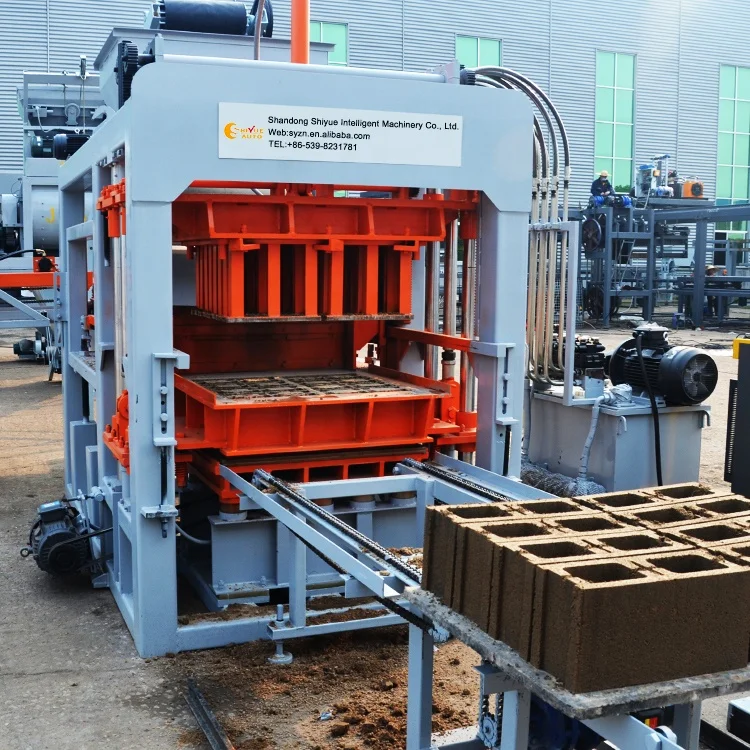
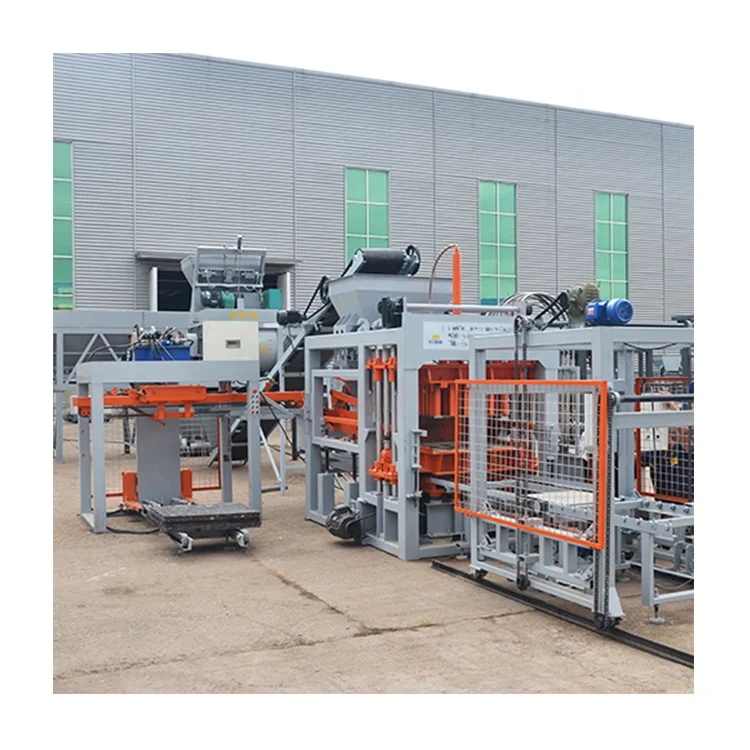
Description
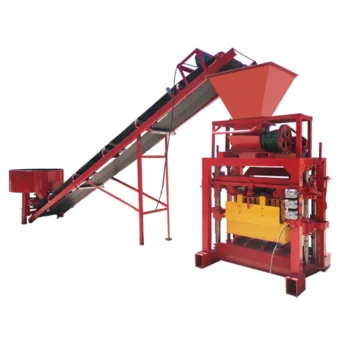
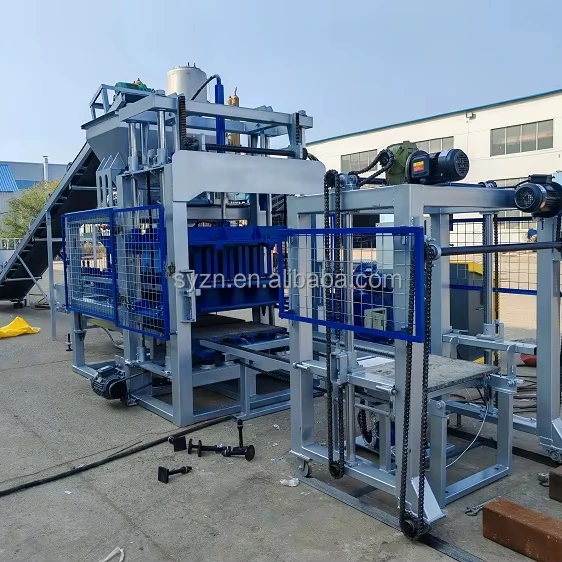
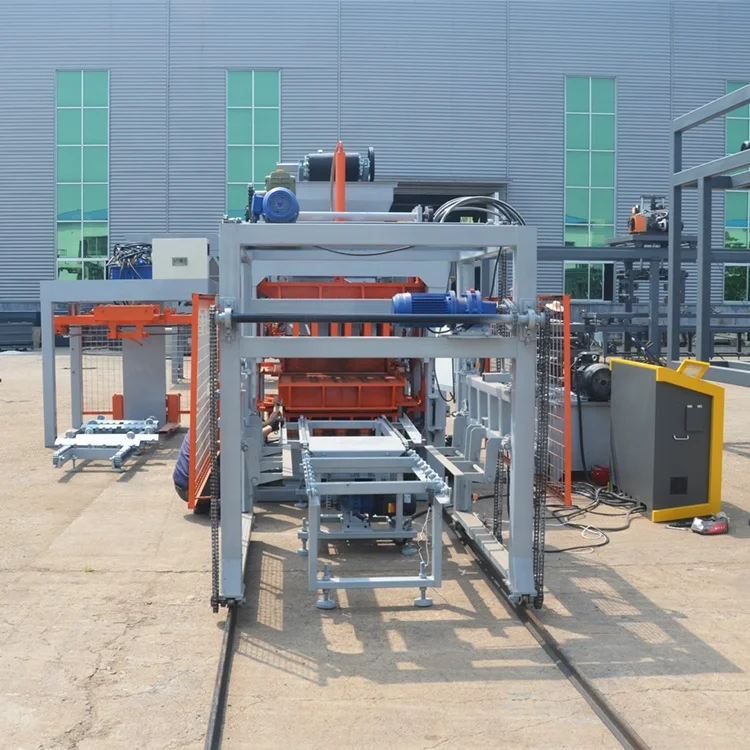
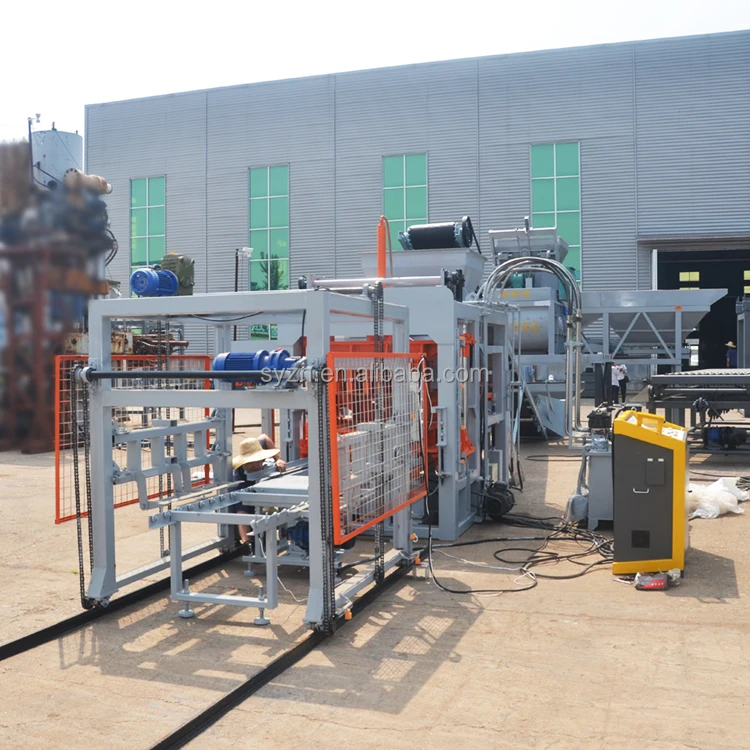
System-Matched Dispatch — every QT6-15 leaves our Linyi yard with pallet, mould, and hydraulic station tested as one loop, so your site crew is not waiting on a missing cable or wrong voltage transformer when the container doors open.
Technical Specifications
| Parameter | Value |
|---|---|
| Model | QT6-15 |
| Product Type | Cement Block Making Machine |
| Overall Dimensions | 8200 × 1700 × 2950 mm |
| Total Mass | 7 T |
| Overall Power | 37 kW |
| Vibration Frequency | 0–60 Hz |
| Vibration Form | Platform vibration |
| Vibration Force | 45 kN |
| Moulding Mode | Automatic loading, vibration moulding |
| Demolding Method | Hydraulic |
| Pallet Size | 880 × 850 mm |
| Molding Cycle | 15–20 s |
| Control System | PLC with touch screen |
| Hydraulic System | Independent integrated station |
| Output (Hollow block 400×200×200 mm) | 1080–1440 pcs/hour, 8640–11520 pcs/8 hr |
| Output (Hollow block 400×150×200 mm) | 1440–1920 pcs/hour, 11520–15360 pcs/8 hr |
| Output (Solid brick 240×115×53 mm) | 5760–7680 pcs/hour, 46080–61440 pcs/8 hr |
| Output (Rectangular paver 200×100×60 mm) | 2160–2880 pcs/hour (20–25 s cycle), 17280–23040 pcs/8 hr |
| Output (Zigzag paver 225×112.5×60 mm) | 2160–2880 pcs/hour (20–25 s cycle), 17280–23040 pcs/8 hr |
| Compressive Strength of Blocks | > 15 MPa |
| Factory Area Required | 1200 m² |
| Warranty | 1 year for whole machine (excluding spare parts) |
| Standards | CE (confirm applicability to destination market) |
Application Suitability
| Application | Material or Output |
|---|---|
| Hollow block for load-bearing walls | Crushed stone, cement, sand, fly ash blends |
| Solid brick for partition and infill | Local aggregate with cement binder |
| Rectangular paving brick | High-density mix for driveway and walkway surfaces |
| Zigzag interlocking paver | Interlocking profile for heavy traffic areas |
| Waste ash and slag utilization | Industrial by-product blended with cement |
Why the Voltage Question Must Come Before the Container
A 37 kW press sitting idle next to a construction site because the local grid is single-phase is not a machine failure — it is a quotation failure.
I once watched a QT6-15 arrive at a Jeddah site where the contractor had only 220 V on hand. The machine was wired for a different supply, and the crew waited three weeks for a step-up transformer while the project schedule slipped day by day. The block machine in stock was physically there, but electrically it was nowhere. That gap between arrival and commissioning is where real deadlines break, and it is the exact reason voltage, frequency, and PLC language now sit at the top of our dispatch checklist rather than buried in the manual [NEED_CITE: voltage and frequency standards by export market].
Dispatch Timing That Matches a Project Calendar
Contractors working against a handover date cannot absorb a twelve-week production slot. The QT6-15 block machine in stock is configured as a standard package — press, hydraulic station, pallets, and one starter mould — so the gap between order confirmation and container gate-out stays measured in weeks rather than months. The machine is dismantled into shipping sections that match container dimensions, and the loading plan is photographed before the doors close.
From Gate-Out to First Block
Arrival timing only matters if the machine actually runs on day one. The independent integrated hydraulic station sits isolated from main-frame vibration and site dust, which keeps valve response stable through the first curing cycle. The PLC touch screen is set to the operator’s language before dispatch, so the commissioning conversation is about mix ratios, not about navigating menus [NEED_CITE: PLC interface language options for export equipment].
Reading the Numbers That Actually Matter on Site
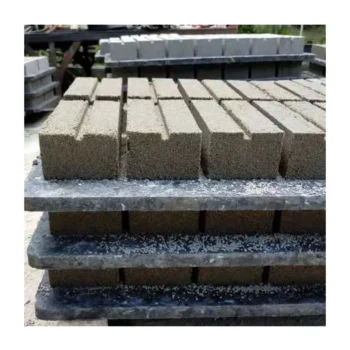
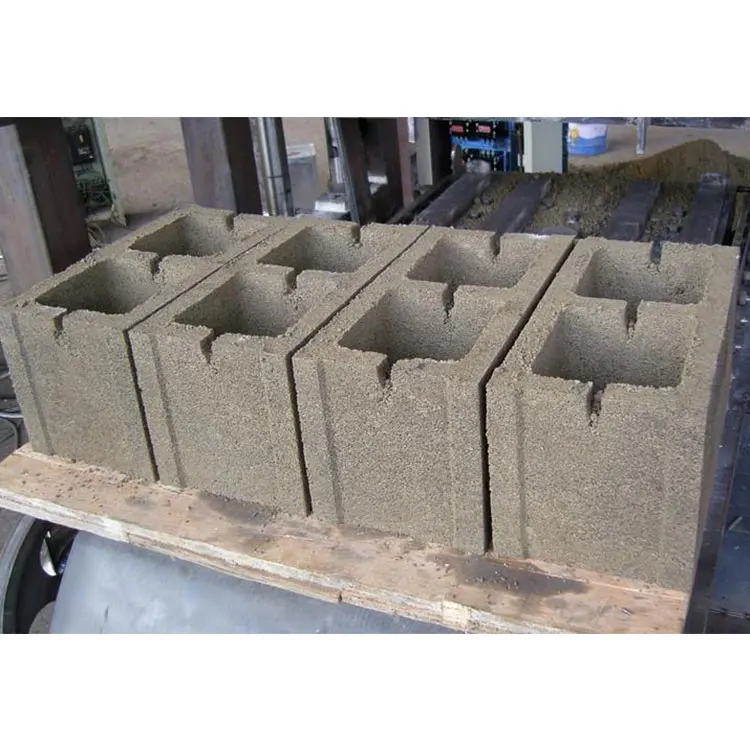
Vibration force at 45 kN paired with the 0–60 Hz adjustable frequency is what determines whether a hollow block leaves the mould with clean corners or crumbles at the edge. For the 400×200×200 mm format, the 15–20 s cycle yields a rated 1080–1440 pieces per hour — but that figure holds only when the mix moisture, aggregate grading, and hydraulic pressure are matched to the buyer’s local material. Pallet size at 880 × 850 mm must be checked against the curing racks and forklift tines the buyer already has on site; a mismatch here means the output piles up on the floor because nothing can move it.
The Cost of Skipping the Pallet and Mould Conversation
Quotations that list the press alone leave the buyer discovering, after the container opens, that pallets must be sourced separately, that the mould does not match the block the local market actually buys, and that stacking is done by hand. Each of those gaps adds days to first production and pushes labour cost onto a balance sheet that was not budgeted for it. A block machine in stock is only fast if the supporting items travel in the same container [NEED_CITE: hidden costs in incomplete block line quotations].
What Sits Behind the Dispatch Date
Shiyue builds the QT6-15 as a single-focus block machinery line, so the mould, pallet, and hydraulic station are specified together rather than assembled from separate suppliers. Factory test records are generated on the buyer’s target block format before the machine is dismantled for packing. Voltage and frequency are confirmed against the destination grid during the order stage, not assumed from a catalogue default. Container loading photographs and packing lists are issued before the bill of lading, giving the buyer a verifiable picture of what is on the water.
Documentation & Verification
- Factory test record run on buyer’s target hollow block format before dismantling
- Container loading photographs showing machine sections and pallet stack
- Voltage, frequency, and PLC language confirmation sheet signed at order stage
- Hydraulic and electrical schematic matching the shipped configuration
- Packing list cross-referenced against container seal number
- CE declaration applicability noted for destination market
Installation, Commissioning & Support
- 1200 m² factory area requirement confirmed against buyer’s site plan
- 37 kW power draw requires dedicated circuit sized before machine arrival
- 7 T total mass dictates forklift capacity for unloading and positioning
- 880 × 850 mm pallet matched to curing rack spacing and forklift tines
- PLC touch screen language set before dispatch to cut commissioning time
- Wear parts list issued with first shipment for early reorder planning
What We Need to Hold Your Dispatch Slot
Share the block format you intend to run first, the daily output target tied to that format, and the voltage and frequency at your site connection point. Confirm the pallet dimensions your curing area and forklift can handle, and note the PLC display language your operators read. With those points locked, the lead time and container loading plan can be stated in days rather than estimates.
Frequently Asked Questions
Q: What is the dispatch lead time for a stocked QT6-15 with standard moulds?
A: Standard QT6-15 units are held ready for configuration and packing. Once voltage, frequency, PLC language, and starter mould format are confirmed, the machine is dismantled and loaded within a stated period that is quoted at order stage rather than left open-ended, so your project schedule has a firm gate-out date to plan around.
Q: How is the machine dismantled and loaded into a container for shipment?
A: The QT6-15 is broken into sections that fit standard container dimensions. The hydraulic station, press frame, and pallet stack are secured separately, and loading photographs are taken before the doors close so you can verify the packing configuration and cross-reference it with the packing list on arrival.
Q: Can voltage, frequency, and PLC language be confirmed before the machine ships?
A: Yes. These three items are confirmed during the order stage, not left to assumption. The electrical configuration is set to match your site supply, and the PLC touch screen is loaded in your operator’s language so commissioning starts with block production rather than menu navigation.
Q: What is included in the shipping package?
A: The package covers the press, independent integrated hydraulic station, starter mould in your chosen format, and the 880 × 850 mm pallets. Each item is listed on the packing sheet so you can verify the full set against the container contents on arrival day.
Q: What customs documentation and packing photographs do you provide before dispatch?
A: You receive a packing list matched to the container seal, loading photographs, hydraulic and electrical schematics, and a factory test record run on your chosen block format. These documents support customs clearance and give your site team a reference set before the container arrives.