

Description
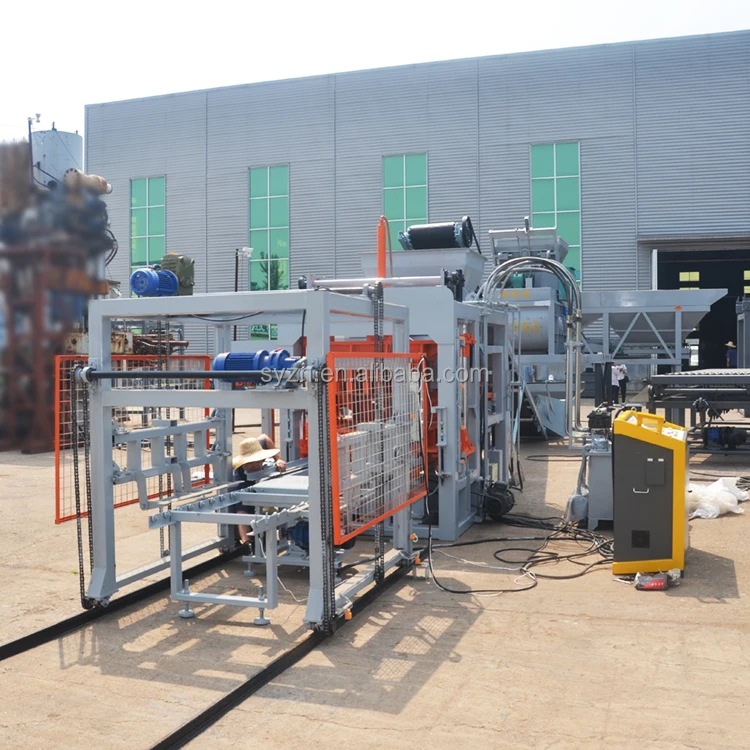
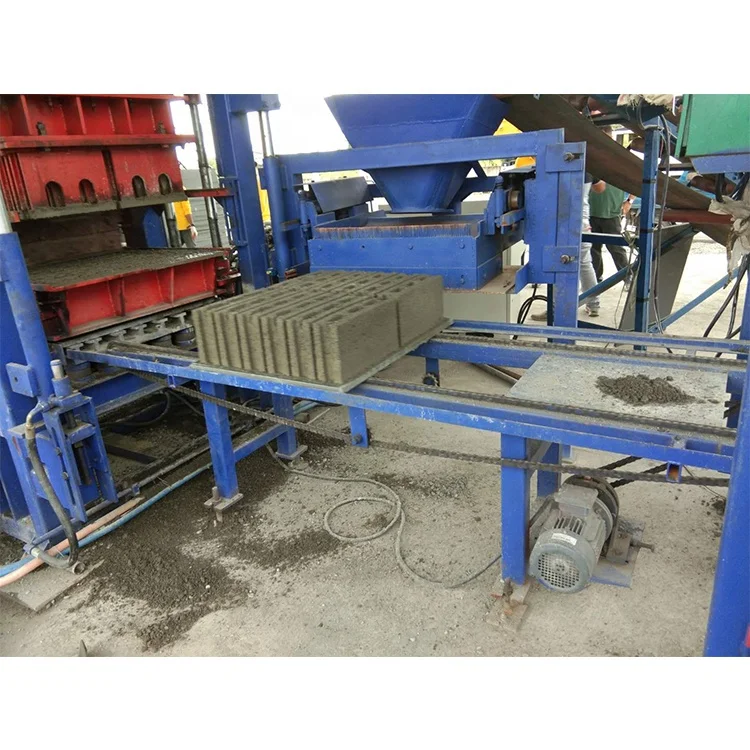
Stocked QT6-15 units ready for fast dispatch — every machine leaves our Linyi workshop with voltage, PLC language, and pallet size verified against your site photos before the container is sealed.
Technical Specifications
| Parameter | Value |
|---|---|
| Model | QT6-15 |
| Product Type | Concrete Block Making Machine |
| Overall Dimensions (L×W×H) | 8200×1700×2950 mm |
| Total Mass | 7 T |
| Overall Power | 37 kW |
| Vibration Force | 45 kN |
| Vibration Frequency | 0-60 Hz |
| Vibration Form | Platform Vibration |
| Moulding Mode | Automatic load, vibration moulding |
| Demolding Method | Hydraulic |
| Pallet Size | 880×850 mm |
| Molding Cycle | 15-20 s (basis not stated in source — confirm block format / material / thickness) |
| Control System | PLC controlled with touch screen, fault diagnosis system, safe logic interlock circuit |
| Hydraulic System | Independent integrated hydraulic station |
| Block Compressive Strength | More than 15 MPa |
| Factory Area Required | 1200 m² |
| Raw Material Adaptability | Waste ash, slag, cement, various aggregates |
| Warranty | 1 year for whole machine (excluding spare parts) |
Application Suitability
| Application | Material or Output |
|---|---|
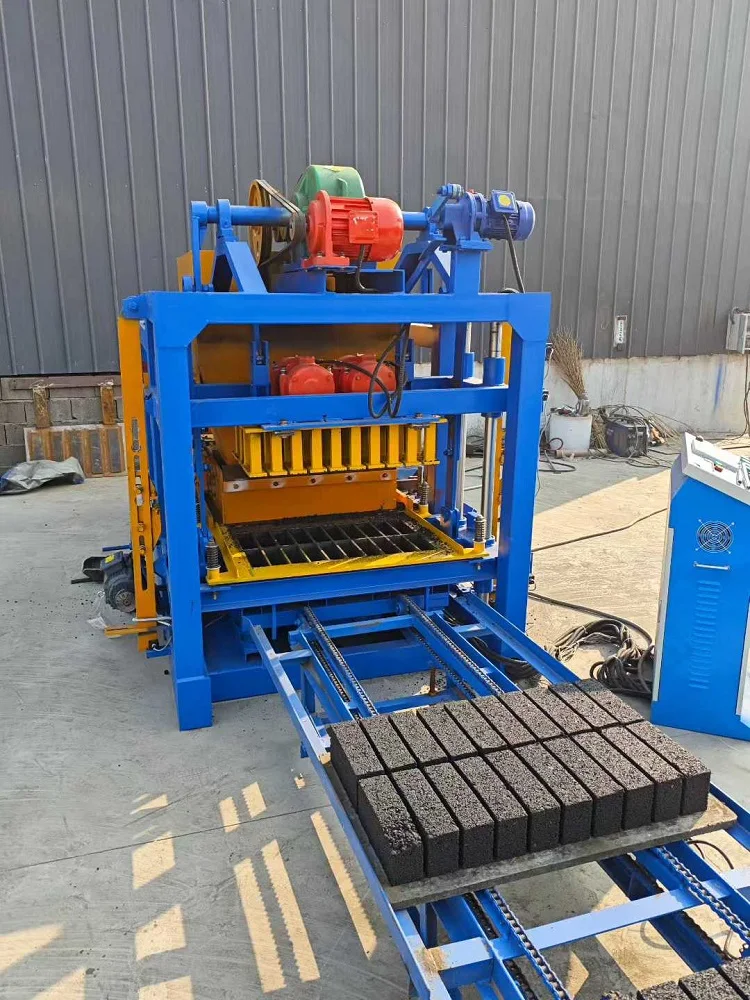
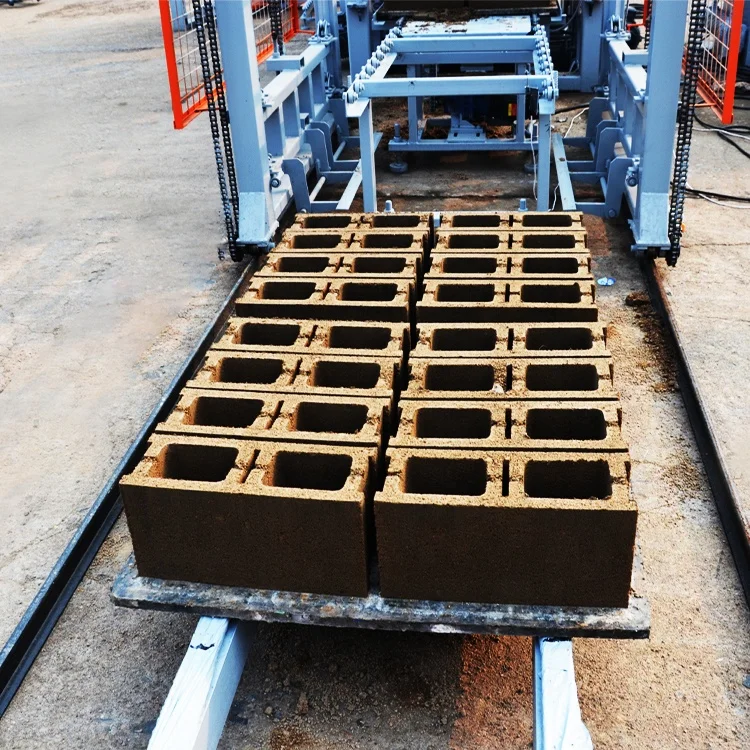
| Hollow block production | 400×200×200 mm hollow blocks from crushed stone, cement, and waste ash |
| Solid brick production | 240×115×53 mm solid bricks from slag and aggregate blends |
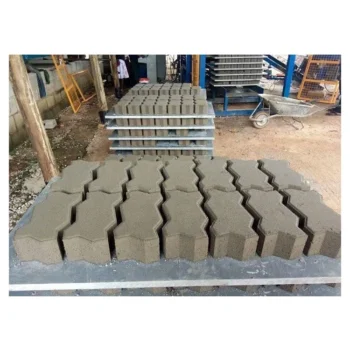
| Paving brick production | 200×100×60 mm rectangular and 225×112.5×60 mm zigzag pavers from fine aggregate and cement |
| Multicellular brick production | Cellular formats using lightweight aggregate and cement mixes |
Why "Pieces per Hour" Means Nothing Without the Block Format
Capacity is only honest when the block format, cycle time, and mould cavity count are named together.
I have seen buyers sign for a block machine quoted at a single headline number, then discover on arrival that the figure assumed a small solid brick while their market only buys 200 mm hollow blocks. The real daily output drops sharply, and the project deadline does not move [NEED_CITE: buyer capacity expectation gaps in block machinery procurement]. That is why every capacity figure below states the exact format and cycle it is based on, so you can match it to your actual product range before the QT6-15 concrete block making machine in stock is loaded into a container.
Dispatch Lead Time and What Actually Delays It
When a buyer needs a QT6-15 concrete block making machine in stock, the clock starts at factory test, not at contract signing. A stocked unit with standard moulds can typically leave the workshop once the electrical configuration is confirmed and the pallet size is matched to the buyer’s curing area. Delays almost always come from unanswered questions: voltage and frequency not stated, PLC display language not specified, or pallet dimensions that do not fit the forklift already on site.
Container Loading and Arrival Estimate
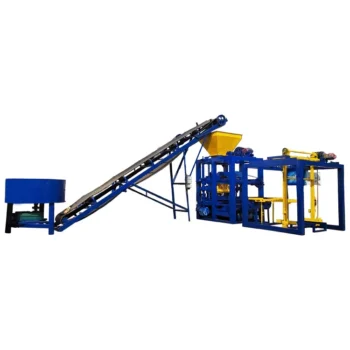
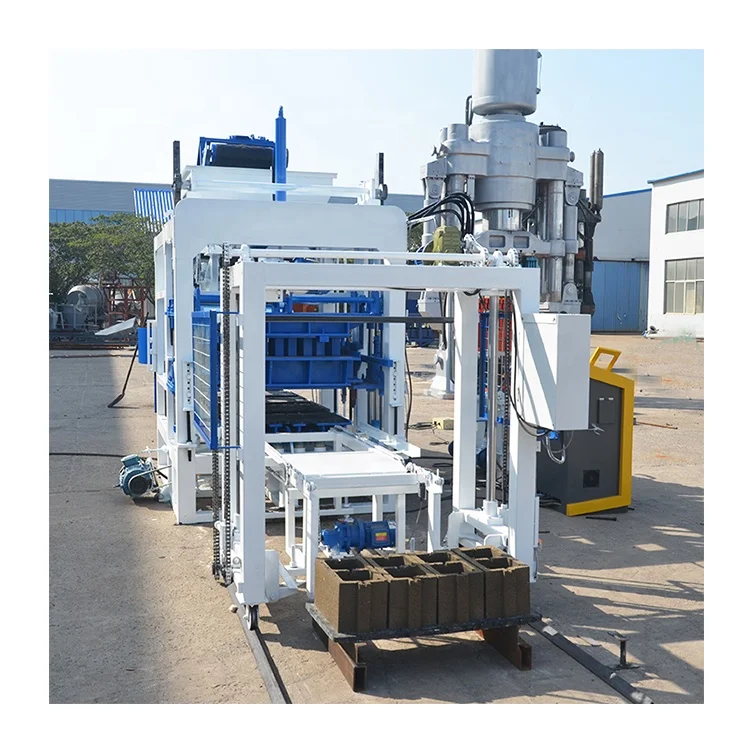
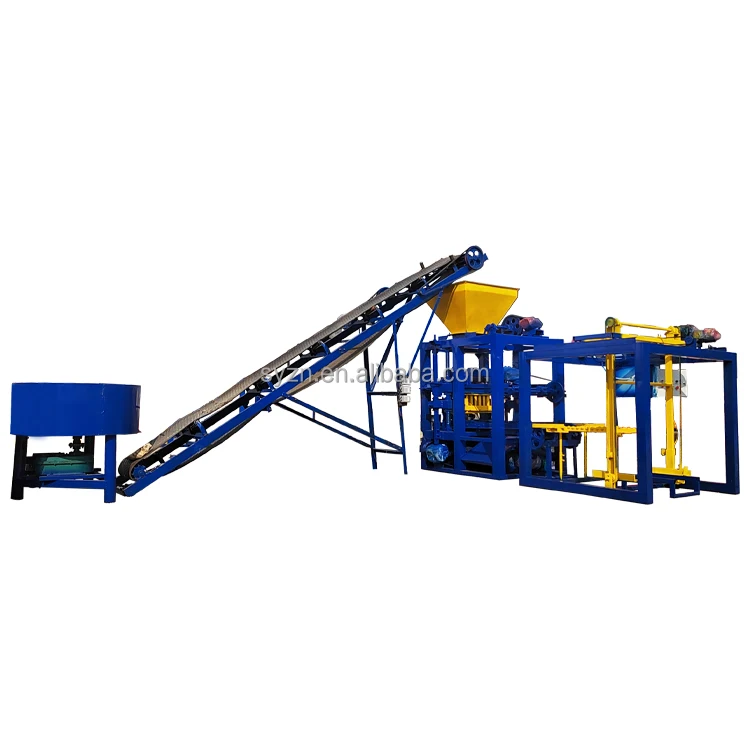
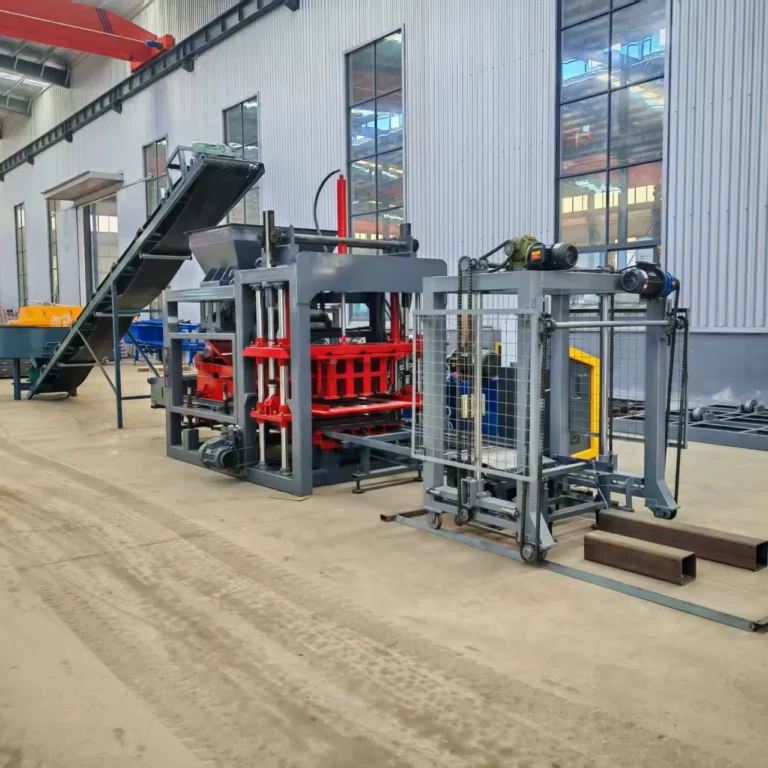
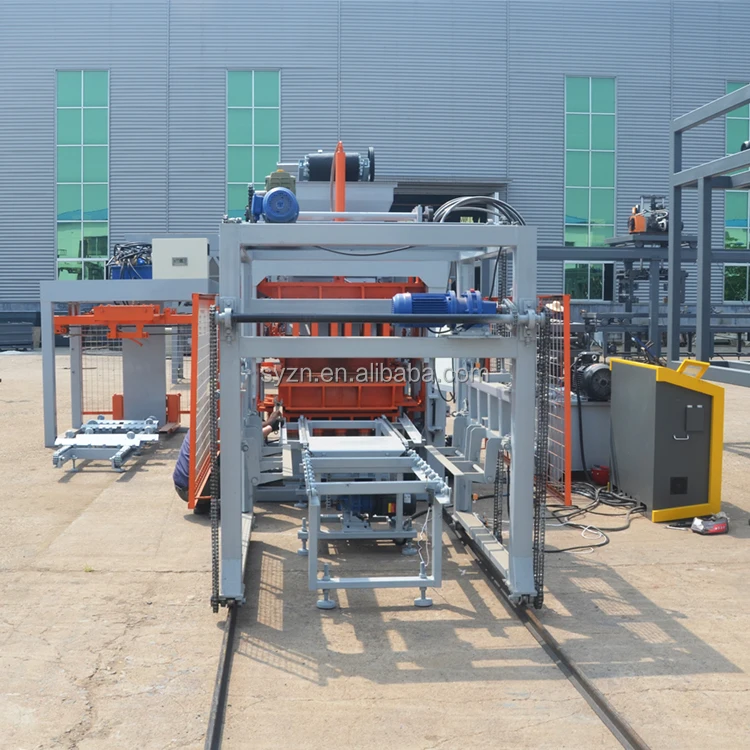
The QT6-15 is dismantled into main frame, hydraulic station, control cabinet, and mould assemblies for container loading. Each unit is photographed at every loading stage so the buyer can see exactly how the machine is secured before the doors close. Port-to-port transit time depends on destination and shipping line schedule, and the arrival estimate is quoted before the order is confirmed so the project timeline stays intact [NEED_CITE: typical ocean freight transit windows for machinery shipments to West Africa and Southeast Asia].
Reading the Numbers That Actually Matter
The 45 kN vibration force and independent integrated hydraulic station work together to compact the mix into dense, consistent blocks. Hydraulic pressure holds the mould box steady while platform vibration settles the aggregate, and the balance between the two determines whether the block reaches the stated compressive strength of more than 15 MPa. The 880×850 mm pallet size defines how many blocks are produced per cycle and must match the curing rack dimensions and forklift capacity already on site. The PLC touch screen with fault diagnosis and safe logic interlock circuit reduces downtime by pointing the operator to the exact sensor or valve that triggered a stop. The 37 kW overall power rating means the buyer must confirm a dedicated circuit with the correct voltage and frequency before dispatch, because a mismatch on arrival means weeks of idle time while a transformer is sourced.
The Cost of Skipping the Voltage Check
Last year I shipped a machine to a site in Nigeria where the local supply was a different three-phase configuration than what the order form stated. The machine sat under a tarp for three weeks while a step-down transformer was trucked in from Lagos [NEED_CITE: on-site voltage mismatch delays in block machine commissioning]. Every electrical detail on the QT6-15 is now verified against the buyer’s site photos and utility documents before the control cabinet is wired, because a QT6-15 concrete block making machine in stock is only fast if it actually runs when it arrives.
Why Source This Machine Here
Block machinery is our single focus, which means the press, mould, pallet, and handling equipment are specified as one matched system rather than assembled from separate suppliers. Configuration is set against your actual mix design and local aggregate, not a catalogue default. Moulds for the formats your market sells — hollow, solid, paver, or custom — are designed and manufactured in the same facility. Automation level is selectable, so a buyer can start with standard operation and add automatic stacking later. Installation and commissioning support includes operator training on your specific block formats and mix.
Documentation & Verification
- Line layout and capacity calculation stating the block format assumed for the QT6-15
- Machine specification sheet with pallet size 880×850 mm and hydraulic station details
- Mould drawing and format list covering hollow, solid, and paver configurations
- Voltage, frequency, and PLC display language confirmation signed before production
- Factory test record with block samples from your mix design
- Packing photographs and container loading plan before dispatch
Installation, Commissioning & Support
- 1200 m² factory area required with level concrete foundation for the 8200×1700 mm footprint
- 37 kW dedicated three-phase circuit with voltage and frequency confirmed before wiring
- Machine dismantled into frame, hydraulic station, and control cabinet for container loading
- On-site commissioning with mould alignment and vibration frequency tuned to your aggregate
- Operator training on PLC touch screen fault diagnosis and safe logic interlock procedures
- Wear parts and mould inventory list provided for first replacement planning
What We Need to Quote a Dispatch Date
Tell us the block formats you produce, the daily output you need, and the voltage and frequency at your site. Share your curing area dimensions and the forklift you already own so we can confirm pallet compatibility. If you have a project deadline, state it upfront and we will return an arrival estimate with each milestone named.
Frequently Asked Questions
Q: Which QT6-15 machines and moulds are currently in stock and what is the dispatch lead time?
A: Stocked units are configured with standard hollow block and paver moulds. Dispatch lead time depends on whether your voltage, frequency, and PLC language match a ready configuration or require rewiring. We confirm the exact dispatch date after your electrical details are verified, typically within days for a standard match.
Q: How is the QT6-15 dismantled for container loading and what photographs are provided?
A: The machine is broken down into main frame, hydraulic station, control cabinet, and mould assemblies. Each loading stage is photographed — open container, secured frame, closed doors — and sent to you before the container leaves the yard so you can verify securing methods and packing condition.
Q: Can voltage, frequency, and PLC display language be confirmed before the machine ships?
A: Yes. We require your site voltage, frequency, and preferred PLC language before the control cabinet is wired. A confirmation document is signed by both sides so the QT6-15 concrete block making machine in stock arrives ready to connect without waiting for a transformer or reprogramming.
Q: What is the arrival estimate from order to port and what could delay it?
A: The estimate covers factory test completion, container loading, inland transport, and port-to-port transit. Delays typically come from late confirmation of electrical specifications, customs documentation gaps, or shipping schedule changes. We quote each milestone upfront so your project planner can build around real dates.
Q: Are standard moulds shipped with the machine or ordered separately?
A: Standard hollow block, solid brick, and rectangular paver moulds are typically included with a stocked QT6-15. Custom moulds or additional formats beyond the standard set are quoted separately with their own production lead time, which we state before you confirm the order.