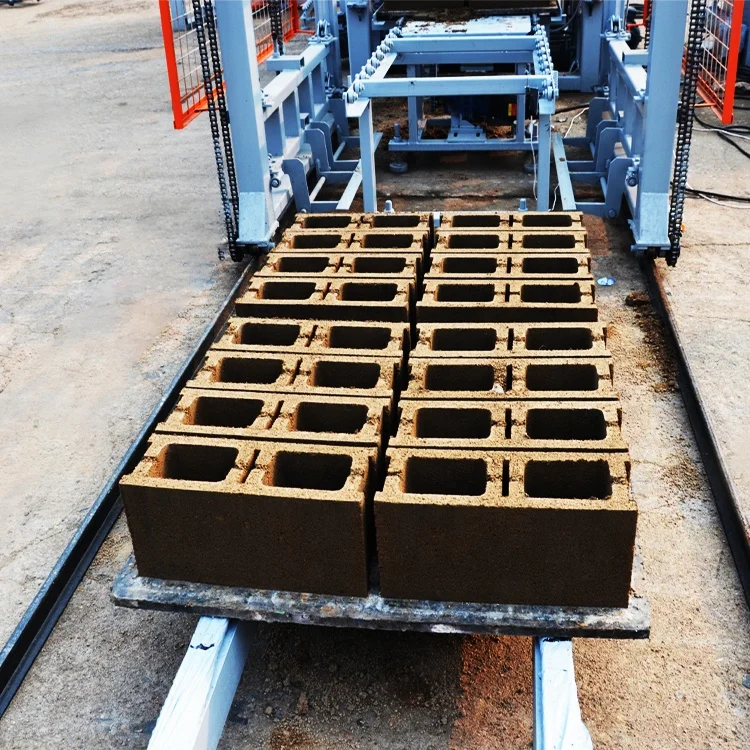
Description
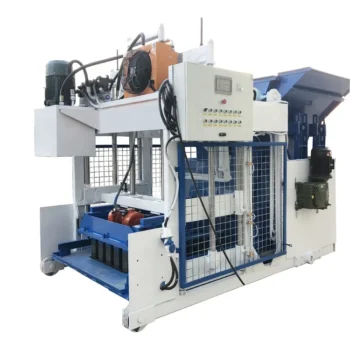
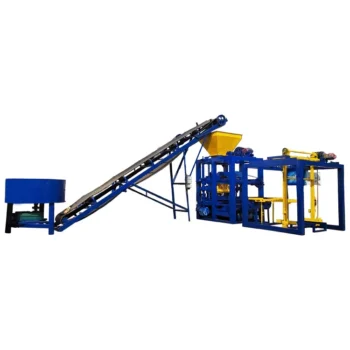
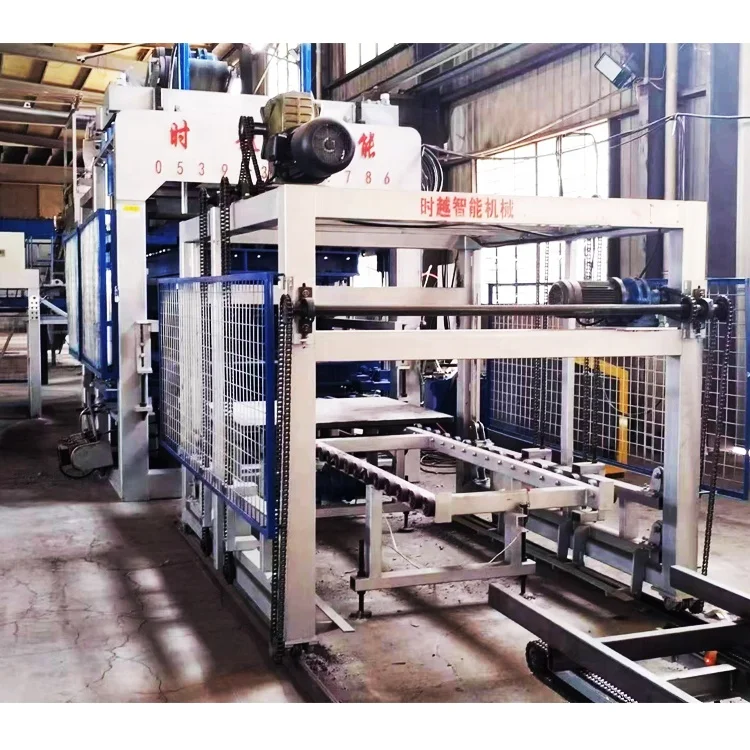
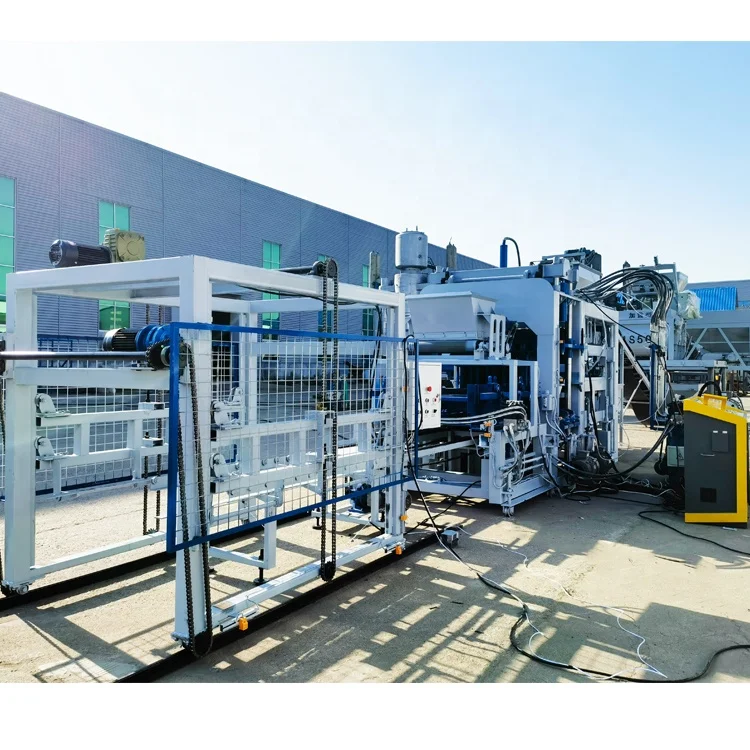
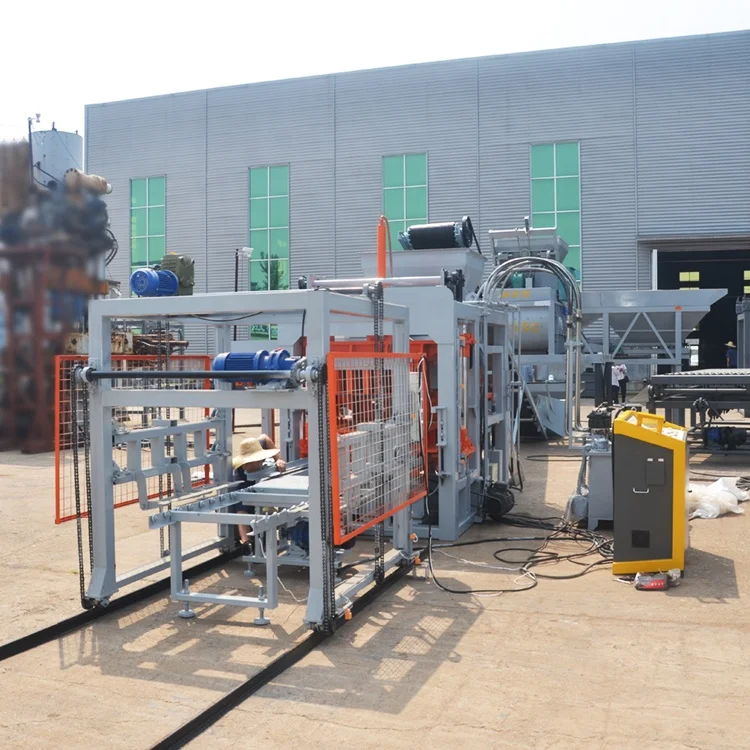
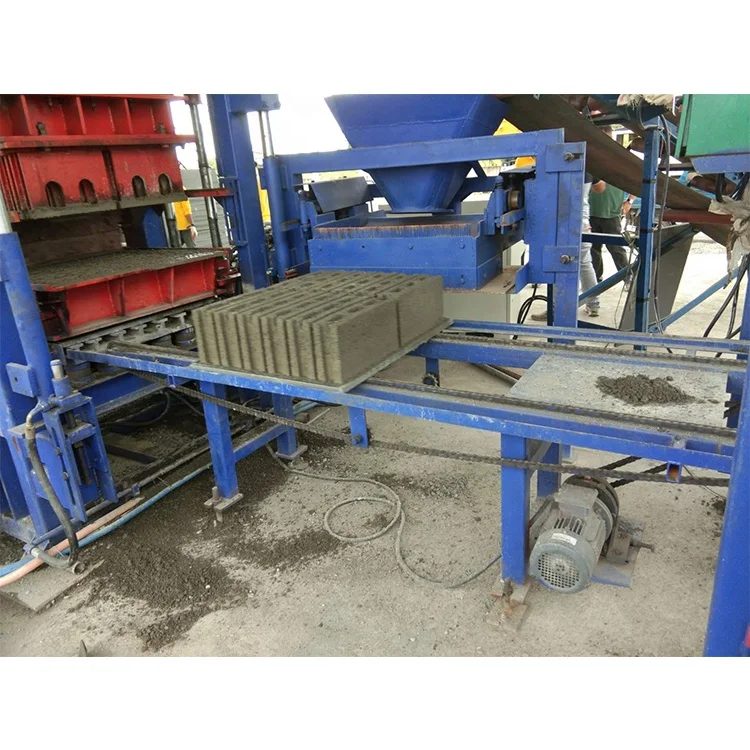
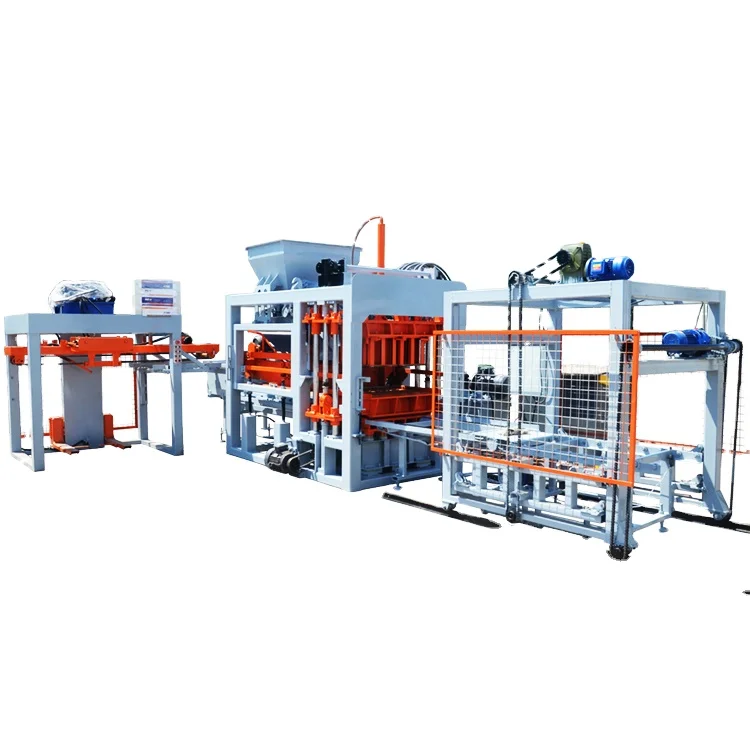
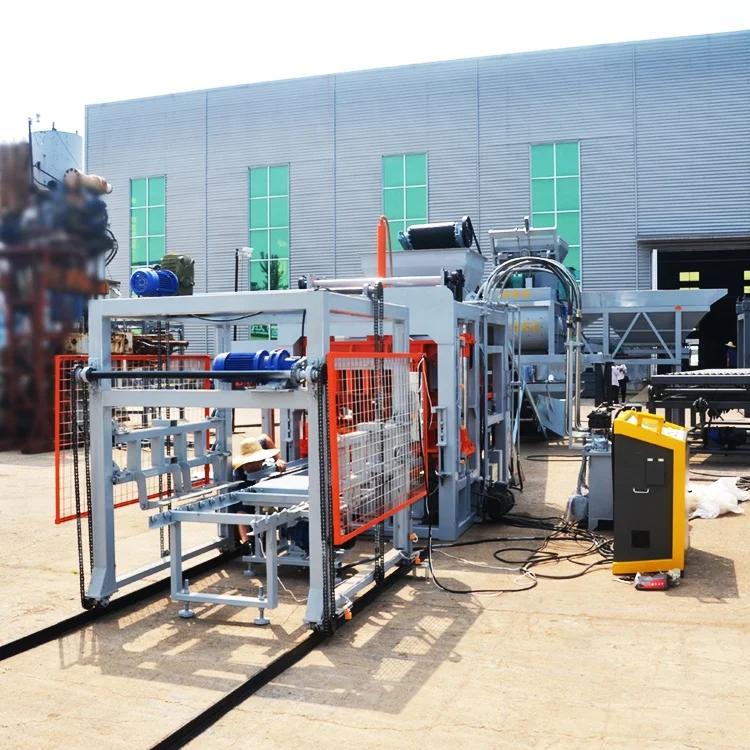
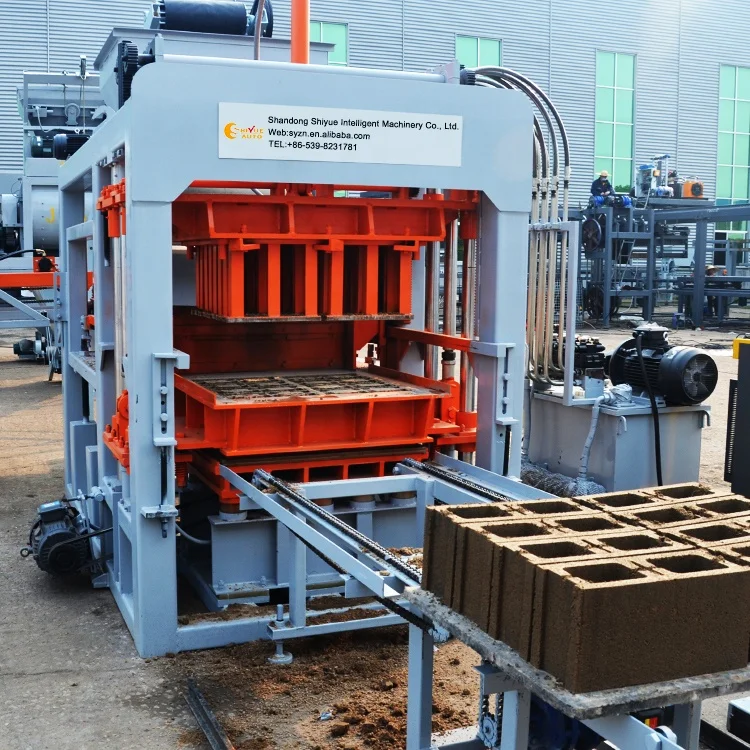
Stocked Configuration — the QT6-15 ships as a complete matched system with standard moulds, pallets, and hydraulic station ready for dispatch, not assembled from separate suppliers after the order is placed.
Technical Specifications
| Parameter | Value |
|---|---|
| Model | QT6-15 |
| Product Type | Concrete Hollow Block Making Machine |
| Overall Dimensions (L×W×H) | 8200 × 1700 × 2950 mm |
| Total Mass | 7 T |
| Overall Power | 37 kW |
| Vibration Form | Platform Vibration |
| Vibration Frequency | 0–60 Hz |
| Vibration Force | 45 kN |
| Moulding Mode | Automatic loading, vibration moulding |
| Demolding Method | Hydraulic |
| Pallet Size | 880 × 850 mm |
| Molding Cycle | 15–20 s (basis not stated in source — confirm block format and material) |
| Factory Area | 1200 m² |
| Control System | PLC with touch screen HMI |
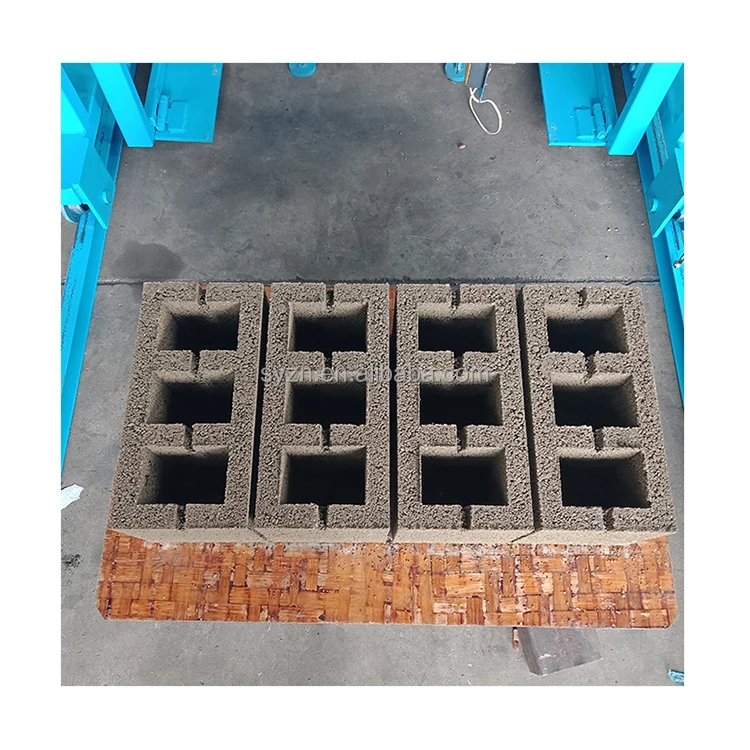
| Output Capacity (400×200×200 mm hollow block) | 6 pcs/mould, 8640–11520 pcs/8hr (basis: 15–20 s cycle) |
| Output Capacity (400×150×200 mm hollow block) | 8 pcs/mould, 11520–15360 pcs/8hr (basis: 15–20 s cycle) |
| Output Capacity (240×115×53 mm solid brick) | 32 pcs/mould, 46080–61440 pcs/8hr (basis: 15–20 s cycle) |
| Output Capacity (200×100×60 mm rectangular brick) | 21 pcs/mould, 17280–23040 pcs/8hr (basis: 20–25 s cycle) |
| Output Capacity (225×112.5×60 mm zigzag brick) | 15 pcs/mould, 17280–23040 pcs/8hr (basis: 20–25 s cycle) |
| Voltage & Frequency | Configurable — confirm with supplier before shipment |
| Block Compressive Strength | >15 MPa |
| Hydraulic System | Independent integrated station, isolated from dust and vibration |
| Fault Diagnosis | Built-in PLC fault diagnosis with safety logic interlock |
| Certification | CE (referenced in documentation scope — confirm on this model) |
Application Suitability
| Application | Material or Output |
|---|---|
| Hollow block production for building walls | Concrete with fly ash, slag, or crushed stone aggregate |
| Solid brick manufacturing | Cement mixed with waste ash and fine aggregate |
| Rectangular paving brick for walkways and yards | Concrete with graded aggregate and cement |
| Zigzag interlocking brick for driveways | Concrete with coarse aggregate and adjustable cement dosage |
| On-site block production for housing projects | Local aggregate, sand, and cement with field-adaptable mix |
Why the Voltage Question Should Come Before the Price
A QT6-15 block machine in stock is only useful if it can actually run when it arrives at your site.
I once shipped a block press to a Middle East contractor who had a housing project deadline. The machine sat idle for three weeks because the local three-phase supply did not match the factory-default wiring. The entire site crew waited while the control cabinet was rebuilt on location. Since then, every order I handle starts with a written confirmation of voltage, frequency, and PLC display language before production or dispatch begins. A QT6-15 block machine in stock with the wrong electrical configuration still means a stalled project [NEED_CITE: voltage and frequency standards by export market].
Dispatch Timing That Matches Your Project Window
Buyers working against construction deadlines cannot afford a custom production run that stretches delivery by weeks. The QT6-15 block machine in stock means the core press, hydraulic station, and PLC cabinet are assembled and factory-tested before your order is finalized. Standard moulds for hollow block, solid brick, and paving formats ship alongside the machine from the same stock pool, so your first production run does not wait for a separate mould shipment. Container loading plans are confirmed at the quotation stage, not after the machine is built.
Container Loading and Arrival Transparency
A stocked machine still needs to be dismantled to fit a shipping container, and that process affects what you receive and when you can reassemble it. The QT6-15 is broken down into main frame, hydraulic station, pallet feeder, and control cabinet for loading, with each sub-assembly photographed and listed on the packing document. Buyers receive an arrival estimate quoted upfront based on the dispatch date and destination port, not a vague "soon after production" timeline [NEED_CITE: typical container transit durations by shipping route].
Reading the Capacity Numbers Honestly
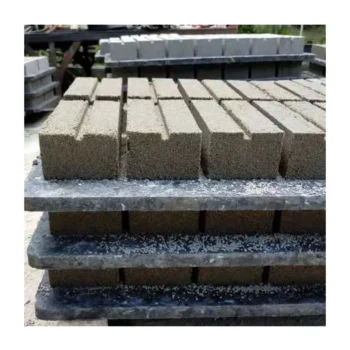
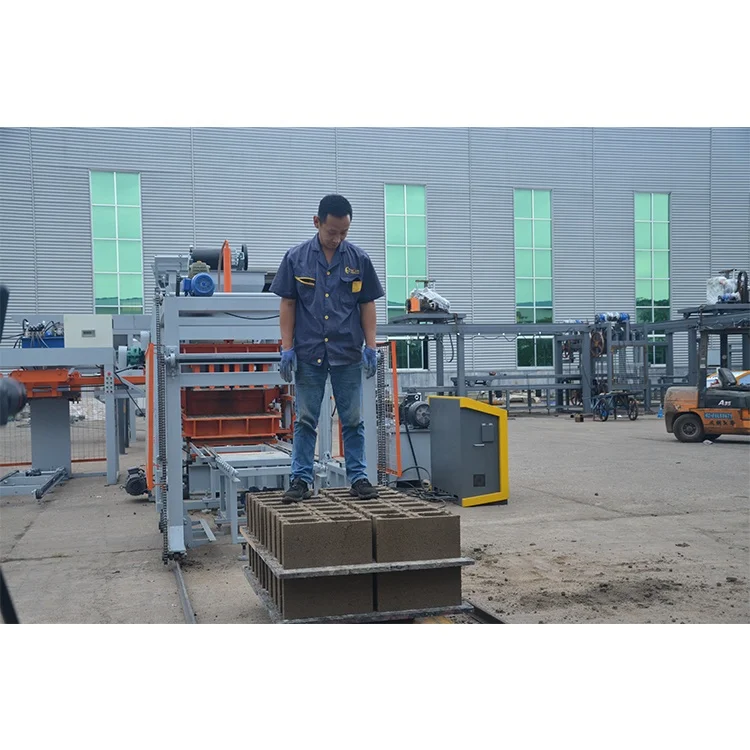
The vibration force of 45 kN combined with hydraulic demolding gives this press a molding cycle in the 15–20 second range for standard hollow block formats, but that cycle time shifts depending on the block you actually produce. A 400×200×200 mm hollow block at six pieces per mould yields between 8640 and 11520 pieces per eight-hour shift, while a thicker rectangular paving brick requires a 20–25 second cycle and a different output calculation. The pallet size of 880 × 850 mm must match your existing curing racks and forklift capacity — ordering without this check means pallets that your equipment cannot handle on arrival. The independent hydraulic station sits isolated from the main press vibration and dust, which reduces seal wear and hydraulic contamination during continuous production runs.
What a Mismatched Pallet Size Costs You
The 880 × 850 mm pallet dimension was chosen to balance mould coverage and curing rack density, but it only works if your site already handles that size. Buyers who skip this confirmation end up either building new curing racks or cutting pallets down — both of which consume the time the fast delivery was supposed to save. The pallet material also matters: bamboo pallets behave differently from PVC or steel under local curing temperatures and humidity, and a mismatched pallet surface can cause sticking that slows the demolding cycle well beyond the rated range [NEED_CITE: pallet material performance under varying curing conditions].
Why Buyers Source From This Stock Program
Block machinery is the single focus here, so the press, mould, pallet, and handling equipment are specified as one matched system rather than assembled from separate suppliers after the order. The QT6-15 ships with a configuration set against your actual mix design and local aggregate, not a catalogue default that assumes materials you cannot source. Standard moulds for the formats your market sells are drawn from stock, and custom mould drawings can follow without delaying the main machine dispatch. Voltage, frequency, and PLC display language are confirmed in writing before the machine leaves the factory, because a commissioning delay defeats the entire purpose of buying a stocked unit.
Documentation & Verification
- Factory test record showing cycle time on your target block format before dispatch
- Machine specification sheet confirming voltage, frequency, and PLC language matched to your site
- Mould drawing and format list for every standard mould included in the shipment
- Hydraulic and electrical schematic for on-site troubleshooting after commissioning
- Packing photographs documenting dismantling and container loading configuration
Installation, Commissioning & Support
- Foundation must accommodate the 8200 × 1700 mm footprint with level tolerance for the platform vibration system
- Dedicated three-phase circuit sized for 37 kW total power draw with confirmed voltage and frequency
- Hydraulic station reconnects to the main press with factory-labeled hoses to speed reassembly after container unloading
- PLC touch screen HMI language and fault diagnosis parameters verified on first power-up before production starts
- Operator training covers mould change procedure, cycle adjustment, and safety interlock response
- Wear parts list and hydraulic seal kit included for the first scheduled maintenance interval
What to Include in Your Inquiry
Provide your target block format and daily output requirement so we can confirm which stocked moulds apply and calculate a realistic shift output. Share your local voltage, frequency, and preferred PLC display language to lock in the electrical configuration before dispatch. Let us know your existing pallet size, curing rack dimensions, and forklift capacity so the 880 × 850 mm pallet specification is validated against your current site equipment.
Frequently Asked Questions
Q: Is the QT6-15 currently in stock, and what is the dispatch lead time to my port?
A: Stock status and dispatch lead time are confirmed in writing at the quotation stage. The arrival estimate is calculated from the confirmed dispatch date and your destination port, so you have a written timeline before committing. Availability of specific mould formats within the stock pool is also confirmed at that point.
Q: What container type is needed, and how is the machine dismantled for shipment?
A: The QT6-15 is dismantled into main frame, hydraulic station, pallet feeder, and control cabinet for container loading. The container type is determined by the total shipment including moulds and pallets. Packing photographs document every sub-assembly so you know exactly what arrives and how to plan unloading and reassembly on site.
Q: Which standard moulds are stocked and ready to ship with the machine?
A: Standard moulds for hollow block, solid brick, rectangular paving brick, and zigzag interlocking formats are typically drawn from the stock pool. Which specific moulds ship with your order depends on current inventory at the time of quotation, and this is confirmed in writing alongside the machine dispatch schedule.
Q: Can voltage, frequency, and PLC language be confirmed and adjusted before dispatch?
A: Yes — these are confirmed in writing before the machine leaves the factory. The electrical configuration and PLC touch screen display language are set to match your site conditions, so the machine can be commissioned without waiting for a cabinet modification after arrival. This confirmation is part of the standard pre-dispatch process.
Q: What is the estimated arrival time at my destination port once shipped?
A: The arrival estimate depends on the shipping route from the dispatch port to your destination. A written estimate is provided at the quotation stage based on typical transit durations for your port, calculated from the confirmed dispatch date rather than a production completion guess.