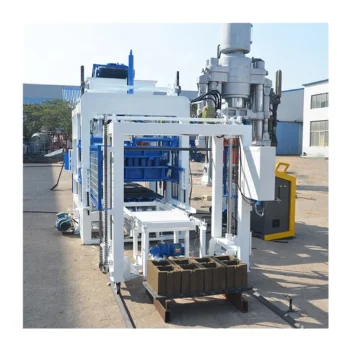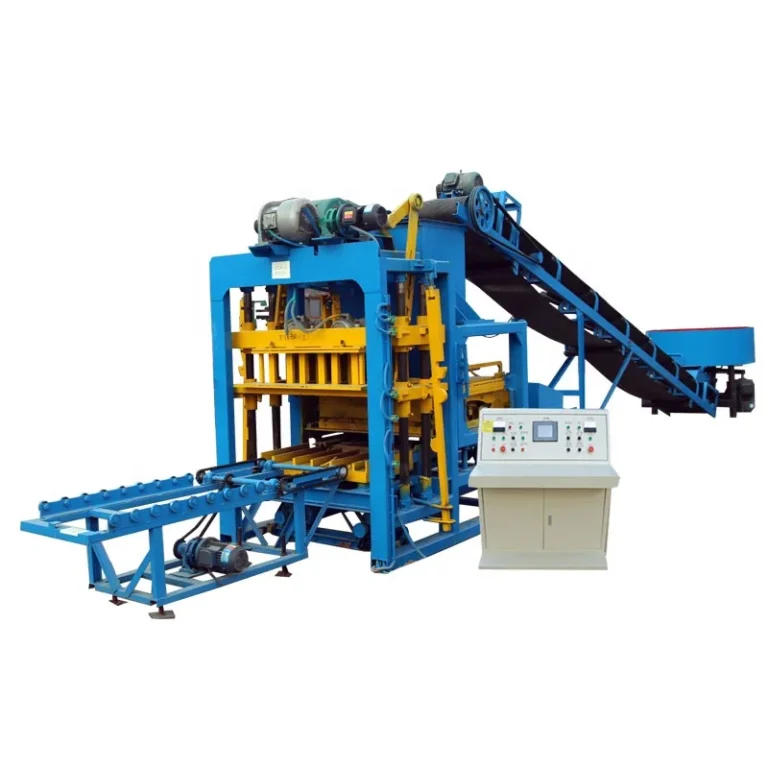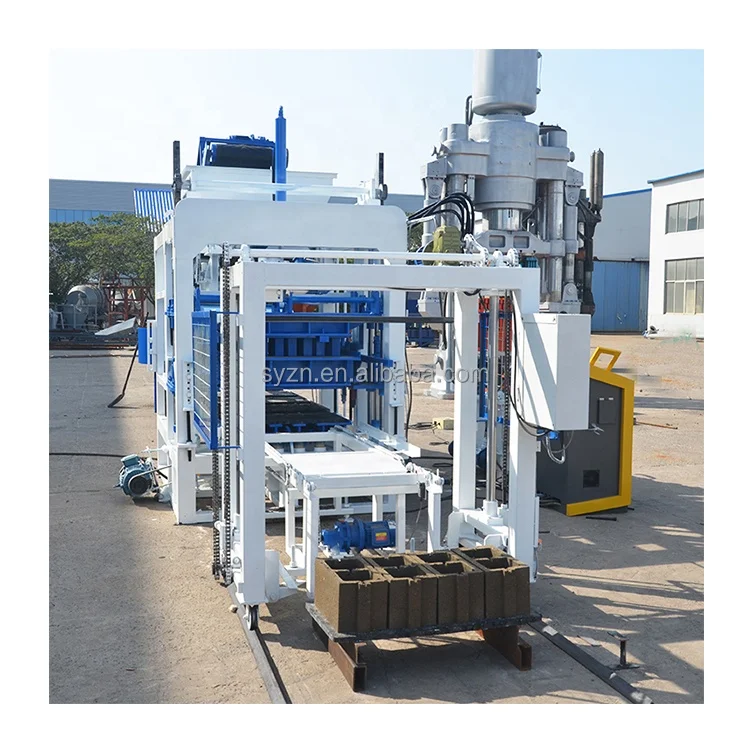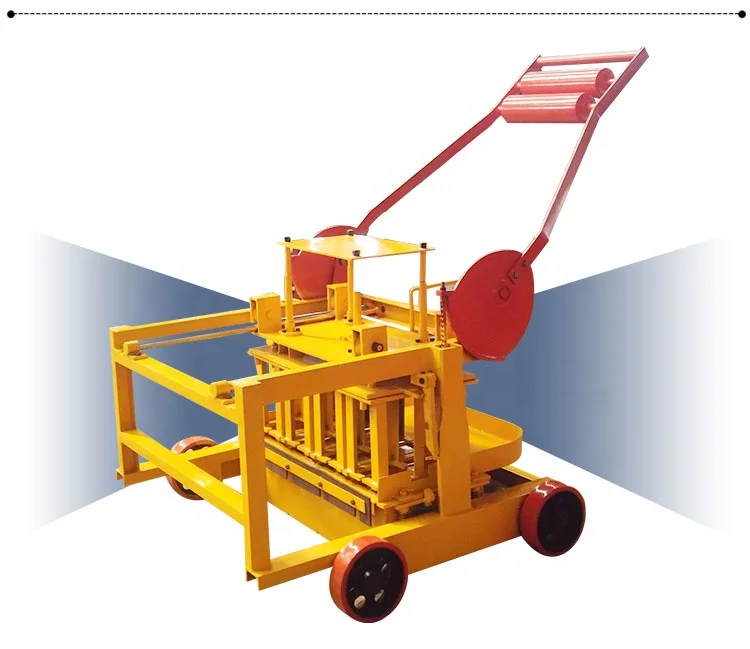



Description
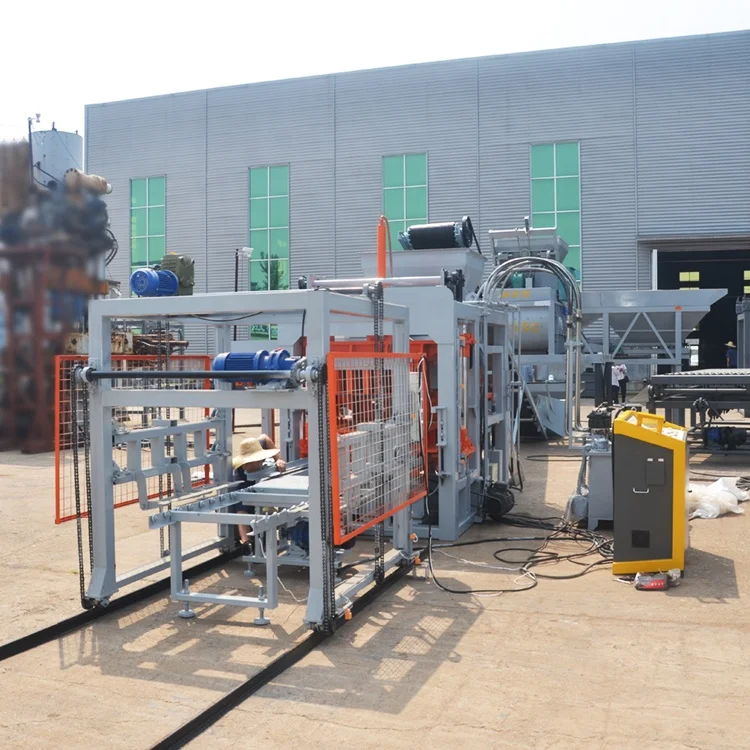
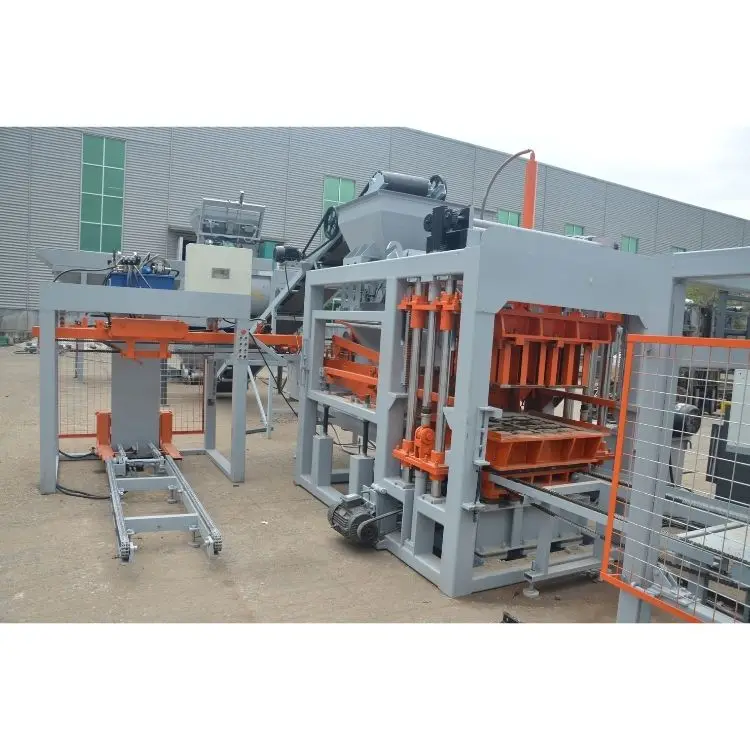
Stocked Dispatch — The QT6-15 block machine is held in warehouse with standard moulds, enabling container loading within days rather than weeks, so your project timeline drives the order date, not the other way around.
Technical Specifications
| Parameter | Value |
|---|---|
| Model | QT6-15 |
| Product Type | Hydraulic Concrete Block Making Machine |
| Molding Method | Vibration and hydraulic pressing |
| Rated Pressure | 21 MPa |
| Molding Cycle | 15s – 20s |
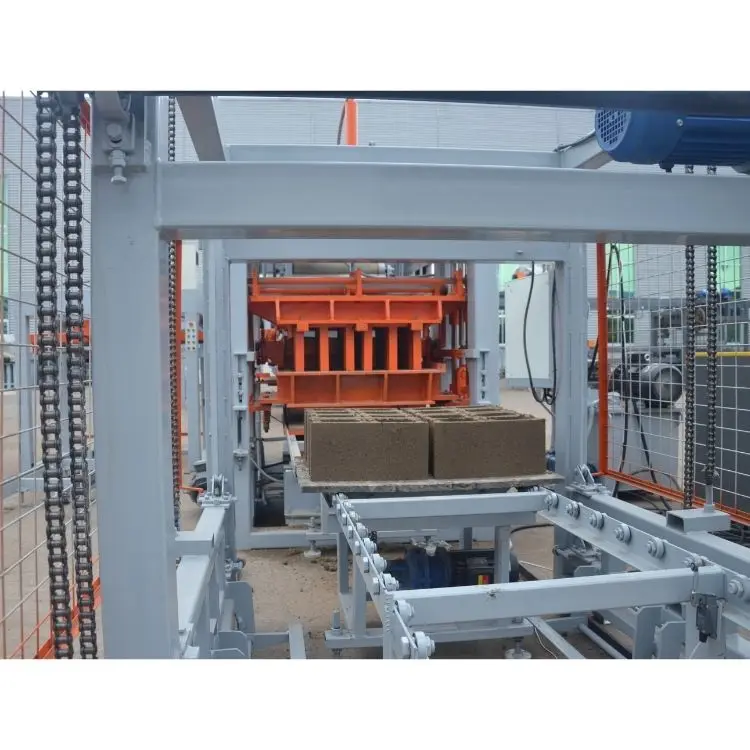
| Pallet Size | 900 × 700 mm |
| Main Machine Weight | 6,000 kg |
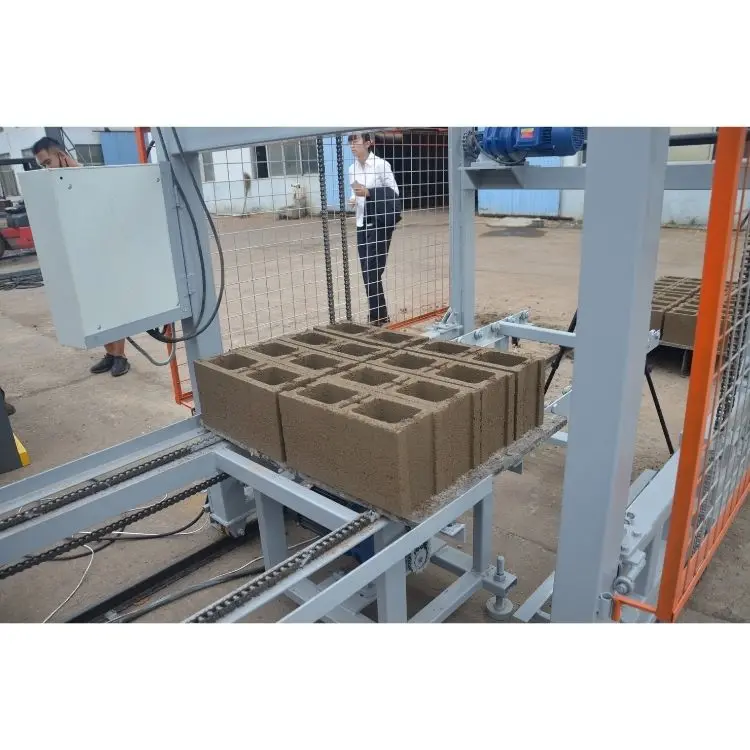
| Output Capacity (Hollow Block 400×200×200 mm) | 1,440 pcs/h (11,520 pcs per 8 hours) |
| Output Capacity (Paving Brick 200×100×60 mm) | 5,040 pcs/h (40,320 pcs per 8 hours) |
| Output Capacity (Solid Brick 240×115×53 mm) | 7,680 pcs/h (61,440 pcs per 8 hours) |
| Automation Level | Semi-automatic or fully automatic line configurations available |
| Control System | PLC (brand and language options to be confirmed) |
| Voltage & Frequency | Customizable to local standard (exact rating to be confirmed) |
| Raw Materials | Cement, sand, fly ash, stone powder, slag |
| Mould Formats | Hollow blocks, paving bricks, solid bricks, curbstones |
| Assembly for Shipment | Top cylinder removed for container loading |
| Warranty | 1 year (excluding wearing parts) |
| Vibration Force | (basis not stated in source) |
| Overall Dimensions | (basis not stated in source) |
| Certification | (basis not stated in source) |
Application Suitability
| Application | Material or Output |
|---|---|
| Hollow block production for building walls | Cement, sand, fly ash, stone powder, slag blends |
| Sidewalk and plaza paving brick manufacturing | Crushed stone, sand, and cement mixes |
| Solid brick manufacturing for masonry | Cement and fine aggregate combinations |
| Kerbstone and curb production for infrastructure | Coarse aggregate and cement blends |
| On-site block production for housing projects | Locally sourced aggregate and cement |
What "In Stock" Actually Means for Your Project Schedule
The QT6-15 block machine in stock status tells you when the machine can leave — not when it can produce blocks on your site.
I once saw a contractor in Colombia lose six weeks because a supplier promised fast delivery but hadn’t confirmed voltage and PLC language before shipping. The machine sat on the dock while electricians rewired the panel and a new HMI screen was flown in. Fast dispatch only matters if the machine is configured for your facility the moment it arrives. When you are sourcing a QT6-15 block machine in stock, the lead time conversation must include electrical standards, control language, and mould compatibility with your local aggregate. [NEED_CITE: voltage and frequency standards by export market]
How Stock Status Shortens the Critical Path
A stocked QT6-15 block machine in stock eliminates the production queue, which is typically the longest segment of the procurement timeline. The main machine, hydraulic station, and control cabinet are pre-assembled and factory-tested, meaning the clock starts at container booking rather than at raw material procurement. For buyers working against a construction milestone or a seasonal selling window, this difference determines whether commissioning happens before or after the deadline.
What Gets Dismantled Before It Leaves the Warehouse
The top cylinder assembly is removed to fit the main frame inside a standard shipping container. This is a deliberate engineering choice, not a compromise: the cylinder bolts back onto the upper frame with alignment dowels, and the hydraulic lines use quick-connect fittings that were tested during the factory run. Packing photographs document every component before the container doors close, so the receiving team knows exactly what to expect when the crate is opened at the destination port. [NEED_CITE: container loading procedures for heavy industrial machinery]
Reading the Cycle Time Against Your Actual Block Format
The 15–20 second molding cycle is measured under controlled conditions, but real output depends on the block format you run most often. A 400×200×200 mm hollow block fills the pallet differently than a 200×100×60 mm paving brick, and the vibration profile changes with each mould. The pallet size of 900×700 mm defines how many blocks fit per cycle, which directly shapes your daily production plan. The rated hydraulic pressure of 21 MPa works in concert with vibration force to compact the mix — if your local aggregate is lighter or more porous than standard crushed stone, the pressure and vibration settings need adjustment before the first production run to achieve target block strength.
The Hidden Cost of Skipping the Arrival Estimate
Ordering a machine without a written arrival estimate means your foundation work, electrical hookups, and raw material stockpile might all be ready weeks before the machine shows up — or worse, the machine arrives before the curing yard is prepared. Pallets sit idle, cement bags harden, and the project burns cash while waiting for the other pieces to fall into place. A realistic arrival estimate, calculated from dispatch date plus ocean transit plus customs clearance, lets you sequence the entire site preparation around a single known date. [NEED_CITE: typical ocean freight transit times for machinery containers]
Why Buyers Working to Deadlines Source Here
Block machinery is the sole focus of this operation, which means the QT6-15 is specified as a matched system — press, mould, pallet, and handling equipment — rather than assembled from separate vendors. Stocked units ship with standard mould formats that cover the most common block types, and custom moulds can be added to the same container if ordered early enough. The dispatch lead time is written into the proforma invoice alongside the arrival estimate, so there is no ambiguity about when the machine reaches your port. Factory test records are generated before dismantling, giving you a documented baseline to compare against once the machine is reassembled and running on your raw materials.
Documentation & Verification
- Factory test record showing cycle times on hollow and paving formats before dismantling
- Container loading plan with component list and packing photographs
- Hydraulic and electrical schematic matching the shipped configuration
- Voltage and PLC language confirmation sheet signed before dispatch
- Pallet specification with dimensions and material grade for curing area planning
Installation, Commissioning & Support
- Foundation pad must accommodate the 6,000 kg main machine weight plus dynamic vibration loads
- Power supply must match the confirmed voltage and frequency with a dedicated circuit breaker
- Top cylinder reassembly uses alignment dowels and quick-connect hydraulic fittings tested at factory
- PLC display language confirmed before shipment to avoid operator confusion during commissioning
- Operator training covers mould change procedure, pallet loading sequence, and daily maintenance checkpoints
- Wear parts list identifies items to stock locally before the first replacement cycle is due
Before You Request a Quote
To give you an accurate arrival date, the conversation starts with your destination port, the block formats you need on day one, and your site’s electrical standard. Share your local aggregate type so the vibration and pressure settings can be matched before the machine ships. Confirm whether you need the semi-automatic configuration or a full line with mixer, conveyor, and stacker, since that determines how many containers the order requires.
Frequently Asked Questions
Q: Which QT6-15 configurations are currently in stock and ready to ship?
A: Stocked units include the main press with hydraulic station and PLC control cabinet. Standard moulds for hollow blocks, paving bricks, and solid bricks are typically available in the warehouse. Specific stock levels change with order flow, so confirming the exact configuration and mould set at inquiry time ensures the quoted dispatch date is accurate.
Q: What is the dispatch lead time from order confirmation to container loading?
A: For stocked configurations, the machine can be dismantled, packed, and loaded into a container within a short window after payment confirmation and pre-shipment documentation is finalized. Custom mould orders or voltage-specific electrical panels may extend this timeline, which is stated clearly in the proforma invoice before you commit.
Q: How is the machine dismantled for shipment and what reassembly is needed?
A: The top cylinder assembly is removed to reduce the machine height for standard container loading. Hydraulic lines use quick-connect fittings, and alignment dowels guide the cylinder back into position during on-site reassembly. The process is documented with packing photographs and an assembly guide provided with the shipment.
Q: Can I get an arrival estimate for my destination port before ordering?
A: Yes. Once the destination port is confirmed, an arrival estimate is calculated based on dispatch date, ocean transit duration, and typical customs clearance times at that port. This estimate is included in the proforma invoice so you can plan foundation work and raw material procurement around a known delivery window.
Q: What standard moulds ship together with the main machine?
A: Standard stocked moulds cover hollow blocks at 400×200×200 mm, paving bricks at 200×100×60 mm, and solid bricks at 240×115×53 mm. Additional formats such as curbstones or interlocking bricks require separate mould orders, which can be included in the same container if confirmed before the loading date.