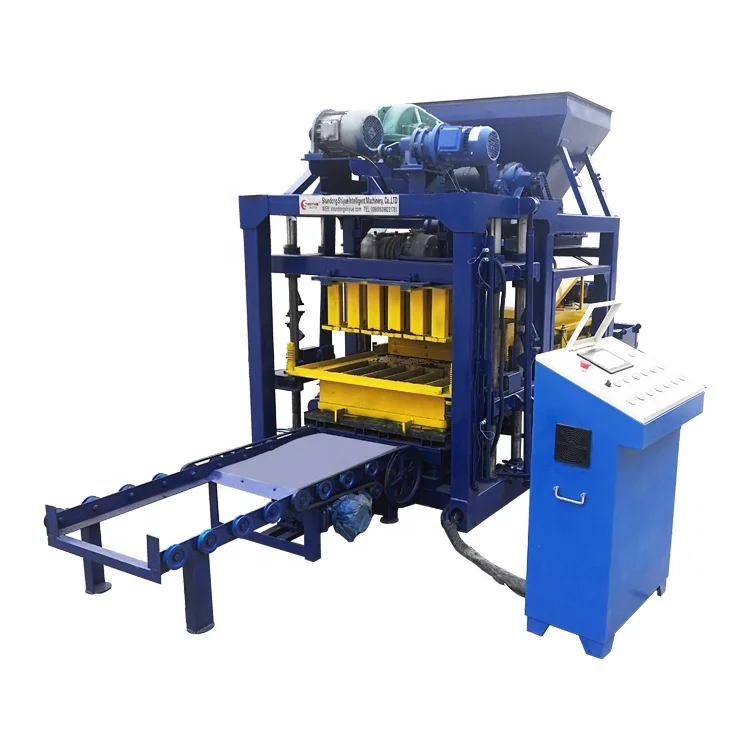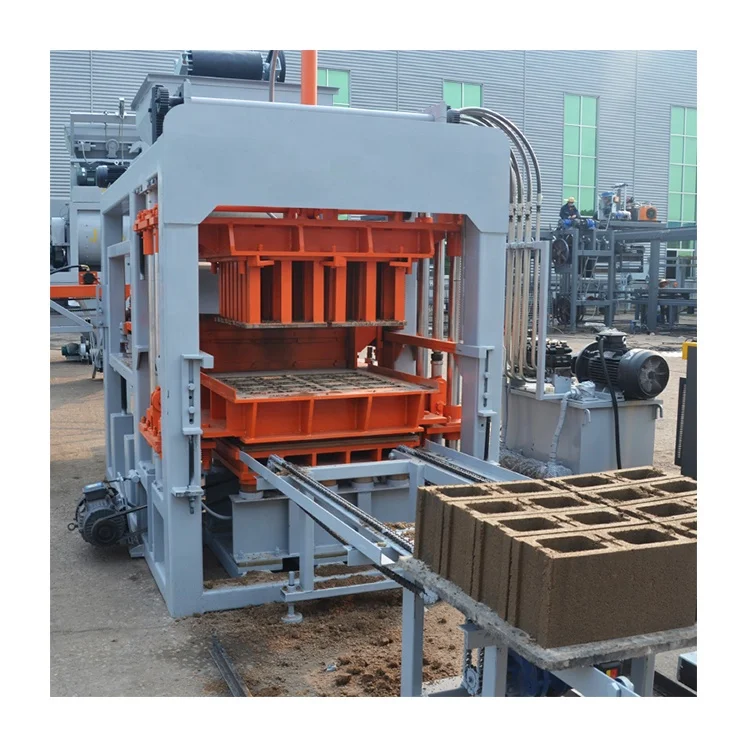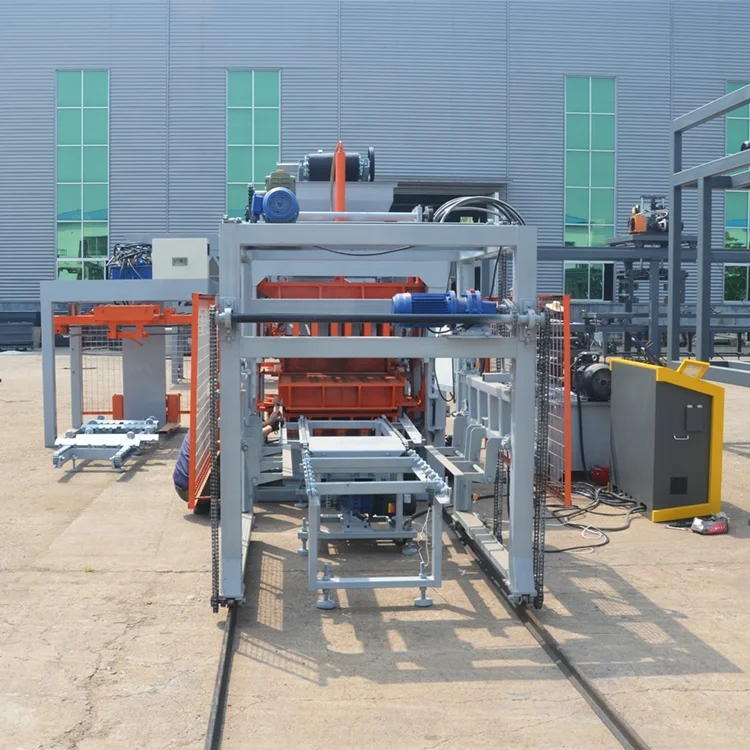
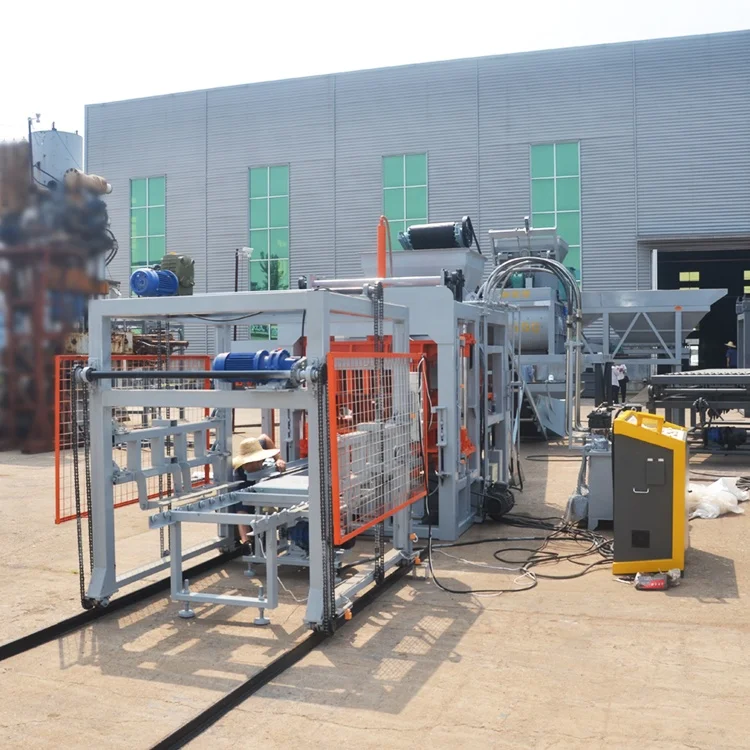
Description
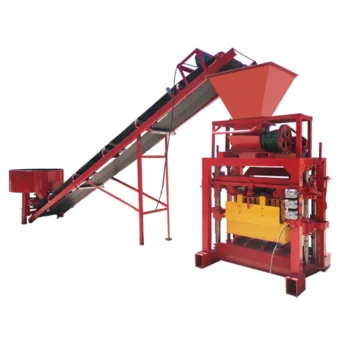
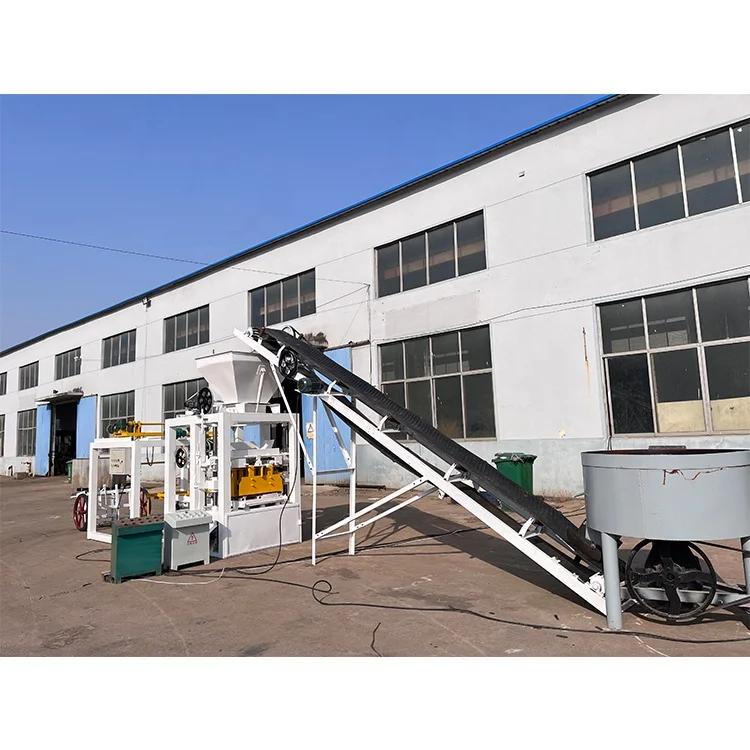
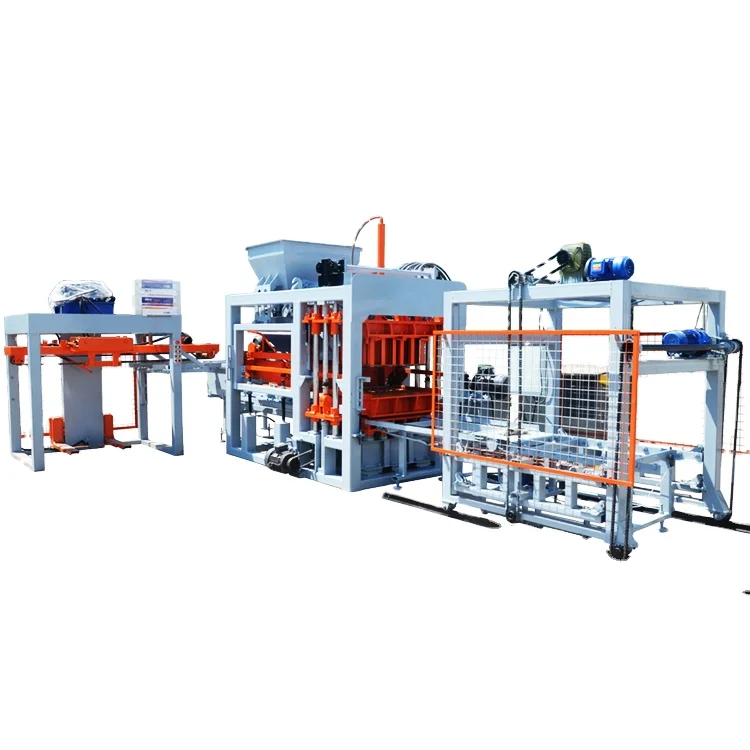
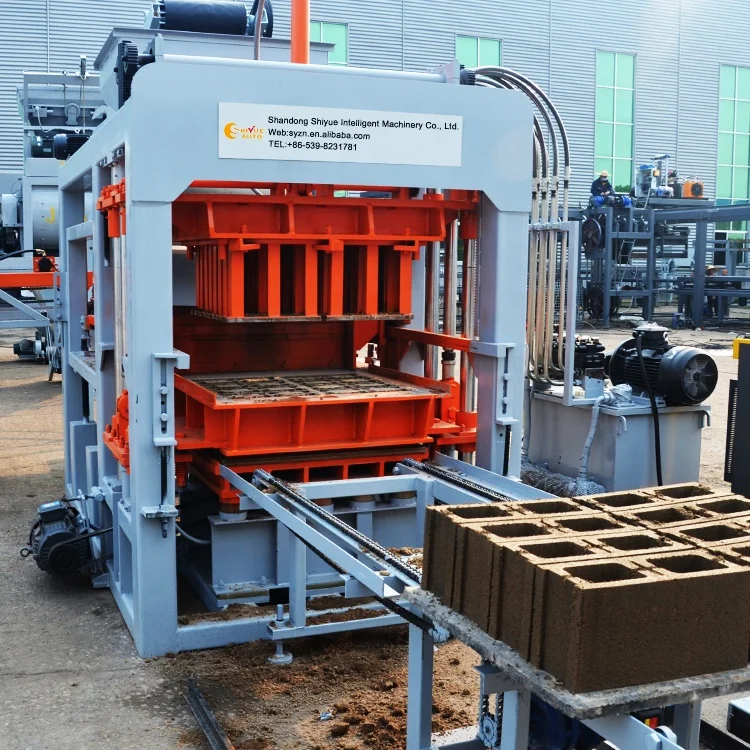
Matched System Delivery — QT6-15 hydraulic block machine, pallets, and standard moulds dispatched together so the line runs from day one on site.
Technical Specifications
| Parameter | Value |
|---|---|
| Model | QT6-15 |
| Product Type | Hydraulic Block Making Machine |
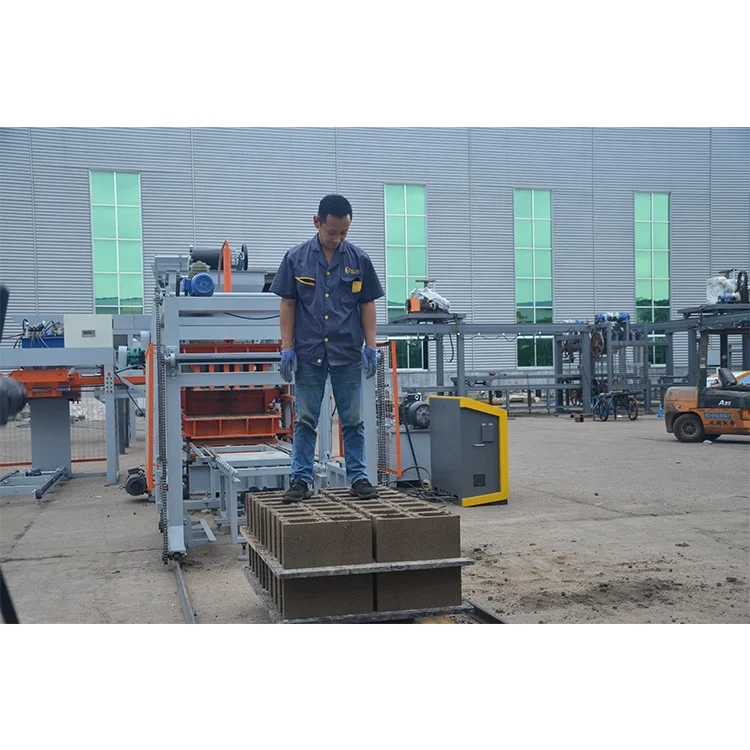
| Overall Dimensions (L×W×H) | 8200×1700×2950 mm |
| Total Mass | 7 T |
| Rated Power | 37 kW |
| Voltage & Frequency | Configurable to destination grid (confirm before shipment) |
| Control System | PLC with touch screen HMI, fault diagnosis, safe logic interlock |
| Vibration Form | Platform vibration |
| Vibration Frequency | 0–60 Hz |
| Vibration Force | 45 kN |
| Moulding Mode | Automatic loading, vibration moulding |
| Demolding Method | Hydraulic |
| Pallet Size | 880×850 mm |
| Moulding Cycle | 15–20 s (basis not stated in source — confirm block format) |
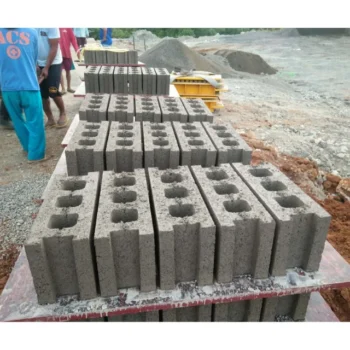
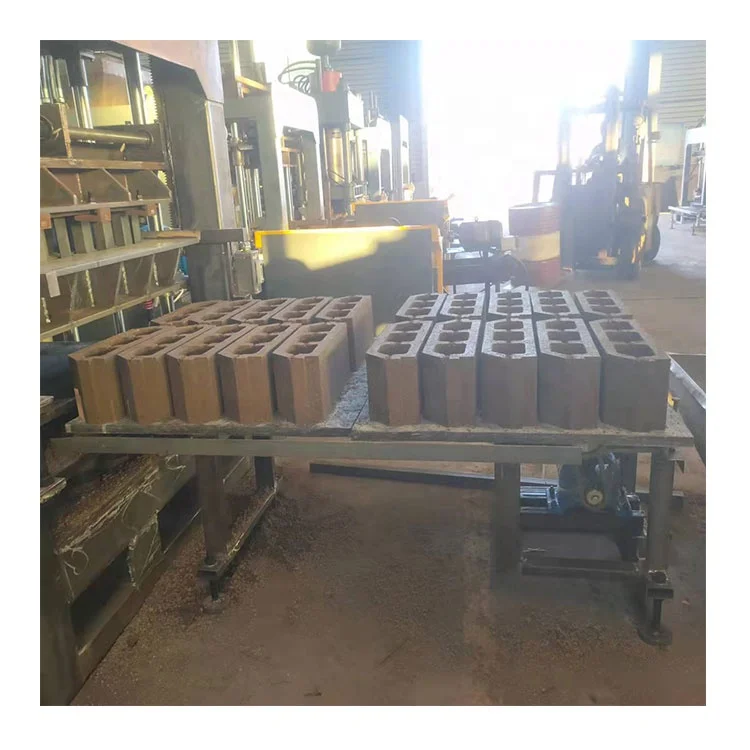
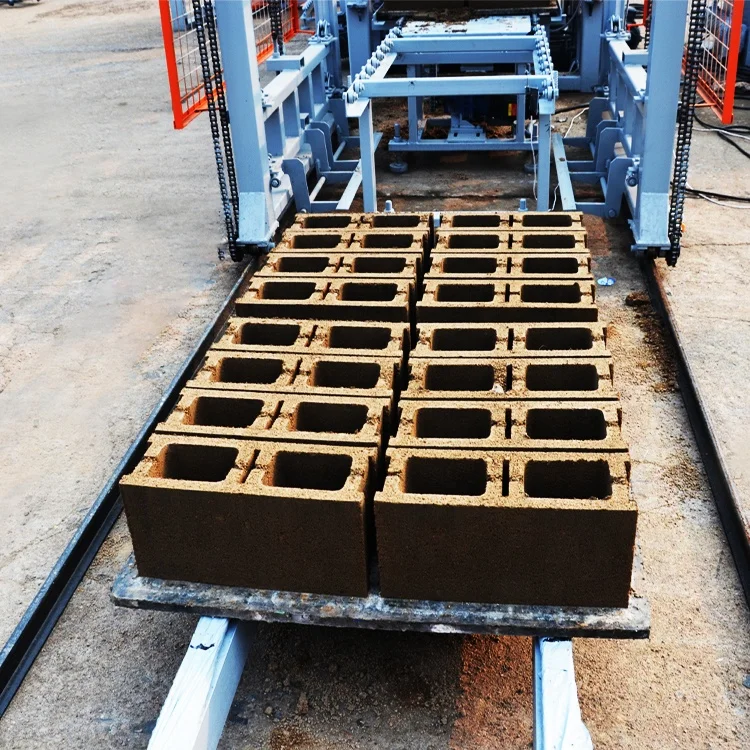
| Output: Hollow Block 400×200×200 mm | 8,640–11,520 pcs / 8 hr shift (6 pcs/mould, 15–20 s cycle) |
| Output: Hollow Block 400×150×200 mm | 11,520–15,360 pcs / 8 hr shift (8 pcs/mould, 15–20 s cycle) |
| Output: Solid Brick 240×115×53 mm | 46,080–61,440 pcs / 8 hr shift (32 pcs/mould, 15–20 s cycle) |
| Output: Paving Brick 200×100×60 mm | 17,280–23,040 pcs / 8 hr shift (21 pcs/mould, 20–25 s cycle) |
| Output: Interlocking Brick 225×112.5×60 mm | 17,280–23,040 pcs / 8 hr shift (15 pcs/mould, 20–25 s cycle) |
| Raw Material Adaptability | Waste ash, slag, crushed stone, cement |
| Hydraulic System | Independent integrated station, isolated from vibration and dust |
| Recommended Factory Area | 1200 m² |
| Block Compressive Strength | >15 MPa (as stated by supplier) |
| Warranty | 1 year for whole machine (excluding spare parts) |
Application Suitability
| Application | Material or Output |
|---|---|
| Hollow block production for residential and commercial walls | Crushed stone, sand, cement, and waste ash blends |
| Solid brick manufacturing for load-bearing structures | Local aggregate with adjustable cement dosage |
| Rectangular paving brick for roads and walkways | High-density mix using slag and fine aggregate |
| Interlocking brick for driveways and landscape projects | Graded aggregate with interlocking mould profile |
| Multi-cellular block for partition walls | Lightweight ash and slag mixtures |
Why Voltage Confirmation Must Happen Before Container Booking
Ordering a QT6-15 hydraulic block machine in stock fast delivery without locking in the destination voltage is how a two-week lead turns into a six-week site delay.
I have watched containers arrive at West African ports only to sit idle because the 380V motors could not match the 440V local grid. The buyer scrambles for a step-down transformer while the construction crew stands around waiting. Confirming the exact voltage, frequency, and PLC display language at the inquiry stage removes this bottleneck entirely [NEED_CITE: voltage and frequency standards by export market]. A stocked machine ships quickly, but electrical compatibility is what determines whether it actually runs when it arrives.
Dispatch Timeline from Warehouse to Port
The QT6-15 hydraulic block machine in stock fast delivery is held in a configuration that allows standard moulds and matching 880×850 mm pallets to be consolidated in a single shipment window. Once the buyer confirms pallet quantity and mould selection, the container loading plan is drafted, showing how the main press, hydraulic station, and mould crates are positioned inside the container. This step matters because dismantling and bracing decisions made at the warehouse determine whether reassembly on site takes days or weeks.
Container Loading and Arrival Estimation
Every QT6-15 hydraulic block machine in stock fast delivery leaves with a documented loading sequence. The main frame, hydraulic station, pallet stack, and mould boxes are assigned specific positions inside the container to prevent transit damage and simplify unloading order. Arrival estimates are quoted based on the destination port and current shipping schedules, giving the buyer a working timeline before the purchase order is signed [NEED_CITE: typical ocean freight transit windows by region].
Reading the Capacity Table Honestly
The moulding cycle is listed as 15–20 seconds, but that range depends on block format, wall thickness, and mix design. Hollow blocks at 400×200×200 mm produce six per mould, while rectangular pavers at 200×100×60 mm run twenty-one per mould with a longer 20–25 second cycle. Buyers should select the row matching their target product rather than defaulting to the highest hourly figure. The vibration force of 45 kN combined with hydraulic demolding provides consistent compaction across these formats, but the actual daily output shifts depending on raw material moisture and curing logistics.
Pallet Size and Curing Area Compatibility
The 880×850 mm pallet dimension is chosen to align with standard forklift tine spacing and common curing rack widths. If a buyer’s existing yard uses a different pallet footprint, the fresh blocks cannot transfer smoothly into the curing zone, creating a manual bottleneck. Confirming pallet size against the site’s current handling equipment prevents this mismatch before the QT6-15 ships.
What Happens When Electrical Parameters Are Assumed
Assuming the destination grid matches a default configuration leaves the buyer exposed. A motor wound for the wrong frequency runs at an incorrect speed, altering vibration force and potentially damaging the hydraulic pump over time. PLC displays in an unreadable language force operators to rely on guesswork during fault diagnosis, extending every unplanned stop [NEED_CITE: CE machinery directive requirements for industrial equipment]. These are not theoretical issues; they appear regularly on sites where the voltage confirmation step was skipped to save time during ordering.
Why Buyers Source This Model Here
Block machinery is the single focus of this operation, so the QT6-15 ships as a matched system — press, moulds, pallets, and handling are specified together rather than assembled from unrelated suppliers. Stocked models and standard moulds mean the dispatch lead time is measured in days rather than production months. The container loading plan and arrival estimate are provided before the order is finalized, so project managers can plan crane rental and foundation curing around a known date. Independent hydraulic station isolation reduces the chance that vibration-induced seal failures interrupt early production runs. Factory test records and packing photographs are shared before dispatch, giving the buyer a verifiable condition report.
Documentation & Verification
- Factory test record showing cycle times on the buyer’s selected block format
- Container loading plan with position mapping for press, hydraulic station, and mould crates
- Voltage, frequency, and PLC language confirmation sheet signed before production release
- Hydraulic and electrical schematic matching the shipped configuration
- Packing photographs documenting machine condition at the point of container sealing
- Operation and maintenance manual in the confirmed display language
Installation, Commissioning & Support
- Foundation must accommodate 8200×1700 mm footprint with level tolerance for the 7 T main frame
- Dedicated power circuit matching confirmed kW rating and voltage before the QT6-15 energizes
- Hydraulic station reconnects independently, reducing alignment steps during site reassembly
- PLC touch screen boots in the pre-confirmed language for immediate operator familiarization
- First production run verifies cycle timing against the selected mould and local aggregate mix
- Wear parts list identifies mould liners and hydraulic seals for the initial reorder cycle
Preparing a Useful Inquiry
Share the specific block format you plan to produce, the daily volume your project demands, and the aggregate materials available at your site. Include your local voltage and frequency so the electrical package is configured before the machine leaves the warehouse. Mention your existing forklift and curing rack dimensions to confirm pallet compatibility.
Frequently Asked Questions
Q: Which standard moulds are currently in stock and can ship with the QT6-15?
A: Standard hollow block, solid brick, and rectangular paving moulds are typically available from stock alongside the main press. Specific mould inventory changes with order flow, so the current list is confirmed at inquiry. Custom mould profiles require a separate lead time for design and fabrication before they can join the shipment.
Q: How long does it take from order to container loading?
A: Stocked QT6-15 units with standard moulds can typically be prepared for container loading within a short window after voltage and pallet confirmation. The exact dispatch date depends on current warehouse scheduling and the destination port. A loading plan and estimated arrival are provided before the order is finalized.
Q: What does on-site reassembly involve after the machine arrives?
A: The main frame, hydraulic station, and pallet system are dismantled for container transport and reconnected on site. The 37 kW rated power requires a confirmed electrical supply before energizing. Foundation preparation and crane access should be arranged in advance based on the 8200×1700×2950 mm overall dimensions and 7 T total mass.
Q: Can the voltage and PLC language be set before the machine ships?
A: Yes. Voltage, frequency, and PLC display language are confirmed during the inquiry stage and configured before factory testing. This step ensures the touch screen HMI and fault diagnosis system are readable to local operators from the first power-on, avoiding commissioning delays caused by language or electrical mismatches.
Q: How is on-site commissioning and operator training handled?
A: Installation guidance covers mechanical reassembly, hydraulic reconnection, and PLC parameter verification for the 880×850 mm pallet system. Operator training addresses mould change procedures, fault diagnosis response, and daily maintenance routines. The duration depends on site readiness and the number of block formats being introduced at startup.