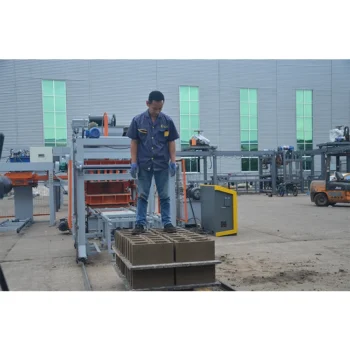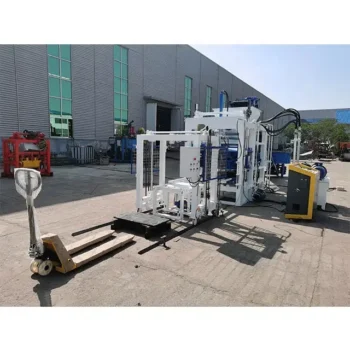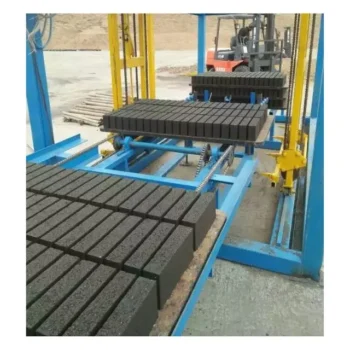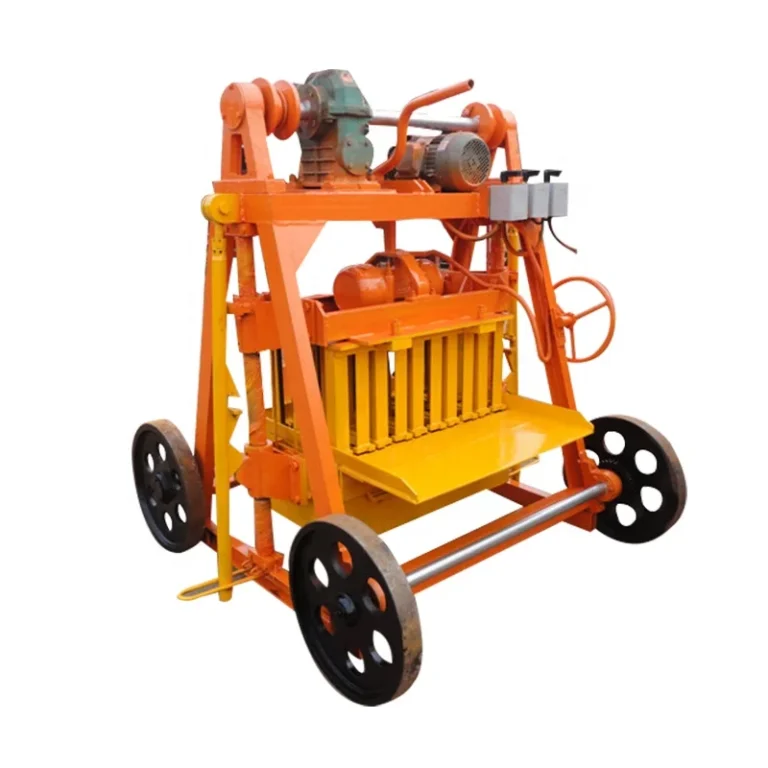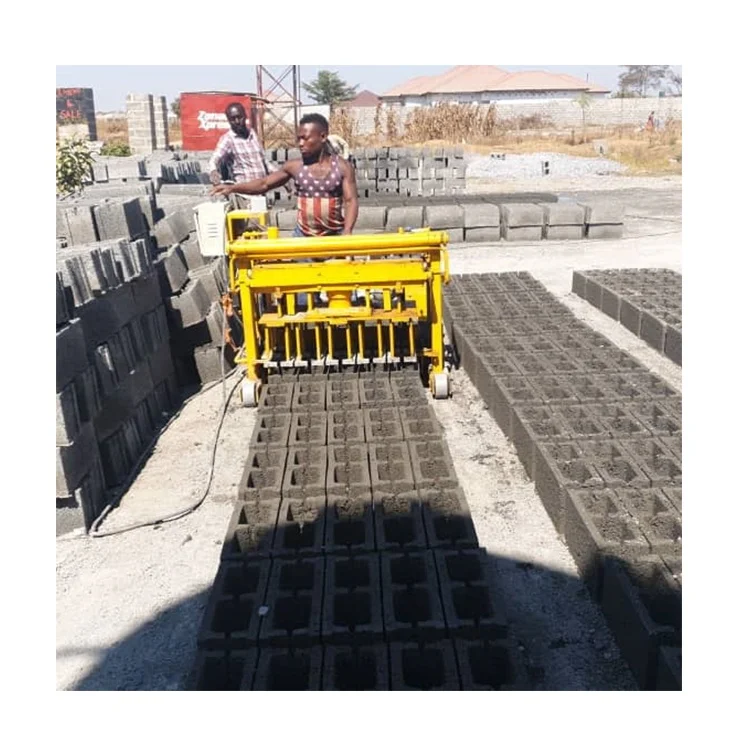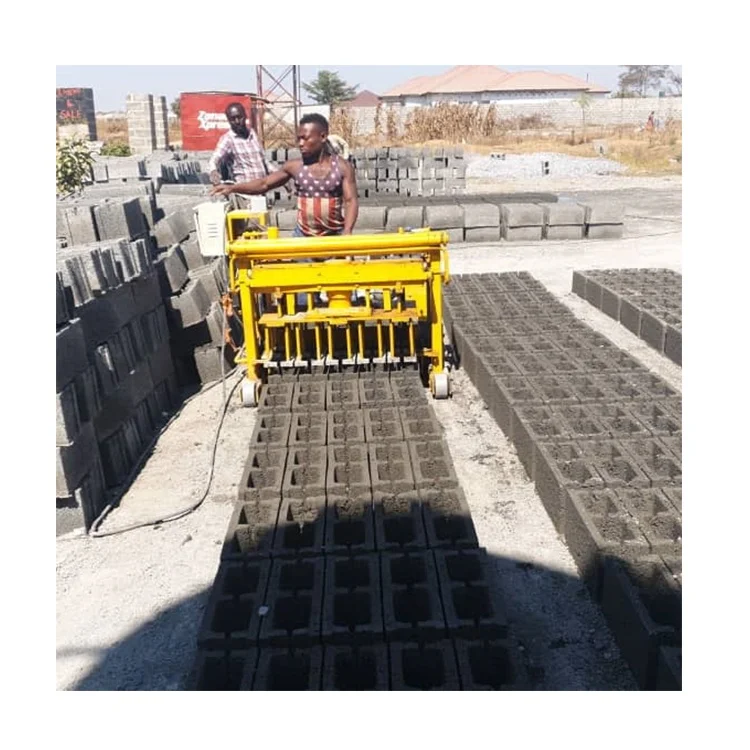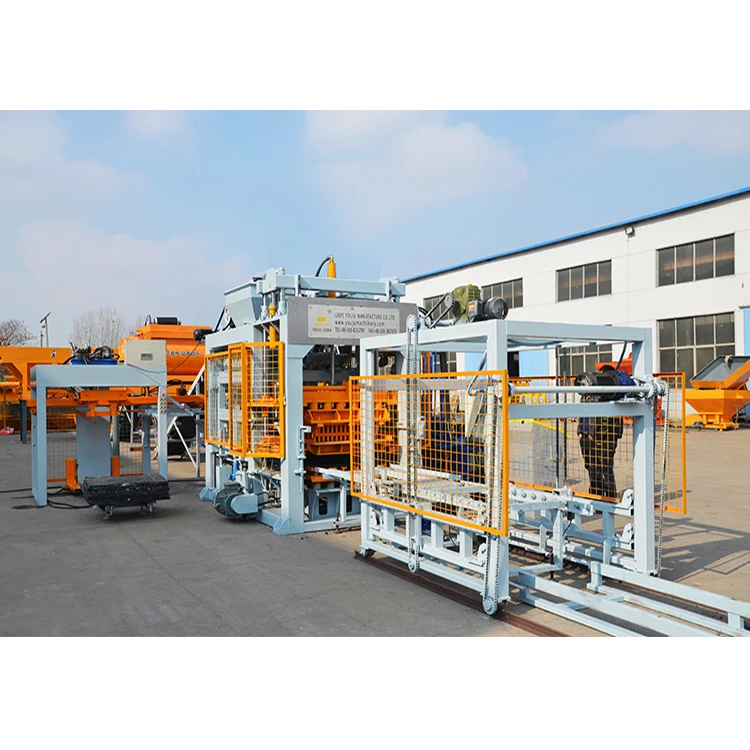


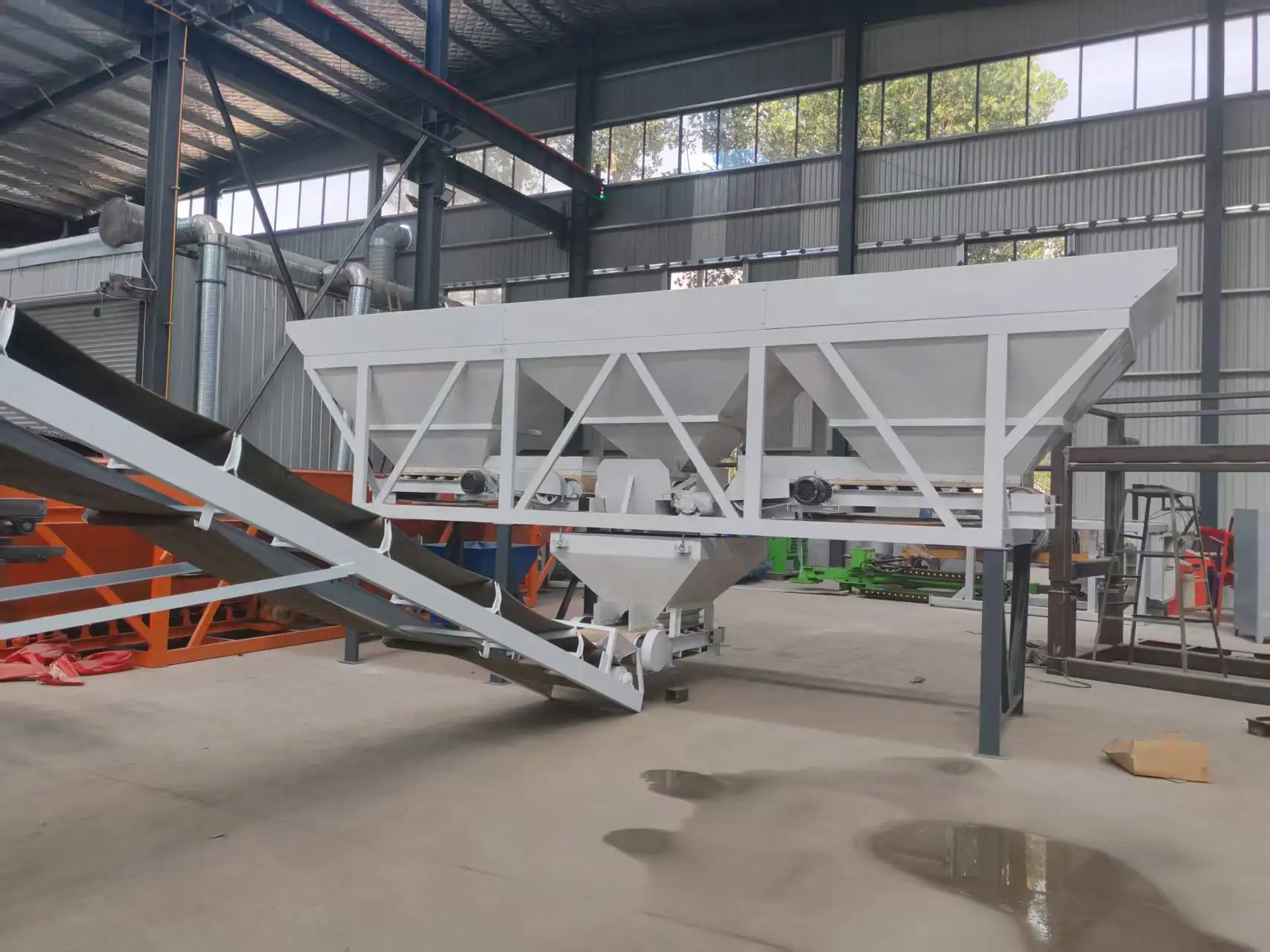
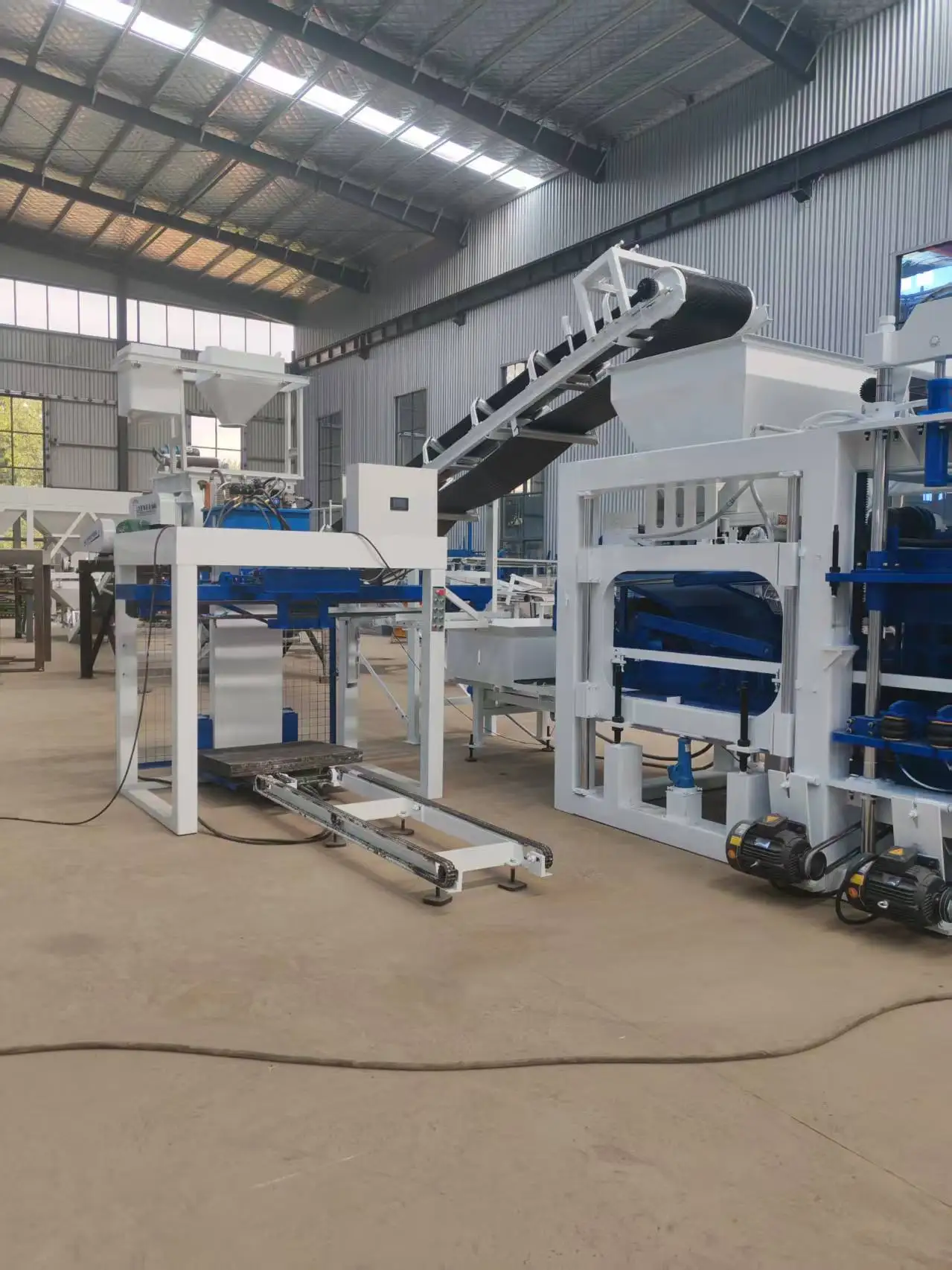
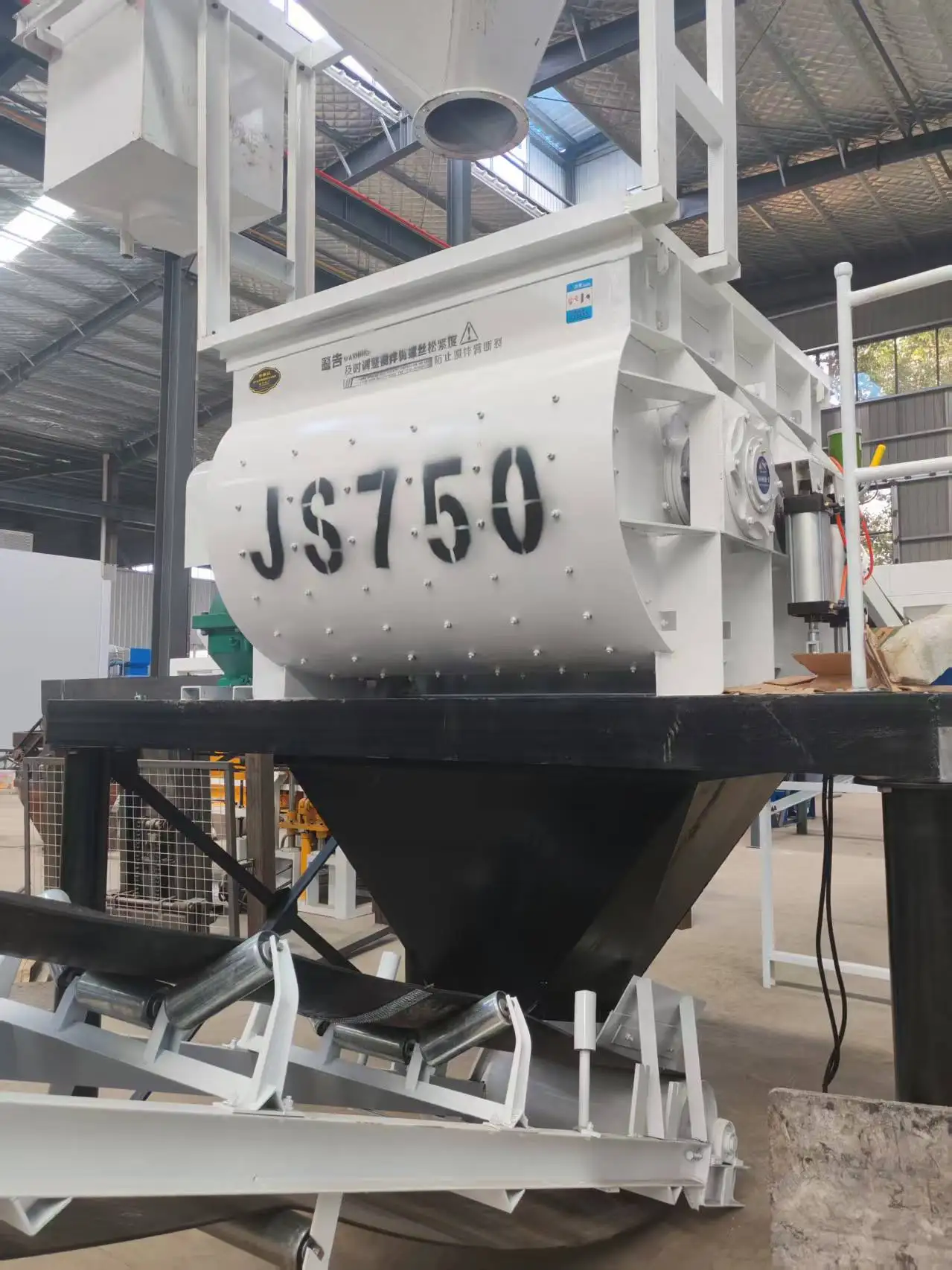
Description
Fast Dispatch, Verified Specs — Every QT8-15 unit we prep for stock leaves the floor with voltage, frequency, and PLC language confirmed in writing, so arrival means plug-in, not paperwork.
Technical Specifications
| Parameter | Value |
|---|---|
| Model | QT8-15 |
| Product Type | Automatic Hydraulic Block Making Machine |
| Overall Dimensions (L×W×H) | 8300 x 1860 x 3000 mm |
| Rated Pressure | 21 MPa |
| Vibration Form | Platform Vibration |
| Vibration Frequency | 2800–4500 RPM |
| Pallet Size | 950 x 900 mm |
| Molding Cycle | 15–25 s (basis not stated in source — confirm block format and material) |
| Overall Power | 46 kW |
| Control System | PLC with touch screen human-computer interface |
| Block Comprehensive Strength | Up to 15 MPa |
| Hydraulic System | Independent integrated hydraulic station |
| Automation Level | Manual/automatic mode transition |
| Included Mould | One free hollow mould |
| Support Equipment Options | JS750 mixer, 8 m belt conveyor, automatic stacker |
| Voltage & Frequency | Configurable — confirm before production |
| PLC Display Language | Configurable — confirm before commissioning |
Application Suitability
| Application | Material or Output |
|---|---|
| Hollow block production for housing projects | Crushed stone, cement, sand mix |
| Solid load-bearing block manufacturing | Coarse aggregate with cement binder |
| Paving block and interlocking brick runs | Fine aggregate, cement, pigment additives |
| On-site production for construction contractors | Locally sourced aggregate and cement |
| First block plant for entrepreneurs | Standard concrete mix designs |
Why the Voltage Question Should Come Before the Price
A machine built for 380 V / 50 Hz arriving on a 220 V / 60 Hz grid is a two-ton paperweight.
I’ve watched a QT8-15 automatic block machine in stock fast delivery situation go sideways because nobody confirmed the destination grid until the container was already on the water. The buyer lost three weeks of production while a step-down transformer was sourced locally. That delay costs more than any price negotiation saves [NEED_CITE: voltage and frequency standards by export market]. The electricals — voltage, phase, frequency, and PLC display language — must be locked in writing before the machine enters final assembly, not assumed from a catalogue default.
Stock Readiness Means Complete, Not Partial
A stocked QT8-15 is only useful if the entire line configuration matches your site. The independent hydraulic station sits isolated from press vibration and dust ingress, which matters when the machine ships out quickly and there is no time for on-site rework. The automatic stacker, when included, handles two pallets per cycle and stacks between three and six layers depending on block height. If the pallet size does not match your existing curing racks and forklifts, the stacker creates a bottleneck instead of removing one.
Container Loading and Dismantling for Transit
The QT8-15 measures 8.3 metres in length, which dictates how it breaks down for shipping. The hydraulic station, press frame, and stacker each travel as separate assemblies, braced inside standard containers. Buyers working against a project deadline need the container loading plan — which components go in which container, the bracing method, and the reassembly sequence — before they sign off. A clear loading plan prevents missing parts from stalling commissioning by days [NEED_CITE: CE machinery directive requirements for shipping industrial equipment].
Reading the Specs That Actually Matter
The 21 MPa rated pressure combined with platform vibration at 2800–4500 RPM determines the density and compressive strength of every block that comes off the line — up to 15 MPa comprehensive strength when the mix design is correct. The 950 x 900 mm pallet size defines your maximum mould footprint and must align with your curing area layout and handling equipment. The PLC with touch screen interface controls the full cycle: pallet feed, press head travel, material feed, vibration, moulding, demoulding, and pallet return. Switching between manual and automatic modes gives operators flexibility during setup and full automation during steady production. Mould changes enable format flexibility, but the time each change takes should be verified against your production schedule before you commit to multiple block formats.
What Happens When Pallets and Curing Are an Afterthought
Quotations that list the press but leave pallet handling, stacking, and curing as "buyer’s scope" create hidden costs that surface after arrival. Hand-stacking blocks off a high-speed press exhausts a crew within hours, and inconsistent stacking damages green blocks before they reach the curing rack. The automatic stacker option exists to close that gap, but only if it is included in the original order and configured for your block height range [NEED_CITE: occupational safety standards for manual handling in block production].
Why Buyers Working to Deadlines Source Here
Block machinery is our single focus, so the QT8-15 arrives as a matched system — press, mould, pallets, and handling equipment specified together rather than assembled from separate suppliers. Configuration is set against your actual mix design and local aggregate, not a generic catalogue setting. Moulds are designed for the block formats your market sells, with custom drawings available when standard formats do not fit. Dispatch lead time and container loading plans are quoted upfront so project timelines stay intact. Factory testing runs through the full cycle before crating, and electricals are confirmed against your destination grid before the machine leaves our floor.
Documentation & Verification
- Factory test record showing cycle time on your specific block format and mix design
- Container loading plan with dismantling layout, bracing method, and reassembly sequence
- Voltage, frequency, and PLC display language confirmation sheet signed before production
- Hydraulic and electrical schematic matching the as-built configuration
- Operation and maintenance manual with wear parts list for the QT8-15
- Packing photographs documenting each assembly before container loading
Installation, Commissioning & Support
- Foundation plan accounts for the 8300 x 1860 mm footprint and vibration isolation requirements
- Power supply must match the confirmed voltage and the 46 kW total draw with a dedicated circuit
- Hydraulic station reconnects to the press frame via pre-marked lines during on-site assembly
- PLC touch screen boots in the confirmed language before operator training begins
- First production run verifies cycle timing and block strength against the factory test record
- Wear parts list and mould specifications provided for local procurement planning
Before You Request a Quote
Send us your target block format, daily output requirement, and the raw materials available at your site. Include your local voltage, phase, and frequency so the QT8-15 automatic block machine in stock fast delivery is configured correctly from day one. Let us know your available floor space and whether you need the JS750 mixer, belt conveyor, and automatic stacker included in the line.
Frequently Asked Questions
Q: Which QT8-15 configurations are currently available, and how soon can they ship?
A: Stock availability rotates as orders are confirmed. Standard configurations with common mould formats and 380 V / 50 Hz electricals typically dispatch faster than custom-voltage builds. Once your voltage, frequency, and PLC language are confirmed, we provide a firm dispatch date and container loading schedule so you can plan your project timeline around a known arrival window.
Q: How does the QT8-15 ship — whole or dismantled?
A: The press frame, hydraulic station, and optional stacker travel as separate assemblies inside standard containers. A detailed loading plan shows which component goes where, the bracing method, and the reassembly sequence on site. This prevents missing parts and keeps commissioning on schedule once the containers arrive at your block plant.
Q: What electrical details must I confirm before the machine leaves the factory?
A: Voltage, phase, frequency, and PLC display language must all be locked in writing before final assembly. The QT8-15 draws 46 kW total, so your site must have a dedicated circuit matching the confirmed specifications. We verify all electricals during the factory test and document them before crating to avoid commissioning delays on arrival.
Q: What documentation comes with the machine for customs and setup?
A: Each shipment includes a factory test record, hydraulic and electrical schematics, operation and maintenance manual, wear parts list, packing photographs, and customs documentation support. CE declaration is available where applicable. The PLC language confirmation sheet and container loading plan are also included so your site team can begin reassembly without waiting for translations.