
Description
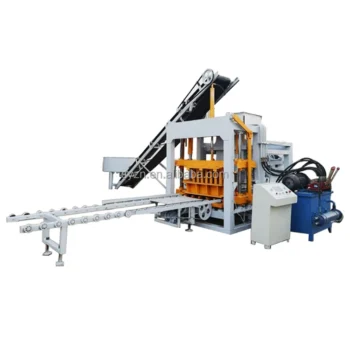
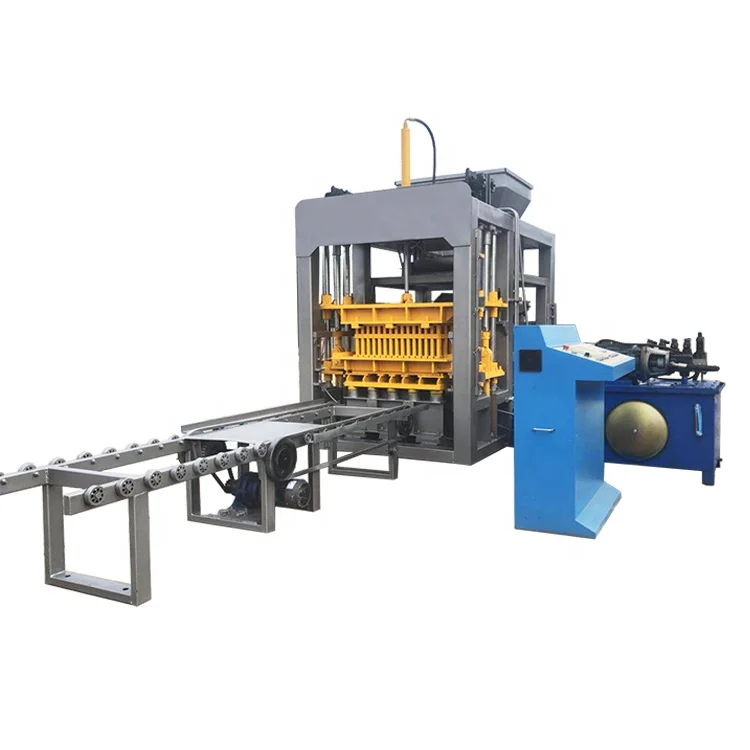
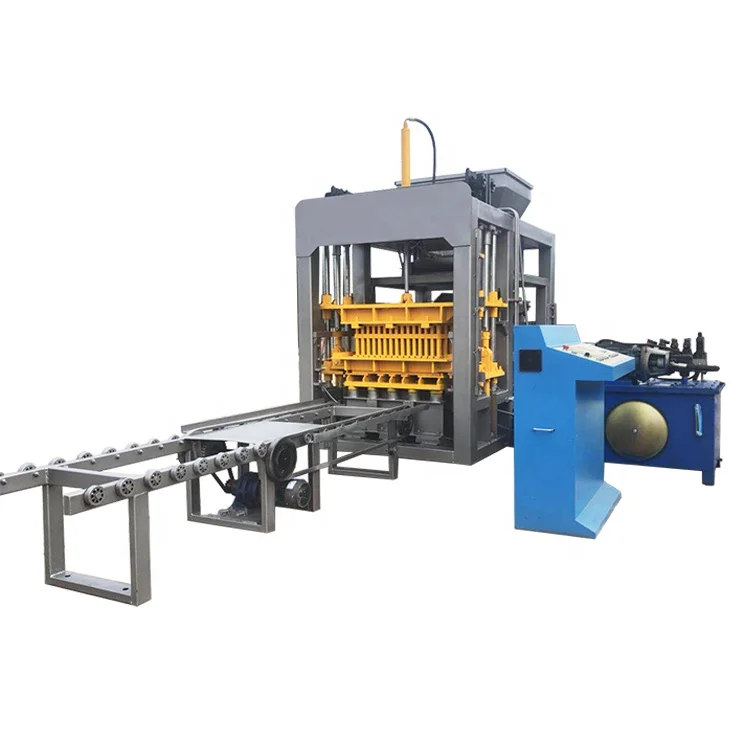
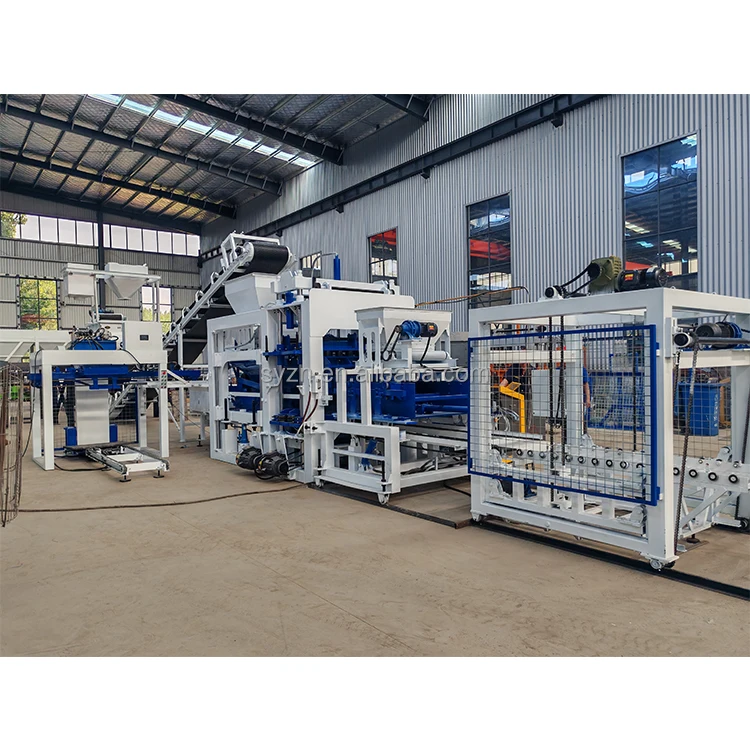
Dispatch-ready configuration — QT8-15 block machine ships with motor nameplate verified against destination grid, container loading plan confirmed before payment.
Technical Specifications
| Parameter | Value |
|---|---|
| Model | QT8-15 |
| Product Type | Hydraulic Concrete Block Making Machine |
| Overall Dimension | 8300 × 1860 × 3000 mm |
| Rated Pressure | 21 MPa |
| Main Vibration Form | Platform Vibration |
| Vibration Frequency | 2800–4500 r/min |
| Vibration Force | 45 KN |
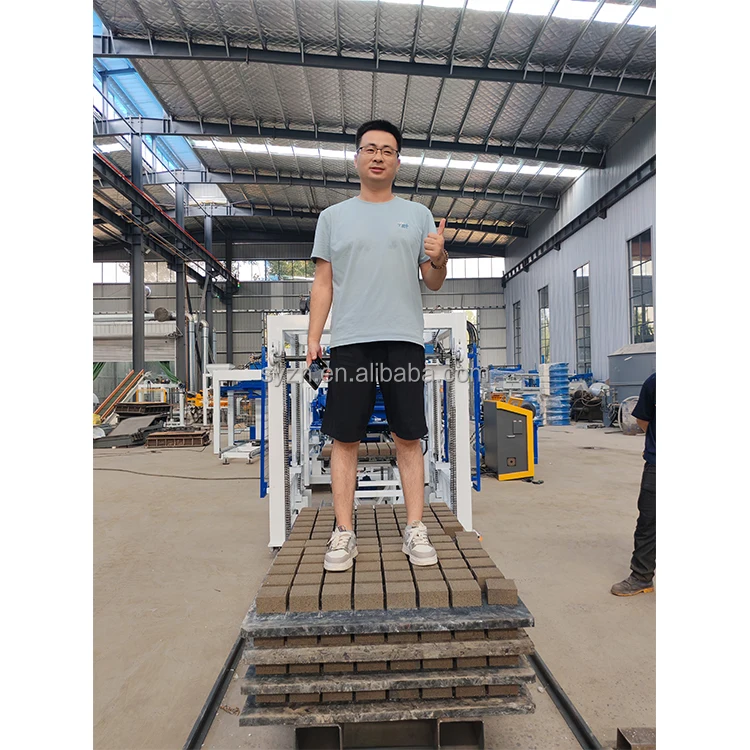
| Pallet Size | 950 × 900 mm |
| Molding Cycle | 15–20 s |
| Overall Power | 55.5 kW |
| Total Mass | 8 T |
| Demolding Method | Hydraulic |
| Factory Area | 300 m² |
| Loading | 1 × 40HQ container (basic equipment) |
| Warranty | 1 year (whole machine, excluding spare parts) |
| Output Capacity | (basis to be confirmed — depends on block format, material, and thickness) |
| Voltage & Frequency | (to be confirmed per target market standard) |
| Control System | (PLC brand and display language to be confirmed) |
Application Suitability
| Application | Material or Output |
|---|---|
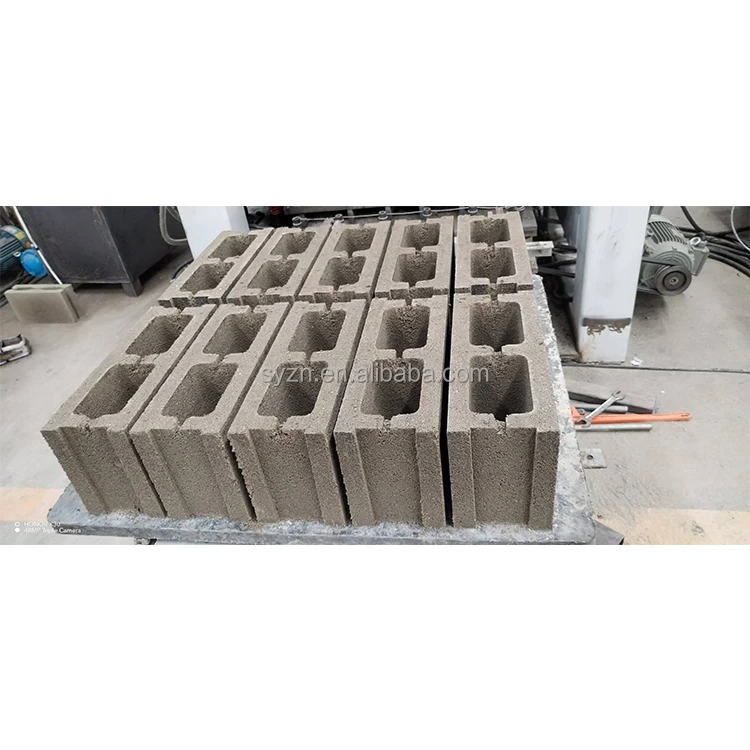
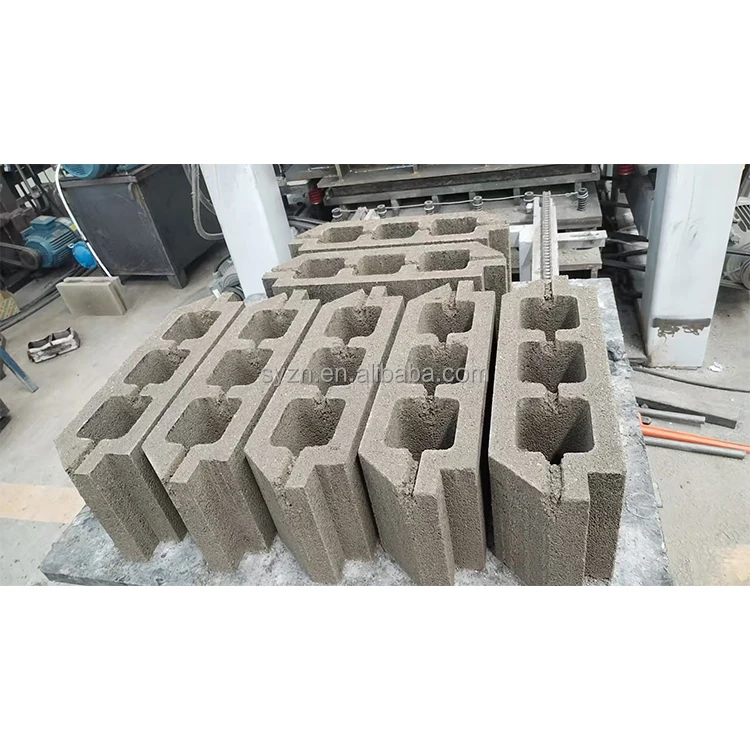
| Hollow block production for building walls | Crushed stone, sand, cement, fly ash |
| Solid block manufacturing for load-bearing structures | Gravel, sand, cement, slag |
| Paving block laying for roads and yards | Crushed stone, cement, dust, colored pigment |
| Interlocking block assembly for retaining walls | Sand, gravel, cement, fly ash |
| Kerbstone and curb production for roadside infrastructure | Crushed stone, cement, slag |
| Colored paver production for landscaping | Sand, cement, dust, pigment additives |
What "Available Immediately" Actually Means for Your Project Timeline
Stock status only matters if the machine matches your site conditions before it leaves the factory.
I once watched a container sit at a West African port for three weeks because the motor was wound for 380V/50Hz while the local grid ran 415V/60Hz. The contractor had fifty workers on payroll doing nothing while a transformer was sourced locally. That delay cost more than the shipping itself. When buyers search for a QT8-15 block machine in stock with fast delivery, the clock starts at inquiry, not at dispatch [NEED_CITE: voltage and frequency standards by export market].
Dispatch Lead Time Versus Actual Arrival on Site
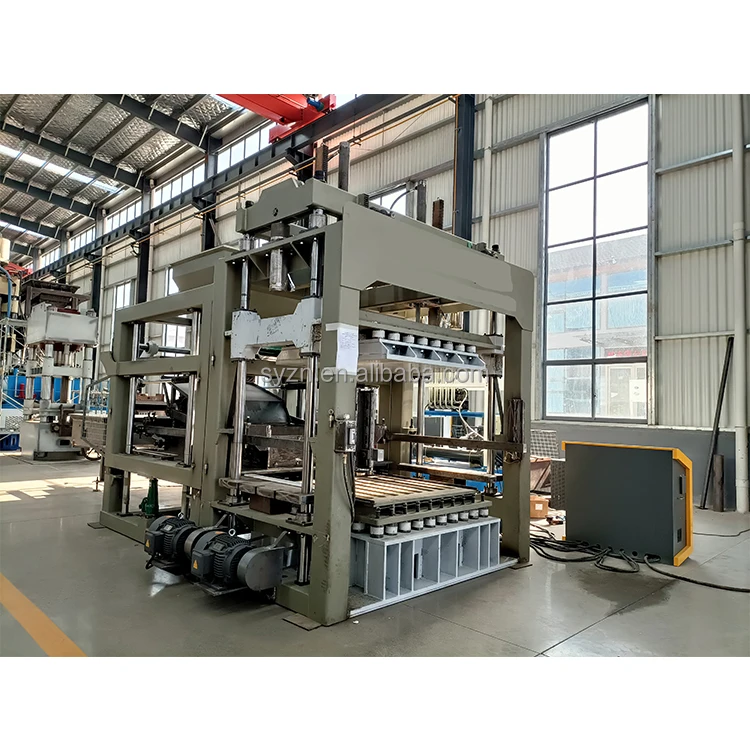
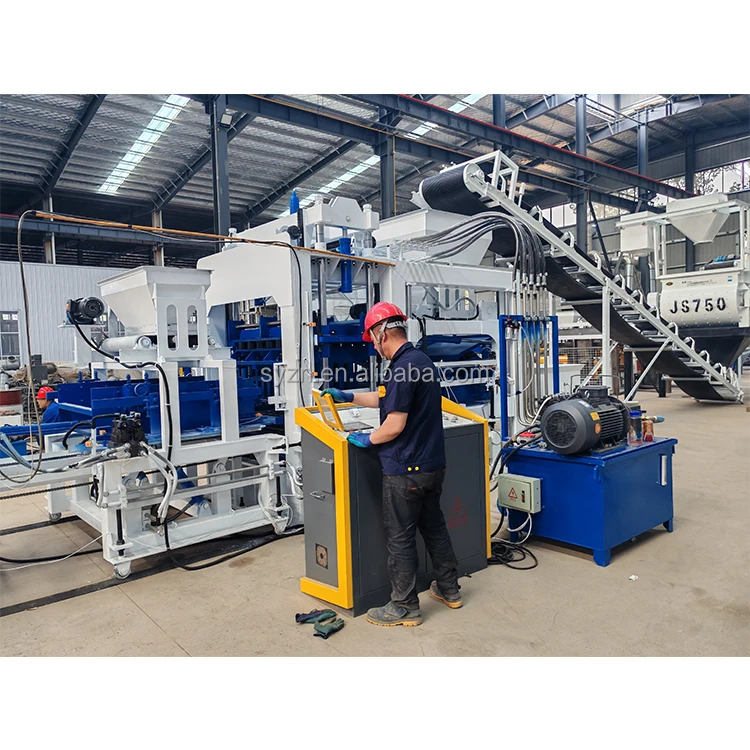
A QT8-15 block machine in stock means the press frame, hydraulic station, and vibration platform are assembled and factory-tested. The real timeline question is how long dismantling, container loading, ocean transit, and port clearance take at your destination. We quote the arrival estimate at the quotation stage so your project schedule has a date to plan around, not a hope.
Container Loading and Machine Dismantling for Shipment
The QT8-15 fits into one 40HQ container for the basic equipment set. The press, hydraulic unit, and pallet feeder are dismantled into shipping sections, bolted to container floor rails, and braced against transit movement. Every unit gets a loading photograph set before the doors close, so you know exactly what is inside before the vessel departs. Standard moulds ship in the same container when they match stocked formats [NEED_CITE: container loading standards for heavy industrial machinery].
Reading the Specs That Actually Matter at Your Site
Platform vibration at 45 KN combined with 21 MPa hydraulic pressure determines whether your blocks leave the press at consistent density or crack during curing. The vibration frequency range of 2800 to 4500 r/min allows adjustment for different aggregate sizes — coarser crushed stone needs lower frequency with higher amplitude, while fine sand and fly ash mixes respond better at higher frequency. The 950 × 900 mm pallet size must match the curing racks and forklifts you already have on site, because changing pallet dimensions after arrival means rebuilding your entire curing area. The 300 m² factory area covers the press, mixer, raw material storage, and basic curing space; if your plot is tighter, the layout needs adjustment before the machine ships.
The Cost of Skipping Pre-Shipment Verification
Buyers who confirm nothing before payment often discover that the control panel displays in a language their operators cannot read, or the PLC brand has no local service representation. Moulds arrive for a block format the local market does not buy, and the first mould change takes an entire shift because the quick-change system was never specified. Pallet handling and stacking equipment get left out of the quotation, so wet blocks pile up on the floor waiting for manual carrying. These are not defects in the machine — they are gaps in the conversation that should have happened before the container was sealed [NEED_CITE: common causes of commissioning delays in exported block making equipment].
Why Buyers Source This Machine Through Our Dispatch Channel
Every QT8-15 block machine in stock is photographed and video-recorded during factory testing so you see your specific unit run before it is dismantled. Motor nameplate voltage and frequency are checked against your declared grid standard twice — once at order confirmation and again before container loading. Mould selection is matched to the block formats your market actually purchases, not a generic set from the shelf. Standard documentation ships inside the container so customs clearance at your port does not stall for missing paperwork. If your project deadline is firm, we work backward from your required-on-site date to confirm whether a stocked unit or a configured build fits your timeline.
Documentation & Verification
- Factory test record run on your specified block format before dismantling
- Motor nameplate photograph matched against your declared voltage and frequency
- Container loading photograph set showing bracing and section placement
- Mould drawing and format list confirming the block shapes included in shipment
- Packing list with customs description aligned to your import HS code
- Operation manual in your requested language with illustrated parts breakdown
Installation, Commissioning & Support
- Foundation slab must bear 8 T static load across the 8300 × 1860 mm footprint
- Dedicated power circuit rated for 55.5 kW with confirmed voltage and frequency
- Machine arrives dismantled; reassembly includes hydraulic line reconnection and platform leveling
- First production run verifies molding cycle and block density against your local aggregate
- Operator training covers mould change procedure, pallet feeding sequence, and daily greasing points
- Wear parts list identifies hydraulic seals, vibration springs, and mould liner replacement intervals
What to Prepare Before You Request a Dispatch Quote
Tell us the block format your market buys — hollow, solid, paver, interlocking — and the daily volume your project requires. Share your local raw material source, whether crushed stone, river sand, or fly ash from a nearby plant. Confirm your site voltage, frequency, and the language your operators read on a control screen. With those details, we can confirm whether a QT8-15 block machine in stock fits your line or needs configuration before it ships [NEED_CITE: raw material compatibility requirements for concrete block production].
Frequently Asked Questions
Q: What is the dispatch lead time for QT8-15 from stock?
A: Stocked units can be dismantled, container-loaded, and dispatched within days of order confirmation. The total arrival timeline includes ocean transit and destination port clearance, which we estimate at the quotation stage based on your port of entry so your project schedule has a realistic date to plan around.
Q: Which block formats and moulds ship with the standard QT8-15?
A: Standard stock moulds cover common hollow and solid block formats. If your market sells pavers, interlocking blocks, or curbstones, we confirm mould availability or custom tooling lead time before payment so your first production run matches what your buyers actually order.
Q: How is the machine loaded and what is the arrival estimate?
A: The QT8-15 ships in one 40HQ container with press, hydraulic unit, and pallet feeder dismantled into braced sections. Loading photographs document placement before doors close. Arrival depends on shipping route and port congestion, quoted as an estimate at order stage.
Q: Can raw material compatibility be confirmed before shipment?
A: Yes. Share your local aggregate type, cement grade, and any industrial byproduct like fly ash or slag you plan to use. We confirm whether the vibration frequency and hydraulic pressure settings suit your mix before the machine leaves the factory, avoiding costly material substitution on site.
Q: What documentation arrives with the machine for customs clearance?
A: Each shipment includes a commercial invoice, packing list with HS code description, bill of lading, factory test record, and CE declaration where applicable. We align the customs description with your import requirements before the container departs to prevent clearance delays at your port.