Description
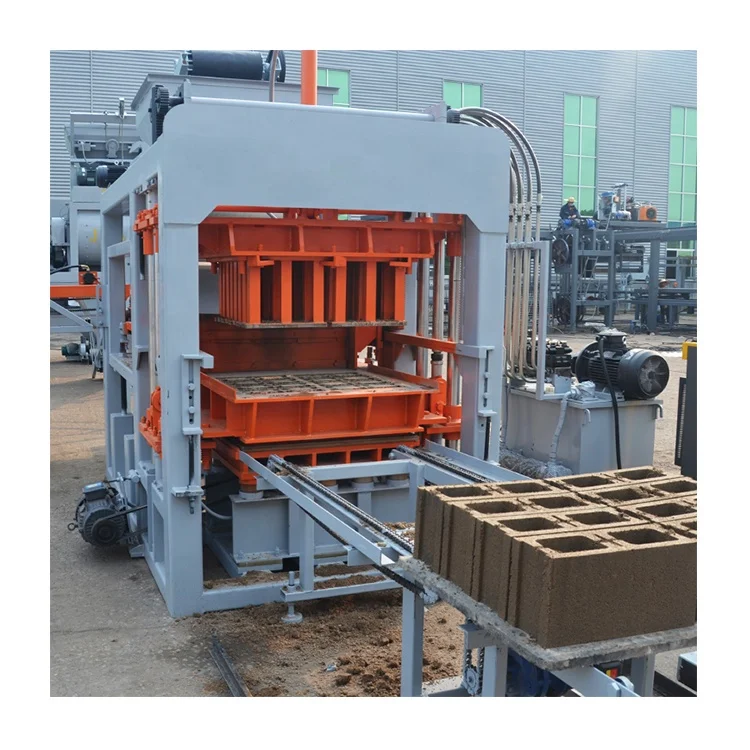
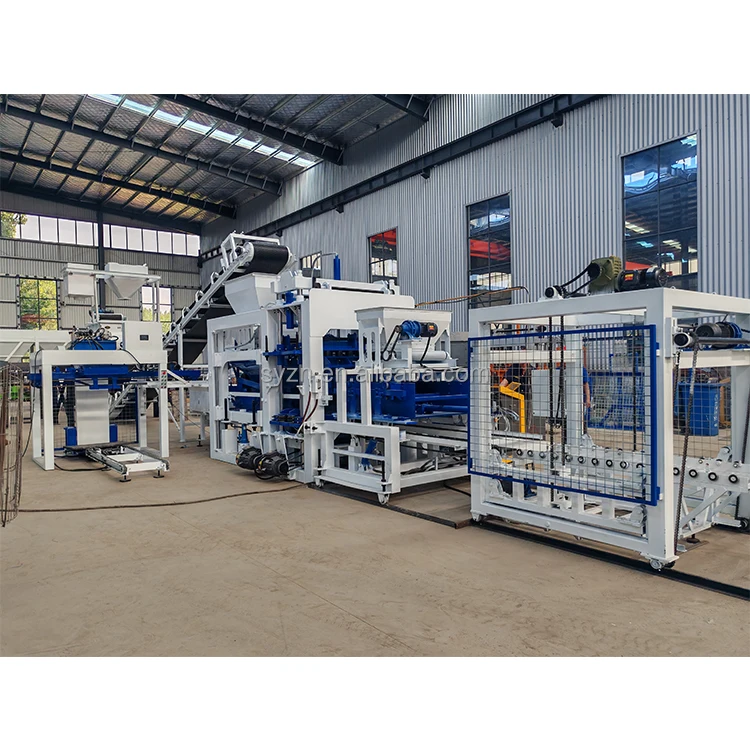
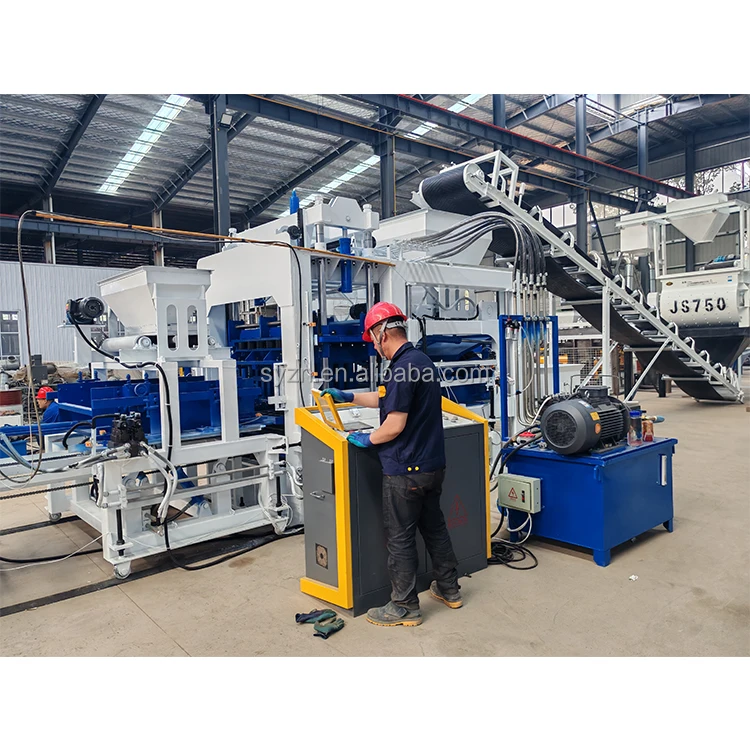
Stocked Press, Documented Lead Time — the QT8-15 is held in inventory with standard moulds, and dispatch scheduling is confirmed in writing before the container is booked.
Technical Specifications
| Parameter | Value |
|---|---|
| Model | QT8-15 |
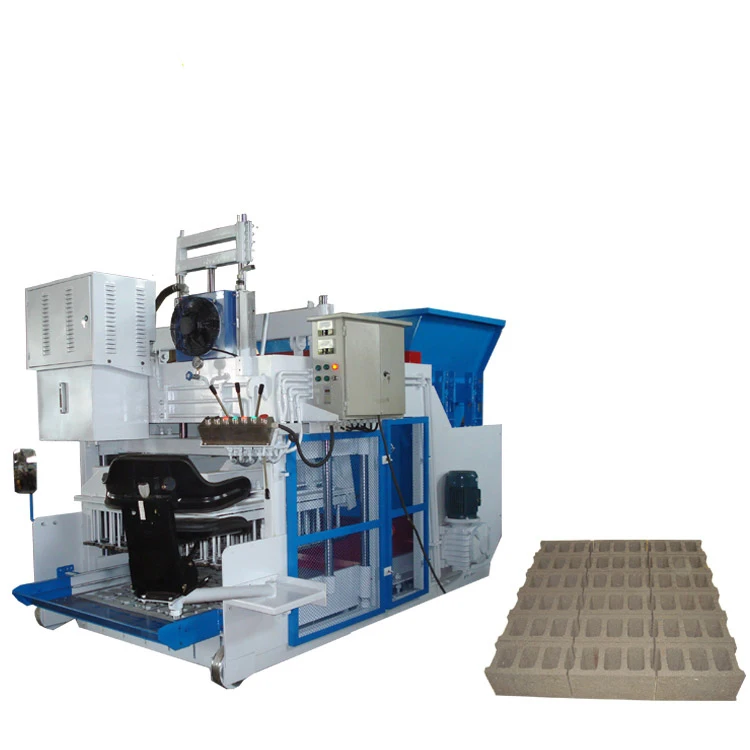
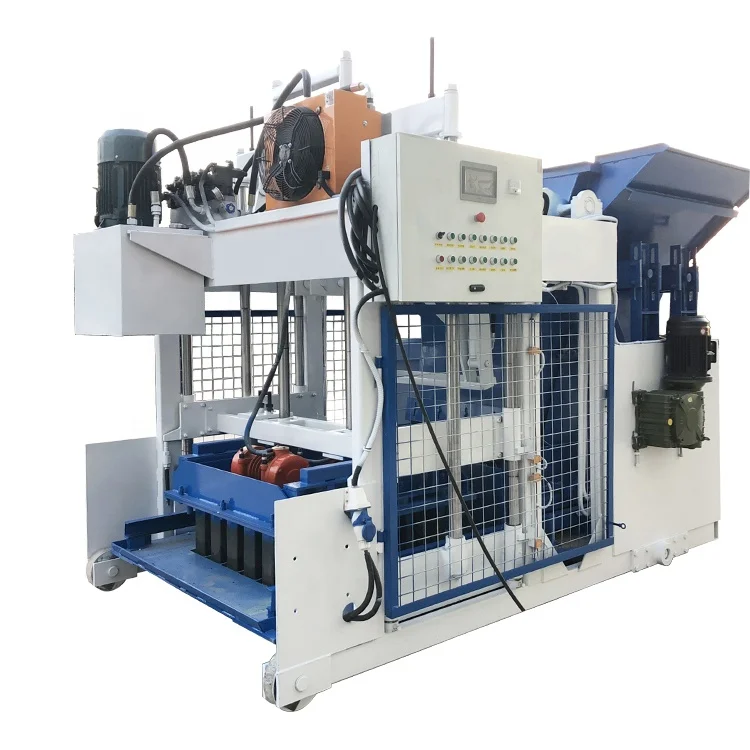
| Product Type | Hydraulic Concrete Block Making Machine |
| Overall Dimensions (L×W×H) | 8300 × 1860 × 3000 mm |
| Total Mass | 8 T |
| Rated Hydraulic Pressure | 21 MPa |
| Main Vibration Form | Platform Vibration |
| Vibration Frequency | 2800–4500 r/min |
| Vibration Force | 45 kN |
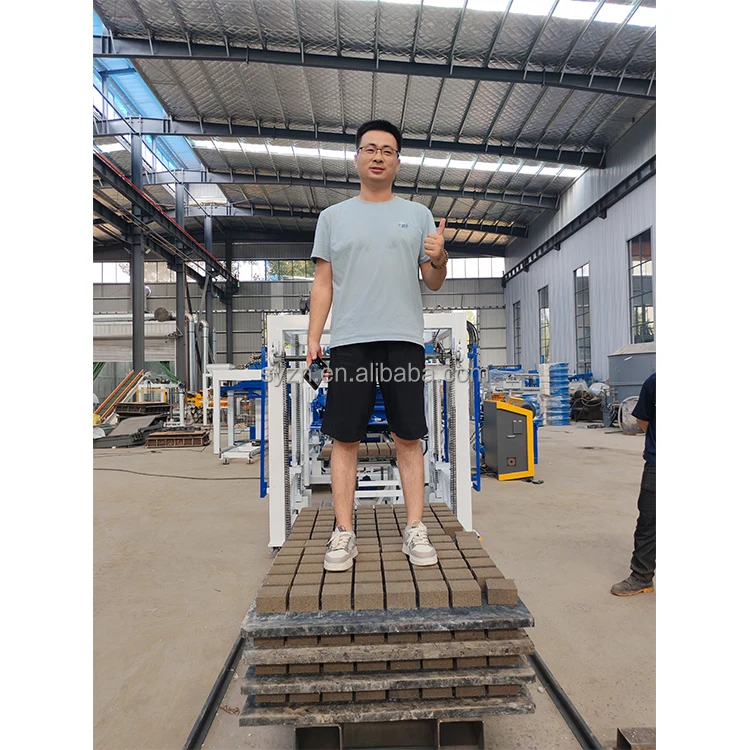
| Pallet Size | 950 × 900 mm |
| Moulding Cycle | 15–20 s (basis not stated in source — confirm block format and material) |
| Overall Power | 55.5 kW |
| Demolding Method | Hydraulic |
| Factory Area Required | 300 m² |
| Raw Materials | Crushed stone, sand, cement, fly ash, gravel, slag |
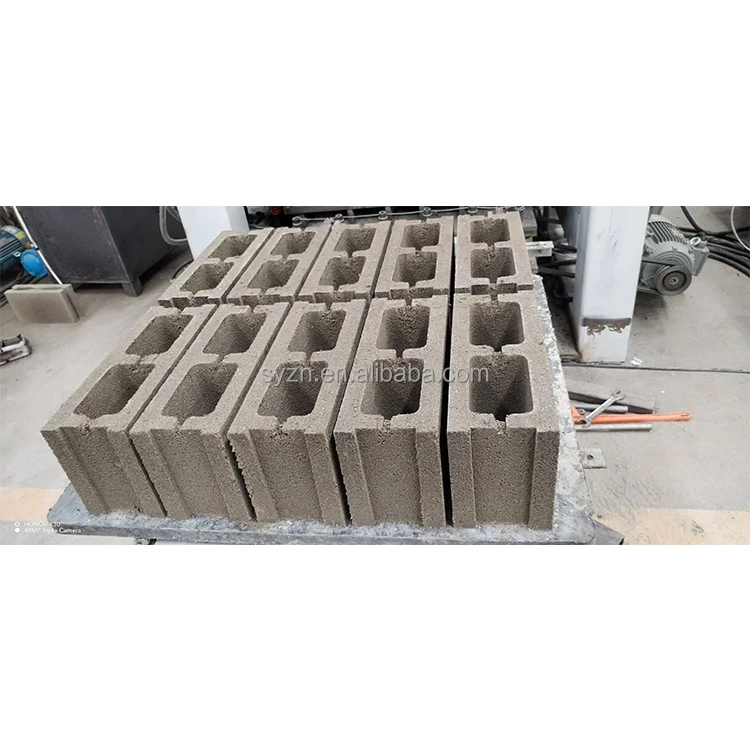
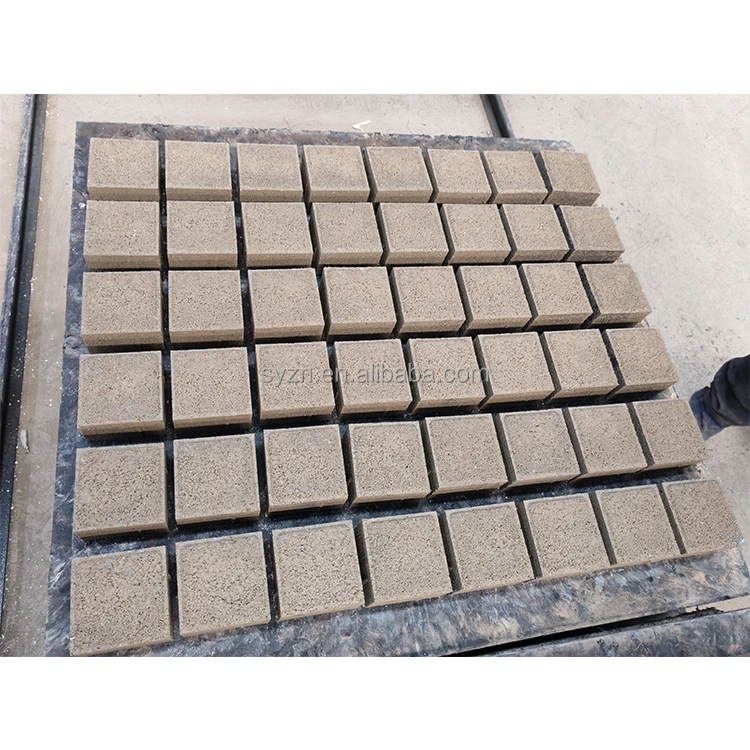
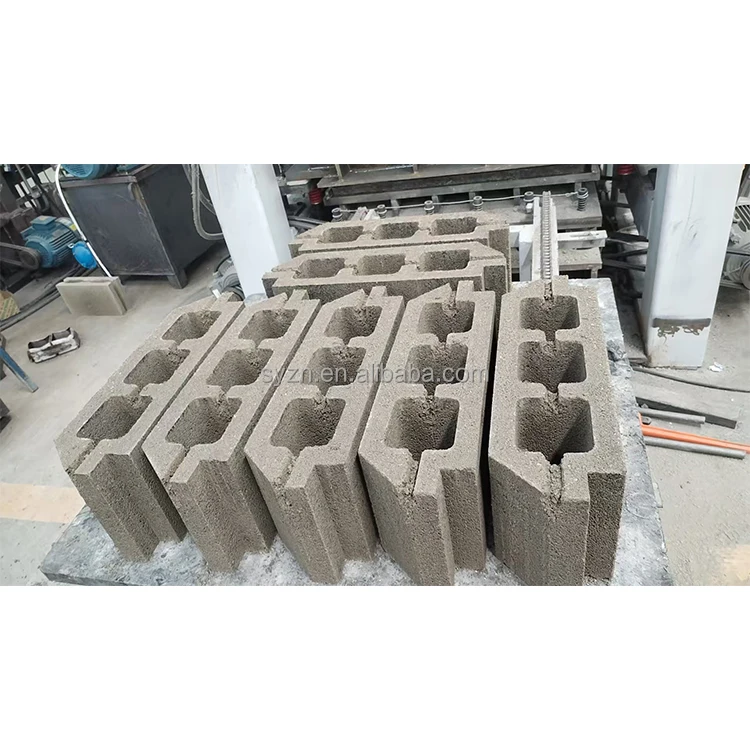
| Applied Products | Hollow blocks, solid blocks, pavers, interlocking bricks, kerbstones |
| Container Loading | 1 × 40 HQ (basic equipment) |
| Warranty | 1 year (whole machine, excluding spare parts) |
Application Suitability
| Application | Material or Output |
|---|---|
| Hollow block production for housing projects | Crushed stone, sand, and cement mix |
| Solid block manufacturing for load-bearing walls | Gravel, cement, and fly ash blends |
| Paving block and interlocking brick runs | Sand, cement, and fine aggregate |
| Kerbstone and colored paver production | Cement, slag, and pigment-added mixes |
| On-site block production for infrastructure contractors | Locally sourced aggregate and cement |
Why the Voltage Question Should Come Before the Price
Confirming voltage, frequency, and PLC language before the machine leaves the factory protects your project deadline more than any discount ever could.
I once sent a QT8-15 equivalent press to Peru rated at 380V/50Hz when the site ran 440V/60Hz. The machine sat idle while a variable-frequency cabinet was sourced locally, and the contractor carried three weeks of crew downtime [NEED_CITE: voltage and frequency standards by export market]. For buyers evaluating a QT8-15 block machine in stock, the electrical specification must match the destination country grid before payment is released, not after arrival. The cost of a missed deadline always exceeds the cost of a written voltage confirmation.
Dispatch Timing You Can Plan Around
When a housing project or infrastructure contract has a hard start date, waiting for a custom-build cycle is not an option. The QT8-15 block machine in stock program keeps standard configurations ready for container loading, and the dispatch lead time is quoted in writing at the point of order. This means the buyer knows the vessel booking window before committing capital.
Container Loading and Dismantling Confirmed Upfront
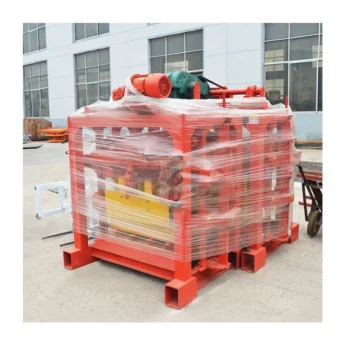
An 8-tonne press with an 8300 mm length does not simply roll into a container. The QT8-15 is dismantled into shipping segments that fit a single 40HQ, and the loading plan is shared with the buyer before dispatch. Knowing exactly how the machine arrives — which assemblies are split, how the hydraulic station is secured, where the mould set is crated — removes surprises at the port of entry.
Reading the Specs That Matter on the Shop Floor
The 21 MPa rated hydraulic pressure and 45 kN vibration force work together to compact the mix into the mould cavity. Insufficient pressure leaves blocks friable at the edges; insufficient vibration leaves voids in the core. The platform vibration at 2800–4500 r/min transfers energy through the 950 × 900 mm pallet, so pallet flatness and stiffness directly affect block density consistency across the table. A warped or undersized pallet wastes the press cycle because the vibration energy dissipates before reaching the mix [NEED_CITE: hydraulic pressure and vibration force interaction in block compaction]. The 55.5 kW overall power draw requires a dedicated circuit with adequate transformer capacity at the installation site.
When a Standard Machine Arrives Non-Standard
Ordering a press without confirming the electrical specification, pallet size, or mould format leads to consequences that show up on the first production day. A machine wired for the wrong frequency runs its vibration motors at the wrong speed, producing blocks with inconsistent density. Pallets that do not match the curing racks already on-site force the operator to re-stack every cycle by hand. These problems are entirely preventable when the buyer and supplier exchange written confirmations before the factory test [NEED_CITE: common causes of block machine commissioning delays].
What Stock Availability Actually Means Here
Stocking the QT8-15 means the machine, standard mould set, and hydraulic station are assembled, factory-tested, and ready for dismantling into shipping configuration. The core strength of keeping block machinery as a single focus means the press, pallet specification, and handling equipment are matched as one system rather than assembled from unrelated suppliers. Dispatch timing is not estimated — it is confirmed against current inventory and the next available vessel slot. Voltage and control language are verified against the destination standard before the machine is crated. Packing photographs and customs documentation are prepared so clearance at the port of entry is not delayed by missing paperwork.
Documentation & Verification
- Factory test record on your specified block format before dispatch
- Voltage, frequency, and PLC display language written confirmation sheet
- Container loading plan showing dismantled assemblies and securing method
- Pallet specification matched to your existing curing rack dimensions
- Packing photographs provided before the container is sealed
- Customs documentation package prepared for destination clearance
Installation, Commissioning & Support
- 300 m² factory area requirement confirmed against your site layout before shipping
- 55.5 kW total power draw specified for your local electrical contractor to prepare the dedicated circuit
- 8T total mass and 8300 mm length dictate foundation pad dimensions shared before arrival
- Hydraulic station reconnection and platform vibration calibration performed during on-site commissioning
- 950 × 900 mm pallet feed alignment verified against your curing rack and forklift setup
- Operator training covers mould change procedure and daily maintenance schedule for the QT8-15
Before You Request a Quote
Share the block format you need to produce, your target daily output, and the aggregate available at your site. Confirm the local voltage and frequency standard, the PLC display language your operators require, and whether you need the basic press configuration or a line with pallet handling and stacking.
Frequently Asked Questions
Q: What QT8-15 configurations are currently in stock and how fast can you dispatch?
A: Standard QT8-15 presses with common hollow block and solid block moulds are held in inventory. Dispatch lead time is quoted in writing at the point of order based on current stock status and the next available vessel booking from the port of shipment. Container loading plans are confirmed before you pay.
Q: How do you confirm voltage, frequency, and control language before shipment?
A: We exchange a written confirmation sheet covering your destination voltage, frequency, and PLC display language before the machine enters final assembly. This document is signed off by both sides and checked again during the factory test. No QT8-15 leaves the factory without this step completed.
Q: How is the machine dismantled and loaded into a 40HQ container?
A: The QT8-15 is split into shipping segments that fit a single 40HQ container. The hydraulic station, vibration platform, and frame sections are secured separately. A detailed loading plan with photographs is shared with the buyer before the container is sealed, so reassembly sequencing is clear on arrival.
Q: What is the realistic daily output of the QT8-15 for my specific block format?
A: The moulding cycle is listed at 15–20 seconds, but actual daily output depends on block format, mix design, and pallet handling speed. We calculate capacity per format and share it in the proposal so you know what to expect on your production floor, not just a catalogue number.
Q: What standard moulds are stocked and what is the lead time for a custom mould?
A: Common hollow block, solid block, and paver moulds matching the 950 × 900 mm pallet are available from stock alongside the QT8-15 press. Custom mould designs to buyer drawings require a separate lead time quoted at the inquiry stage based on cavity complexity and format.