Description
Stocked readiness — Every QT8-15 block machine in stock is verified against destination voltage and container loading plans before dispatch, protecting your project timeline from electrical or logistics delays.
Technical Specifications
| Parameter | Value |
|---|---|
| Model | QT8-15 |
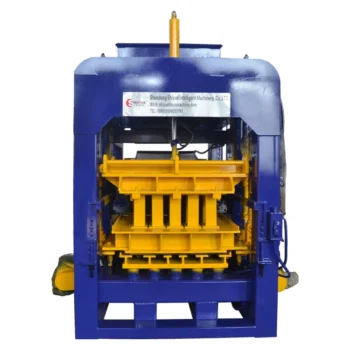
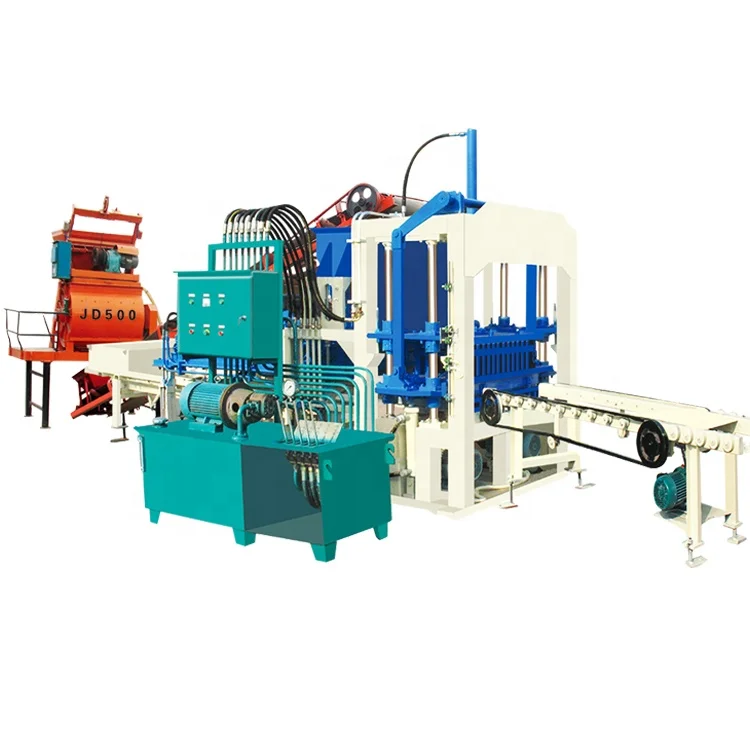
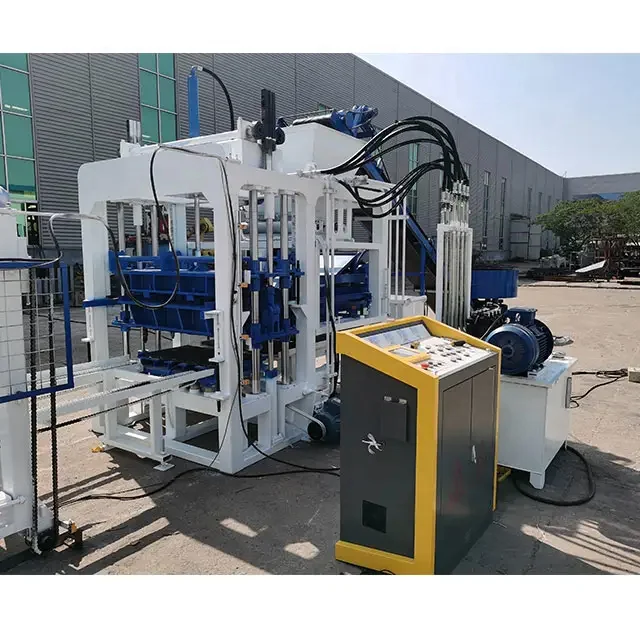
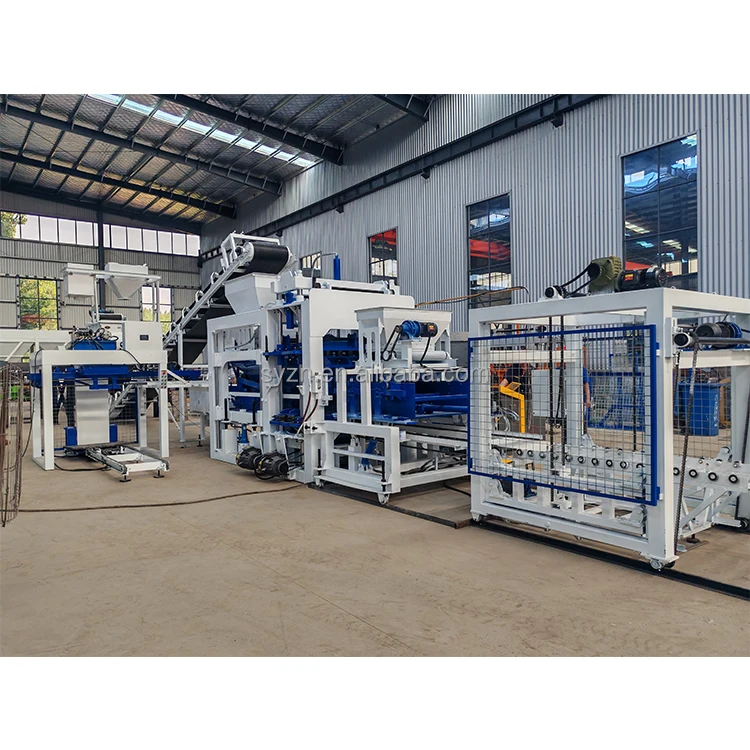
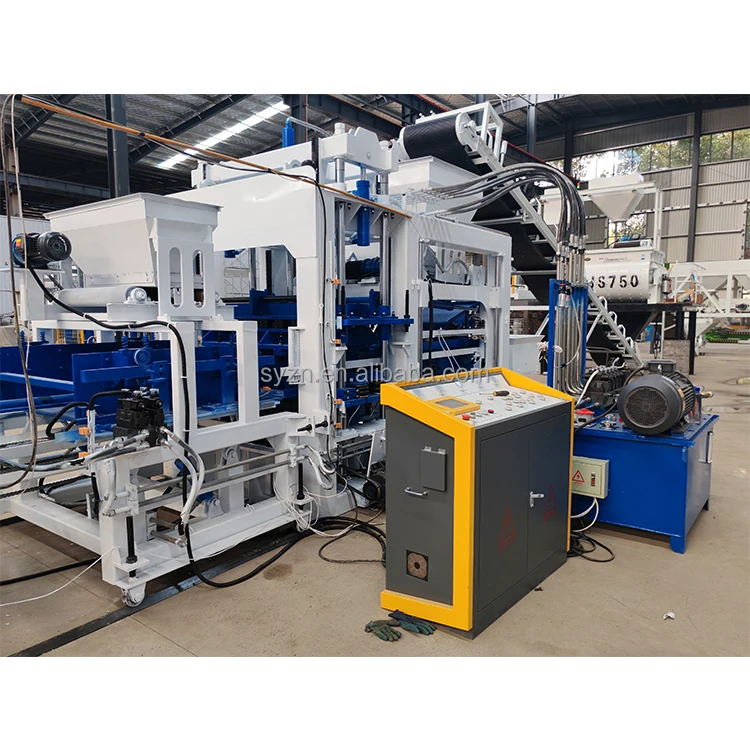
| Product Type | Hydraulic Concrete Block Making Machine |
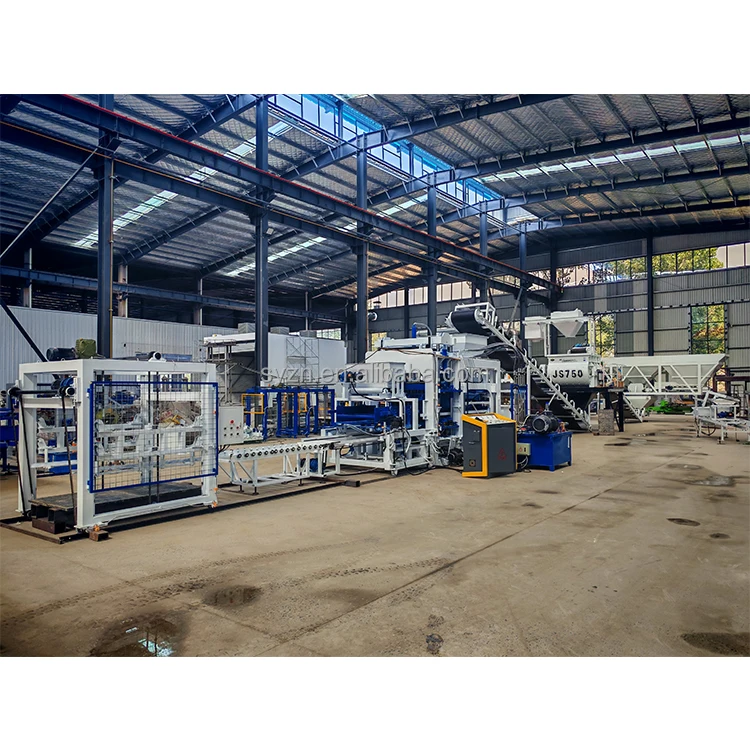
| Overall Dimensions (L×W×H) | 8300×1860×3000 mm |
| Total Mass | 8 T |
| Rated Pressure | 21 MPa |
| Vibration Force | 45 kN |
| Main Vibration Form | Platform Vibration |
| Vibration Frequency | 2800-4500 r/min |
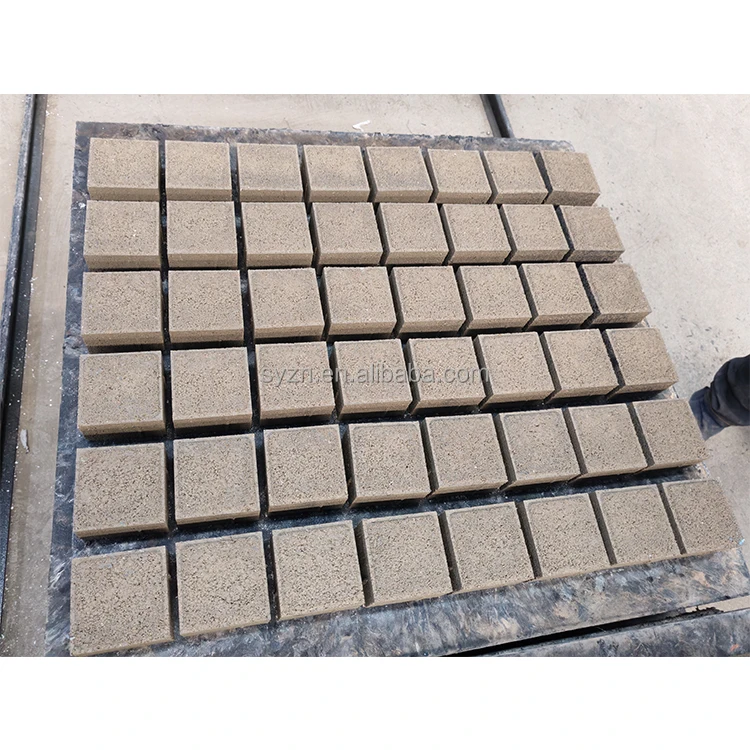
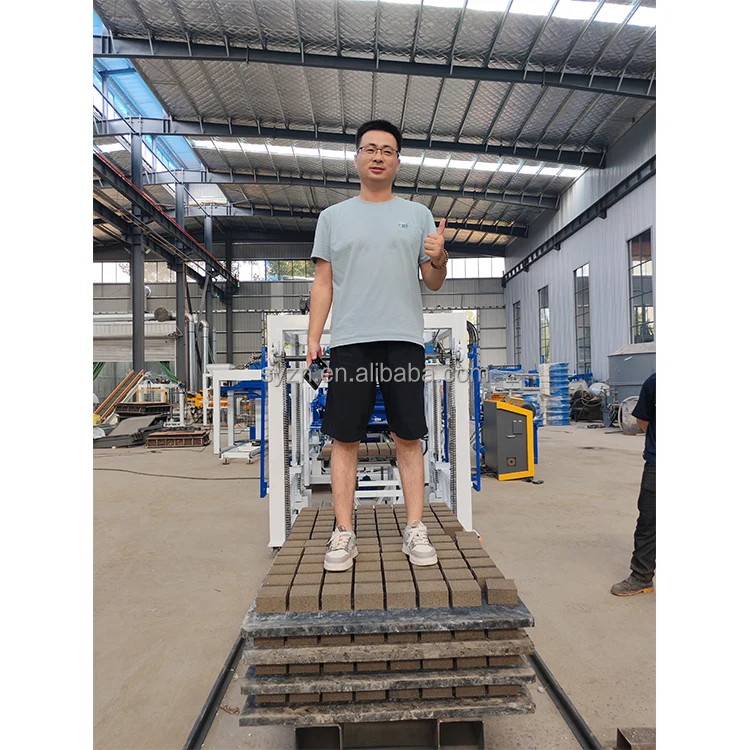
| Pallet Size | 950×900 mm |
| Molding Cycle | 15-20 s (basis not stated in source — confirm block format / material / thickness) |
| Overall Power | 55.5 kW |
| Demolding Method | Hydraulic |
| Recommended Factory Area | 300 m² |
| Raw Materials | Crushed stone, sand, cement, fly ash, gravel, slag |
| Voltage & Frequency | Configurable per destination (confirmed before dispatch) |
| Control System | PLC (language options confirmed before dispatch) |
Application Suitability
| Application | Material or Output |
|---|---|
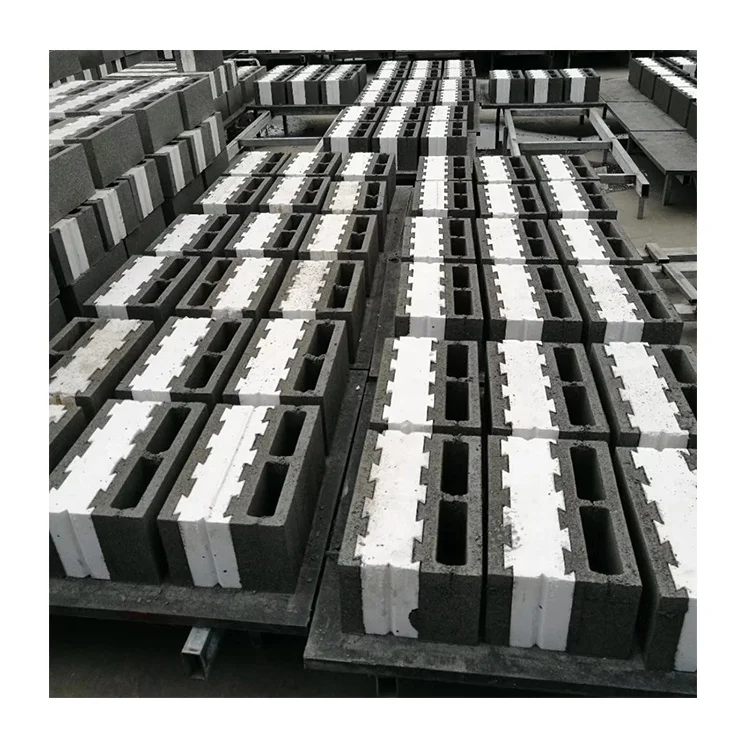
| Hollow block production | Crushed stone and cement aggregate mixes |
| Solid block production | Sand, cement and fly ash blends |
| Paving block production | Colored concrete with fine aggregate |
| Interlocking block production | Standard concrete or fly ash mix designs |
| Kerbstone production | High-density concrete with coarse gravel |
| Colored paver production | Pigmented cement and sand combinations |
Why the Voltage Question Must Come Before Dispatch
When a QT8-15 block machine in stock arrives at a job site with the wrong voltage configuration, the entire project schedule stalls — I have personally stood on a construction site in Indonesia watching a crew wait three weeks while an electrical cabinet was rebuilt from scratch because 380V/50Hz was assumed instead of the local 220V/60Hz supply. Confirming voltage, frequency, and PLC language at the quotation stage eliminates the single largest cause of commissioning delay for exported block machines.
The cost is never just the rewiring. You pay for idle operators, extended equipment rental, missed contractor milestones, and in some markets, liquidated damages clauses tied to delivery dates [NEED_CITE: common liquidated damages structures in construction supply contracts]. A machine sitting unpowered in a curing yard also absorbs moisture and dust into exposed hydraulic and electrical components, creating a second round of issues once power is finally restored.
Dispatch Readiness and Container Loading
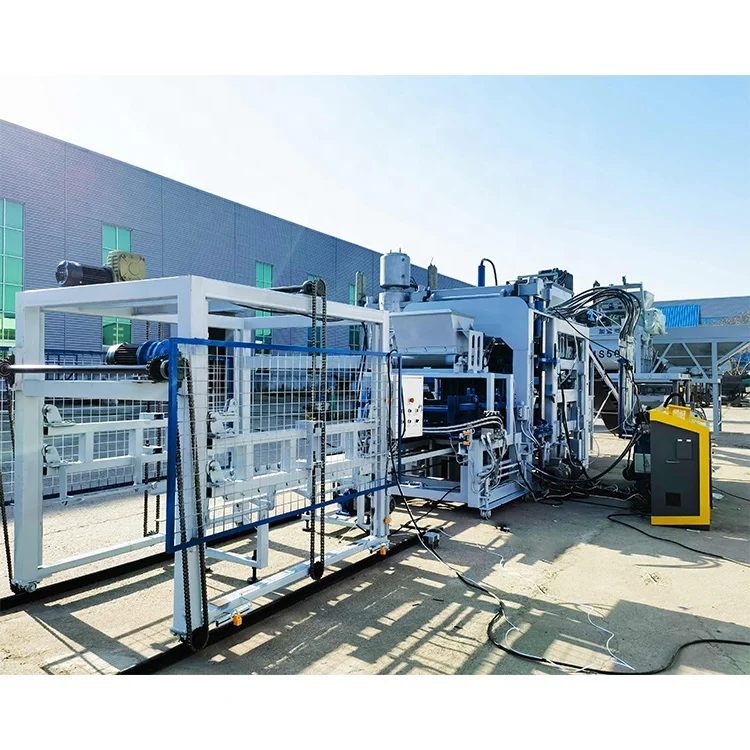
The QT8-15 block machine in stock ships as base equipment within a single 40HQ container. The 8300 mm frame length and 8 T total mass dictate a specific dismantling and bracing sequence — the hydraulic station, vibration platform, and control cabinet are separated and secured to prevent transit damage on the ocean leg. Buyers receive a packing photograph set before the container seal is applied, so the receiving team at destination knows exactly which crate holds which sub-assembly.
Dispatch lead time for stocked units is quoted at the point of order, not buried in fine print after payment. This matters for project contractors working against a building permit deadline or a dry-season window. Knowing whether the machine leaves the factory in days or weeks changes how you sequence site preparation, foundation curing, and raw material stockpiling.
Arrival Estimates and Port Clearance [NEED_CITE: typical ocean freight transit times from Chinese ports to Southeast Asian and African destinations]
An honest arrival estimate accounts for factory dispatch, inland haulage to port, customs export clearance, ocean transit, and destination port handling. We state this estimate upfront so buyers can align their forklift availability, curing area preparation, and first-day aggregate delivery with the actual date the container hits the yard. The customs documentation package — commercial invoice, packing list, bill of lading, and certificate of origin where required — is prepared in parallel with loading to prevent the machine from sitting at the destination port while paperwork catches up.
Matching Pallet Size and Vibration to Your Block Format
The 950×900 mm pallet and 45 kN vibration force on the QT8-15 are engineered around standard concrete block formats. However, the 15-20 second molding cycle is a baseline figure that shifts depending on whether you are pressing thin interlocking pavers or tall hollow blocks — each format demands a different vibration duration and hydraulic pressure profile to achieve target density. At inquiry stage, we calculate daily output against your specific block dimensions and mix design rather than quoting a generic cycles-per-hour number that overstates real production [NEED_CITE: relationship between block format, vibration time, and actual cycle duration in hydraulic block presses].
The platform vibration system at 2800-4500 r/min works in combination with the 21 MPa hydraulic pressure to compact the aggregate mix. Too little vibration on a coarse gravel mix leaves voids in hollow block walls; excessive vibration on a fine sand mix can cause segregation where cement migrates to the block surface. The frequency range allows the operator to dial in the right energy level once the local aggregate behavior is understood during commissioning.
The Hidden Cost of Skipping Configuration Checks
Buyers who skip the pre-shipment configuration conversation often discover mismatches only when the machine is bolted to the factory floor. A pallet size that does not match the existing curing racks means purchasing an entirely new rack system. A PLC display in a language the operators cannot read turns every parameter adjustment into a guessing game, increasing the risk of pressing blocks at incorrect cycle times and producing inconsistent strength across batches [NEED_CITE: operator error rates linked to unfamiliar control interface language]. These are not warranty issues — they are procurement oversights that fall entirely on the buyer.
Why Source This Machine Here
The QT8-15 block machine in stock is treated as a matched system — machine, mould, pallet, and handling equipment are specified together so the vibration force, hydraulic pressure, and pallet dimensions all align with your target block format. Every stocked unit undergoes a factory test with your specified mould before dispatch, and the test record travels with the shipping documents. Container loading plans are finalized at the quotation stage, not improvised on the loading dock, which means dismantling sequence and bracing are planned to protect the hydraulic station and PLC cabinet through the ocean voyage.
Documentation & Verification
- Factory test record run on your specified block format and mould before container sealing
- Packing photograph set showing each sub-assembly position inside the 40HQ container
- Voltage, frequency, and PLC language confirmation sheet signed before production release
- Container loading plan with dismantling sequence and bracing layout for the 8 T machine
- Hydraulic and electrical schematic in destination language for on-site maintenance reference
- Customs documentation package aligned with destination port import requirements
Installation, Commissioning & Support
- Foundation pad sized to 8300×1860 mm footprint with anchor bolt template provided before machine arrival
- 55.5 kW total power demand requires dedicated circuit sizing confirmed at the electrical design stage
- Hydraulic station, vibration platform, and PLC cabinet reassembled on-site following the dismantling sequence from loading
- First production run supervised to set vibration frequency and hydraulic pressure for your local aggregate
- Mould change procedure trained with operators to keep format switches within a practical shift window
- Wear parts list with reorder intervals specific to the QT8-15 hydraulic and vibration components
What to Include in Your Inquiry
To provide a dispatch and arrival timeline, we need your target block format and daily volume, the local aggregate available at your site, and your confirmed voltage and frequency supply. Share your curing area layout and existing forklift capacity so the 950×900 mm pallet specification can be validated against your handling equipment before the machine leaves the factory.
Frequently Asked Questions
Q: Which QT8-15 configurations are currently in stock and what is the dispatch lead time?
A: Stocked configurations cover the standard QT8-15 base machine with common mould formats for hollow blocks, solid blocks, and pavers. Dispatch lead time for stocked units is quoted at the point of inquiry and reflects current warehouse status. Custom mould configurations require additional production time, which is stated before order confirmation.
Q: How is the machine dismantled and loaded into a 40HQ container?
A: The 8 T machine is separated into the vibration platform, hydraulic station, and PLC control cabinet. Each sub-assembly is braced and secured to prevent transit movement. A packing photograph set is shared with the buyer before the container is sealed, documenting the loading arrangement for the receiving team.
Q: What arrival estimate can I expect from order to port of destination?
A: Arrival estimates cover factory dispatch, inland transport, export clearance, ocean transit, and destination port handling. The estimate is provided at quotation stage based on your destination port. We prepare customs documentation in parallel with loading to prevent paperwork delays at arrival.
Q: Are voltage and control language confirmed before the machine leaves the factory?
A: Yes. Voltage, frequency, and PLC display language are confirmed at the quotation stage and documented on a signed confirmation sheet. This prevents the most common cause of commissioning delay — a machine arriving with electrical specifications that do not match the local power supply.
Q: What documentation is provided for customs clearance at destination?
A: The documentation package includes a commercial invoice, packing list, bill of lading, and certificate of origin where applicable. All documents are prepared to match destination port import requirements, reducing the risk of the container being held at customs while paperwork is corrected.