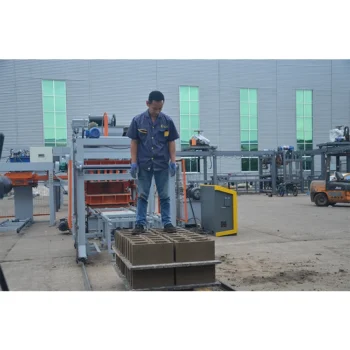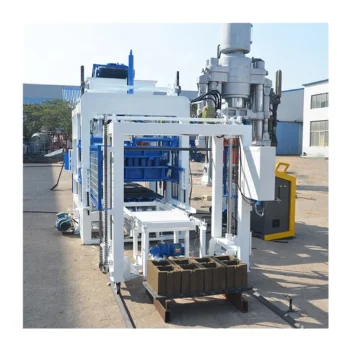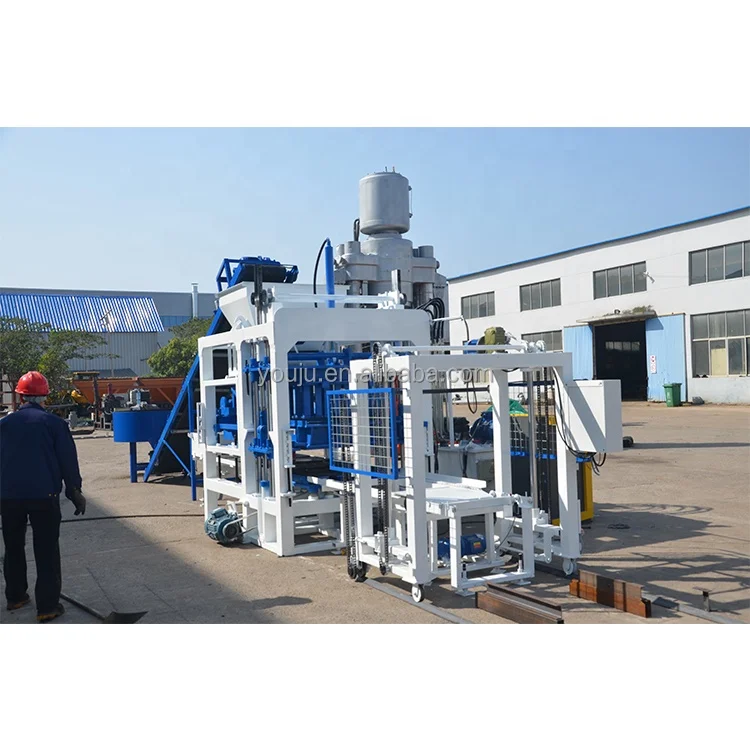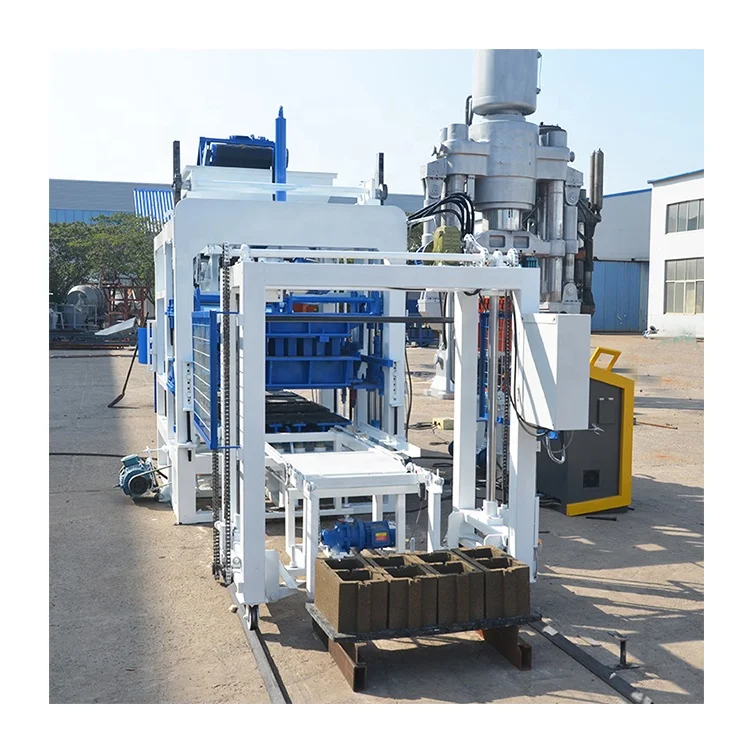

Description
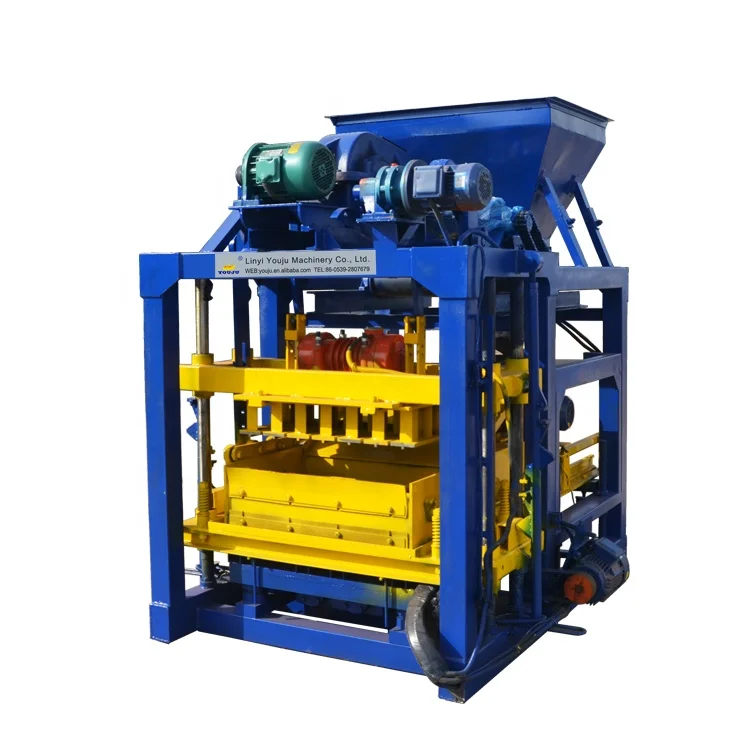
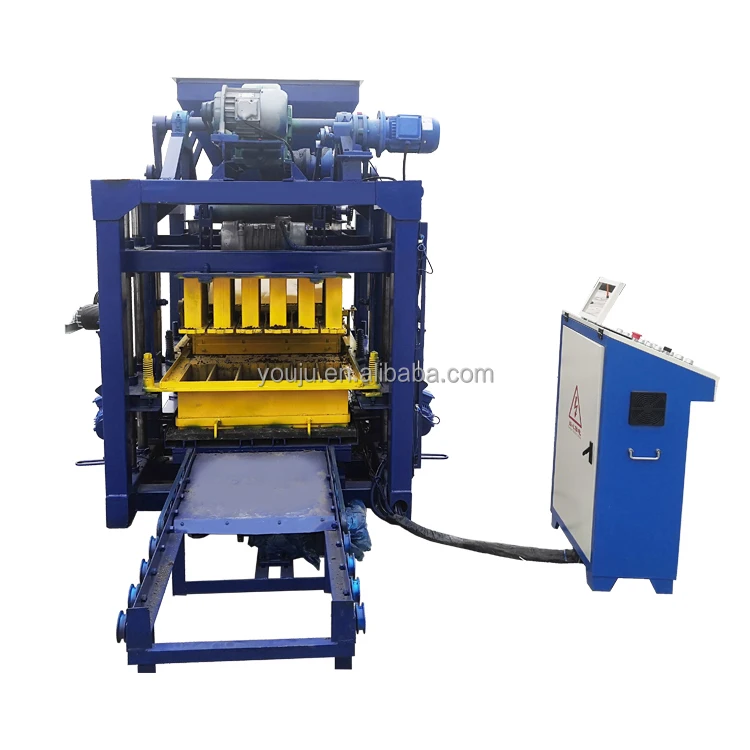
Stocked Availability, Verified Dispatch — The QTJ4-25 automatic concrete block making machine is held in stock, enabling project contractors and first-time plant owners to secure a confirmed arrival estimate rather than waiting through a custom build cycle.
Technical Specifications
| Parameter | Value |
|---|---|
| Model | QTJ4-25 |
| Product Type | Automatic Concrete Block Making Machine |
| Overall Dimensions (L×W×H) | 3000 × 1800 × 2680 mm |
| Total Mass | 3.5 T |
| Vibration Force | 60 KN |
| Main Vibration Form | Platform Vibration |
| Vibration Frequency | 2800–4500 r/min |
| Pallet Size | 850 × 480 mm |
| Molding Cycle | 25 s |
| Overall Power | 16.58 kW |
| Demolding Method | Mechanical |
| Guide Column | Four guide columns, overlong guide design |
| Steel Material | National standard manganese steel |
| Surface Treatment | Chrome-plated |
| Output Capacity | 4,640 pcs/day (basis: 400×200×200mm hollow block, 8 hours) |
| Output Capacity | 11,200 pcs/day (basis: 240×115×90mm multi-cellular brick, 8 hours) |
| Output Capacity | 26,400 pcs/day (basis: 240×115×53mm standard brick, 8 hours) |
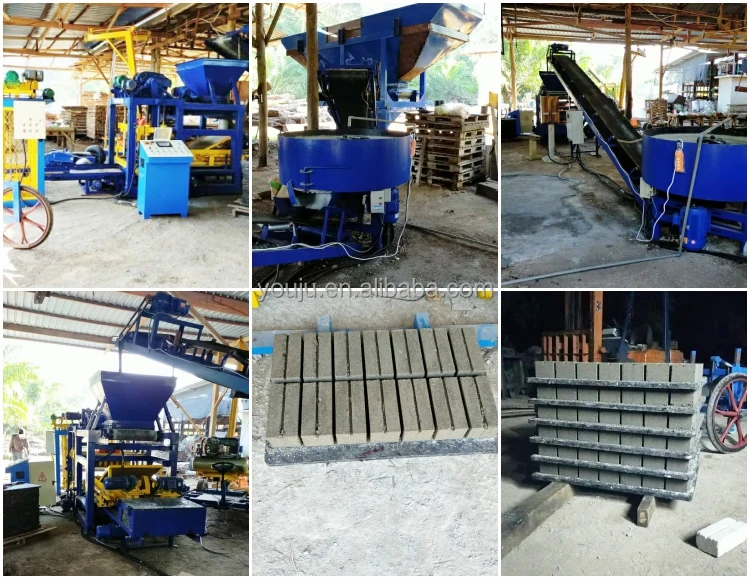
| Raw Materials | Crushed stone, sand, cement, dust, fly ash, gravel, slag |
| Factory Area | 300 m² |
| Warranty | 1 year (without spare parts) |
| Voltage & Frequency | (basis not stated in source — confirm target market voltage) |
| Control System | (basis not stated in source — confirm PLC / MCC / manual) |
Application Suitability
| Application | Material or Output |
|---|---|
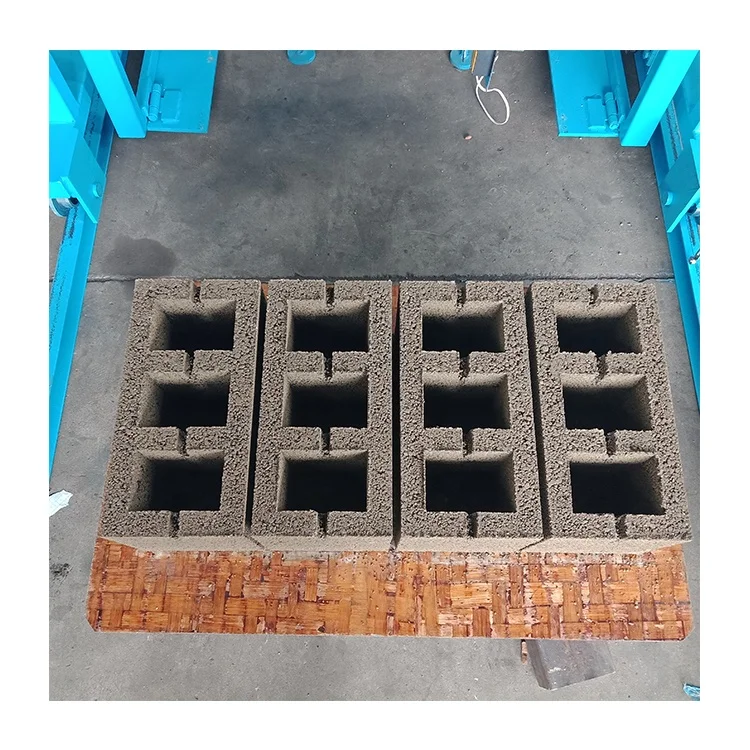
| Small-to-medium block production plant | Hollow blocks, solid blocks, pavers from crushed stone, sand and cement |
| On-site production for construction contractors | Interlocking blocks and curbstones using locally available gravel and slag |
| First block plant for entrepreneurs | Standard bricks and colored pavers from fly ash and sand mixtures |
| Building material distributor expanding formats | Multiple block formats with standard mould changes on a single machine |
Why the Arrival Date Matters More Than the Cycle Time
A machine that ships next week beats a machine with a faster cycle that arrives in three months.
I have watched project timelines collapse because a block machine was still sitting in a factory while the construction crew stood idle on site. The QTJ4-25 automatic block machine in stock is positioned for buyers who cannot absorb that kind of delay. When a housing contractor in West Africa needs to start laying hollow blocks before the rainy season, the question is never about vibration frequency — it is about which container is leaving port and when it clears customs [NEED_CITE: project timeline dependencies on equipment arrival in developing markets].
Stock availability also means the moulds ship with the machine rather than following weeks later on a separate vessel. Standard moulds for hollow blocks and solid bricks are matched to the machine and loaded into the same container, so production can begin as soon as commissioning wraps up.
Dispatch Readiness and Container Loading
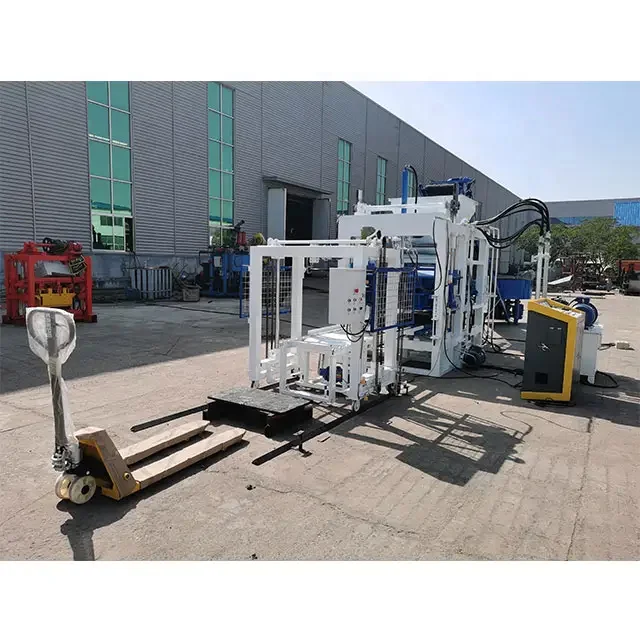
The QTJ4-25 automatic block machine in stock is dismantled for shipment to fit within standard container dimensions, and the loading plan is confirmed before dispatch so the buyer knows exactly which container type is required. The 3000 × 1800 × 2680 mm frame is broken down into major assemblies — press body, vibration platform, hydraulic unit — and secured against movement during ocean transit. Each component is photographed during loading so the buyer can verify condition on arrival and cross-reference against the packing list.
Lead Time Transparency From Order to Port
The value of stocking this model is that the dispatch lead time is quoted at the inquiry stage, not revealed after payment. Buyers working to a project deadline receive an estimated arrival window based on the destination port and current shipping schedules. This lets contractors align the machine arrival with site preparation, curing area construction, and raw material procurement [NEED_CITE: shipping transit time variability by destination region].
Platform Vibration and Pallet Compatibility
The 60 KN platform vibration force operating at 2800–4500 r/min compacts the concrete mix against the 850 × 480 mm pallet during the 25-second molding cycle. The four-column overlong guide design keeps the mould aligned through each cycle, which is important for maintaining consistent block dimensions across a full shift. The chrome-plated manganese steel guide columns resist abrasion from the concrete dust environment typical in block plants.
The 850 × 480 mm pallet size must match the curing racks and forklifts the buyer already has on site. A pallet that does not fit the existing curing area means the buyer is either rebuilding the racks or handling blocks manually — both outcomes that a fast-dispatch purchase was supposed to avoid. Before the QTJ4-25 ships, pallet dimensions are confirmed against the buyer’s site layout.
What Happens When Dispatch Details Are Overlooked
I once saw a machine arrive at a port with the wrong voltage configuration, and the buyer spent weeks sourcing a transformer locally while the construction schedule slipped. When dispatch speed is the priority, it is tempting to skip the confirmation step on voltage, frequency, and control language — but those are the details that determine whether commissioning takes a day or a month [NEED_CITE: electrical standard differences across export markets]. A machine in stock is only fast if the paperwork and configuration match the destination.
Missing that step also affects the mould shipment. If the standard mould list is not verified before loading, the buyer may receive moulds for block formats that the local market does not buy, while the format they actually need arrives on a later shipment or not at all.
Why Buyers Source This Model Here
Single-focus machinery supply means the QTJ4-25, its moulds, pallets and handling equipment are specified as one system rather than assembled from separate vendors, so everything that ships in the container works together on day one. Configuration is set against the buyer’s local aggregate and mix design, not pulled from a generic catalogue. Standard moulds for the formats the buyer’s market actually sells are included in the shipment, with custom mould drawings available if the local demand calls for a non-standard format.
The automation level is selectable, so a buyer starting with the QTJ4-25 can plan for future upgrades without replacing the press entirely. Dispatch documentation includes factory test records, packing photographs, and customs paperwork support so the machine clears the destination port without administrative delays.
Documentation & Verification
- Factory test record run on your specified block format before dispatch
- Mould drawing and format list included in the shipment documentation
- Pallet specification sheet confirming size and material match your curing setup
- Voltage and control language confirmation document signed off before loading
- Packing photographs showing container loading condition for customs and insurance
Installation, Commissioning & Support
- 300 m² factory area requirement confirmed against your site plan before shipment
- 16.58 kW overall power draw verified against your available electrical supply and circuit capacity
- Dismantled assemblies reassembled on site with alignment checks on the four guide columns
- First-run commissioning includes molding cycle verification at the 25-second target with your local mix
- Operator training covers mould change procedure and platform vibration frequency adjustment
- Wear parts list provided with the shipment so first replacement orders are placed before stock runs out
Preparing Your Inquiry
To confirm stock status and receive a dispatch timeline, share your target block format, the daily output you need to meet your project schedule, and your destination port. Include your site voltage and frequency so the machine can be configured before it leaves the factory. If you have existing curing racks or forklifts, provide the dimensions so pallet compatibility is confirmed before loading.
Frequently Asked Questions
Q: What is the dispatch lead time and is the QTJ4-25 currently in stock?
A: The QTJ4-25 is maintained as a stocked model for fast dispatch. Lead time from order confirmation to port departure is quoted at the inquiry stage based on current stock levels and the destination port. Standard moulds ship in the same container, so production can begin shortly after arrival and commissioning.
Q: How is the machine packed and loaded for container shipment?
A: The QTJ4-25 is dismantled into major assemblies and secured inside a standard shipping container. A loading plan is shared before dispatch, and packing photographs are taken during loading so you can verify condition on arrival. The total mass of 3.5 tonnes is distributed to meet container weight limits.
Q: Which moulds and block formats are included in the standard shipment?
A: Standard moulds for hollow blocks, solid blocks and pavers are typically included. The exact format list is confirmed during the inquiry so that the moulds match the products your local market demands. Custom moulds can be added to the shipment if your project requires non-standard formats.
Q: What voltage and frequency options are available before dispatch?
A: Voltage and frequency are configured to match your local electrical grid and confirmed in writing before the machine ships. Control language is also set at this stage. This avoids commissioning delays caused by electrical mismatches when the machine arrives at your site.
Q: What is the estimated arrival time from order to port of destination?
A: Arrival estimates are quoted upfront based on the destination port and current shipping schedules. The estimate covers the period from dispatch confirmation to port arrival and accounts for the shipping route. Inland transport from the port to your site is not included but can be discussed during the inquiry.