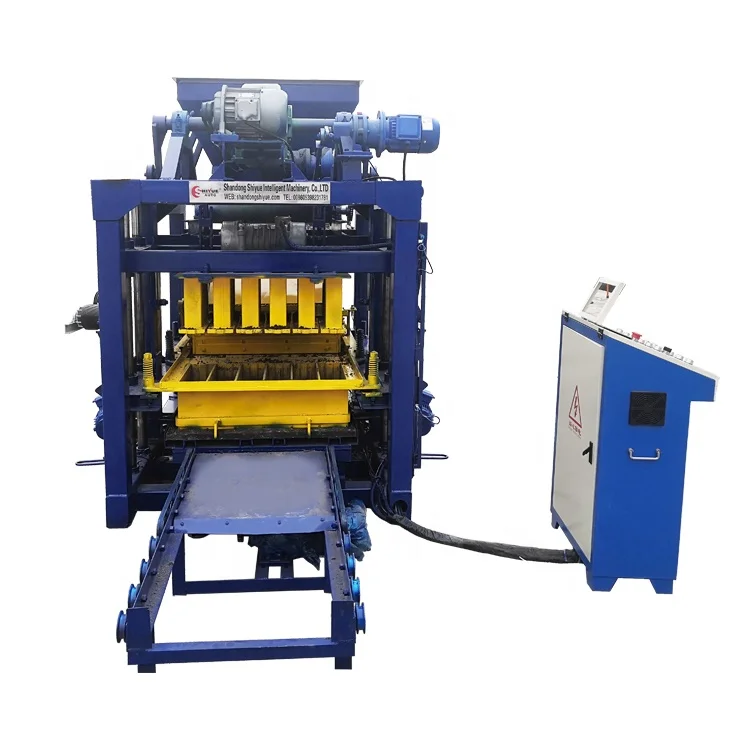
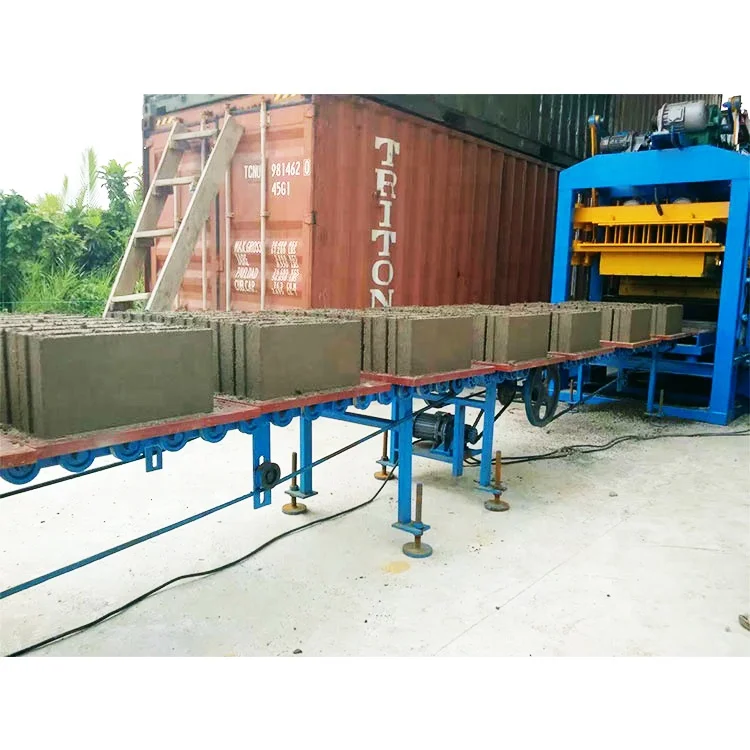
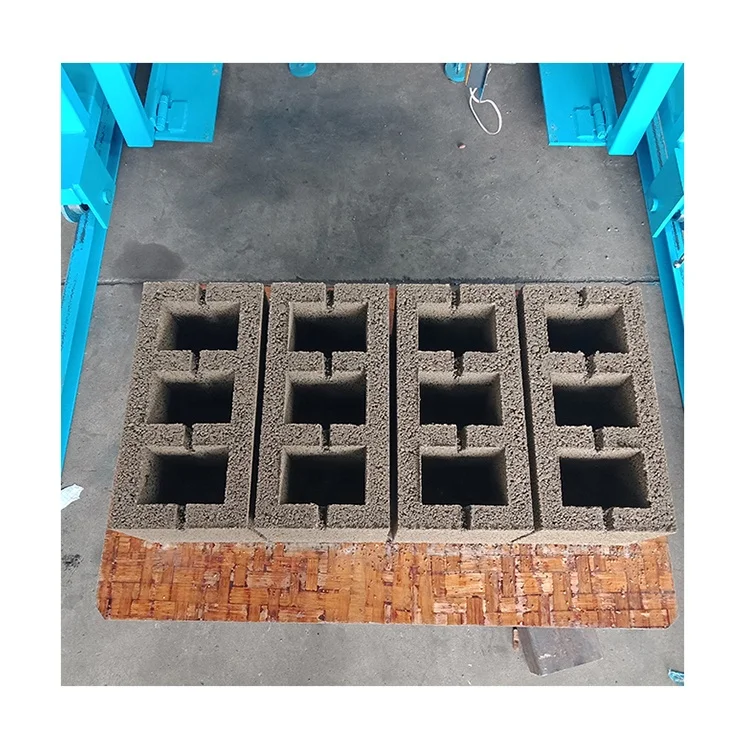
Description
Stocked Machine Matched to Your Site — every QTJ4-25 we dispatch ships with a factory test record run on the buyer’s actual mix sample, not a generic catalogue default.
Technical Specifications
| Parameter | Value |
|---|---|
| Model | QTJ4-25 |
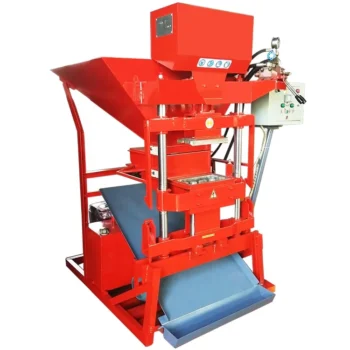
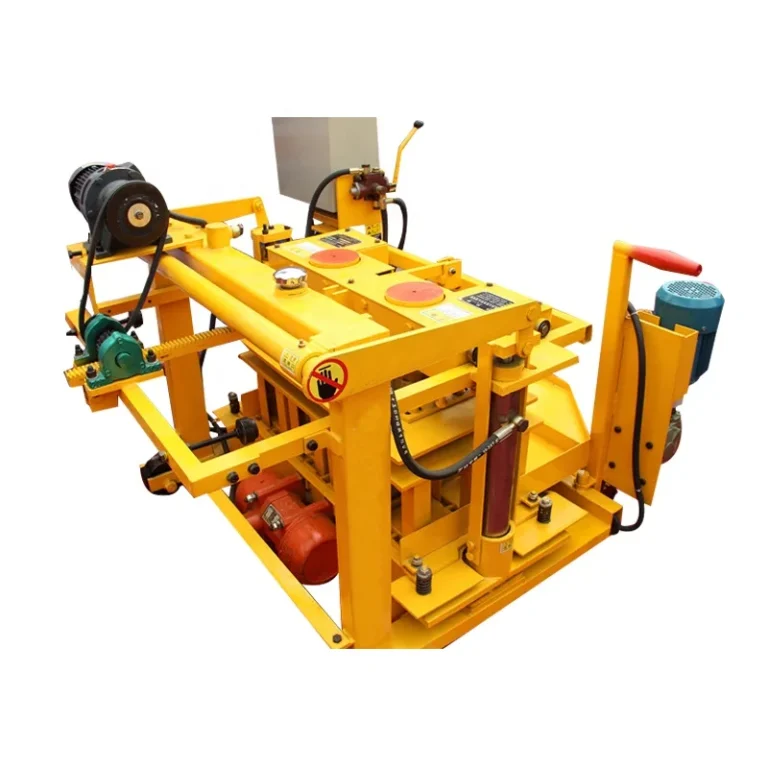
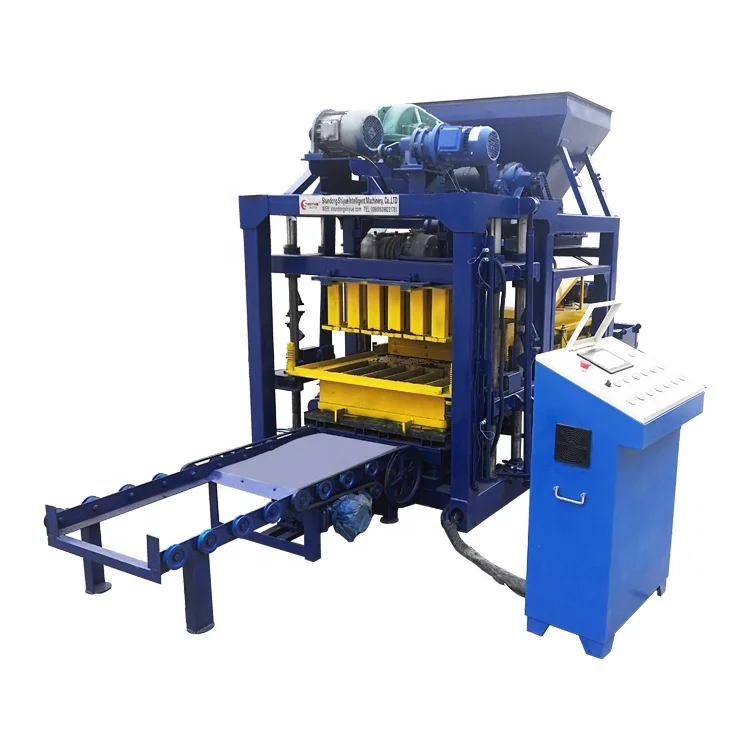
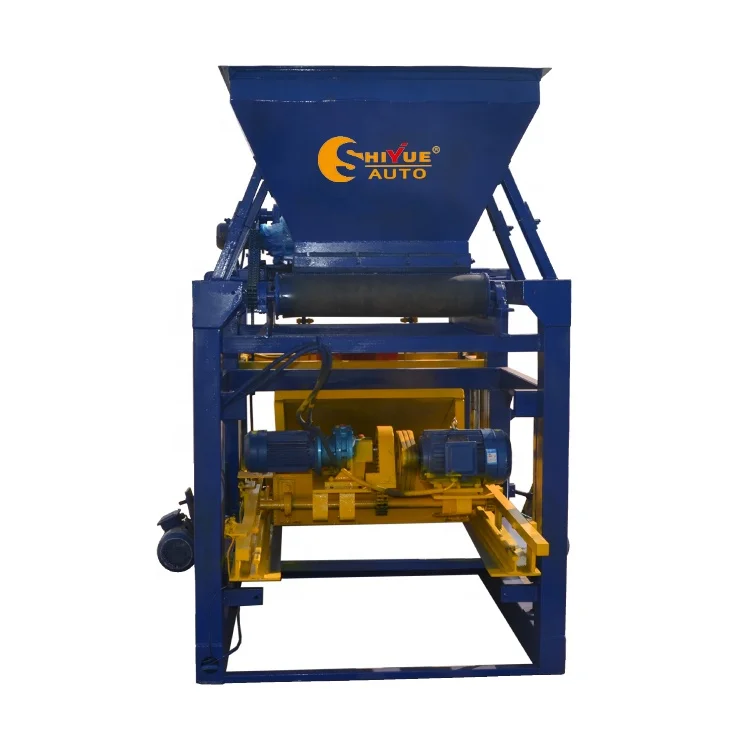
| Product Type | Semi-Automatic Concrete Block Making Machine |
| Overall Dimensions | 3060×1730×2580 mm |
| Total Weight | 4 T |
| Cycle Time | 25 s |
| Vibration Force | 45 KN |
| Pallet Size | 850×550 mm |
| Block Height Range | 40–280 mm |
| Belt Conveyor Length | 8 m |
| Mixer Model | JQ500 |
| Workshop Area Required | 50–150 m² |
| Material Storage Area Required | 300–500 m² |
| Motor Brand | Germany SIEMENS or ABB |
| Automation Level | Semi-automatic |
| Voltage | 380V, 3-phase, 50Hz (customizable to local voltage) |
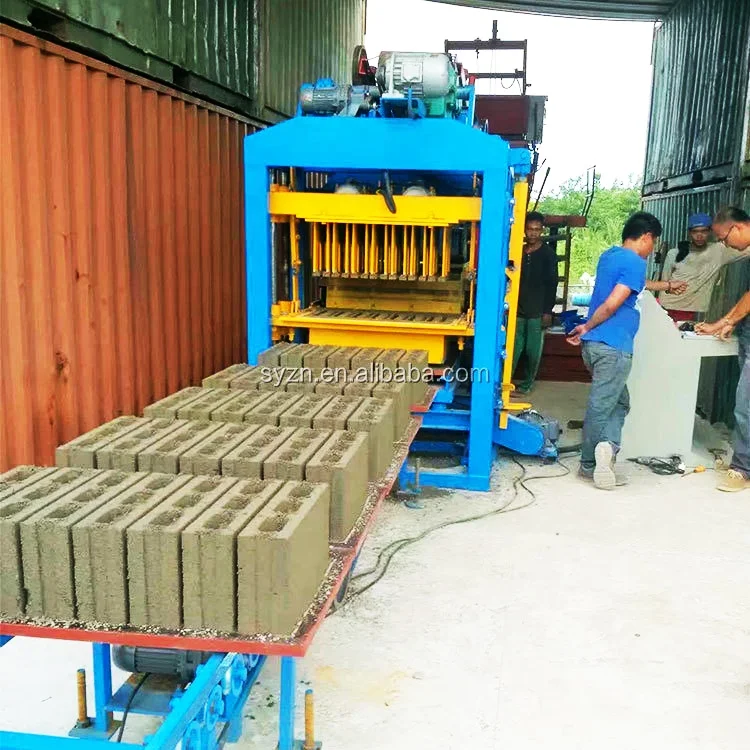
| Output Capacity | 480 pcs/h based on 400×200×200mm hollow block, 4 pcs/mould |
| Output Capacity | 600 pcs/h based on 400×150×200mm hollow block, 5 pcs/mould |
| Output Capacity | 840 pcs/h based on 400×100×200mm hollow block, 7 pcs/mould |
| Output Capacity | 2880 pcs/h based on 240×115×53mm solid brick, 24 pcs/mould |
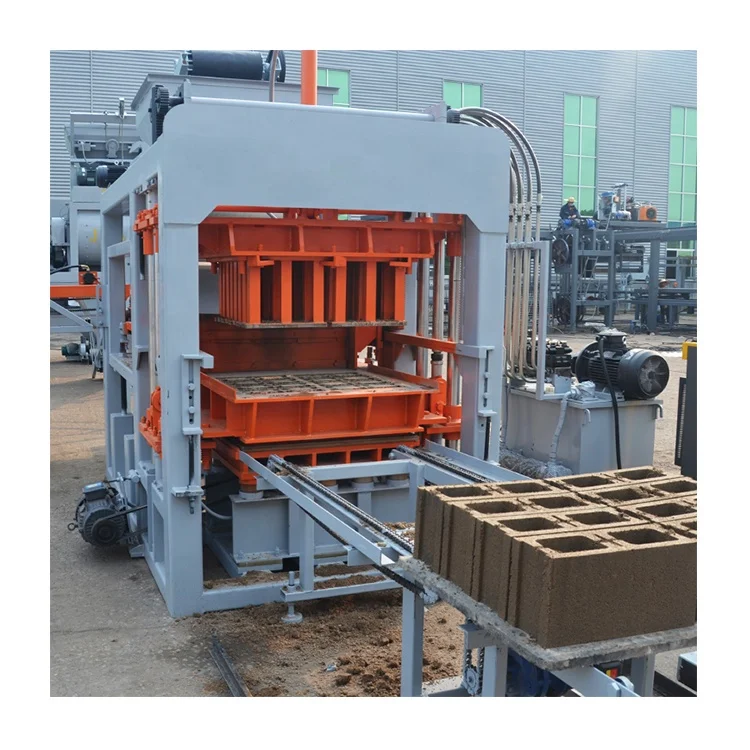
| Mould Compatibility | Hollow block, solid block, paver, interlocking block, curbstone, colored paver, riverside brick, revetment brick, grassed brick |
| Control System | Electric control (PLC brand and language to be confirmed per order) |
| Warranty | 1 year (excluding wearing parts) |
Application Suitability
| Application | Material or Output |
|---|---|
| Hollow block production for housing projects | Crushed stone, river sand, cement |
| Solid brick manufacturing for local masonry markets | Fly ash, sand, cement blends |
| Paving block and interlocking brick for roads and walkways | Fine aggregate with pigment additives |
| On-site block production by construction contractors | Locally sourced aggregate and cement |
| Curbstone and revetment brick for infrastructure | Coarse aggregate with high cement content |
Why Lead Time Matters More Than the Brochure Promise
A machine that arrives three months late is a machine that cost you three months of block sales.
When a contractor signs a supply agreement tied to a construction schedule, every week of uncertain dispatch is a week of idle curing yards and unfulfilled orders. I have watched buyers commit to a QTJ4-25 block making machine in stock based on a handshake timeline, only to discover the unit was still on the production floor. The mixer, the pallets, the moulds — all waiting on a single component. That gap between quoted arrival and actual arrival is where projects stall and penalties start accumulating [NEED_CITE: typical construction penalty clauses for material supply delays].
This is exactly why our stock and delivery process begins with a written dispatch date before any deposit changes hands. The QTJ4-25 block making machine in stock on our floor is photographed, serialized, and matched to a container loading plan so the buyer knows precisely which unit is theirs.
Dispatch Timing You Can Build a Schedule Around
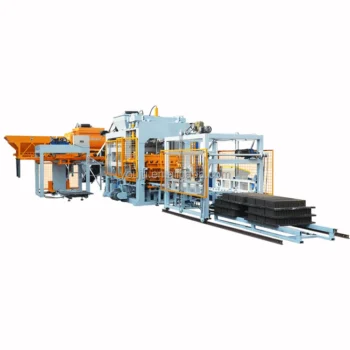
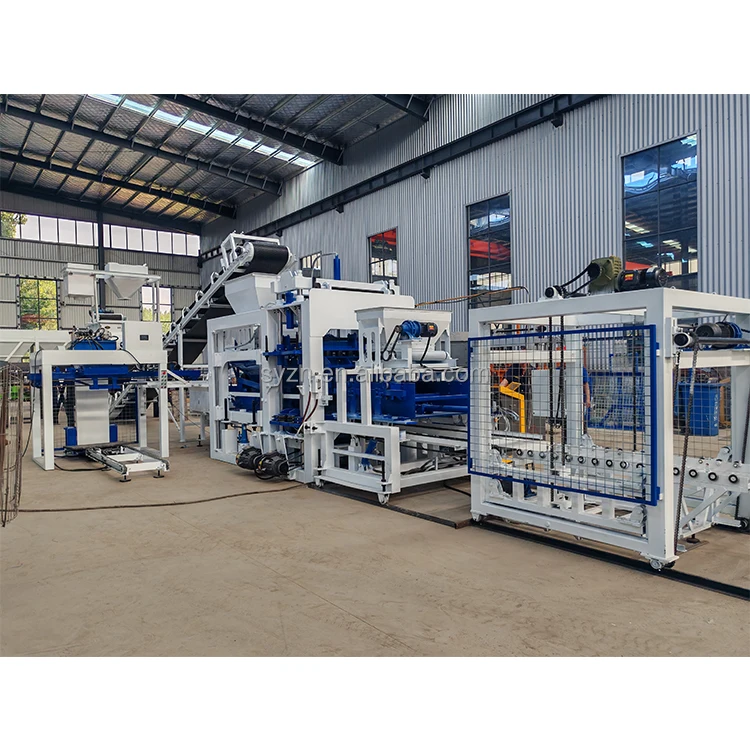
The QTJ4-25 block making machine in stock ships from our Linyi warehouse as a complete matched set — press, JQ500 mixer, 8m belt conveyor, and the pallet size you confirmed at inquiry. Stocked units carry a known dispatch lead time because they are already assembled and factory-tested. Built-to-order units follow a separate timeline communicated before you commit. Either way, you receive a written arrival estimate at your destination port so your project planner can work backward from a real date.
Container Loading Without Frame Dismantling
Compact footprint is a shipping advantage, not just a workshop advantage. The QTJ4-25 measures 3060×1730×2580 mm at 4 tonnes, which means the main frame fits inside a standard container without dismantling the core press structure [NEED_CITE: standard 40-foot container internal dimensions for industrial machinery]. The mixer and conveyor load alongside as matched companions. You receive packing photographs before the container doors close, so your receiving team knows exactly what to expect when the seal is broken at destination.
What the Numbers Actually Mean on the Production Floor
Vibration force and cycle time interact in ways that a spec sheet alone cannot convey. The 45 KN vibration on the QTJ4-25 compacts the mix against the mould walls during each 25-second cycle, and the density of the finished block depends on how well that vibration matches your aggregate gradation. The 850×550 mm pallet size determines how many blocks cure per rack and which forklift can handle them — get this wrong and you are either buying a new forklift or stacking by hand. The 40–280 mm block height range covers everything from standard solid bricks at 24 per mould to large hollow blocks at 4 per mould, but each format produces a different realistic daily output. The 480 pcs/h figure applies specifically to 400×200×200 mm hollow blocks; switch to solid bricks and the hourly count rises, while switching to larger formats brings it down.
The Cost of Skipping the Voltage Conversation
Voltage and frequency are the most common reason a stocked machine sits idle after arrival. A unit configured for 380V/50Hz will not start on a 440V/60Hz supply without transformer intervention, and that delay falls squarely on whoever failed to confirm the specification before loading [NEED_CITE: voltage and frequency standards by export market]. We verify your site supply and match the motor winding accordingly before the machine leaves the warehouse.
Why Buyers Source This Machine Here
Single-focus machinery sourcing means the press, mould, pallet, and handling equipment leave as one matched system. Stock and built-to-order timelines are separated clearly at inquiry so there is no confusion about what sits on the floor versus what enters production. Pallet size is confirmed against your existing curing area and forklift before dispatch. Voltage and control language are documented in writing before the container is booked. Factory test records accompany every unit so you can verify performance against your own mix sample before the machine is loaded.
Documentation & Verification
- Factory test record run on buyer’s submitted mix sample before dispatch
- Container loading plan with packing photographs sent prior to shipment
- Voltage and frequency confirmation document matching site supply
- CE declaration applicability verified against destination country requirements
- Mould drawing and format list included with each mould set shipped
Installation, Commissioning & Support
- Workshop area of 50–150 m² required with level concrete floor for the 4-tonne press
- 380V 3-phase power supply with dedicated circuit for SIEMENS or ABB motor
- Main frame ships fully assembled; only conveyor and mixer bolt on at site
- Block height range 40–280 mm calibrated during commissioning for each mould format
- Operator training covers mould change procedure and daily vibration motor inspection
- Wear parts list provided with first replacement intervals for hydraulic and mould components
What to Include in Your Inquiry
Tell us your target block format and daily output requirement so we can match a stocked or scheduled unit to your production plan. Confirm your site voltage, frequency, and available workshop dimensions. If you have a local aggregate sample, send it to us so we can run a test block and verify that the 45 KN vibration force produces the density your market requires before we confirm a dispatch date.
Frequently Asked Questions
Q: Is this QTJ4-25 model currently in stock or built to order?
A: We maintain stocked QTJ4-25 units on the warehouse floor alongside built-to-order production slots. At inquiry we confirm in writing which applies to your order, along with the exact mould set included and a firm dispatch date. Stocked units ship faster because they have already completed factory testing.
Q: What is the dispatch lead time and estimated arrival at my port?
A: Stocked units typically dispatch within days of payment confirmation, while built-to-order units follow a communicated production schedule. We provide an estimated arrival date at your destination port based on current shipping routes, so your project team can plan installation and commissioning around a known timeline.
Q: How is the machine packed and loaded into the container?
A: The QTJ4-25 main frame ships assembled without dismantling thanks to its compact dimensions. The JQ500 mixer and 8m belt conveyor load alongside. We send packing photographs before the container is sealed so your receiving team can verify contents upon arrival at destination.
Q: Can additional moulds and pallets ship in the same container?
A: Yes. The 850×550 mm pallet size is standardized, so additional pallets and mould sets for other block formats can fill remaining container space. We confirm container loading capacity at the quotation stage so you know exactly what fits before committing to the shipment.