Description
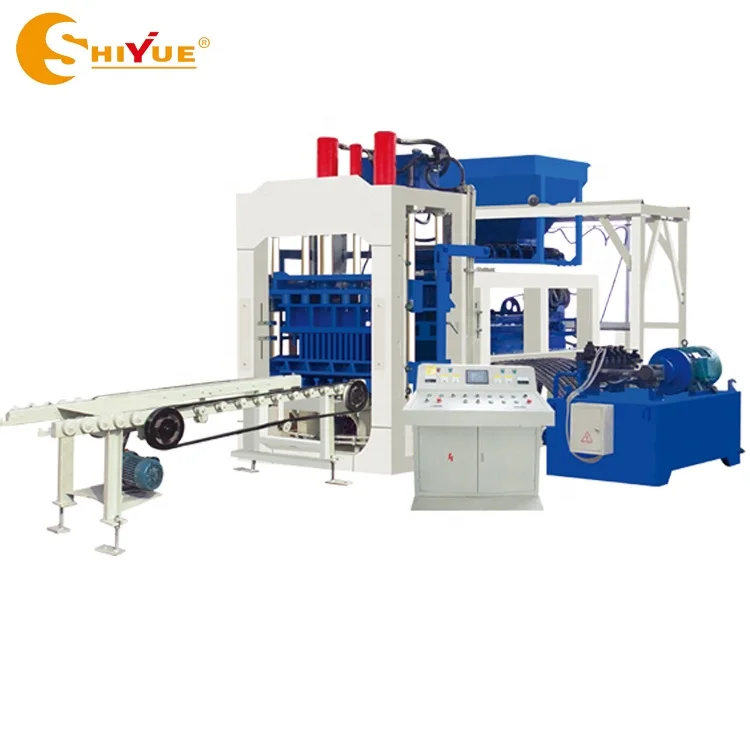
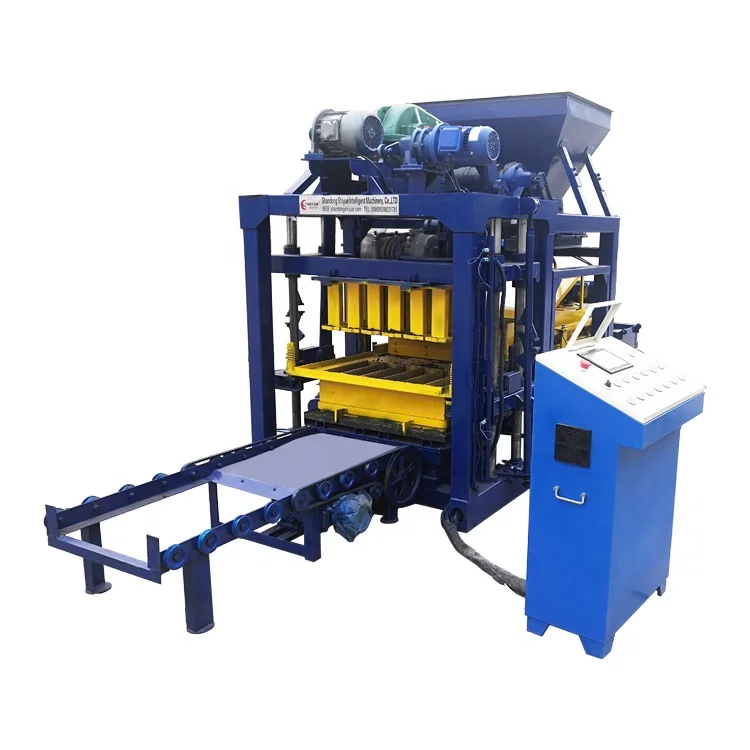
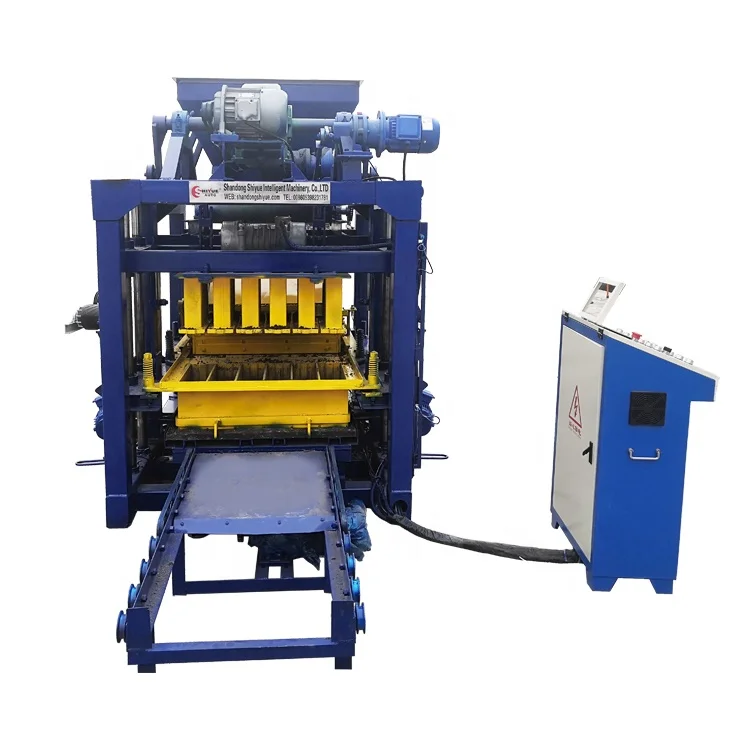
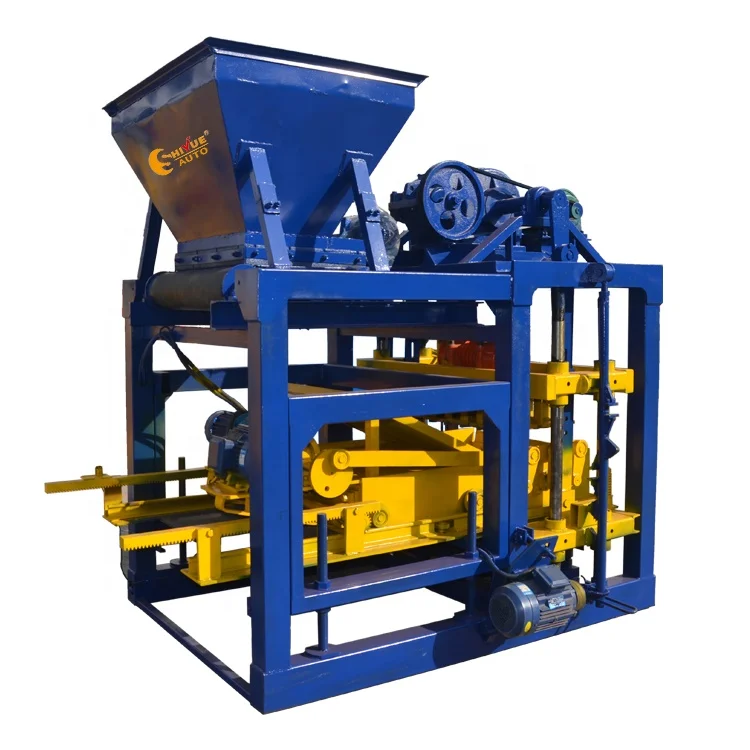
Ready for dispatch — Every QTJ4-25 block making machine in stock is held in our Linyi warehouse, dismantled to a documented loading plan, and shipped with factory test records and packing photographs so you can track it from port to project site.
Technical Specifications
| Parameter | Value |
|---|---|
| Model | QTJ4-25 |
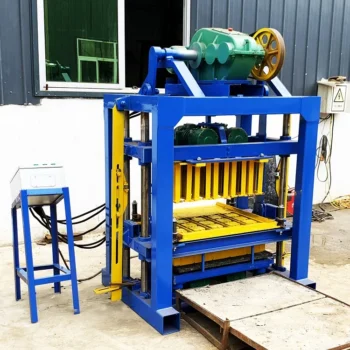
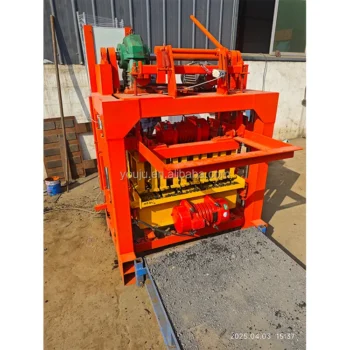
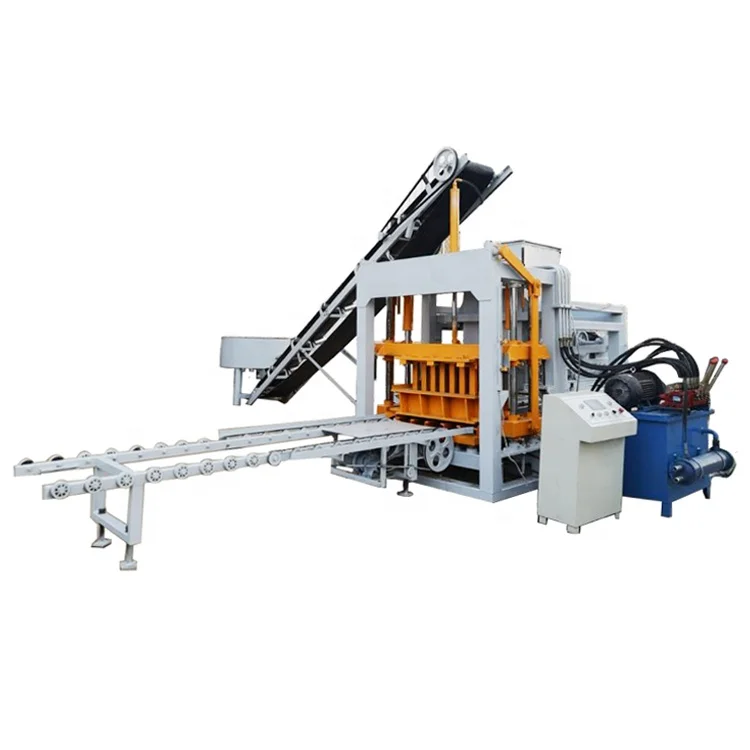
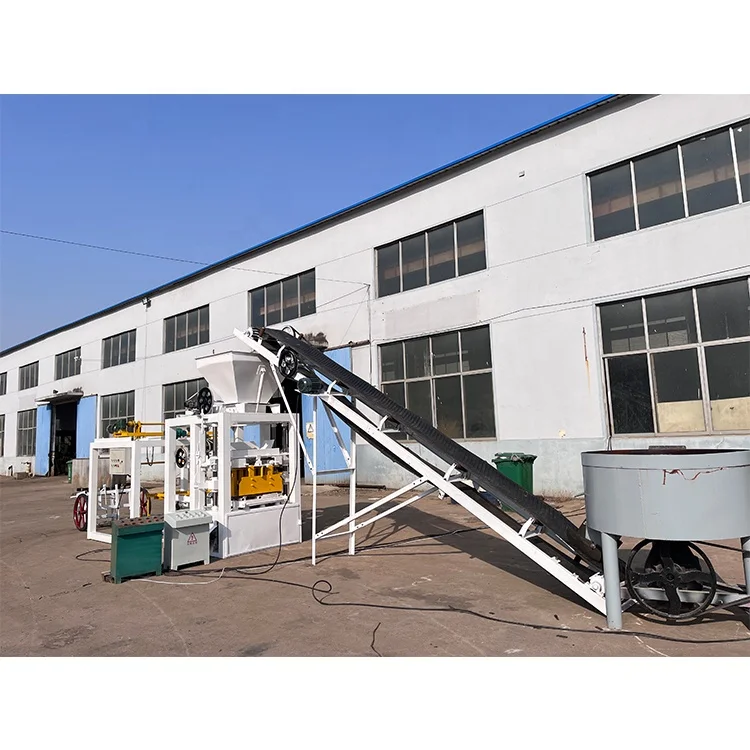
| Product Type | Stationary Concrete Block Making Machine |
| Overall Dimensions (L×W×H) | 3060×1730×2580 mm |
| Rated Pressure | 16–21 MPa |
| Main Vibration Form | Platform Vibration |
| Vibration Frequency | 4200 r/min |
| Vibration Force | 45.5 kN |
| Pallet Size | 850×550 mm |
| Molding Cycle | 25–30 s (basis not stated in source — depends on block format, material and thickness) |
| Overall Power | 14.9 kW |
| Total Mass | 4 T |
| Demolding Method | Vibration |
| Recommended Factory Area | 200 m² |
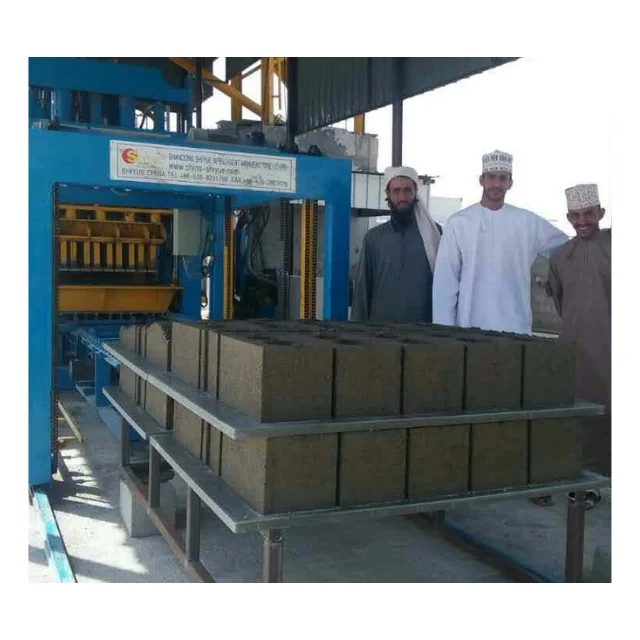
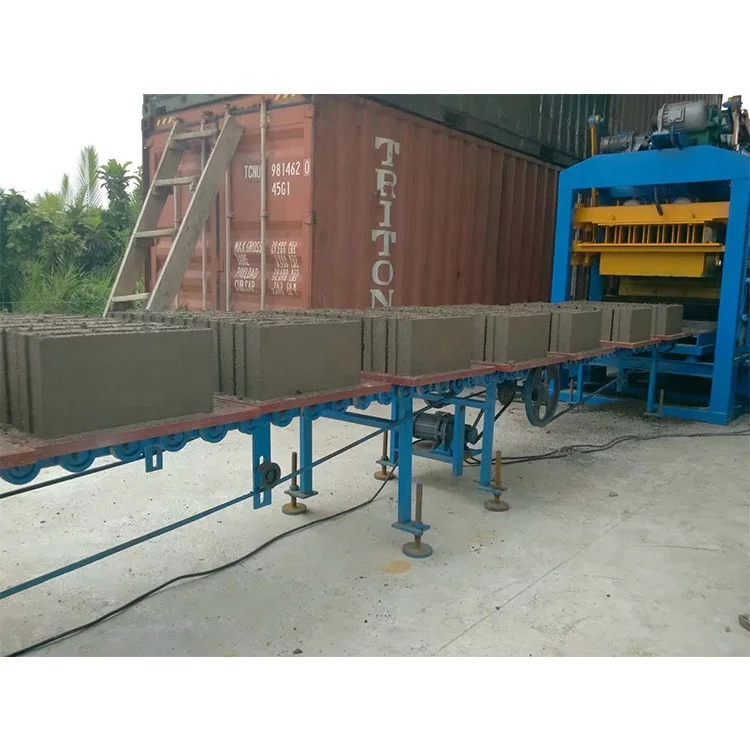
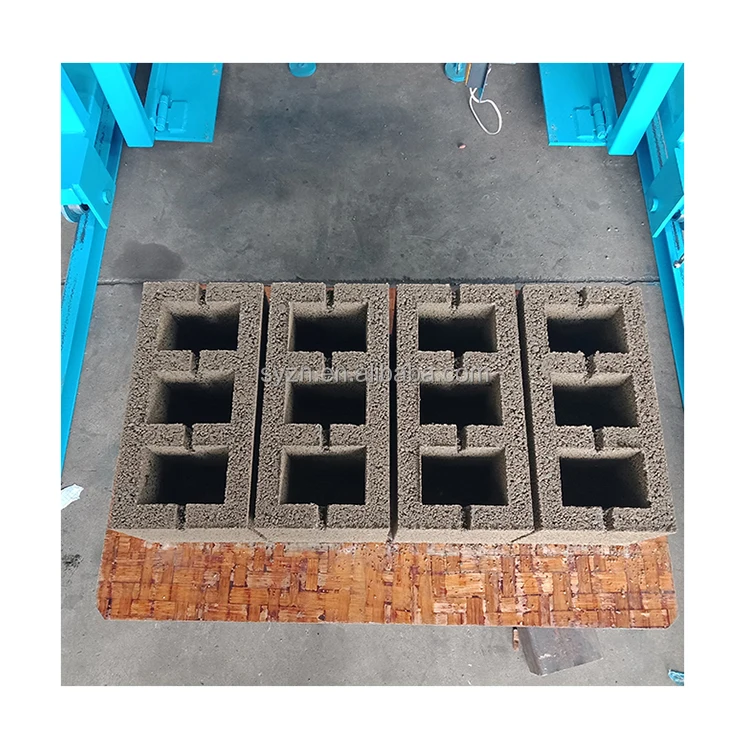
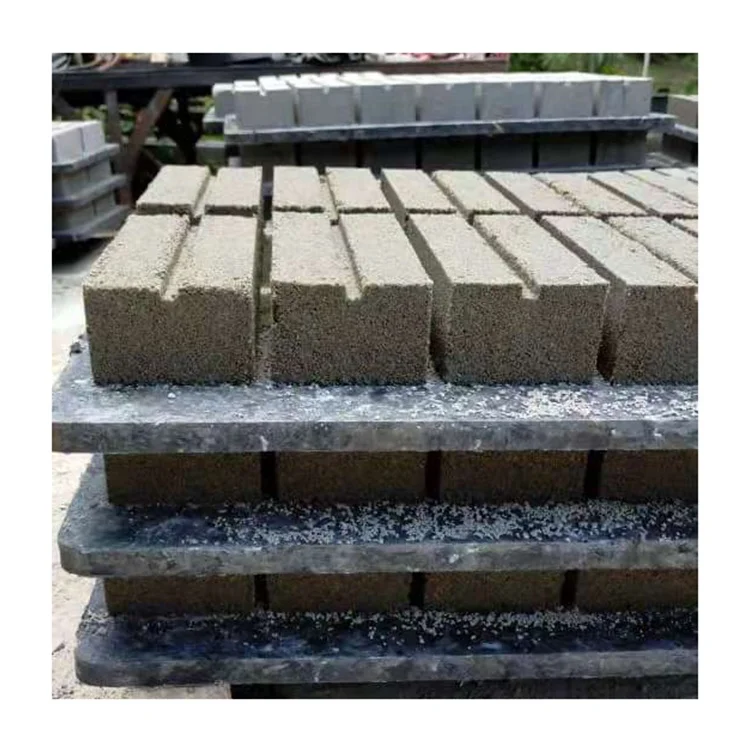
| Applied Products | Concrete hollow blocks, solid blocks, pavers, interlocking blocks, curbstone, colored pavers |
| Raw Material Compatibility | Crushed stone, sand, cement, fly ash, gravel, slag, dust |
| Loading Quantity | 1×40HQ container (basic equipment) |
| Warranty | 1 year (excluding spare parts) |
| Certification | CE (subject to model configuration) |
Application Suitability
| Application | Material or Output |
|---|---|
| Small-scale hollow block production | Crushed stone, sand, cement blends |
| Solid block manufacturing for housing projects | Fly ash, gravel, slag, cement |
| Interlocking paver production for driveways and walkways | Colored concrete mixes with fine aggregate |
| Curbstone forming for municipal roads | High-strength concrete with coarse aggregate |
| On-site block production for construction contractors | Locally sourced sand and gravel with cement |
| First plant setup for entrepreneurs entering block market | Standard concrete mixes with regional raw materials |
What "Fast Delivery" Actually Means When You Order a QTJ4-25 Block Making Machine in Stock
Dispatch lead time is quoted in writing before you confirm the order, not after.
I have watched project schedules slip because a machine was "in stock" on paper but sat in a yard missing one hydraulic valve or a set of pallets. When a buyer works to a construction milestone, the gap between "ready to ship" and "loaded into the container" is where delays hide [NEED_CITE: common causes of industrial equipment shipping delays]. With the QTJ4-25 block making machine in stock, the dismantling sequence, container loading plan, and missing-parts checklist are completed before the balance payment is due. You see packing photographs and a factory test record before the container doors close.
Container Loading Plan Built Around a 4-Ton Footprint
The QTJ4-25 block making machine in stock fits into a single 40HQ container along with its standard moulds and pallets. The main frame is separated from the vibration platform and hydraulic station so that no single lift exceeds the capacity of a standard port forklift. Each sub-assembly is bolted, not welded, which means reassembly at your site requires common hand tools rather than specialist fabrication.
Arrival Estimates Quoted Before the Balance Payment
Shipping schedules shift with vessel availability and port congestion [NEED_CITE: ocean freight transit time variability]. What stays fixed is the handover point: we provide an estimated arrival window based on the sailing schedule confirmed at booking, so your site team can plan foundation work and raw material delivery around a date range rather than a guess.
Reading the Specs That Matter on the Job Site
Platform vibration at 4200 r/min generates 45.5 kN of force across the 850×550 mm pallet area. This force, combined with 16–21 MPa hydraulic pressure, compresses the mix into a dense green block before demolding. If the vibration force is too low for a stiff mix with coarse aggregate, the block edges crumble on release. If the pressure is too high for a lean cement mix, the block cracks internally during curing. The rated pressure and vibration frequency must be matched to your actual raw material ratio — a point I now insist on confirming before any machine leaves the factory.
The 25–30 second molding cycle applies to a standard hollow block format in controlled conditions; heavier formats like curbstone or thick interlocking pavers extend the cycle as the vibration platform needs more time to settle the denser mix. The 200 m² recommended factory area covers the press, pallet return, and a small curing zone, but buyers should plan additional outdoor curing space based on local climate and block volume.
What Happens When Dispatch Preparation Is Skipped
I once handled a QTJ-class shipment where the pallets were bundled loose and shifted during sea freight, denting the vibration table on arrival. The buyer lost two weeks sourcing replacement pallets locally while the machine sat idle [NEED_CITE: equipment damage during international freight without proper packing]. A documented dismantling and packing sequence prevents this: every sub-assembly is photographed in position, bolt locations are marked, and pallets are strapped to the frame rather than stacked on top.
Why Buyers Source This Model Through Our Linyi Operation
Single-focus block machinery sourcing means the QTJ4-25 press, moulds, pallets, and handling gear are specified as one matched set — not assembled from separate suppliers who blame each other when cycle times do not align. Configuration is checked against your stated mix design and target block format before the machine is released from stock. Mould inventory covers hollow block, solid block, paver, and interlocking formats, with custom mould design available if your market demands a non-standard shape. Factory test records are generated on your specified block format, not a generic catalogue sample, so you can verify output quality before the container is sealed.
Documentation & Verification
- Factory test record run on your block format and mix ratio before dispatch
- Pallet specification sheet matching your existing curing rack and forklift dimensions
- Voltage, frequency, and PLC display language confirmed in writing before production release
- Container loading plan with dismantling sequence and reassembly bolt map
- Packing photographs of every sub-assembly before container doors close
- Customs documentation package prepared for your destination port clearance requirements
Installation, Commissioning & Support
- Foundation pad must be level within tolerance to support the 4 T mass and 45.5 kN vibration load without resonance transfer
- Dedicated 14.9 kW power circuit with correct voltage and frequency confirmed before the machine is energized on site
- Sub-assemblies bolt together with common tools; no field welding required for the QTJ4-25 frame reassembly
- First-run commissioning includes vibration frequency and hydraulic pressure adjustment to match your local aggregate mix
- Operator training covers mould change procedure, pallet feeding rhythm, and daily lubrication points on the vibration platform
- Wear parts list identifies hydraulic seals, vibration springs, and mould liners with recommended replacement intervals
Before You Send the Inquiry
Tell us which block format you intend to produce, your daily output target, and the raw materials available at your site — including the local aggregate type and cement grade. Share your workshop dimensions and whether you already have curing racks and forklifts, so we can confirm the 850×550 mm pallet will integrate with your existing setup. If your project has a fixed construction deadline, state the date so we can match it against current vessel schedules and provide a realistic arrival estimate.
Frequently Asked Questions
Q: What is the actual dispatch lead time for the QTJ4-25 from order confirmation to port?
A: For a stocked QTJ4-25 block making machine in stock configuration, dispatch lead time covers the factory test on your specified block format, dismantling, packing, and customs documentation preparation. The exact number of days depends on mould availability and the complexity of your pallet and automation configuration. We state the lead time in writing before you confirm the order so there is no ambiguity around your project timeline.
Q: How is the machine dismantled and loaded into a 40HQ container?
A: The QTJ4-25 is broken down into bolt-connected sub-assemblies — main frame, vibration platform, hydraulic station, and control panel — so no single piece requires heavy-lift equipment at your port. Pallets are strapped to the frame, and moulds are crated separately. A loading diagram with bolt locations and reassembly sequence is included in the shipping documents so your local team can reassemble without specialist fabrication.
Q: What arrival estimate can I expect for my destination port?
A: We provide an estimated arrival window based on the confirmed sailing schedule at the time of booking. Transit time varies by destination, port congestion, and seasonal vessel routing. The estimate is shared before your balance payment so you can coordinate foundation work, raw material procurement, and operator availability around a known date range rather than an open-ended wait.
Q: Are standard moulds and pallets included in the stocked configuration?
A: The base stocked QTJ4-25 configuration includes one standard mould and a set of pallets sized at 850×550 mm. Additional mould formats for hollow blocks, pavers, interlocking bricks, or curbstones can be added before shipment. Pallet material and quantity are confirmed against your curing area capacity and local handling equipment to avoid mismatches on arrival.
Q: What customs documentation do you provide for import clearance?
A: Each shipment includes a commercial invoice, packing list, bill of lading, and certificate of origin. Where applicable, a CE declaration is provided for the specific model configuration shipped. We prepare the documentation package to match your destination country’s import requirements and share draft copies for your customs broker to review before the vessel departs.