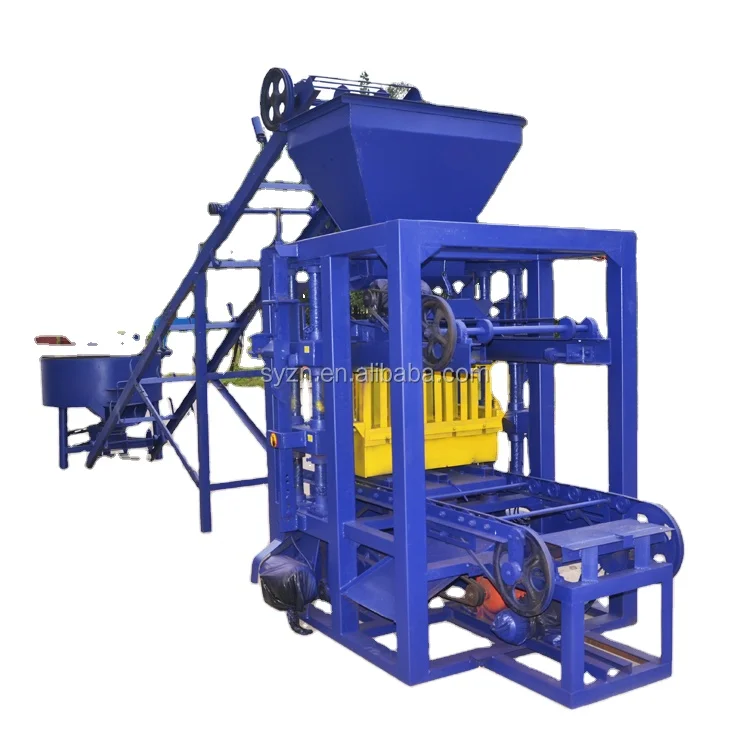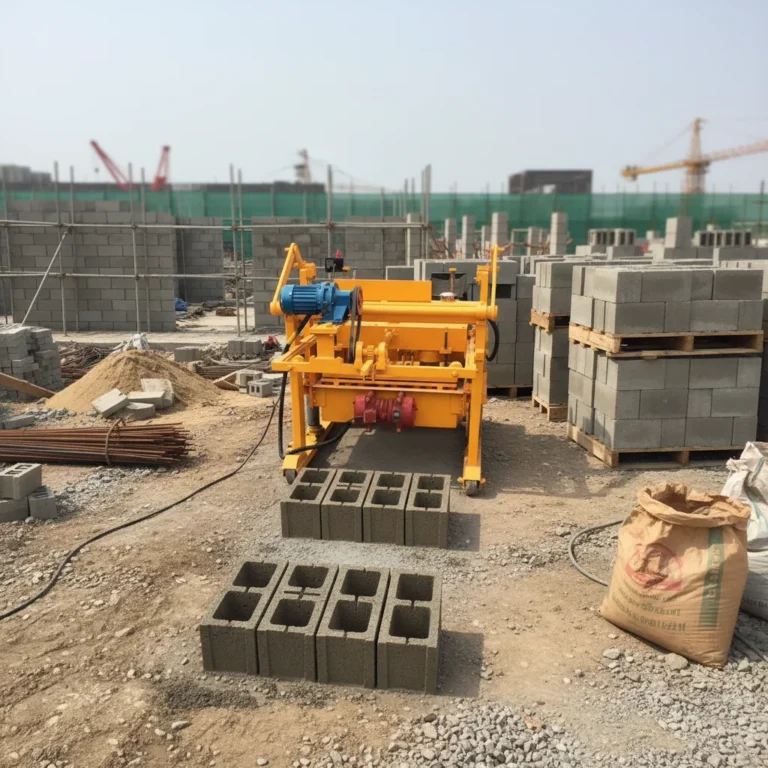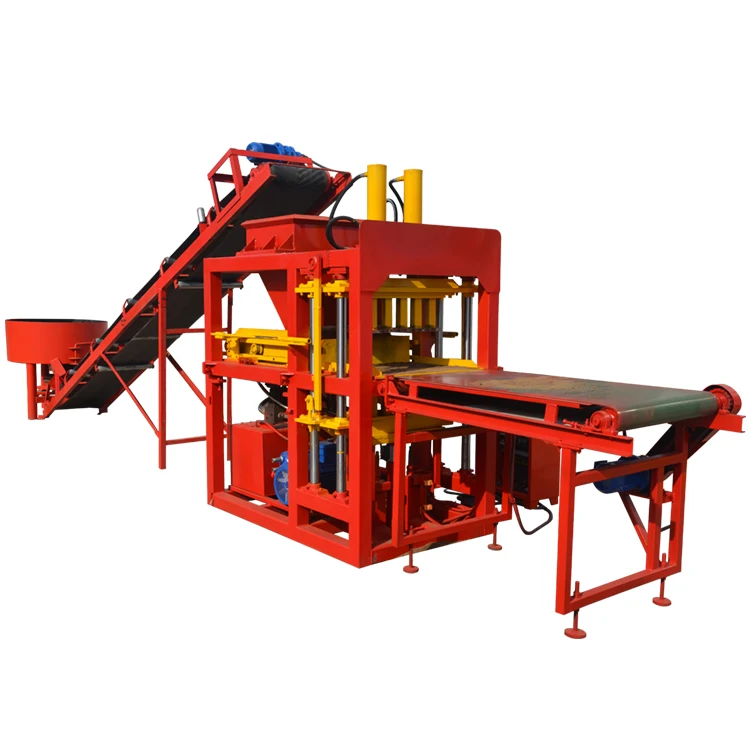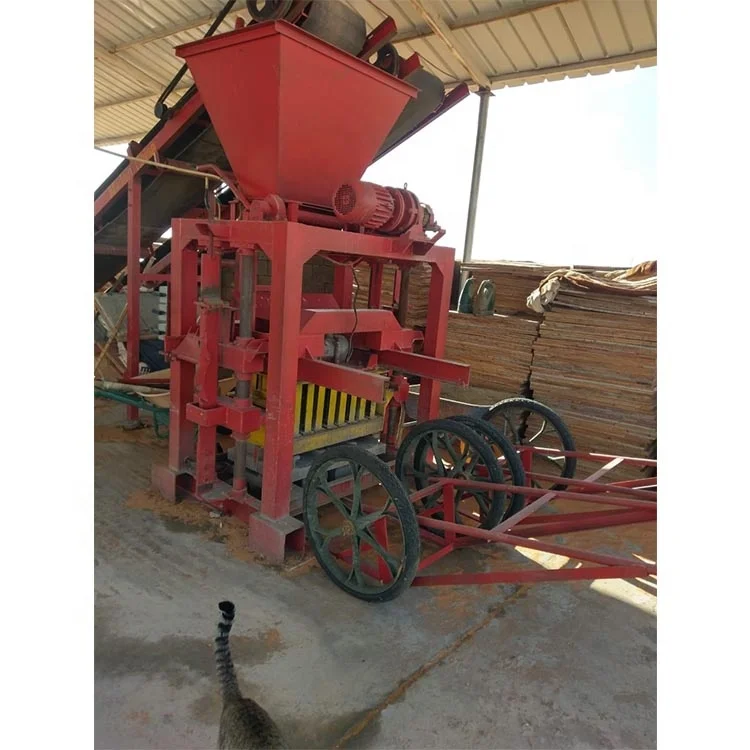
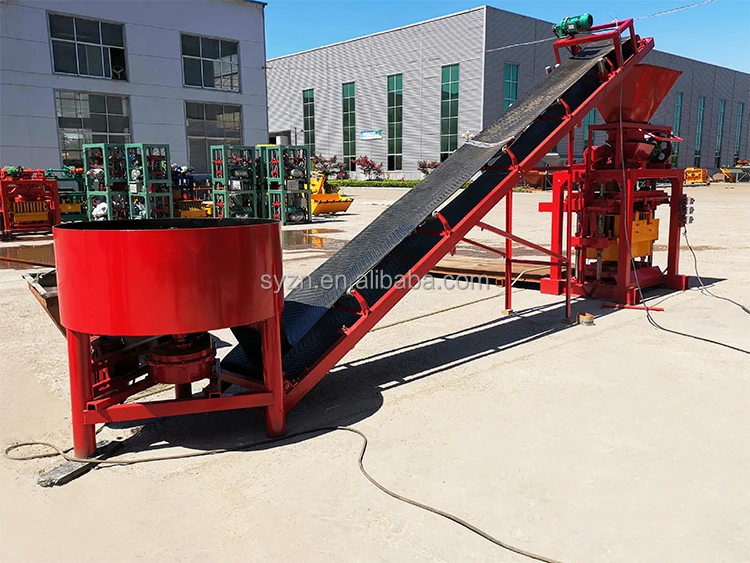
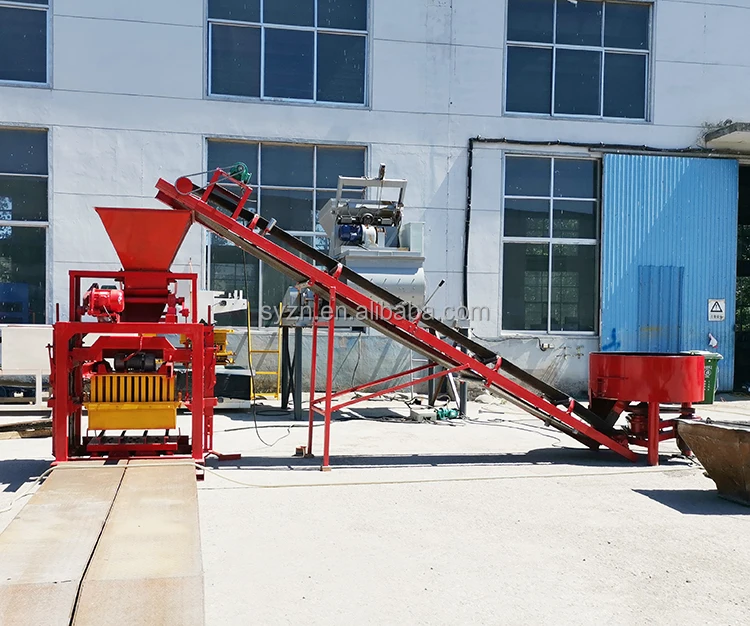
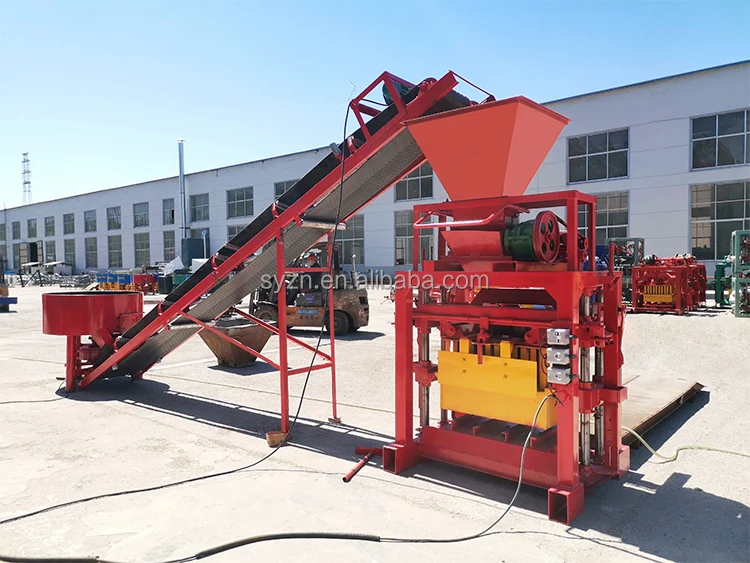
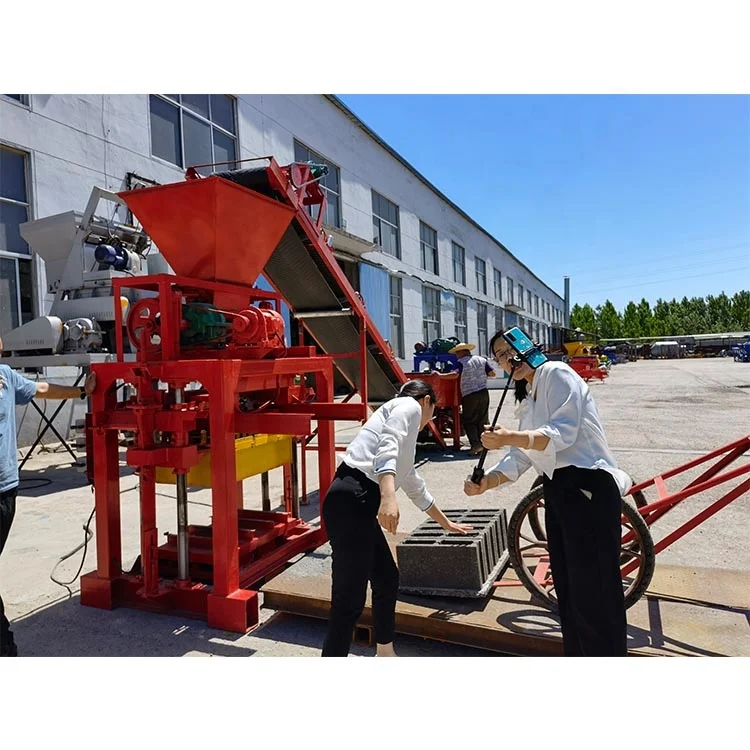
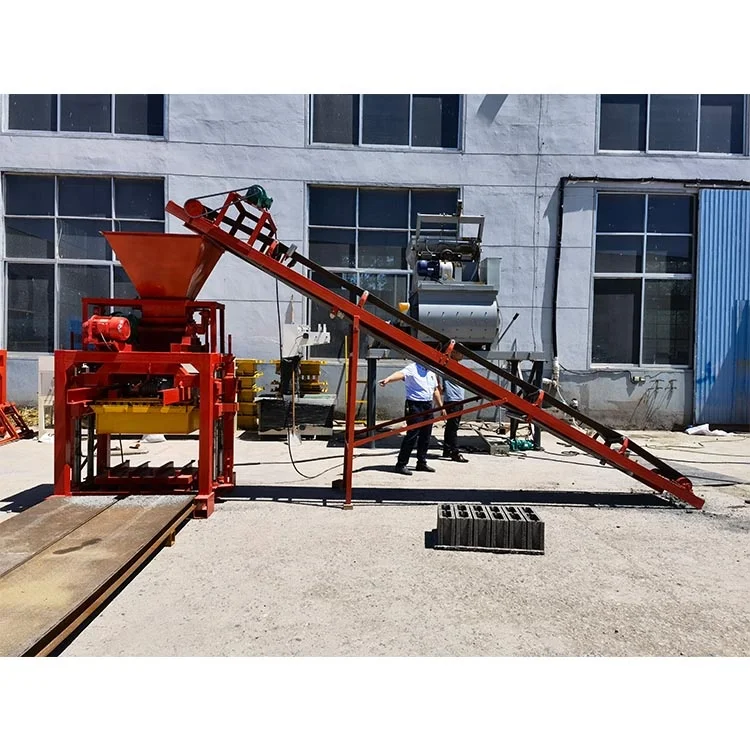
Description
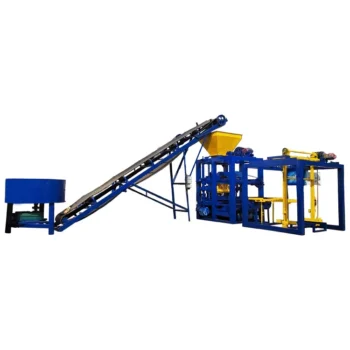
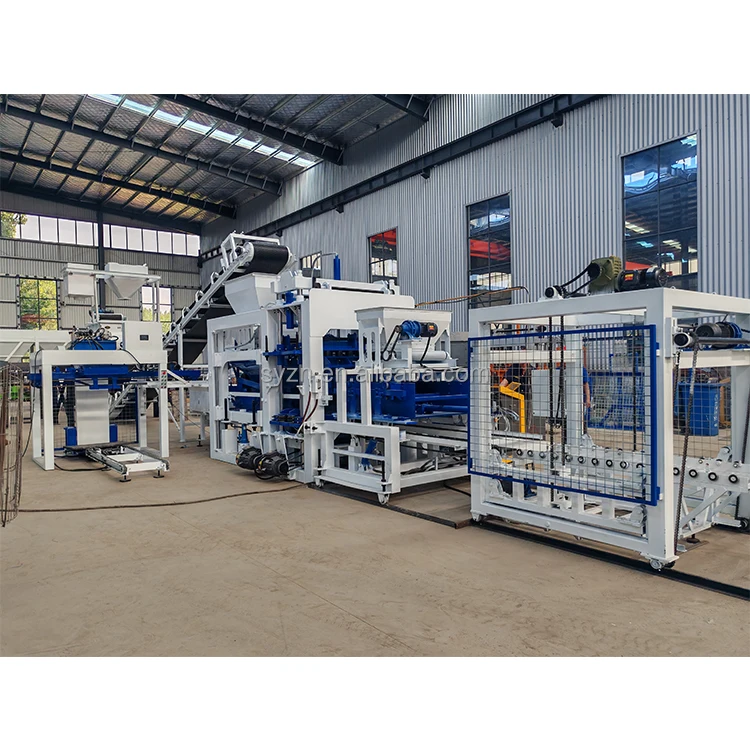
Stocked Dispatch Protocol — Every QTJ4-35 block machine leaving our Shandong yard undergoes voltage, control language, and container loading verification before the crate closes, matching Shiyue Machinery’s single-focus block machinery configuration against your site’s actual power grid and curing area.
Technical Specifications
| Parameter | Value |
|---|---|
| Model | QTJ4-35 |
| Product Type | Concrete Block Making Machine |
| Overall Dimensions (L×W×H) | 1350×1460×1800 mm |
| Net Weight | 1500 kg |
| Molding Cycle | 35 s |
| Vibration Frequency | 2800 r/min |
| Vibration Force (Exciting Power) | 30 kN |
| Total Power | 11.15 kW |
| Mixer Model | JQ350 |
| Pallet Size | 850×450×20 mm |
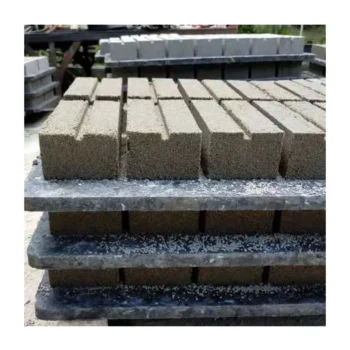
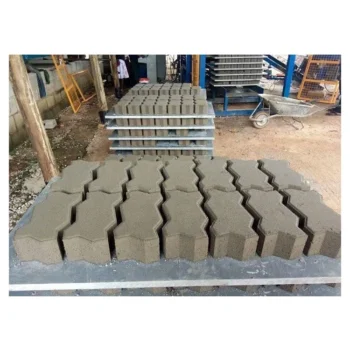
| Applied Products | Concrete blocks, hollow block (8 inch, 6 inch), solid brick |
| Raw Materials | Crushed stones, sand, cement, dust, fly ash |
| Output Capacity | 408 pcs/hr (basis: 400×200×200 mm hollow block, 4 pcs/mould) |
| Output Capacity | 510 pcs/hr (basis: 400×150×200 mm hollow block, 5 pcs/mould) |
| Output Capacity | 2100 pcs/hr (basis: 240×115×53 mm solid brick, 18 pcs/mould) |
| Automation Level | Semi-automatic / manual pallet handling |
| Voltage & Frequency | (basis to be confirmed) |
| Control System | (basis to be confirmed) |
Application Suitability
| Application | Material or Output |
|---|---|
| Small-scale block production plants | Hollow blocks from crushed stone, sand, cement, fly ash |
| On-site construction block manufacturing | Solid bricks and 6-inch / 8-inch hollow blocks for housing projects |
| First block plant setup by entrepreneurs | Mixed format output from a single semi-automatic press |
Why the Voltage Question Must Precede the Shipping Date
Confirming destination voltage and frequency before the container door seals prevents a multi-week commissioning standstill on arrival.
I have watched a QTJ4-35 block machine in stock sit idle on a West African job site because the local grid ran at a frequency the control cabinet was never set for. The project contractor lost three weeks waiting for a step-down transformer while masons and material sat unpaid [NEED_CITE: voltage and frequency standards by export market]. Fast dispatch only matters if the machine can actually start when it lands.
Stocked Readiness and the 20GP Loading Reality
The compact footprint of the QTJ4-35 block machine in stock — 1350×1460×1800 mm at 1500 kg — means it ships nude-packed inside a standard 20GP container alongside approximately 500 pieces of 850×450×20 mm pallets. This consolidated load reduces freight complexity and keeps your first production run supplied with pallets from day one.
Dispatch Lead Time Versus Built-to-Order Ambiguity
Listing a machine as available means it is physically standing in the yard, factory-tested, and waiting for a loading slot — not queued in a production schedule. When project deadlines tighten, distinguishing between a stocked unit and a made-to-order unit is the difference between a confirmed arrival estimate and an open-ended promise [NEED_CITE: typical ocean freight transit windows by destination port].
Vibration Force, Cycle Time, and Block Density
The 30 kN exciting power delivered at 2800 r/min works against the 35-second molding cycle to compact crushed stone and fly ash mixes into hollow blocks with consistent wall density. A shorter cycle would sacrifice compaction; a longer one would reduce the stated 408 pieces per hour for 400×200×200 mm blocks. The four-lead guide column and channel steel frame keep the vibration energy directed downward into the mould cavity rather than dissipating through the structure. Pallet dimensions at 850×450×20 mm must align with your existing curing racks and forklift tine width — ordering a mismatched pallet size creates a handling bottleneck that no amount of press speed can fix.
The Cost of Skipping Pre-Shipment Electrical Confirmation
A control cabinet wired for the wrong voltage does not simply trip a breaker — it can damage the vibration motor and mixer drive before anyone identifies the fault. Replacing a burned motor on site, in a region where the exact specification is not locally stocked, turns a fast-delivery advantage into a month-long standstill [NEED_CITE: CE machinery directive requirements for industrial equipment]. The QTJ4-35’s 11.15 kW total power draw demands a dedicated circuit at the correct voltage and frequency, verified before the machine leaves the factory.
Why This Yard Ships Differently
Block machinery is the single focus here, so the QTJ4-35 is specified as a matched system — press, mould, pallet, and JQ350 mixer — rather than assembled from unrelated suppliers. Configuration is set against your actual mix design and target block format, not a catalogue default. Moulds for the formats your market sells are included or designed to your drawings. Automation level is selectable, so you can start with manual pallet handling and plan a future upgrade path. Packing photographs and customs documentation are provided before the container leaves the yard.
Documentation & Verification
- Factory test record confirming 35-second cycle and block density on your mix design
- Voltage and control language confirmation sheet signed before dispatch
- Machine specification sheet with all rated values and pallet dimensions
- Mould drawing and applied format list for hollow and solid products
- Packing photographs documenting nude-pack and pallet count inside the container
- Customs documentation support for destination port clearance
Installation, Commissioning & Support
- 1350×1460 mm footprint requires only a level concrete pad, no heavy foundation bolts
- 11.15 kW total power draw must be met by a dedicated circuit at confirmed voltage and frequency
- Machine ships nude-packed; lifting gear on site must handle the 1500 kg net weight
- JQ350 mixer commissioned alongside the press to match feed rate with the 35-second cycle
- Operator training covers mould change procedure and manual pallet handling workflow
- Wear parts list identifies vibration motor and guide column components for first reorder
Preparing Your Inquiry for a Confirmed Arrival Estimate
Share your destination port, local grid voltage and frequency, and the specific block formats you intend to produce so the correct moulds and electrical configuration can be confirmed before loading. Provide your available curing area dimensions so the included pallet quantity and size align with your rack system. If a project start date is fixed, state it upfront to lock a dispatch slot from current stock.
Frequently Asked Questions
Q: Is this QTJ4-35 physically in stock or made to order?
A: The units listed as in stock are physically standing in the Shandong yard, factory-tested, and available for immediate container loading. Made-to-order configurations require a separate production lead time. Confirm the exact unit status when you submit your inquiry to receive a realistic dispatch date.
Q: How is the machine packed and how many pallets fit in the container?
A: The QTJ4-35 ships nude-packed inside a 20GP container with approximately 500 pieces of 850×450×20 mm pallets loaded in the remaining space. This consolidated loading plan reduces separate freight bookings and ensures you have sufficient pallets for your initial production runs.
Q: What is the estimated arrival time from order to my port?
A: Once the container is loaded and dispatched, ocean freight transit depends on your destination port. A shipping schedule and estimated arrival window are provided at the quotation stage so you can plan site preparation and raw material procurement around a confirmed date.
Q: Can voltage and frequency be confirmed before shipment?
A: Yes. Voltage, frequency, and any control display language requirements must be confirmed before the machine leaves the factory. This prevents commissioning delays caused by electrical mismatches at your job site, a lesson learned from past dispatches where assumptions were made.
Q: Are moulds and wear parts shipped together with the machine?
A: Moulds for the block formats specified in your order are shipped in the same container. A wear parts list is provided so you can order critical spares such as vibration motor components and guide column bushes before your first replacement cycle is due.