Description
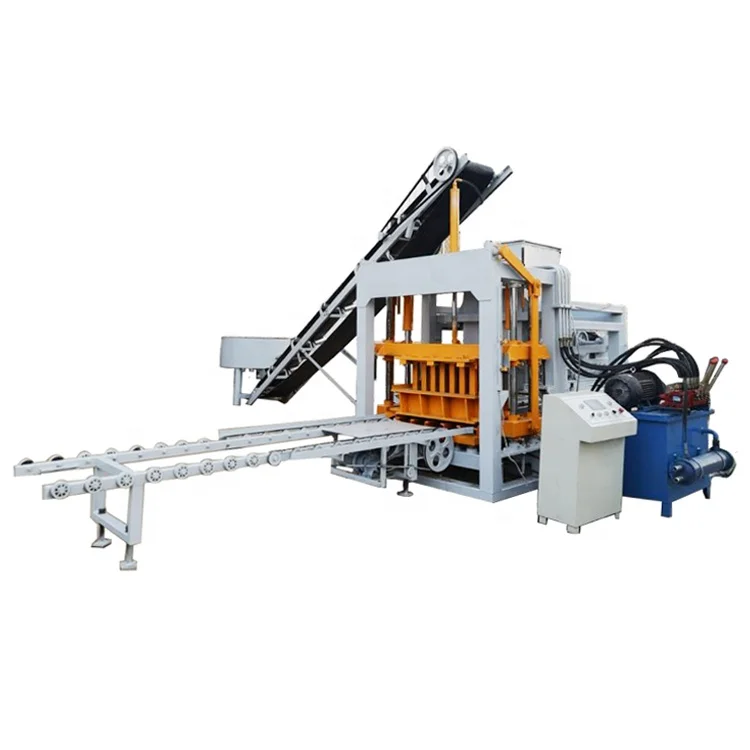
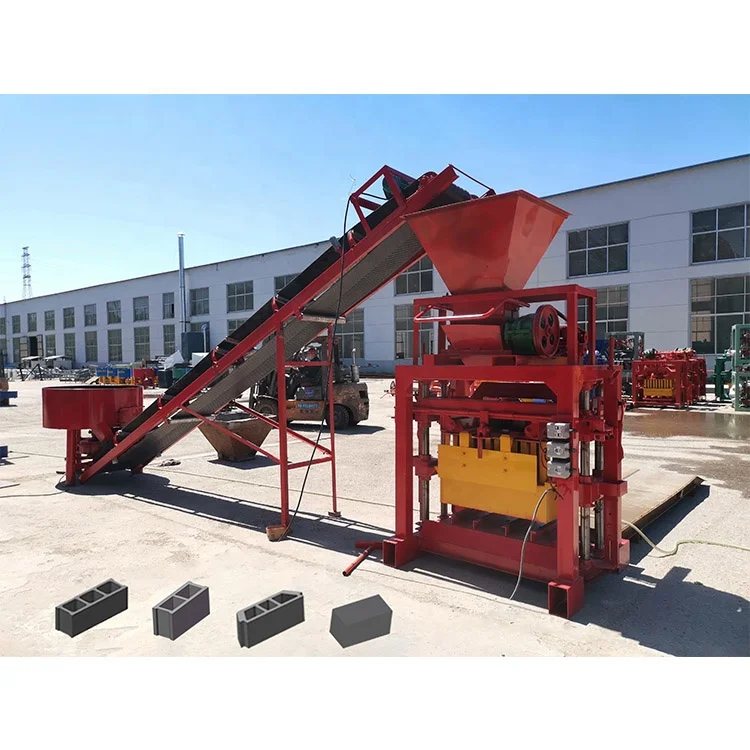
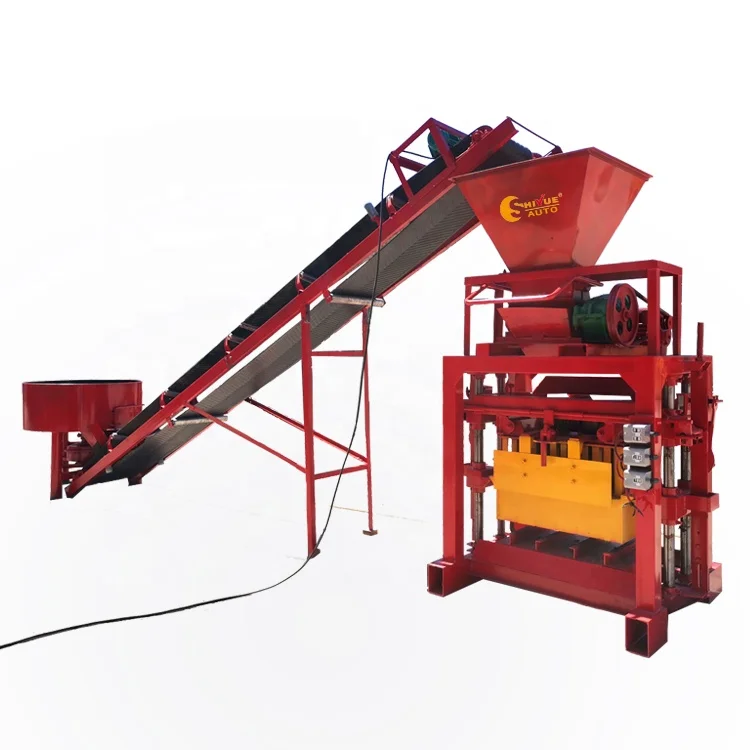
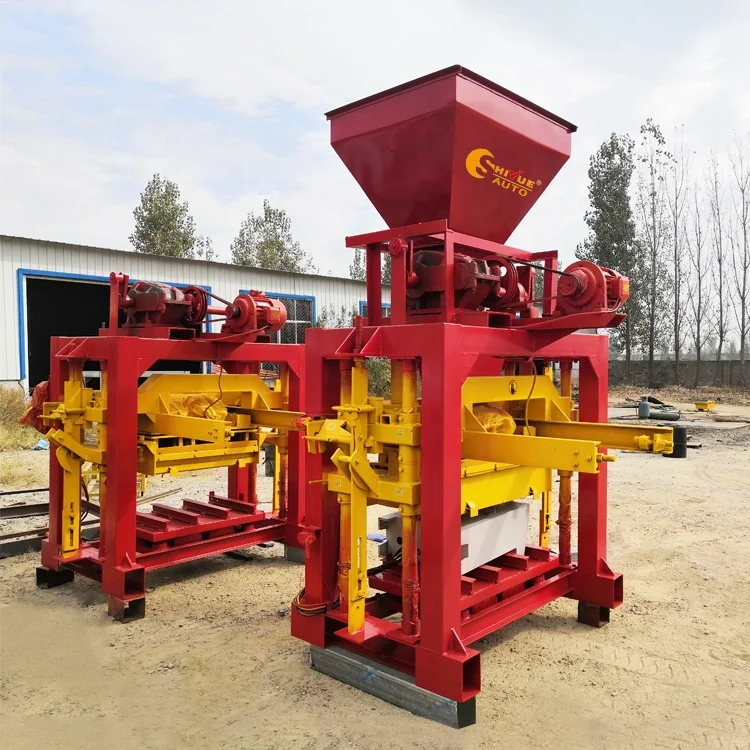
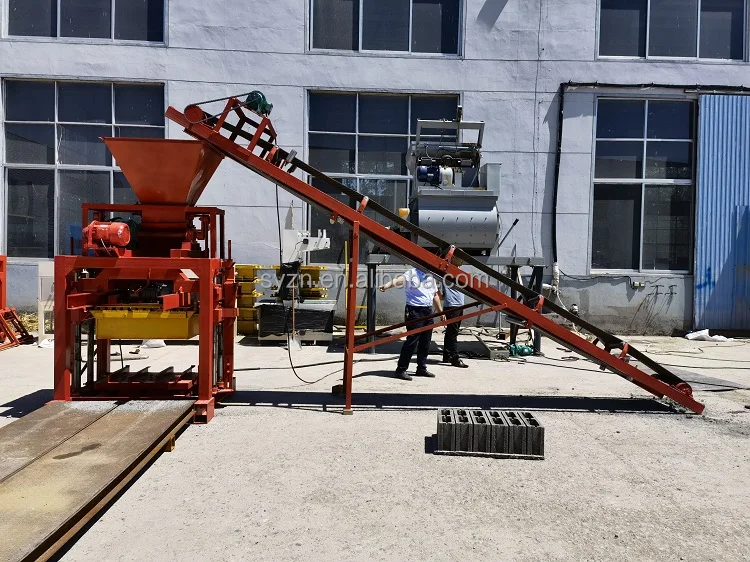
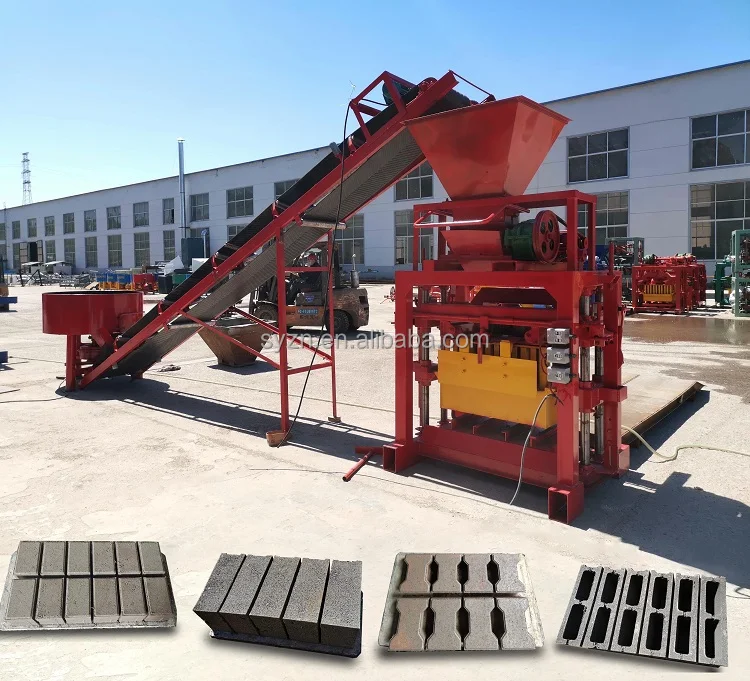
Stocked Dispatch — The QTJ4-35 block machine is held in stock and loaded complete with moulds and pallets, so your site receives one matched system rather than a collection of separate shipments.
Technical Specifications
| Parameter | Value |
|---|---|
| Model | QTJ4-35 |
| Product Type | Concrete Block Making Machine |
| Overall Dimensions (L×W×H) | 1350×1460×1800 mm |
| Net Weight | 1500 kg |
| Molding Cycle | 35 s |
| Vibration Frequency | 2800 r/min |
| Exciting Power (Vibration Force) | 30 KN |
| Rated Power | 11.15 kW |
| Mixer Model | JQ350 |
| Pallet Size | 850×450×20 mm |
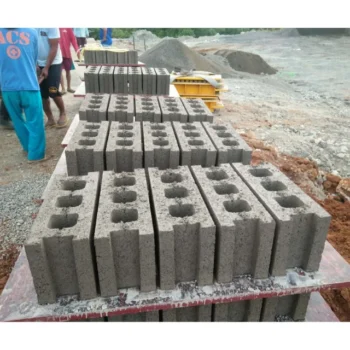
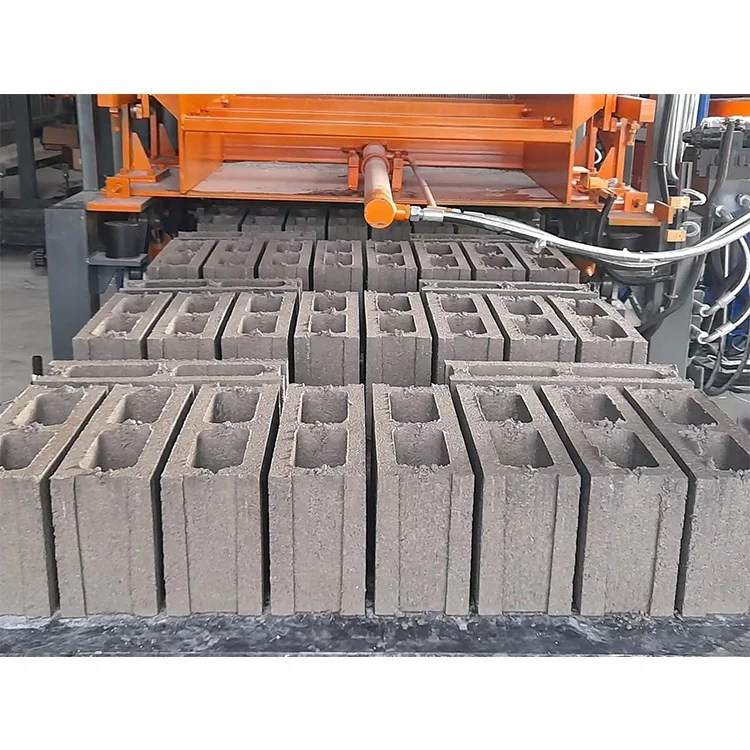
| Applied Products | Concrete hollow blocks (8-inch, 6-inch), solid bricks |
| Raw Materials | Crushed stones, sand, cement, dust, fly ash |
| Output Capacity | 408 pcs/hr based on 400×200×200 mm hollow block (4 pcs/mould) |
| Output Capacity | 510 pcs/hr based on 400×150×200 mm hollow block (5 pcs/mould) |
| Output Capacity | 2100 pcs/hr based on 240×115×53 mm solid brick (18 pcs/mould) |
| Automation Level | Semi-automatic (basis not stated in source) |
| Voltage & Frequency | Configurable per destination (basis to be confirmed) |
| Control System | Available with PLC or MCC control (basis to be confirmed) |
| Standards | CE (verify per machine) |
Application Suitability
| Application | Material or Output |
|---|---|
| On-site construction block production | Hollow blocks from crushed stone, sand, and cement for immediate building phases |
| First block plant for entrepreneurs | Solid bricks and hollow blocks from locally sourced aggregate and fly ash |
| Small-scale masonry supply yards | Interlocking formats and standard blocks using crusher dust and cement |
| Rural housing project supply | 6-inch and 8-inch hollow blocks from river sand and stone dust |
Why the Voltage Question Should Come Before the Price
A mismatched motor winding can turn a fast-dispatch machine into a three-week dock delay.
I once watched a container arrive in West Africa with a 380V motor and a site wired for 415V. The transformer sourced locally cost the contractor days of idle labor and penalty charges per shift. The machine was fine; the paperwork was not. [NEED_CITE: voltage and frequency standards by export market] Every QTJ4-35 block machine in stock should have its nameplate photographed against the buyer’s grid spec before the crate closes. A quick voltage confirmation at the inquiry stage removes the most common arrival failure I see in this weight class.
Arrival Timing for the QTJ4-35 Block Machine in Stock
A buyer with a project milestone does not have eight weeks to wait on a production slot. The QTJ4-35 block machine in stock sits on the yard with standard moulds already fitted, meaning dispatch is measured in days rather than months once voltage and control language are confirmed.
Container Loading and the 20GP Reality
The machine footprint at 1350×1460×1800 mm and 1500 kg net weight allows straightforward loading into a 20GP container along with the mixer, pallets, and spare wear parts. Pallets measuring 850×450×20 mm stack flat against the container wall, and roughly five hundred pieces ride in the same box. This keeps the entire line in one bill of lading so customs clearance happens once, not in fragments.
What the Molding Cycle Means on the Ground
The 35-second cycle is the press figure, not the full line throughput. With a vibration frequency of 2800 r/min and 30 KN exciting force, the machine compacts fly ash or crushed-stone mixes into a 400×200×200 mm hollow block at a rate of four pieces per cycle. Actual daily output depends on pallet circulation speed, raw material feed continuity, and how quickly the operator moves cured stacks off the line.
The Hidden Cost of Skipping the Dispatch Checklist
When voltage, frequency, and control display language are left to assumption, the machine sits idle after arrival while the buyer sources a step-down transformer or reprograms the PLC screen into a language the operator cannot read. [NEED_CITE: CE machinery directive requirements for industrial equipment] Pallet sizing is another silent trap: ordering a pallet that does not match the curing racks already on site means either buying new racks or hand-stacking every block off the line. These are not engineering failures; they are paperwork gaps that a single pre-shipment checklist prevents.
Why Buyers Source This Machine Here
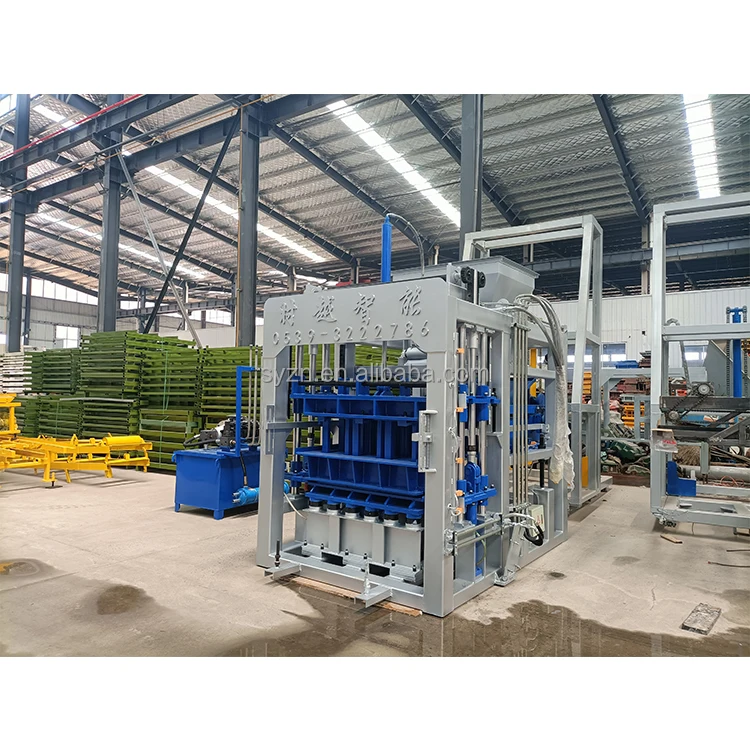
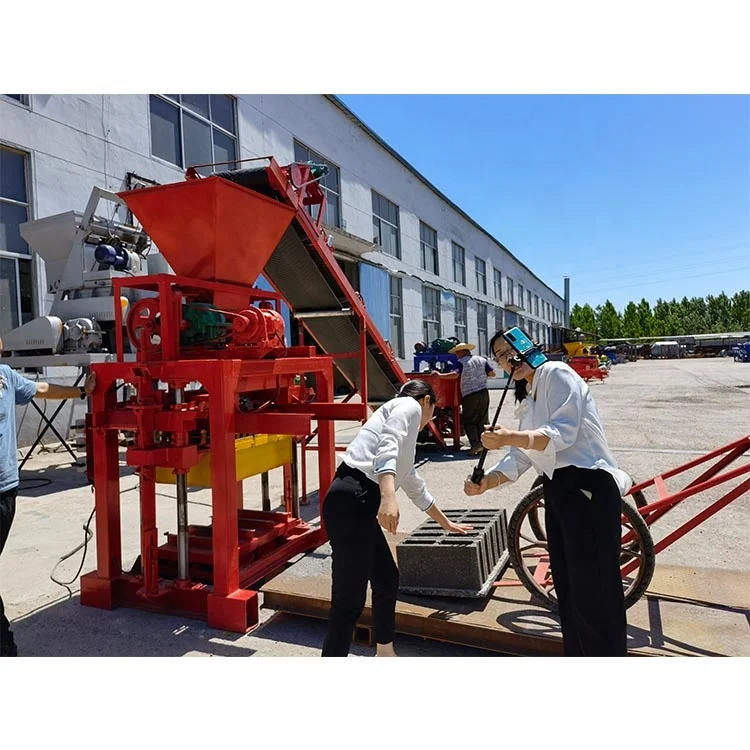
Block machinery is the sole focus of the production floor, so the QTJ4-35 is supplied with its mould, pallet, and JQ350 mixer matched as one system rather than bolted together from separate vendors. Configuration is set against the buyer’s local aggregate and target block format, not pulled from a catalogue default. Stock models are photographed in the yard before loading, and packing photographs accompany the shipping documents so the buyer can verify condition before the vessel sails. Factory test records are run on the block format the buyer actually intends to produce, confirming cycle timing and block density before dispatch. [NEED_CITE: factory acceptance testing norms for concrete forming equipment] Mould and wear part lists are included so the first replacement order can be placed before the initial stock runs out.
Documentation & Verification
- Factory test record on your specified hollow block format before container loading
- Voltage and frequency confirmation sheet signed against destination grid photo
- Pallet specification matched to your existing curing rack and forklift dimensions
- Packing photographs showing machine, mixer, and pallets secured inside the 20GP
- CE declaration included where applicable to the destination market
- Customs documentation package with HS code and origin certificate for import clearance
Installation, Commissioning & Support
- Compact 1350×1460×1800 mm frame fits standard concrete pad without special foundation work
- 11.15 kW rated power requires dedicated 3-phase circuit with confirmed voltage at site
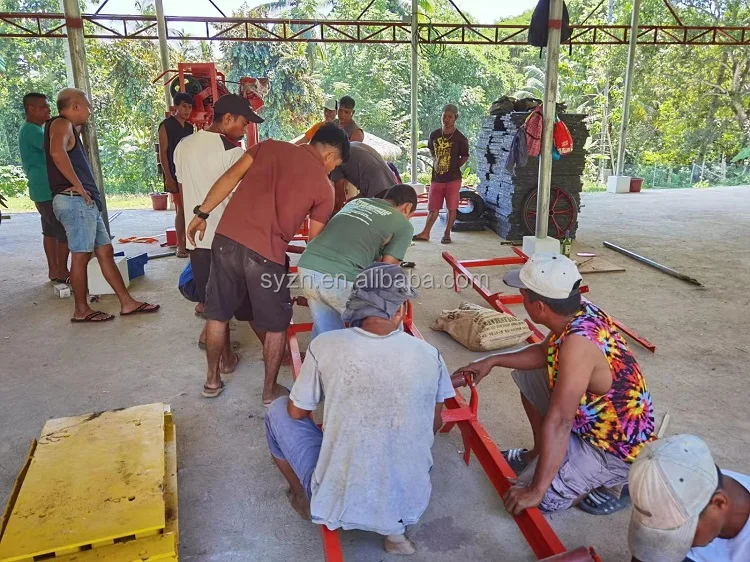
- Machine dismantled for 20GP loading and reassembled on arrival with bolt-together frame
- First-run commissioning includes molding cycle verification on buyer’s local mix design
- Operator training covers pallet feed sequence, mould change procedure, and daily greasing points
- Wear parts list and mould drawing supplied so first reorder arrives before stockout
Next Steps Before Dispatch
Send the target block format, daily output expectation, and the voltage and frequency at your site so the correct motor winding and control panel language can be confirmed. If you already have curing racks or forklifts on site, share the pallet dimensions they accept so the 850×450×20 mm pallets can be verified or adjusted before loading.
Frequently Asked Questions
Q: Which QTJ4-35 models and moulds are currently in stock?
A: The semi-automatic QTJ4-35 press is held in stock with standard hollow block and solid brick moulds. Before order, we confirm which specific mould formats are on the shelf and match them to your target block size. Non-standard moulds require a separate lead time.
Q: What is the dispatch lead time and estimated arrival for my port?
A: Stocked machines can move from yard to container within a short window once voltage and control details are confirmed. Arrival estimates are quoted upfront based on your destination port and current sailing schedules, so you can plan site preparation around a known date.
Q: How is the machine dismantled and loaded into a 20GP container?
A: The 1500 kg press is broken down into frame, vibration table, and hopper assemblies for loading. The JQ350 mixer and approximately five hundred pallets fill the remaining space. Reassembly on site requires basic hand tools and a level concrete pad.
Q: Are pallets included in the shipment, and how many fit in the container?
A: Pallets measuring 850×450×20 mm ship in the same 20GP container, with roughly five hundred pieces loaded flat against the wall. This quantity provides enough circulation for continuous production while the first batch cures on the racks.
Q: What customs documentation is provided for fast clearance?
A: Each shipment includes a packing list with machine and pallet counts, commercial invoice with HS code, certificate of origin, and bill of lading. CE declaration is provided where applicable. These documents are prepared before the vessel sails to avoid clearance delays at your port.