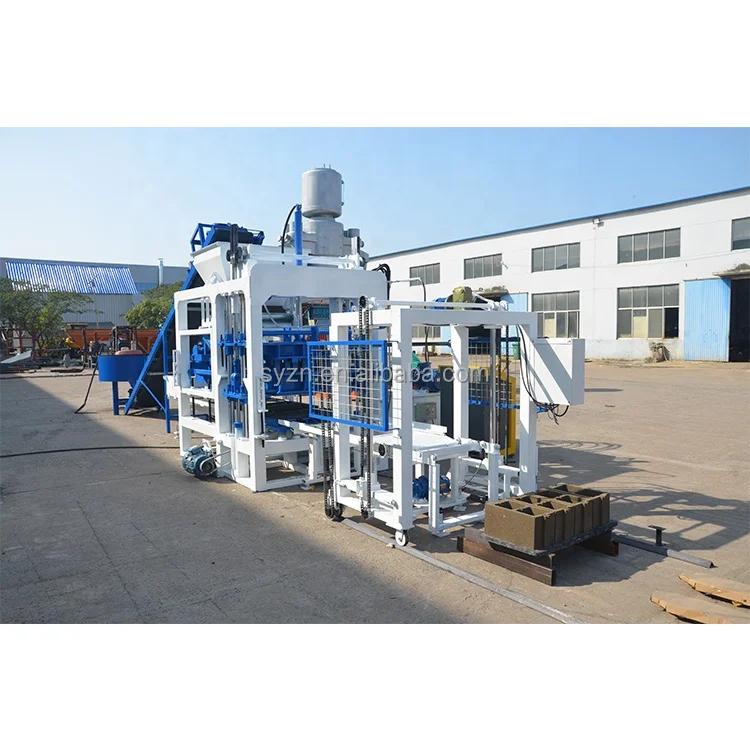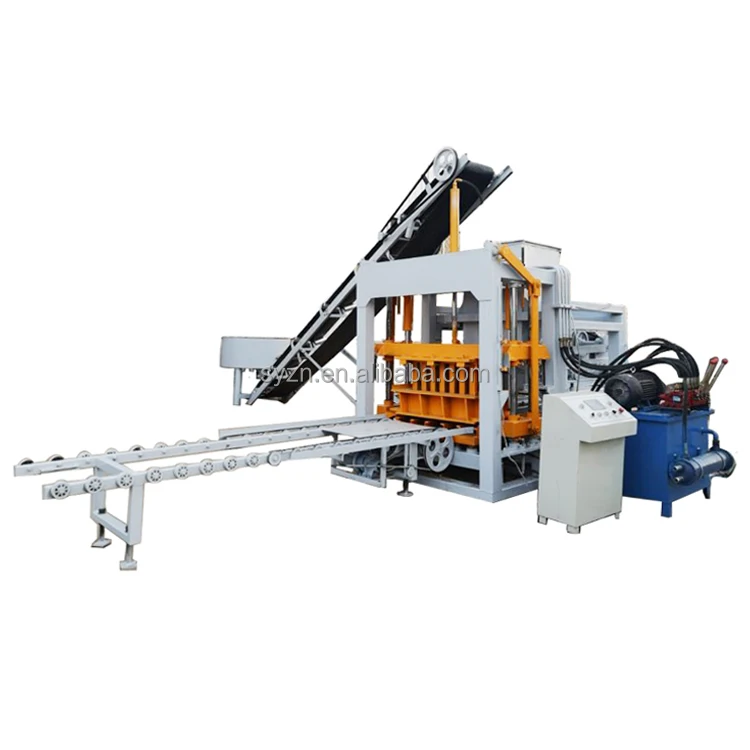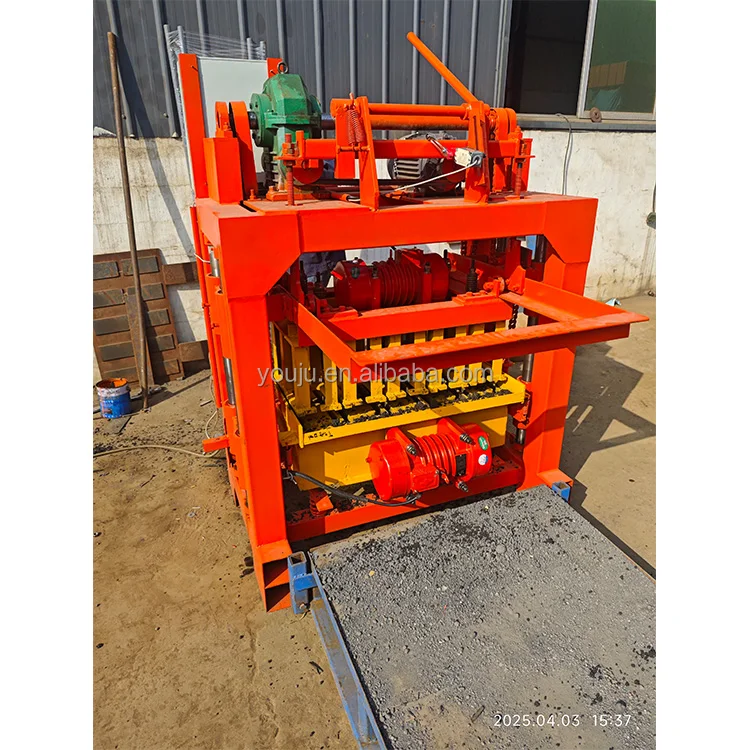
Description
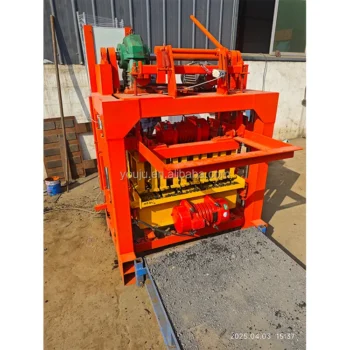
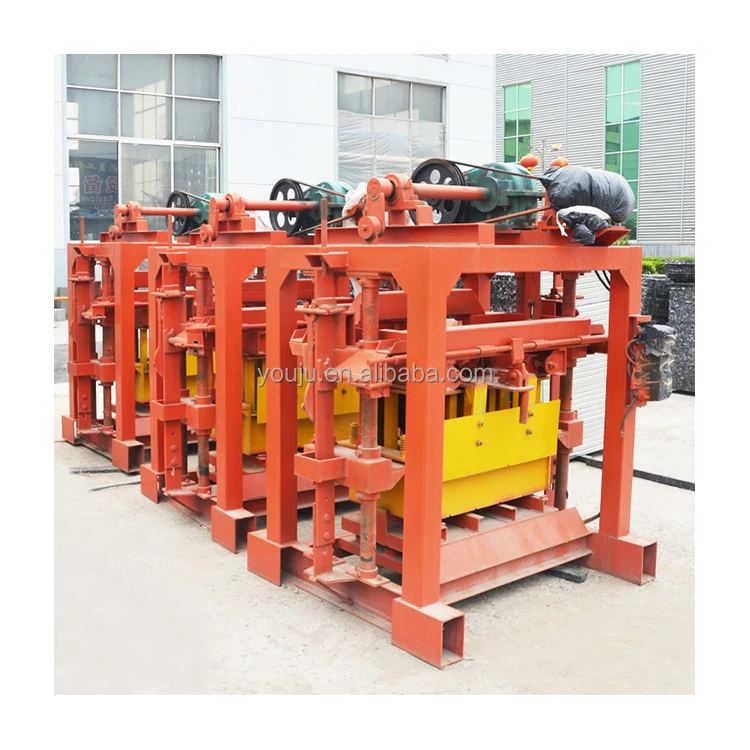
Stocked units ready for dispatch — QTJ4-40 machines are built, tested, and sitting in our Linyi yard so your project timeline does not slip waiting on a production slot.
Technical Specifications
| Parameter | Value |
|---|---|
| Model | QTJ4-40 |
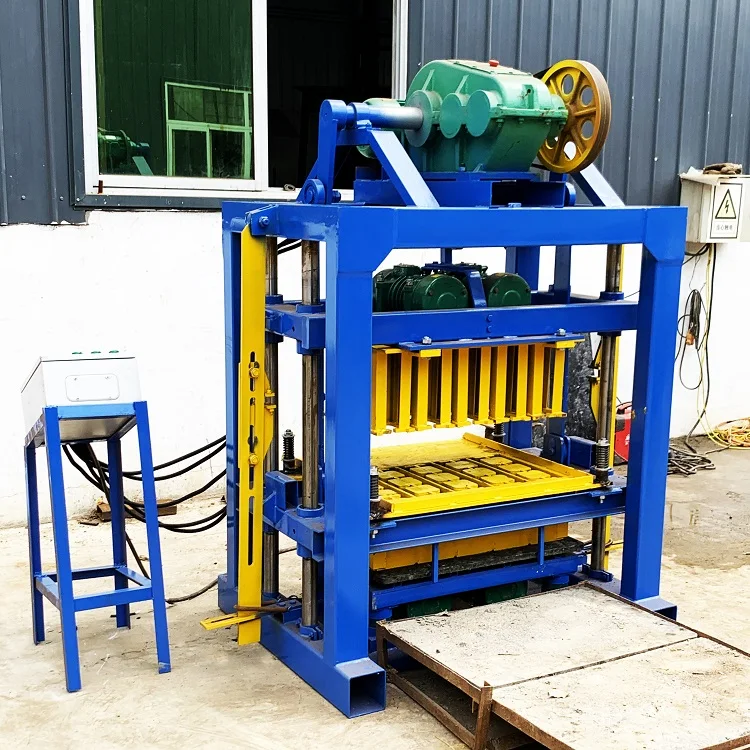
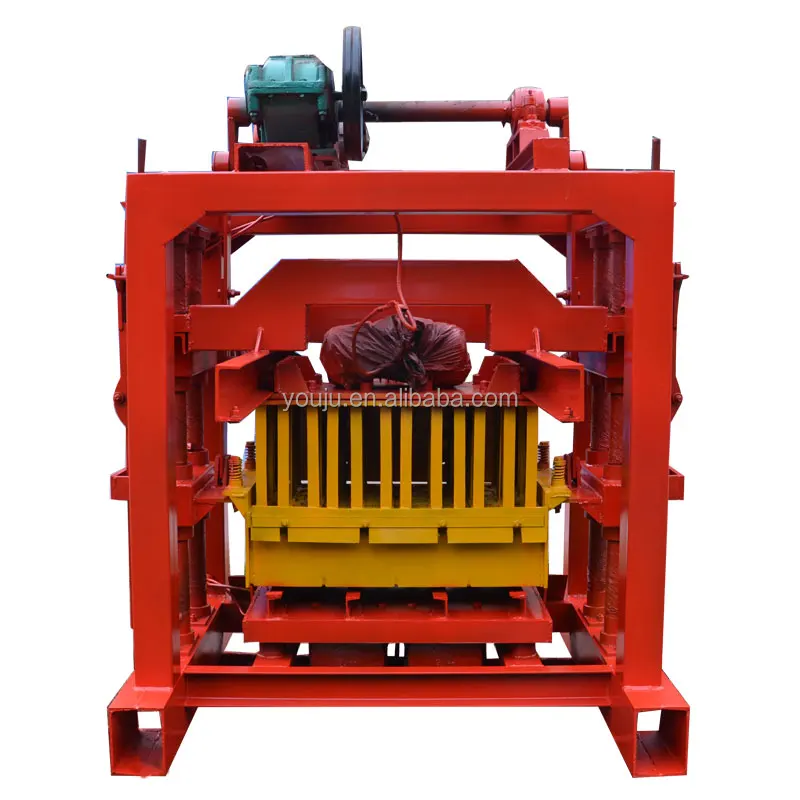
| Product Type | Manual Hydraulic Block Making Machine |
| Overall Dimensions | 1350 × 1460 × 1800 mm |
| Machine Weight | 1 T |
| Pallet Size | 850 × 450 mm |
| Vibration Form | Platform Vibration |
| Vibration Frequency | 2800 r/min |
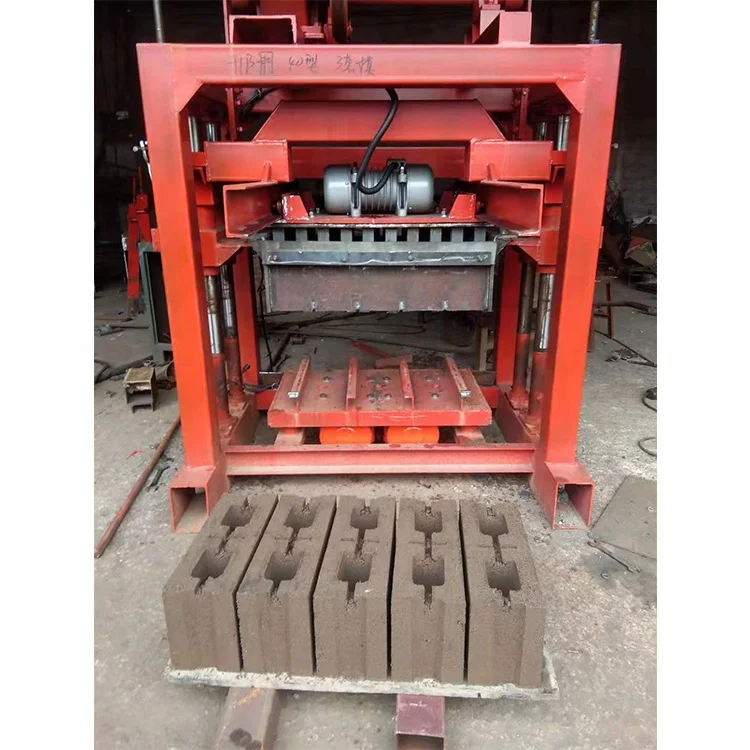
| Cycle Time — 400×200×200 mm hollow block (4 pcs/mould) | 360 pcs/h, 2880 pcs/day (8-hour shift) |
| Cycle Time — 400×150×200 mm hollow block (5 pcs/mould) | 500 pcs/h, 4000 pcs/day (8-hour shift) |
| Cycle Time — 225×112.5×60 mm paver (9 pcs/mould) | 900 pcs/h, 7200 pcs/day (8-hour shift) |
| Raw Material Ratio (approx.) | Cement 8–10 %, Sand 30–40 %, Stone 50–60 % |
| Workers Required | 1–3 people |
| Factory Area | 200 m² |
| Automation Level | Semi-automatic (manual pallet handling, top die push/pull with automatic scraper) |
| Voltage & Frequency | Configurable to destination grid (confirm before dispatch) |
| Certification | CE (document availability to confirm) |
Application Suitability
| Application | Material or Output |
|---|---|
| On-site hollow block production for housing projects | Concrete with crushed stone and cement, 400×200×200 mm or 400×150×200 mm format |
| First plant setup by local entrepreneurs | Fly ash, sand and gravel mixes for solid and hollow blocks |
| Paver and interlocking brick supply to distributors | Colored concrete pavers, 225×112.5×60 mm and interlocking formats |
| Kerbstone production for road and infrastructure contractors | Dense aggregate concrete with higher cement ratio |
Why "2800 Blocks a Day" Means Nothing Without the Format Attached
Every capacity figure on this page names the exact block format, mould cavity count, and shift length behind it.
I have watched buyers receive a QTJ4-40 block machine in stock listing that promised a single headline number — then arrive on site and realize the machine was rated on pavers while their market buys hollow blocks. The gap between paver output and hollow block output on the same press is substantial. That is why the capacity table above breaks down daily throughput per format, per mould, per eight-hour shift so there are no surprises when the first pallet comes off [NEED_CITE: block machine capacity claims and format assumptions].
Dispatch Lead Time That Matches Your Project Start Date
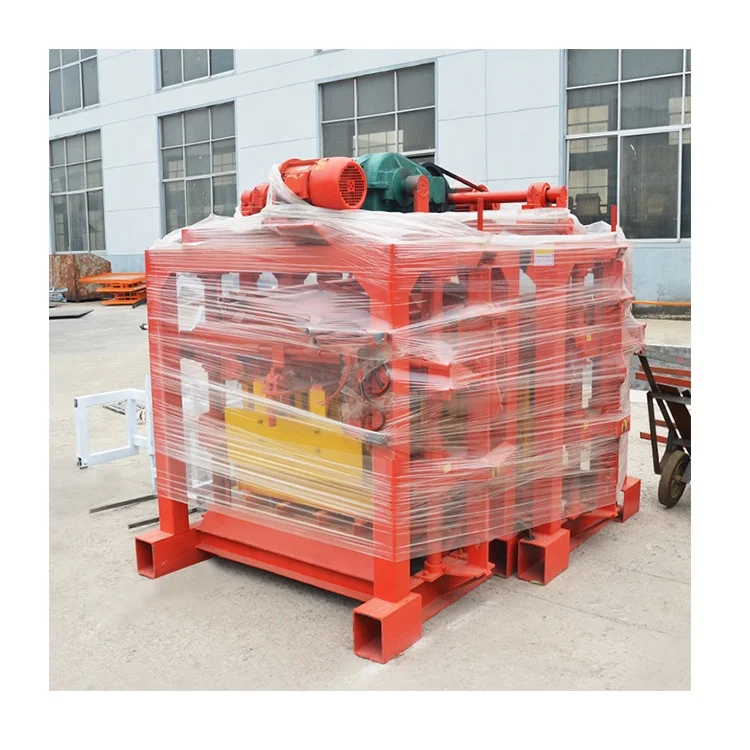
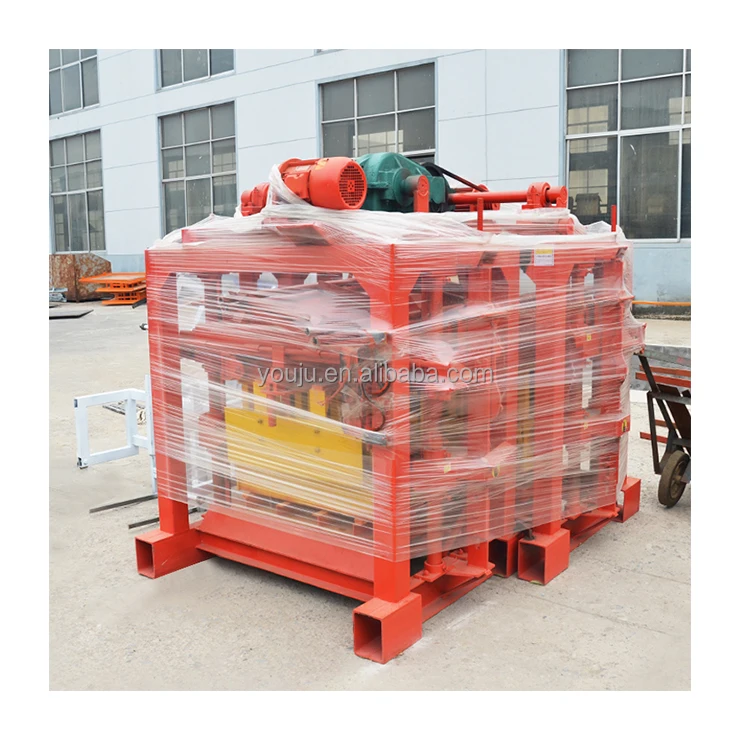
Stocked units mean the QTJ4-40 block machine in stock leaves the Linyi yard within days of payment clearance, not weeks. For a contractor who has a foundation crew arriving on a fixed date, that difference keeps the entire schedule intact. We dismantle the press into container-loadable sections, photograph the packing, and hand you the loading plan before the doors close.
Container Loading and Arrival Estimates Up Front
Every stocked QTJ4-40 is stripped to a flat-rack or open-top container footprint. The vibration table, hopper, and scraper assembly come off as separate modules so nothing exceeds standard container door height. We quote the estimated port-to-port transit window at the time of order, not after the machine is already on the water [NEED_CITE: typical ocean freight transit windows from Qingdao to West African and Southeast Asian ports].
Reading the Specs That Actually Decide Your Daily Output
The 2800 r/min platform vibration frequency determines how quickly the concrete settles into the mould cavity; slower vibration means longer cycle times and lower density in tall hollow blocks. The 850 × 450 mm pallet size was chosen so a standard pallet of blocks can be carried by one worker or a small hand trolley — if your curing yard uses a forklift with wider forks, tell us before the pallets are cut. The semi-automatic scraper removes the need for a dedicated worker to level the top of each mould fill, which keeps the crew requirement at one to three people across the whole cycle. Pallet handling remains manual, meaning your team feeds fresh pallets and pulls finished ones, so factor that labour into your shift plan.
What Happens When Voltage Is an Afterthought
A QTJ4-40 block machine in stock can sit in our yard wired for 380 V / 50 Hz, which covers most of Asia. Ship that same unit to a West African site running 415 V without a motor swap and the vibration motor overheats within the first shift. I have personally dealt with the fallout — a job site standing idle while a replacement motor is air-freighted at the buyer’s expense. That is why our dispatch checklist includes a confirmed voltage and frequency match before any stocked unit leaves [NEED_CITE: industrial motor voltage tolerance and failure under overvoltage conditions].
Why Buyers Source the QTJ4-40 Here
Block machinery is the only product line we build, which means the moulds, pallets, and handling tools shipped with your QTJ4-40 are specified as one matched set rather than assembled from different suppliers. Moulds are selected for the block formats your local market actually sells, and custom drawings are available if your region uses a non-standard size. The automation level is fixed as semi-automatic on this model, but the pallet and handling configuration can be adjusted to fit the curing space and equipment you already have on site. Installation support and operator training are included so the first production run happens with someone who knows the machine standing beside your crew.
Documentation & Verification
- Factory test record run on your confirmed block format before dispatch
- Voltage and frequency confirmation sheet signed against your site supply data
- Pallet specification matching your existing curing racks and handling equipment
- Packing photographs taken at container loading for your records
- Operation and maintenance manual with wear parts list included in shipment
Installation, Commissioning & Support
- 200 m² factory area with level concrete slab required for stable platform vibration
- Dedicated electrical circuit matching confirmed voltage and frequency before machine arrival
- Machine dismantled into container-safe modules and reassembled on site with our guidance
- First-run parameter setting for your local aggregate and cement ratio by our technician
- Operator training covering mould change, scraper adjustment, and daily lubrication points
- Wear parts list and mould spares supplied with initial shipment for early replacements
What We Need to Confirm Before Dispatch
Send us the block format your market buys most, the local aggregate and cement type available, and your site voltage and frequency. If you already have curing racks or a forklift in place, share the pallet dimensions those systems accept. That is enough for us to match the right mould and pallet set to a stocked QTJ4-40 block machine in stock and quote your arrival window.
Frequently Asked Questions
Q: Is the QTJ4-40 in stock and what is the dispatch lead time?
A: Yes, QTJ4-40 units are held in our Linyi yard ready for dispatch. Once payment is cleared and your voltage, frequency, and mould format are confirmed, the machine is dismantled and container-loaded within days. We provide packing photographs and loading plans before the container doors are sealed.
Q: How is the machine packed and loaded for container shipment?
A: The press is broken down into modules — vibration table, hopper, and scraper frame — to fit within standard container dimensions. Each module is bolted and braced, and we photograph the entire packing sequence so you can verify condition on arrival and plan reassembly in the correct order.
Q: Which block formats and moulds ship with the stocked unit?
A: Stocked units ship with moulds for the format you confirm at order — typically hollow blocks or pavers from the cycle time table above. Custom mould drawings are available for non-standard sizes. Additional moulds can be added to the same shipment to expand your product range from day one.
Q: What voltage and frequency options are available from stock?
A: The standard stocked configuration must be verified against your destination grid before dispatch. Motors and control wiring can be matched to your site supply. Confirming this detail at order prevents on-site failures and idle crews waiting for replacement components.
Q: What is the estimated arrival time to my destination port?
A: Transit time depends on the destination port and current shipping schedules. We quote the estimated port-to-port window at the time of order so you can plan your site preparation and crew arrival around a known date rather than guessing after the container is already at sea.