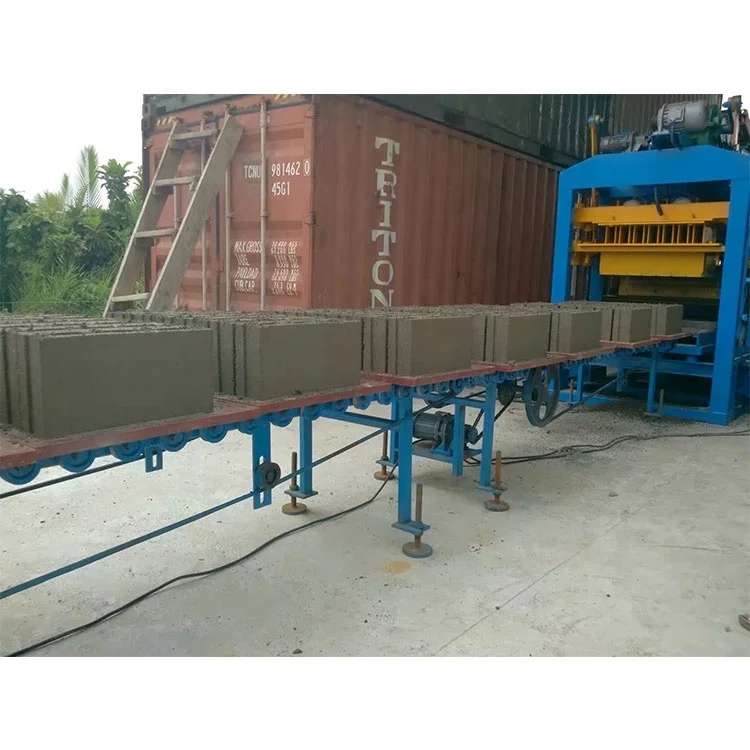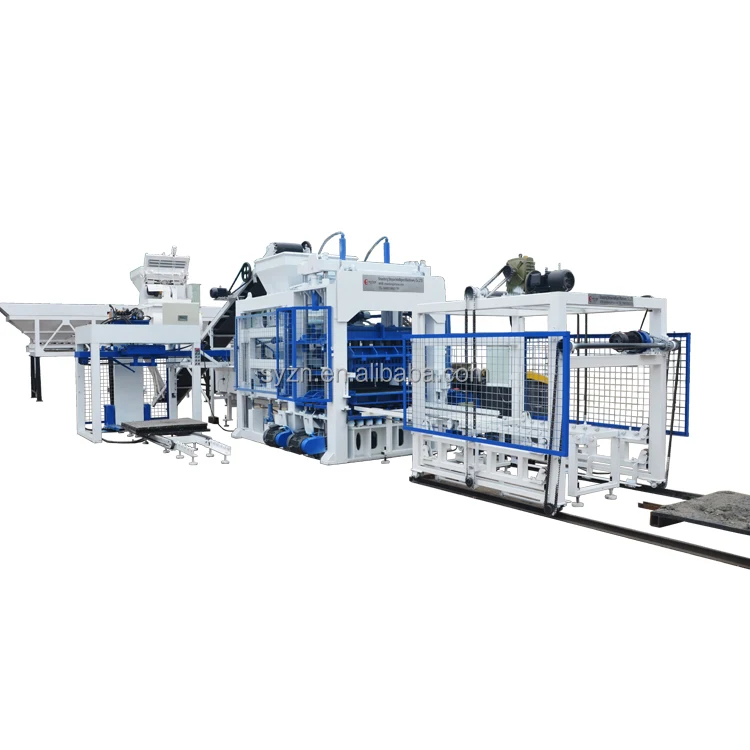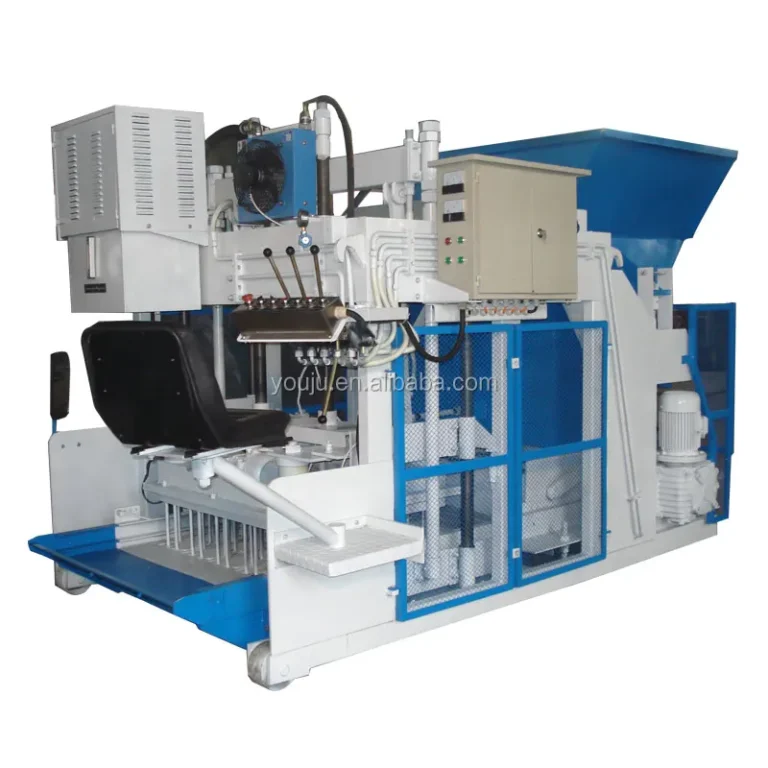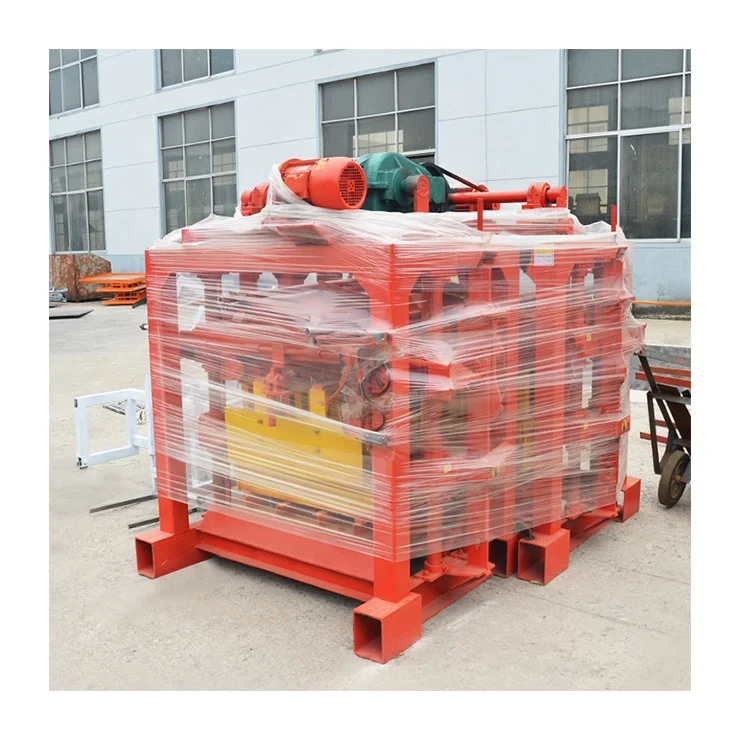
Description
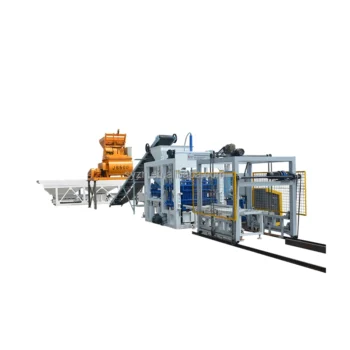
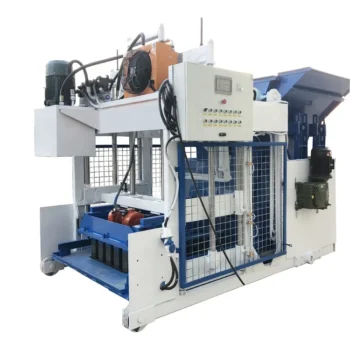
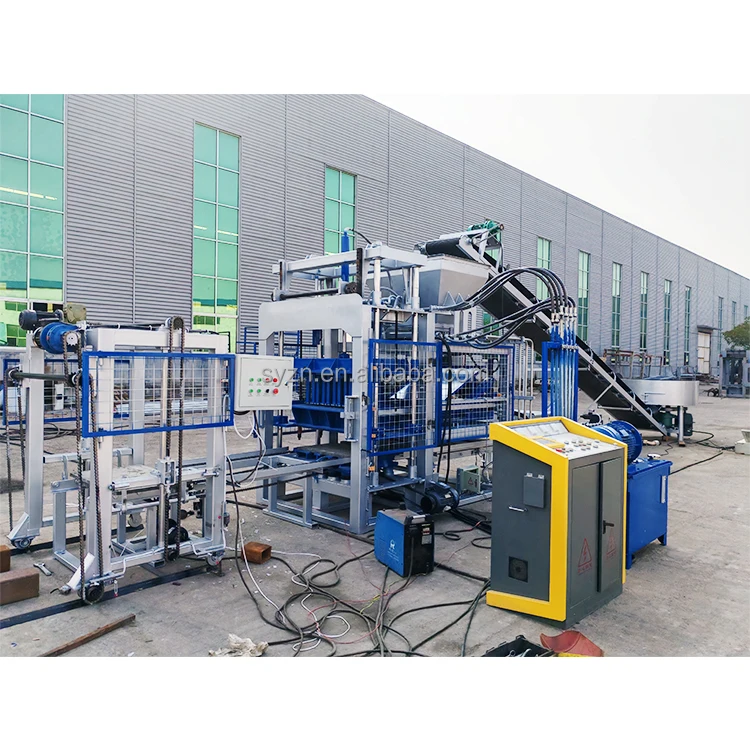
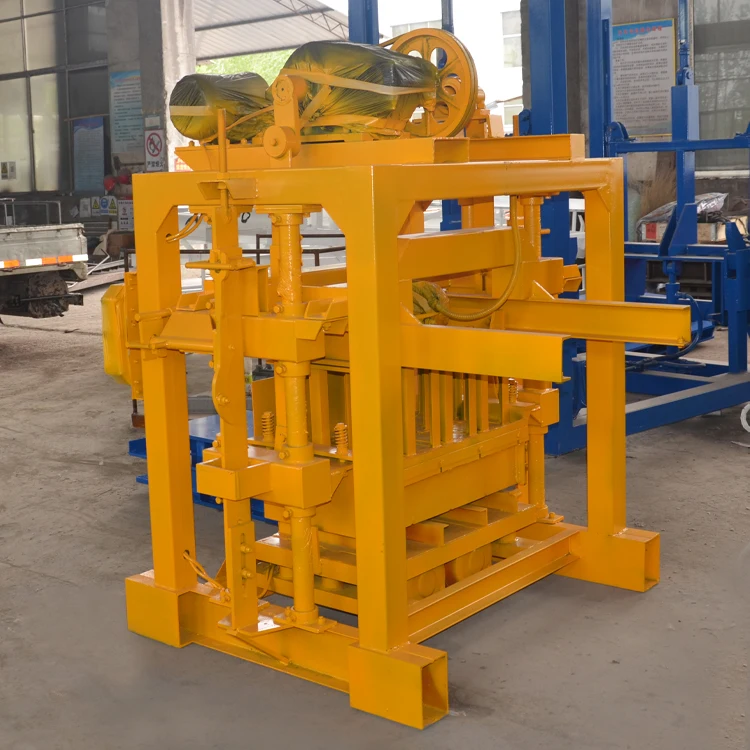
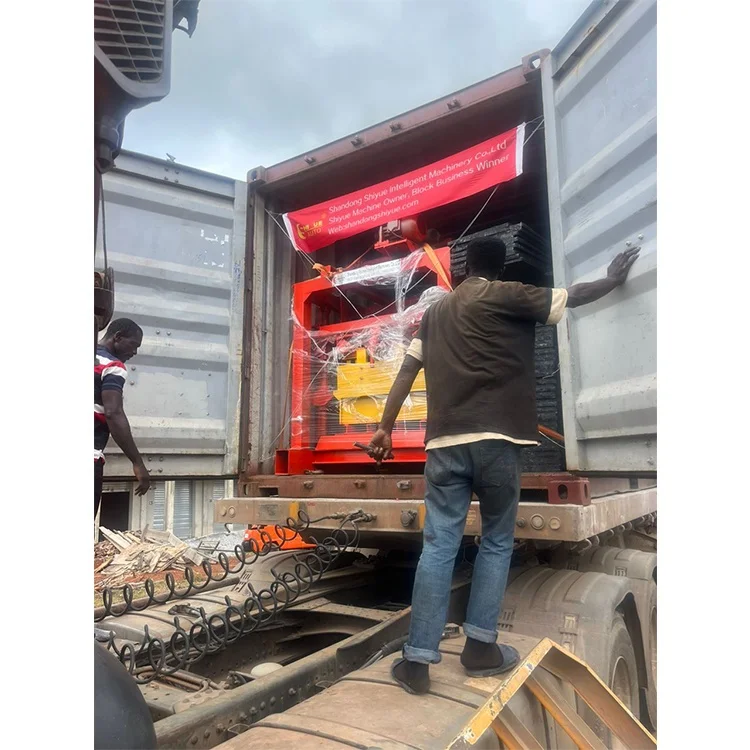
Ready for Dispatch — QTJ4-40 block machine held in stock with voltage and pallet size confirmed against your site before the container is booked.
Technical Specifications
| Parameter | Value |
|---|---|
| Model | QTJ4-40 |
| Product Type | Semi-Automatic Concrete Block Making Machine |
| Rated Power | 9.5 kW |
| Molding Cycle | 40 s |
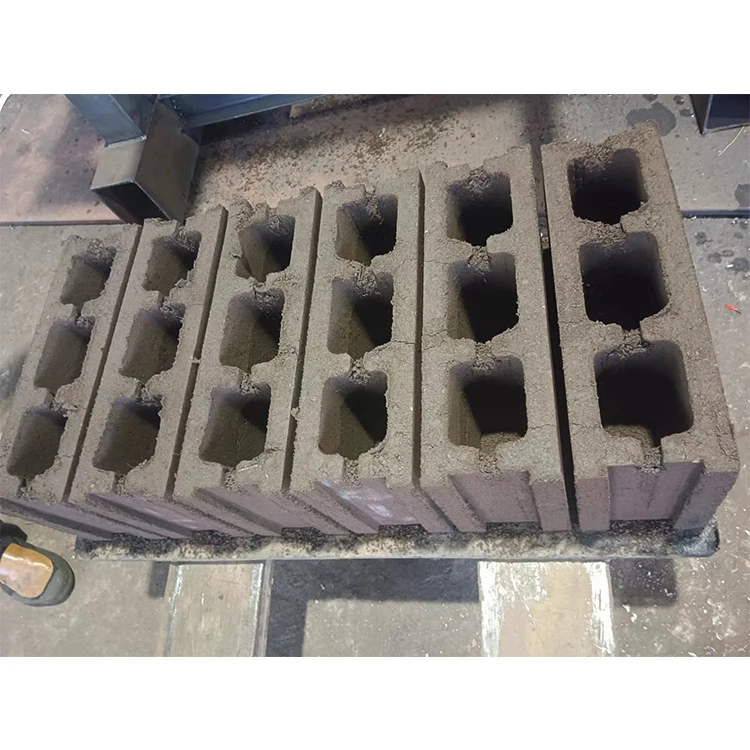
| Theoretical Productivity (400×200×200 mm hollow block, 4 pcs/mould) | 360 pcs/h, 2800 pcs/day |
| Theoretical Productivity (400×150×200 mm hollow block, 5 pcs/mould) | 450 pcs/h, 3600 pcs/day |
| Theoretical Productivity (225×112.5×60 mm solid brick, 9 pcs/mould) | 800 pcs/h, 6400 pcs/day |
| Output Capacity | 2000–2500 pcs/8 hours (basis not stated in source — confirm block format and material) |
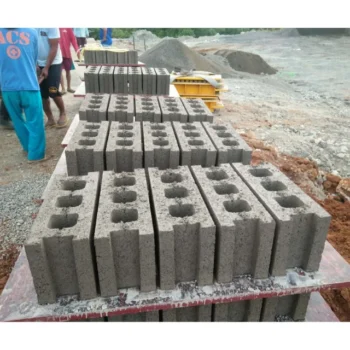
| Raw Materials | Concrete, sand, cement, fly ash, lime, gypsum |
| Machine Weight | 1 T |
| Overall Dimensions (L×W×H) | 1350×1460×1800 mm |
| Pallet Size | 850×450 mm |
| Vibration System | Bed mould vertical vibration + upper mould compression vibration |
| Mould Actuation | Top die push and pull with automatic scraper |
| Voltage | Configurable to local supply |
| Automation Level | Semi-automatic |
Application Suitability
| Application | Material or Output |
|---|---|
| Small to medium-scale hollow block production | Crushed stone, sand, and cement blends |
| Solid brick manufacturing for masonry walls | Fly ash, lime, and gypsum mixes |
| Paver block production for walkways and yards | Concrete with fine aggregate |
| On-site block production for construction contractors | Locally sourced sand and cement |
| Entry-level block plant for first-time entrepreneurs | Standard concrete mixes with regional aggregate |
| Interlocking brick production for perimeter walls | Cement-stabilized soil or concrete |
What "In Stock" Should Actually Mean for Your Timeline
A machine on the floor is not ready until the voltage plate matches your site and the pallet size fits your curing racks.
I have watched containers leave our yard with a QTJ4-40 block machine in stock loaded and bolted down, only for the buyer to discover on arrival that the motor was wired for a frequency their local grid does not supply. That single oversight once stalled a housing project for three weeks while a replacement motor was air-freighted. The lesson is simple: availability is only half the promise. Dispatch readiness means the voltage, the control language, and the pallet dimensions have all been checked against the buyer’s actual conditions before the crate is closed [NEED_CITE: common voltage and frequency mismatches in exported machinery].
Stock Availability and Dispatch Lead Time
Standard QTJ4-40 units with common mould formats are held in the yard, which compresses the gap between order confirmation and container booking. Once your voltage and frequency are verified, the dispatch window shortens considerably compared to a build-to-order cycle. Buyers working against a construction deadline can therefore plan vessel booking around a confirmed lead time rather than an open-ended production queue.
Container Loading and Arrival Planning
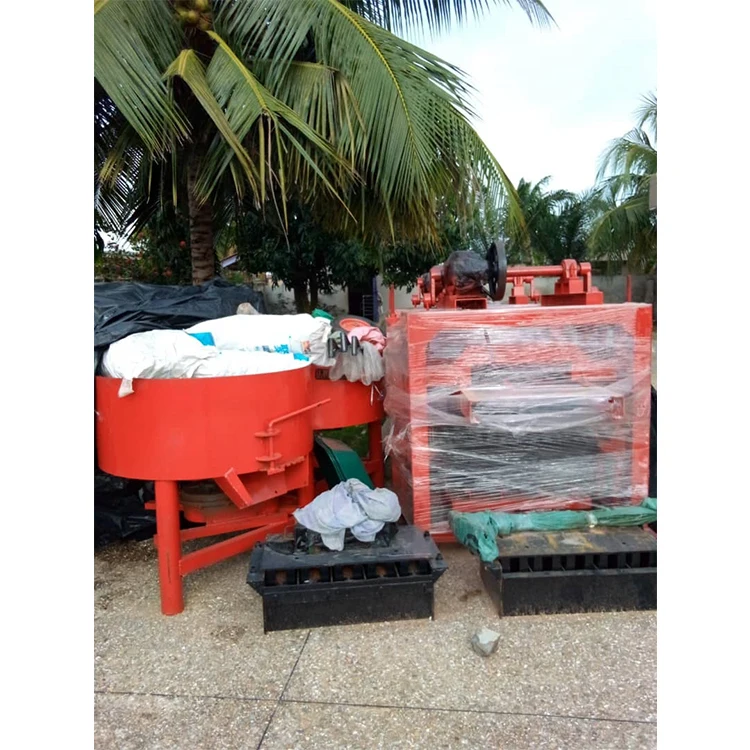
At 1 T and 1350×1460×1800 mm, the machine fits into standard container space alongside a set of pallets and spare moulds. Dismantling for shipment is straightforward: the upper frame separates from the vibration table, and the hydraulic actuator is secured for transit. We provide a loading plan with photographs so the buyer knows exactly how the QTJ4-40 block machine in stock is secured before the container doors close, and the arrival estimate is quoted at the time of booking [NEED_CITE: typical ocean freight transit windows by destination region].
How Vibration and Pressure Shape Block Density
The bed mould vertical vibration combined with upper mould compression vibration means the concrete mix is compacted from two directions simultaneously. For hollow blocks, this dual action matters because the thin web sections between cores are the hardest to densify. A 40-second molding cycle gives the vibration enough dwell time to settle fine particles into voids, producing a block that holds its edges when stripped. The 9.5 kW motor drives the vibration table at a force matched to semi-automatic output rates, so the machine does not need the hydraulic headroom that a fully automatic press requires. The top die push-and-pull mechanism with an automatic scraper keeps the mould face clean between cycles, which reduces surface defects on the next block. Pallet size at 850×450 mm sets the maximum mould footprint, and that dimension must align with the spacing of your curing racks and the fork width of the lift truck already on site.
When the Wrong Pallet Size Costs More Than the Machine
A pallet that is too wide for your existing curing racks forces you to rebuild the rack system or handle blocks manually, turning a semi-automatic line into a labour-intensive operation. A pallet material that warps under sun exposure will produce uneven block bases, and the buyer blames the press for what is actually a curing-area mismatch. These problems do not appear in a factory test because the factory floor has flat steel tables and controlled humidity. They surface three months into production when warping pallets start jamming the feed mechanism [NEED_CITE: pallet warping and its effect on block consistency].
Why Buyers Source This Machine Here
Block machinery is the only product line we build, so the QTJ4-40 is specified as part of a matched system — press, mould, pallet, and handling — rather than assembled from unrelated suppliers. Voltage and frequency are confirmed against your local grid before the machine leaves, not after it arrives. Standard moulds for hollow block, solid brick, and paver formats are kept alongside the machines, which means a buyer can ship a working format set without waiting for custom tooling. Factory test records with packing photographs are shared before the container is sealed, giving the buyer visual proof of condition at the moment of dispatch. Customs documentation is prepared in-house so the bill of lading, packing list, and commercial invoice align with what the destination port expects.
Documentation & Verification
- Factory test record showing cycle timing on your chosen block format before dispatch
- Voltage and frequency confirmation sheet signed against your local supply specification
- Pallet dimension drawing cross-checked with your curing rack layout
- Container loading photographs taken at the point of crate closure
- Customs documentation set aligned to destination port requirements
- Mould drawing and format list for every mould included in the shipment
Installation, Commissioning & Support
- Foundation pad must be level and rated for 1 T static load across the 1350×1460 mm footprint
- Dedicated 9.5 kW circuit with correct voltage and frequency verified before first power-on
- Upper frame reassembled on-site and vibration table bolts torqued to specification
- First production run supervised with mould cycle timing adjusted to your mix consistency
- Operator training covers mould change procedure, scraper adjustment, and daily vibration check
- Wear parts list with reorder intervals for scraper blades and vibration springs
Before You Request a Quote
Tell us which block format your market actually buys — hollow block dimensions, solid brick size, or paver thickness — so we match the stocked mould to your output, not a catalogue default. Share your local voltage and frequency so the motor and control panel are wired correctly before the QTJ4-40 block machine in stock is loaded. Let us know your curing rack spacing and forklift fork width so the 850×450 mm pallet is confirmed compatible, or an alternative pallet size is sourced before dispatch.
Frequently Asked Questions
Q: Which block formats ship with standard moulds from stock, and how fast can you dispatch?
A: Hollow block, solid brick, and paver moulds in common sizes are held alongside QTJ4-40 machines. Once you confirm voltage, frequency, and pallet compatibility, dispatch can typically be arranged within a short lead window. Exact timing depends on container availability and destination port scheduling at the point of order.
Q: How is the machine dismantled for container shipment?
A: The upper frame separates from the vibration base, the hydraulic actuator is secured, and moulds are crated individually. The compact 1350×1460×1800 mm footprint and 1 T weight allow efficient container loading. A loading plan with photographs is provided so the buyer can verify securing before the container is sealed.
Q: Can you match voltage and frequency to my local grid before dispatch?
A: Yes. Voltage and frequency are confirmed against your supply specification before the machine is wired and tested. The control panel labels and any indicator language are set to your preference. This step is completed and documented before the QTJ4-40 block machine in stock leaves the yard.
Q: What is the realistic daily output for the block format I actually sell?
A: Theoretical output varies by format: 400×200×200 mm hollow blocks at 4 pcs per mould yield approximately 2800 per day, while 225×112.5×60 mm solid bricks at 9 pcs per mould yield approximately 6400 per day. Actual output depends on your mix design, operator rhythm, and curing logistics.
Q: Are pallets included, and will the size fit my existing curing setup?
A: Pallets sized 850×450 mm are specified with the machine. Before dispatch, we cross-check this dimension against your curing rack spacing and forklift fork width. If your existing setup requires a different pallet size, alternatives are discussed and confirmed before shipment.