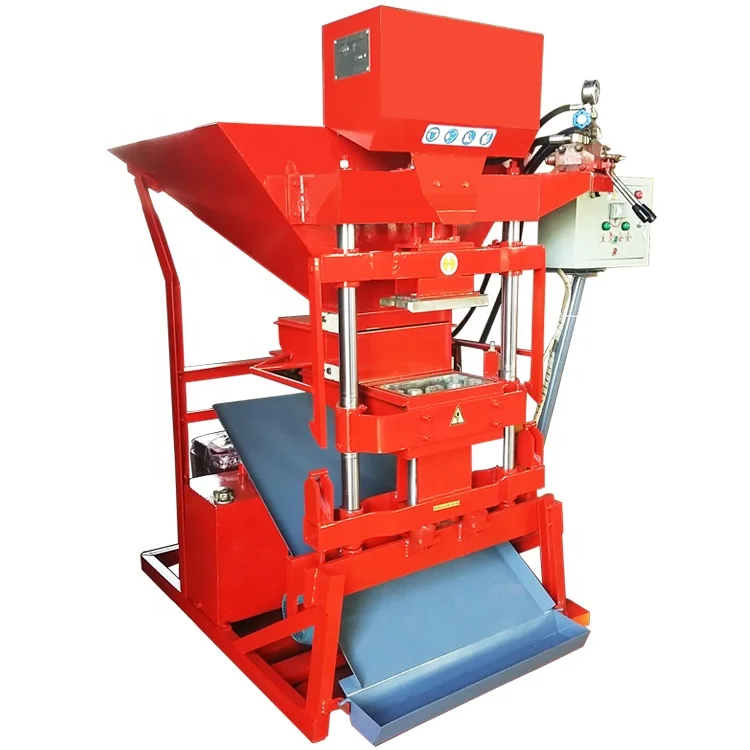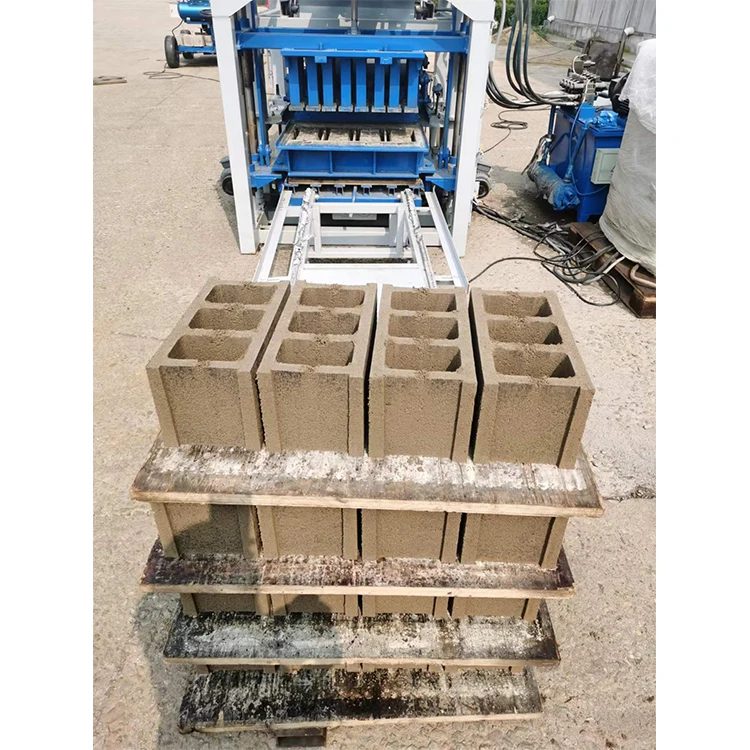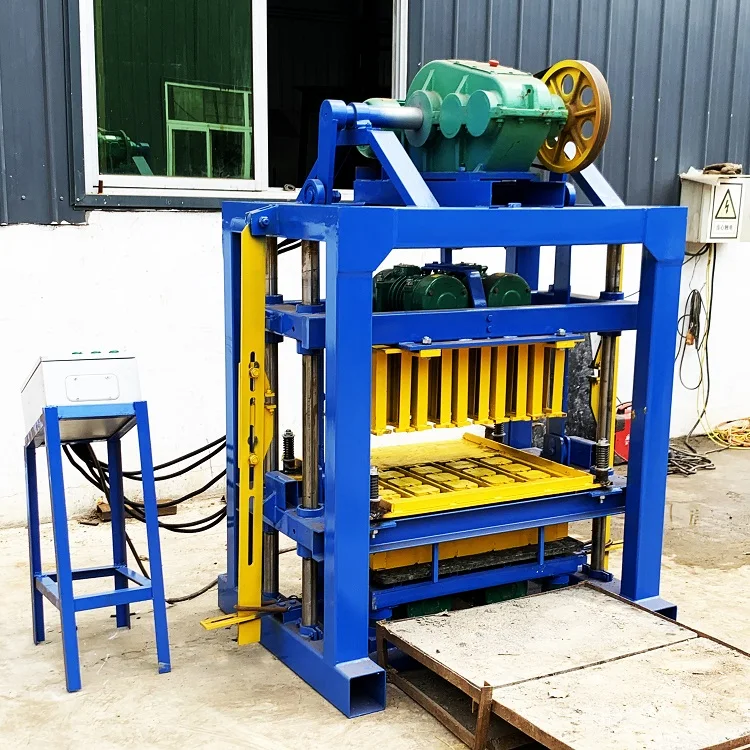
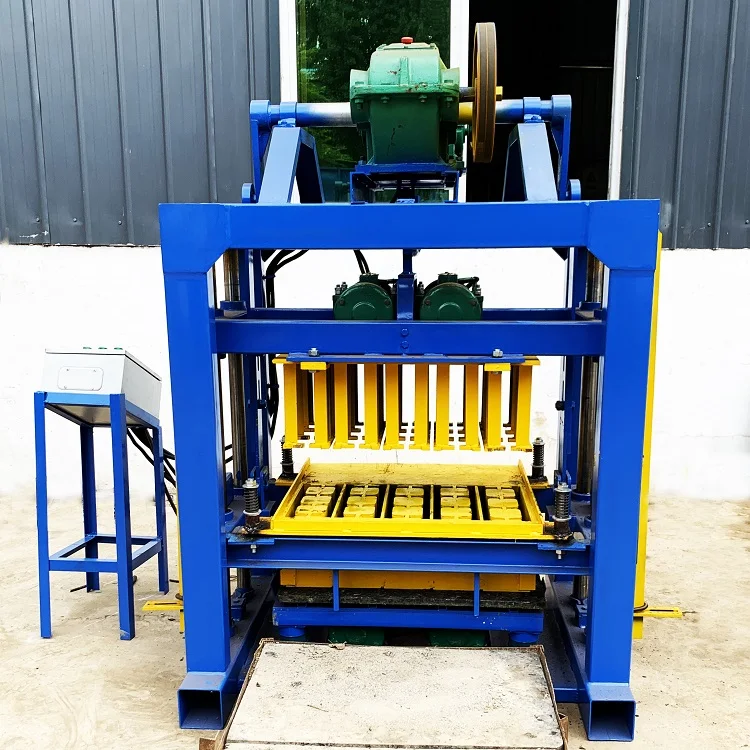

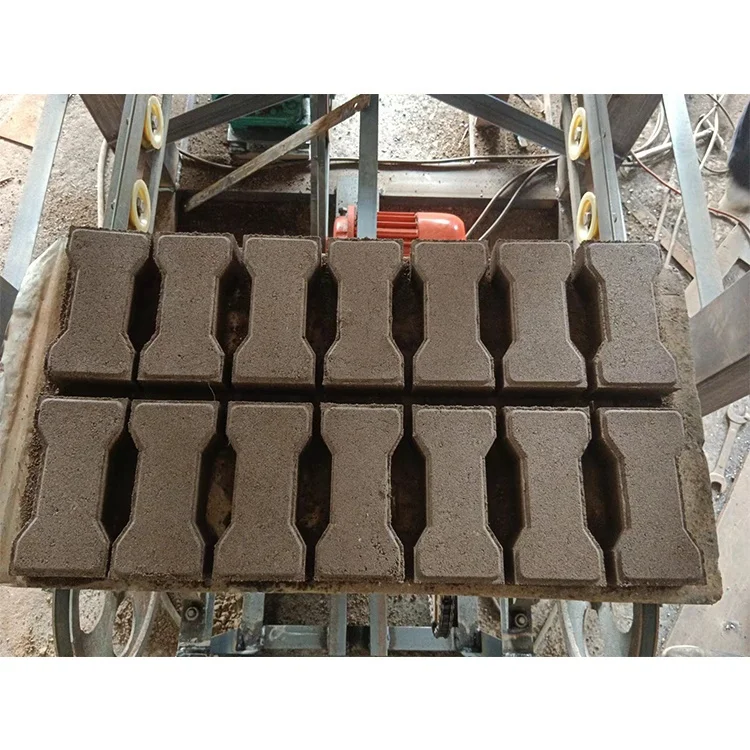
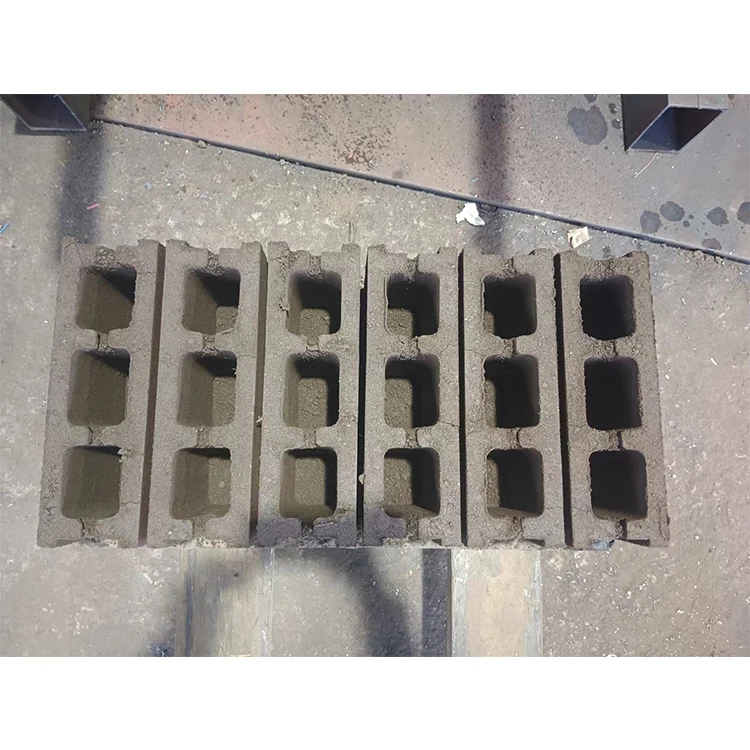
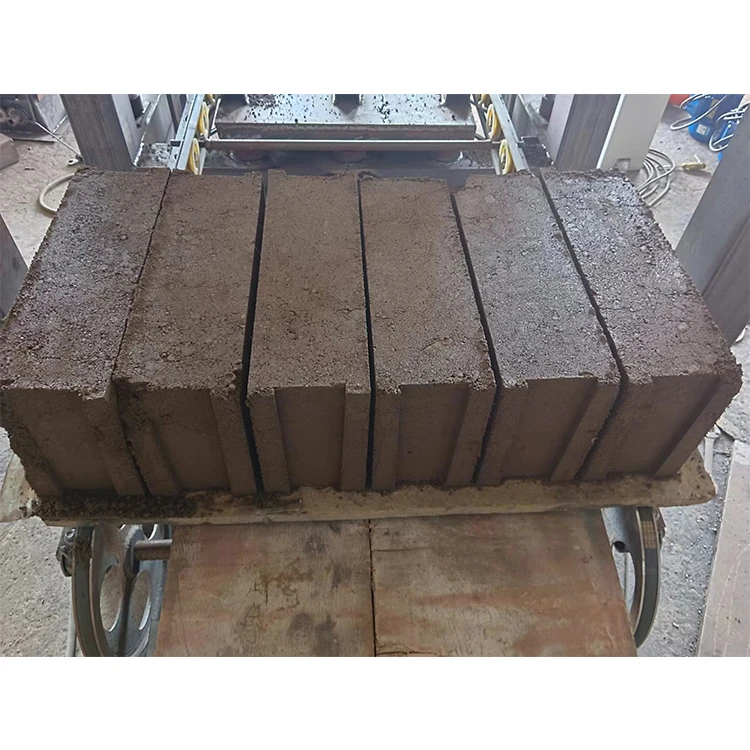
Description
Fast dispatch readiness — QTJ4-40 block machine inventory is confirmed before quotation so buyers working to a project deadline receive a ship date at order confirmation, not weeks later.
Technical Specifications
| Parameter | Value |
|---|---|
| Model | QTJ4-40 |
| Product Type | Hydraulic Motor Concrete Block Making Machine |
| Main Vibration Form | Platform Vibration |
| Vibration Frequency | 2800 r/min |
| Pallet Size | 850 × 450 mm |
| Overall Dimensions (L × W × H) | 1350 × 1460 × 1800 mm |
| Machine Weight | 1 T |
| Factory Area Required | 200 m² |
| Worker Requirement | 1–3 people |
| Per Hour Capacity | 360 pcs/h (based on 400 × 200 × 200 mm hollow block) |
| Per Day Capacity | 2880 pcs/day (based on 400 × 200 × 200 mm hollow block, 8-hour shift) |
| Per Hour Capacity | 500 pcs/h (based on 400 × 150 × 200 mm hollow block) |
| Per Day Capacity | 4000 pcs/day (based on 400 × 150 × 200 mm hollow block, 8-hour shift) |
| Per Hour Capacity | 900 pcs/h (based on 225 × 112.5 × 60 mm solid/paver) |
| Per Day Capacity | 7200 pcs/day (based on 225 × 112.5 × 60 mm solid/paver, 8-hour shift) |
| Mould Cavities (400 × 200 × 200 mm) | 4 pcs |
| Mould Cavities (400 × 150 × 200 mm) | 5 pcs |
| Mould Cavities (225 × 112.5 × 60 mm) | 9 pcs |
| Top Die Mechanism | Push and pull with automatic scraper |
| Raw Material Ratio | Cement 8–10%, sand 30–40%, stone 50–60% |
| Applicable Raw Materials | Concrete, cement, fly ash, crushed stone, sand, dust, gravel, slag |
Application Suitability
| Application | Material or Output |
|---|---|
| On-site hollow block production for housing phases | Crushed stone, sand, cement at 8–10% cement ratio |
| First block plant for entrepreneurs | Fly ash, gravel, slag combined with locally sourced sand |
| Paver and solid block runs for small contractors | 225 × 112.5 × 60 mm solid format from dust and cement |
| Interlocking block and curbstone production | Concrete mix with stone aggregate up to 60% |
| Peak-demand backup line for existing producers | Hollow and solid formats on the same pallet size |
Why the Dispatch Date Matters More Than the Quoted Cycle Time
A fast delivery stationary block machine only helps if the voltage, language, and mould set are confirmed before it leaves the factory.
I once watched a contractor in West Africa lose three weeks of a housing schedule because a block press arrived with a control panel set to a language the operators could not read and a motor wound for a frequency the local grid did not supply. The machine sat under a tarp while the electrical panel was rewound locally. A QTJ4-40 block machine in stock avoids the build wait, but the real gain comes when the buyer locks in these details at order time rather than discovering mismatches at the port. [NEED_CITE: voltage and frequency standards by export market]
Container-Ready Dismantling and Loading Plan
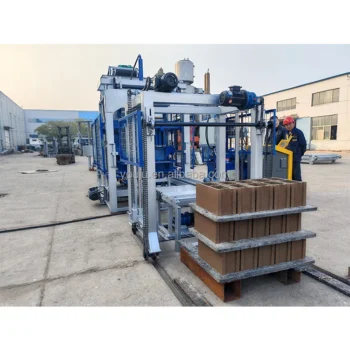
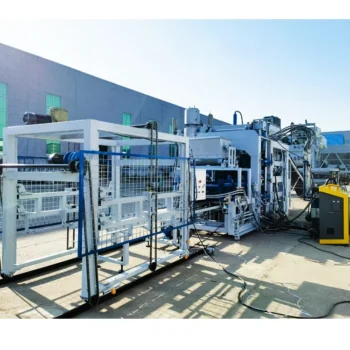
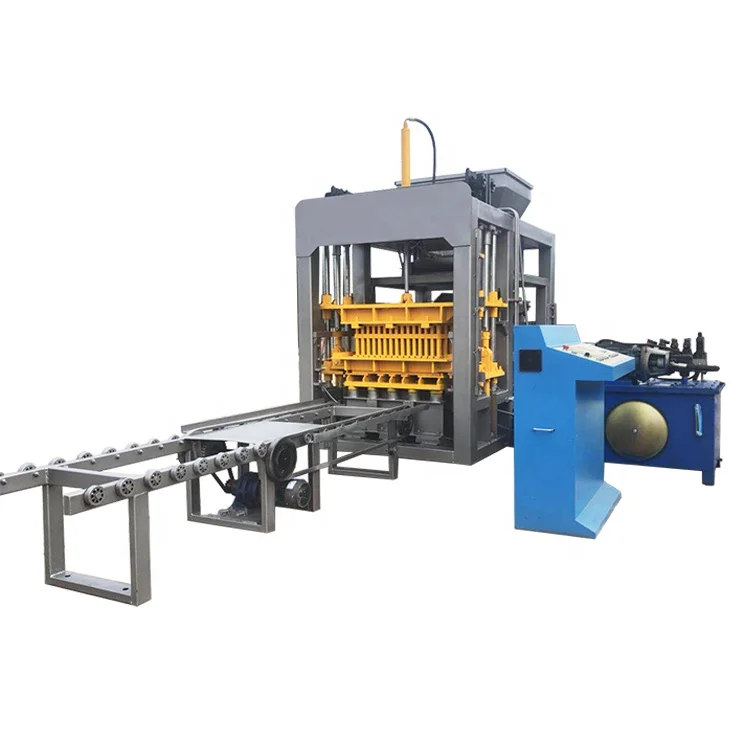
The QTJ4-40 is designed to break down into a compact footprint that fits standard container dimensions without requiring oversized freight. The main frame, vibration platform, and top die assembly separate at bolted joints so a two-person crew at the destination port can reassemble the press with basic hand tools. Shipping a fast delivery stationary block machine in knocked-down form also cuts the container count, which matters when the buyer is consolidating pallets, spare moulds, and a mixer into one shipment.
Arrival Estimate Quoted at Order Confirmation
Buyers working against a construction deadline need a dispatch date they can put on a Gantt chart. The order confirmation for a QTJ4-40 block machine in stock includes the container booking window and a transit estimate to the named port, so the buyer can schedule the curing area and raw material delivery around a known arrival. This eliminates the common situation where the foundation is poured and the crew is hired but the press is still weeks from the dock. [NEED_CITE: typical ocean freight transit windows to West African and South Asian ports]
Reading the Capacity Table Against Your Actual Block Format
The vibration platform runs at 2800 r/min and drives the mould box from below, which is how the QTJ4-40 achieves 360 pieces per hour on a 400 × 200 × 200 mm hollow block. Shift to a thinner 225 × 112.5 × 60 mm paver and the same platform cycles faster through the nine-cavity mould, reaching 900 pieces per hour. The pallet size of 850 × 450 mm is fixed across all formats, so the buyer must confirm that this dimension fits the curing racks and forklift tines already on site before committing to the order.
What Happens When the Pallet Size Does Not Match Your Curing Yard
I visited a small block plant in South Asia where the owner had purchased a press with a pallet dimension that was five centimetres too wide for the curing rack slots he had already welded. Every pallet had to be manually trimmed at the edges before it could slide into the rack, adding handling time to every single cycle. The result was that the daily output fell well below the rated capacity even though the press itself was running correctly. A QTJ4-40 block machine in stock ships with the 850 × 450 mm pallet as standard, so confirming the rack and forklift fit beforehand prevents this kind of silent capacity loss. [NEED_CITE: pallet dimension compatibility with curing infrastructure]
Why a Fast Delivery Stationary Block Machine Is Configured Here
Block machinery is the single focus of this production line, so the press, mould, pallet, and handling components are specified as a matched set rather than pulled from separate suppliers. The configuration is set against the buyer’s actual mix design and local aggregate — not a catalogue default that assumes materials the buyer cannot source. Standard moulds for hollow, solid, and paver formats are held in stock alongside the press, meaning the dispatch date quoted is real. Factory testing runs the machine with the exact mould formats included in the buyer’s order, and the test record ships with the documentation so the buyer can verify performance before the container is sealed.
Documentation & Verification
- Factory test record run with the buyer’s ordered mould formats before container loading
- Capacity calculation sheet stating the block format and cycle assumptions per model
- Pallet specification confirming 850 × 450 mm dimensions and load rating
- Hydraulic and electrical schematic matching the as-built configuration
- Voltage and control language confirmation signed off before dispatch
- Packing photographs showing dismantling state and container load plan
Installation, Commissioning & Support
- The 200 m² factory area requirement covers press, mixer, and curing zone for the QTJ4-40
- 850 × 450 mm pallets must match existing curing rack slots and forklift tine spacing
- Bolted joint dismantling allows two-person reassembly with standard hand tools on arrival
- Top die push-and-pull mechanism with automatic scraper is calibrated during first commissioning run
- Platform vibration at 2800 r/min is tuned to the buyer’s confirmed mix design and aggregate
- Spare pallets and hydraulic wear parts ship in the same container if ordered together
Preparing Your Inquiry
Send the block format you intend to run most often, the daily output target, and the aggregate materials available at your site. Include the local voltage and frequency so the motor and control panel are wound correctly before the QTJ4-40 block machine in stock leaves the factory. If you have existing curing racks or forklifts, share the pallet dimensions they accept so compatibility is confirmed at quotation stage.
Frequently Asked Questions
Q: Which QTJ4-40 configurations and standard moulds are currently in stock?
A: The standard QTJ4-40 press with the 850 × 450 mm pallet is held in ready-to-ship inventory. Hollow block moulds for 400 × 200 × 200 mm and 400 × 150 × 200 mm, along with solid/paver moulds for 225 × 112.5 × 60 mm, are stocked as standard. Custom mould formats require a production lead time that is quoted at inquiry.
Q: What is the dispatch lead time and how do I get an arrival estimate?
A: Stocked QTJ4-40 units are dispatched once voltage, frequency, and control language are confirmed and the factory test is completed. The order confirmation includes a container booking window and a transit estimate to your named port, so you can schedule site preparation around a known arrival date.
Q: How is the machine packed and loaded for container shipment?
A: The QTJ4-40 is dismantled at bolted joints into its main frame, vibration platform, and top die assembly. The knocked-down configuration fits standard container dimensions and allows a small crew to reassemble on site with basic tools. Packing photographs and a loading plan are provided before the container is sealed.
Q: Which voltage and frequency options ship from stock versus built to order?
A: Common industrial voltages and frequencies for export markets are available from stock or can be configured within the dispatch window. Unusual voltage or frequency requirements may extend the lead time. The exact specification is confirmed at order to avoid commissioning delays when the machine arrives at your site.
Q: Are spare pallets and hydraulic wear parts included in the same shipment?
A: Spare pallets in the 850 × 450 mm size and standard hydraulic wear parts can be loaded into the same container as the QTJ4-40 if requested at order. This ensures replacements are on hand when the first maintenance interval arrives rather than waiting for a separate shipment.