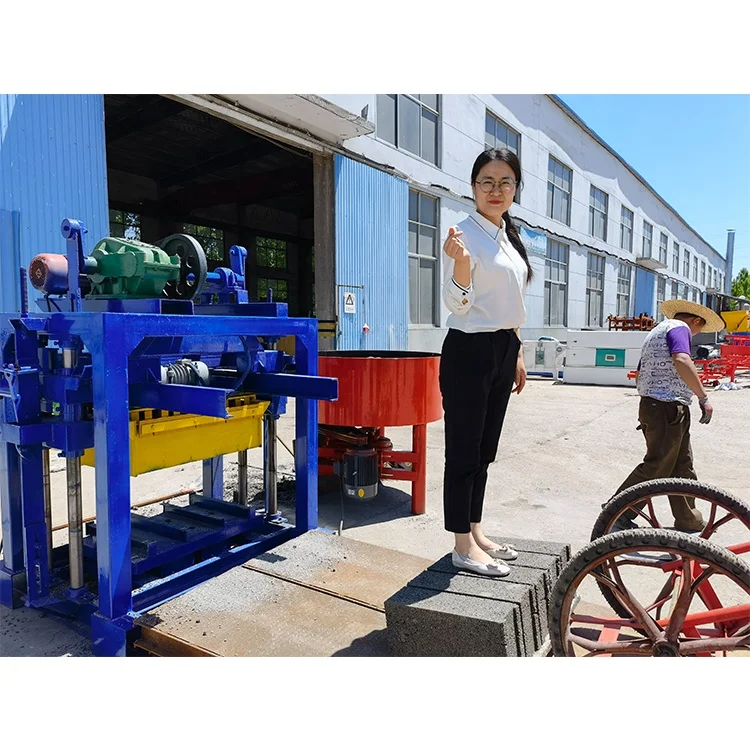
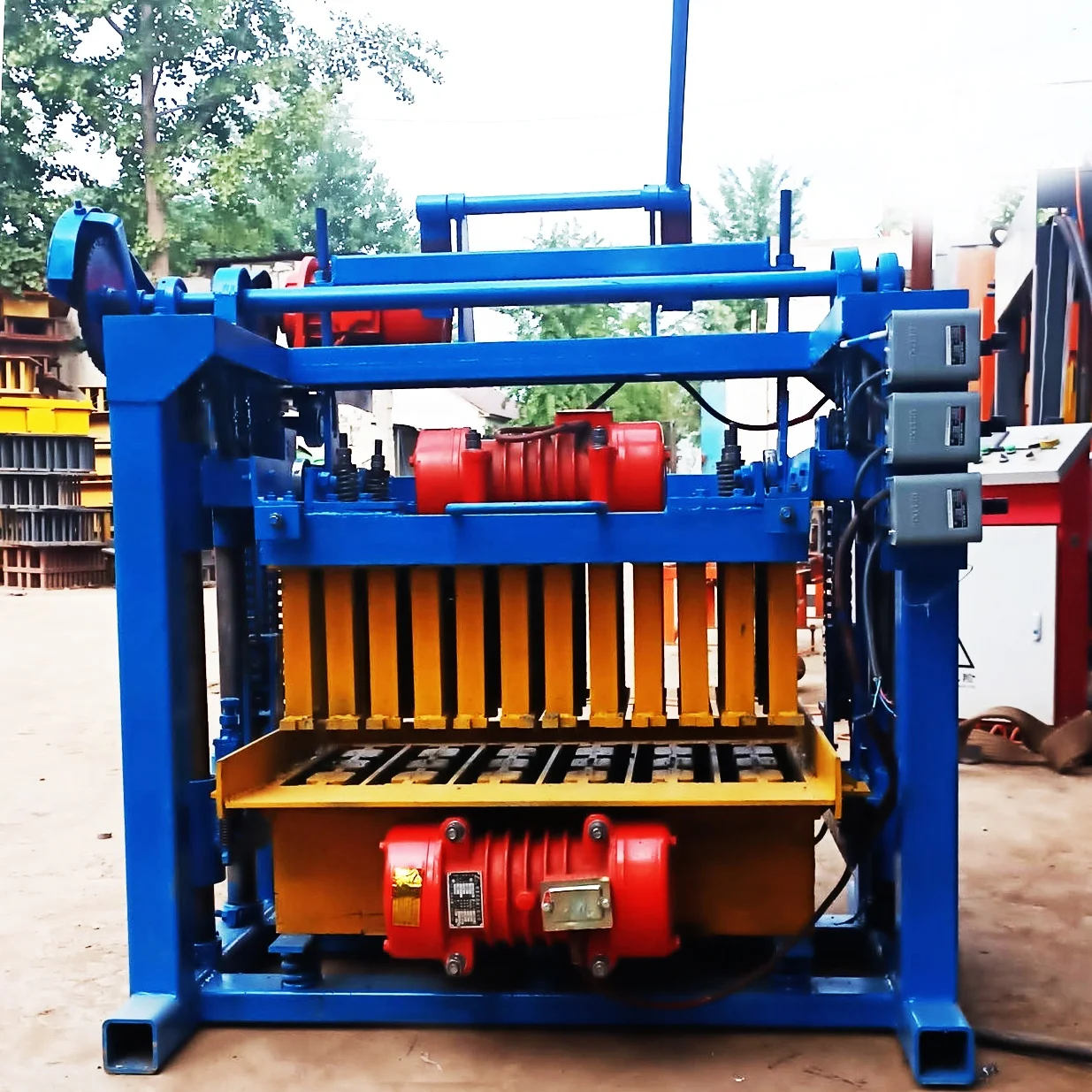
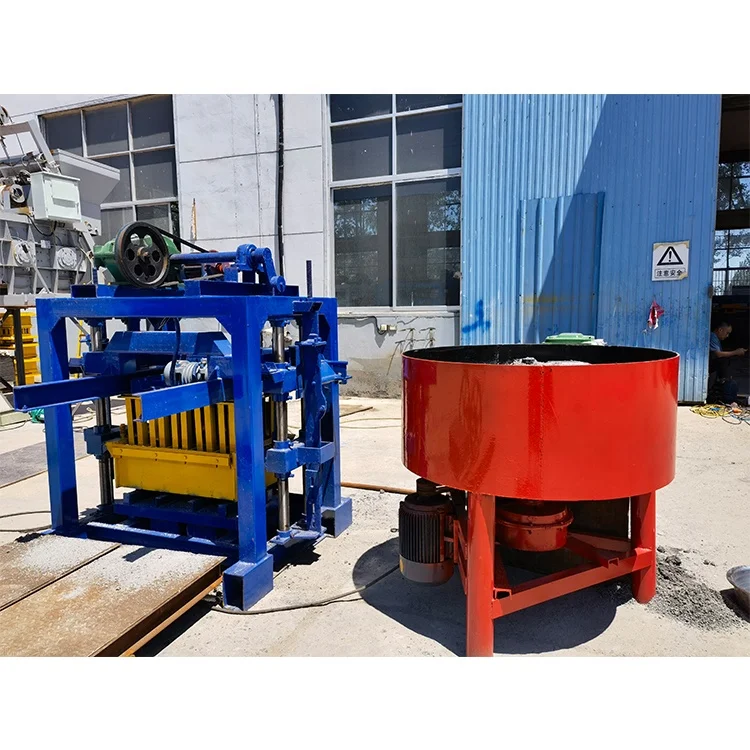
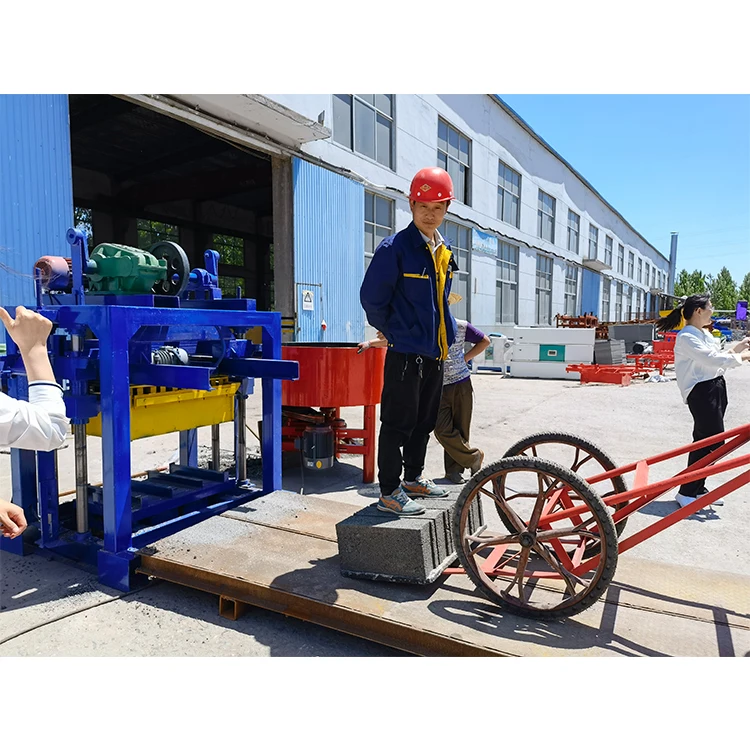
Description
Rapid dispatch readiness — every QTJ4-40 leaves our Linyi yard only after a bench test confirms the vibration and electrical configuration match the buyer’s stated grid and aggregate, not a catalogue default.
Technical Specifications
| Parameter | Value |
|---|---|
| Model | QTJ4-40 |
| Product Type | Small Semi-Automatic Concrete Block Making Machine |
| Machine Power | 10.4 kW |
| Molding Cycle | 40 seconds |
| Theoretical Output (400×200×200mm hollow block) | 4 pcs/mould, 360 pcs/hour, 2800 pcs/day |
| Theoretical Output (400×150×200mm hollow block) | 5 pcs/mould, 450 pcs/hour, 3600 pcs/day |
| Theoretical Output (225×112.5×60mm solid brick) | 9 pcs/mould, 800 pcs/hour, 6400 pcs/day |
| General Output Capacity | 2000–2500 pcs/8h (basis to be confirmed) |
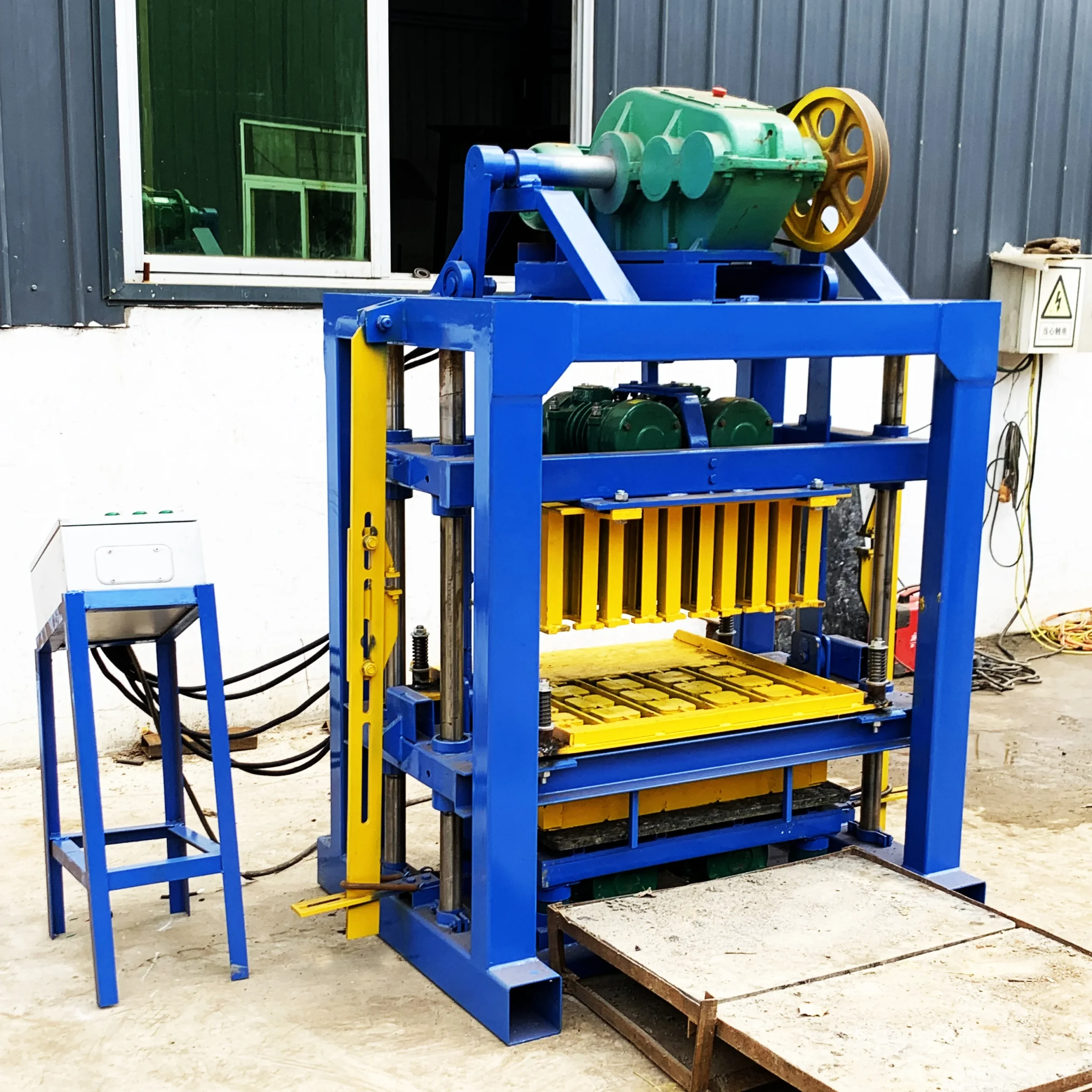
| Vibration System | Bed mould vertical vibration + upper mould compression vibration |
| Mould Operation | Top die push-pull with automatic scraper |
| Pallet Size | 850 × 450 mm |
| Overall Dimensions | 1350 × 1460 × 1800 mm |
| Machine Weight | 1 T |
| Voltage | Configurable to buyer’s local supply |
| Automation Level | Semi-automatic |
| Raw Materials | Concrete, sand, cement, fly ash, lime, gypsum |
Application Suitability
| Application | Material or Output |
|---|---|
| Small-scale hollow block plant | Crushed stone, sand, and cement for 400×200×200mm blocks |
| On-site contractor block production | Local aggregate and cement mixed at the construction yard |
| First-time block entrepreneur | Fly ash, lime, and gypsum blends for solid bricks |
| Paving and kerbstone supplement | Sand-cement mixes on 850×450mm pallets |
| Rural housing project supply | Semi-automatic output matched to daily masonry demand |
Why "2500 Blocks a Day" Means Nothing Without a Format Attached
The QTJ4-40 block machine in stock ships with a cycle time and mould that must be matched to your exact block format before the container is sealed.
I have watched a contractor in East Africa take delivery of a small block machine and spend the first two weeks confused because the daily tally never approached the brochure figure. The brochure had quoted output on a solid brick format, but the contractor needed 200mm hollow blocks where each cycle produces fewer pieces. The machine was not at fault — the expectation was. With the QTJ4-40, we state the output per format in writing before dispatch so the buyer knows whether the machine produces several hundred hollow blocks or several thousand solid bricks in an eight-hour shift [NEED_CITE: common misunderstanding of block machine capacity quotations]. This eliminates the most frequent cause of post-arrival disputes on small semi-automatic machines.
What Dispatch Timing Actually Looks Like
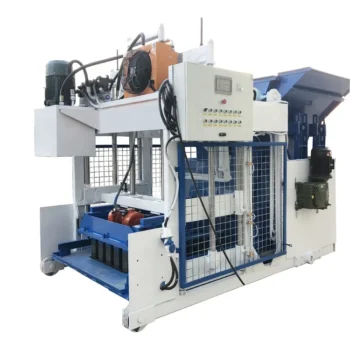
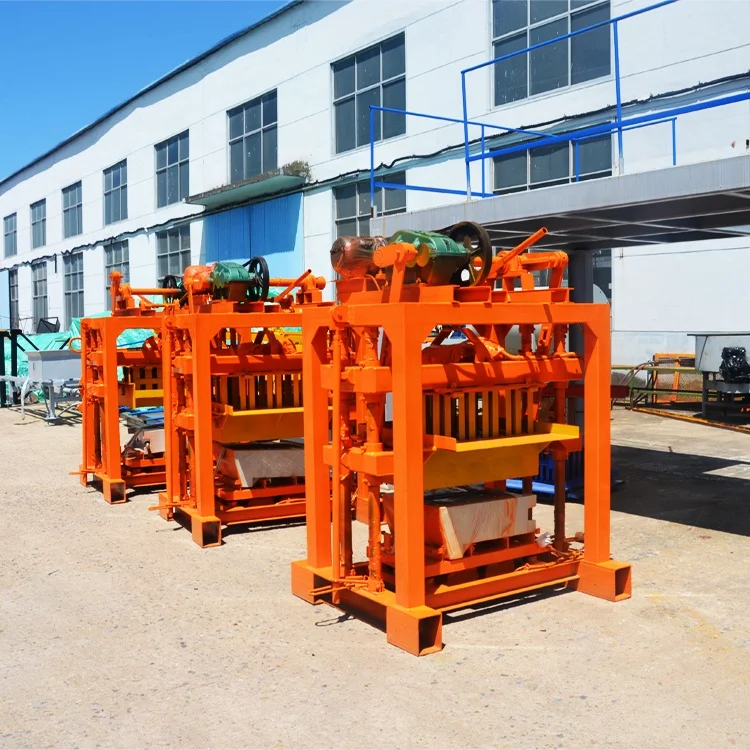
When a project deadline compresses the buying window, the QTJ4-40 block machine in stock offers a path that avoids the typical multi-week production queue. The unit ships as a single compact frame measuring 1350×1460×1800mm, which means it can be loaded into a standard container without the dismantling that larger automatic lines require. We confirm the stock status at inquiry and hold the unit against a deposit, giving the buyer a known dispatch date rather than a rolling estimate.
Container Loading and Arrival Planning
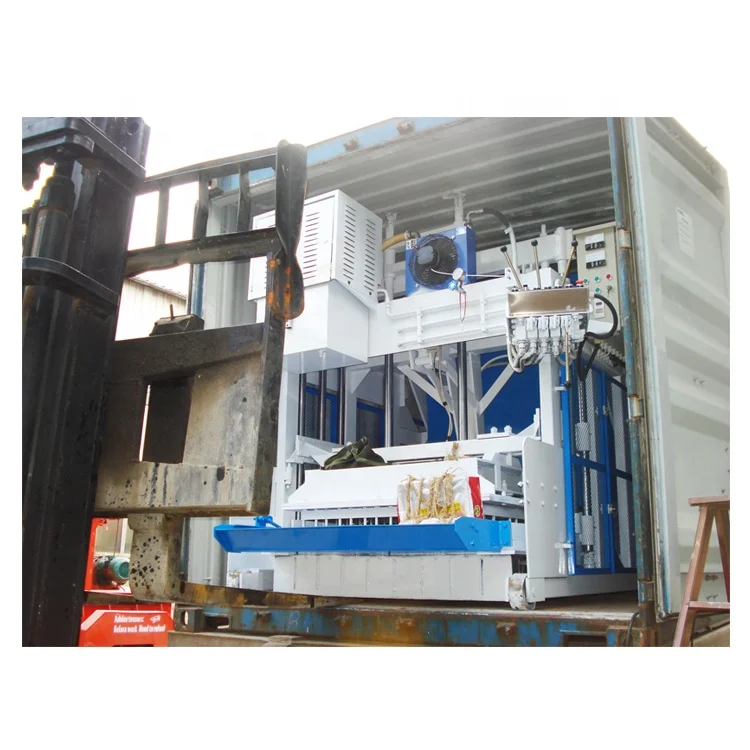
The one-ton weight and compact footprint allow the QTJ4-40 to share container space with additional moulds, pallets, and a basic spare parts package. We photograph the machine secured inside the container before the doors close, so the buyer has a visual record for insurance and customs clearance. Arrival estimates are quoted against the destination port at the time of booking, and we flag any transshipment points that could add transit days [NEED_CITE: typical ocean freight variables affecting arrival timing].
Reading the Specs That Actually Matter on Site
The 10.4 kW total power draw means the QTJ4-40 can run from a site generator in areas where grid supply is unreliable, provided the generator is sized with adequate headroom for the vibration motor start-up surge. The dual vibration system — vertical vibration under the bed mould combined with compression vibration from the upper mould — determines how densely the concrete is compacted, which directly affects the block strength your local market requires. The 850×450mm pallet size should be checked against whatever curing racks and forklifts the buyer already operates; introducing an unfamiliar pallet dimension creates friction in the curing yard that has nothing to do with the press itself. Semi-automatic operation means pallets are fed and collected by hand, so labour planning must account for a worker stationed at each end of the machine during production.
The Cost of Skipping the Pre-Shipment Conversation
I once tracked a shipment where the buyer’s local voltage differed from the machine wiring, and the first week on site was spent sourcing a transformer instead of making blocks. That delay is entirely avoidable if the voltage and frequency are confirmed at the order stage. Similarly, when the local aggregate has a high clay or silt content, the vibration force and mix ratio need adjustment before the machine leaves the factory — otherwise the blocks crumble at the curing rack and the buyer blames the equipment. A small semi-automatic machine is often purchased quickly for an urgent project, but the thirty minutes spent confirming electrical and material details upfront saves weeks of idle time after arrival [NEED_CITE: impact of aggregate composition on concrete block compressive strength].
What Buying From This Stock Pool Actually Gets You
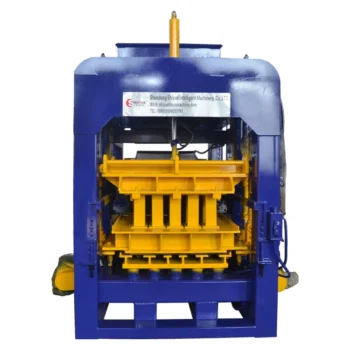
The QTJ4-40 is specified as a matched unit — machine, mould, and pallet dimensions are set together rather than assembled from separate catalogue pages. We confirm the stock model availability and dispatch lead time in writing before any payment changes hands. Each machine carries a factory test record run on a block format relevant to the buyer’s order, not a generic dry-cycle video. The voltage and control wiring are verified against the buyer’s stated grid before the machine is moved to the loading bay. Pallet specifications and mould format lists ship inside the documentation package so there is no guesswork when the container is opened.
Documentation & Verification
- Factory test record showing cycle times on your requested block format before dispatch
- Voltage and frequency confirmation sheet signed against your local grid specification
- Container loading photographs with machine securing details for customs and insurance
- Mould drawing and format list covering every block shape included in the shipment
- Pallet specification sheet matching the 850×450mm size to your curing yard layout
- Operation manual in the agreed language with wear parts identification list
Installation, Commissioning & Support
- Foundation pad requirement based on the 1350×1460mm footprint and 1-ton operating weight
- Dedicated 10.4 kW circuit with correct breaker rating for vibration motor in-rush current
- Machine arrives assembled; only the hopper scraper and mould clamp bolts need final torque check
- First-run parameter setting covers vibration duration and mould compression matched to your mix
- Operator walk-through on pallet feeding rhythm to sustain the 40-second molding cycle
- Wear parts list identifying the scraper blade and vibration pad as first-order spares
What to Send With Your Inquiry
Tell us the block format your market sells and the daily quantity you need to hit, so we can confirm whether the stocked mould matches or a swap is needed before dispatch. Provide your site voltage and frequency so the wiring is correct before the machine enters the container. If your aggregate source has unusual clay content or you plan to use fly ash as a primary binder, share a brief material description so we can advise on mix adjustment before the machine arrives.
Frequently Asked Questions
Q: Is the QTJ4-40 currently in stock and what is the dispatch lead time?
A: Stock status is confirmed at the time of inquiry and held against a deposit. Once the voltage, mould format, and pallet specification are agreed, the machine moves to the loading bay. Dispatch lead time is quoted in writing with the proforma so the buyer has a fixed date to plan container booking and site preparation around.
Q: How is the machine packed and loaded into a container for shipment?
A: The QTJ4-40 ships as a single assembled frame thanks to its compact dimensions and one-ton weight. It is secured inside the container with steel wire and timber bracing. We photograph the loading process and share the images before the doors close, giving the buyer a record for insurance and a visual check on arrival.
Q: Can I order additional standard moulds from stock with the same shipment?
A: Standard moulds matching the 850×450mm pallet size can be added to the same container if they are available in the yard at the time of booking. We confirm which formats are on hand and include them on the packing list so customs documentation reflects the full shipment contents accurately.
Q: What is the arrival estimate once dispatched from the factory?
A: Arrival depends on the destination port and whether the route involves transshipment. We provide an estimated transit window at the booking stage based on the carrier schedule. Any known port congestion or seasonal routing changes are flagged before the container is released to the shipping line.
Q: Is on-site installation support available on short notice after the machine arrives?
A: The QTJ4-40 arrives assembled and requires only bolt checks and electrical connection, so most buyers complete installation with local technicians. Where needed, we can arrange remote guidance covering vibration tuning and first-cycle parameter setting to get production started without waiting for a site visit.