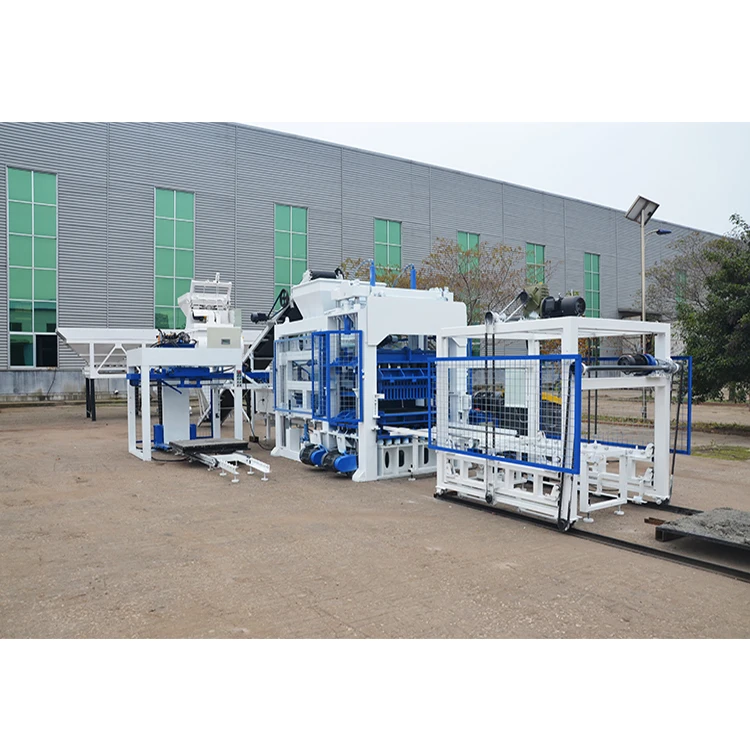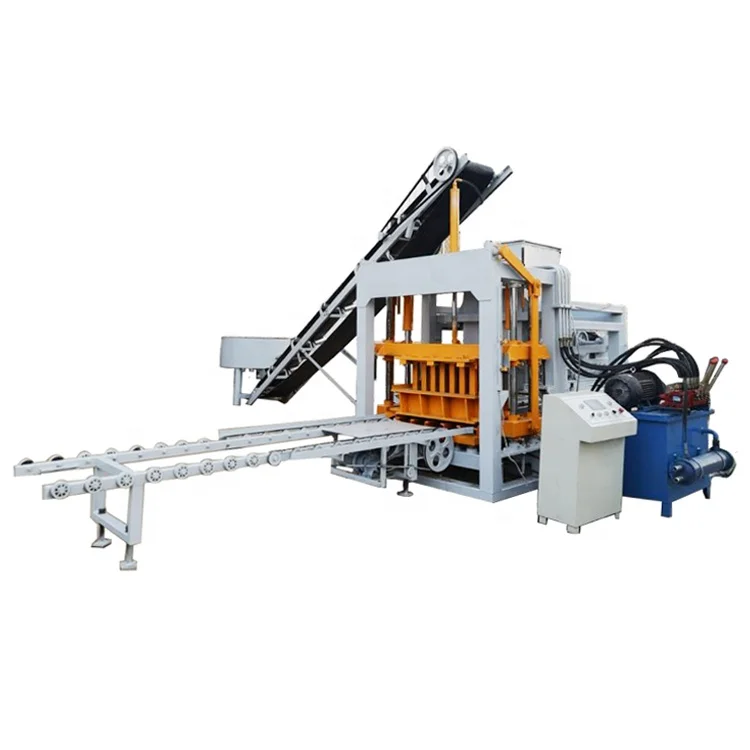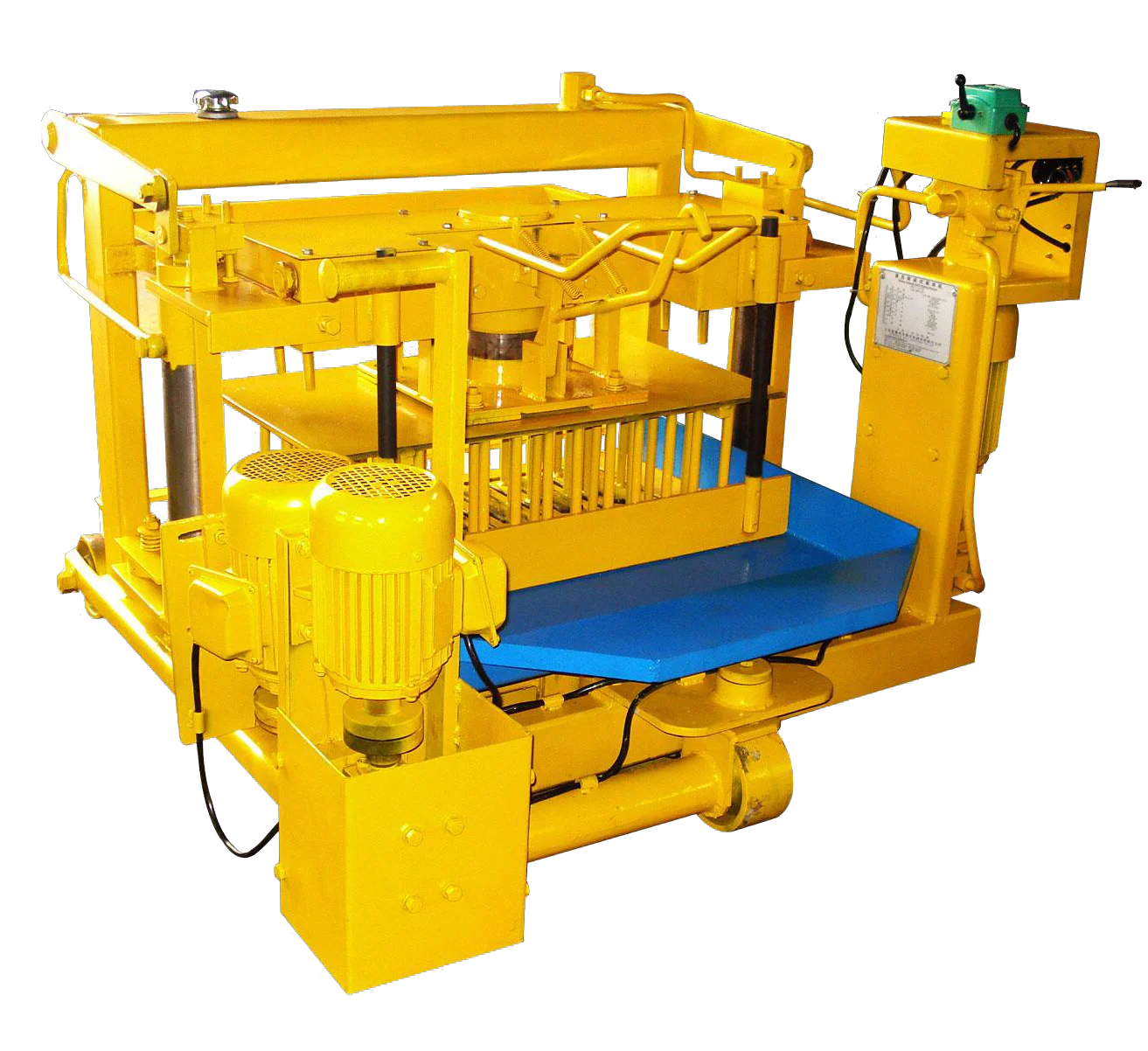


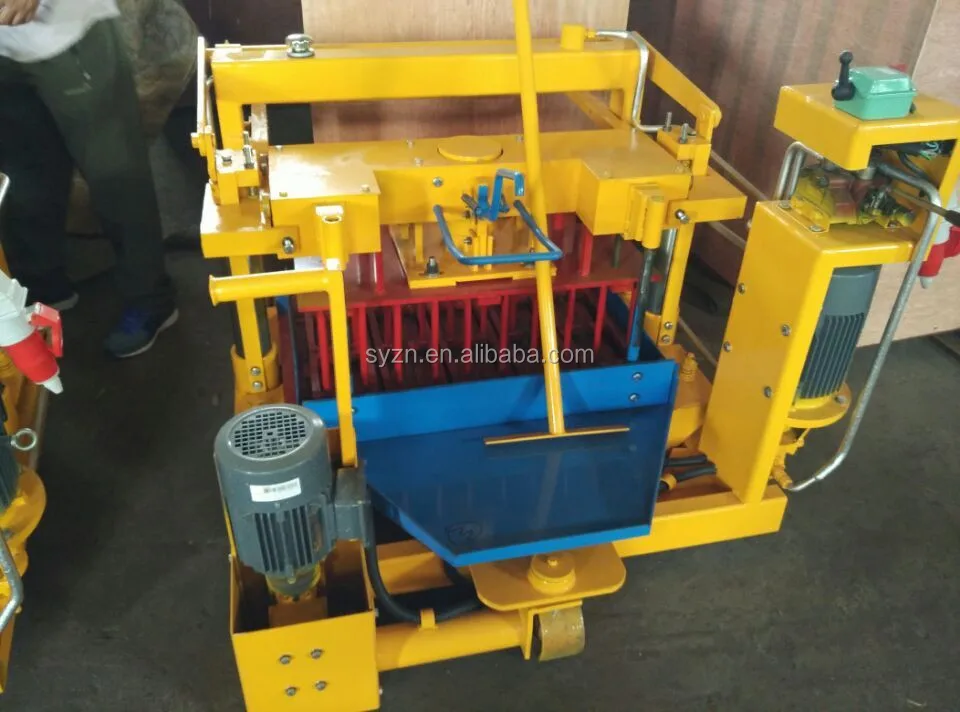


Description
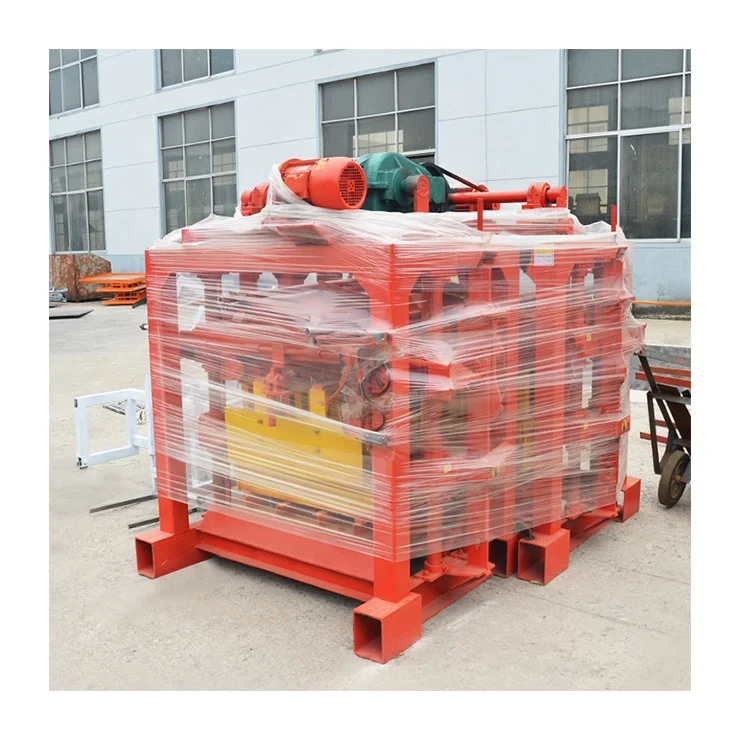
Stocked Machines, Clear Timelines — QMY4-30 mobile block machine units are pre-assembled and factory-tested in Linyi, ready for dismantling, container loading, and dispatch within a confirmed schedule rather than an open-ended build queue.
Technical Specifications
| Parameter | Value |
|---|---|
| Model | QMY4-30 |
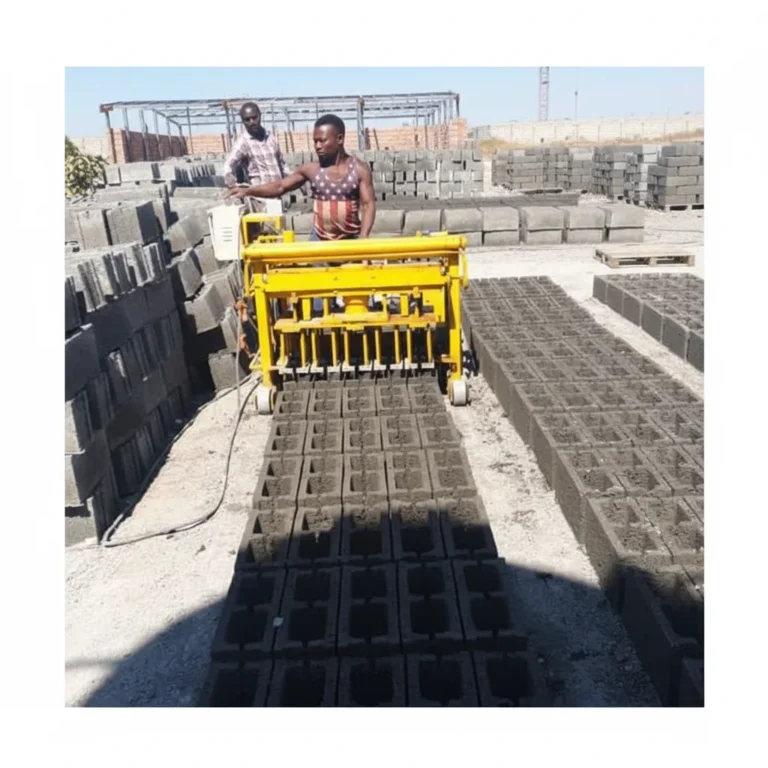
| Product Type | Mobile Movable Egg-Laying Block Making Machine |
| Transmission | Hydraulic |
| Excitation Method | Mold box excitation |
| Operation Mode | Manual / Mobile |
| Pallet Requirement | None (egg-laying type, produces directly on ground) |
| Application Environment | Mountainous, hilly, industrial mining, desert and coastal areas |
| Mold Technology | Heat treatment & carburization |
| Construction Material | High quality steel |
| Core Components | Motor, Pump, Engine |
| Standards | ISO9001:2000, CE |
| Output Capacity | (basis not stated in source — confirm block format) |
| Cycle Time | (basis not stated in source — confirm block format) |
| Voltage & Frequency | Configurable to destination market |
Application Suitability
| Application | Material or Output |
|---|---|
| On-site hollow block production at remote construction camps | Crushed stone, river sand, cement |
| Solid block manufacturing for housing projects on uneven terrain | Local aggregate, sand, cement |
| Paving block and interlocking brick runs for road and walkway contractors | Fine aggregate, cement, pigment (where applicable) |
| Small-scale block supply for rural building material dealers | Quarry dust, sand, cement blends |
Why "In Stock" Should Mean More Than a Warehouse Photo
The QMY4-30 mobile block machine in stock must ship with confirmed configuration, not just a serial number on a crate.
I have watched container loads arrive at West African ports with the wrong voltage panel or a control box wired for 50 Hz when the grid runs 60 Hz. The machine sits idle while electricians rewire, the contractor loses weeks, and the first production run is pushed into penalty territory. Stock availability matters, but only when the stocked unit matches the buyer’s grid, language, and block format. The QMY4-30 mobile block machine in stock at our Linyi yard goes through a pre-dispatch checklist that covers voltage confirmation, control language, mould format, and hydraulic pressure settings matched to the destination site [NEED_CITE: CE machinery directive requirements for export equipment].
Dispatch Lead Time and Container Loading Plan
When a buyer asks how fast a QMY4-30 mobile block machine in stock can reach their port, the honest answer depends on the loading method. The machine is dismantled into its main frame, hydraulic unit, mould assembly, and control cabinet for container stowage. A 20-foot container typically holds one complete unit along with spare wear parts and an extra mould set. From order confirmation to gate-out, the typical timeline covers final factory testing, dismantling, photographing each component, and securing the load against sea transit vibration.
What Arrives Versus What Stays Behind
A QMY4-30 mobile block machine in stock ships with the hydraulic power pack, mould box, vibration motor, and control panel. The buyer needs to prepare a level, hardened ground surface at the production site because the egg-laying design deposits blocks directly onto the floor without pallets. No pallet inventory means lower upfront cost, but it also means the ground must be compacted and swept clean before every production cycle. Moulds are heat-treated and carburized to resist abrasion from local aggregate, and the mould change process is manual — a design choice that keeps the machine simple for field conditions where workshop facilities are limited [NEED_CITE: typical ground preparation requirements for egg-laying block machines].
How Hydraulic Pressure and Vibration Shape Block Density
The QMY4-30 relies on hydraulic transmission paired with mold box excitation rather than a separate vibration table. This combination matters on uneven ground where a pallet-based machine would struggle to maintain level contact. The hydraulic system applies downward pressure while the mold box vibrates the concrete mix into the cavity, compacting the material from within. The result is a block whose density depends on how well the vibration force and hydraulic pressure are matched to the specific mix. In my experience across sites in South Asia and sub-Saharan Africa, the same machine produces noticeably different block strength when the sand-to-cement ratio shifts or when river sand with high clay content replaces washed sand. Operators who adjust water content and vibration duration based on local material get consistent output; those who run a fixed recipe regardless of aggregate source end up with crumbling edges and rejected batches.
The Real Cost of Skipping Pre-Shipment Configuration
Shipping a block machine without confirming the destination voltage and frequency is one of the most common causes of commissioning delays I have seen. A motor rated for 380V/50Hz will overheat and fail prematurely on a 440V/60Hz grid, and rewinding it on-site takes days that the project schedule did not budget for. Control panel language is another small detail that becomes a large problem when the operator cannot read the fault codes during a production stoppage. These are not engineering failures — they are communication failures between buyer and supplier before the container was sealed [NEED_CITE: voltage and frequency standards by export market].
Why Buyers Source This Machine Through Our Stock Channel
Our Linyi facility keeps QMY4-30 units in various stages of assembly so that stock availability is not a promise but a verifiable fact. Each stocked machine can be reconfigured for the buyer’s target block format before dismantling. Factory test records are generated on the buyer’s specified mould, not a generic test block. Mould design covers hollow, solid, paving, and interlocking formats, with custom drawings available when the buyer’s market demands a non-standard size. The egg-laying design eliminates the pallet supply chain entirely, which matters when the production site is a remote hillside or a desert camp where pallet delivery logistics would rival the machine shipment itself.
Documentation & Verification
- Factory test record generated with buyer-specified mould format before container sealing
- Packing photographs showing component placement and securing method inside container
- Hydraulic and electrical schematic matching the shipped configuration
- CE declaration and ISO9001:2000 documentation included in shipping file
- Operation and maintenance manual in confirmed control language
- Wear parts list with reorder part numbers for mould liners and hydraulic seals
Installation, Commissioning & Support
- Hardened, level ground surface required — the palletless design demands compacted earth or concrete slab
- Electrical connection must match confirmed voltage and frequency; dedicated circuit breaker recommended
- Machine arrives dismantled; reassembly covers frame, hydraulic pack, mould box, and control panel
- First production run includes vibration force and hydraulic pressure adjustment to local mix design
- Operator training covers mould change procedure, daily lubrication points, and fault code response
- Spare wear parts kit ships with initial order to cover early replacement cycles
What to Include in Your Inquiry
Send the block format your market actually sells — hollow, solid, paving, or a custom profile — along with the daily volume you need to hit. Confirm your site voltage, frequency, and preferred control panel language. If your local aggregate is river sand with high clay content or crushed quarry dust, mention it so the vibration settings can be adjusted before the machine leaves the factory.
Frequently Asked Questions
Q: How long does dispatch take once I confirm the QMY4-30 order?
A: Stocked QMY4-30 units undergo final configuration, factory testing on the buyer’s specified mould, dismantling, and container loading. The typical timeline from order confirmation to gate-out is measured in weeks, depending on whether custom moulds or voltage reconfigurations are required. We provide a confirmed dispatch date at quotation stage.
Q: How is the machine packed for shipment, and how long does reassembly take?
A: The QMY4-30 is dismantled into its main frame, hydraulic power pack, mould assembly, and control cabinet for 20-foot container loading. Components are secured and photographed before sealing. Reassembly on-site with basic tools typically takes a few days, followed by electrical connection and first-run commissioning.
Q: What ground conditions does the egg-laying design require?
A: The QMY4-30 produces blocks directly on the ground without pallets. The production surface must be level and hardened — compacted earth or a concrete slab. Loose soil or uneven ground causes blocks to deform during deposition. A swept, clean surface is required before each production cycle to prevent contamination of the block base.
Q: Can the voltage and control language be matched to my market before shipment?
A: Yes. Voltage and frequency are configurable to the destination market, and the control panel display language is confirmed before production. This avoids on-site electrical rework and ensures operators can read fault codes and cycle parameters during production.
Q: What spare parts should I order with the initial machine?
A: A wear parts kit covering hydraulic seals, mould liner components, and vibration motor bearings is recommended with the initial shipment. The documentation package includes a full wear parts list with reorder numbers so replacements can be sourced directly or fabricated locally using the provided drawings.