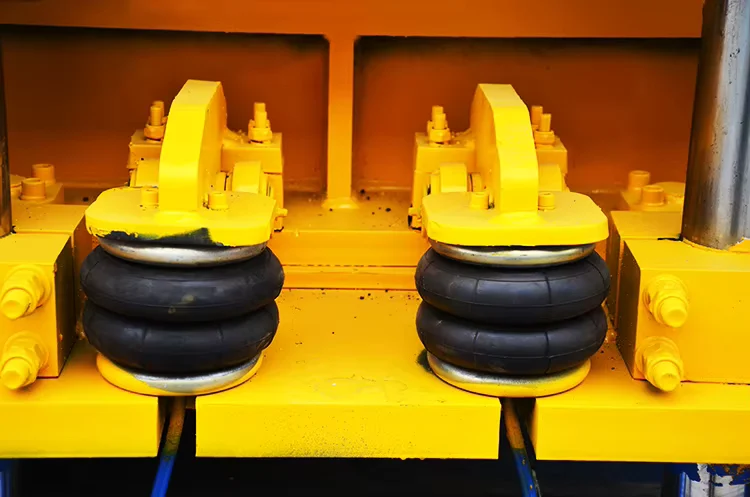
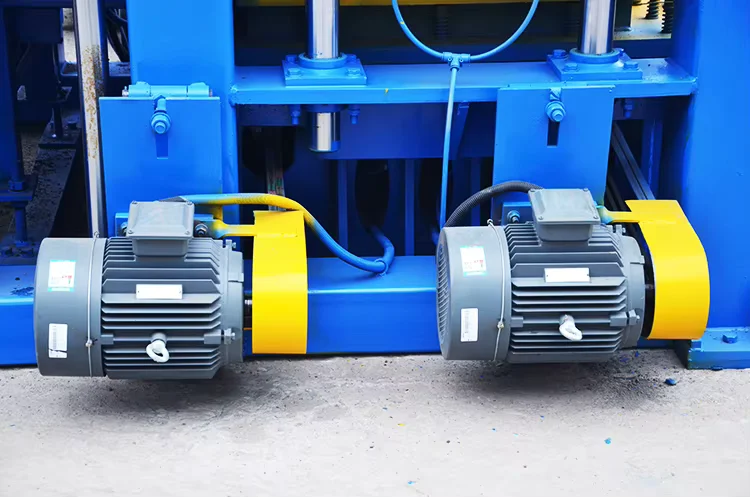
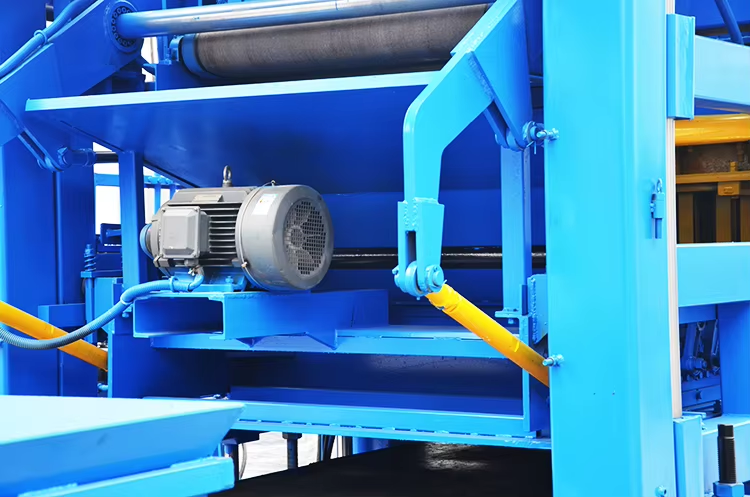
Description
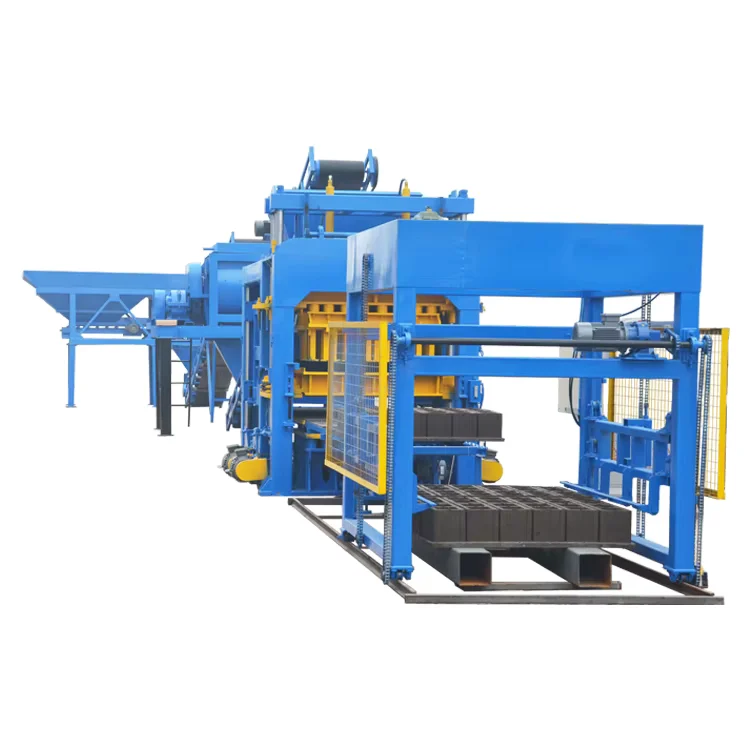
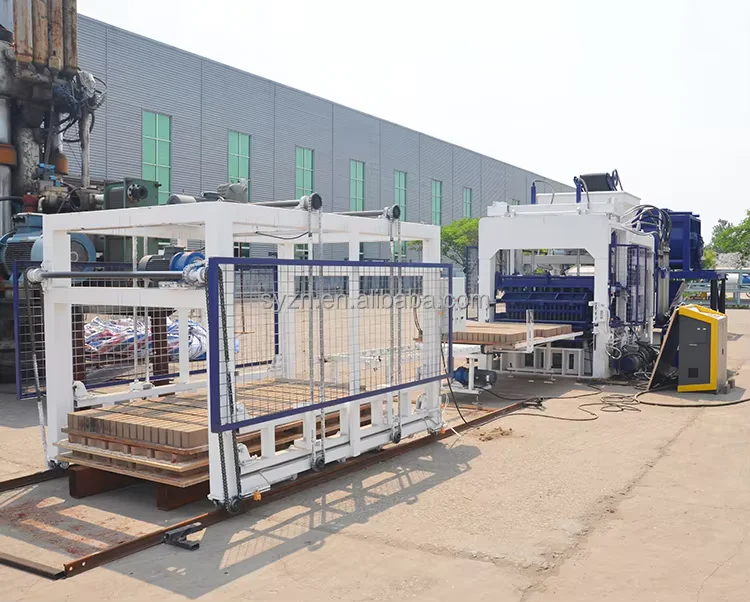
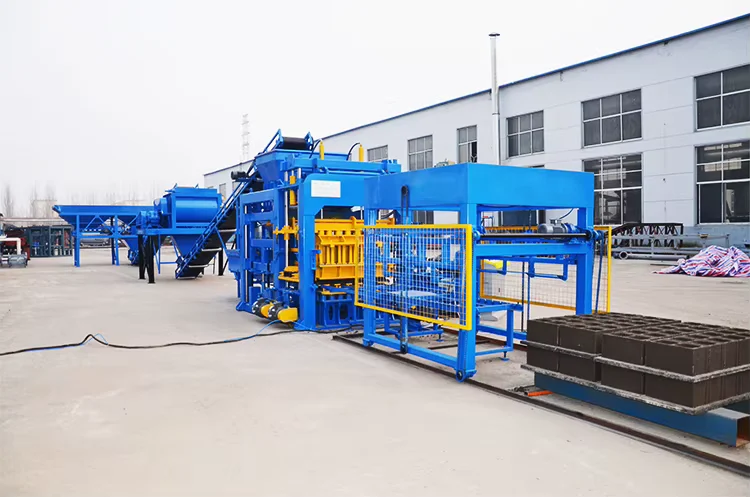
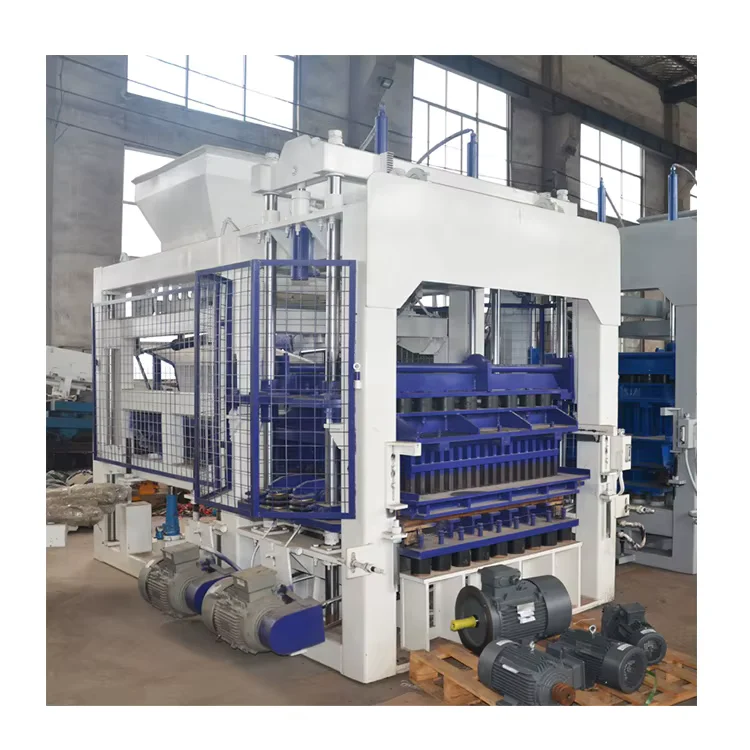
Dispatch-Ready Automation — maintaining a QT12-15 block machine in stock ensures your fully automatic line ships immediately without waiting for custom assembly delays.
Technical Specifications
| Parameter | Value |
|---|---|
| Model | QT12-15 |
| Product Type | Fully Automatic Block Making Machine |
| Production Capacity | 13000 pcs/8 hours (based on 400200200mm block format); 21000 pcs/8 hours (based on 400100200mm block format) |
| Method | Hydraulic pressure |
| Automation Level | Fully Automatic |
| Overall Dimensions (L×W×H) | 480022002700 mm |
| Net Weight | 13500 kg |
| Pallet Size | 115090030 mm |
| Mixer Model | JS750 |
| Voltage | 380V / 415V or customized |
| Core Components | PLC, Engine, Motor, Pump |
| Container Loading | 40 HQ |
| Warranty | 1 Year (2 Years for core components) |
Application Suitability
| Application | Material or Output |
|---|---|
| Construction works | Hollow blocks from cement, sand, and crushed stones |
| Building material shops | Paving blocks and interlocking bricks |
| Energy & mining projects | Solid blocks and curbstones for site infrastructure |
| Manufacturing plants | High-volume standard block formats for commercial supply |
Why Shed Dimensions Dictate Your Dispatch Schedule
Ordering a fast delivery block production line without verifying site clearances turns a rapid deployment into a structural nightmare.
Measure the roof height before the container leaves the port.
I spent years planning line layouts for Middle East project sites after running QC tests. Once, a client ordered a fully automatic block machine of this class without checking the shed height. The automatic stacker hit the roof on arrival, forcing the crew to cut the steel structure and delaying the entire handover. Now, I verify every site dimension before confirming a dispatch date [NEED_CITE: standard industrial shed clearance requirements for automatic stacking equipment].
Container Loading and Dismantling Protocols
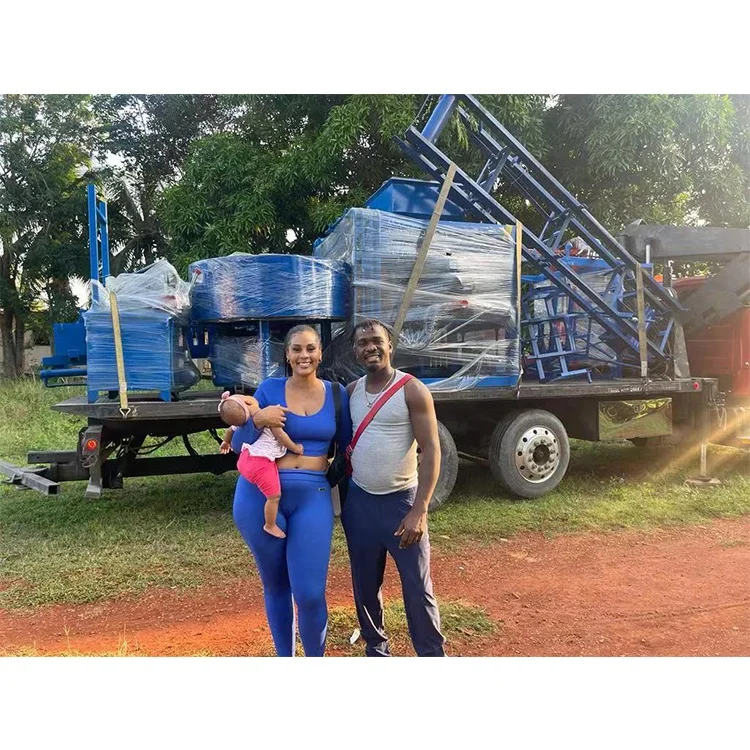
Getting a QT12-15 block machine in stock onto a vessel requires precise dismantling. The main press, hydraulic station, and JS750 mixer are broken down into modular assemblies that fit securely inside a single 40 HQ container. This pre-planned dismantling procedure prevents port delays and ensures the equipment arrives at your destination ready for immediate reassembly.
Upfront Arrival Estimates for Tight Deadlines
Project managers cannot afford vague shipping windows. When you secure this fast delivery block production line, the dispatch lead time and estimated arrival date are quoted upfront based on your specific destination port. This transparency allows contractors to schedule foundation pouring and electrical rough-ins exactly when the equipment clears customs [NEED_CITE: typical maritime transit variables affecting heavy machinery delivery].
Decoding the Physical and Hydraulic Footprint
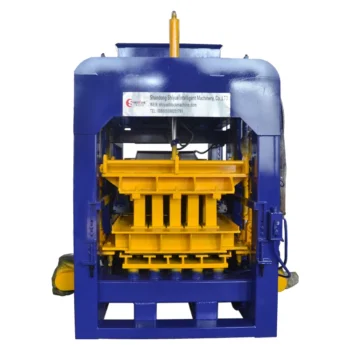
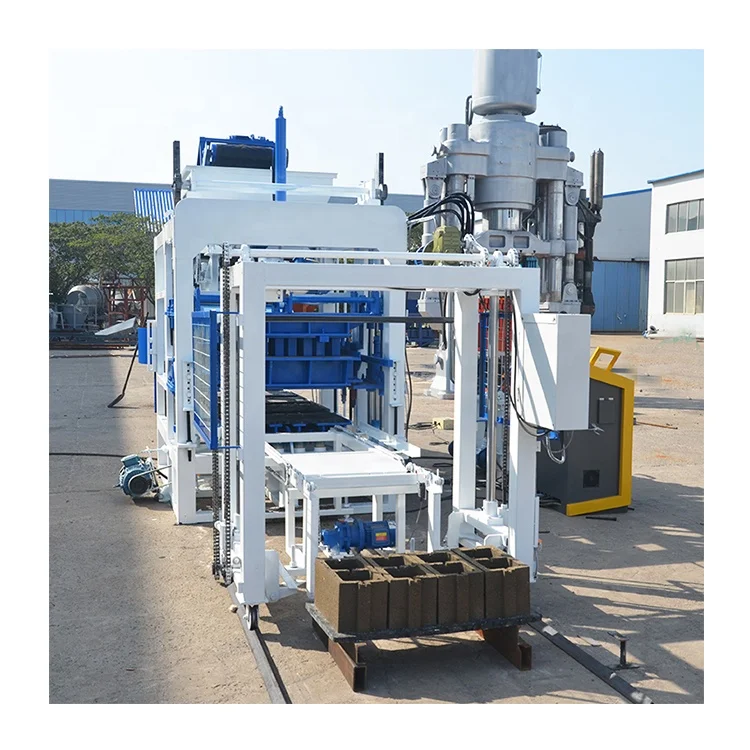
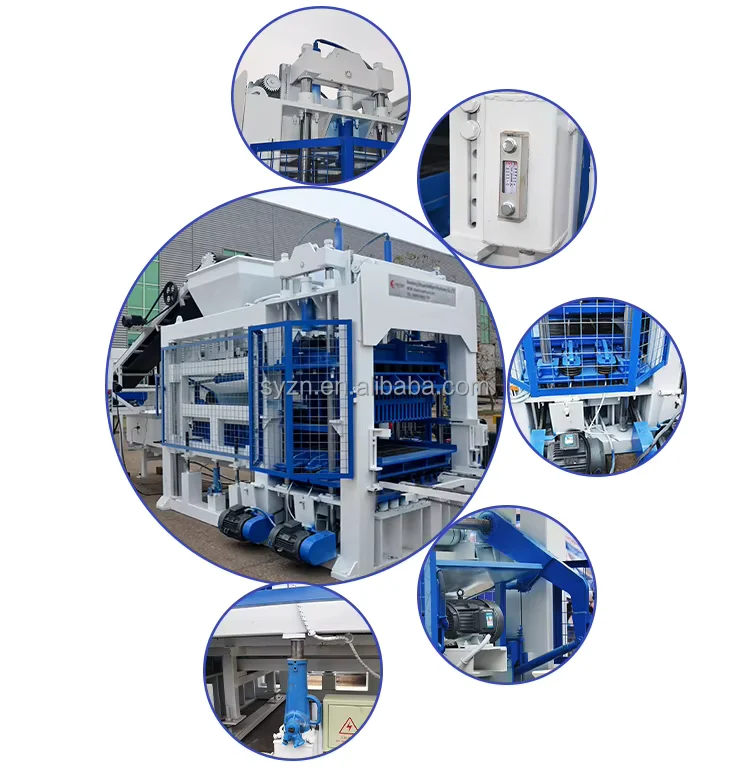
The 480022002700 mm overall dimensions define the absolute minimum shed envelope, but the 2700 mm height specifically dictates the clearance needed for the hydraulic cylinder stroke and pallet feeding mechanism. The hydraulic pressure method relies on the PLC to coordinate the pump and motor, ensuring consistent force application across the 115090030 mm pallet area. Standardizing on this pallet size means your existing curing racks and forklifts can handle the output without requiring secondary handling equipment. The JS750 mixer feeds the press continuously, preventing the hydraulic system from idling between cycles.
The Hidden Costs of Skipping Site Verification
Failing to match the 380V / 415V requirement to your local grid results in burned motors and voided warranties before the first block is pressed. Ignoring the 13500 kg net weight during foundation planning causes the press to shift during the hydraulic cycle, ruining block consistency. Overlooking the 40 HQ unloading requirements leaves heavy modules stranded at the dock because the local forklift lacks the lifting capacity [NEED_CITE: heavy machinery offloading safety and equipment standards].
Why Procurement Speed Matters Here
We keep the QT12-15 block machine in stock so buyers facing strict handover dates do not wait for manufacturing. The machinery test report and video outgoing-inspection are provided before dispatch, proving the hydraulic pressure and PLC core components function correctly. Standard moulds for 400200200 mm and 400100200 mm formats are matched to the press and loaded together. Our professional engineer team handles the installation support, ensuring the dismantled 40 HQ shipment is reassembled correctly on your site.
Documentation & Verification
- Factory test record verifying hydraulic pressure and PLC cycle times before dispatch
- Video outgoing-inspection showing the JS750 mixer and press operating under load
- Machinery test report confirming core component performance and 380V/415V electrical safety
- Container loading plan detailing the dismantling sequence for the 40 HQ shipment
- Pallet specification sheet matching the 115090030 mm dimensions to your curing area
Installation, Commissioning & Support
- Foundation must support the 13500 kg net weight and absorb hydraulic pressure vibration
- Electrical room requires dedicated circuits matching the confirmed 380V / 415V or customized voltage
- Professional engineer team reassembles the dismantled 40 HQ modules on your prepared site
- PLC language and control parameters are calibrated to your specific block format during commissioning
- Operator training covers the JS750 mixer feeding sequence and automatic pallet handling routines
- Wear parts list provided for the hydraulic pump, motor, and press components to ensure continuous operation
Preparing Your Site Data for Dispatch
To finalize the shipping schedule, provide the exact shed height and floor plan to ensure the automatic stacking components clear the roof. Confirm your local voltage and frequency so the PLC and motor are configured before the container is sealed. Finally, specify your target block format from the supported sizes so the correct standard moulds are loaded into the 40 HQ alongside the main press.
Frequently Asked Questions
Q: What is the exact dispatch lead time for a stocked machine?
A: Because we maintain this model in stock, the dispatch lead time is limited to the days required for final outgoing inspection, dismantling, and container loading. We provide an upfront arrival estimate based on your destination port immediately upon order confirmation, allowing you to align your site preparation and customs clearance without guessing.
Q: How is the equipment dismantled for the 40 HQ container?
A: The main press, hydraulic station, and JS750 mixer are broken down into modular assemblies designed specifically to fit inside a standard 40 HQ container. This planned dismantling ensures safe transit and allows your local crew to offload and reassemble the components efficiently using standard site equipment upon arrival.
Q: Are standard moulds ready to ship with the press?
A: Yes, standard moulds for common block sizes like 400200200 mm and 400100200 mm are kept in stock. We load the required moulds directly into the container with the main press, eliminating secondary manufacturing delays and ensuring you can start production immediately after commissioning.
Q: Can the voltage be adjusted quickly before dispatch?
A: The electrical system is configurable to 380V, 415V, or customized standards. Once you confirm your local site conditions, we adjust the motor, pump, and PLC wiring during the final pre-dispatch testing phase, ensuring the machine is ready to connect to your grid the moment it is reassembled.