Description
Dispatch Certainty — Every QT8-15 block machine leaves our Linyi workshop with a documented packing list and container loading plan before you sign, so your project timeline never depends on a guess.
Technical Specifications
| Parameter | Value |
|---|---|
| Model | QT8-15 |
| Product Type | Hydraulic Block Making Machine |
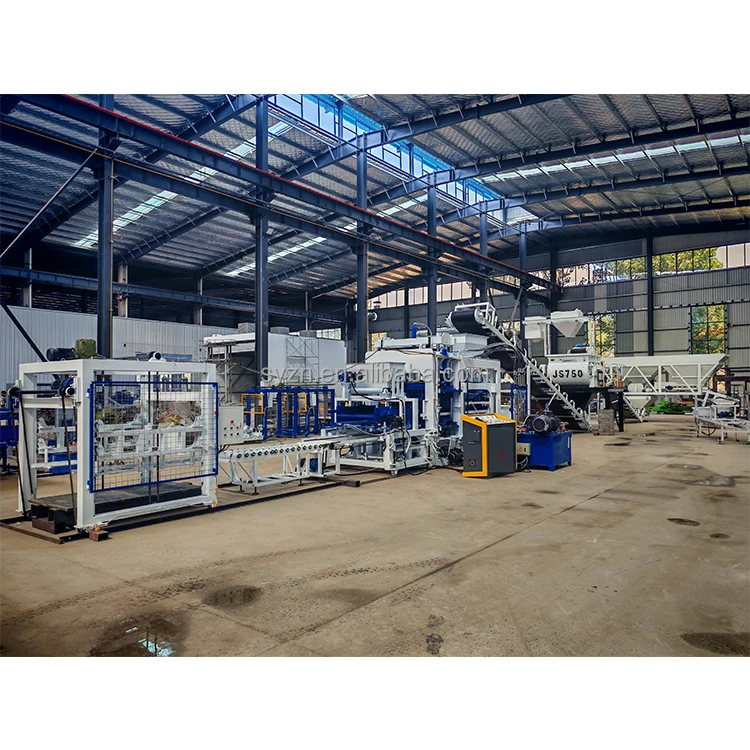
| Overall Dimensions (L×W×H) | 8300 × 1860 × 3000 mm |
| Total Mass | 8 T |
| Rated Pressure | 21 MPa |
| Main Vibration Form | Platform Vibration |
| Vibration Frequency | 2800–4500 r/min |
| Vibration Force | 45 kN |
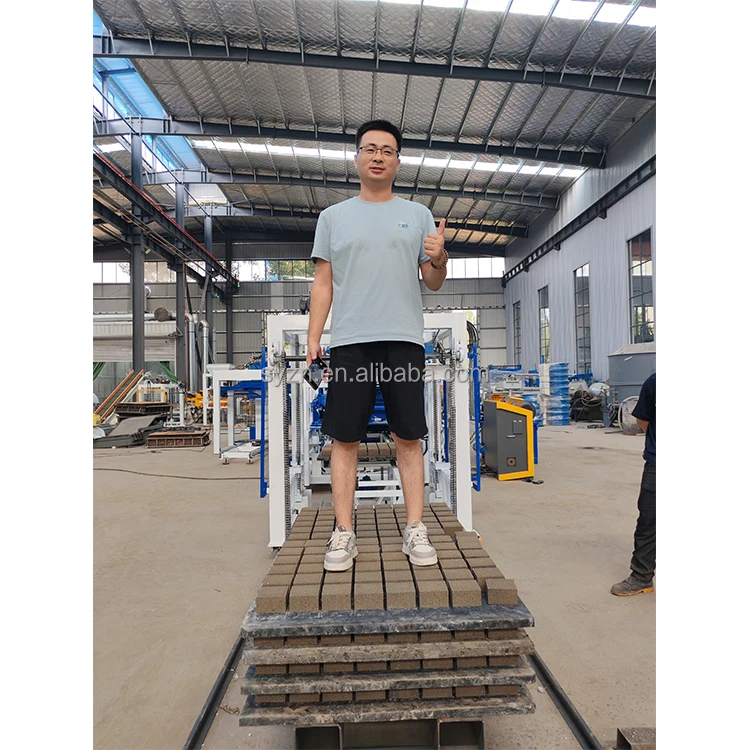
| Pallet Size | 950 × 900 mm |
| Molding Cycle | 15–20 s (basis not stated in source — confirm block format / material / thickness) |
| Overall Power | 55.5 kW |
| Demolding Method | Hydraulic |
| Factory Area | 300 m² |
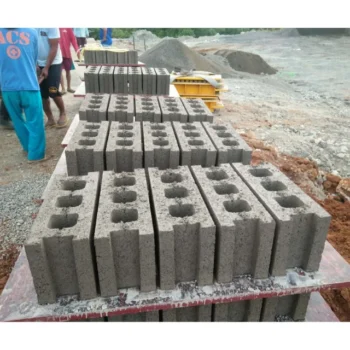
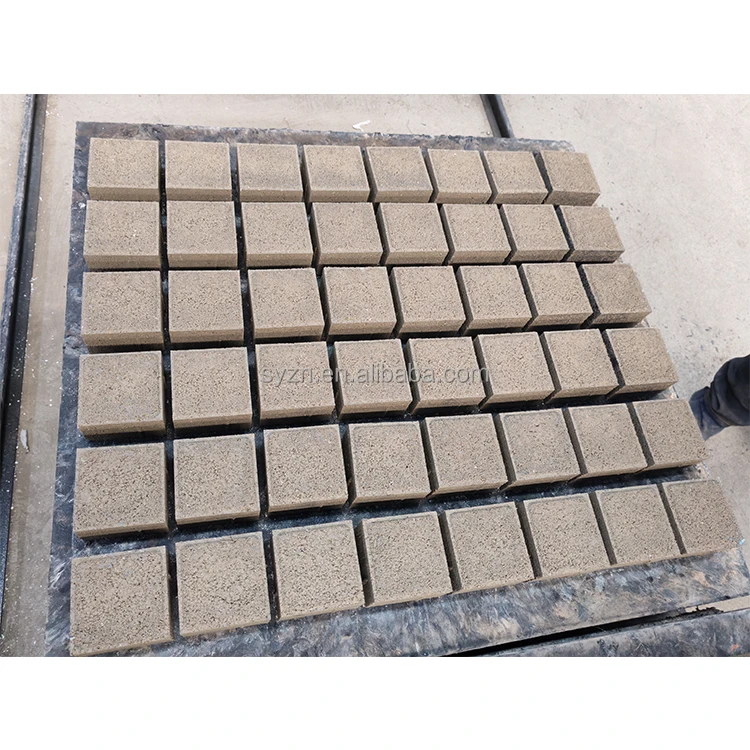
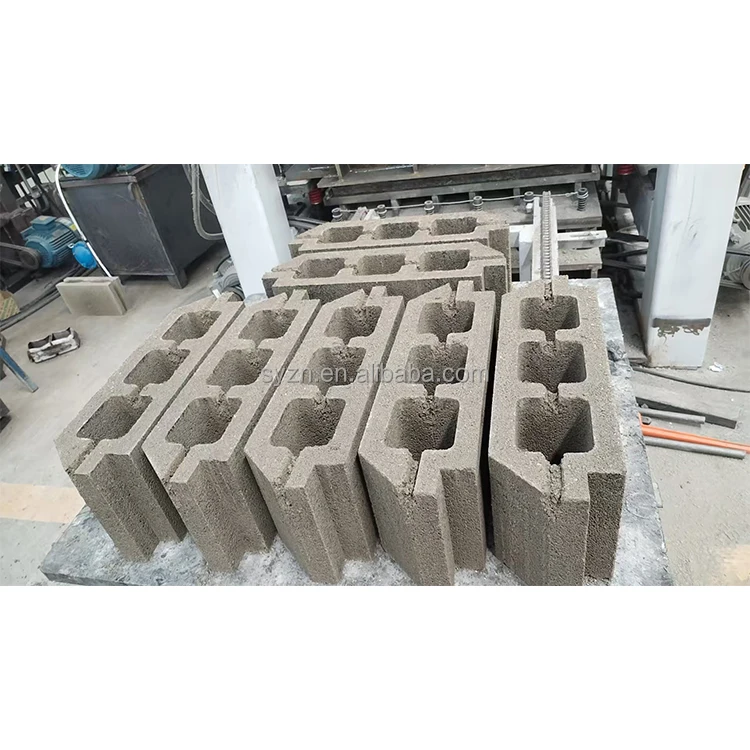
| Applied Products | Concrete blocks, hollow/solid blocks, pavers, interlocking blocks, curbstone, colored pavers |
| Raw Material | Crushed stone, sand, cement, fly ash, gravel, slag |
Application Suitability
| Application | Material or Output |
|---|---|
| Hollow block production for residential walling | Crushed stone, sand, cement mix |
| Solid block manufacturing for load-bearing structures | Gravel, cement, fly ash blend |
| Paving block output for municipal walkways | Fine aggregate, cement, pigment |
| Interlocking block production for retaining walls | Sand, crushed stone, cement |
| Curbstone forming for road edging | Coarse aggregate, cement, slag |
| Colored paver runs for landscape projects | Cement, sand, iron oxide pigment |
Why the Lead Time Promise Matters More Than the Cycle Time
A QT8-15 block machine in stock means your foundation crew is not standing idle while a factory builds from scratch.
Project contractors lose more money to idle labour than to machine downtime. When a housing development hits the block-laying phase, every day the press is late costs a full crew their wages with nothing to show. Yet most quotations bury a production lead time in fine print, and the buyer discovers the real dispatch date only after the deposit clears. I have watched buyers in West Africa lose an entire rainy season because the machine they ordered was still being welded when they expected it on site [NEED_CITE: typical delays in construction equipment procurement]. With this QT8-15 block machine, stock status, container loading plan, and an estimated arrival window are confirmed in the quotation itself.
Container Loading That Arrives Intact
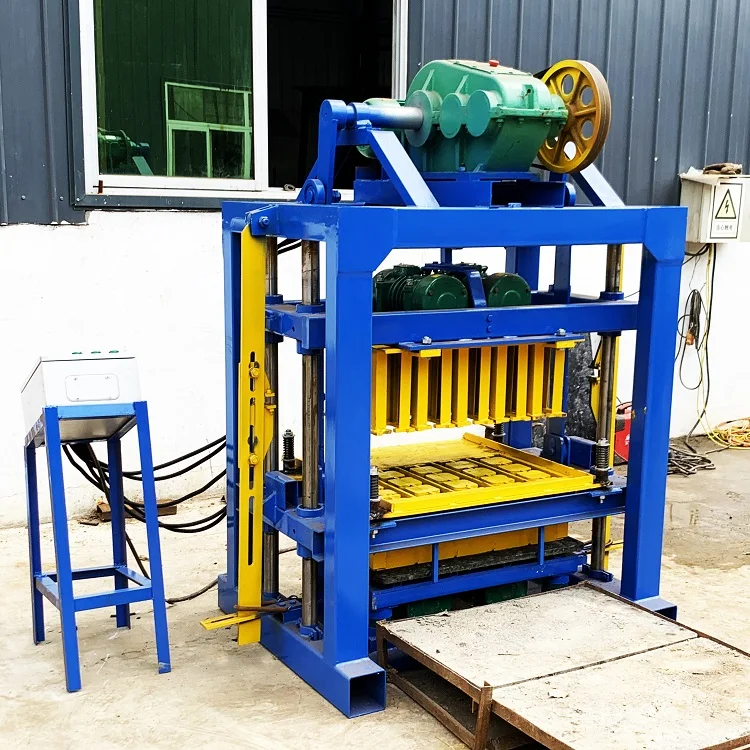
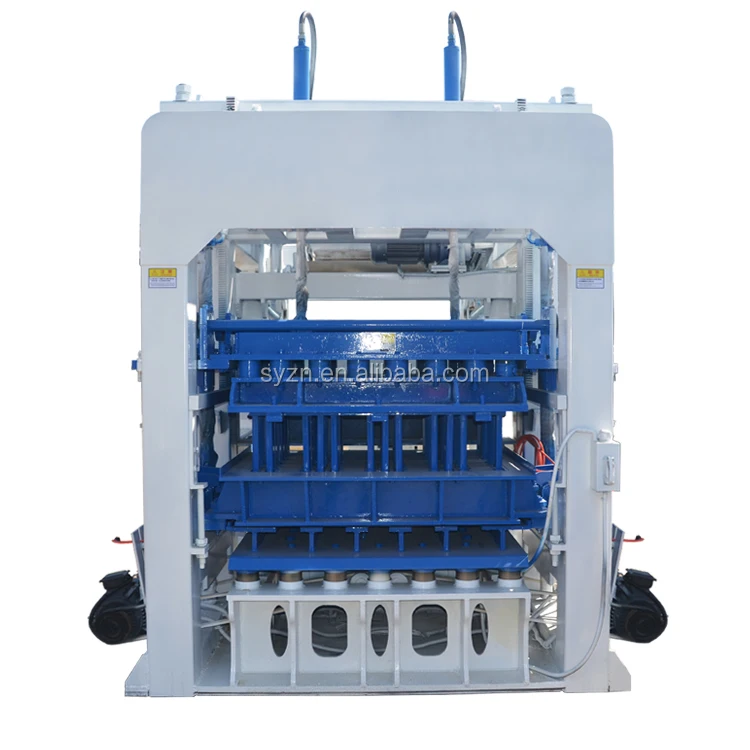
The QT8-15 block machine in stock ships inside a single 40HQ container once dismantled to its major assemblies — host frame, hydraulic station, vibration platform, and control cabinet. Each component is bolted to steel skids and lashed to the container floor so that ocean swell does not shift an eight-tonne frame against the walls. Before the container doors close, a numbered packing list and loading photographs are sent to the buyer, giving the receiving team a visual map for reassembly.
Dispatch Dates You Can Build a Gantt Chart Around
Every order for a QT8-15 block machine in stock receives a written dispatch date tied to the specific serial number reserved for you. If the machine is on the workshop floor, the lead collapses to the days needed for a final factory test, pallet packing, and inland haulage to the port. Built-to-order configurations — non-standard pallet size, custom mould format, or a PLC language not on the shelf — add a clearly stated extension to that timeline [NEED_CITE: shipping logistics variables affecting arrival estimates]. No quotation leaves our desk without the arrival estimate printed next to the machine price line.
Reading the Specs That Actually Decide Block Quality
Platform vibration at 2800–4500 r/min works together with 21 MPa hydraulic pressure to compact the mix from both directions; drop only one of those forces and the block comes out with a dense face but a crumbly core. The 45 kN vibration force is matched to the 950 × 900 mm pallet area so that energy reaches every cavity in a multi-block mould. An 8-tonne machine mass gives the frame enough inertia to absorb vibration without walking across the factory floor, which matters when curing racks sit only metres away. Overall power of 55.5 kW covers the hydraulic pump, vibration motors, and conveyor drives in a single electrical feed — confirm that your site transformer can handle the starting surge before the machine arrives.
What Happens When Stock and Site Do Not Match
Ordering a block press without checking your curing yard dimensions against the pallet size is the most common mistake I see. A 950 × 900 mm pallet that does not fit the buyer’s existing racks forces a manual restacking step, and suddenly the fast cycle time the brochure promised is lost to double-handling. Voltage is another silent schedule-killer: a machine wired for 380 V / 50 Hz landing in a 60 Hz country will run its vibration motors at the wrong speed, producing blocks that fail the drop test. These mismatches do not show up in a catalogue [NEED_CITE: voltage and frequency standards by export market]. They only surface when the container is opened and the electrician shakes his head.
Why Buyers Working to a Deadline Source Here
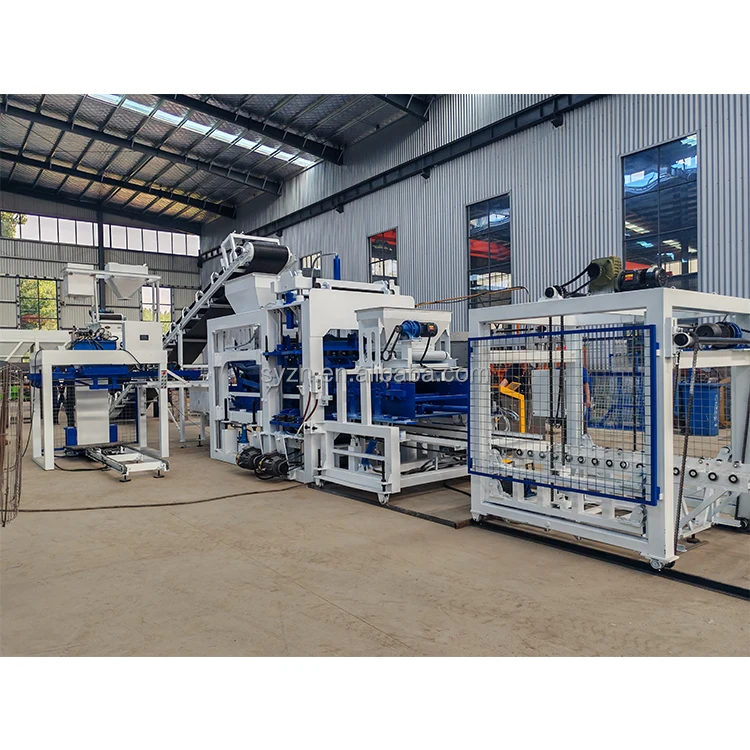
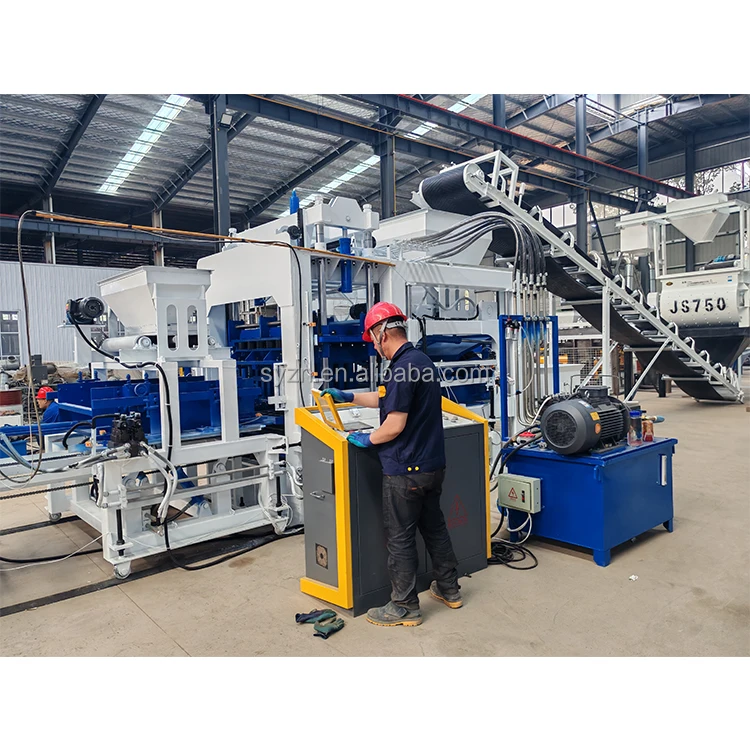
Our Linyi workshop keeps QT8-15 units in finished or near-finished state so that the gap between order and dispatch is measured in days, not months. The machine, mould, pallet, and handling equipment are specified as one matched system, preventing the finger-pointing that happens when separate suppliers deliver mismatched components. Factory test records are generated on your target block format before the machine is crated, not after it arrives. Customs documentation support is included in the shipping package so that port clearance does not add silent days to the timeline. The result is a delivery chain where every date is written down before money changes hands.
Documentation & Verification
- Stock confirmation letter with the reserved serial number and build status
- Factory test record on your target block format before crating
- Container loading photographs and numbered packing list for reassembly reference
- Voltage, frequency, and PLC language confirmation sheet signed before shipment
- Customs paperwork package prepared for your destination port
Installation, Commissioning & Support
- 300 m² factory area footprint plan showing host frame, mixer, and curing rack positions
- 55.5 kW total power demand checked against your site transformer and dedicated circuit
- Dismantled 8-tonne frame reassembled on site with bolt-torque checklist provided
- First-run parameter tuning against your local aggregate and mix design
- Operator training covers mould change, pallet feed, and hydraulic pressure adjustment
- Wear parts list identifies hydraulic seals and vibration motor bearings for local sourcing
What to Prepare Before You Request a Quote
Send the block format your market actually sells — hollow, solid, paver, or interlocking — along with the target daily output and the raw materials available within hauling distance of your site. Confirm the voltage and frequency of your local grid, the PLC display language your operators will read, and the pallet size that matches your existing curing racks and forklift. If you are replacing a failed press, share the footprint of the current machine so the QT8-15 block machine in stock can be matched to your concrete floor without new foundations.
Frequently Asked Questions
Q: Which QT8-15 configurations are stocked and how fast can they ship?
A: Standard pallet size, common mould formats, and default PLC language units are held in finished or near-finished state. Dispatch lead for stocked machines covers the factory test, packing, and inland haulage. Non-standard pallet sizes, custom moulds, or special voltage configurations add a stated extension to that timeline, confirmed in writing before you commit.
Q: How is the machine dismantled for container loading?
A: The host frame, hydraulic station, vibration platform, and control cabinet are separated into major assemblies and bolted to steel skids inside a 40HQ container. A numbered packing list and loading photographs are shared with the buyer so the receiving team knows which crate holds which sub-assembly when the container doors open.
Q: What is the estimated arrival timeline from order to port of discharge?
A: Ocean transit depends on the destination port and sailing schedule at the time of booking. The quotation includes an estimated arrival window based on the current shipping lane, so you can plan site preparation, foundation curing, and raw material stockpiling around a known date range rather than a guess.
Q: Can I visit the factory and see my specific machine before it ships?
A: Yes. Buyers are welcome to witness the factory test run on their target block format before the QT8-15 is crated. The test record documents cycle time, block dimensions, and surface finish, giving you a baseline to compare against once the machine is running on your own raw materials.
Q: What happens to the schedule if I request a non-standard mould format?
A: Custom moulds are designed and machined to your drawings, which adds a defined number of days to the dispatch date. The revised timeline is stated in the updated quotation so your project plan stays accurate. The machine itself is reserved and will not be released to another buyer during that period.