

Global Belt Conveyor for Aggregates 2026 Manufacturer
Heavier steel does not guarantee longer life.
The most critical factor in selecting a Global Belt Conveyor for Aggregates 2026 Manufacturer is not the initial purchase price or the sheer weight of the structural frame, but the alignment between component sealing standards and specific site humidity levels, combined with modular design capabilities that minimize downtime during remote maintenance. Buyers prioritizing total cost of ownership over upfront capital expenditure are shifting focus toward manufacturers who provide verified IP ratings for idlers and integrated predictive maintenance sensors rather than just basic mechanical assemblies.
Walking the aisles at Bauma in Munich, I watched a procurement manager from a large European quarry walk away from a booth after a brief discussion about roller spacing. He wasn’t looking for the cheapest unit. He was asking about the seal type on the idler bearings and how the manufacturer accounted for high-moisture dust infiltration. The sales representative quoted standard domestic specifications, which were insufficient for the wet, abrasive conditions of Northern Europe. That interaction highlighted a gap that persists in the industry: many suppliers build for general use, while serious operators need equipment engineered for specific environmental stressors. My background in quality control taught me to look at weld penetration and belt tension uniformity, but my time in international trade showed me that buyers care more about what happens after the machine leaves the factory floor.
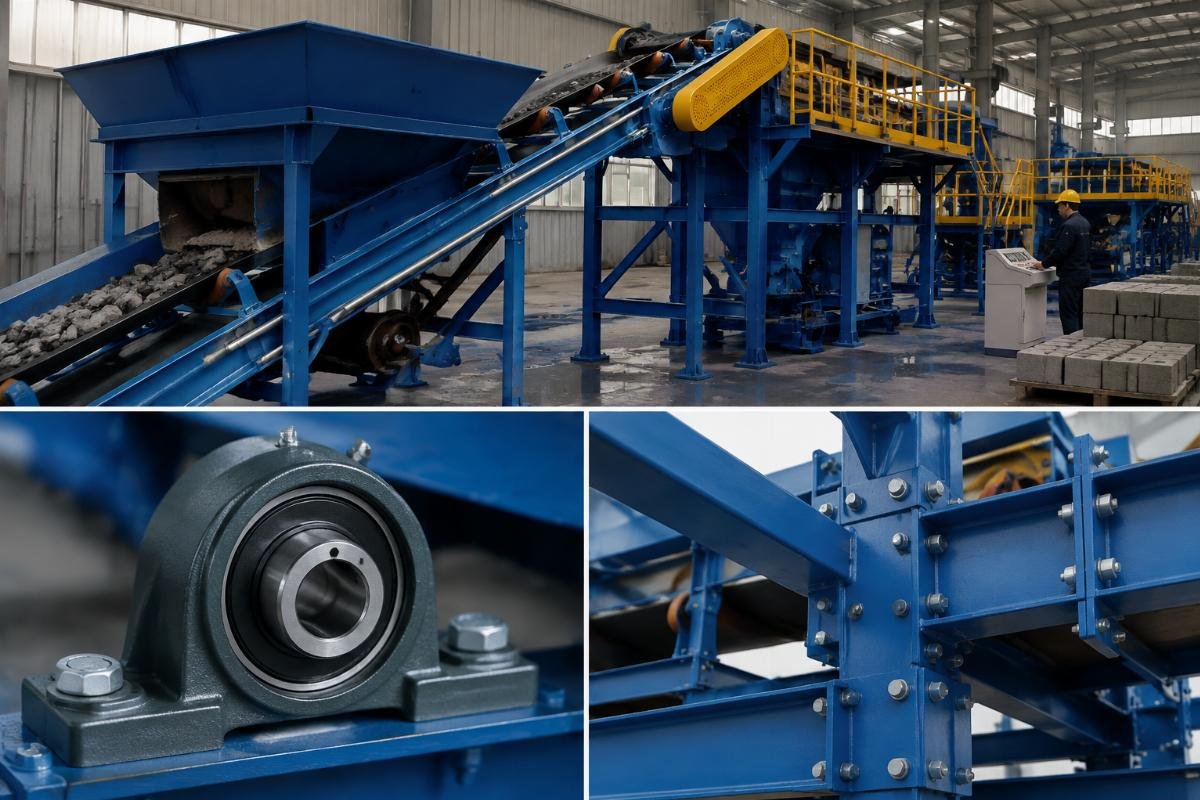
Understanding these nuances is essential when evaluating the Global Belt Conveyor for Aggregates 2026 Manufacturer landscape, as the market moves away from commodity trading toward specialized engineering solutions.
Why Are Aggregate Conveyors Failing Faster in 2026’s Harsh Environments?
Material fatigue is often misdiagnosed as operational overload.
In many cases, premature failure stems from inadequate protection against environmental contaminants rather than excessive load. A case in point involved a client in a high-humidity region who experienced repeated bearing failures within months of installation. The root cause was not the weight of the aggregate but the ingress of fine, moist dust into the idler bearings due to insufficient sealing. [NEED_CITE: correlation between IP rating and bearing life in dusty environments] Manufacturers who cut costs on seal quality often see their products fail prematurely in such conditions, leading to higher long-term maintenance costs for the operator.
The trend in 2026 is toward higher integrity sealing systems. Instead of relying on basic labyrinth seals, leading manufacturers are integrating multi-lip seals with grease purge capabilities. This design prevents contaminant entry while allowing old grease to escape, keeping the bearing clean. For operators in regions with high rainfall or dust, this feature is non-negotiable. It extends the service life of the idlers significantly, reducing the frequency of replacements and the associated labor costs.
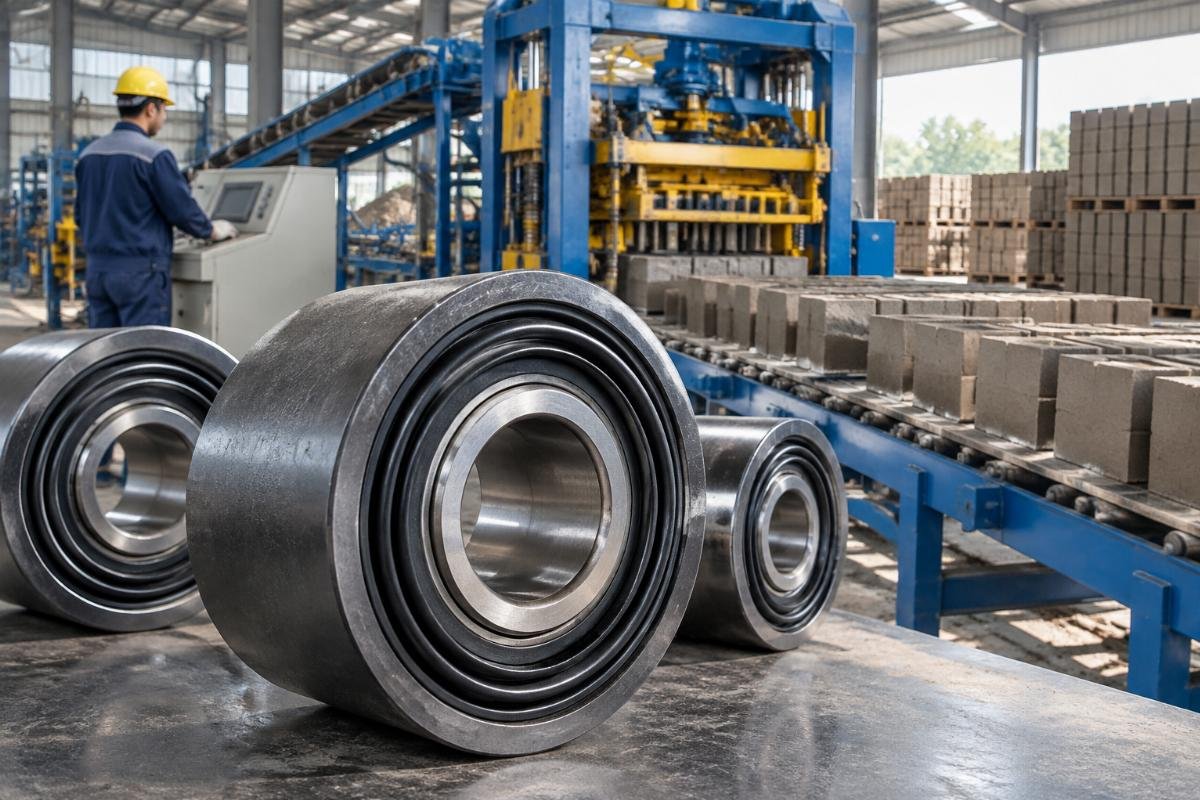
When assessing a Global Belt Conveyor for Aggregates 2026 Manufacturer, ask for detailed specifications on the idler sealing mechanism. A supplier that can provide test data or certification regarding dust and water resistance demonstrates a commitment to durability that goes beyond basic structural integrity. This attention to detail separates transient suppliers from partners invested in the long-term performance of your operation.
What Technical Specs Really Matter for ROI?
Bandwidth alone does not determine efficiency; tension balance does.
A common misconception is that wider belts automatically solve capacity issues. However, without proper tension control and speed matching, wider belts are prone to mistracking and edge wear. The key to maximizing return on investment lies in the precise calculation of belt tension and the selection of appropriate drive systems. [NEED_CITE: DIN/ISO standards for belt tension calculation] Manufacturers who utilize advanced simulation software to model belt behavior under varying loads can optimize the design for minimal energy consumption and reduced wear.
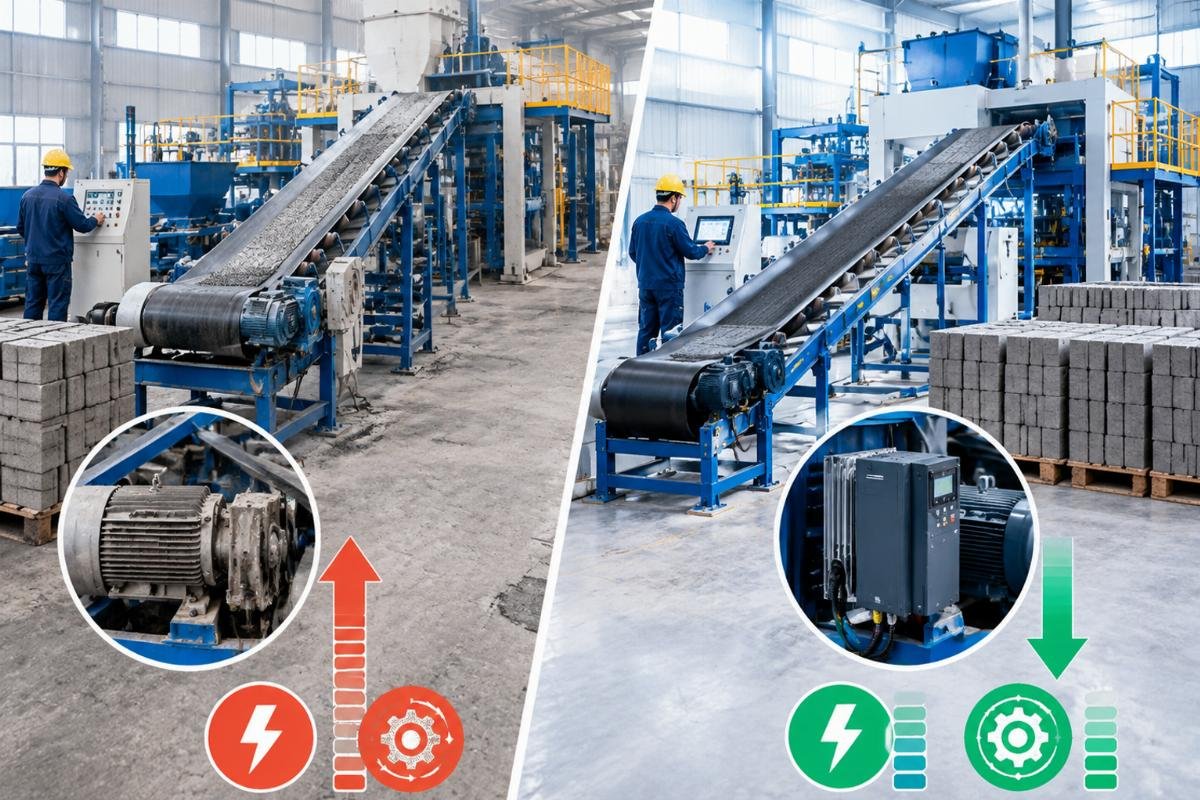
Consider the impact of variable frequency drives (VFDs). In projects with fluctuating feed rates, such as those seen in large infrastructure developments in Latin America, VFDs allow the conveyor to adjust its speed to match the input volume. This not only saves energy but also reduces mechanical stress on the belt and rollers during low-load periods. The result is a noticeable extension in the lifespan of the belt and a reduction in power costs.
| Feature | Basic Specification | Optimized Specification | Impact on ROI |
|---|---|---|---|
| Idler Sealing | Single lip seal | Multi-lip with grease purge | Substantially extended bearing life |
| Drive System | Fixed speed motor | Variable Frequency Drive (VFD) | Noticeably reduced energy consumption |
| Frame Design | Welded solid structure | Modular bolted sections | Faster field replacement and lower logistics cost |
| Belt Tracking | Manual adjustment | Self-aligning idlers | Reduced edge wear and maintenance time |
This table illustrates how specific technical choices influence long-term value. When engaging with a Global Belt Conveyor for Aggregates 2026 Manufacturer, prioritize those who offer optimized specifications tailored to your operational profile rather than generic off-the-shelf solutions. The initial cost difference is often offset by the savings in maintenance and energy over the first year of operation.
How Is Automation Changing Maintenance Cycles?
Predictive alerts replace scheduled guesswork.
The integration of IoT sensors into conveyor systems is transforming maintenance from a reactive task to a proactive strategy. Sensors monitoring vibration, temperature, and belt alignment can detect anomalies before they lead to catastrophic failure. [NEED_CITE: role of IoT sensors in predictive maintenance for mining equipment] This shift allows operators to schedule repairs during planned downtimes, avoiding costly unplanned stoppages.
In remote mining operations, such as those in parts of Africa, the logistics of sourcing spare parts can be challenging. A sudden breakdown can halt production for days while waiting for components to arrive. Modular design plays a crucial role here. Conveyors built with standardized, interchangeable modules allow for quicker swaps of damaged sections. Instead of welding new parts on-site, technicians can bolt in pre-assembled modules, restoring functionality in a fraction of the time.
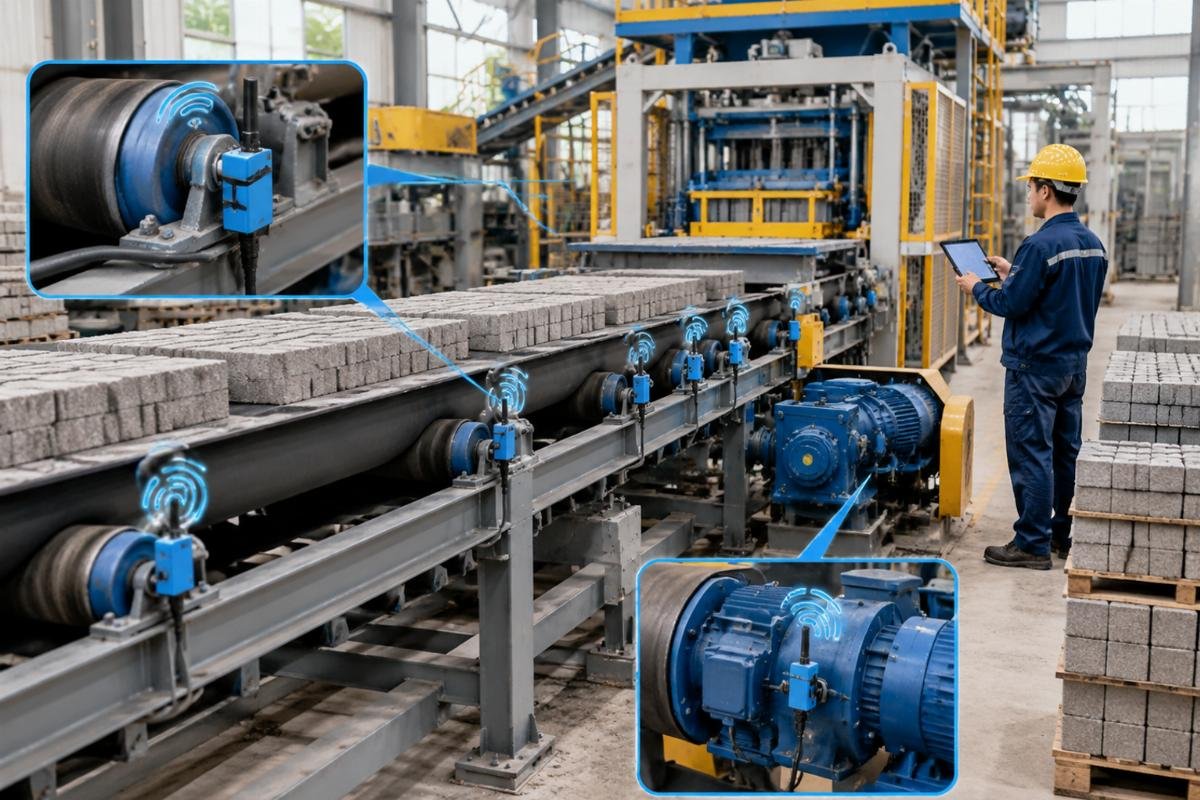
A manufacturer that offers both smart monitoring capabilities and modular construction provides a dual layer of protection against downtime. This approach is particularly valuable for EPC contractors managing tight project schedules. By reducing the time required for maintenance and repairs, these features contribute directly to the overall efficiency and profitability of the project. When evaluating a Global Belt Conveyor for Aggregates 2026 Manufacturer, inquire about their support for digital integration and the modularity of their designs.
Which Regional Standards Are Reshaping Manufacturing?
Certification is not just paperwork; it is a design constraint.
Different regions impose varying regulatory requirements that influence conveyor design. In Europe, CE marking requires strict adherence to safety directives, including guardrail heights, emergency stop accessibility, and noise limits. In other markets, local certifications may focus more on structural load capacities or electrical safety standards. [NEED_CITE: impact of regional certifications on conveyor design parameters] Manufacturers who design with these global standards in mind can offer products that are compliant across multiple regions, simplifying the procurement process for international buyers.
For instance, a project in the Middle East might require equipment that can withstand extreme temperatures and sand abrasion, while a project in Southeast Asia might prioritize corrosion resistance due to high humidity. A versatile manufacturer will adjust material selections and coating processes to meet these specific environmental challenges. This adaptability ensures that the equipment performs reliably regardless of the location.
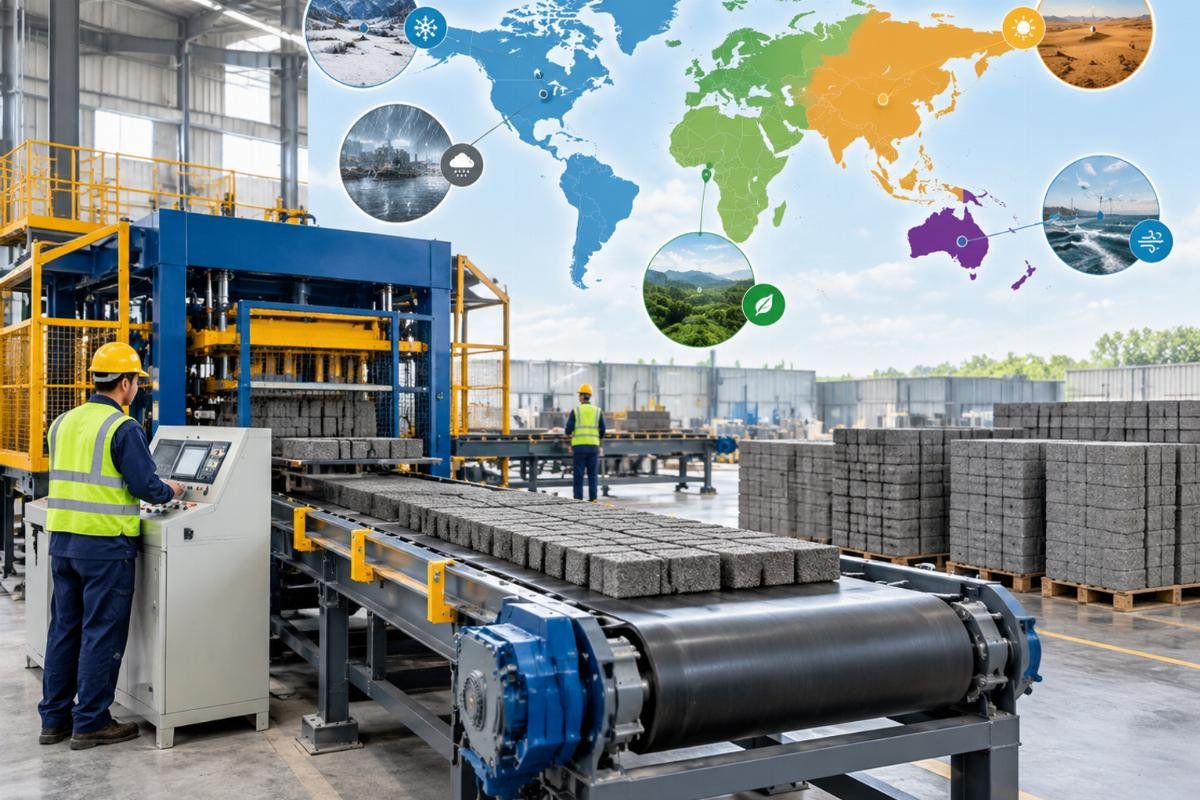
Choosing a Global Belt Conveyor for Aggregates 2026 Manufacturer with a proven track record of meeting diverse international standards reduces the risk of compliance issues and ensures smoother project execution. It also indicates a level of engineering maturity that is capable of handling complex, multi-regional projects.
Conclusion
Durability is engineered, not assumed.
The 2026 market for aggregate conveyors rewards buyers who look beyond the price tag to evaluate sealing integrity, modular design, and smart maintenance features. By focusing on these technical aspects, operators can achieve lower total cost of ownership and higher reliability. Selecting a Global Belt Conveyor for Aggregates 2026 Manufacturer who understands these priorities ensures a partnership built on performance and long-term value.
Leave a Reply