

Description
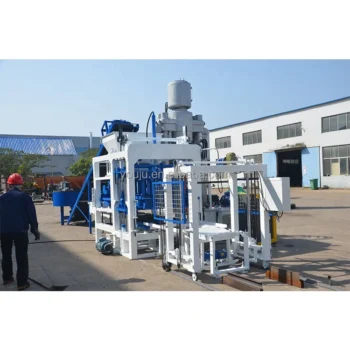
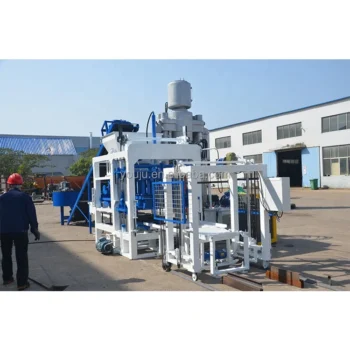
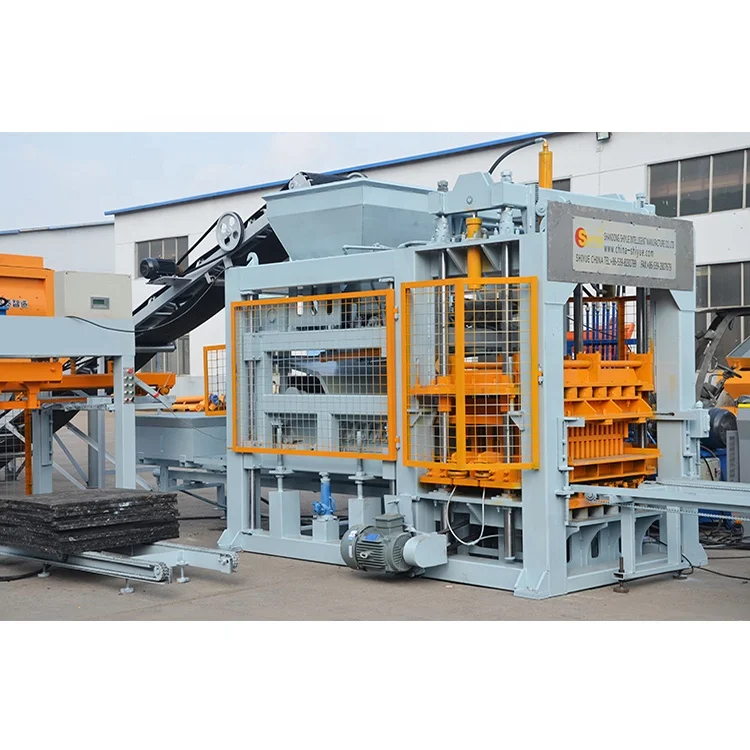
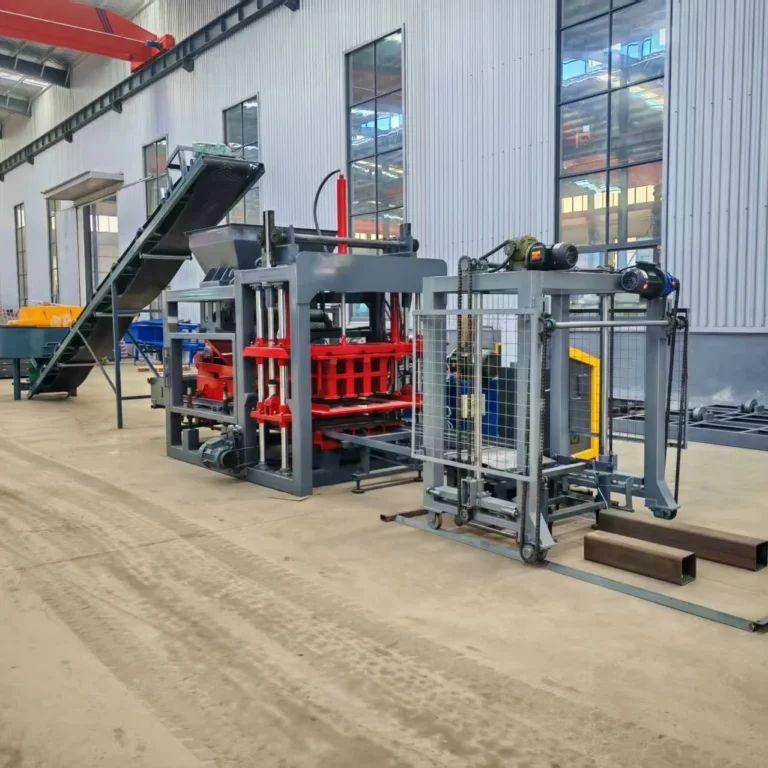
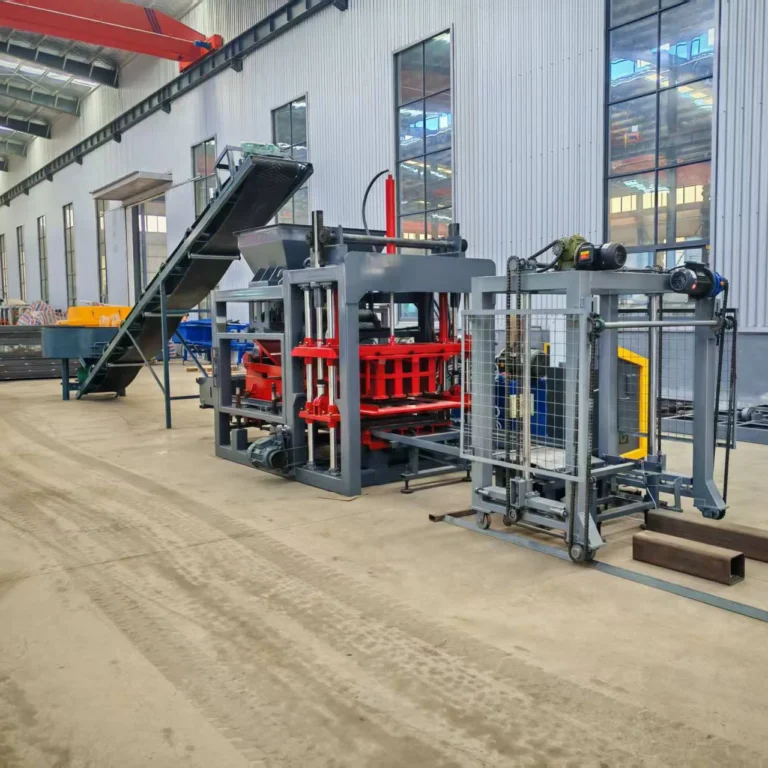
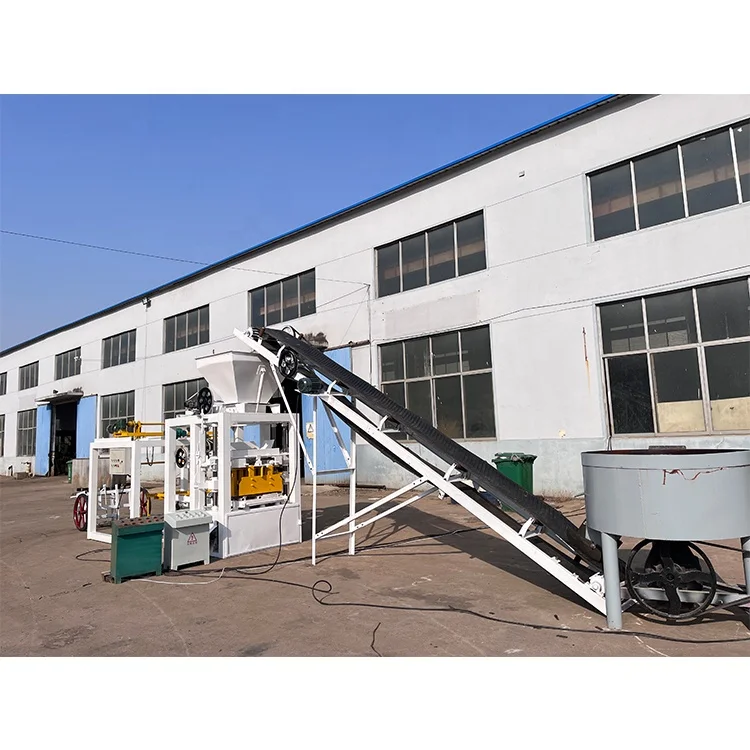
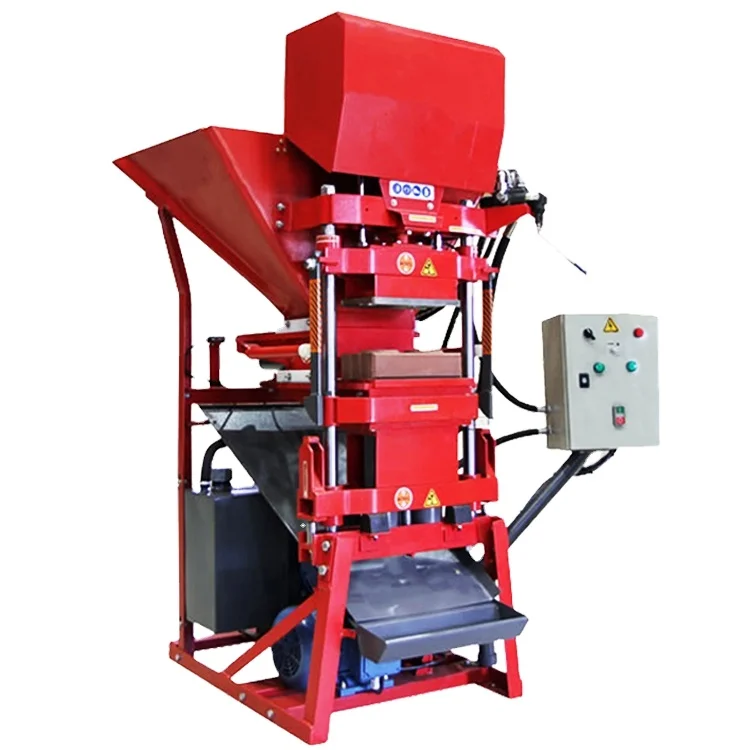
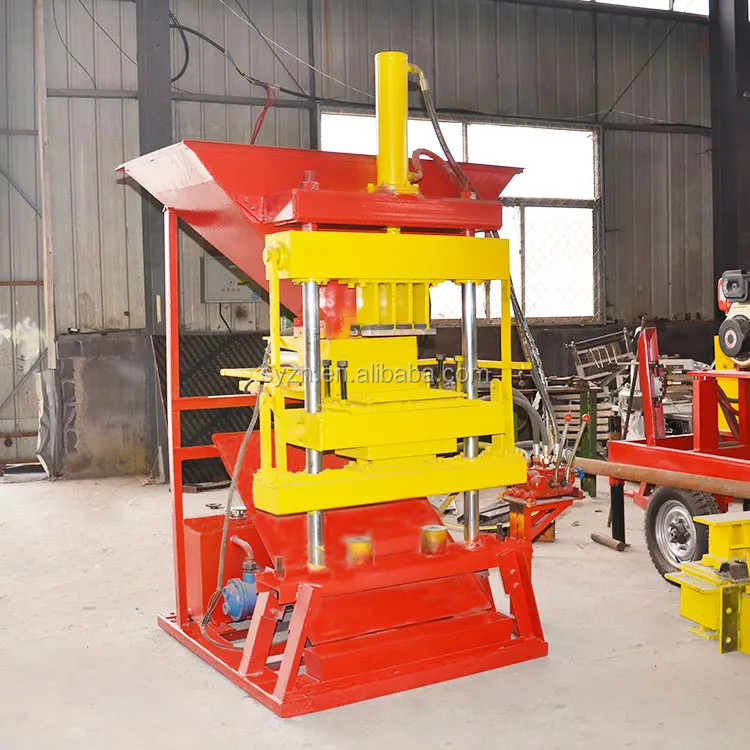
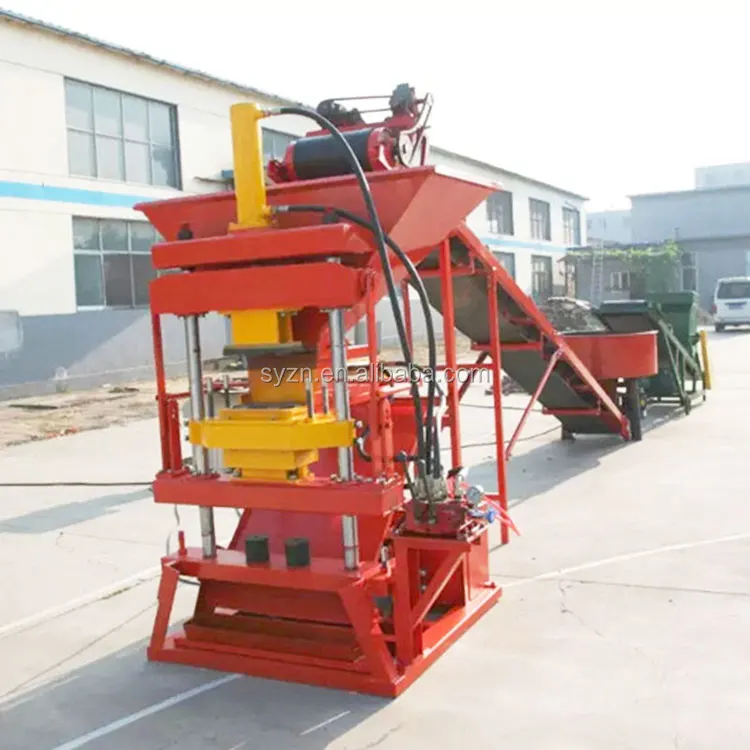
Stocked configuration — machines are assembled, tested, and photographed in our Linyi workshop before dispatch, so the ECO 2700 interlocking clay brick machine in stock ships as a verified unit rather than an untested build.
Technical Specifications
| Parameter | Value |
|---|---|
| Model | ECO 2700 |
| Product Type | Interlocking Clay Brick Machine |
| Overall Dimensions (L×W×H) | 1000 × 1000 × 1800 mm |
| Total Mass | 1000 kg |
| Power Source | Electric motor or diesel engine (selectable) |
| Rated Power | 7.5 kW (electric) / 12 HP (diesel) |
| Hydraulic Pressure | 16 MPa |
| Cycle Time | 10–15 s |
| Output Capacity | 2500–3000 pcs/day (8 h) (basis not stated in source — confirm block format, material, and thickness before ordering) |
| Productivity (300×150×100 mm block) | 1 pc/mould, 320–400 pcs/h, 2500–3000 pcs/day (8 h) |
| Productivity (250×125×60 mm block) | 1 pc/mould, 320–400 pcs/h, 2500–3000 pcs/day (8 h) |
| Automation Level | Semi-automatic or automatic (configurable) |
| Pallet Requirement | Palletless operation |
| Voltage & Frequency | 380 V, 3-phase, 50 Hz (customizable to local voltage) |
| Mould Format | Interlocking brick (300×150×100 mm, 250×125×60 mm listed) |
| Raw Material | Clay (80–97%) + Cement (0–8%) + Water (~3%) |
| Warranty | 1 year (excluding wearing parts) |
Application Suitability
| Application | Material or Output |
|---|---|
| On-site housing project brick production | Clay and cement-clay mix, palletless interlocking format |
| Small-scale brick plant start-up | Clay with up to 8% cement stabilisation, 300×150×100 mm or 250×125×60 mm bricks |
| Distributor fulfilment of immediate brick orders | Interlocking clay bricks for wall construction, no curing rack infrastructure needed |
| Remote-site construction without grid power | Diesel-powered operation on clay-cement mix, 12 HP engine |
Why "2500 Bricks a Day" Can Mislead a Buyer on Deadline
The ECO 2700 interlocking clay brick machine in stock is ready to ship, but its daily output figure only holds true when your clay mix and block format match the test conditions.
I have watched project contractors order a machine based on a brochure number, then arrive on site to find their local clay has a different moisture profile and plasticity than what the factory tested with. The cycle still runs at 10–15 seconds, but the bricks crack during curing or fail a compressive check, so half the day’s run is scrapped. The machine was never the problem — the mismatch between quoted capacity and real material was [NEED_CITE: raw material variability in clay brick production]. Before we confirm a dispatch date, I ask for a sample description of your clay source and any cement ratio you plan to use, because that determines whether the stocked mould and pressure setting will actually deliver usable bricks at the stated rate.
Dispatch Speed Without the Guesswork
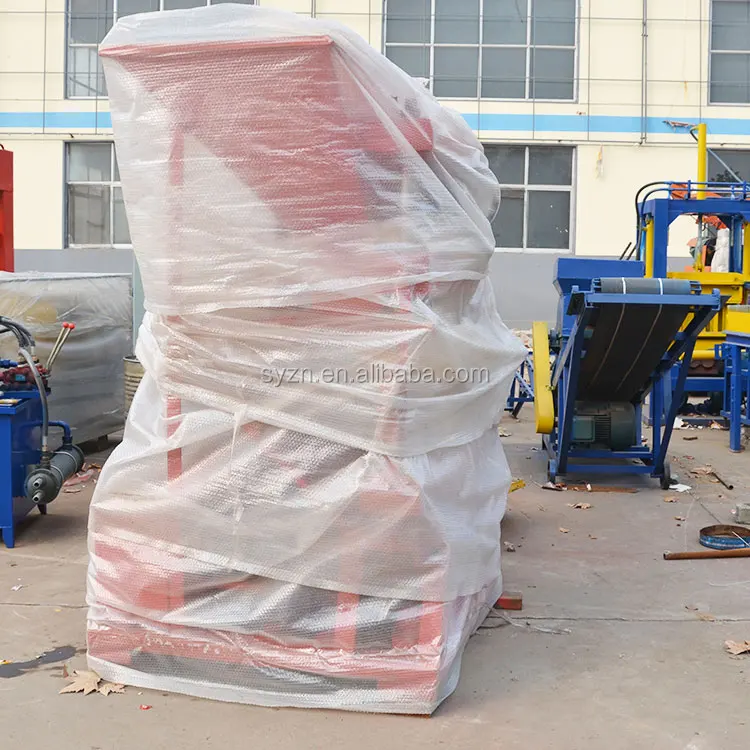
Stock means the ECO 2700 interlocking clay brick machine in stock sits in our Linyi yard assembled and factory-tested, not partially crated waiting for a motor to arrive from a sub-supplier. Once balance payment clears, the machine is scheduled for container loading within one week. Packing photographs and a loading plan are shared before the doors are sealed, so you see exactly what is on the truck before it leaves the gate.
What "Palletless" Actually Removes from Your Site
Palletless operation means freshly pressed interlocking bricks are set directly onto the curing surface by the machine’s lowering mechanism. There is no pallet purchase cost, no pallet return loop to manage, and no forklift traffic moving wet boards from press to rack. For a contractor producing on a cleared slab beside a housing build, this eliminates an entire handling layer. The trade-off is that the curing area must be level and firm enough to receive bricks without distortion — something we verify with you before the machine leaves [NEED_CITE: palletless brick curing surface requirements].
Pressure, Cycle Time, and What They Mean for Your Clay Mix
The 16 MPa hydraulic pressure works together with the mould cavity to compact the clay-cement blend into a dense interlocking profile. At 10–15 seconds per cycle, the press holds long enough for the material to consolidate but short enough to keep throughput viable across an eight-hour shift. Higher clay content (toward 97%) generally needs more pressure to close voids, while a cement-rich mix at the 8% end can tolerate slightly shorter hold times. Matching pressure and cycle to your specific blend is the difference between bricks that pass a drop test and bricks that delaminate on the pallet-free curing bed. The dual-format mould options — 300×150×100 mm and 250×125×60 mm — each have a different fill volume, which shifts the effective hourly count even though cycle time stays constant.
What Happens When Voltage Is an Afterthought
A buyer in West Africa once received a 380 V / 50 Hz machine at a site running 415 V / 60 Hz. The motor overheated within the first shift and the winding insulation failed before we could ship a replacement. Voltage and frequency confirmation should happen before the machine is loaded, not after it arrives. The ECO 2700 interlocking clay brick machine in stock defaults to 380 V three-phase 50 Hz, but the motor and control components can be swapped to match your destination grid if you flag the requirement before dispatch [NEED_CITE: voltage and frequency standards by export market].
Buying from a Single-Focus Brick Machinery Workshop
Block machines, moulds, pallets, and handling equipment are our only product line, so the ECO 2700 is specified as part of a matched system rather than assembled from catalogued parts. Mould formats included in stock ship with the machine; custom profiles are quoted separately with their own lead time. The factory test record is taken on your target brick format, not a generic test block. Container loading is planned around the machine’s 1000×1000×1800 mm footprint and 1000 kg mass to maximise space without dismantling critical assemblies. Semi-automatic or automatic configuration is selectable at order so you can align the machine with the labour you actually have on site.
Documentation & Verification
- Factory test record run on your specified interlocking brick format before dispatch
- Machine specification sheet confirming hydraulic pressure and power source selection
- Mould drawing and format list showing which profiles ship with the stock unit
- Voltage and frequency confirmation document matched to your destination grid
- Packing photographs and container loading plan shared before shipment
- Operation and maintenance manual covering daily greasing points and mould change steps
Installation, Commissioning & Support
- Compact 1000×1000×1800 mm footprint fits a single container without major dismantling
- 7.5 kW electric or 12 HP diesel power source matched to your site supply before shipping
- Palletless setup requires a level curing slab — we share surface prep guidance before arrival
- On-site commissioning includes cycle timing adjustment against your local clay blend
- Mould change walkthrough covers both stocked 300×150×100 mm and 250×125×60 mm formats
- Wear parts list identifies seals and hydraulic hoses for first reorder planning
What We Need from You Before Confirming Dispatch
Share your clay source description, planned cement ratio, and target brick format so we can confirm the stocked mould and pressure setting suit your material. Tell us your site voltage and frequency, and whether you need the electric or diesel power option. If you are working to a project deadline, give us the required arrival date so we can back-calculate the latest viable dispatch window and container routing.
Frequently Asked Questions
Q: What is the current stock status and dispatch lead time for the ECO 2700?
A: The ECO 2700 interlocking clay brick machine in stock is assembled and available in our Linyi yard. After balance payment, container loading is typically scheduled within one week. We provide the machine serial number and factory test record so you can verify the exact unit before it ships.
Q: How is the machine packed and loaded — will it fit in a standard container?
A: At 1000×1000×1800 mm and 1000 kg, the ECO 2700 fits inside a standard 20-foot container. We share packing photographs and a loading plan before sealing the doors. Critical hydraulic and mould assemblies stay mounted to reduce on-site rework after arrival.
Q: Can the motor voltage be customized before shipment, and how long does that take?
A: The default is 380 V, 3-phase, 50 Hz. If your site runs a different voltage or frequency, we swap the motor and verify control components before dispatch. This typically adds a short window to the loading schedule, which we confirm at order placement.
Q: Which mould formats ship with the machine from stock versus made to order?
A: The two listed interlocking formats — 300×150×100 mm and 250×125×60 mm — are the standard moulds included with stock units. Additional or custom profiles are quoted with their own production lead time and shipped separately or consolidated if timing aligns.
Q: What is the arrival estimate from dispatch to destination port?
A: Transit time depends on the destination port and shipping route chosen. We quote an estimated arrival window at the time of order based on current sailing schedules, so you can align the machine delivery with your project start date and site preparation timeline.