
Description
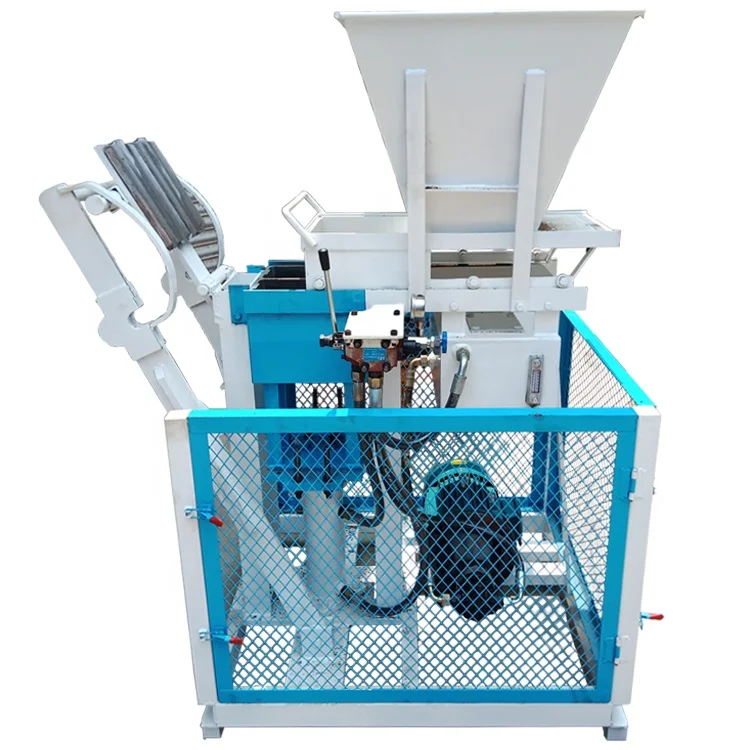
Dispatch-Ready Inventory — Every ECO BRB compressed earth block machine leaves our Linyi yard only after voltage, PLC language, and mould format are confirmed against your site conditions, not assumed from a catalogue default.
Technical Specifications
| Parameter | Value |
|---|---|
| Model | ECO BRB |
| Product Type | Compressed Earth Block Machine |
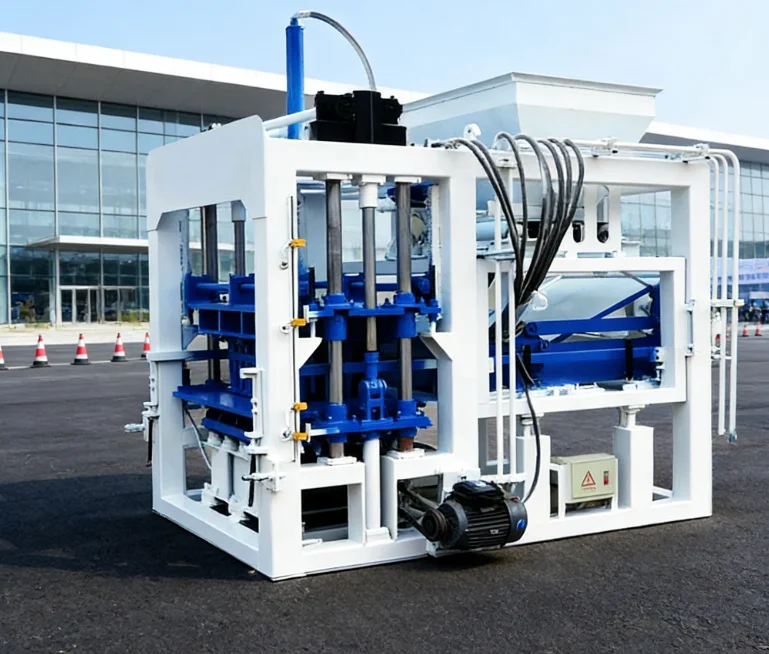
| Overall Dimensions (L×W×H) | 1490 × 980 × 1970 mm |
| Pressure System | Hydraulic |
| Pallet Requirement | No pallets required |
| Molding Cycle | 15–20 seconds |
| Overall Power | 4.5 kW |
| Total Mass | 850 kg |
| Daily Capacity | About 3,800 pieces per shift (basis to be confirmed — depends on block format, material, and wall thickness) |
| Raw Material Compatibility | Cement or clay |
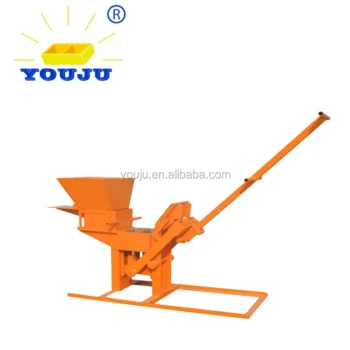
| Key Features | No-pallet operation, hydraulic pressing, interlocking mould compatibility, compact footprint for container loading |
Application Suitability
| Application | Material or Output |
|---|---|
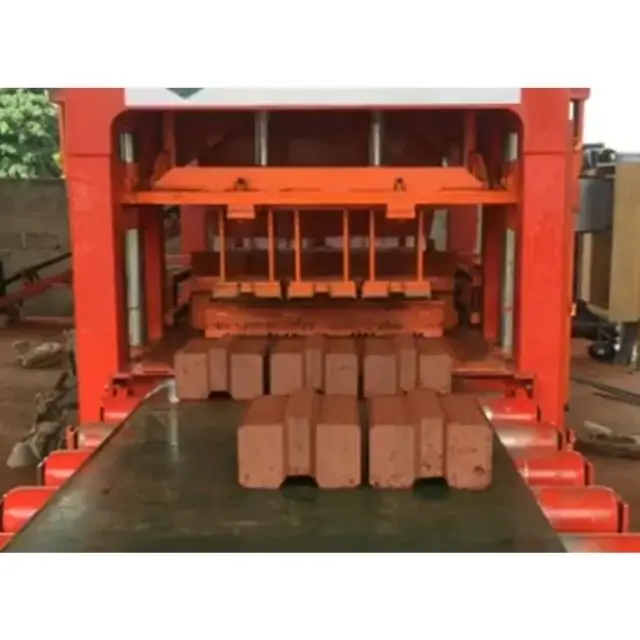
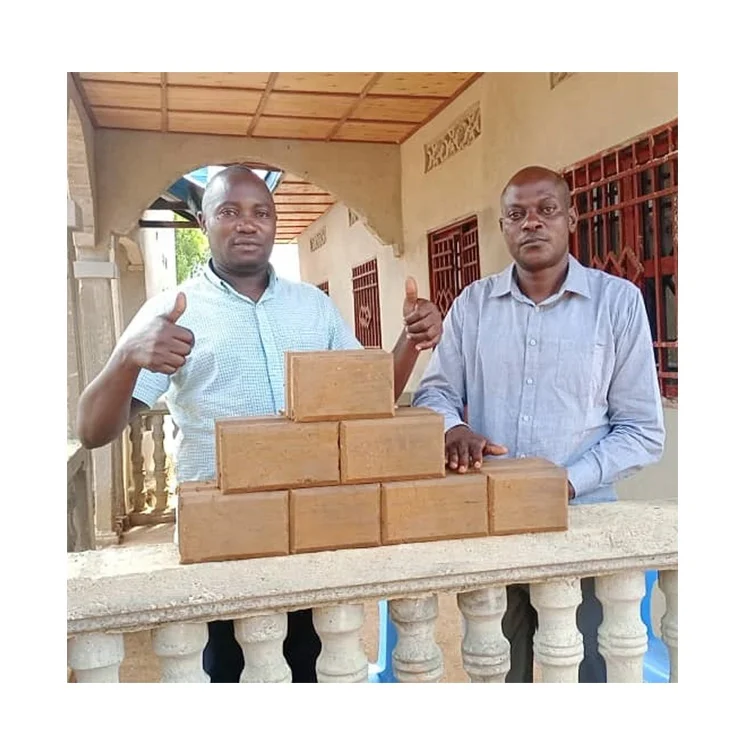
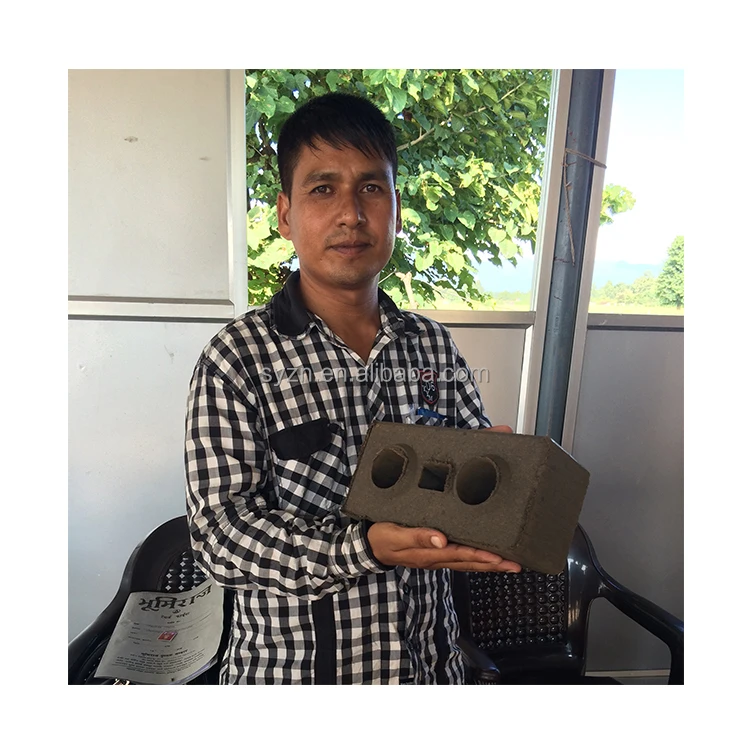
| Interlocking brick production for housing projects | Clay or cement-based earth mix |
| On-site compressed earth block forming for contractors | Locally sourced clay with cement stabilisation |
| Paving brick runs for landscaping and municipal work | Cement-bound aggregate or clay blend |
| Solid brick manufacturing for load-bearing walls | High-density clay-cement mix |
Why Voltage Confirmation Must Happen Before the Machine Ships
A clay interlocking block machine in stock means nothing if the control cabinet cannot talk to the local grid on arrival.
I have watched machines sit idle at port because the motor was wired for 380V/50Hz while the buyer’s country runs 415V/60Hz, or the PLC display showed English menus to a crew that reads only Swahili. The ECO BRB is compact and ships fast, but electrical mismatches still add weeks of on-site rework. Confirming voltage, frequency, and control language before dispatch removes the most common cause of commissioning delays [NEED_CITE: voltage and frequency standards by export market].
Stock Availability and Dispatch Timeline
Buyers working against a construction deadline need a clay interlocking block machine in stock, not a production slot six weeks out. The ECO BRB is held in inventory at our Linyi yard with standard interlocking brick moulds, meaning dispatch can follow within days once electrical and language specifications are locked in. Container loading plans are drawn up at the quotation stage so you know exactly which unit fills the container and how it is dismantled for shipment.
Mould Inventory and Format Matching
The interlocking brick formats your market actually sells dictate which moulds must ship with the machine. Our stock list covers common interlocking profiles used across African and Southeast Asian housing projects, and additional mould formats can be added to the same shipment. Confirming the target block drawing before dispatch ensures the first production run yields saleable product rather than trial-and-error waste. Mould change on the ECO BRB is manual but straightforward, and having the right formats on hand from day one avoids the downtime of waiting for a second consignment [NEED_CITE: common interlocking brick dimensions in Sub-Saharan housing standards].
Reading the Specs That Matter on Site
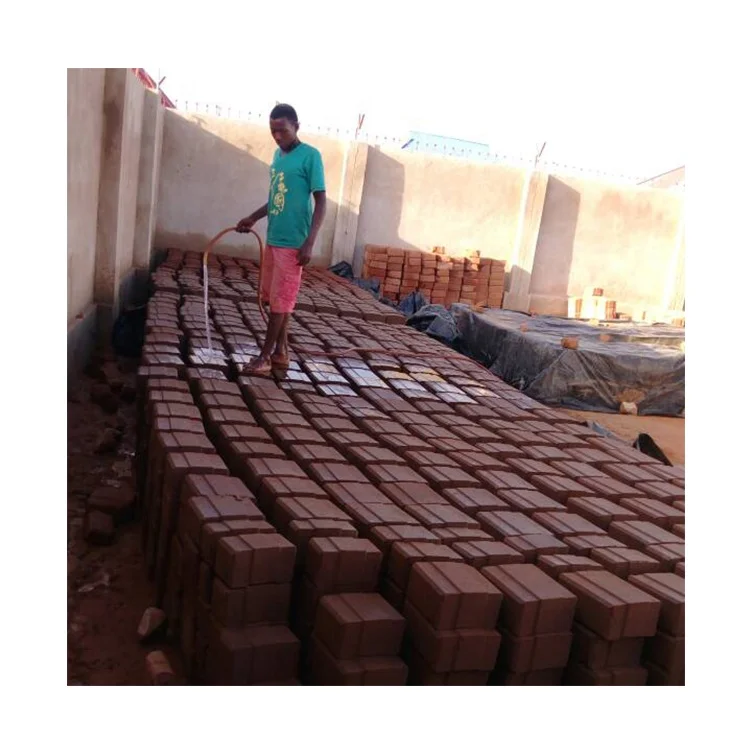
The hydraulic pressure system on the ECO BRB delivers the compression force needed to achieve consistent block density, but density also depends on your local clay composition and cement ratio. The 15–20 second molding cycle keeps production flowing, yet cycle time alone does not guarantee output — operator rhythm, material feeding speed, and curing logistics all influence daily numbers. Because the machine requires no pallets, you eliminate the cost and storage space of pallet inventories, but you must plan a flat, level curing area where freshly pressed blocks can set without disturbance. The 4.5 kW power draw is modest enough for a portable generator on remote sites, though a dedicated circuit with correct voltage remains essential for motor longevity. Total mass of 850 kg means the unit can be offloaded with a standard forklift or a small crane, which matters when your site lacks a loading dock.
The Hidden Cost of Skipping Pre-Shipment Checks
Sending a machine to site without verifying local power supply, control language, and available mould formats leads to idle crews, rented generators running at partial load, and project penalties for missed milestones. Buyers who assume a catalogue voltage will match their grid often discover the mismatch during commissioning, turning a fast delivery advantage into a multi-week delay. The ECO BRB is simple to maintain, but replacement hydraulic seals and wear parts still need to be specified and shipped with the first order so they are on hand when the first service interval arrives [NEED_CITE: typical hydraulic seal replacement intervals for small block presses].
Why Buyers Source This Machine Through Us
We focus exclusively on block machinery, so the ECO BRB is specified as part of a matched system — mould, handling method, and curing plan are considered together rather than sourced from separate vendors. Configuration is set against your actual clay or cement mix and the block format your market demands, not a generic default. Dispatch lead time is quoted upfront with the container loading plan included. Voltage, frequency, and PLC language are confirmed before production or release from stock. Installation guidance and operator training references are provided so your crew can start producing interlocking bricks within days of arrival.
Documentation & Verification
- Factory test record showing hydraulic pressure and cycle timing on your specified mould before dispatch
- Voltage and frequency confirmation sheet matching your destination country grid standard
- Mould drawing and interlocking brick format list included with shipping documents
- Operation and maintenance manual in your chosen control language
- Wear parts list with hydraulic seal and mould liner part numbers for reorder
Installation, Commissioning & Support
- Level concrete pad approximately 1.5 × 1.0 m required; ECO BRB footprint is 1490 × 980 mm
- Dedicated electrical circuit at confirmed voltage and frequency with earth bonding for 4.5 kW motor
- Machine ships dismantled for container loading; reassembly requires basic hand tools and a hoist
- First-run parameter setting covers hydraulic pressure adjustment and molding cycle timing
- On-site operator training covers material feeding rhythm and mould change procedure
- Hydraulic seals and mould wear liners shipped with initial order for first service interval
What to Include in Your Inquiry
Tell us the interlocking brick format your market sells, including dimensions and wall thickness. Share your local clay or cement mix composition so we can confirm suitability. Specify your site voltage, frequency, and the language your operators read on the control panel. If you have a project deadline, state the target arrival date so we can match dispatch scheduling to your timeline.
Frequently Asked Questions
Q: What is the actual dispatch lead time from order confirmation?
A: When the ECO BRB is in stock and your voltage, frequency, and control language are confirmed, the machine can be released for container loading within days. If a specific mould format needs to be added from inventory, allow a short additional window. We quote the exact dispatch date at the proposal stage.
Q: Which interlocking brick mould formats are currently in stock?
A: Standard interlocking profiles common in housing and paving projects are held in inventory. Share your target block drawing and dimensions so we can confirm availability or arrange additional moulds in the same shipment before dispatch.
Q: How is the machine packed and loaded for container shipment?
A: The ECO BRB is dismantled into main assemblies that fit a standard container alongside your moulds and spare wear parts. A container loading plan is provided at quotation so you know exactly how the machine is secured for ocean freight.
Q: What voltage configurations are available from stock?
A: The ECO BRB can be configured for common industrial voltages and frequencies used across African, Southeast Asian, and South American markets. Voltage and frequency must be confirmed before release so the motor and control cabinet match your grid.
Q: What arrival timeline should I expect after dispatch?
A: Ocean transit time depends on destination port and shipping line scheduling. We provide an estimated arrival window at quotation based on the dispatch date and your destination, so you can align site preparation and crew mobilisation accordingly.