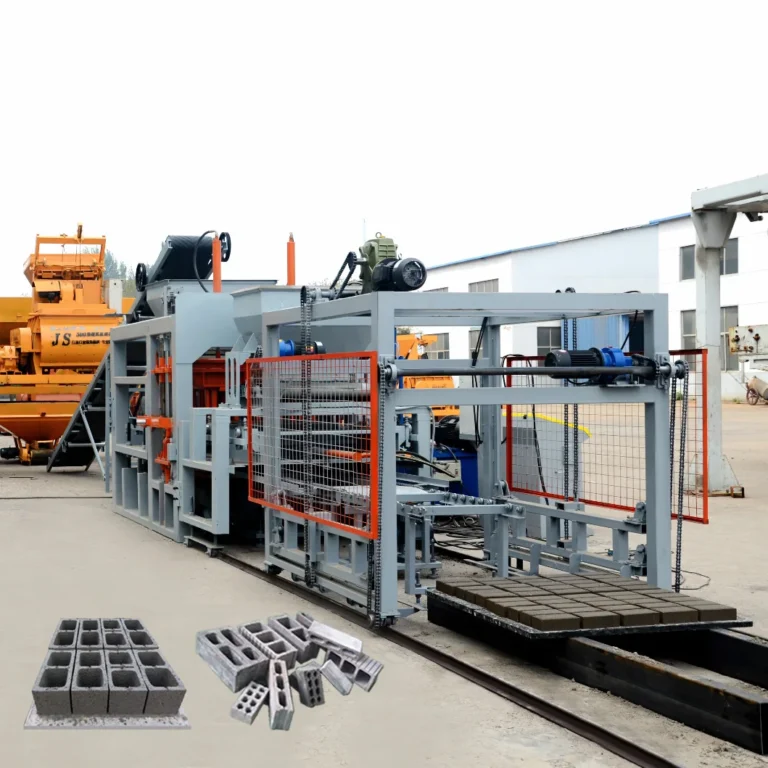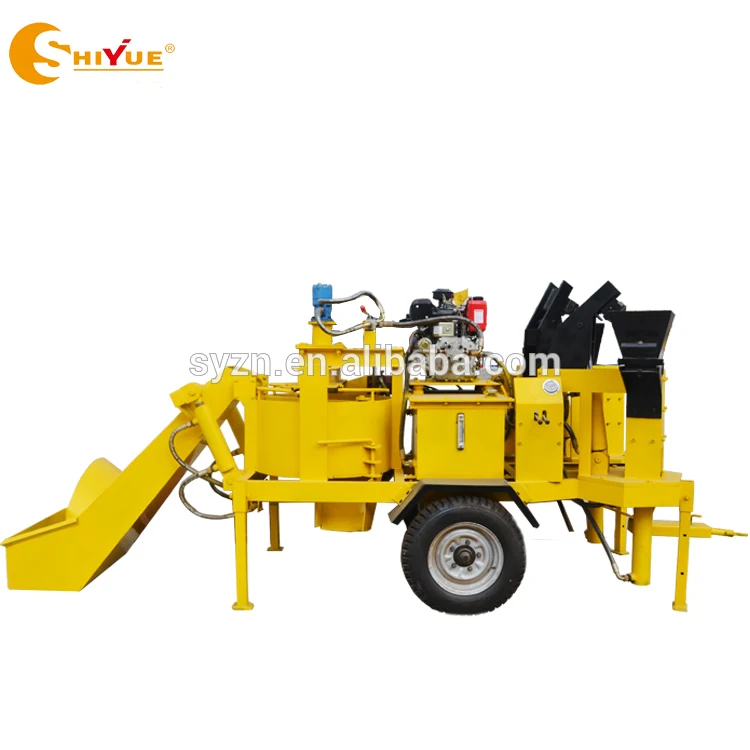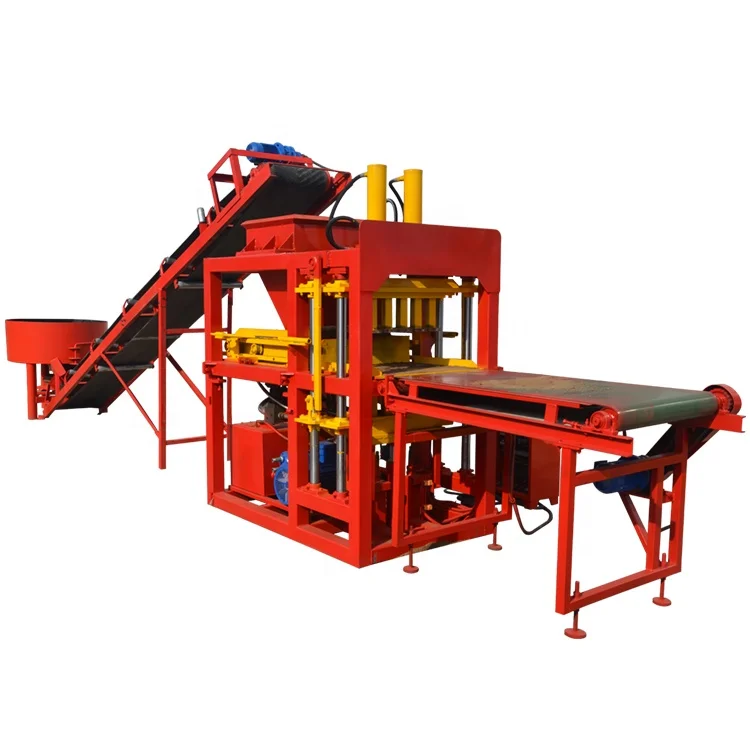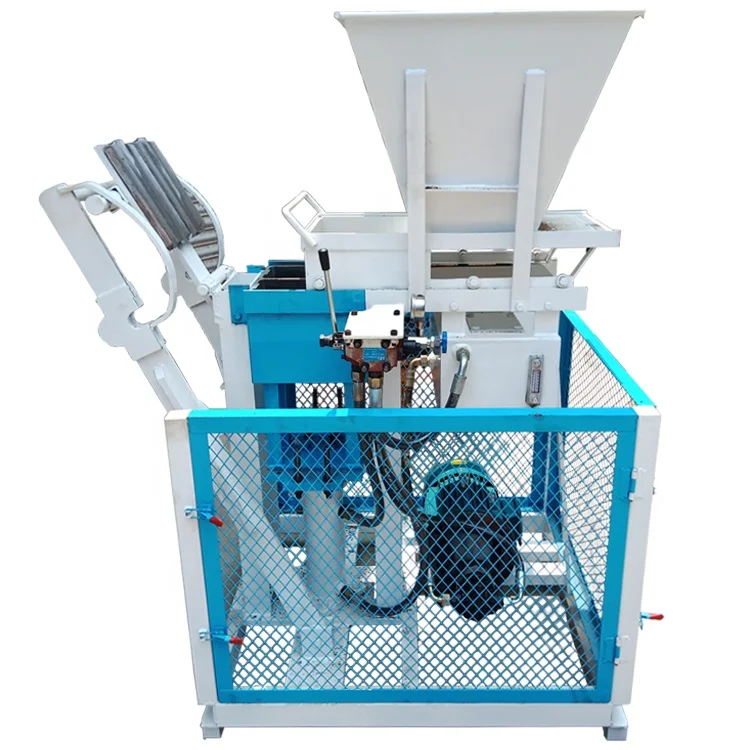

Description
Stocked Configuration — every ECO BRB unit leaves the yard with interlocking moulds matched and hydraulic lines tested, so the machine you ordered is the one that arrives.
Technical Specifications
| Parameter | Value |
|---|---|
| Model | ECO BRB |
| Product Type | Compressed Earth Block Machine |
| Overall Dimensions (L×W×H) | 1490×980×1970 mm |
| Pressure Type | Hydraulic |
| Pallet Requirement | No pallets required |
| Molding Cycle | 15–20 s |
| Rated Power | 4.5 kW |
| Net Weight | 850 kg |
| Daily Capacity | about 3800 pcs/shift (basis not stated in source — confirm block format / material / thickness) |
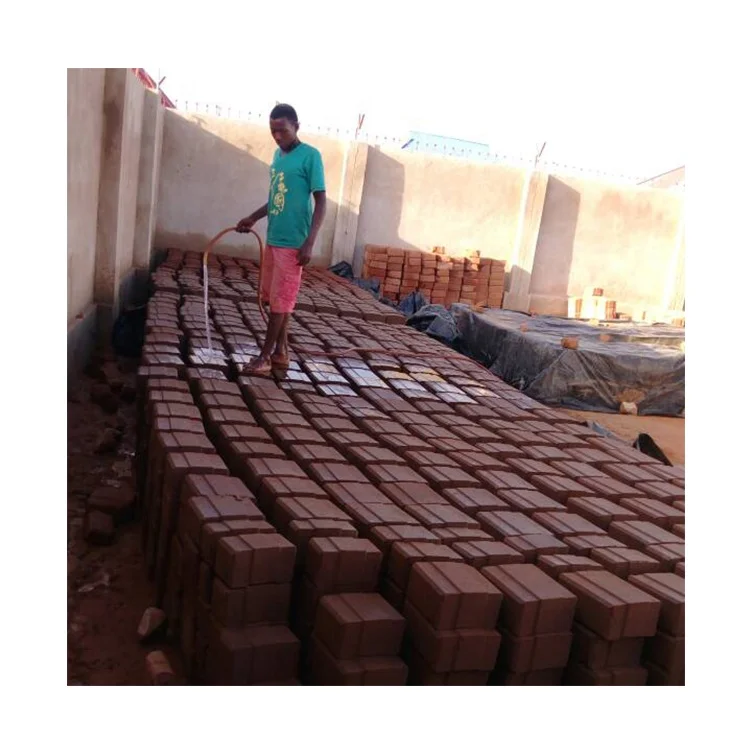
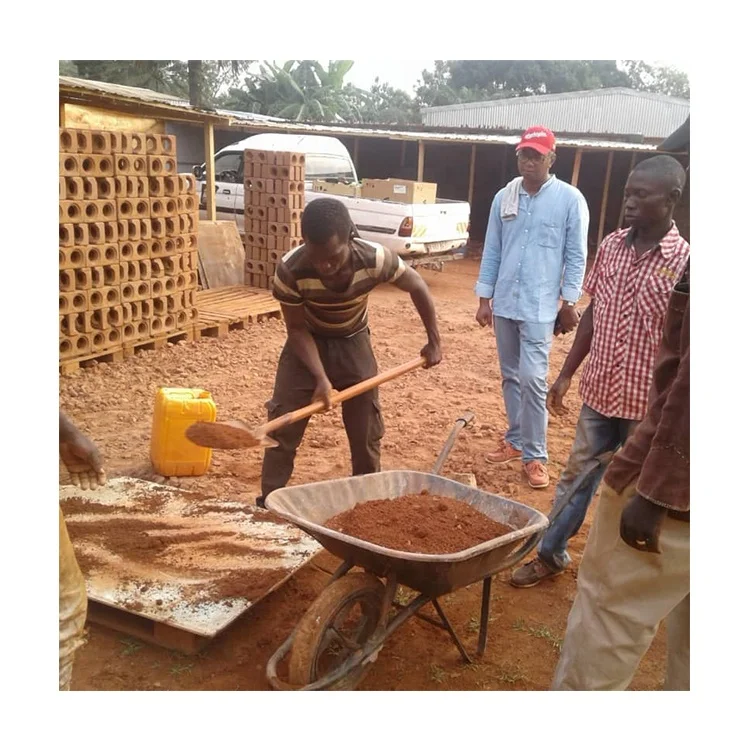
| Raw Material | Cement or clay |
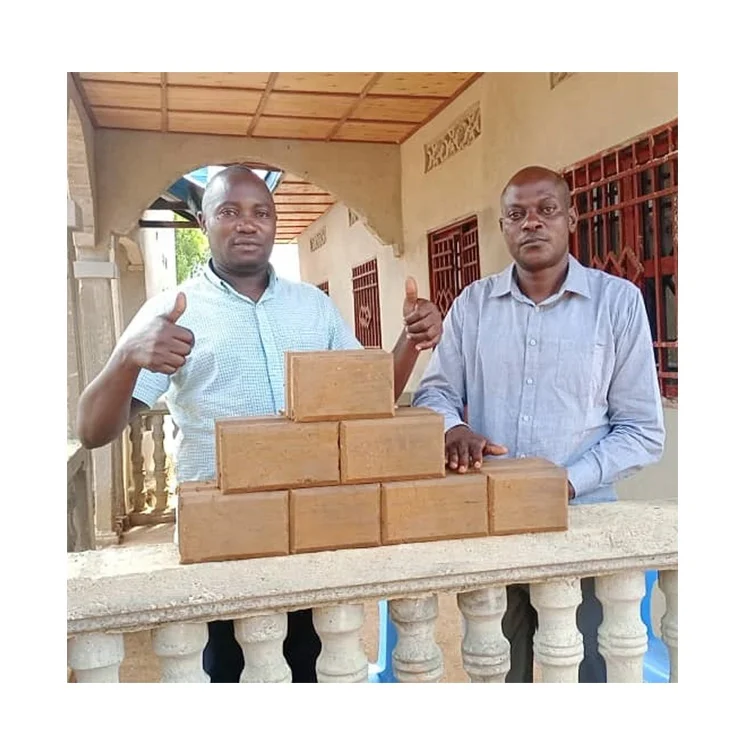
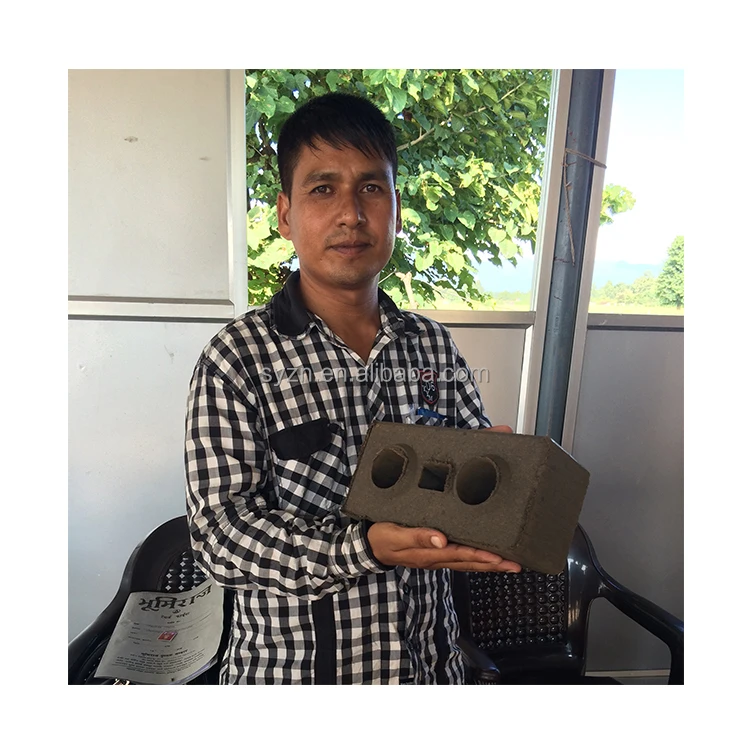
| Mould Format | Interlocking brick |
| Warranty | 1 year |
| Loading | 1×40HQ container (for basic equipment) |
Application Suitability
| Application | Material or Output |
|---|---|
| On-site interlocking brick production for housing projects | Local clay blended with stabiliser |
| Small-scale block yard serving rural construction | Cement-sand or clay-cement mix |
| Development contractor producing bricks at the project location | Compressed earth with site-specific soil |
| First-time entrepreneur setting up a paving and solid brick operation | Clay or cement with mould change |
Why Dispatch Timing Decides Whether the Project Starts on Schedule
A machine on the dock today is worth more than a cheaper one eight weeks away.
When a contractor commits to a completion date, every piece of equipment on the critical path must arrive when promised. Yet in block machinery procurement, lead times are often given as estimates that shift once production slots fill up [NEED_CITE: typical lead time variability in block machinery exports]. Buyers discover after payment that their compressed earth block machine in stock status was not actually confirmed, and the dispatch date slips. For project-driven buyers, the gap between quotation and container loading can mean idle crews and penalty clauses.
Stock Availability and the Dispatch Clock
Sourcing a compressed earth block machine in stock is only the first step. What matters is whether the specific configuration — the ECO BRB with the interlocking mould format your market demands — is ready to load. We confirm the exact stocked models and standard moulds at the inquiry stage, not after payment clears.
From Order to Container Loading
The sequence from confirmed order to container departure involves final assembly checks, hydraulic line pressure testing, mould fitment verification, and dismantling for shipment [NEED_CITE: standard pre-shipment inspection procedures for hydraulic block presses]. Each step has a defined duration. We quote the dispatch lead time upfront against the current schedule so you can plan vessel booking and site preparation without guesswork.
Reading the Numbers That Actually Matter
The hydraulic pressure system in the ECO BRB delivers consistent forming force across every stroke, which directly governs interlocking brick density and edge integrity. With a 15–20 s molding cycle, the machine produces bricks at a pace suited to small yards and project sites where continuous high-volume output is not the objective. The no-pallet design removes an entire layer of handling — no pallet purchasing, no pallet storage area, no pallet return loop after curing. For a site with limited space, this compactness at 1490×980×1970 mm footprint changes the layout equation entirely.
The rated power of 4.5 kW means the machine can run on a standard site generator without requiring a dedicated high-capacity supply, which is often the constraint on remote project locations. Raw material flexibility between cement and clay lets the operator use what is locally available rather than importing specific aggregates.
The Cost of Skipping the Soil Sample Step
I once watched a Kenya project stall for two weeks because the ECO BRB-class machine arrived and the local clay had a sand content far above what the standard parameters assumed. Brick corners crumbled on every cycle. The crew stood idle while we adjusted pressure and cycle settings remotely. Since then, I insist on receiving soil samples before the machine leaves the factory. Voltage mismatches create similar delays — a compressed earth block machine in stock wired for 380V/50Hz is useless on a 440V/60Hz site without rewinding motors or replacing control components [NEED_CITE: voltage and frequency standards by export market]. These are not theoretical risks; they are the most common reasons a machine sits idle after arrival.
What We Actually Do Before the Machine Ships
Block machinery is the only thing we build, so the ECO BRB is specified as a matched unit — hydraulic pressure, mould format, and cycle time are set against your target brick, not pulled from a catalogue default. We confirm the interlocking mould you need is in stock alongside the machine, not back-ordered from a separate supplier. The container loading plan and machine dismantling arrangement are shared before payment so you know exactly what fits in the 1×40HQ. Arrival estimates are quoted against your destination port at the quotation stage, not after the vessel sails. Factory testing includes hydraulic pressure verification and cycle timing with the actual mould fitted.
Documentation & Verification
- Machine specification sheet stating ECO BRB hydraulic pressure and cycle parameters
- Mould drawing and interlocking format list matched to your brick dimensions
- Voltage and control language confirmation before dispatch
- Factory test record on your specified clay or cement mix
- Packing photographs showing dismantling state for container loading
- Customs documentation support for destination port clearance
Installation, Commissioning & Support
- Foundation pad sized to the 1490×980 mm footprint with level tolerance confirmed
- Power supply verified against 4.5 kW rated draw and local voltage before connection
- Machine reassembled from container-dismantled state with hydraulic lines re-pressurised
- First production run with interlocking mould fitted and cycle timing calibrated on-site
- Operator training covering mould change procedure and hydraulic pressure adjustment
- Wear parts and mould replacement list provided with the machine at delivery
What to Tell Us in Your First Inquiry
Send us the interlocking brick dimensions your market sells, the clay or cement mix available locally, and your destination port. We will respond with which ECO BRB units and standard moulds are in stock, the confirmed dispatch lead time, and a container loading plan. If your site voltage differs from standard, state that upfront so the machine is configured before it ships.
Frequently Asked Questions
Q: Which ECO BRB units and interlocking moulds are currently in stock?
A: We confirm the exact ECO BRB machines and standard interlocking mould formats available at the inquiry stage. Stock status is checked against the current production schedule before we quote, not after payment. This means the dispatch lead time we give you reflects real availability, not a catalogue estimate.
Q: What is the realistic dispatch lead time from order to container loading?
A: Dispatch lead time is quoted upfront against our current production and testing schedule once your configuration is confirmed. It covers final assembly, hydraulic testing, mould fitment, and dismantling for the 1×40HQ container. We do not give estimates that shift after payment — the date quoted is the date we commit to.
Q: Does the daily capacity figure assume a specific interlocking brick size?
A: The stated daily capacity of about 3,800 pieces per shift is published without specifying the brick format, material, or thickness it assumes. We provide a realistic capacity calculation based on your specific interlocking brick dimensions and local clay or cement mix before you commit, so there are no surprises on site.
Q: Can the voltage and frequency be matched to my site before shipment?
A: Yes. We confirm your site voltage and frequency at the inquiry stage. The ECO BRB electrical system is configured accordingly before the machine leaves the factory. Getting this wrong means motor rewinds or component replacement on arrival, which is why we treat it as a pre-order confirmation item, not an afterthought.