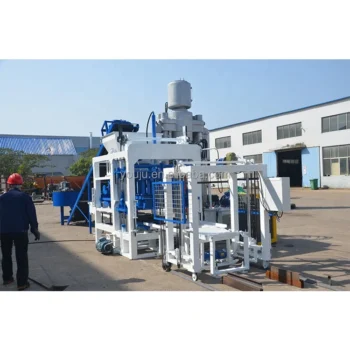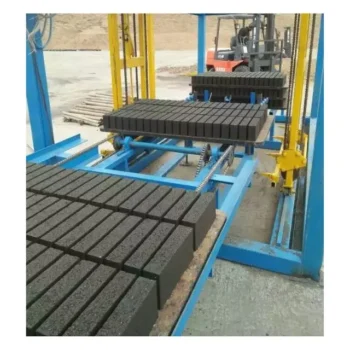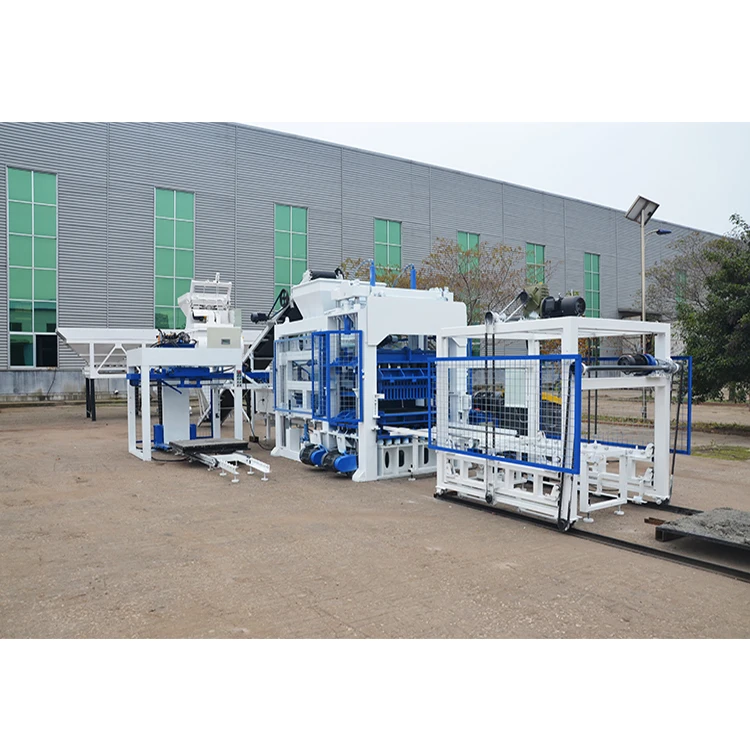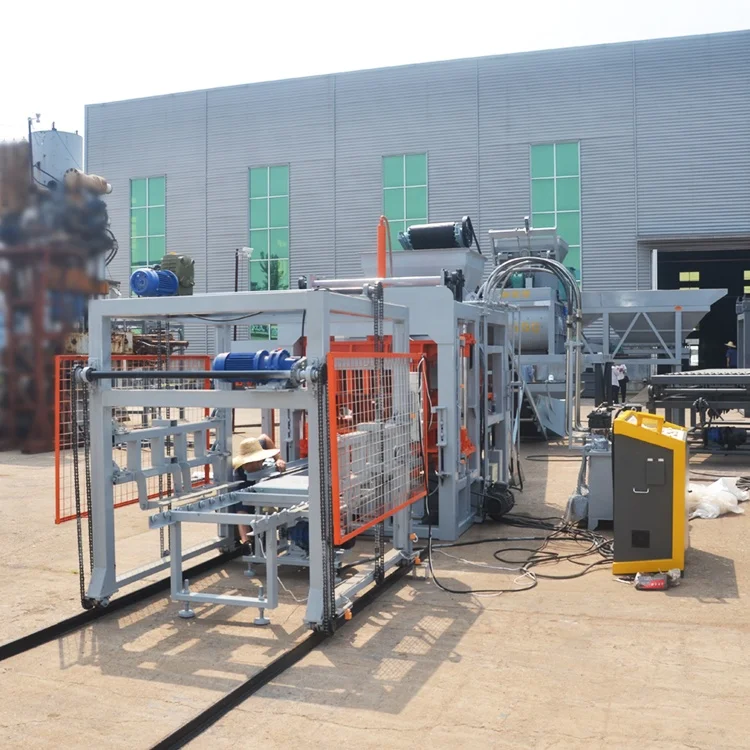


Description
Dispatch readiness over catalogue promises — Every Eco7000 unit ships with voltage and cycle-time verification completed before container loading, so site deadlines hold.
Technical Specifications
| Parameter | Value |
|---|---|
| Model | Eco7000 |
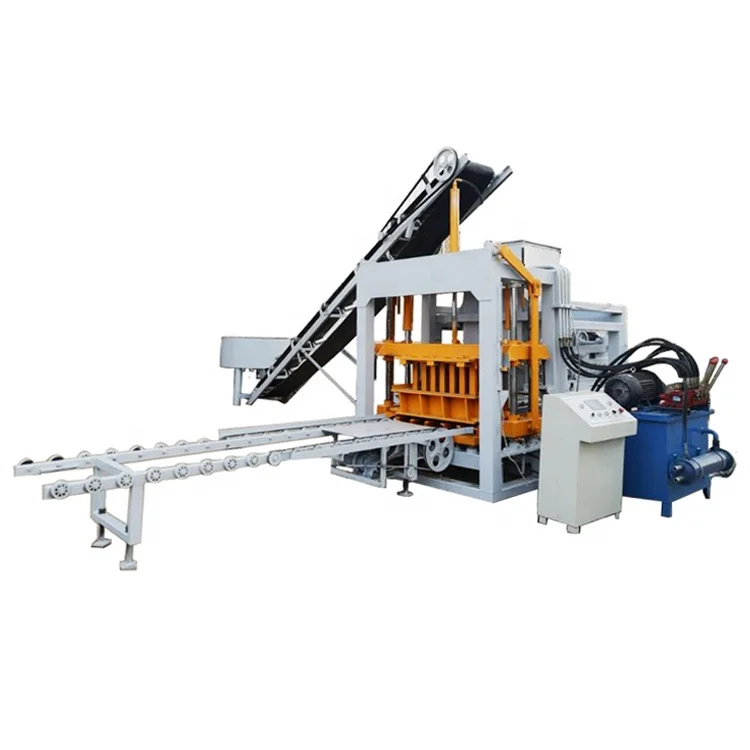
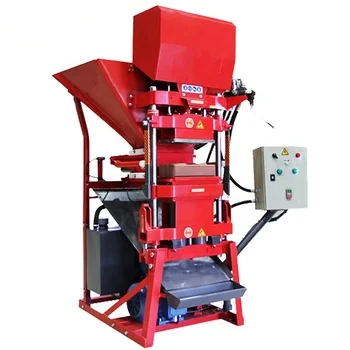
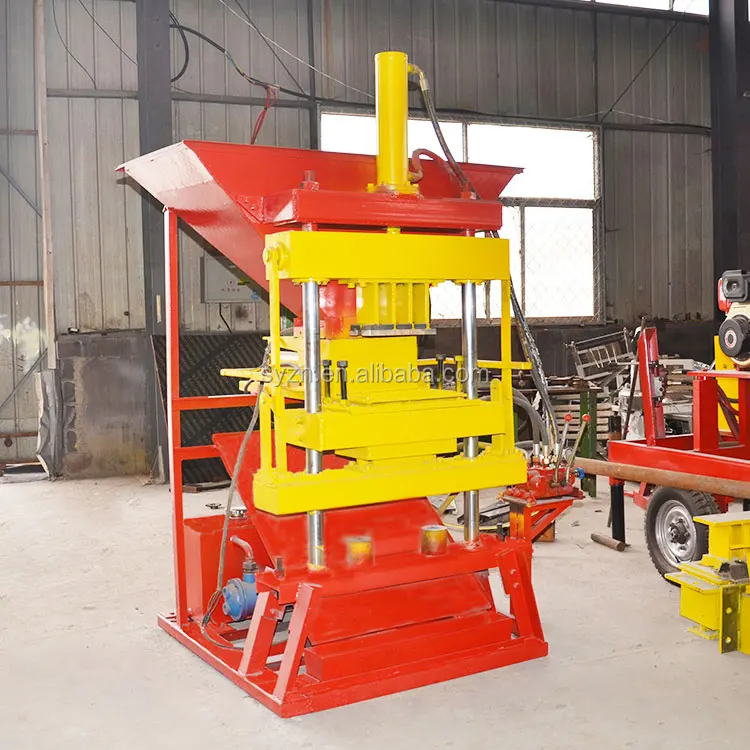
| Product Type | Hydraulic Interlocking Clay Brick Machine |
| Overall Dimensions (L×W×H) | 1660 × 1400 × 2380 mm |
| Net Weight | 1300 kg |
| Power Source | Electric motor or Diesel engine |
| Rated Power | 7.5 kW or 12 HP |
| Voltage & Frequency | 380V, 3-phase, 50Hz (customizable to local voltage) |
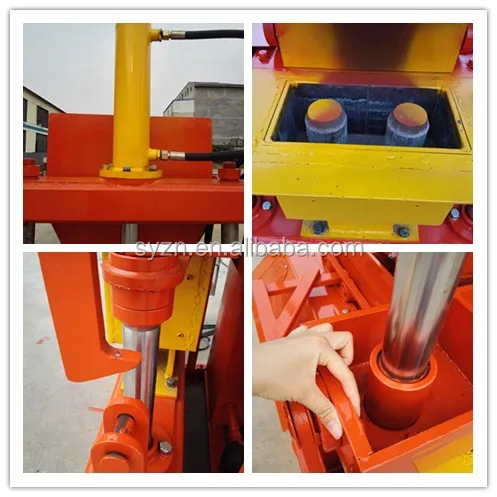
| Hydraulic Pressure | 16–21 MPa |
| Cycle Time | 10–15 s per cycle (basis: interlocking brick format stated below) |
| Productivity — 300×150×100 mm | 2 pcs/mould, 5760 pcs/day (8 h) based on 300×150×100 mm interlocking brick |
| Productivity — 250×125×60 mm | 2 pcs/mould, 5760 pcs/day (8 h) based on 250×125×60 mm interlocking brick |
| Pallet Requirement | No pallets required |
| Raw Material | Clay (80–97%) + Cement (0–8%) + Water (~3%) |
| Automation Level | Semi-automatic or automatic (configurable per buyer request) |
| Assembly State | Fully assembled, nude packing in container |
| Warranty | 1 year (excluding wearing parts) |
Application Suitability
| Application | Material or Output |
|---|---|
| On-site interlocking brick production | Local clay blended with up to 8% cement |
| Project-site building for contractors | Interlocking bricks without pallet infrastructure |
| Small-to-medium block plants adding formats | 300×150×100 mm and 250×125×60 mm interlocking bricks |
| First brick plant with minimal infrastructure | Diesel-driven operation where grid power is unreliable |
| Rural and remote construction projects | Clay-dominant raw material regions with no fixed plant |
Why the Dispatch Date Matters More Than the Quoted Output
A machine on site beats a faster machine still on the water.
Buyers chasing the highest cycle rate often forget that a missed vessel or a wrong voltage specification can push commissioning back by several weeks. For project contractors, that delay costs more than any marginal throughput difference between comparable machines. The Hydraulic Interlocking Clay Brick Machine in stock here has already cleared the factory test stage, which means the critical path is container booking rather than production lead time [NEED_CITE: typical container shipping booking lead times for machinery exports].
When I was installing a brick line in Kenya, a voltage mismatch at the site held up the entire project while we reconfigured the motor wiring in the field. Now every unit leaving our yard has its electrical drawing cross-checked against the buyer’s confirmed local supply before the container doors close.
Stock Availability and What It Means for Your Timeline
The Eco7000 is built and fully assembled before shipment. That means no production waiting period — once the balance clears, the next step is container allocation and inland transport to the port. For buyers working against a dry-season construction window or a handover deadline, that difference removes a variable you cannot control.
Dispatch timing also depends on the destination port’s vessel schedule. We confirm the nearest sailing date at the quotation stage so you can plan site preparation around a known arrival window rather than a guessed one.
Diesel or Electric — Matching the Drive to Your Site Conditions
A common oversight on remote project sites is assuming grid power will be stable enough for a 7.5 kW three-phase motor. Where it is not, the Eco7000 is available with a 12 HP diesel engine instead, which removes the need for a generator set large enough to handle motor start-up current. This flexibility matters when you are producing interlocking bricks at a housing development that has no transformer installed yet [NEED_CITE: three-phase motor start-up current requirements for hydraulic brick presses].
Reading the Pressure and Cycle Numbers in Context
Hydraulic pressure in the 16–21 MPa range gives the Eco7000 enough force to compact a clay-cement mix into a dense interlocking brick that meets structural requirements for load-bearing walls. Pressure alone does not determine brick strength — the mix ratio and moisture content matter equally — but consistent hydraulic force across every cycle is what prevents weak batches from appearing mid-shift.
The 10–15 second cycle time translates into the daily output figures shown in the specification table, but only when the operator keeps raw material flowing into the hopper and cleared bricks moved away without bottleneck. On a real site with two workers handling output, the effective pace may settle slightly below the theoretical rate, which is why the productivity table states a format-specific basis rather than a generic maximum.
The no-pallet design eliminates the recurring cost and handling labour of production pallets entirely. Bricks are pressed directly onto the ground or a prepared bed, which simplifies logistics on a project site where pallet storage and return would otherwise require additional planning.
What Happens When Voltage Goes Unconfirmed
I have stood in front of a control cabinet at midnight rewriting motor connections because the local supply was 415V and the machine was wired for 380V. The motor ran, but it ran hot, and the hydraulic pump lost pressure within hours. That is the kind of failure that does not show up in a factory test — it only appears after arrival, when the machine is the last thing standing between the contractor and a deadline [NEED_CITE: voltage tolerance ranges for industrial three-phase motors].
Specifying voltage and frequency at the order stage, not after shipment, removes that risk entirely.
Why Buyers Come Back for a Second Machine
Single-focus machinery sourcing means the Eco7000 arrives with its mould, hydraulic circuit, and drive specified as one matched set — not a press from one factory paired with a mould from another. Configuration is confirmed against your actual clay source and target brick format before production begins.
Stocked standard moulds cover both 300×150×100 mm and 250×125×60 mm interlocking brick formats, with custom mould design available to buyer drawings for other sizes. Voltage and control language are locked in before dispatch, so commissioning starts the day the machine is bolted down rather than after a week of electrical adjustments.
Documentation & Verification
- Capacity calculation sheet stating the interlocking brick format assumed for the quoted daily output
- Voltage and frequency confirmation record matched to your local supply before container loading
- Machine specification sheet including hydraulic pressure rating and cycle time per format
- Packing photographs with container loading plan and confirmed dispatch date
- Operation and maintenance manual covering daily, weekly, and monthly service intervals
- Hydraulic and electrical schematic for on-site troubleshooting
Installation, Commissioning & Support
- Level compacted ground or a concrete pad sufficient for 1300 kg operating weight with vibration
- Dedicated three-phase circuit rated for 7.5 kW motor start-up current at confirmed voltage
- Machine arrives fully assembled — position, connect power or diesel fuel, and begin test runs
- First-day commissioning includes hydraulic pressure adjustment to match your clay-cement mix
- Operator training on mould change procedure and cycle pacing for consistent brick density
- Wearing parts list with mould wear plates and hydraulic seals identified for first reorder
What to Share When You Are Ready to Move Forward
To give you a meaningful dispatch date and the right machine configuration, we need your target interlocking brick format, your local clay characteristics, and your site power supply details. If the project has no grid connection, tell us so we can quote the diesel drive option. A container loading plan can be confirmed once these points are settled, giving you a date to build your site schedule around.
Frequently Asked Questions
Q: What block format is the quoted capacity based on?
A: The 5760 pieces per day figure is calculated on either 300×150×100 mm or 250×125×60 mm interlocking bricks, with two pieces per mould and a 10–15 second cycle. Output for other formats will differ and we provide a revised capacity calculation for your specific brick size before you commit.
Q: Is the machine in stock and how fast can it ship?
A: Yes, Eco7000 units are built and held ready for container loading. After balance payment, the dispatch timeline depends on the next available vessel to your destination port, which we confirm at quotation so you can plan accordingly.
Q: Can the Eco7000 run on a diesel engine instead of electric?
A: The machine is available with a 12 HP diesel engine in place of the 7.5 kW electric motor. This option is common for project sites without reliable three-phase grid power and removes the need for a large-capacity generator.
Q: What container is needed and can it ship as a partial load?
A: The Eco7000 ships fully assembled. We confirm the container requirement based on your full order — a single machine may be suitable for LCL shipment, which we will advise at the quotation stage along with the loading plan.
Q: Is the motor voltage adjustable to my country’s standard?
A: Voltage and frequency are confirmed at the order stage and the motor is set accordingly before dispatch. We need your local supply specification — voltage, phase, and frequency — so the machine is ready to connect on arrival.