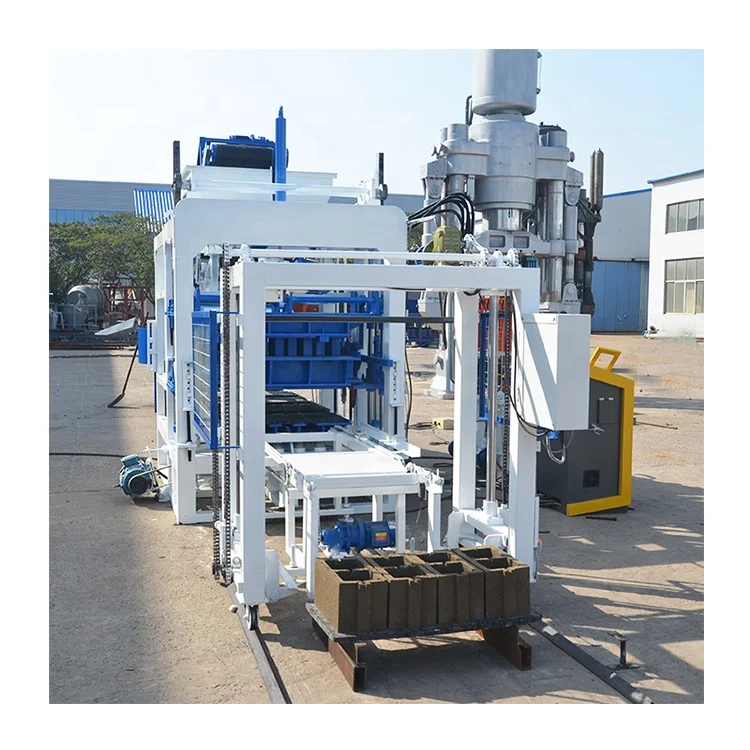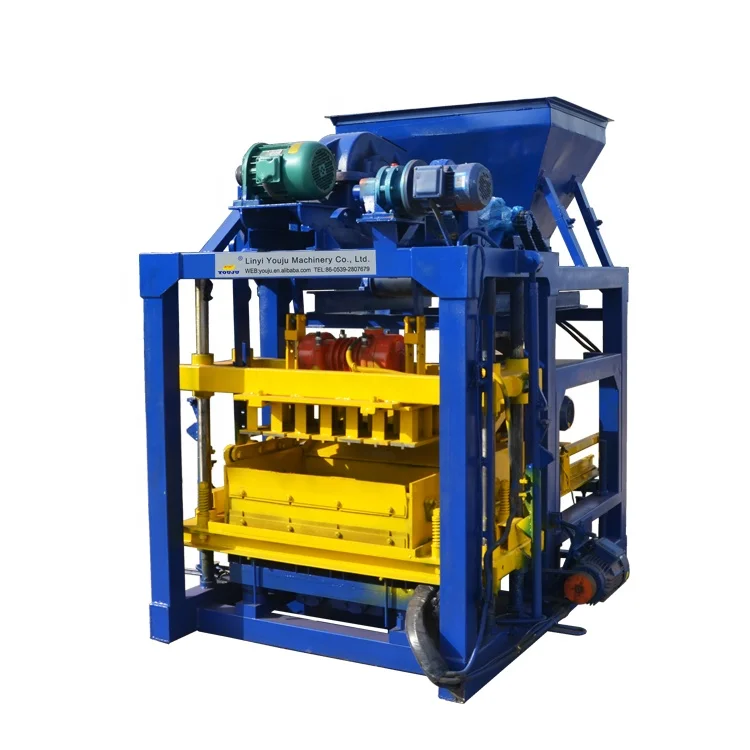


Description
Rapid Dispatch Readiness — the QT18-15 is prepared for immediate container loading with pre-calculated dismantling dimensions to protect your project timeline.
Technical Specifications
| Parameter | Value |
|---|---|
| Model | QT18-15 |
| Product Type | Automatic Block Making Machine |
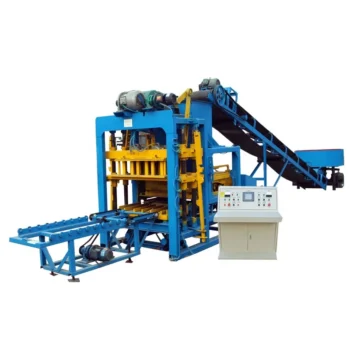
| Overall Dimensions (L×W×H) | 8100 × 1600 × 2610 mm |
| Total Mass | 10 T (Machine Weight: 7200 kg) |
| Hydraulic Pressure | 100 MPa |
| Pallet Size | 1350 × 1350 mm |
| Voltage Options | 380 V, 415 V, 220 V, 440 V |
| Control System | PLC |
| Worker Requirement | 3-5 |
| Molding Cycle | 15 S (basis to be confirmed) |
| Core Components | PLC, Pressure Vessel, Engine, Gear, Motor, Pump, Bearing, Gearbox |
Application Suitability
| Application | Material or Output |
|---|---|
| Hollow Block Production | Concrete, cement, and flyash mixtures |
| Solid Brick Manufacturing | Standard concrete and aggregate blends |
| Paver and Interlock Block | High-density concrete for paving surfaces |
| Curbstone Forming | Heavy-duty concrete for infrastructure edges |
Why Container Dimensions Dictate Your Arrival Date
Securing a QT18-15 automatic block making machine in stock is only the first step; verifying its dismantled profile against container limits dictates your actual site delivery.
I once watched a shipment stall at the loading dock because the main press height exceeded the container door clearance by a few centimeters, forcing an on-site canopy removal that delayed the buyer’s reassembly by weeks. When project deadlines are tight, assuming standard loading procedures is a risk you cannot take. The physical footprint and dismantling strategy must be locked in before the equipment leaves the factory floor [NEED_CITE: standard container internal dimensions and door clearances].
Dispatch Timelines and Loading Strategies
Having the QT18-15 automatic block making machine in stock means the primary focus shifts immediately from manufacturing lead times to logistics execution. The 8100 × 1600 × 2610 mm overall dimensions require a precise dismantling plan to fit standard shipping containers without compromising structural integrity. We map out the exact placement of the 7200 kg main frame and separate the hydraulic station to balance the container weight. This pre-planned loading sequence eliminates dock-side surprises and ensures the vessel departs on schedule.
Securing the Equipment Before Transit
Physical availability allows us to conduct thorough video outgoing-inspections and verify the 100 MPa hydraulic system under load before crating. Buyers can review the exact condition of the PLC cabinet, motor, and gearbox prior to loading. By confirming the 380 V, 415 V, 220 V, or 440 V configuration against your site requirements early, we prevent electrical mismatches that typically cause port delays. Upfront arrival estimates are calculated based on the confirmed dispatch date and current shipping routes [NEED_CITE: international freight transit variables].
Decoding the Physical and Electrical Footprint
The 10 T total mass and 8100 mm length demand a reinforced foundation and specific crane capacities at your destination port and facility. The 1350 × 1350 mm pallet size dictates the curing area layout and the forklift specifications required for daily material handling. Selecting the correct voltage from the available 380 V, 415 V, 220 V, or 440 V options is non-negotiable; arriving with an incompatible power setup halts commissioning until local transformers are sourced. The PLC control system language must also be confirmed beforehand to ensure your operators can navigate the interface immediately upon power-up.
The Hidden Costs of Logistics Oversights
Failing to verify the dismantled height against container door clearances often results in forced modifications at the loading dock, exposing sensitive components to weather and delaying vessel departure. Overlooking the 10 T total mass leads to inadequate unloading equipment at the destination, causing port demurrage fees while you source heavier cranes. Ignoring the specific voltage requirements forces emergency electrical rewiring on-site, pushing your production start date back by weeks [NEED_CITE: port demurrage and equipment modification risks].
Why Procure From Our Dispatch Network
Our single focus on block machinery ensures that the main press, pallets, and handling components are packed as one matched system, preventing fragmented shipments. We provide upfront arrival estimates based on real-time vessel schedules rather than generic transit windows. Every QT18-15 automatic block making machine in stock undergoes rigorous video outgoing-inspection so you see the exact unit entering the container. Our logistics team handles the complex customs documentation support, smoothing the clearance process at your destination port. We dismantle and load with your specific site reassembly capabilities in mind.
Documentation & Verification
- Factory test record confirming 100 MPa hydraulic pressure before dismantling.
- Video outgoing-inspection showing the exact PLC cabinet and motor condition.
- Detailed machine dismantling photographs for your site reassembly team.
- Voltage and control language confirmation sheet matching your local grid.
- Complete customs documentation support to accelerate port clearance.
Installation, Commissioning & Support
- Foundation plans accommodating the 8100 × 1600 mm footprint and 10 T mass.
- Electrical schematics for your specific 380 V, 415 V, 220 V, or 440 V supply.
- Step-by-step reassembly guides based on our pre-shipment dismantling photographs.
- PLC parameter setting support to match your local curing environment.
- Operator training focused on the specific 1350 × 1350 mm pallet handling workflow.
- Wear parts list for the gearbox and hydraulic pump to ensure local sourcing.
Planning Your Equipment Arrival
To provide an accurate arrival estimate and loading plan, please share your destination port and the required voltage and frequency standards. Let us know your available crane capacity for unloading the 10 T mass and the required PLC display language for your operators. Confirming these logistics details upfront ensures the equipment reaches your site ready for immediate reassembly.
Frequently Asked Questions
Q: What is the current dispatch lead time for the QT18-15 and standard moulds?
A: Since the unit is available for rapid allocation, the lead time primarily covers the dismantling process, container loading, and customs documentation preparation. Once the exact standard moulds are confirmed and matched to the main press, we provide a precise dispatch date and upfront arrival estimate based on current vessel schedules from our loading port.
Q: How is the machine dismantled and loaded into containers for shipment?
A: The 8100 × 1600 × 2610 mm frame requires strategic dismantling to fit standard container door clearances. We separate heavy components like the hydraulic station to balance weight and prevent transit damage. Every dismantling step is photographed, providing your site team with a clear visual guide for reassembly, ensuring nothing is left to guesswork when the containers arrive.
Q: Can you provide an upfront arrival estimate to my specific destination port?
A: Yes, once the dispatch date is locked and your destination port is confirmed, we calculate the transit time using current shipping routes and vessel schedules. This upfront arrival estimate allows your construction contractors to schedule site preparation, crane rentals for the 10 T mass, and raw material deliveries accurately, avoiding costly idle time.
Q: What customs documentation support is included to speed up port clearance?
A: We provide a comprehensive documentation package tailored for machinery imports, including detailed packing lists, commercial invoices, and machinery test reports. Our logistics team ensures all descriptions align with international shipping standards, minimizing the risk of inspections or holds at your destination port and ensuring the equipment clears customs as swiftly as possible.