

Description
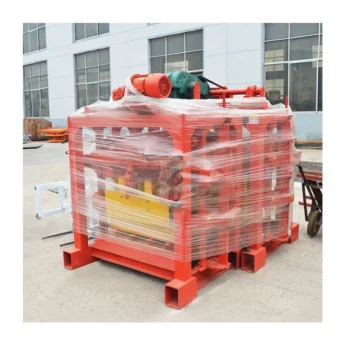
Stocked QT6-15 ready for dispatch — factory-tested with your local aggregate before crating, so arrival timing stays on schedule.
Technical Specifications
| Parameter | Value |
|---|---|
| Model | QT6-15 |
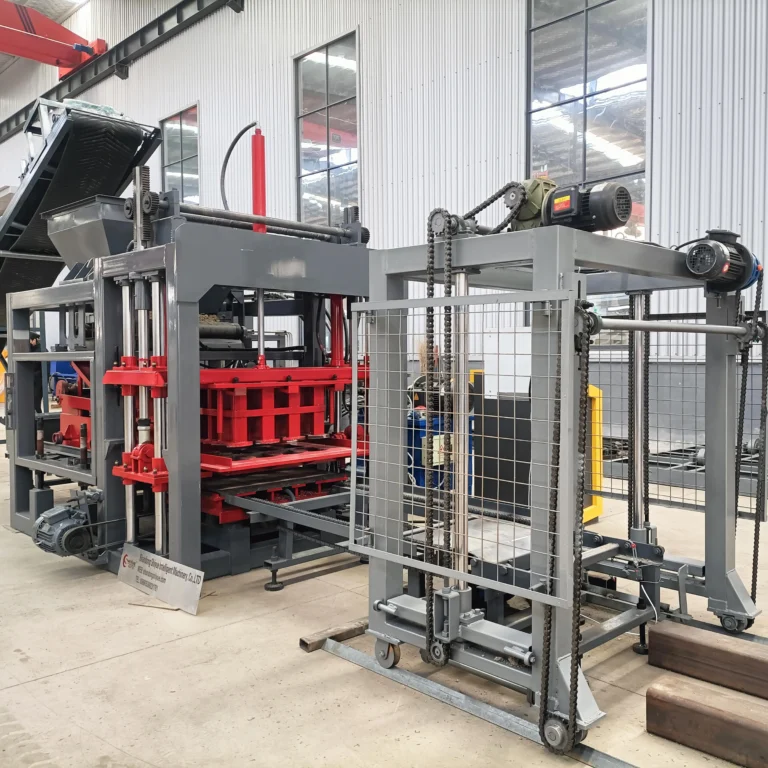
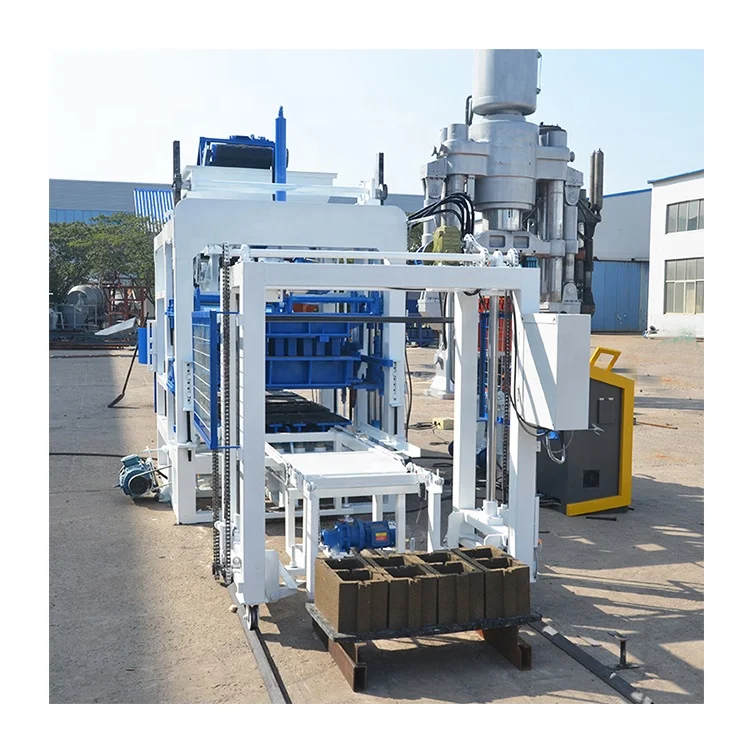
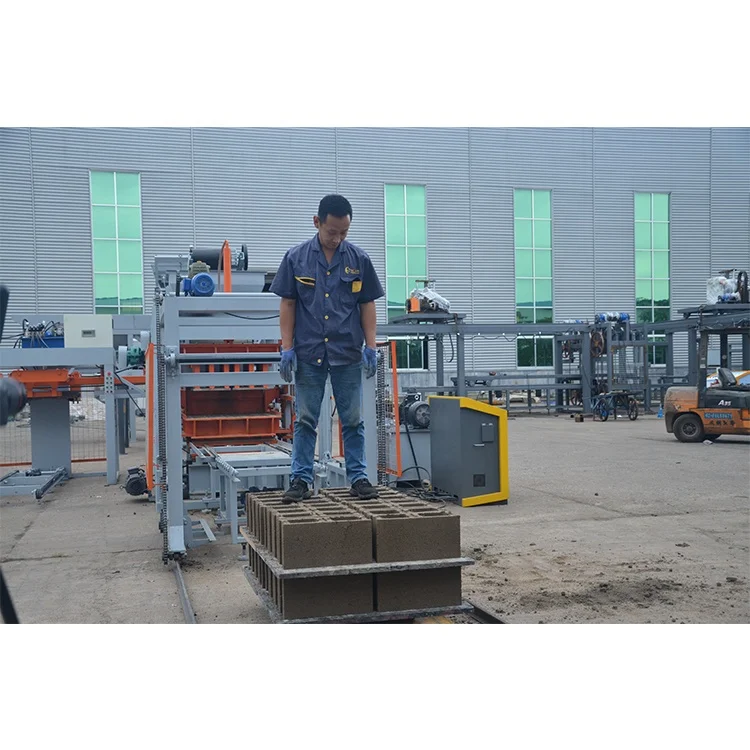
| Product Type | Automatic Hydraulic Press Block Making Machine |
| Overall Dimensions (L×W×H) | 8200×1700×2950 mm |
| Total Mass | 7 T |
| Overall Power | 37 kW |
| Vibration Form | Platform Vibration |
| Vibration Frequency | 0-60 Hz |
| Vibration Force | 45 kN |
| Moulding Mode | Load automatically, vibration moulding |
| Demolding Method | Hydraulic |
| Pallet Size | 880×850 mm |
| Molding Cycle | 15-20 s |
| Control System | PLC (Programmable Logic Controller) with touch screen interface |
| Factory Area Requirement | 1200 m² |
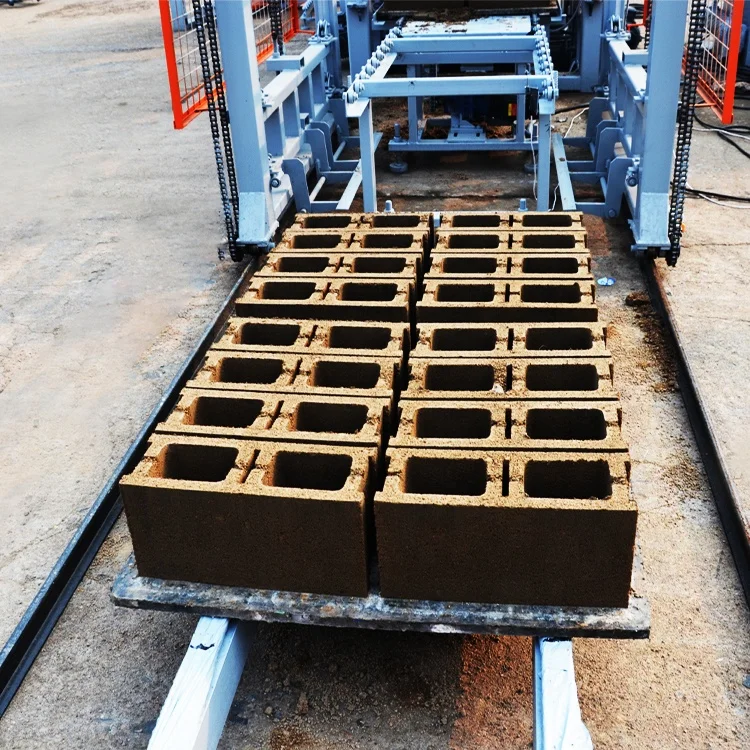
| Output Capacity (Hollow Block 400×200×200 mm) | 1080-1440 pcs/h (basis: 6 pcs/mould, 15-20s cycle) |
| Output Capacity (Hollow Block 400×150×200 mm) | 1440-1920 pcs/h (basis: 8 pcs/mould, 15-20s cycle) |
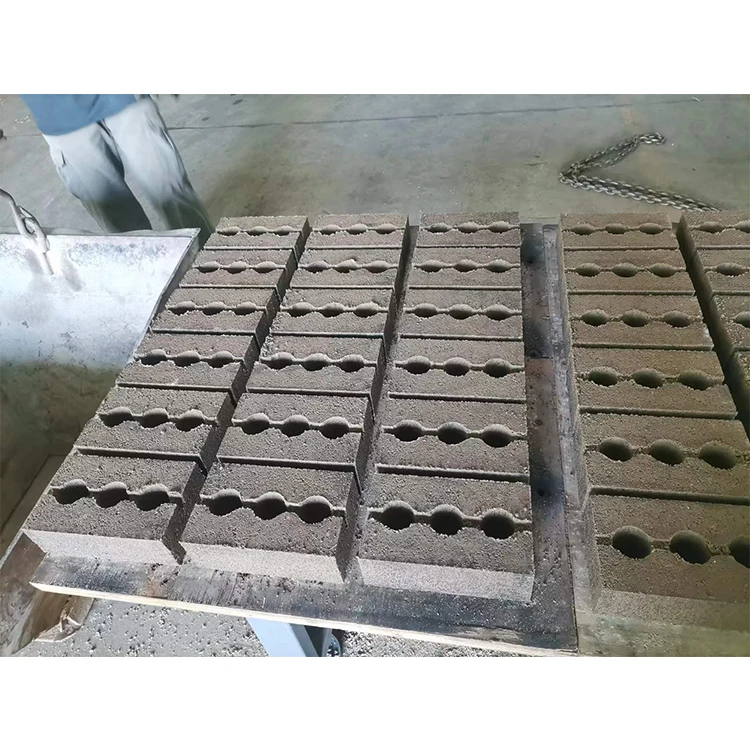
| Output Capacity (Solid Brick 240×115×53 mm) | 5760-7680 pcs/h (basis: 32 pcs/mould, 15-20s cycle) |
| Output Capacity (Rectangular Paver 200×100×60 mm) | 2160-2880 pcs/h (basis: 21 pcs/mould, 20-25s cycle) |
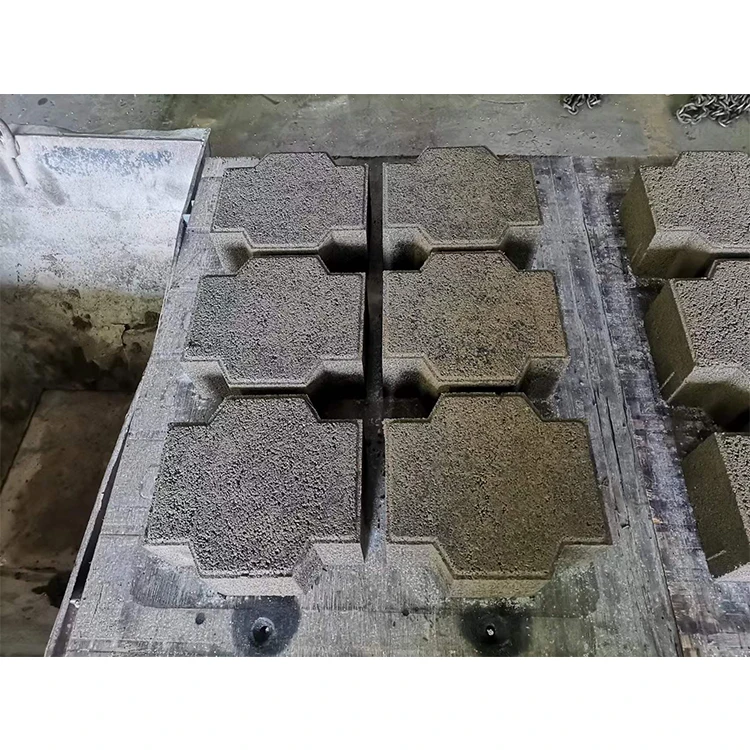
| Output Capacity (Zigzag Paver 225×112.5×60 mm) | 2160-2880 pcs/h (basis: 15 pcs/mould, 20-25s cycle) |
| Block Compressive Strength | >15 MPa |
| Automation Level | High (automatic loading, PLC controlled, touch screen HMI) |
| Warranty | 1 year for the whole machine (excluding spare parts) |
Application Suitability
| Application | Material or Output |
|---|---|
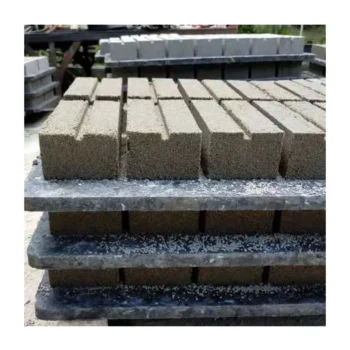
| Hollow block production | Load-bearing and non-load-bearing walls from cement, crushed stone, and waste ash |
| Solid brick production | High-density masonry bricks using slag and cement-based mixes |
| Rectangular paving blocks | Driveway and walkway pavers from fine aggregate and cement |
| Interlocking zigzag pavers | Heavy-duty pavement layouts requiring lateral interlock |
Why the Dispatch Date Matters More Than the Cycle Time
A quoted lead time means nothing if the machine configuration still needs weeks of production scheduling.
When a housing project breaks ground, the contractor cannot wait for a machine built from scratch. A QT6-15 block machine in stock removes that scheduling gap. The unit is already assembled, tested on standard formats, and crated for container loading. Buyers working to a project deadline often lose weeks waiting for a factory to source components and schedule build slots. Confirming stock status and a firm dispatch date upfront keeps site preparation, raw material procurement, and crew hiring aligned with the machine’s actual arrival [NEED_CITE: typical lead time variability in block machinery procurement].
Stocked Configurations and Standard Mould Pairings
The QT6-15 block machine in stock ships with standard mould sets matched to the most common block formats in each destination market. Hollow block moulds for 400×200×200 mm and 400×150×200 mm are typically held alongside solid brick and paver moulds. This means a buyer can confirm exactly which formats ship in the same container, avoiding a second shipment or a local sourcing scramble after the press is installed. The pallet size of 880×850 mm is fixed for this model, so curing racks and forklift specifications at the destination site can be prepared well before the machine arrives.
Container Loading and Dismantling Sequence
Shipping a 7-tonne press with an 8200 mm frame length requires a specific dismantling and loading sequence to fit standard container dimensions. The hydraulic station, PLC cabinet, and vibration platform are separated for transit, then reassembled on-site. A clear loading plan quoted at order confirmation lets the buyer estimate reassembly time and crew requirements. Without this plan, a machine can sit at the destination port while the local team figures out how to extract components in the correct order [NEED_CITE: container loading practices for heavy industrial machinery].
Reading the Specs That Affect Your Daily Output
Platform vibration at 0-60 Hz adjustable frequency and 45 kN vibration force determines how densely the mix is compacted into each mould cavity. Higher frequency and force produce blocks with greater compressive strength, but the optimal setting depends on the local aggregate’s particle size and moisture content. The PLC-controlled 15-20 s molding cycle keeps the press running at a consistent pace, though actual daily throughput also depends on pallet circulation speed and curing rack capacity. The 880×850 mm pallet must match the buyer’s existing forklift and curing area dimensions, otherwise pallet handling becomes a bottleneck that negates the press’s cycle speed.
The Cost of Ordering Without Confirming Stock Status
Buyers who place orders based solely on a catalogue cycle time often discover the machine is built to order, adding weeks to the expected delivery. By the time the QT6-15 block machine in stock arrives, the project schedule has already shifted, and subcontractors are idle. Voltage and PLC display language sometimes remain unconfirmed until the machine reaches the site, delaying commissioning further. Mould formats that do not match the local market’s best-selling block size force the buyer into an unplanned second mould order. These compounding delays turn a fast-tracked purchase into a project liability [NEED_CITE: common commissioning delays in block plant setup].
What Stock Availability Actually Includes
Every stocked QT6-15 undergoes a factory test run using aggregate samples sent by the buyer, confirming that vibration and hydraulic pressure settings produce blocks meeting the target compressive strength before dispatch. The configuration sheet lists the exact mould formats, pallet specifications, and PLC language included in the shipment. Voltage and frequency are confirmed against the buyer’s site electrical supply so the machine powers up without a transformer swap on arrival. Container loading photographs and a packing list accompany the shipping documents, giving the buyer visibility into what is inside each crate before it reaches the port.
Documentation & Verification
- Factory test record using your aggregate sample before dispatch confirmation
- Container loading photographs showing dismantling sequence and crate positions
- Voltage, frequency, and PLC language confirmation sheet signed before crating
- Mould drawing package listing every format included in the shipment
- Hydraulic and electrical schematic for on-site troubleshooting during commissioning
Installation, Commissioning & Support
- Foundation plan matched to the 8200×1700 mm footprint and 7-tonne operating mass
- Electrical connection spec for the 37 kW total power draw on your site voltage
- Dismantling guide so local crews reassemble the vibration platform and hydraulic station correctly
- First-run parameter tuning using your local mix to set vibration frequency and cycle timing
- Operator training covering PLC touch screen navigation and mould change procedure
- Wear parts list with part numbers for hydraulic seals and vibration components
What to Include in Your Dispatch Inquiry
Specify the block formats your market currently demands and the daily volume your site must sustain. Confirm your local voltage and frequency, along with the preferred PLC display language for your operators. Share your aggregate source and any sample test results so the factory test run mirrors your actual production conditions.
Frequently Asked Questions
Q: Is the QT6-15 currently in stock, and which mould formats ship with it?
A: Stock status is confirmed per configuration. Standard mould sets for hollow blocks, solid bricks, and pavers are typically available alongside the press. Each inquiry receives a specific stock confirmation listing the exact mould formats ready for dispatch, so you know what arrives in the container.
Q: What is the dispatch lead time from order confirmation, and how is it quoted?
A: Dispatch lead time for a QT6-15 block machine in stock is quoted in days from the point of order confirmation and voltage sign-off. This is not a production lead time. The quoted window covers final inspection, crating, and transport to the port of loading.
Q: How is the machine dismantled for container loading, and what is the estimated reassembly time on site?
A: The hydraulic station, PLC cabinet, and vibration platform are separated to fit standard container dimensions. A loading sequence document ships with the crate. Reassembly time depends on crew size and site readiness, but the sequence is designed for straightforward bolt-together reconnection.
Q: What is the estimated arrival date at my destination port once dispatched?
A: Arrival estimates are calculated based on your destination port and current shipping schedules at the time of order. The estimate is quoted upfront alongside the dispatch date so you can align site preparation, raw material orders, and installation crew availability.
Q: Are standard moulds and wear parts shipped together, or do they require a separate order?
A: Standard mould formats confirmed at order are loaded in the same container as the press. A wear parts kit including hydraulic seals and vibration components is included. Additional moulds or spare parts beyond the standard set can be added to the same shipment before crating closes.