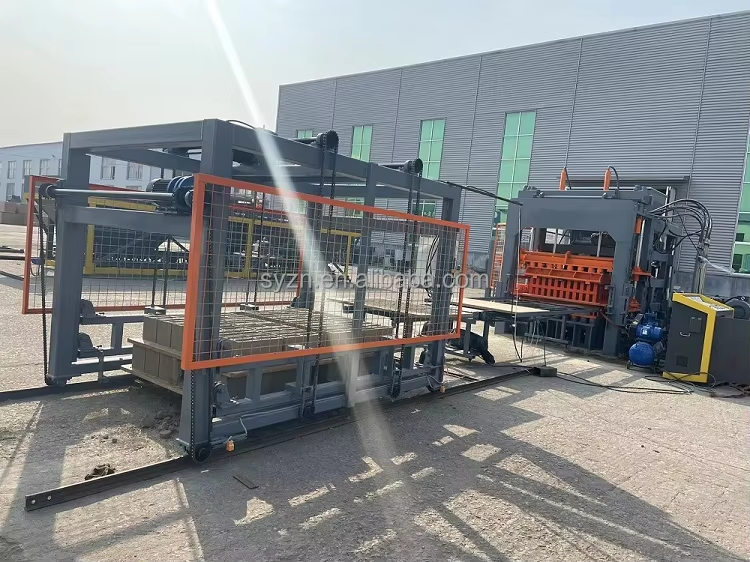
Description
Dispatch Readiness — electrical schematics and site grid specs are cross-checked before the QT10-15 leaves the factory to prevent arrival delays.
Technical Specifications
| Parameter | Value |
|---|---|
| Model | QT10-15 |
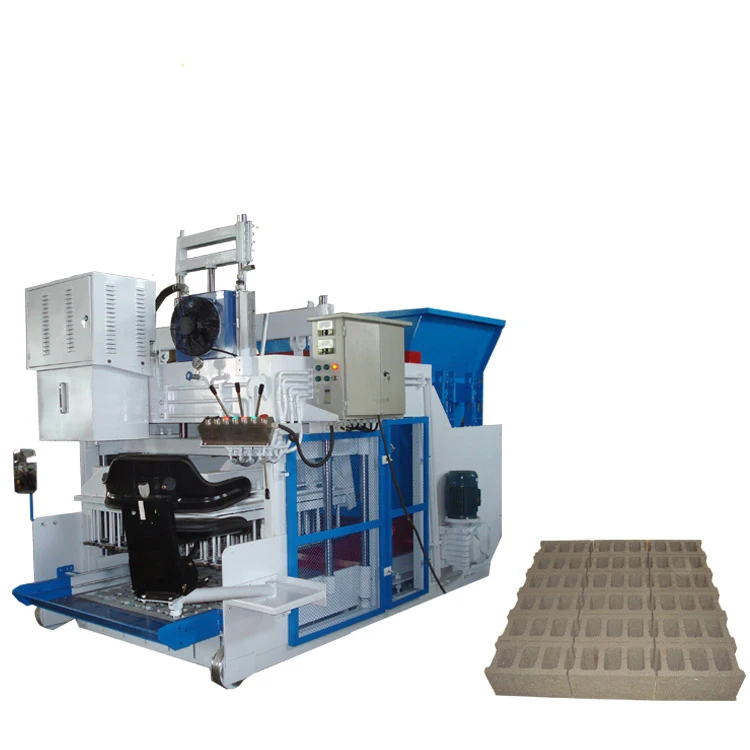
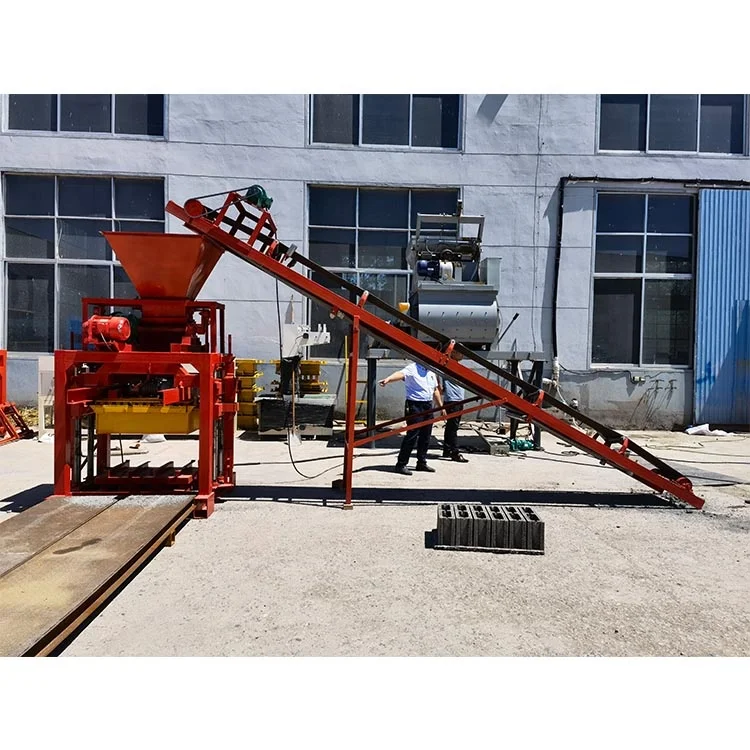
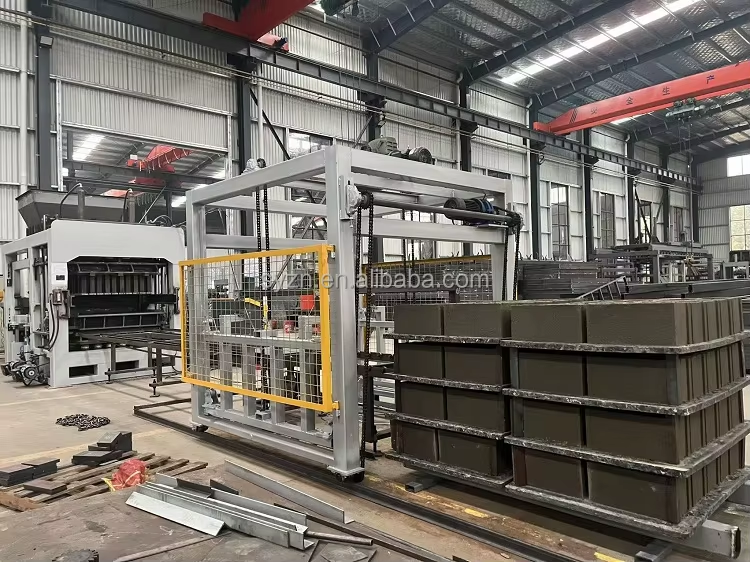
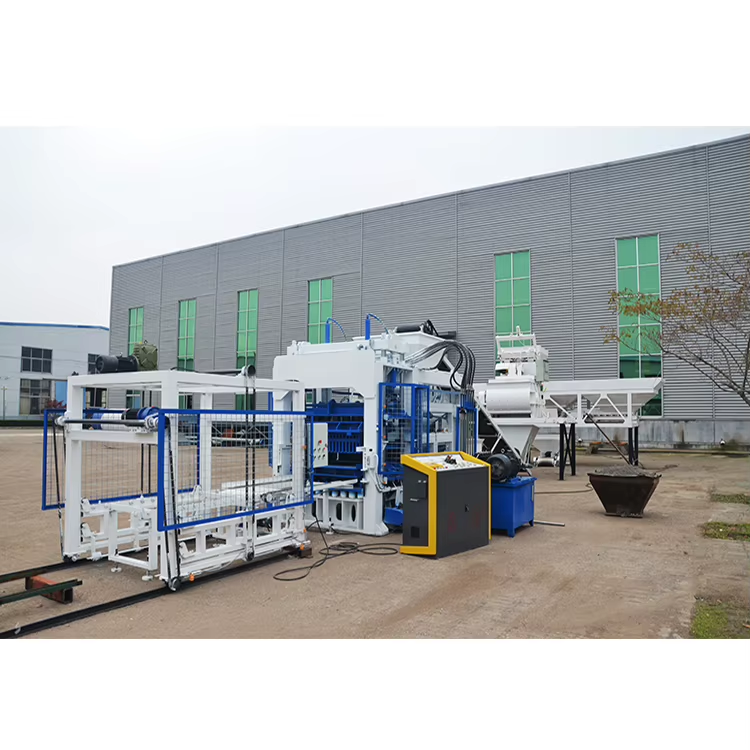
| Product Type | Fully Automatic Concrete Block Manufacturing Machine |
| Overall Dimensions (L×W×H) | 935023202950mm |
| Net Weight | 8000 kg |
| Voltage Options | 380V/220V |
| Pallet Size | 1100*900mm |
| Mould Formats Supported | 400100200 mm, 400120200 mm, 400200200 mm |
| Pieces per Mould | 4 pcs/mould (basis to be confirmed) |
| Molding Cycle | 15-20S |
| Vibration Force | 100KN |
| Control System Components | PLC, Engine, Gear, Pump |
Application Suitability
| Application | Material or Output |
|---|---|
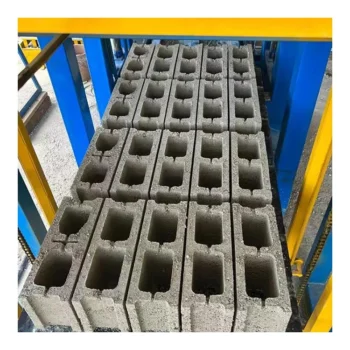
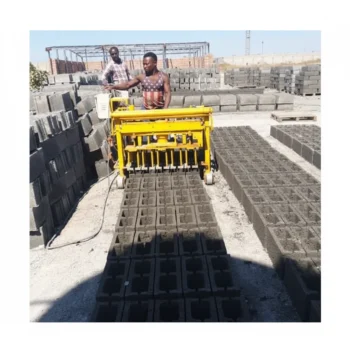
| Hollow block production | Fly ash, cement, sand, and concrete mixes |
| Paving block manufacturing | Standard concrete aggregates for exterior surfacing |
| Interlock block formatting | Interlocking concrete profiles for structural walls |
| Curbstone extrusion | Dense concrete mixes for heavy-duty edge restraints |
Why the Voltage Question Must Precede the Shipping Date
Confirming the site grid prevents a fully automatic concrete block manufacturing machine from sitting dead on the foundation.
I have seen project deadlines collapse because a QT10-15 block machine in stock was rushed to an Indonesian job site without verifying the local transformer capacity. The main press and hydraulic pump station arrived on time, but the local grid could not support the required voltage, forcing the crew to wait weeks for a step-down transformer. When you need a fast delivery concrete block production line, the electrical schematic must be matched to your site’s actual power supply before the equipment is loaded into the container [NEED_CITE: voltage and frequency standards by export market].
Container Loading and Dismantling Logistics
Moving an 8000 kg machine with a 935023202950mm footprint requires a precise dismantling strategy to optimize container space. The main frame, hydraulic pump station, and PLC control cabinet are separated for transit, ensuring the fast delivery concrete block production line fits securely without transit damage. This pre-planned breakdown allows the equipment to clear customs and reach the project site rapidly.
Standard Pallet and Mould Availability
Waiting for custom fabrication is not an option when facing strict construction deadlines. The 1100900mm pallet size and standard mould formats for 400100200 mm, 400120200 mm, and 400200*200 mm blocks are kept ready for immediate dispatch. Securing a QT10-15 block machine in stock means the core consumables are already matched and loaded, eliminating secondary shipments [NEED_CITE: standard concrete block dimensions in international construction].
Vibration Force and Molding Cycle Realities
The 100KN vibration force compacts the fly ash and concrete mix during the 15-20S molding cycle to form dense blocks. While this cycle time dictates the press speed, the actual daily throughput depends entirely on your downstream handling speed and curing area capacity. The 4 pcs/mould output is a baseline metric that must be verified against your specific material thickness and local aggregate density before finalizing the dispatch schedule.
The Hidden Cost of Rushed Dispatch
Shipping a machine without verifying the PLC language or voltage frequency leads to immediate site paralysis. I have watched crews stand idle because the control interface was locked in an unsupported language, or the hydraulic pump burned out on an incompatible 60Hz grid. These oversights turn a fast delivery concrete block production line into a massive paperweight, destroying the very schedule the buyer tried to save [NEED_CITE: common causes of industrial equipment commissioning delays].
Why Procure Through This Channel
Block machinery is our single focus, meaning the press, pallets, and handling components are dispatched as one verified system rather than scattered shipments. We configure the electrical and control parameters against your actual site conditions before the machine leaves the floor. Standard moulds and pallets are stocked to match the formats your market demands immediately. The automation level is confirmed upfront so the physical footprint matches your container load plan. Every dispatch includes verified loading photographs and customs documentation to ensure smooth port clearance.
Documentation & Verification
- Factory test record confirming 15-20S cycle performance before container loading.
- Electrical schematic matched to your confirmed 380V/220V site grid requirements.
- Container loading photographs proving secure dismantling and weight distribution.
- Machinery test report validating 100KN vibration force on standard block formats.
- Customs documentation package prepared for immediate port clearance processing.
Installation, Commissioning & Support
- Foundation must support the 935023202950mm footprint and dynamic vibration loads.
- Dedicated power circuit required matching the confirmed 380V/220V electrical schematic.
- Dismantled components require heavy lifting equipment for rapid on-site reassembly.
- PLC interface language and hydraulic pressures calibrated during initial power-on.
- Standard 1100*900mm pallets inspected for flatness before first molding cycle.
- Wear parts list provided to align with your local 15-20S cycle consumption rates.
Project Timeline Alignment
To ensure the equipment meets your deadline, provide your exact site voltage, frequency, and required PLC display language. Confirm the available footprint for the 935023202950mm machine and your preferred container loading schedule. Specify which of the standard block formats you need prioritized for the initial dispatch.
Frequently Asked Questions
Q: Which standard mould formats are currently ready for immediate dispatch?
A: The inventory includes standard moulds for 400100200 mm, 400120200 mm, and 400200200 mm blocks. These are pre-matched to the 1100*900mm pallet size and can be loaded into the container alongside the main press without waiting for custom fabrication, ensuring your project starts without secondary shipment delays.
Q: How is the machine dismantled to optimize container loading space?
A: The 8000 kg machine is broken down into the main frame, hydraulic pump station, and PLC control cabinet. This specific dismantling sequence ensures the 935023202950mm footprint fits securely within standard shipping containers, preventing transit damage and allowing for rapid unloading and reassembly at your destination port.
Q: What is the actual lead time from order to port dispatch?
A: When selecting a QT10-15 block machine in stock with standard moulds, the primary delay factors are electrical verification and container booking. Once your site voltage and PLC language are confirmed, the pre-tested equipment is dismantled, photographed, and loaded, typically clearing the factory floor within a standard multi-week dispatch window.
Q: Will the electrical system match my local grid upon arrival?
A: This is verified before the machine ships. I cross-check your local voltage and frequency against our electrical schematics to prevent the main press and hydraulic pump from arriving dead. This strict pre-dispatch validation ensures the fast delivery concrete block production line powers up immediately without waiting for local transformers.