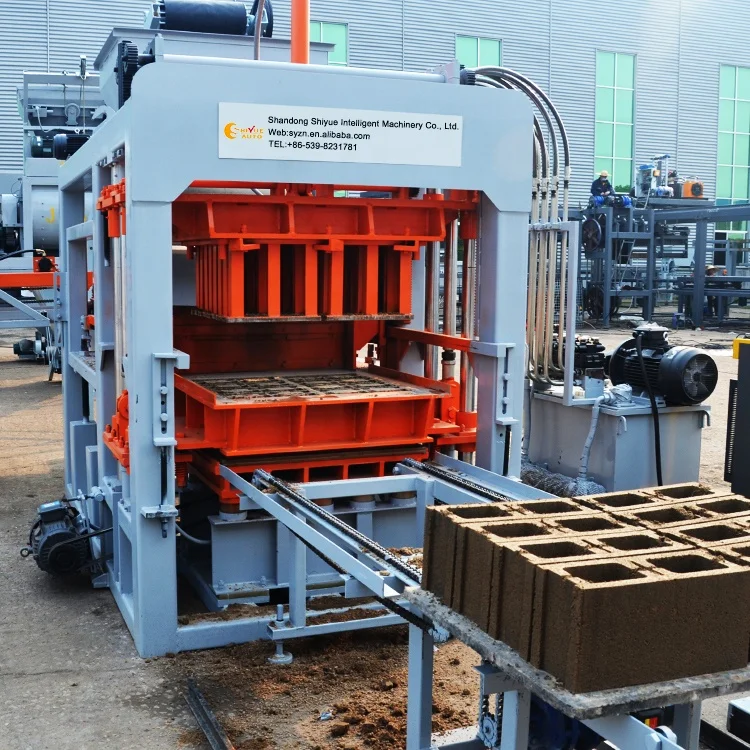
Description
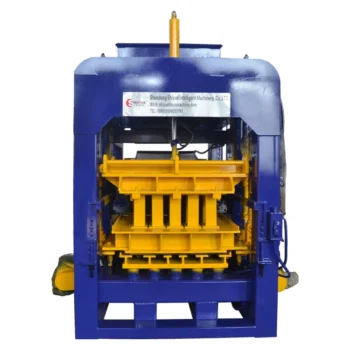
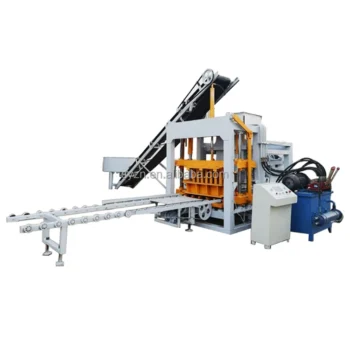
Dispatch-Ready Configurations — the QT6-12 block machine in stock ships with pallet, mould and electrical specs confirmed against your site before the container is booked.
Technical Specifications
| Parameter | Value |
|---|---|
| Product Type | Hydraulic Block Making Machine |
| Model | QT6-12 |
| Overall Dimensions (L×W×H) | 7350 × 1780 × 2950 mm |
| Rated Pressure | 16 MPa |
| Main Vibration | Platform vibration |
| Vibration Frequency | 4600 r/min |
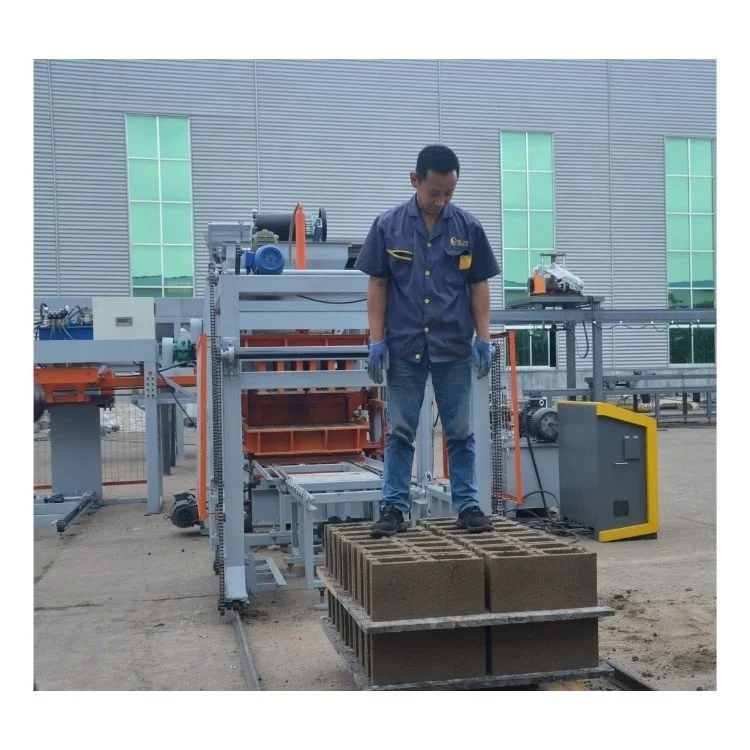
| Pallet Size | 880 × 700 mm |
| Molding Cycle | 15–20 s |
| Overall Power | 30.5 kW |
| Automation Level | Automatic |
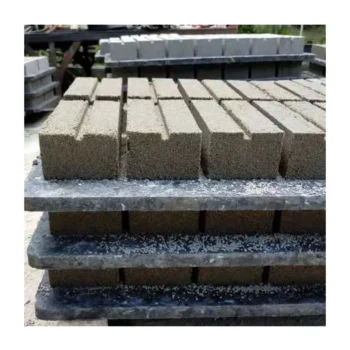
| Output – Hollow Block 400×200×200 mm | 6 pcs/mould, 1080 pcs/h, 8640 pcs/day |
| Output – Porous Brick 240×115×90 mm | 14 pcs/mould, 2800 pcs/h, 22400 pcs/day |
| Output – Standard Brick 240×115×53 mm | 30 pcs/mould, 6800 pcs/h, 54400 pcs/day |
| Raw Materials | Crushed stone, sand, cement, fly ash, cinder, slag, gangue, gravel, perlite, industrial wastes |
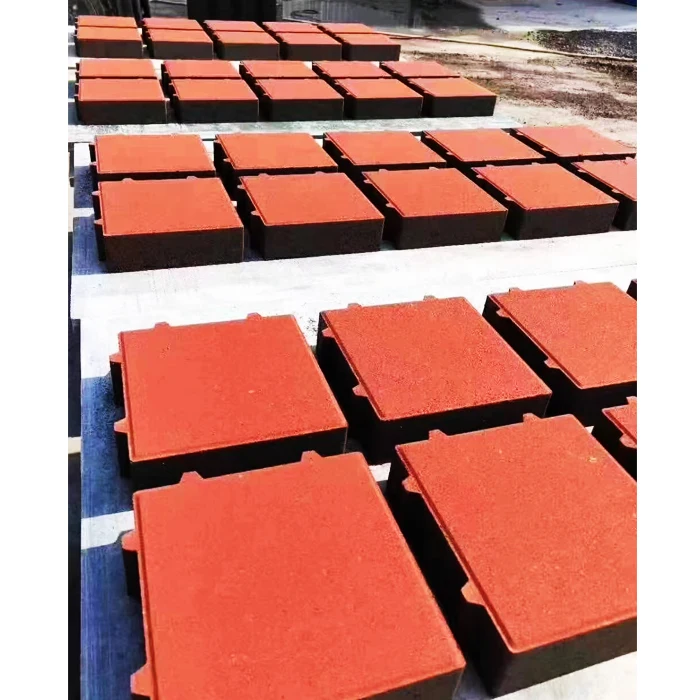
| Applied Products | Concrete blocks, solid/hollow/cellular masonry, paving stones, kerbstones, grass blocks, slope blocks, interlocking blocks |
| Standards | CE, SGS, ISO 9001 |
| Warranty | 1 year |
Application Suitability
| Application | Material or Output |
|---|---|
| On-site block production for housing projects | Hollow and solid concrete blocks from crushed stone and cement |
| Paving and landscaping supply | Interlocking pavers and kerbstones with face-mix options |
| Municipal road and square construction | Porous bricks and slope protection blocks from local aggregate |
| Building material distribution yards | Standard bricks and cellular masonry for rapid inventory replenishment |
| Garden and landscaping product lines | Grass blocks and edgers from cement and industrial waste blends |
Why the Voltage Question Must Come Before the Container
A QT6-12 block machine in stock is only fast if the electrical system matches your grid the moment it lands.
I once watched a site crew in Southeast Asia stand around a newly arrived press for three weeks because the control cabinet was wired for a voltage the local grid did not supply. The machine was perfect; the paperwork was not. A QT6-12 block machine in stock eliminates the production wait, but only when voltage, frequency, and PLC display language are locked in before the machine leaves the factory floor [NEED_CITE: voltage and frequency standards by export market]. Confirming these details against the buyer’s actual site conditions turns a fast shipment into a fast start-up.
Container Loading and Dispatch Timing
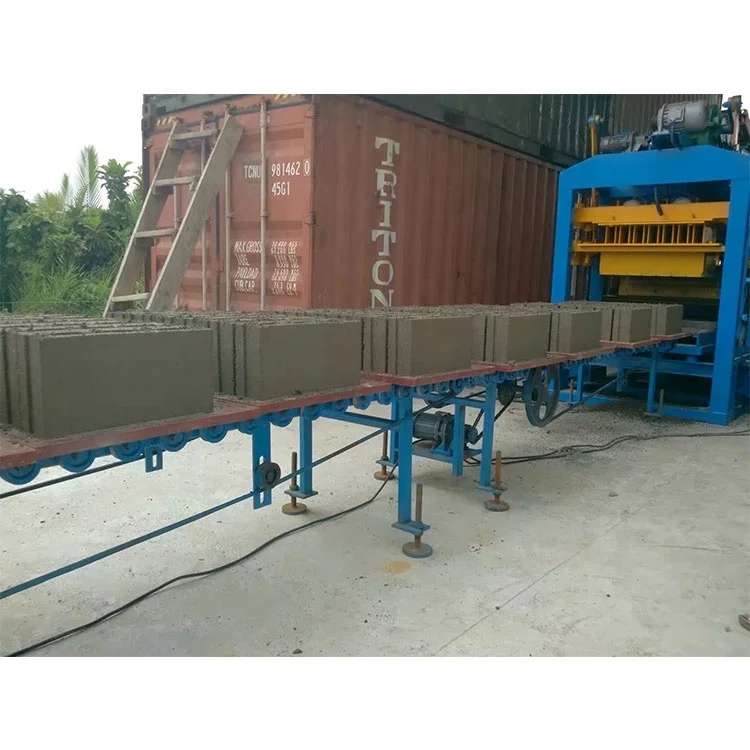
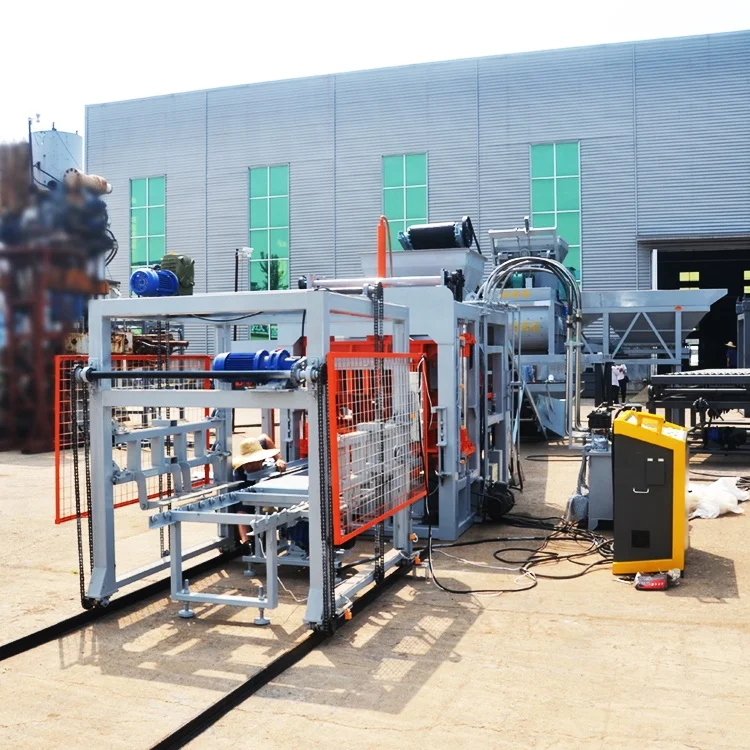
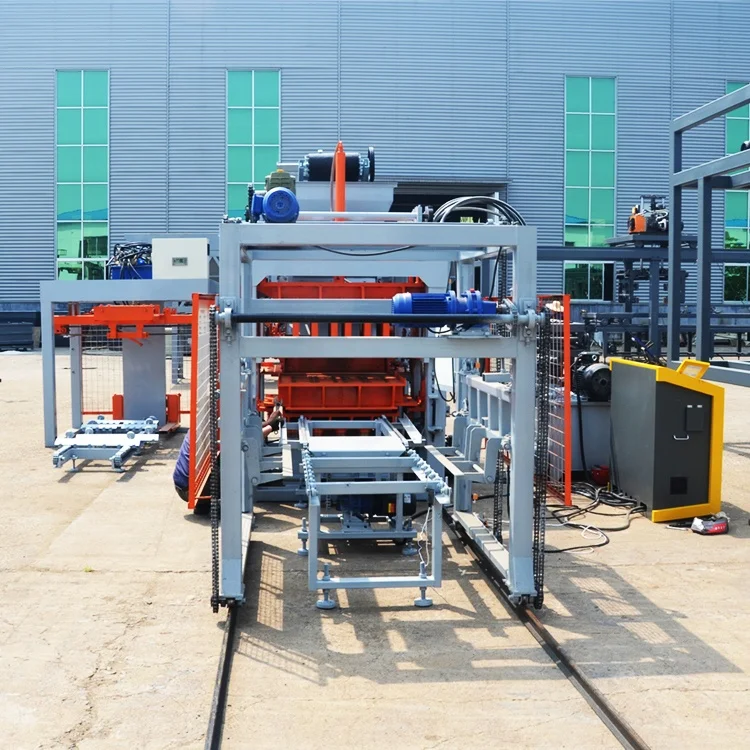
The QT6-12 measures 7350 × 1780 × 2950 mm, a footprint that fits standard open-top or flat-rack container planning once the press is broken down into its main assemblies. Stocked units mean the dismantling sequence is already mapped and the packing scheme is on file, so the loading crew is not improvising on the day of dispatch. Buyers working backward from a project milestone can receive a realistic arrival estimate rather than a vague lead-time range.
What "In Stock" Actually Covers
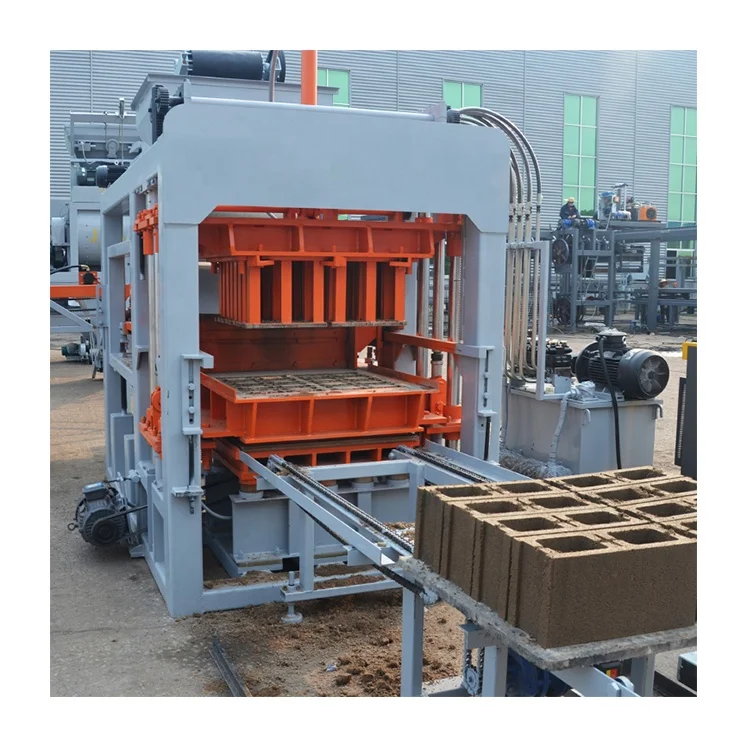
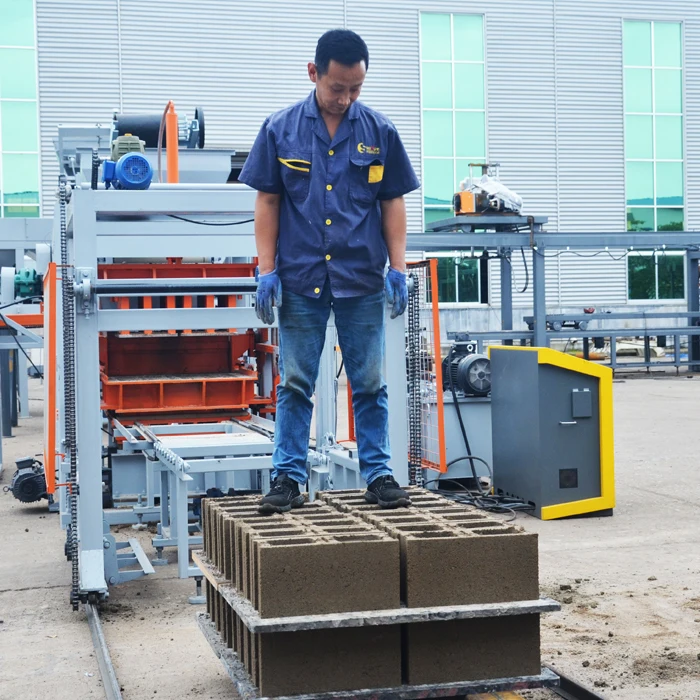
A stocked QT6-12 block machine in stock includes the host press, hydraulic station, platform vibration assembly, and a defined set of standard moulds. Supporting items like pallets, raw material feeders, and stacking equipment are configured separately to match the buyer’s existing curing area and forklift capacity. Clarifying exactly which items sit on the warehouse floor versus which require a production slot prevents the assumption that the entire line will ship in a single container [NEED_CITE: typical block line equipment scope in export quotations].
Reading the Specs That Matter on the Ground
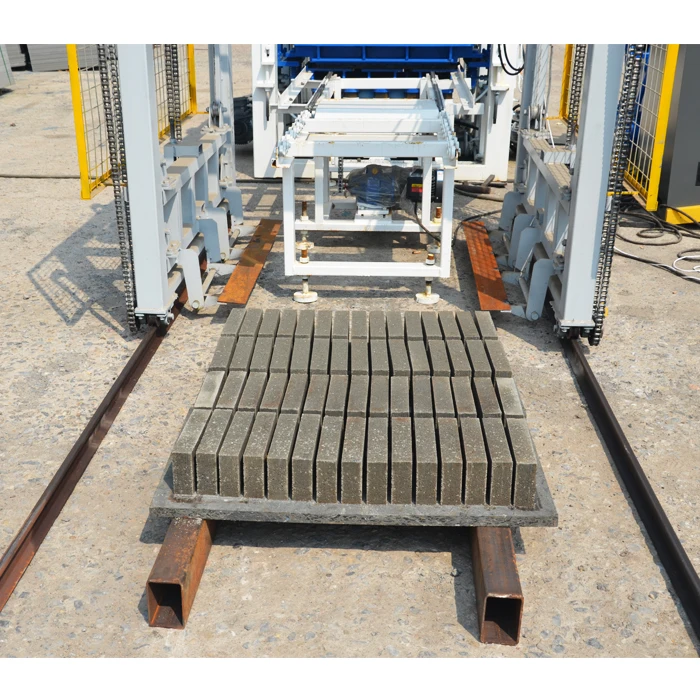
Platform vibration at 4600 r/min paired with 16 MPa rated pressure determines how densely the mix is compacted into the mould cavity. Higher vibration frequency alone does not guarantee block strength; the hydraulic pressure must be sufficient to hold the mix against the mould walls during consolidation. The 880 × 700 mm pallet size is a mid-range format that aligns with common curing-rack dimensions and standard forklift tine spacing in many export markets. A 15–20 second molding cycle keeps the press moving, but the actual daily output depends on which block format is in the mould — a detail that must be stated per format, not averaged across all products. The 30.5 kW overall power draw requires a dedicated circuit with adequate capacity at the site, something the electrical contractor needs to prepare before the machine arrives.
The Cost of Skipping the Pre-Shipment Checklist
When voltage, pallet material, or PLC language are assumed rather than confirmed, the machine may physically arrive on time but still sit idle. A control panel displaying instructions in a language the operator cannot read slows every mould change and troubleshooting session. Pallets specified without regard to the curing rack spacing already installed on site force the buyer to either modify the racks or order a new batch of pallets — both of which cost time the project does not have [NEED_CITE: common commissioning delays in imported block machinery].
Why Buyers Source This Machine Here
Block machinery is the sole focus of the production facility, so the press, mould, pallet, and handling equipment are specified as one matched system. Configuration is set against the buyer’s actual mix design and local aggregate rather than a catalogue default. Mould design covers the formats the buyer’s market sells, including custom drawings when a standard cavity does not match. Stocked units have already passed factory testing, so the test record is available before the machine ships. Documentation, packing photographs, and customs paperwork are prepared in parallel with the loading plan, reducing the gap between dispatch and vessel departure.
Documentation & Verification
- Factory test record run on your specified block format before dispatch
- Machine specification sheet confirming voltage, frequency, and PLC language
- Mould drawing and format list matching your order scope
- Pallet specification aligned with your curing rack and forklift setup
- Packing photographs taken at container loading for your records
- CE declaration and customs documentation support for destination port
Installation, Commissioning & Support
- Foundation pad sized to the 7350 × 1780 mm footprint with anchor bolt plan
- Dedicated 30.5 kW circuit matching confirmed voltage and frequency
- Main assemblies reassembled on site with hydraulic and electrical connections verified
- First-run parameter setting for your local aggregate and mix design
- Operator training covering mould change, daily maintenance, and PLC navigation
- Wear parts and mould inventory list supplied for your first reorder cycle
What to Include in Your Inquiry
Provide the block formats your market currently sells, the daily volume you need for each format, and the aggregate materials available locally. Confirm your site voltage, frequency, and the language your operators need on the PLC screen. If you already have pallets, curing racks, or forklifts on site, share their dimensions so the supporting equipment can be matched before the QT6-12 block machine in stock is loaded.
Frequently Asked Questions
Q: Which standard moulds ship with a stocked QT6-12, and does a custom mould delay dispatch?
A: Stocked units typically include moulds for common hollow block, standard brick, and paving formats. If your project requires a custom cavity, the mould enters a separate production slot and may ship after the press. Confirming your full format list early lets the supplier advise whether every mould can ride in the same container.
Q: Can voltage and PLC language be confirmed before the machine leaves the factory?
A: Yes. The supplier confirms your site voltage, frequency, phase, and preferred PLC display language during the order process and records them on the specification sheet. This prevents the control cabinet from arriving mismatched to the local grid or unreadable to the operating crew.
Q: Is the QT6-12 shipped fully assembled or dismantled for container loading?
A: The press is broken into main assemblies — frame, hydraulic station, vibration platform — to fit standard container dimensions. A loading plan is prepared in advance, and reassembly is completed on site with technical guidance during commissioning.
Q: What site conditions are needed to unload and position the machine?
A: You need a level concrete foundation matching the 7350 × 1780 mm footprint, a forklift or crane rated for the heaviest assembly, and the confirmed electrical supply connected to a dedicated circuit. Sharing your site layout in advance allows the supplier to advise on placement sequence.
Q: How many working days from order to vessel departure for a stocked unit?
A: Stocked QT6-12 units undergo a pre-shipment test, configuration confirmation, and container loading. The exact timeline depends on how quickly voltage, mould list, and documentation details are finalized between buyer and supplier.