
Description
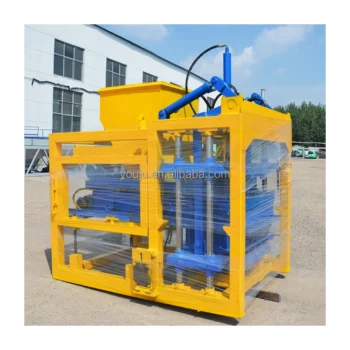
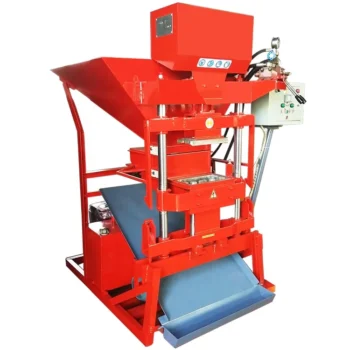
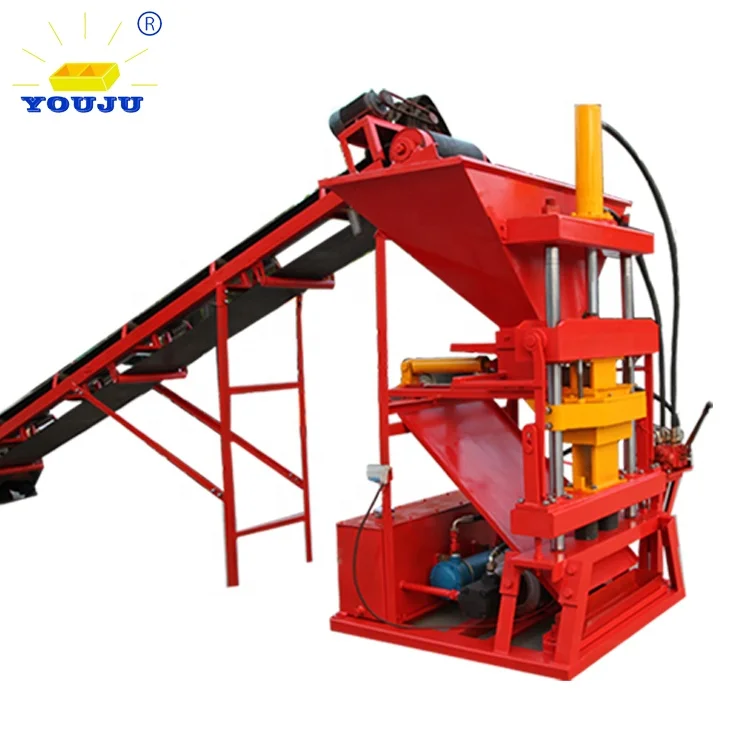
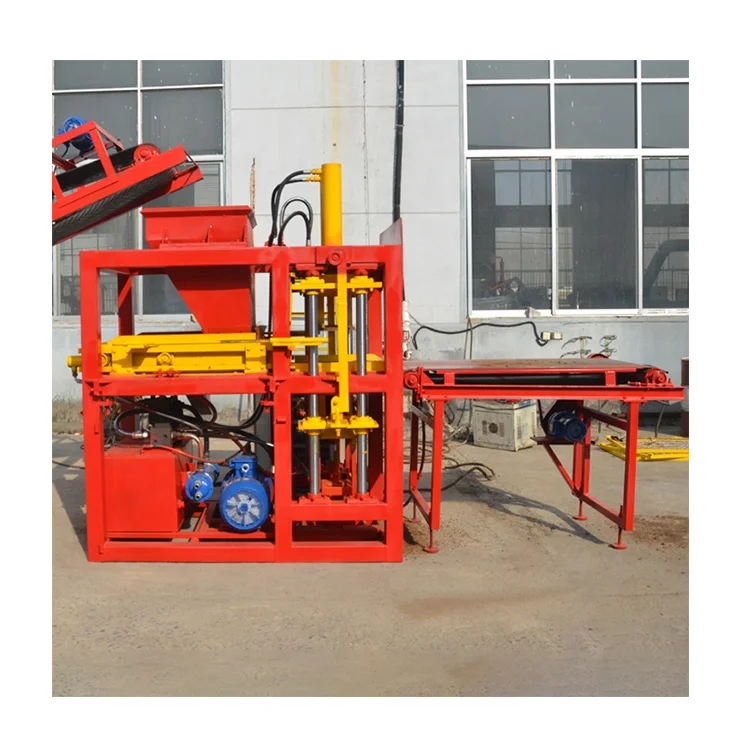
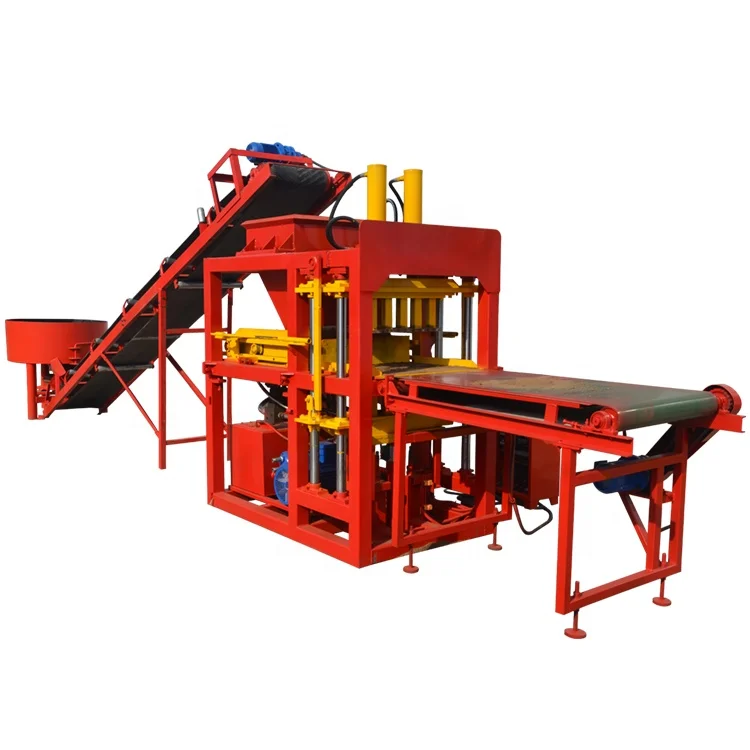
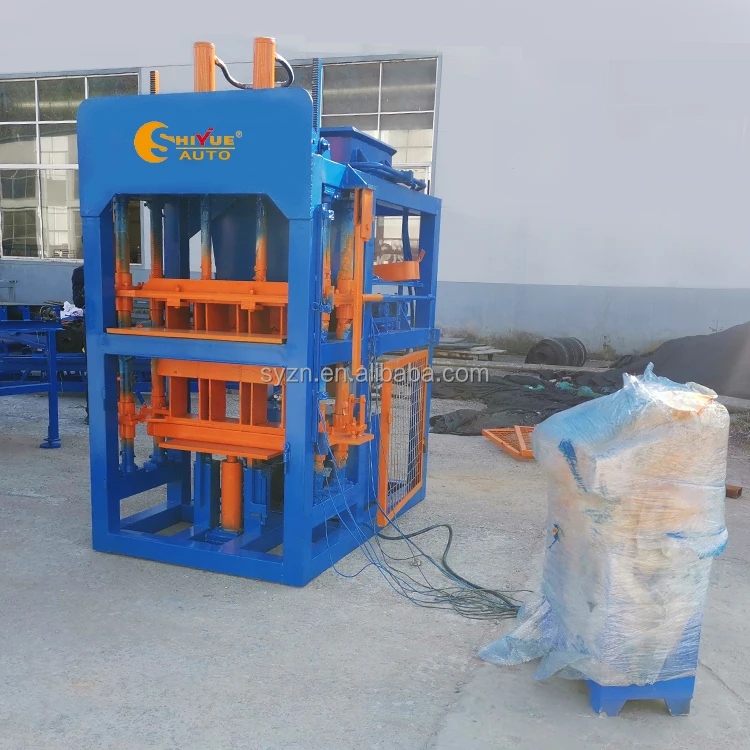
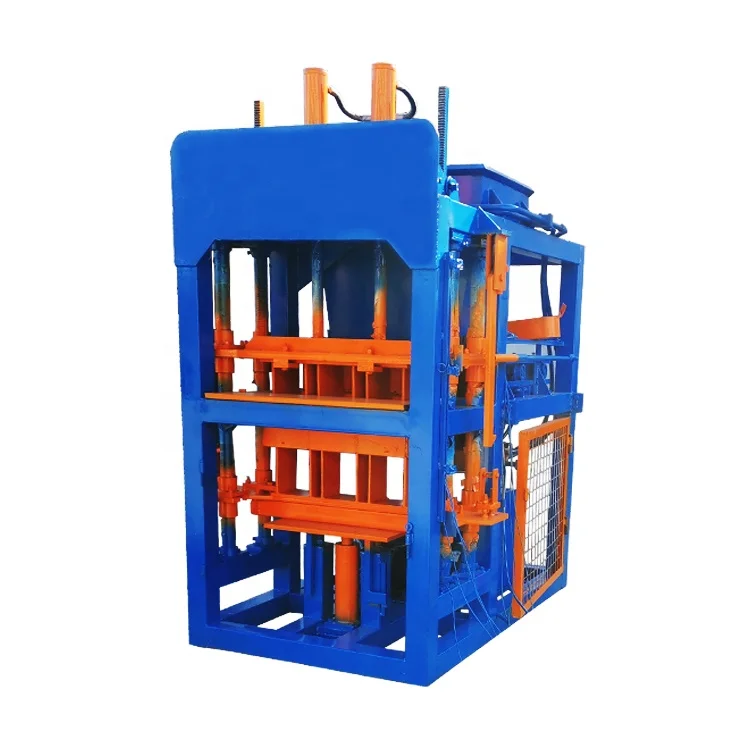
Dispatch-Ready Configuration — The LY4-10 interlocking brick machine ships as a complete unit with hydraulic system pre-tested and voltage matched to your local grid, eliminating the multi-week delays that typically follow an incorrect electrical specification.
Technical Specifications
| Parameter | Value |
|---|---|
| Model | LY4-10 |
| Product Type | Clay Interlocking Brick Making Machine |
| Rated Power | 11 kW |
| Hydraulic Pressure | 25-32 MPa |
| Molding Cycle | 7-10 seconds |
| Output per Cycle | 4 pcs (basis not stated in source — confirm block format / material / thickness) |
| Machine Weight | 1500 kg |
| Overall Dimensions | 2260×1500×2380 mm |
| Voltage | Customized to local voltage (source value — verify against manufacturer catalog) |
| Automation Level | Automatic operation for material feeding, mould pressing, and mould lifting |
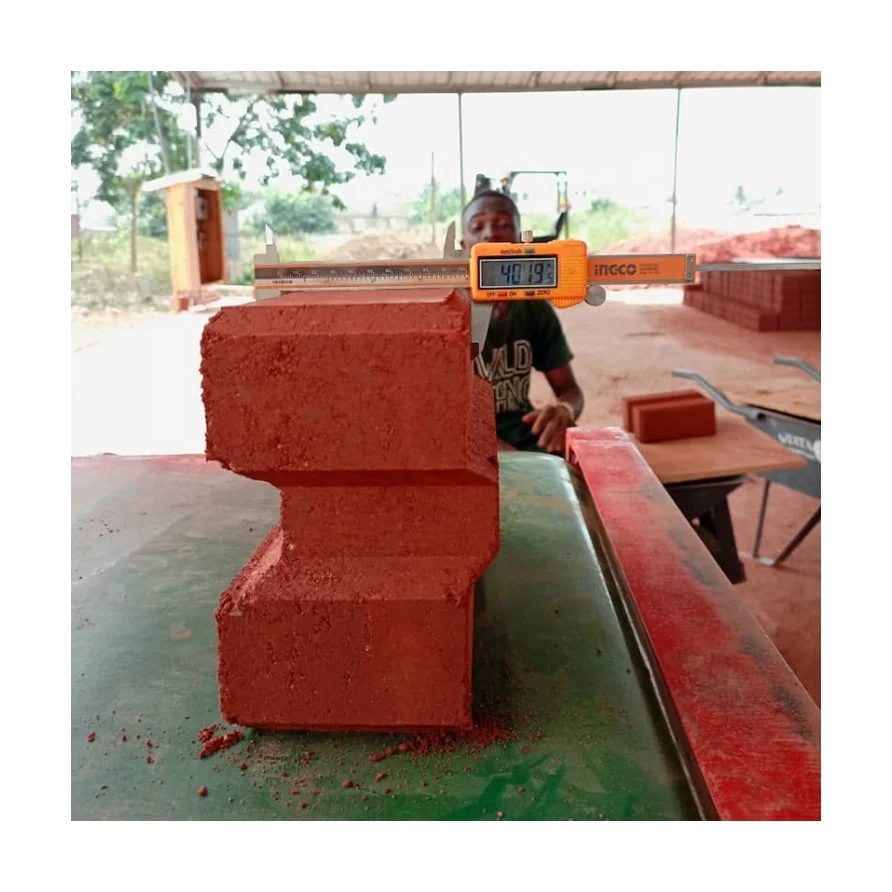
| Mould Format | Interlocking brick (dimensions to be confirmed) |
Application Suitability
| Application | Material or Output |
|---|---|
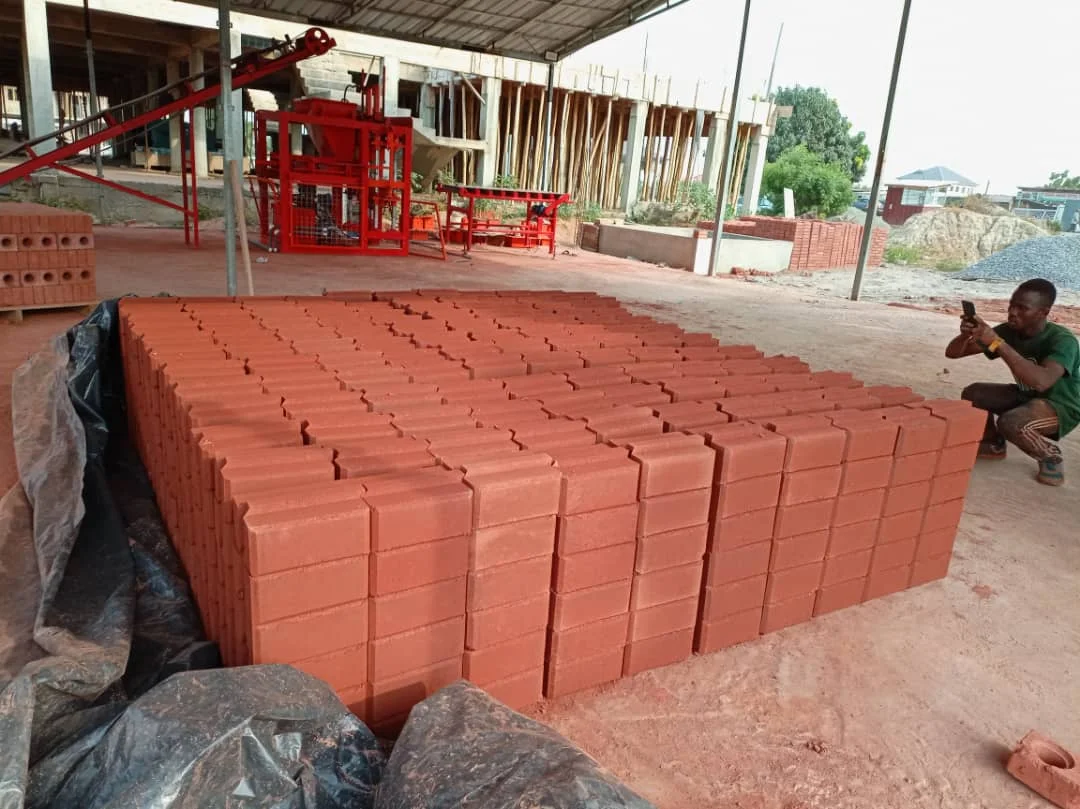
| On-site housing project production | Compressed earth blocks from locally sourced clay and stabilizer |
| Ecological brick manufacturing | Cement-clay interlocking bricks for load-bearing and infill walls |
| Contractor self-supply on deadline | Interlocking pavers and wall blocks from available aggregate |
| Distributor stock replenishment | Standard interlocking brick formats for regional building supply |
Why Voltage Confirmation Must Precede the Purchase Order
A machine wired for the wrong frequency will sit idle on your site until a transformer arrives or a rewinding shop finishes the job.
I have watched a container-unsealed brick press sit under the sun for three weeks because the buyer’s facility ran on 440V/60Hz while the machine left the factory on 380V/50Hz. The project schedule did not pause for that oversight, and neither did the penalty clauses in the construction contract. When buyers focus on the LY4-10 interlocking brick machine in stock headline without locking down the electrical specification first, the "fast delivery" advantage evaporates at the port of entry [NEED_CITE: voltage and frequency standards by export market]. Confirming voltage and frequency before the proforma invoice is signed costs nothing but prevents a stall that no shipping speed can recover.
Stocked Unit Readiness and Dispatch Timeline
The LY4-10 interlocking brick machine in stock status means the main frame, hydraulic cylinder assembly, and mould are assembled and factory-tested before the buyer’s order is formally placed. This removes the production lead from the critical path. What remains is voltage customization, final inspection, dismantling for container loading, and customs documentation — a sequence that takes a predictable number of working days once the electrical specification is confirmed.
Container Loading and Arrival Estimation
At 1500 kg and 2260×1500×2380 mm, the LY4-10 fits within a standard 20-foot container alongside its mould and a basic pallet set. The loading plan is confirmed with packing photographs before the container is sealed. Arrival estimation depends on the shipping lane and destination port congestion, which is quoted at the point of order rather than guessed in marketing copy [NEED_CITE: typical ocean freight transit windows to West Africa and Southeast Asia]. Buyers working against a project mobilisation date need the dispatch date and estimated arrival in writing, not a brochure promise.
What the Hydraulic and Cycle Specifications Mean on Site
The 25-32 MPa hydraulic pressure range gives the operator room to adjust compaction force depending on the clay-stabiliser mix being fed. Softer earth mixes with higher clay content need lower pressure to avoid cracking at the edges, while leaner mixes with more sand require the upper end of the range to achieve adequate interlock strength. The 7-10 second molding cycle is measured from press close to mould lift; actual throughput across a shift depends on how quickly the operator feeds raw material and removes finished bricks. The 11 kW rated power keeps the machine within the capacity of a standard site generator, which matters when grid power is unreliable or unavailable during the early construction phase.
The Cost of Skipping the Pre-Shipment Checklist
When a buyer rushes to ship without confirming pallet size, the curing racks already built on site may not match the pallets that arrive. When the mould format is assumed rather than specified, the first production run yields bricks that do not match the architectural drawings. Each of these oversights adds days or weeks of idle labour on a project that was already behind schedule before the machine arrived [NEED_CITE: common causes of commissioning delay in imported construction equipment]. The fast dispatch advantage only holds if the configuration conversation happens before the container is booked.
Why Sourcing This Machine Here Reduces Arrival Risk
Shandong Shiyue Intelligent Machinery focuses exclusively on block making machinery, so the LY4-10 leaves the factory as a matched system — press, mould, and pallet specified together rather than assembled from separate vendors. The company confirms voltage, frequency, and PLC display language before production finalisation, which is the step that prevents the three-week transformer delay described earlier. Container loading photographs and a dismantling plan are shared before sealing, giving the buyer visibility into exactly what will arrive and how it will be reassembled. Stocked standard moulds ship with the machine, so the first production run does not wait for a custom tooling order [NEED_CITE: machinery export documentation and CE declaration requirements].
Documentation & Verification
- Factory test record on the interlocking brick format specified in your order
- Voltage and control language confirmation sheet signed before dispatch
- Packing photographs showing dismantling state and container loading plan
- Hydraulic and electrical schematic matching the as-shipped configuration
- Operation and maintenance manual in the confirmed display language
Installation, Commissioning & Support
- Foundation pad sized to the 2260×1500 mm footprint with anchor bolt template provided
- Dedicated 11 kW circuit at the confirmed voltage and frequency with earth bonding
- Machine arrives partially dismantled; reassembly covers hydraulic lines and mould mounting
- First-run commissioning includes pressure adjustment to match your clay-stabiliser mix
- Operator training covers mould change procedure and daily hydraulic fluid inspection
- Wear parts list supplied with recommended first-order quantities for seals and mould liners
What to Include in Your Enquiry
To lock down dispatch timing for the LY4-10, provide your local voltage and frequency, the interlocking brick dimensions your project requires, and the target date the machine must be producing on site. If your curing area and forklift are already in place, share the pallet size so the pallet specification matches what you have. This lets the dispatch schedule be quoted against your actual deadline rather than a generic lead time.
Frequently Asked Questions
Q: Is the LY4-10 currently in stock and what is the fastest dispatch date?
A: Stock status for the LY4-10 is confirmed at the time of enquiry. Once voltage and mould format are agreed, the machine is inspected, dismantled for loading, and moved to the container staging area. Dispatch timing is quoted in working days from order confirmation, not from an estimated production slot.
Q: Which container size is needed and how is the machine loaded?
A: The LY4-10 and its standard mould fit within a 20GP container at the stated dimensions and weight. The machine is partially dismantled for transit. Packing photographs showing the loading plan are shared before the container is sealed so you can verify the arrangement.
Q: Will customising the voltage delay the shipment?
A: Voltage customisation is completed before final inspection. If the required voltage is a standard option, the additional time is minimal. Non-standard voltages or frequencies are identified at the enquiry stage so the timeline reflects the actual work required.
Q: What arrival documents are provided for customs clearance?
A: Commercial invoice, packing list, bill of lading, and certificate of origin are prepared as standard. Additional documents such as a CE declaration are included where applicable to your destination market. Confirm your port’s specific requirements during the enquiry.
Q: What support is available once the machine arrives on site?
A: Reassembly guidance covers hydraulic line connection and mould mounting. Commissioning support includes pressure adjustment for your local clay mix and operator training on daily maintenance. A wear parts list with first-order recommendations ships with the machine.