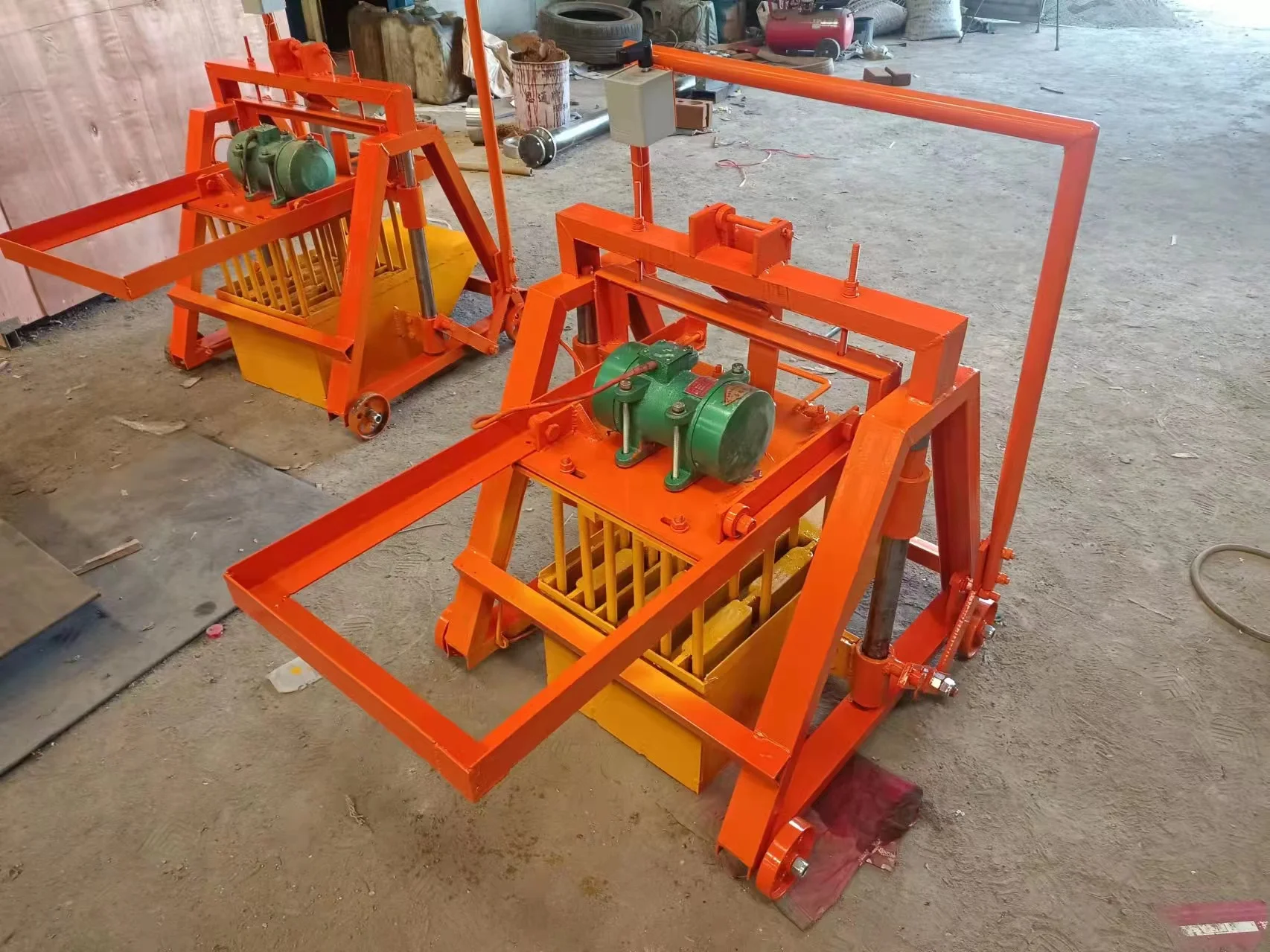
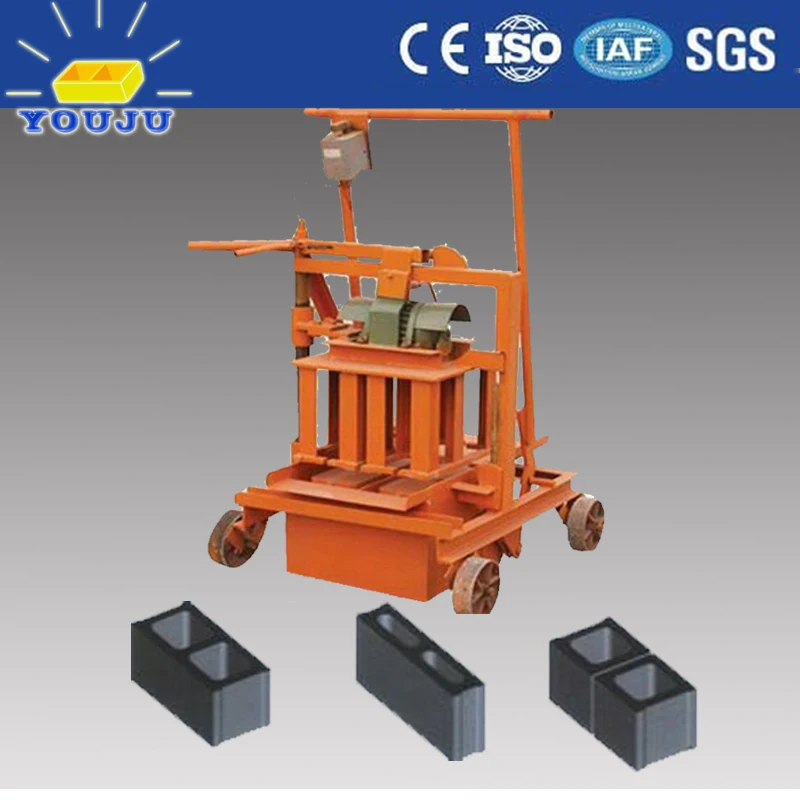
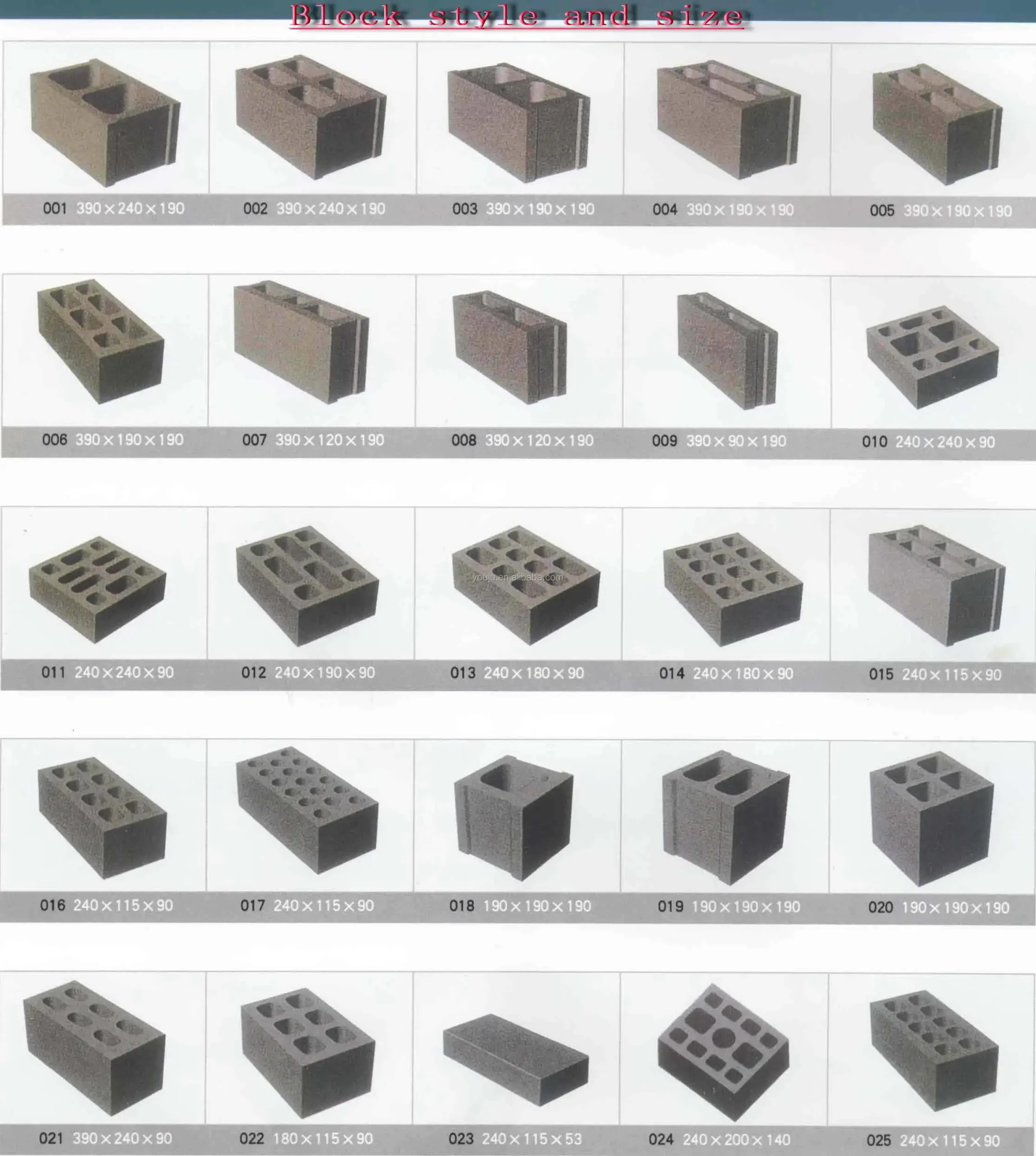
Description
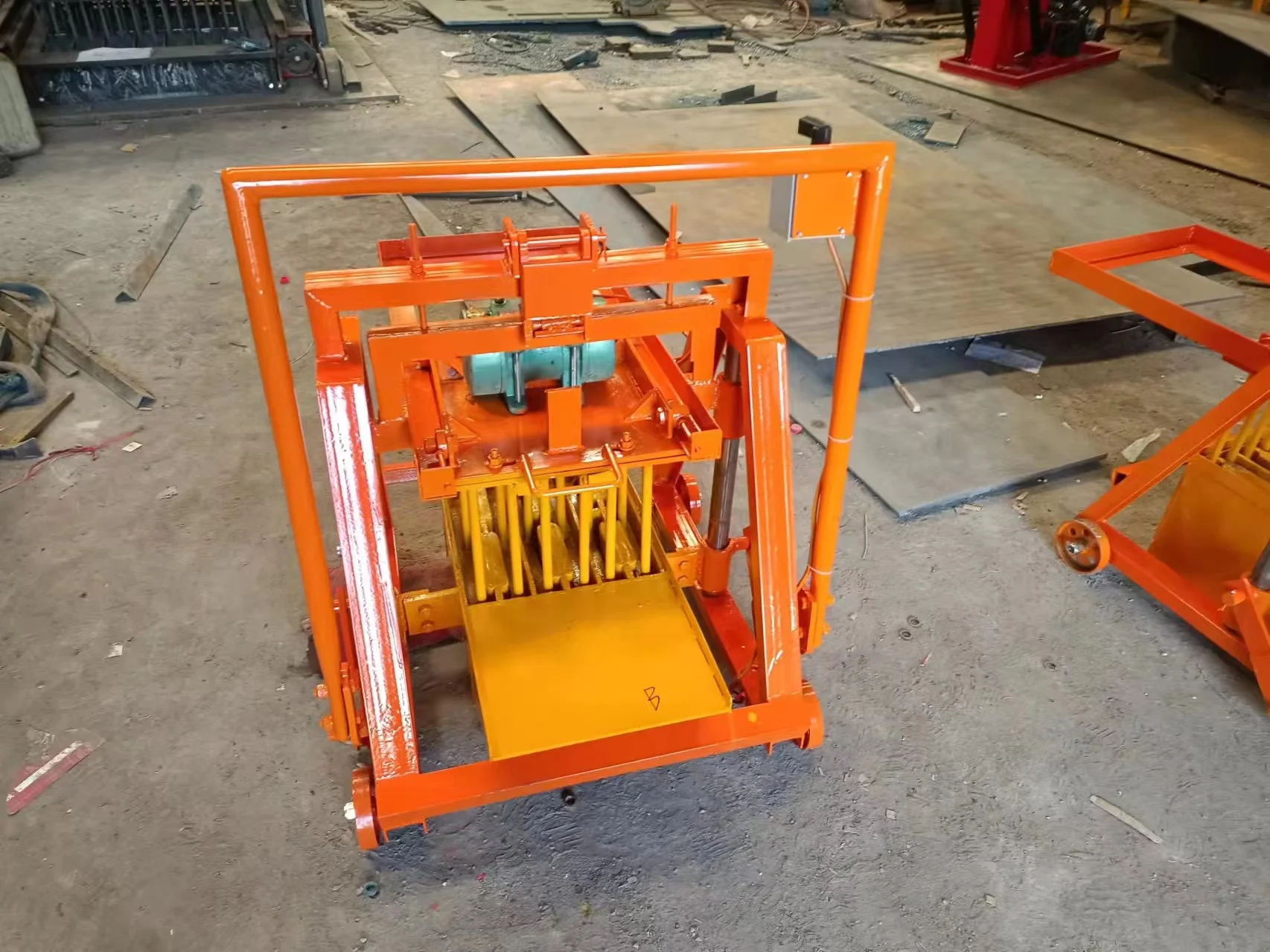
Rapid Dispatch Readiness — QMJ2-45 units are assembled, tested and staged on the warehouse floor so container loading can begin within days rather than weeks of order confirmation.
Technical Specifications
| Parameter | Value |
|---|---|
| Model | QMJ2-45 |
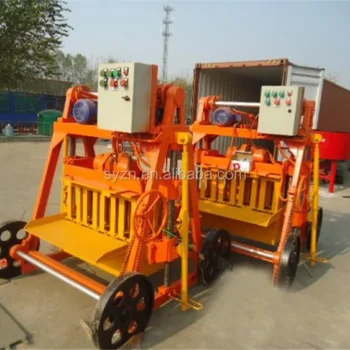
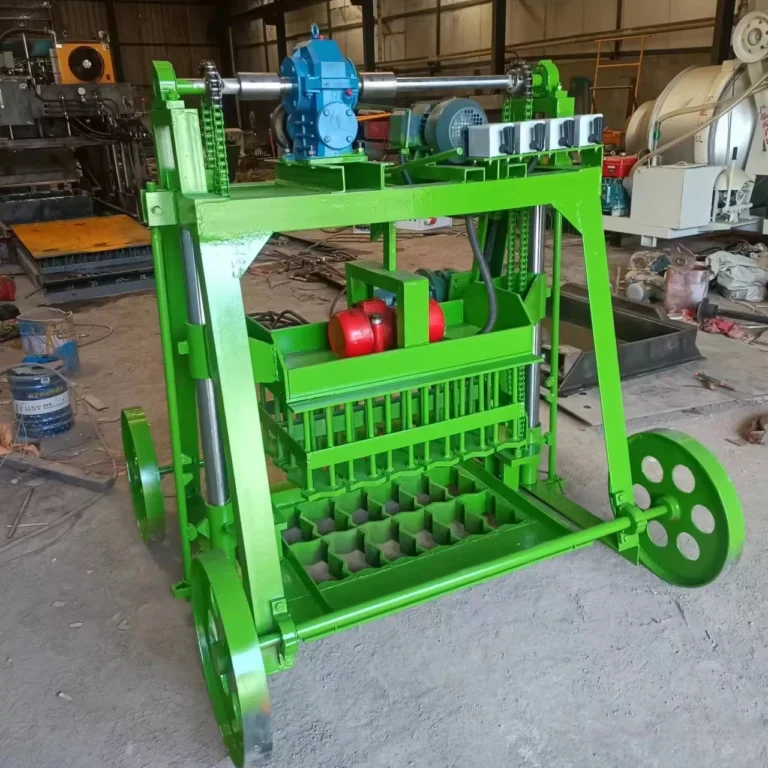
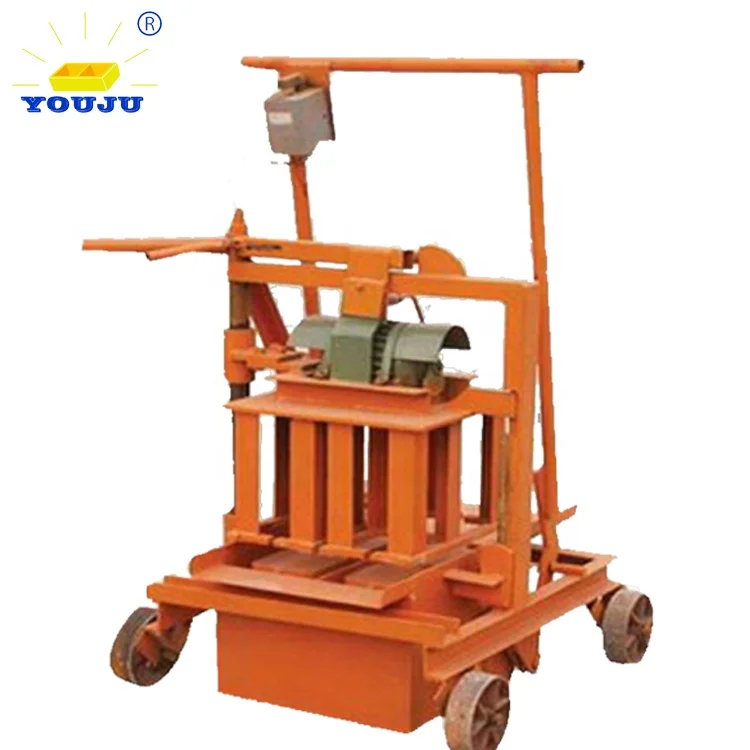
| Product Type | Mobile Concrete Block Making Machine |
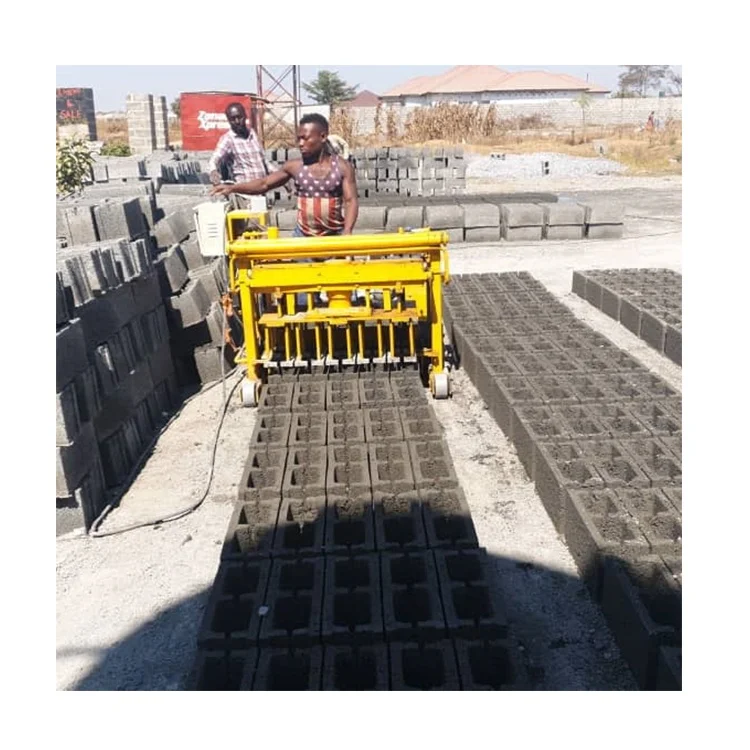
| Operation Mode | Manual / Egg-laying (no pallets required) |
| Power Source | Diesel engine or electric motor (option to be confirmed) |
| Control System | Manual operation |
| Labour Requirement | 1 to 3 workers |
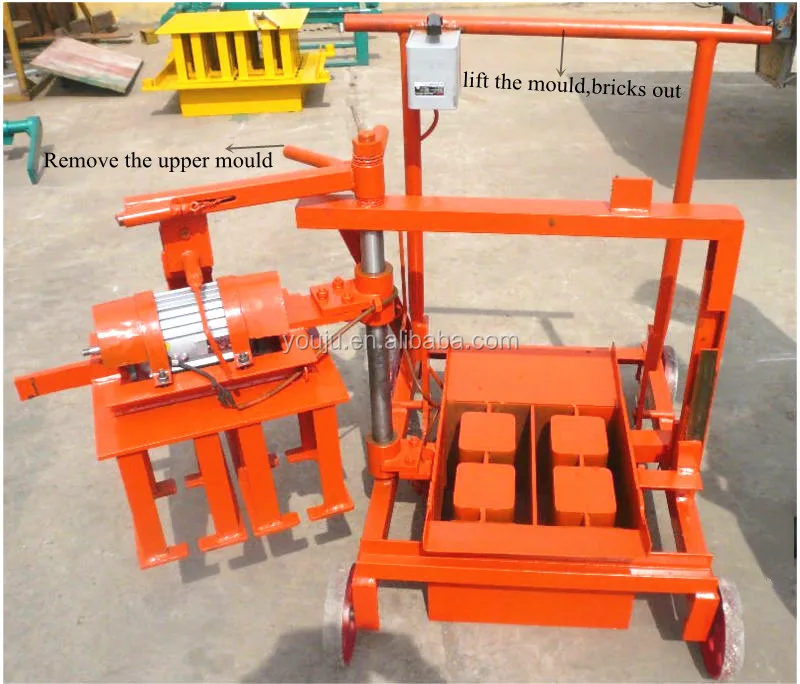
| Mould Change | Manual swap |
| Moulding Cycle | 25–30 s |
| Mould Formats Supplied | 400×200×200 mm, 400×150×200 mm, 400×100×200 mm hollow brick |
| Output – 400×200×200 mm Hollow | 160 pcs/h, 1 280 pcs/8 h (basis: 2 pcs/mould, 25–30 s cycle) |
| Output – 400×150×200 mm Hollow | 240 pcs/h, 4 800 pcs/8 h (source value — verify against manufacturer catalog) |
| Output – 400×100×200 mm Hollow | 320 pcs/h, 2 560 pcs/8 h (basis: 4 pcs/mould, 25–30 s cycle) |
| Mobility | Free-moving on flat ground |
| Stacking Method | Blocks laid directly on ground (egg-laying) |
| Certification | CE, ISO 9001:2000 |
| Voltage & Frequency | To be confirmed before production |
| Overall Dimensions | To be confirmed |
| Net Weight | To be confirmed |
Application Suitability
| Application | Material or Output |
|---|---|
| Building-site hollow block production | Crushed stone, sand and cement mixed on-site for 400 mm series hollow bricks |
| Remote or off-grid construction projects | Diesel-powered operation where grid electricity is unavailable |
| First block yard for entrepreneurs | Low-capital entry producing hollow bricks in 100, 150 and 200 mm thickness |
| Contractor self-supply | Small-volume hollow block runs directly at the construction zone |
| Rural housing and infrastructure | Egg-laying production on cleared ground without fixed plant infrastructure |
Why "Pieces per Hour" Can Mislead a Project Schedule
Capacity figures only matter when the block format, mould count and cycle time behind them are stated openly.
When buyers receive a mobile block machine in stock quotation showing a single output number, that figure almost always assumes the smallest format the machine can produce. Once the actual project brick — typically 400×200×200 mm — goes into the mould, real hourly output drops noticeably because fewer cavities fit per cycle. I have seen contractors plan an entire block-laying schedule around a headline number, only to discover on day one that the machine produces fewer than half the blocks they expected per shift [NEED_CITE: honest capacity reporting standards in block machinery exports]. The QMJ2-45 Mobile Block Machine with Diesel Engine page lists output for each of the three hollow brick formats separately so the project planner can match the number to the block actually being sold on-site.
Stocked Units and the Dispatch Calendar
The advantage of sourcing a mobile egg-laying block machine fast delivery unit is that the build queue is removed entirely. Machines on the floor have already passed factory run tests, so the only remaining steps are mould matching, dismantling for container fit and lashing. Buyers who confirm voltage, frequency and control language early can move from payment receipt to container gate-in within a matter of days. Late confirmation of those electrical parameters is the single most common reason a stocked unit misses its intended vessel.
Container Loading and Arrival Timing
Every QMJ2-45 is broken down into its main frame, mould assembly and power unit for container loading. Bracing plans are prepared per container type so the machine arrives without transit shift damage. Transit time from the port of loading to the destination port is quoted at the offer stage, not discovered after the bill of lading is issued [NEED_CITE: typical ocean freight transit windows from Qingdao to Southeast Asian ports]. This lets the site foreman align block production start with the construction programme rather than guessing when the crate will clear customs.
How Vibration, Cycle Time and Block Density Interact
On an egg-laying machine the mould box sits directly on the ground, so vibration force and cycle time together determine how densely the concrete is compacted before the mould lifts. The 25–30 s moulding cycle of the QMJ2-45 gives the vibration motor enough time to settle crushed stone and cement into a stable hollow brick across all three formats. Choosing a shorter cycle to chase higher output leaves insufficient compaction, producing blocks that chip at the corners during handling. Conversely, extending the cycle beyond the design window does not increase strength and simply reduces hourly throughput. The manual mould change between formats means operators can switch brick thickness to match the day’s wall specification without waiting for a fixed plant to reconfigure.
What Happens When Unloading Conditions Are Overlooked
Last year a batch of mobile block machines arrived at a Philippine port and the consignee had arranged a three-ton forklift, while the crate required a five-ton unit. The forklift could not lift the main frame off the flat-rack, and a mobile crane had to be sourced locally — four days of demurrage and idle crew followed. That is why the unloading plan for every QMJ2-45 shipment specifies the minimum forklift tonnage, sling points and ground-bearing requirement before the container leaves the factory yard [NEED_CITE: container unloading equipment standards for heavy industrial machinery]. Confirming site lifting capacity at the order stage keeps the arrival rhythm predictable.
Reasons Buyers Route Their Order Through This Desk
Single-focus machinery sourcing means the machine, mould and diesel or electric drive are specified as one matched package rather than assembled from separate trading houses. Dispatch lead time is quoted in calendar days at the offer stage, not left to post-production negotiation. Every stocked mould format is checked against the buyer’s hollow brick drawing before loading. Container lashing and dismantling plans are prepared per shipment so the machine can be reassembled on-site without missing hardware. Factory test records covering the buyer’s target block format travel with the shipping documents.
Documentation & Verification
- Factory test record run on 400×200×200 mm hollow brick before dispatch
- Mould drawing matching the buyer’s three hollow brick formats
- Voltage and frequency confirmation sheet signed before production
- Packing photographs of dismantled machine and braced container load
- CE declaration and ISO 9001:2000 certificate copies included in shipping file
- Operation manual covering manual mould change and daily maintenance
Installation, Commissioning & Support
- Flat, compacted ground required for egg-laying operation — no concrete foundation needed
- Diesel engine or electric motor option confirmed to match site power availability
- Machine dismantled into main frame, mould and power unit for container loading
- On-site reassembly guided by numbered component list and bolt torque schedule
- Operator training covers 25–30 s cycle discipline and manual mould swap procedure
- Wear parts list supplied with recommended reorder intervals for vibration motor brushes
Preparing Your Enquiry
Share the hollow brick formats your site will produce, the daily output target and the block-laying schedule date. Specify whether diesel or electric power is available and the local voltage and frequency. Confirm the forklift or crane tonnage at the destination port so the loading plan can be matched before the container is sealed.
Frequently Asked Questions
Q: Is the QMJ2-45 in stock right now, or built to order?
A: Units are assembled, tested and staged on the warehouse floor. Once voltage, frequency and mould formats are confirmed, container loading can proceed within days. Stock status is verified at the moment of enquiry so buyers receive a real-time availability answer rather than a catalogue promise.
Q: How many days from order to container gate-in?
A: For a stocked unit with confirmed electrical parameters, the window runs from a few days to roughly one week. Delays typically come from late voltage confirmation or custom mould requests that require additional fabrication time. The dispatch date is written into the proforma invoice.
Q: Can I add extra moulds to the same shipment?
A: Standard hollow brick moulds in the 400 mm series are usually available from stock and can be loaded into the same container. Non-standard moulds require a separate lead time for pattern making and machining. Confirming the full format list at enquiry stage keeps the shipment consolidated.
Q: What unloading equipment do I need at destination?
A: A forklift rated for the machine’s main frame weight or a mobile crane with adequate reach is required. The exact tonnage and sling-point positions are stated in the packing list sent before shipment. Arranging the correct equipment in advance avoids port demurrage and idle crew days.
Q: What happens if transit damage is found on arrival?
A: Packing photographs and container seal records are provided before loading. Any damage discovered at destination should be photographed with the container door still open, and the shipping line notified within the claim window stated on the bill of lading. The supplier assists with the insurance documentation process.