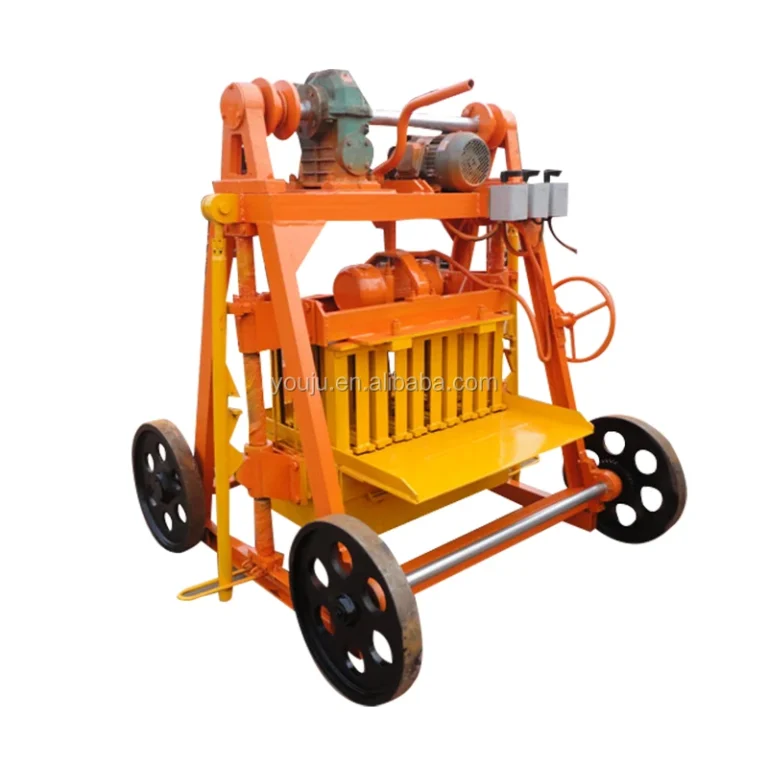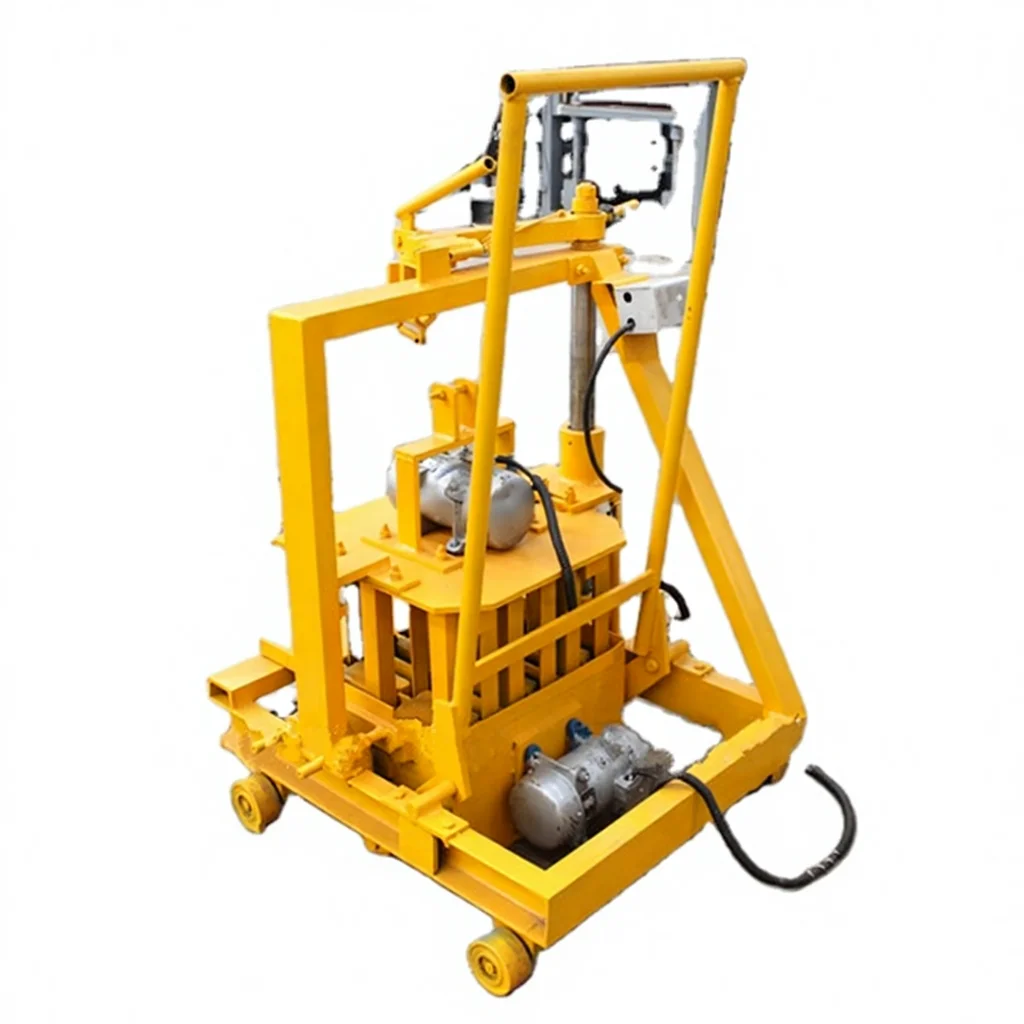
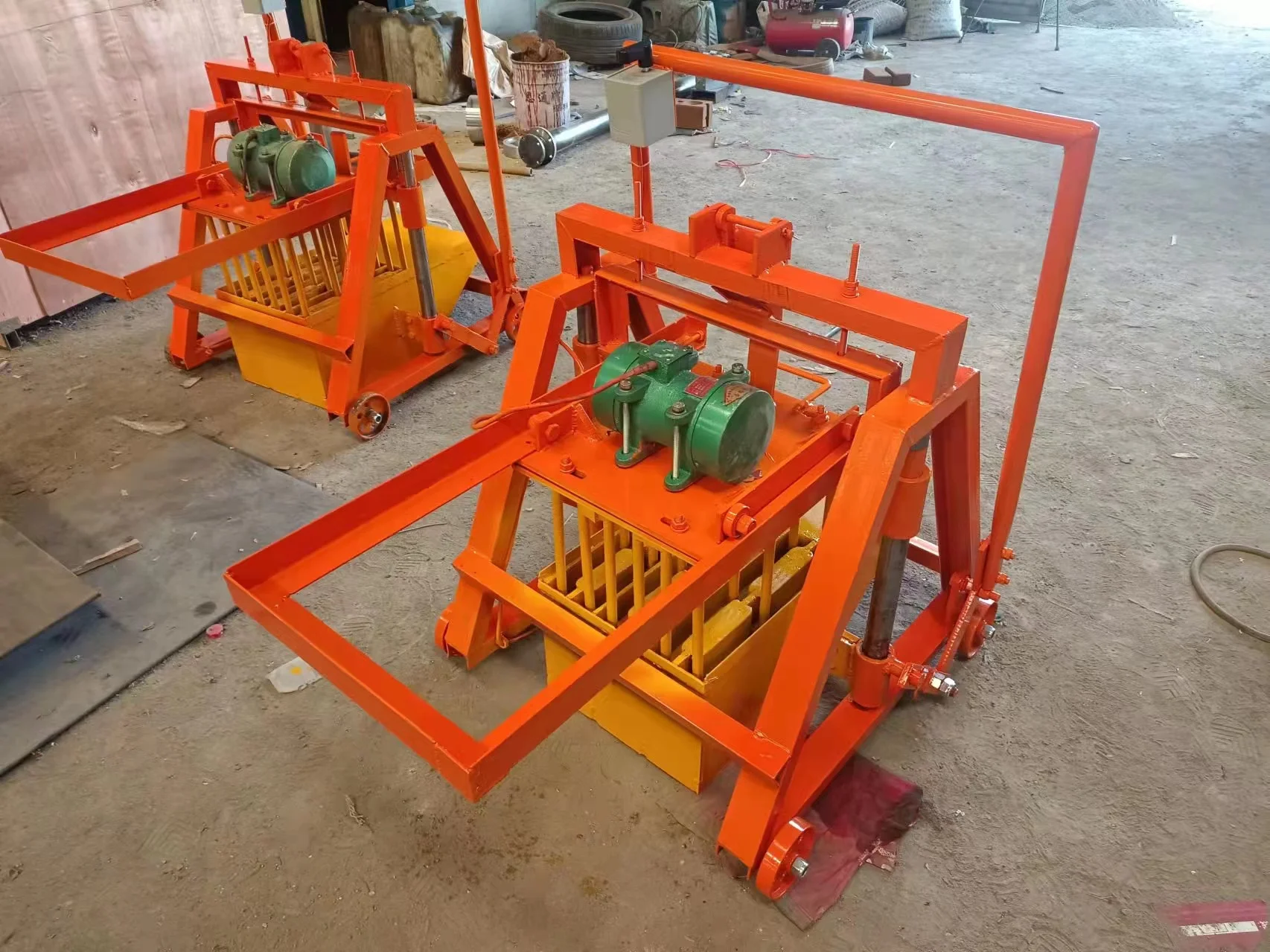
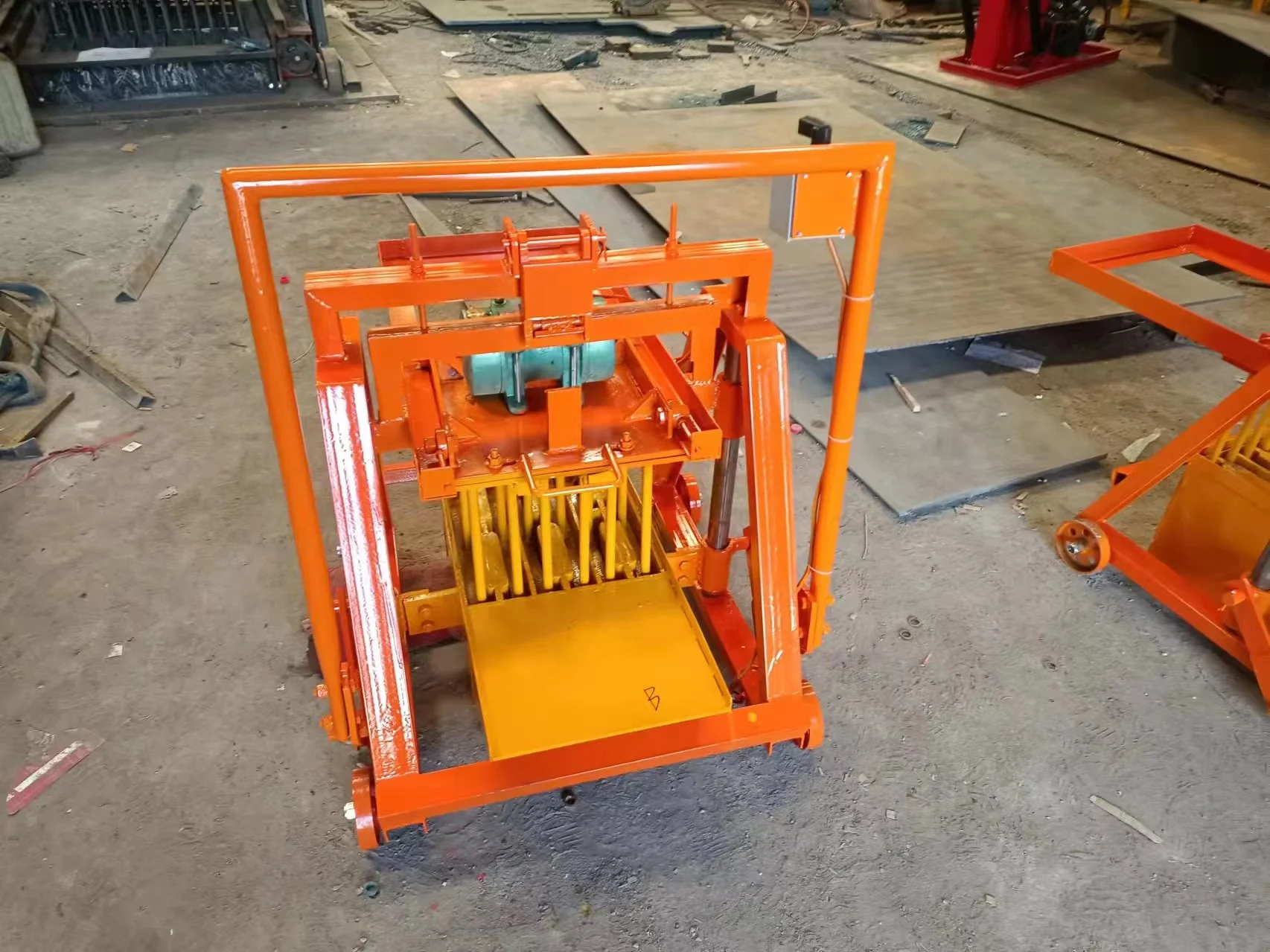
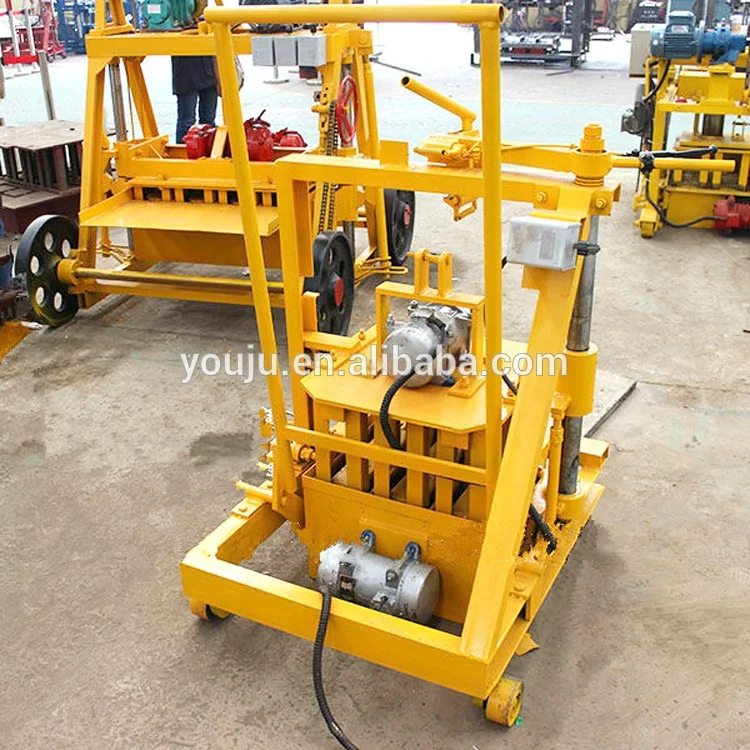
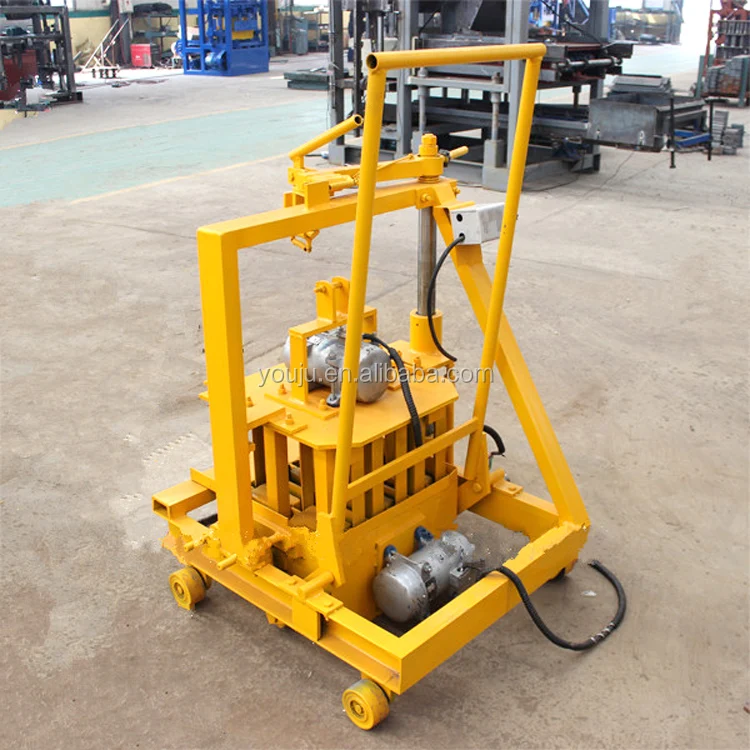
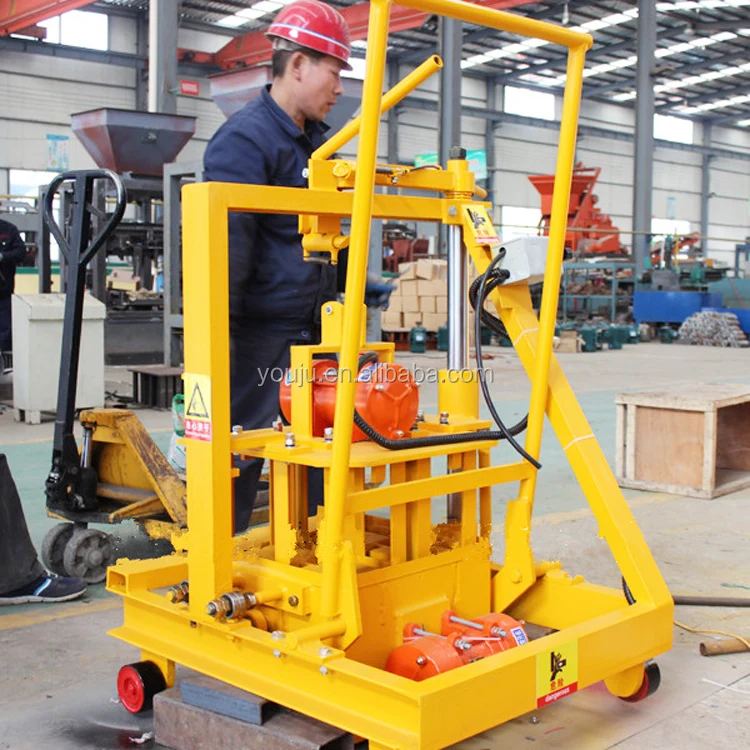
Description
Dispatch-Ready Configuration — The QMJ2-45 mobile block making machine ships as a complete unit with matched moulds, eliminating partial-delivery delays that stall on-site production schedules.
Technical Specifications
| Parameter | Value |
|---|---|
| Model | QMJ2-45 |
| Product Type | Mobile Egg-Laying Block Making Machine |
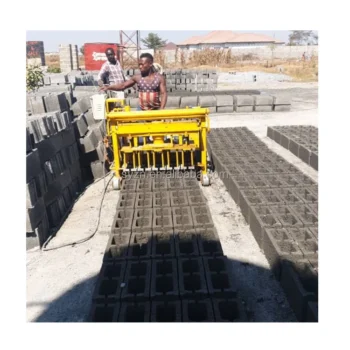
| Machine Type | Mobile / egg-laying (pallet-free operation) |
| Power Source | Electric |
| Labor Requirement | 1 to 3 workers |
| Mould Change | Manual, supports multiple hollow brick formats |
| Automation Level | Semi-automatic / manual mobile |
| Cycle Time | 25–30s per mould |
| Output Capacity (400×200×200mm) | 2 pcs/mould, 160 pcs/h, 1280 pcs/8hr |
| Output Capacity (400×150×200mm) | 3 pcs/mould, 240 pcs/h (basis to be confirmed) |
| Output Capacity (400×100×200mm) | 4 pcs/mould, 320 pcs/h, 2560 pcs/8hr |
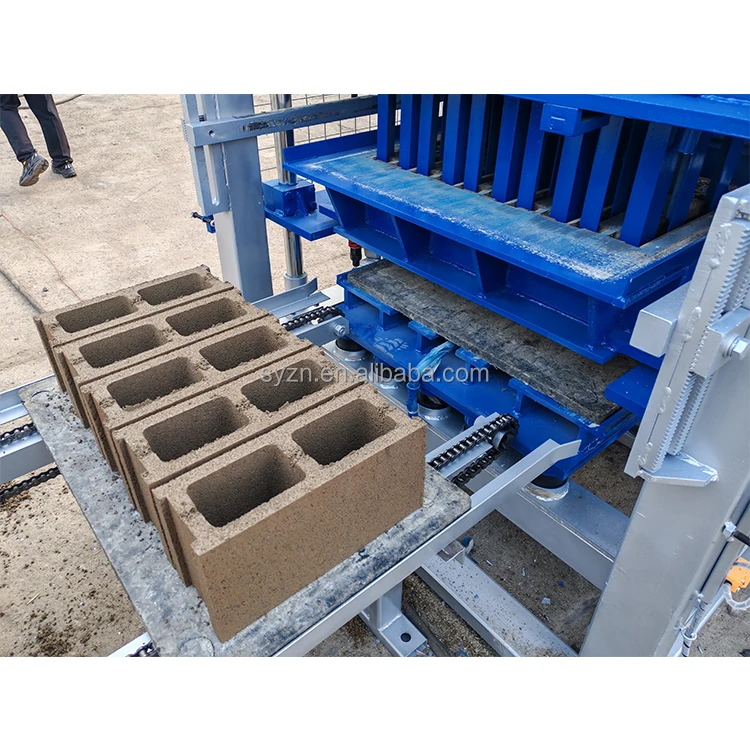
| Mould Format | Hollow brick (multiple sizes via mould change) |
| Pallet Size | Not applicable (egg-laying design) |
| Stacking Method | Manual |
| Standards | ISO 9001:2000, CE (certificate validity and scope to be verified) |
Application Suitability
| Application | Material or Output |
|---|---|
| Small-scale on-site hollow brick production | Crushed stone, sand, cement, and water mix |
| Construction contractor project sites | 400×200×200mm and 400×100×200mm hollow blocks |
| Remote housing developments | Multiple hollow brick formats without fixed plant infrastructure |
| Entrepreneurial block plant startup | Semi-automatic production with minimal crew and electric power |
What "In Stock" Actually Means for Your Project Timeline
A stocked mobile block making machine in stock ships within days, not months — but only if moulds, spares, and voltage configuration are confirmed before the container is sealed.
When a project deadline is measured in weeks, the difference between a stocked model and a built-to-order line is the difference between producing blocks on-site and waiting for a factory slot. I have seen contractors lose entire foundation phases because the machine arrived but the mould for their specified block format was still in production back at the plant. The QMJ2-45 is held as a stocked unit, yet the moulds and electrical configuration must still be matched to the destination before dispatch [NEED_CITE: typical dispatch lead times for stocked versus custom-built block machinery]. Confirming these details upfront is what turns a fast shipment into a fast start.
Stocked Machines and the Container Loading Window
A mobile block making machine in stock is only useful if it fits the shipping schedule. The QMJ2-45 is compact enough to load into a standard container alongside its mould set and spare wear parts. This means the entire production capability arrives in a single shipment. When moulds are made-to-order and ship separately, the machine sits idle at the job site — a costly gap that defeats the purpose of ordering a fast-dispatch unit.
Verifying What Sits on the Warehouse Floor
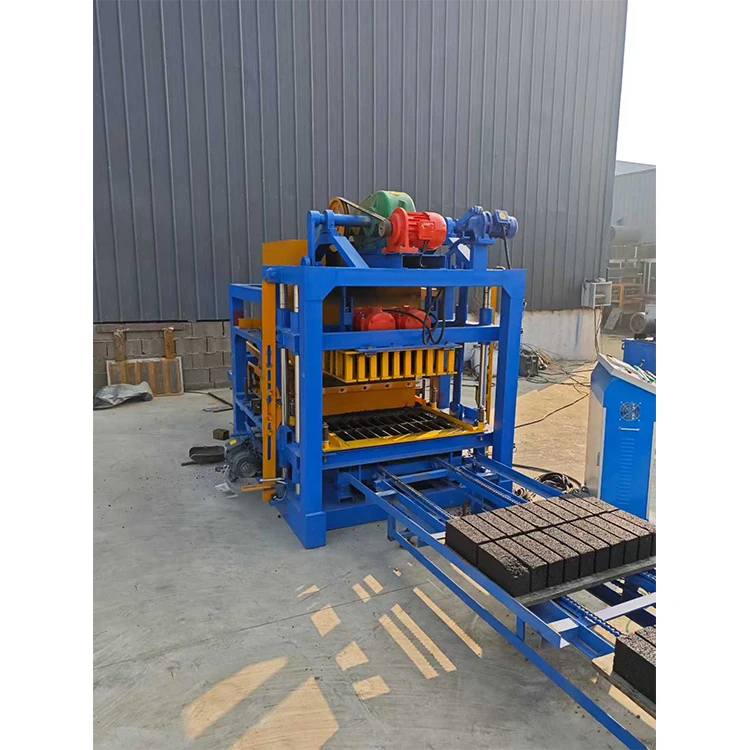
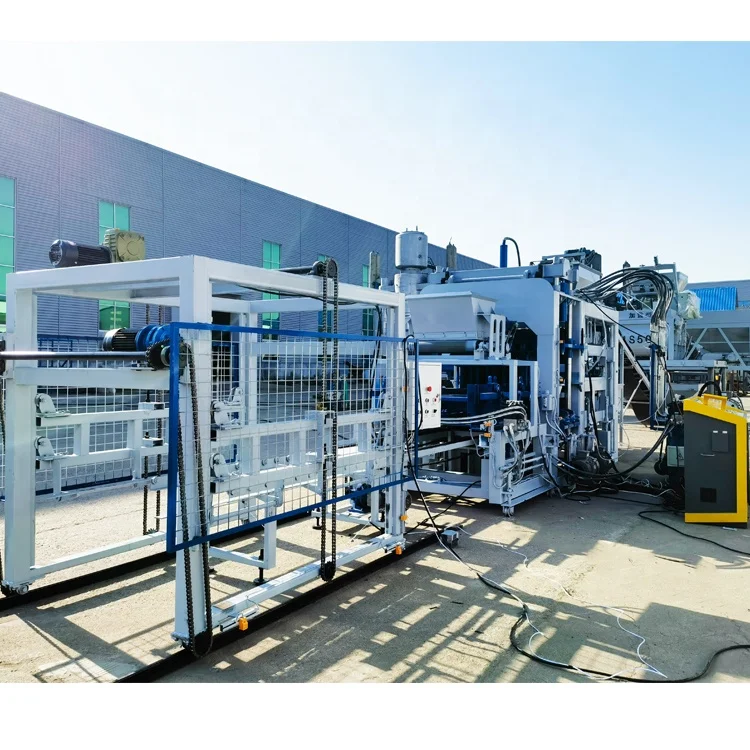
Stock status changes with each order cycle. Before committing, buyers should request a current container loading schedule and a machine dismantling plan that shows how the QMJ2-45 will be broken down for transport. Photographs of the actual unit, its crated moulds, and the pallet-free frame confirm that the machine is physically ready rather than allocated from a future production batch [NEED_CITE: standard pre-shipment inspection practices for export machinery]. This step prevents the unpleasant discovery that "in stock" meant "next available build slot."
Reading the Specs That Matter at the Job Site
The egg-laying design of the QMJ2-45 means no pallets are required — the machine lays blocks directly onto a prepared concrete floor and moves forward. This eliminates an entire logistics chain: no pallet procurement, no pallet return system, no curing rack handling. The cycle time of 25–30 seconds per mould sets the pace, but actual daily output depends on which hollow brick format is being run. At 400×200×200mm, two blocks per mould yield a rated 1,280 pieces over an eight-hour shift; switching to the 400×100×200mm format increases that figure because four blocks are formed per cycle. The vibration force and manual feed consistency directly influence block density and curing strength, so the local aggregate gradation and cement ratio must be dialled in during the first production run. Mould change is manual, meaning format flexibility comes at the cost of crew time — a trade-off that suits project sites running one or two formats rather than a commercial plant cycling through five formats daily.
The Cost of Skipping Pre-Dispatch Verification
Ordering a stocked machine without confirming the destination voltage and frequency is a common mistake that surfaces only after the container is opened. A machine wired for a supply standard that does not match the local grid will not start, and rewiring on-site adds days of electrician time and parts sourcing to a project that was already behind schedule [NEED_CITE: voltage and frequency standards by export market]. Similarly, failing to confirm which moulds ship in the same container can result in the machine arriving with only one format while the others follow weeks later on a separate vessel.
Why Source This Machine Through Our Dispatch Process
Block machinery is our single focus, which means the QMJ2-45 is specified alongside its moulds and electrical system as one matched shipment rather than assembled from separate suppliers. We confirm pallet-free operation requirements against the buyer’s site conditions — floor flatness, curing space, and available labour — before the machine leaves the factory. Mould selection is based on the hollow brick formats the buyer’s local market actually sells, not a default catalogue list. Voltage, frequency, and control language are verified against the destination country’s grid standard before dispatch, not after arrival. Every shipment includes packing photographs and a factory test record so the buyer can verify the machine’s condition before it reaches the port.
Documentation & Verification
- Factory test record showing cycle time on your specified hollow brick format before dispatch
- Machine specification sheet confirming voltage, frequency, and control language for destination country
- Mould drawing and format list for every hollow brick size included in the shipment
- Packing photographs documenting crating, container loading, and dismantling state
- CE declaration documentation where applicable to destination market requirements
Installation, Commissioning & Support
- Pallet-free egg-laying design requires a flat, level concrete floor as the production surface
- Electric power supply must match confirmed voltage and frequency before the machine is energized
- Machine arrives dismantled for container loading; on-site reassembly requires basic hand tools and 1–3 workers
- First production run includes mix ratio adjustment to local aggregate for consistent block density
- Manual mould change procedure covered during operator training at commissioning
- Wear parts list and mould inventory shipped with the machine for first replacement cycle planning
Before You Request a Quote
To move from inquiry to dispatch schedule, we need your target hollow brick format and daily output requirement, the project site’s available floor space and curing area dimensions, and the local voltage and frequency standard. Share any existing material test data for your aggregate and cement supply so we can confirm mix compatibility before the machine ships.
Frequently Asked Questions
Q: Is the QMJ2-45 currently in stock, and what is the dispatch lead time?
A: The QMJ2-45 is maintained as a stocked model for fast dispatch. Lead time from order confirmation depends on mould availability and voltage configuration confirmation. Request the current container loading schedule and estimated port arrival date for your destination to plan your project timeline accurately.
Q: How is the machine packed for container shipment?
A: The QMJ2-45 is dismantled to fit a standard container alongside its mould set and spare wear parts. Packing photographs are provided before sealing so you can verify crating condition, mould packaging, and the dismantling plan matches your on-site reassembly capability.
Q: What voltage options ship without extending the lead time?
A: Common export voltage and frequency configurations are typically available from stock. Non-standard electrical specifications may require additional production time. Confirm your destination country’s grid standard during the inquiry stage so the correct configuration is included in the fastest possible dispatch.
Q: Do spare moulds and wear parts ship in the same container?
A: Standard moulds and wear parts can be included in the same container as the QMJ2-45 when confirmed at the order stage. Made-to-order mould formats may require a separate production cycle. Verify the full mould list against stock status before finalizing the shipment to avoid partial deliveries.
Q: What is the estimated arrival time once the machine is dispatched?
A: Arrival time depends on the destination port and current shipping schedules. Once the container is booked, an estimated arrival date is provided so you can align site preparation, crew scheduling, and raw material procurement with the machine’s expected delivery.