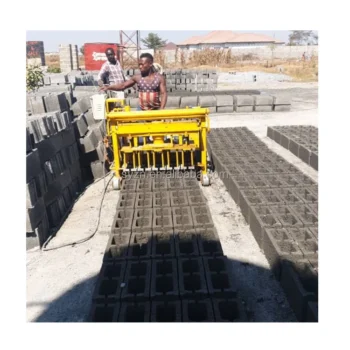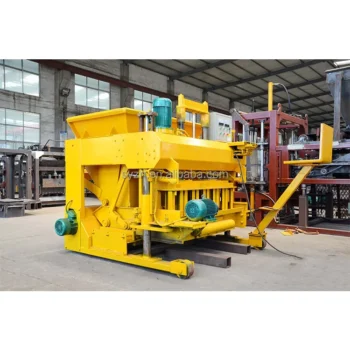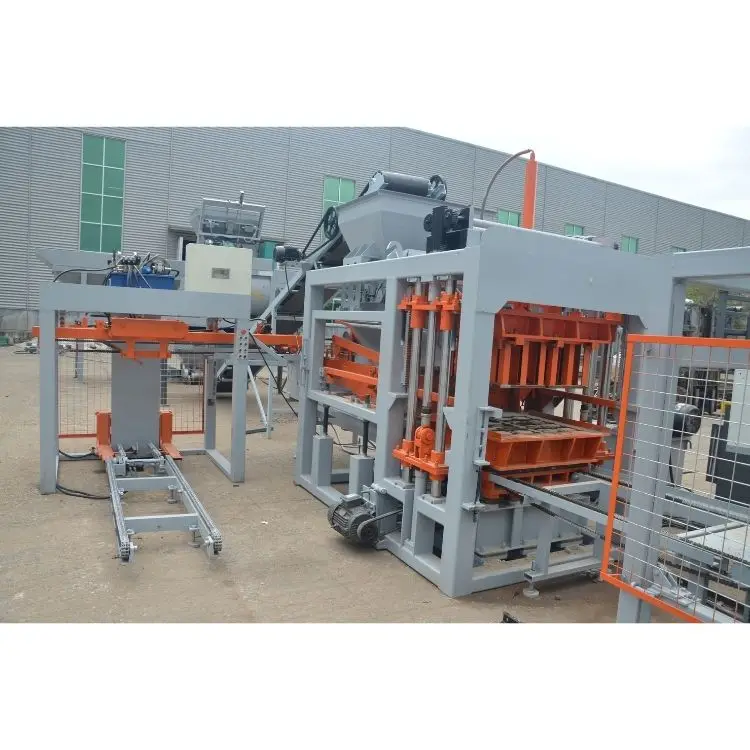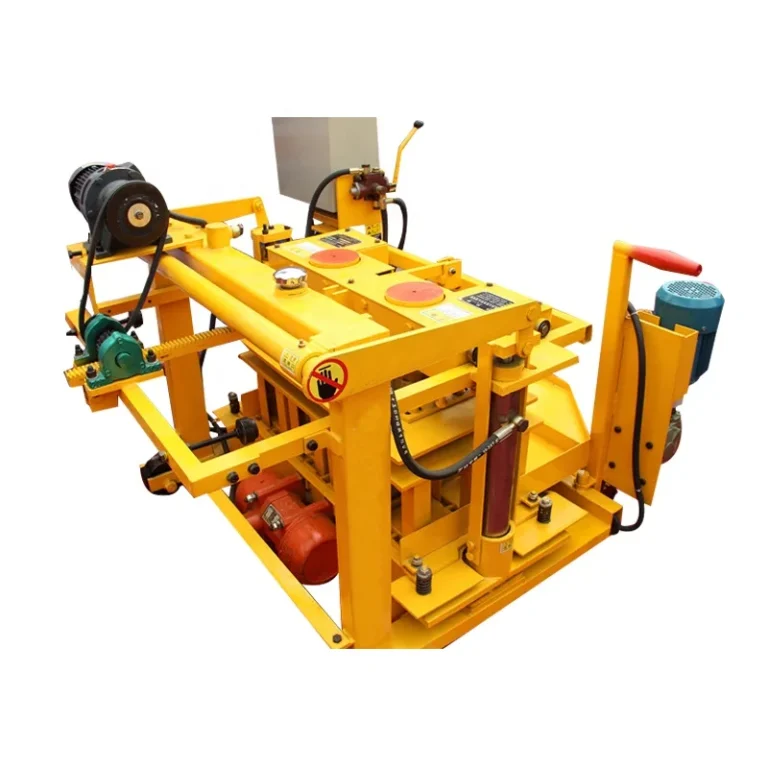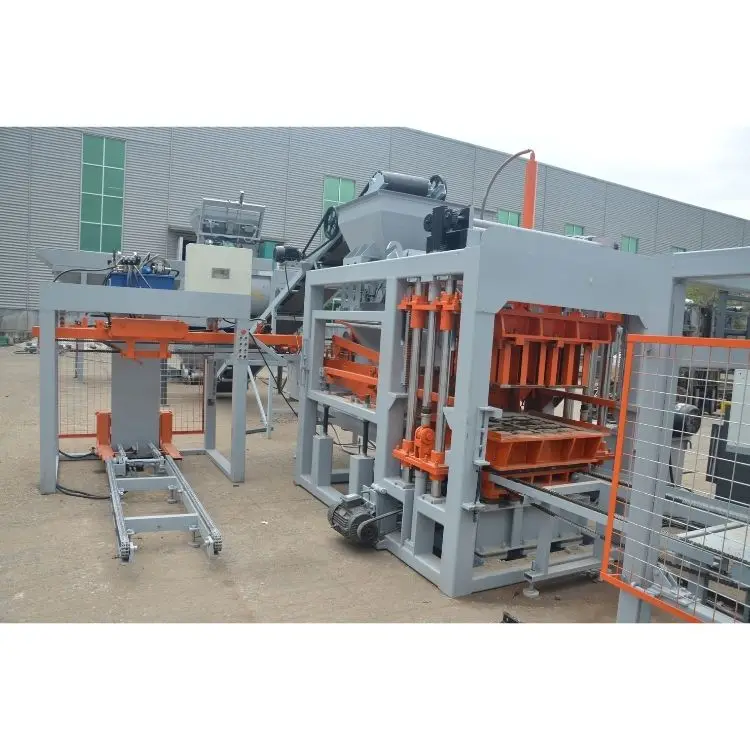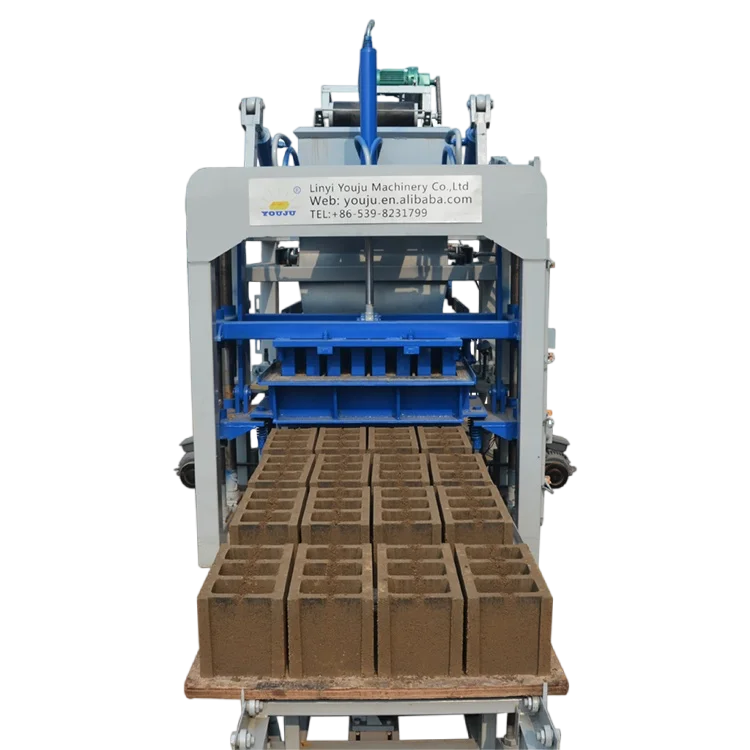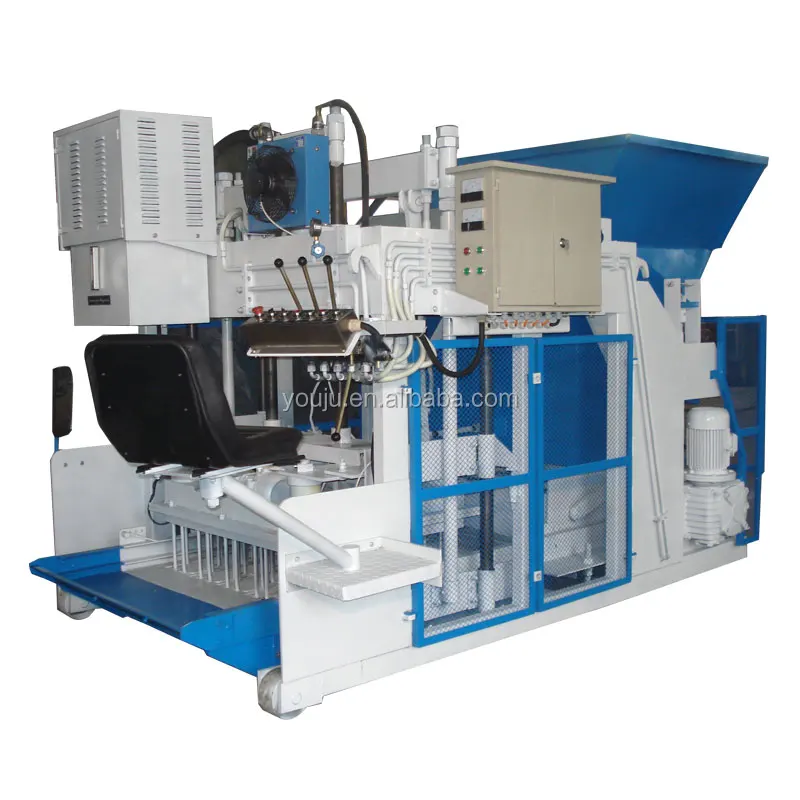
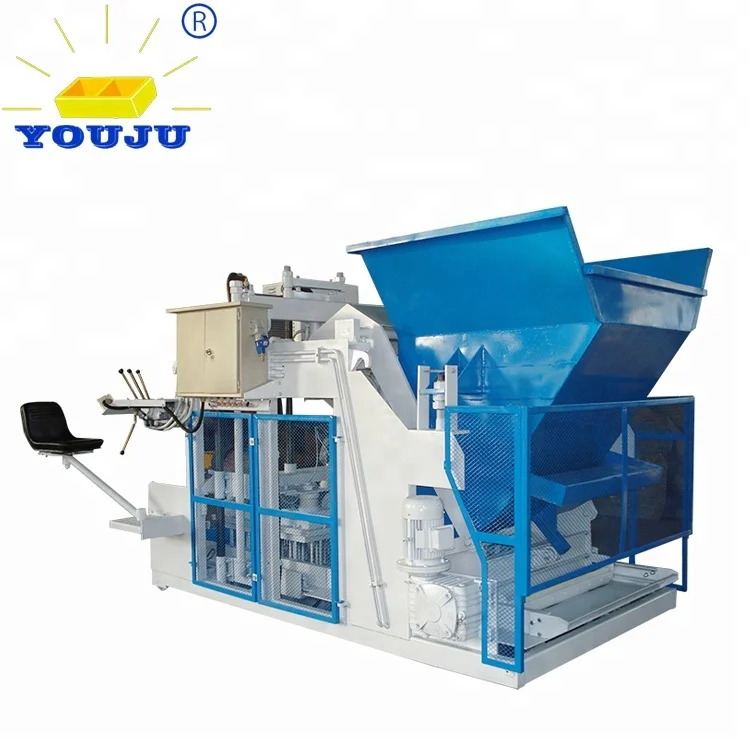
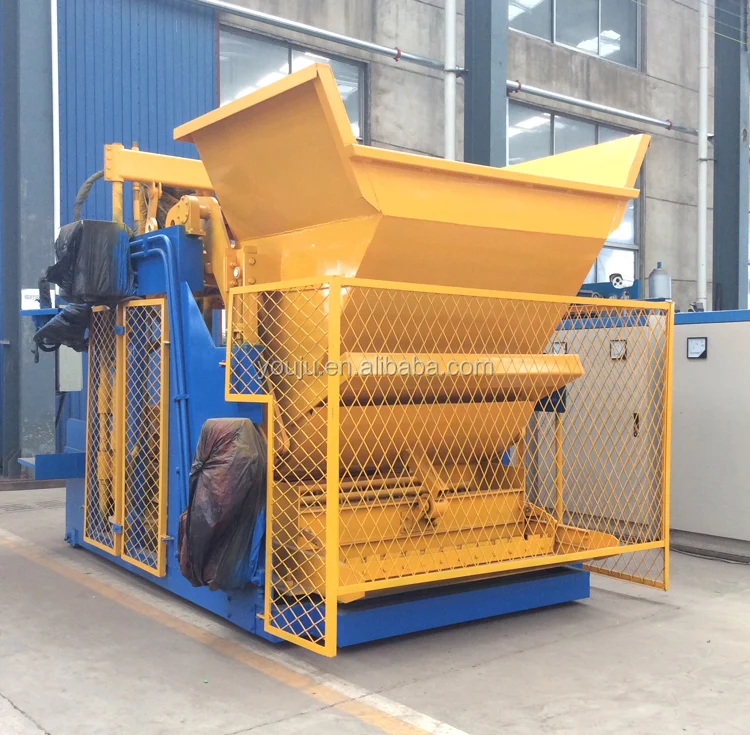
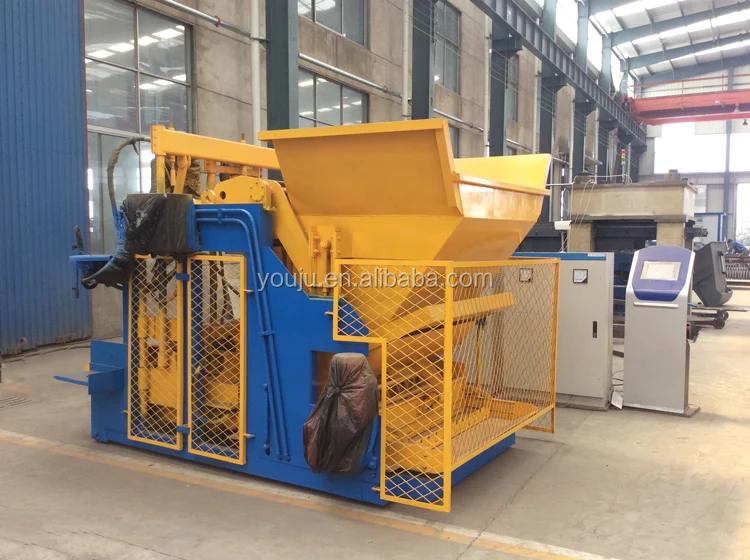
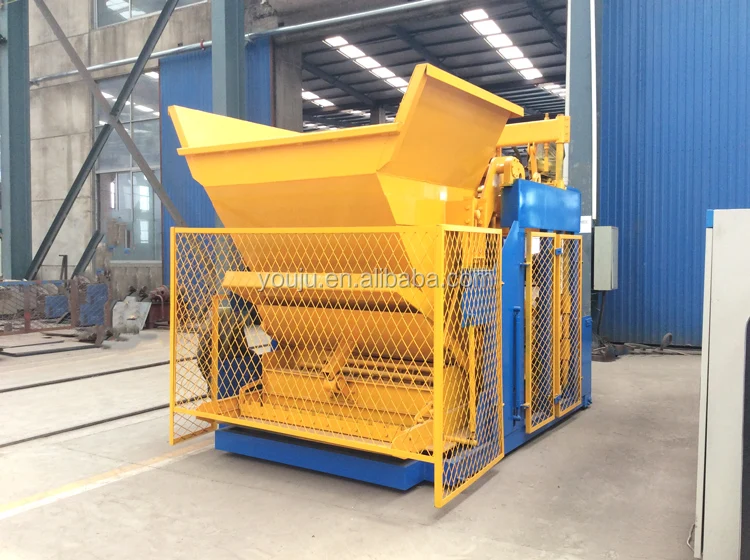
Description
Stocked dispatch planning — lead times quoted against current QMY12-15 inventory rather than production schedules, so arrival dates hold.
Technical Specifications
| Parameter | Value |
|---|---|
| Model | QMY12-15 |
| Product Type | Automatic Hollow Block Making Machine |
| Block Format Compatibility | 9 / 8 / 6 / 4 inch blocks |
| Pressure Type | Hydraulic Pressure |
| Drive | Engine Gear |
| Production Line Type | Cement Brick Production Line |
| Mould Format | Hollow block, solid block, cement brick |
| Automation Level | Automatic |
| Output Capacity | basis not stated in source — confirm block format / material / thickness |
| Cycle Time | basis not stated in source — confirm block format |
| Vibration Force | basis to be confirmed |
| Hydraulic Pressure Rating | basis to be confirmed |
| Pallet Size | basis to be confirmed |
| Control System | basis to be confirmed (PLC / MCC) |
| Voltage & Frequency | basis to be confirmed |
| Rated Power | basis to be confirmed |
| Overall Dimensions | basis to be confirmed |
| Net Weight | basis to be confirmed |
Application Suitability
| Application | Material or Output |
|---|---|
| Hollow block production for load-bearing walls | Cement, crushed stone, sand aggregate mixes in 9 and 8 inch formats |
| Solid cement brick manufacturing | Standard cement and fine aggregate blends in 6 and 4 inch sizes |
| On-site block production for housing projects | Locally sourced aggregate with cement binder, multiple format output |
| Building material distributor inventory | Standard hollow and solid block formats for regional resale |
What "Ready to Ship" Actually Means for Your Project Timeline
Stock status confirmed before quotation, not after payment.
I have watched contractors lose weeks because a machine listed as available was actually still on the production floor, waiting for hydraulic valves that were on back-order. The gap between "we can build it quickly" and "it is packed and sitting in the warehouse" costs real money when your masonry crew is standing idle and scaffolding rental keeps running. When a buyer needs a QMY12-15 automatic hollow block making machine in stock for a project with a fixed completion date, the first question is not about cycle time or pressure ratings — it is whether the unit can physically leave the facility this week [NEED_CITE: typical dispatch and customs clearance timelines for heavy industrial equipment exports].
Dispatch Readiness vs. Production Lead Time
The distinction matters for every buyer working against a construction deadline. A QMY12-15 automatic hollow block making machine in stock means the main frame, hydraulic station, engine gear drive assembly, and standard mould set for 9/8/6/4 inch formats are already built and matched. There is no waiting for component procurement or sub-assembly scheduling. The machine moves from warehouse inspection directly to container loading, which compresses the gap between purchase order and vessel departure into days rather than production weeks.
Container Loading and Shipment Configuration
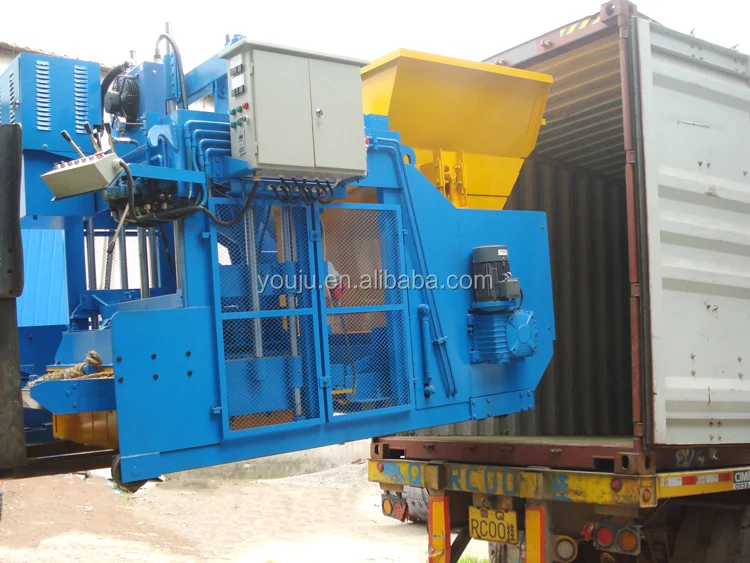
How the machine enters the container determines what happens at the destination port. The QMY12-15 can be shipped nude-loaded with structural components secured by steel wire and timber bracing inside a full container, or broken down into major assemblies for mixed cargo loading. Mould sets pack separately in wood cartons to prevent hydraulic line damage during ocean transit. Loading photographs are taken at each stage — open container, mid-load, secured, doors closed — so the buyer has a visual record before the bill of lading is issued [NEED_CITE: standard marine cargo packing requirements for heavy machinery].
Reading the Specs That Actually Matter on Site
Hydraulic pressure and vibration force work together to determine block density, and neither number means much in isolation. The QMY12-15 uses hydraulic pressure forming across its 9/8/6/4 inch mould range, but the achieved compaction depends on whether the vibration frequency matches the aggregate gradation in the buyer’s local mix. Engine gear drive provides the mechanical power transfer, yet the actual forming cycle time varies with block thickness and the moisture content of the cement blend. A machine specified for one aggregate profile may cycle slower or produce weaker blocks when fed a different sand-to-stone ratio, which is why the output capacity line in the table carries a confirmation note rather than a fixed number. Pallet size, once confirmed, must align with the curing racks and forklifts already operating at the destination site — a mismatch there creates a bottleneck no amount of press speed can overcome.
The Cost of Ordering Without Confirming Arrival
Buyers who focus on machine price and ignore the logistics chain regularly discover that a cheaper unit arriving six weeks late costs more than a slightly higher-priced machine that was already on the water. Port congestion, documentation errors, and incomplete customs paperwork each add days that compound into missed construction milestones. A contractor who ordered a block machine for a school project watched the foundation cure and the masonry phase slip because the shipping documents listed the wrong HS code, triggering a customs hold that added over two weeks to clearance [NEED_CITE: common customs documentation errors in industrial machinery imports]. The machine was never the problem — the paperwork gap was.
Why Sourcing Here Reduces Arrival Uncertainty
Block machinery as a single focus means the QMY12-15 ships with its matched mould set, pallet specification, and handling components from one supplier rather than arriving as a press from one source and moulds from another with compatibility questions unresolved. Dispatch lead time is quoted against actual warehouse position, not production schedules, and container loading plans address how the engine gear drive and hydraulic station are secured for the specific destination route. Voltage and control language are confirmed before the machine leaves, preventing the situation where an operator faces a PLC display in a language the site team cannot read. Customs documentation support travels with the shipment, covering the export declarations and certificates the destination port requires. Factory test records are generated before packing, giving the buyer evidence that the hydraulic pressure circuit and engine gear drive performed under load before the container doors closed.
Documentation & Verification
- Factory test record confirming hydraulic pressure circuit and engine gear drive function before dispatch
- Container loading photographs documenting QMY12-15 securing and bracing at each stage
- Voltage and frequency confirmation sheet matched to destination country grid standards
- Customs documentation package with correct HS classification for block making machinery
- Mould format list verifying included 9/8/6/4 inch hollow and solid block dies
- Packing list detailing machine components, mould sets, and spare hydraulic seals
Installation, Commissioning & Support
- Foundation requirements based on QMY12-15 overall dimensions and operating vibration load
- Electrical supply verification for confirmed voltage and frequency before connection to the engine gear drive circuit
- Machine reassembly from container load configuration to operational position with hydraulic line reconnection
- First-run parameter setting for hydraulic pressure and vibration matched to the buyer’s local aggregate sample
- Operator training covering mould change procedure across the 9/8/6/4 inch format range
- Wear parts inventory list identifying hydraulic seals and vibration components for initial spare stock
What We Need to Confirm Your Delivery Window
Send the destination port name and the block format that represents the majority of your production volume, along with the local aggregate type and cement grade available at your site. If the project has a fixed milestone that the machine must meet, provide that date so the dispatch window can be measured against vessel schedules and transit time rather than quoted in general terms.
Frequently Asked Questions
Q: Is QMY12-15 currently in stock and what is the dispatch lead time?
A: Current stock status is confirmed at the inquiry stage, before any payment commitment. When the QMY12-15 automatic hollow block making machine in stock is allocated, dispatch lead time covers warehouse preparation, container loading, and export documentation — typically measured in days rather than production weeks. Buyers receive a confirmed departure window based on vessel booking availability at the time of order.
Q: How is the machine packed and loaded — nude or wood carton, LCL or FCL?
A: The QMY12-15 ships nude-loaded with steel wire and timber bracing inside a full container, or dismantled into major assemblies for mixed cargo when volume allows. Mould sets are packed separately in wood cartons to protect hydraulic interfaces during transit. Loading photographs at each stage document the securing method before the container is sealed.
Q: What is the estimated arrival time to my destination port?
A: Arrival estimates are calculated from the confirmed dispatch date, vessel schedule, and port-to-port transit time for the specific destination. The quotation includes this estimate alongside the dispatch window so buyers can plan site preparation and crew scheduling against a projected delivery date rather than a generic range.
Q: Which standard moulds are included in stock and what formats do they cover?
A: The stocked mould set covers 9, 8, 6, and 4 inch block formats for both hollow and solid cement brick production. Each mould is matched to the QMY12-15 hydraulic pressure and vibration profile at the factory. Custom format moulds outside this standard range require separate lead time confirmation and are not part of the immediate stock package.
Q: What customs documents are provided for import clearance?
A: The shipment documentation package includes commercial invoice, packing list, bill of lading, and HS classification specific to block making machinery. Voltage and certification declarations are included where applicable to the destination market. These documents are prepared before vessel departure to prevent customs hold situations at the arrival port.