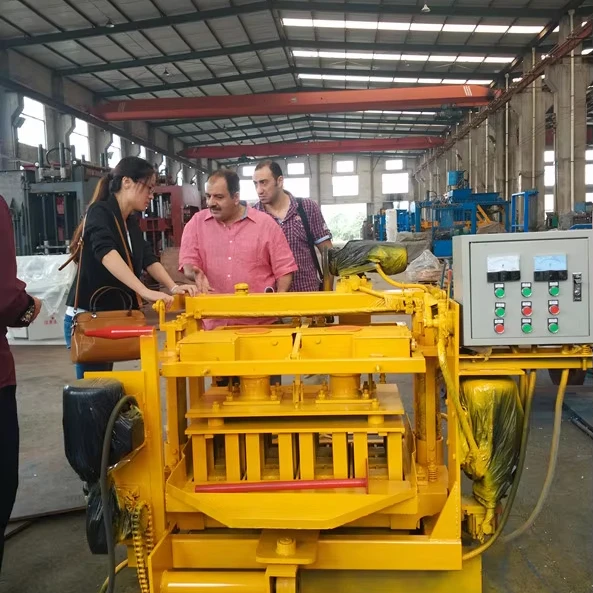
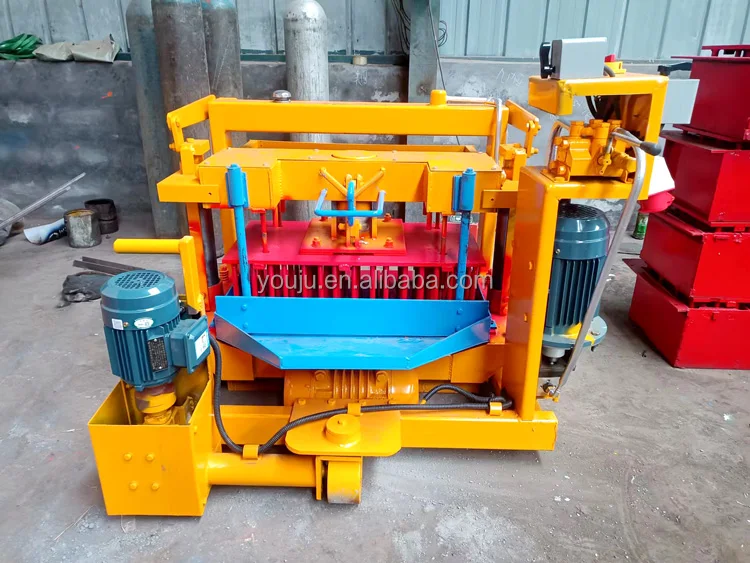
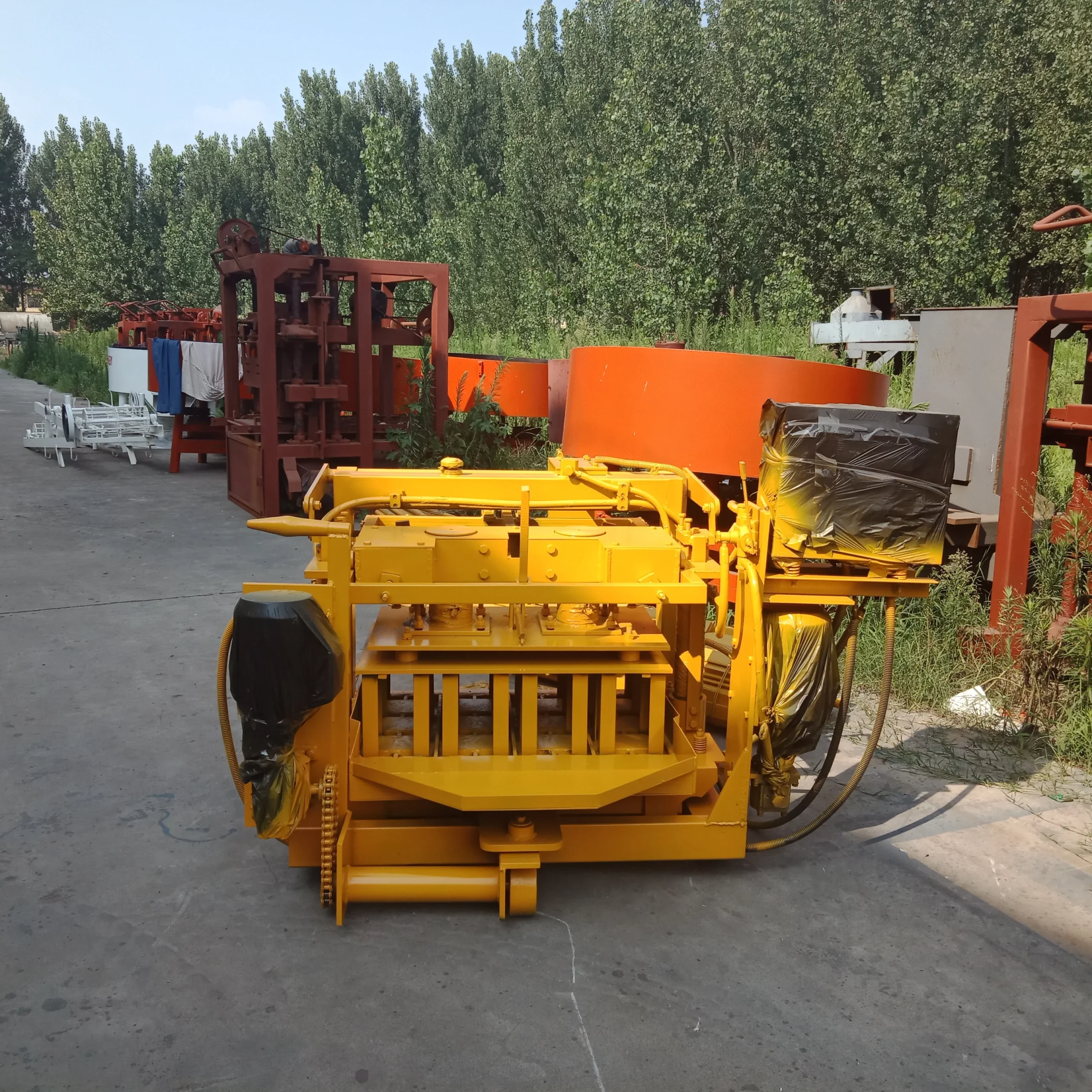
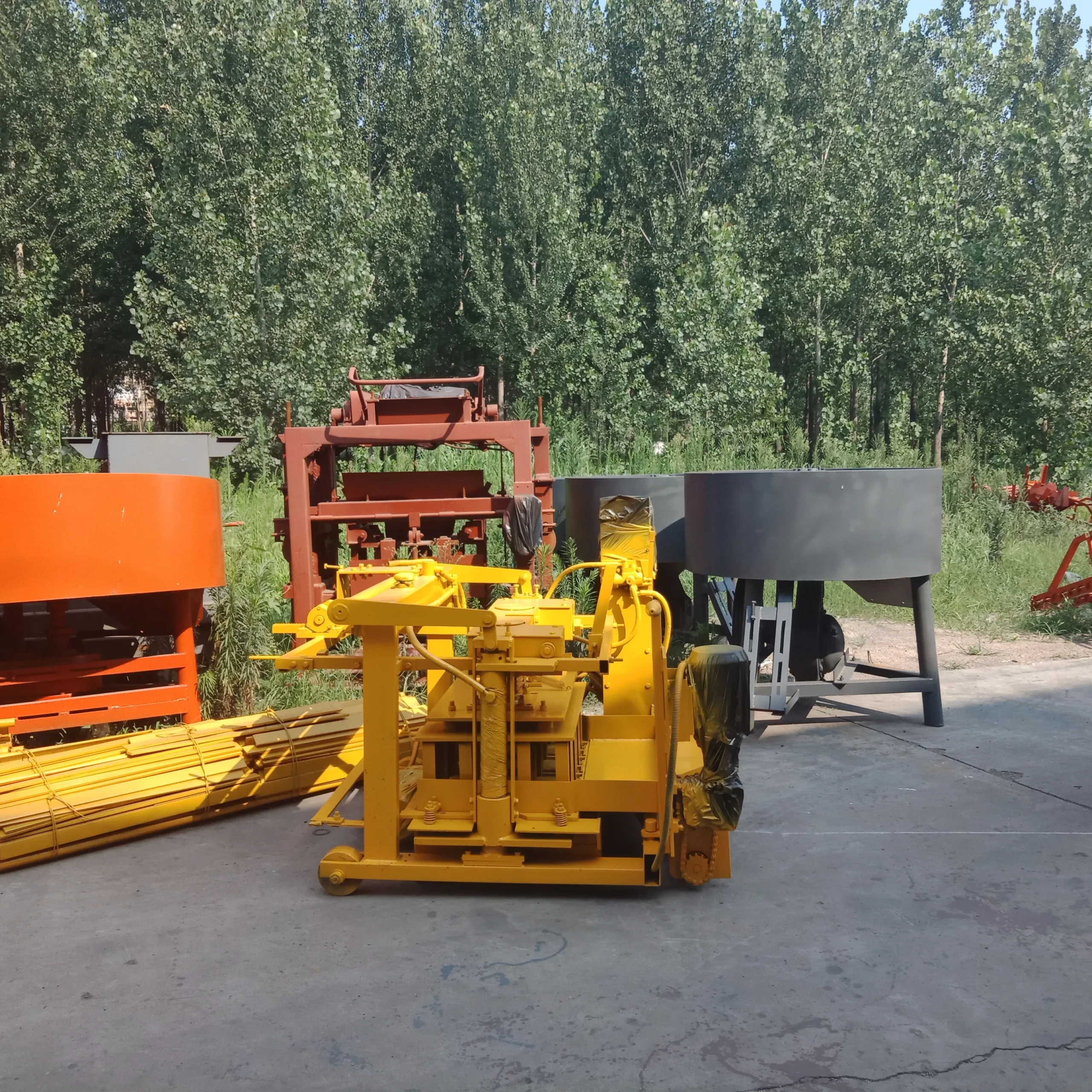

Description
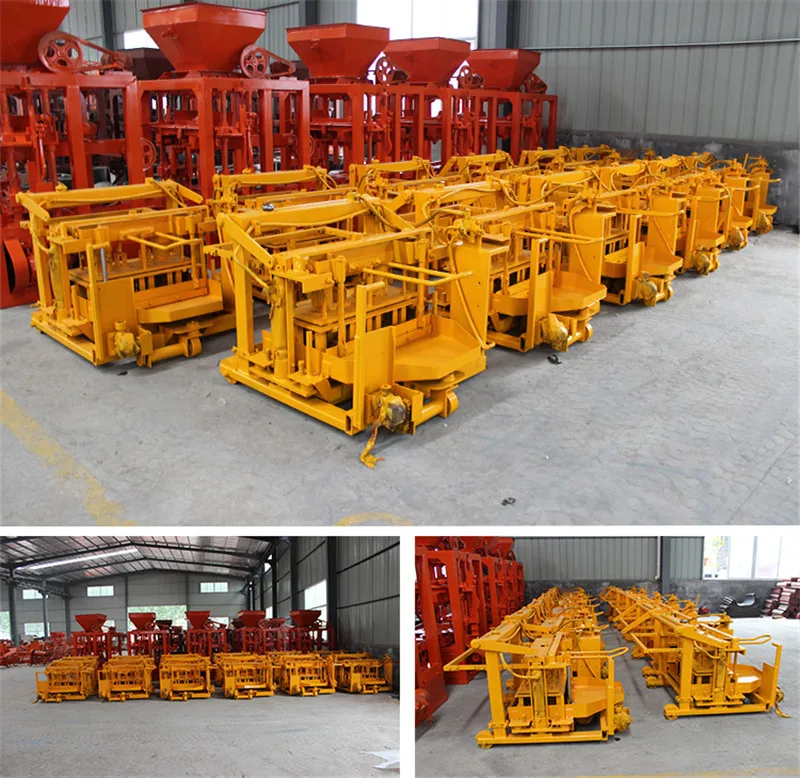
Dispatch-ready inventory — the QMY4-30 ships from our Linyi stock with packing dimensions and container loading plans confirmed before you pay the deposit, so project deadlines stay intact.
Technical Specifications
| Parameter | Value |
|---|---|
| Model | QMY4-30 |
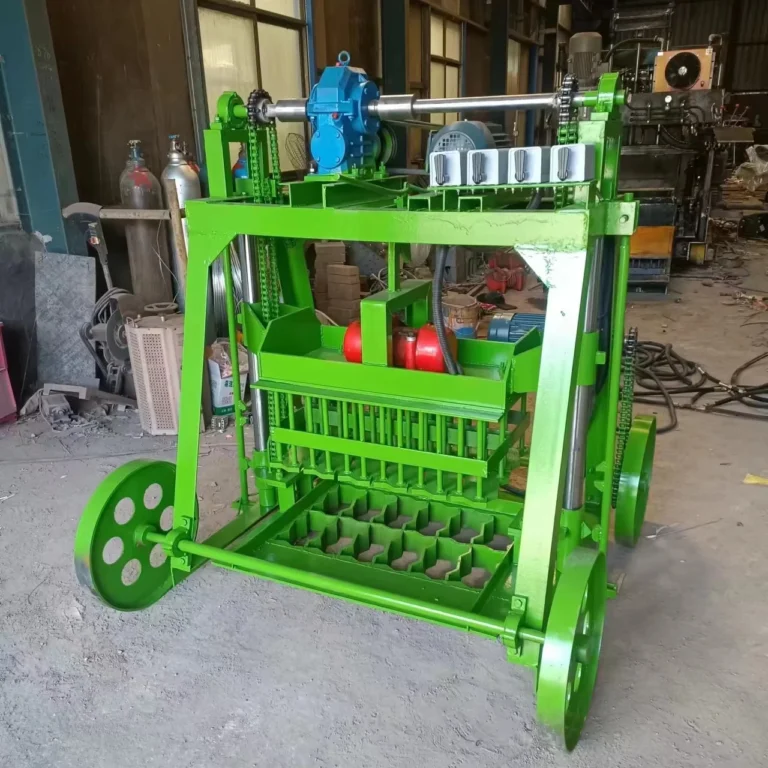
| Product Type | Mobile Concrete Block Making Machine |
| Rated Power | 5 kW |
| Molding Cycle Time | 30 seconds |
| Overall Dimensions (L×W×H) | 1200 × 1200 × 1100 mm |
| Net Weight | 950 kg |
| Raw Materials | Cement, sand, crushed stones, slag |
| Mould Format | Hollow block and solid brick (moulds changeable) |
| Output Capacity | 480 pcs/hour (based on 400×200×200 mm hollow block, 4 pcs/mould) |
| Output Capacity | 600 pcs/hour (based on 400×150×200 mm hollow block, 5 pcs/mould) |
| Output Capacity | 840 pcs/hour (based on 400×100×200 mm hollow block, 7 pcs/mould) |
| Output Capacity (8-hour shift) | 3,840 pcs (based on 400×200×200 mm hollow block) |
| Output Capacity (8-hour shift) | 4,800 pcs (based on 400×150×200 mm hollow block) |
| Output Capacity (8-hour shift) | 6,720 pcs (based on 400×100×200 mm hollow block) |
| Automation Level | Semi-automatic / mobile egg-laying type |
| Pallet Size | Not applicable (mobile egg-laying machine, no pallet required) |
| Voltage & Frequency | Basis to be confirmed |
| Control System | Basis to be confirmed |
| Hydraulic Pressure | Basis to be confirmed |
| Vibration Force | Basis to be confirmed |
Application Suitability
| Application | Material or Output |
|---|---|
| On-site block production without a fixed plant | Cement, sand, and crushed stone mixes laid directly on a flat concrete floor |
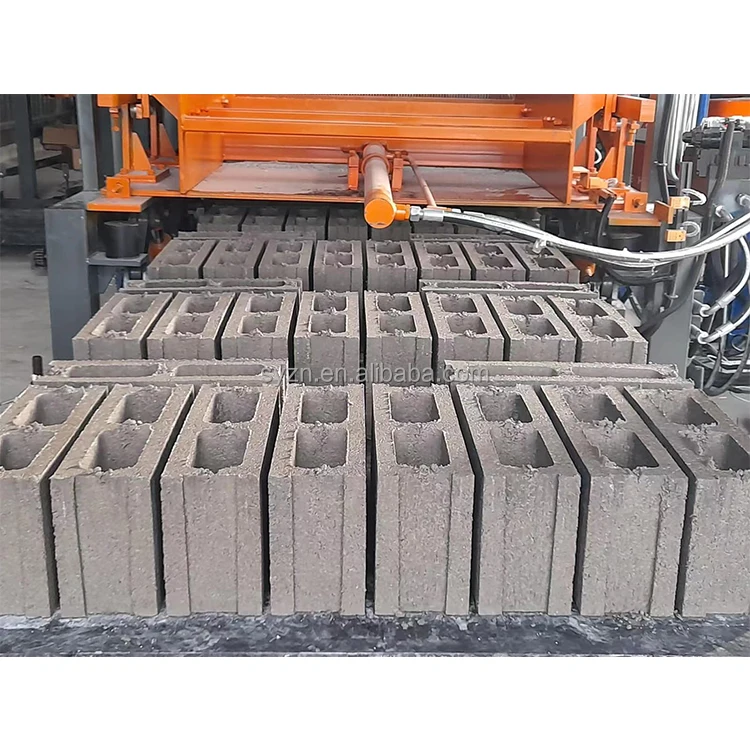
| Small-scale hollow block manufacturing | 400×200×200 mm, 400×150×200 mm, and 400×100×200 mm hollow blocks |
| Solid brick production for local sale | Interchangeable solid brick mould on the same machine chassis |
| Contractor self-supply on housing projects | Daily output matched to build-rate requirements without transport logistics |
| First-time block plant startup | Low-footprint entry with upgrade path to stationary lines later |
What "Fast Delivery" Actually Means When You Need a Mobile Block Machine in Stock
A machine in the catalogue is not the same as a machine on the warehouse floor with a container booking slot reserved.
Buyers racing against a construction deadline often receive quotations that quote a lead time starting only after the deposit clears, pushing real dispatch weeks beyond the initial promise. The QMY4-30 Mobile Block Machine in Stock programme addresses this by listing serial numbers already assembled and factory-tested. I once watched a contractor in Tanzania lose three weeks of curing time because the block machine he ordered was still in component form when his shipping window opened [NEED_CITE: typical multi-week delays when machines are built to order versus held in finished stock]. With a project deadline, every week of delay compresses the curing period and forces the crew to lay green blocks.
How Container Loading Works for the QMY4-30
The QMY4-30 weighs 950 kg and measures 1200 × 1200 × 1100 mm, which means it fits inside a standard crate of roughly 3 CBM. This footprint allows the machine plus a set of spare moulds and wearing parts to share a 20-foot container with other site equipment, keeping freight cost per unit low. Our dispatch team photographs every crate before the container doors close, so the buyer has a visual record for insurance and customs clearance.
Lead Times, Dispatch Windows, and Arrival Estimates
Once the voltage and frequency are confirmed against the destination grid, the QMY4-30 Mobile Block Machine in Stock can be crated and moved to the port within days rather than weeks. Arrival estimates are quoted at the inquiry stage based on the buyer’s port of discharge, accounting for current sailing schedules and any transhipment stops. This prevents the situation where a machine arrives mid-rainy-season with no covered area for unloading [NEED_CITE: port congestion and seasonal shipping variability affecting arrival timing].
Reading the QMY4-30 Specifications for Real Site Conditions
The 30-second moulding cycle applies across all three hollow block formats listed, but the output per hour varies with the cavity count per mould. At 4 pcs per mould for 400×200×200 mm blocks, the hourly figure is 480; switching to the 7-cavity 400×100×200 mm mould raises this to 840 per hour. The 5 kW rated power draw is low enough for a portable generator on a remote site, though the buyer must confirm that the generator can handle the starting surge of the vibration motor. Because this is an egg-laying type, no pallets are required — the machine lays blocks directly onto a level concrete slab, which eliminates pallet investment but demands a properly prepared curing floor. Mould changes between hollow and solid formats are mechanical, involving bolt release and lifting, so a simple overhead hoist or a two-person crew handles the swap.
The Hidden Cost of Ordering Without Confirming Dispatch Status
A machine quoted as "available" may still require assembly, testing, and paint curing before it can be crated. If the buyer has not asked whether the unit is built and sitting on the floor, the promised ship date quietly shifts. I have seen project contractors miss their block-laying window because the machine they counted on was still in the production queue [NEED_CITE: consequences of unconfirmed stock status on project scheduling]. With the QMY4-30, stock status is declared at inquiry so the buyer can plan the foundation slab, material stockpile, and crew mobilisation around a real dispatch date.
Why Source the QMY4-30 Through This Channel
Block machinery is our single focus, so the QMY4-30 is specified as a complete system — machine, mould set, and spare wearing parts — rather than assembled from mismatched suppliers. Configuration is checked against the buyer’s local aggregate and target block format before dispatch, not left at catalogue defaults. Mould designs cover the formats the buyer’s market actually sells, with custom drawings available for non-standard sizes. The automation level is selectable, so a buyer starting with the QMY4-30 can later add a stationary line and keep the mobile unit for satellite sites. Factory test records are taken with the buyer’s specified mould installed, and packing photographs document every crate before the container is sealed.
Documentation & Verification
- Machine specification sheet stating output per block format and mould cavity count
- Mould drawing and format list covering all supplied hollow and solid brick profiles
- Voltage and control language confirmation signed off before crating
- Factory test record on the buyer’s specified mould format before dispatch
- Packing photographs showing crate condition and container loading sequence
- Operation and maintenance manual with wearing parts list and replacement intervals
Installation, Commissioning & Support
- Site floor must be level concrete capable of bearing 950 kg point load plus block stock weight
- 5 kW power supply with dedicated circuit breaker sized for vibration motor starting surge
- Machine arrives fully assembled; only mould installation and guard fitting required on site
- First production run supervised remotely or via video call to verify cycle timing and block density
- Operator training covers mould change procedure, daily lubrication points, and vibration motor inspection
- Wearing parts list identifies mould liner and vibration spring replacements with reorder part numbers
What to Include in Your Inquiry
To confirm stock availability and match the QMY4-30 to your project, provide the block format and daily volume you need to sustain, the local voltage and frequency at the site, and the type of aggregate you plan to use in the mix. This lets us quote a realistic output figure and confirm the correct electrical configuration before the machine leaves the warehouse.
Frequently Asked Questions
Q: Is the QMY4-30 currently in stock and ready for immediate dispatch?
A: Yes. Units designated under the Mobile Block Machine in Stock programme are assembled, factory-tested, and held in the warehouse pending voltage confirmation. Once the buyer signs off on electrical specifications, crating and port transfer can begin within days, not weeks. Serial numbers of available units are shared at the inquiry stage so the buyer can verify stock status independently.
Q: How is the QMY4-30 packed, and what container volume does it occupy?
A: The machine is secured in a wooden crate measuring approximately 3 CBM. At 950 kg net weight, it loads into a 20-foot container alongside spare moulds, wearing parts, and other site equipment. Crate dimensions and gross weight are provided in the packing list so the buyer can arrange a forklift or crane at the destination port before the container arrives.
Q: Will the QMY4-30 voltage match my country’s grid standard?
A: Voltage and frequency are confirmed with the buyer before the machine is wired and crated. Supplying your local grid specification at the inquiry stage ensures the motor and control panel are built to match. Operating a 5 kW machine on the wrong voltage risks motor burnout within the first week, which is why this step is never skipped.
Q: Which moulds come with the QMY4-30, and how do I order additional formats?
A: The standard package includes one hollow block mould in the buyer’s chosen format, with solid brick moulds available as an add-on. Additional mould profiles can be ordered at any time and shipped separately or included in the original container if space allows. Custom mould drawings are accepted from the buyer or developed from a sample block sent to our workshop.
Q: Do I need installation support to start producing with the QMY4-30?
A: Because this is a mobile egg-laying machine, it arrives fully assembled and requires only a level concrete floor and the correct power supply. Remote commissioning support via video call is available to walk the operator through the first production run, mould change procedure, and daily maintenance checks. A detailed operation manual with wearing parts diagrams is included in the crate.