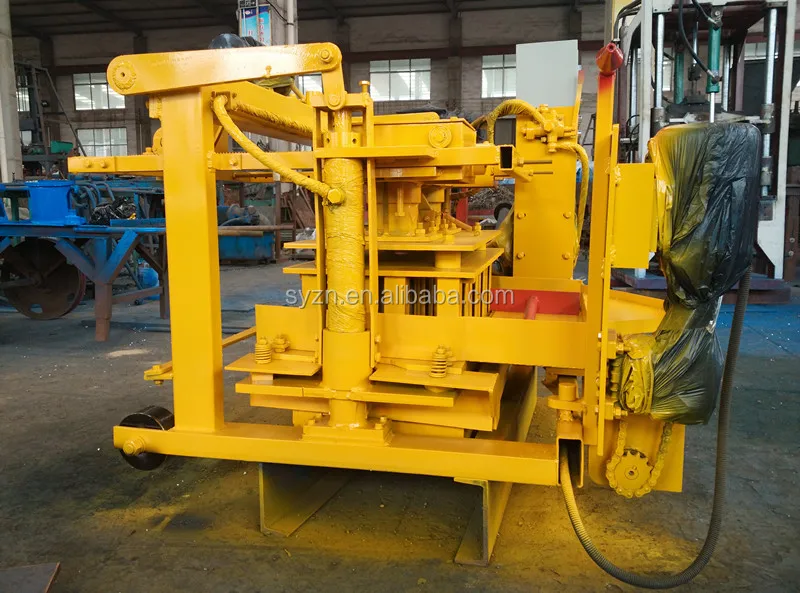
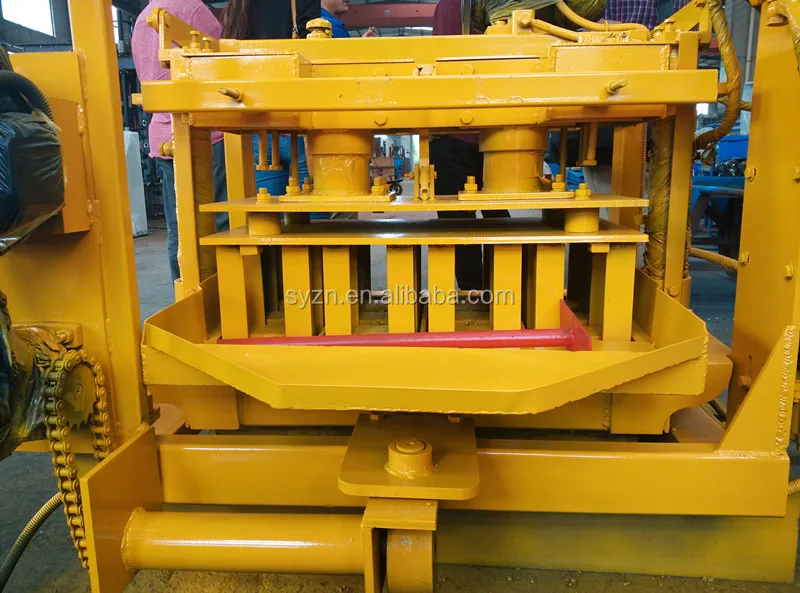
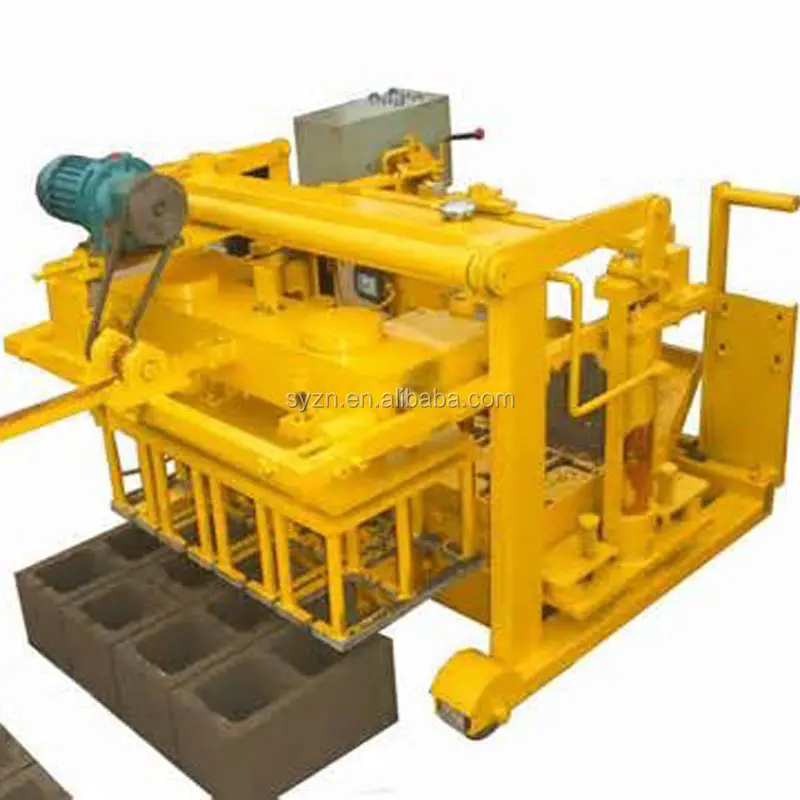
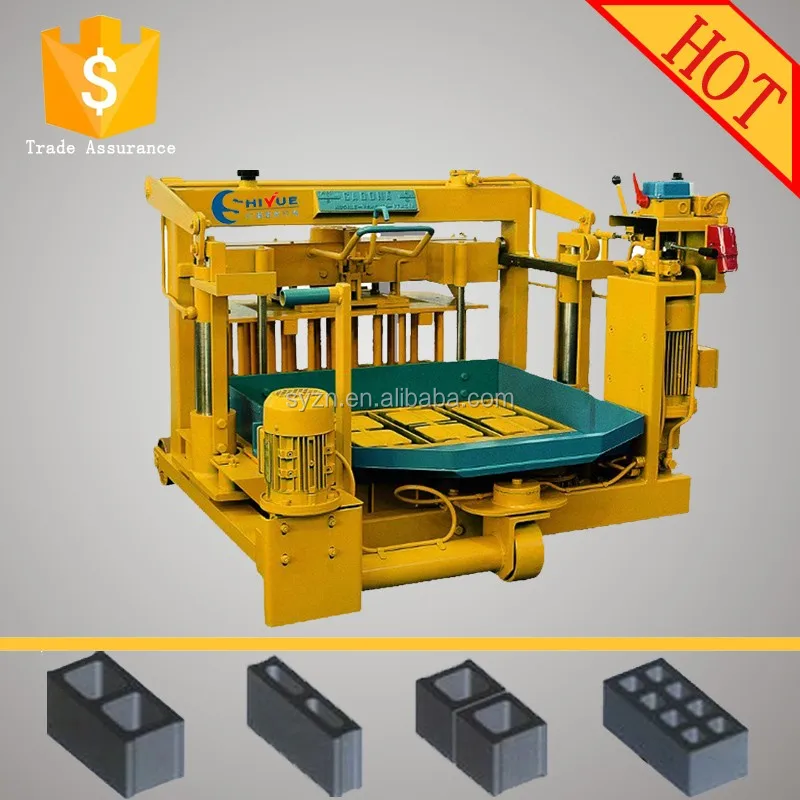
Description
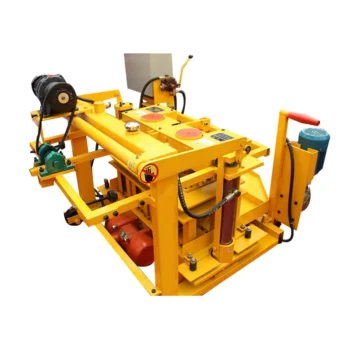
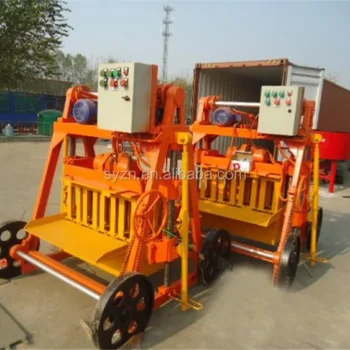
Fast Dispatch Readiness — The QMY4-30 mobile block machine in stock-ready configuration ships without the typical multi-week build delay, letting your project start on schedule.
Technical Specifications
| Parameter | Value |
|---|---|
| Model | QMY4-30 |
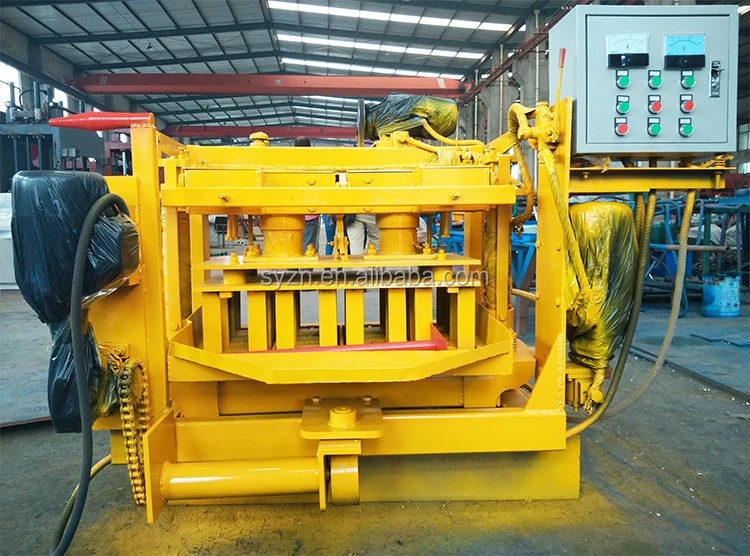
| Product Type | Mobile Hydraulic Block Making Machine |
| Machine Operation | Mobile, pallet-free design |
| Hydraulic Method | Mould vibration |
| Demold Method | Hydraulic |
| Molding Cycle | 25–30 s |
| Total Power | 5.95 kW |
| Pallet Requirement | None (pallet-free operation) |
| Block Format (Hollow) | 400×200×200 mm: 4 pcs/mould, 480 pcs/h, 3,840 pcs/8 hr (basis: stated cycle 25–30 s) |
| Block Format (Hollow) | 400×150×200 mm: 5 pcs/mould, 600 pcs/h, 4,800 pcs/8 hr (basis: stated cycle 25–30 s) |
| Block Format (Hollow) | 400×100×200 mm: 7 pcs/mould, 840 pcs/h, 6,720 pcs/8 hr (basis: stated cycle 25–30 s) |
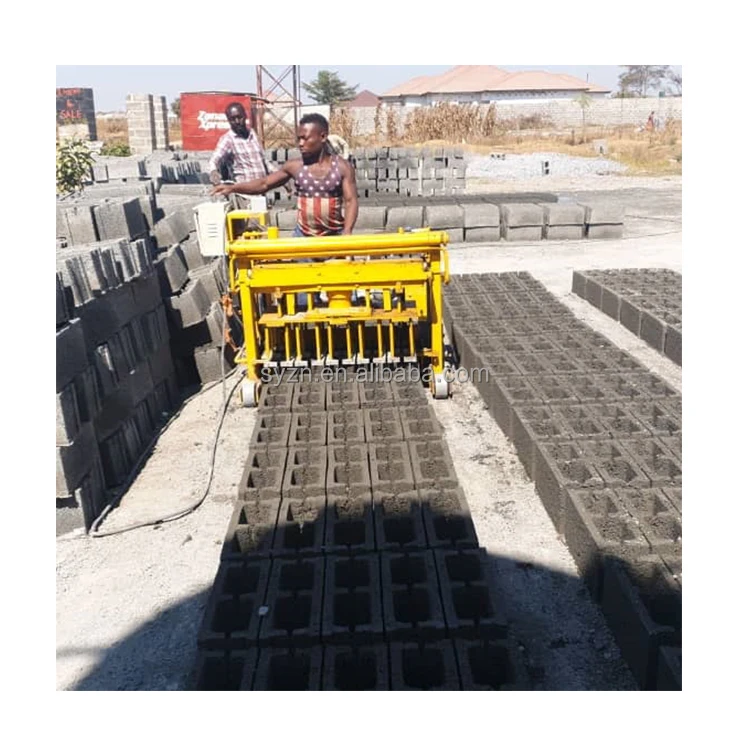
| Stacking Method | Manual (blocks laid on ground, no pallet) |
| Voltage & Frequency | Configurable to target market standard |
Application Suitability
| Application | Material or Output |
|---|---|
| On-site housing project construction | Hollow block production from locally sourced aggregate and cement |
| Remote infrastructure sites (mountainous, desert, coastal) | Direct ground-laid block production without fixed plant setup |
| Small-scale block yard startup | Low-investment hollow block output across multiple format sizes |
| Contractor self-production | Format changeable between 400×200, 400×150, and 400×100 mm hollow blocks |
What "In Stock" Really Means for Your Project Timeline
A stocked machine eliminates the gap between order and dispatch, keeping your site schedule intact.
Many buyers receive a lead time estimate only to discover the quoted model is built-to-order, adding weeks to their project start. When a contractor needs blocks on-site before the next construction phase, that delay cascades through the entire build. The QMY4-30 mobile block machine in stock configuration addresses this directly — the unit is available for container loading without waiting for a production slot. I have watched project managers absorb late machinery arrivals because the supplier did not clarify availability before taking the deposit. [NEED_CITE: typical lead time differences between stocked and built-to-order industrial machinery]
Pallet-Free Operation Cuts Site Setup Overhead
Eliminating pallets removes a recurring material cost that many first-time block producers underestimate. The QMY4-30 mobile block machine in stock trim lays blocks directly on level ground, so there is no pallet purchase, no pallet return loop from the curing area, and no rack system to build. For a contractor producing on a housing site, this means the machine arrives and begins output the same day it is assembled.
Dispatch Timing and Container Loading
Stocked units are prepared for dismantling and container loading without the production queue that built-to-order machines enter. The hydraulic and vibration assemblies are separated for transit to fit standard container dimensions, then reassembled on-site. Confirming the container loading plan and receiving packing photographs before departure removes most arrival-day surprises.
Mould Vibration and Hydraulic Demoulding Explained
Mould vibration combined with hydraulic demoulding determines block density and dimensional accuracy across formats. The 25–30 second molding cycle applies to all three listed hollow block sizes, meaning the cycle count remains consistent regardless of which mould is fitted. Total power at 5.95 kW reflects a mobile-class machine — sufficient for on-site production without requiring a dedicated high-capacity power supply. The pallet-free design keeps the machine footprint small, which matters when working space on a construction site is constrained. [NEED_CITE: relationship between vibration force and block compressive strength in mobile machines]
The Cost of Skipping Voltage Confirmation
Shipping a machine configured for the wrong voltage or frequency delays commissioning until a transformer arrives or the motor is rewound. This is especially common with mobile equipment ordered quickly for a deadline, where the electrical specification is assumed rather than confirmed. A site in a region with non-standard industrial frequency will find the vibration motor runs at the wrong speed, producing blocks that crumble during curing. [NEED_CITE: voltage and frequency standards by export market]
Why Buyers Source This Machine Here
Block machinery as a single focus means the QMY4-30 is specified with its mould, power rating, and hydraulic system matched as one unit, not assembled from separate component suppliers. Configuration is checked against the buyer’s actual site conditions — aggregate type, available power supply, and target block format — rather than shipped as a catalogue default. Mould design covers the hollow block sizes that the buyer’s local market demands, and custom mould drawings are available if a non-standard format is needed. Dispatch lead time and arrival estimates are quoted upfront so the buyer can plan site preparation. Installation and operator training are included, so the first production run happens with correct settings rather than trial and error.
Documentation & Verification
- Machine specification sheet confirming 5.95 kW rating and all three hollow block format outputs
- Factory test record showing molding cycle at 25–30 s on the buyer’s requested block format
- Packing photographs documenting container loading condition before vessel departure
- Hydraulic and electrical schematic matching the voltage and frequency confirmed for the buyer’s site
- Wear parts list with recommended first-order quantities for hydraulic seals and vibration components
Installation, Commissioning & Support
- Level ground preparation required; the pallet-free design needs a flat, compacted surface for block laying
- 5.95 kW total power requires a dedicated circuit matching confirmed voltage and frequency at the buyer’s site
- Machine ships dismantled for container loading; reassembly of hydraulic and vibration assemblies done on arrival
- First commissioning run verifies molding cycle timing across the fitted hollow block mould format
- Operator training covers mould change procedure and hydraulic pressure adjustment for the local mix design
- Wear parts list provided at dispatch, covering hydraulic seals and vibration motor components
What to Provide with Your Inquiry
Send the hollow block format your local market requires, the aggregate type available near your site, and the industrial voltage and frequency standard for your country. Also note whether the site has an existing power supply or if a generator will be used, as this affects the electrical configuration we prepare before dispatch.
Frequently Asked Questions
Q: Is the QMY4-30 currently in stock and what is the dispatch lead time?
A: Stock status is confirmed at the time of inquiry, and the QMY4-30 mobile block machine in stock-ready configuration is prepared for container loading without entering a production queue. Dispatch lead time is quoted upfront once the voltage, frequency, and mould format are confirmed, along with an estimated arrival date at your destination port.
Q: How is the machine loaded into a container and what dismantling is required?
A: The hydraulic assembly and vibration components are separated to fit standard container dimensions. Packing photographs are provided before the container is sealed, showing the loading arrangement. Reassembly is completed on-site during installation, and the process is covered in the commissioning support provided with the machine.
Q: What voltage and frequency options are available for my country?
A: Voltage and frequency are configured to match the buyer’s confirmed local standard before shipment. This must be verified during the order stage — arriving with the wrong electrical specification delays commissioning until the correct motor or transformer is sourced locally.
Q: Which moulds ship with the machine, and are additional formats available?
A: The QMY4-30 is supplied with moulds for 400×200×200, 400×150×200, and 400×100 mm hollow blocks as standard. Additional custom mould formats can be designed to buyer drawings and included in the same shipment or dispatched separately from stock.
Q: Are wear parts and hydraulic spares available with the machine?
A: A wear parts list is provided at dispatch, and recommended first-order quantities for hydraulic seals and vibration components can ship in the same container. This ensures replacements are on-site before the first scheduled maintenance interval.