Description
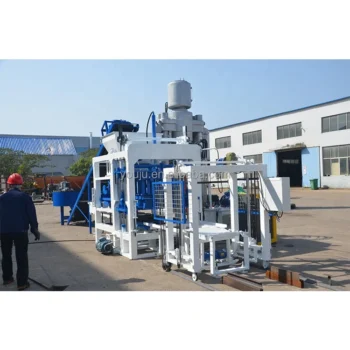
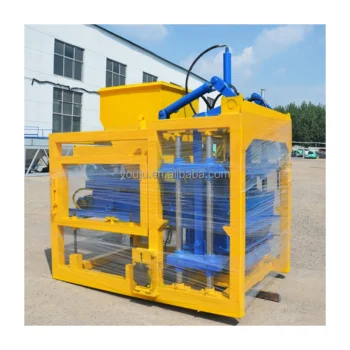
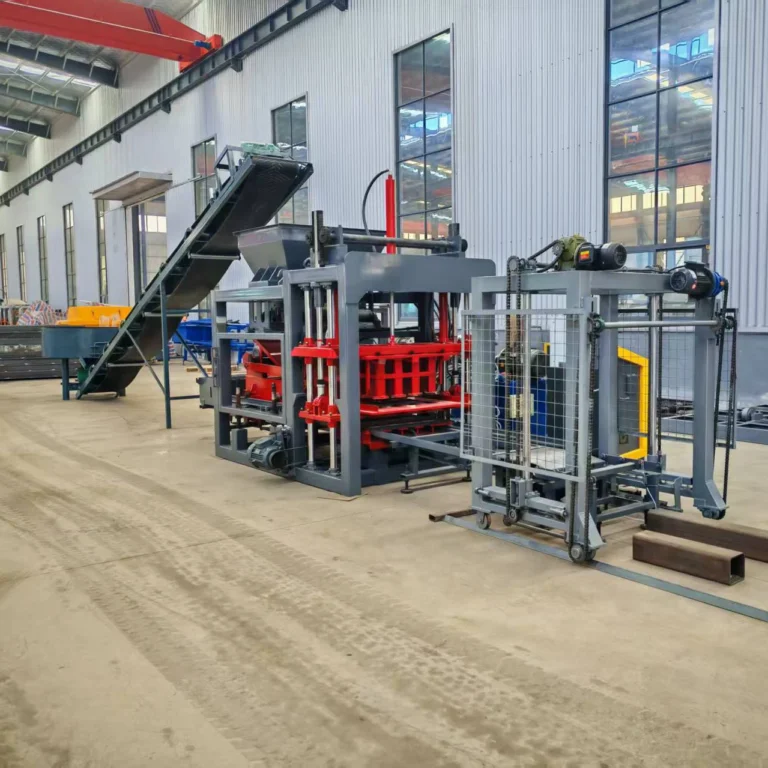
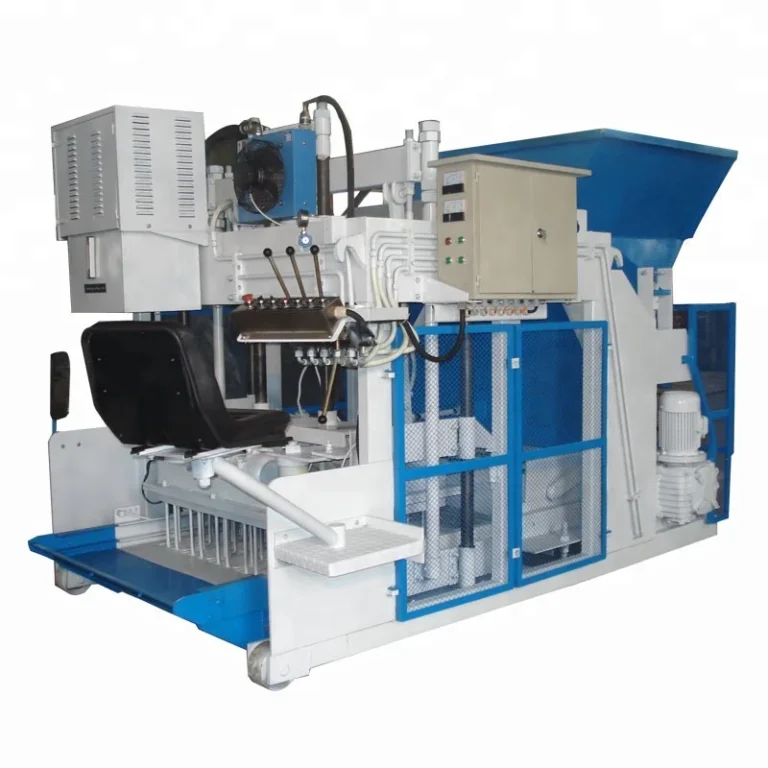
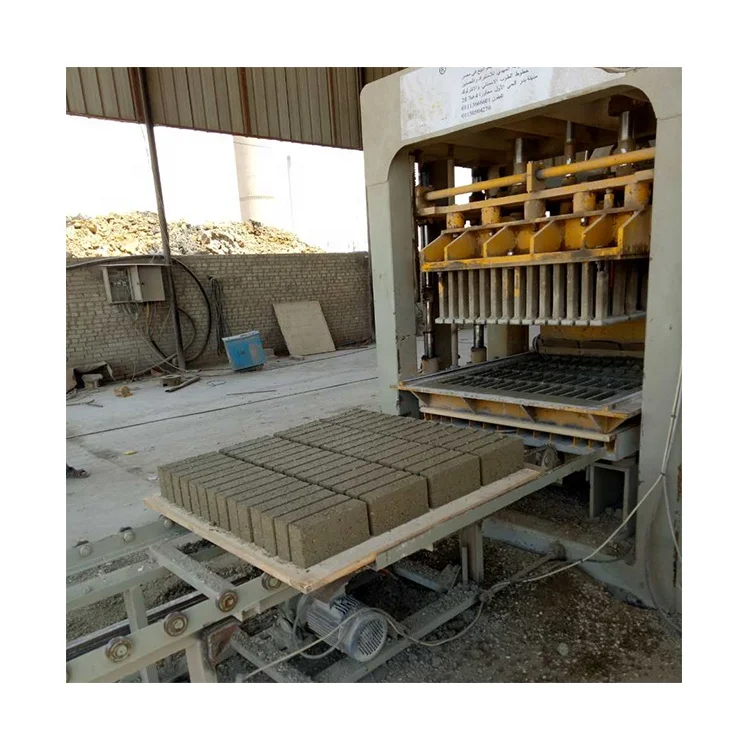
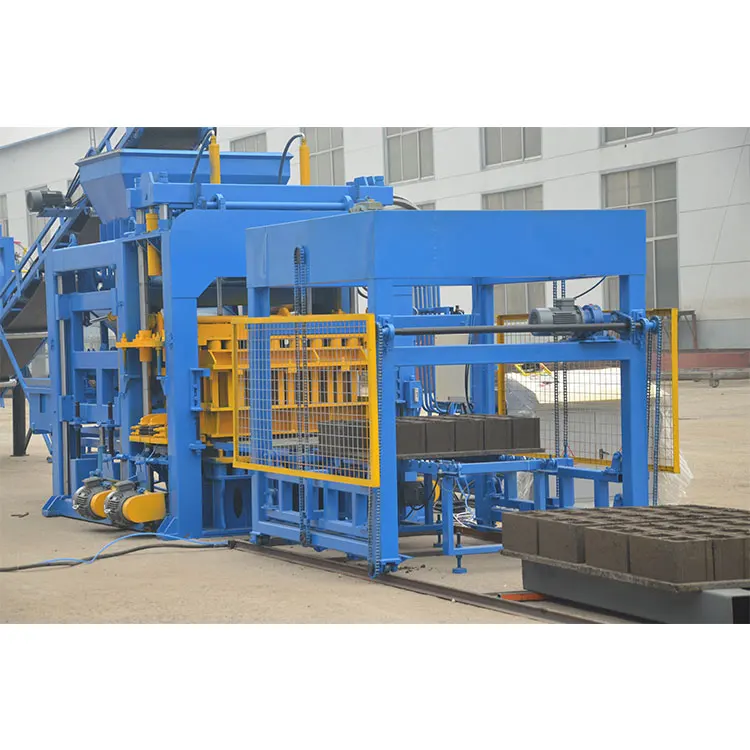
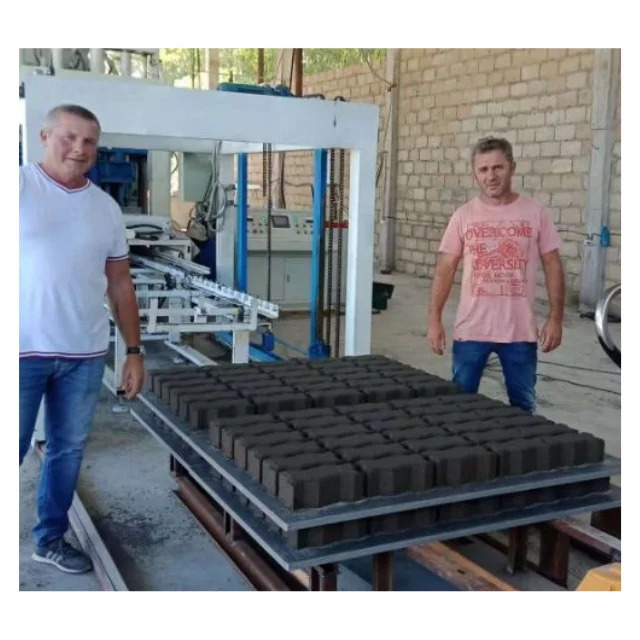
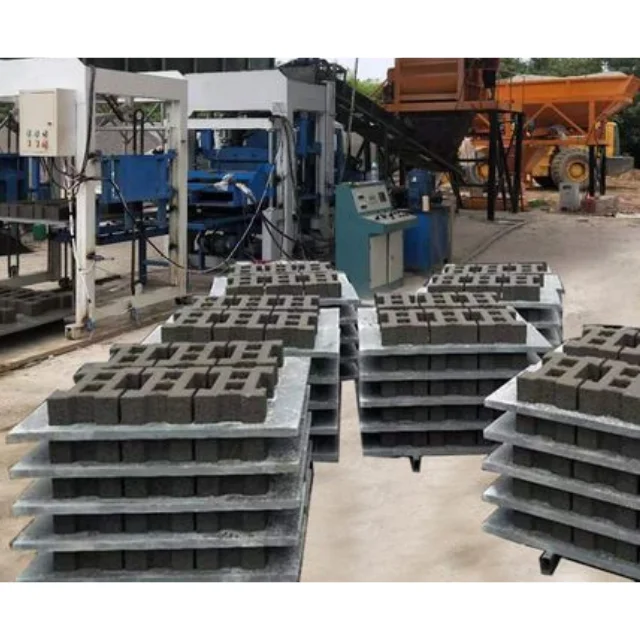
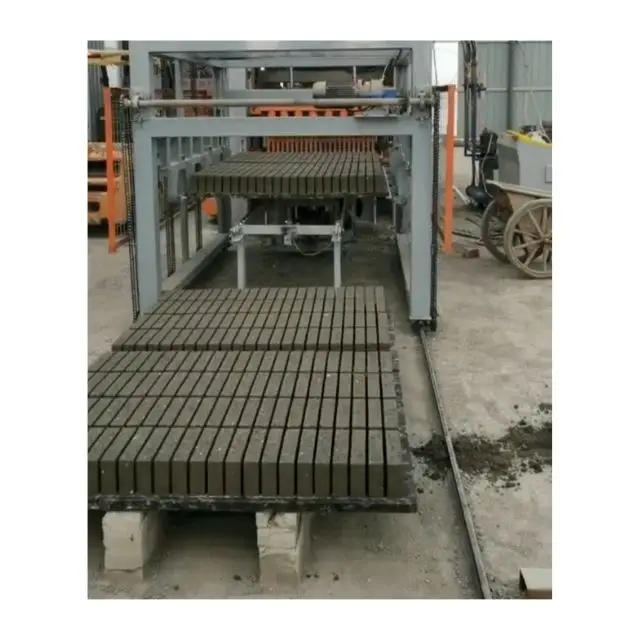
Stocked QT12-15 Automatic Block Making Machine ready for immediate dispatch with voltage, pallet size, and control language confirmed before container loading.
Technical Specifications
| Parameter | Value |
|---|---|
| Product Type | Automatic Concrete Block Making Machine |
| Model | QT12-15 |
| Overall Dimensions (L×W×H) | 9350 × 2520 × 2950 mm |
| Total Weight | 12000 kg |
| Rated Pressure | 21 MPa |
| Main Vibration Form | Platform Vibration |
| Vibration Frequency | 2800–4500 r/min |
| Vibration Acceleration | 15–20 g |
| Exciting Force | 120 kN |
| Pallet Size | 1350 × 850 mm |
| Fixed Brick Height | 50–200 mm |
| Molding Cycle | 15–25 s |
| Storage Hopper Volume | 0.4 m³ |
| Feeding Device Volume | 0.31 m³ |
| Total Power | 50.7 kW |
| Control System | PLC controlled (mechanical hydraulic synthesis) |
| Frame Structure | Gantry frame type, super steel |
| Mould Type | Cartridge type welding mould, manganese steel |
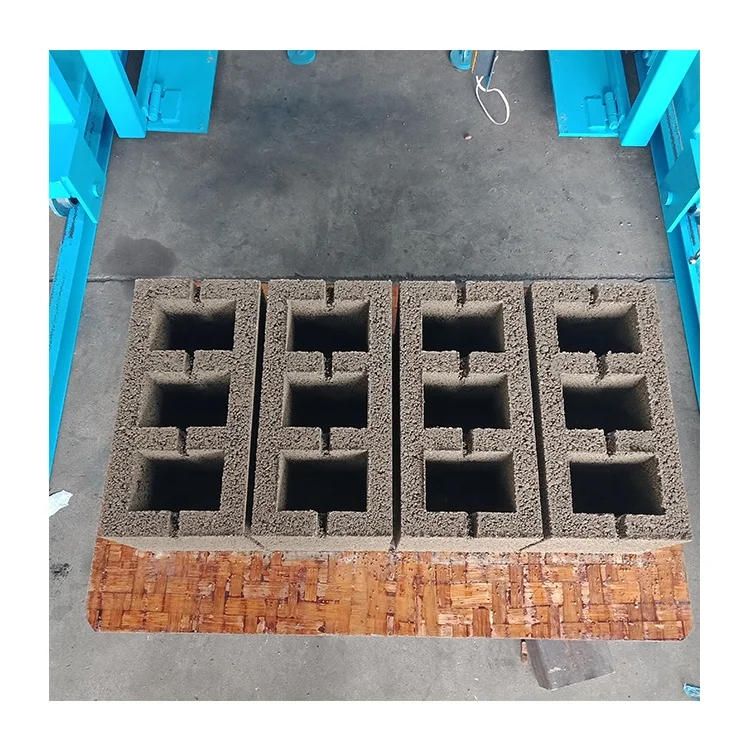
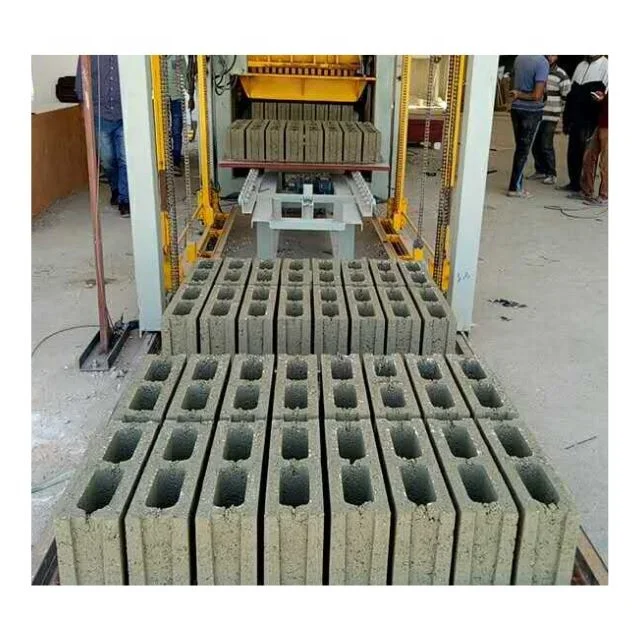
| Output (Hollow block 390×190×190mm) | 1720–2160 pcs/h (basis: 15-25s cycle) |
| Output (Standard block 240×115×53mm) | 13100–14800 pcs/h (basis: 15-25s cycle) |
Application Suitability
| Application | Material or Output |
|---|---|
| Hollow block production | Crushed stone, cement, sand aggregate mix |
| Porous block manufacturing | Fly ash, cement, lightweight aggregate |
| Standard solid block output | River sand, stone dust, cement blend |
| Interlocking brick forming | Fine aggregate with cement binder |
| Paving block pressing | High-strength concrete mix with surface layer |
Why the Voltage Question Must Come Before Dispatch
A stocked QT12-15 block making machine in stock means nothing when the control panel speaks a language the operator cannot read or the motor demands a frequency the site generator cannot supply.
Buyers focused on arrival timing often skip electrical confirmation because the machine looks ready to ship. I have watched crews on Middle East sites stand idle next to a newly arrived press because the 380V/50Hz motor did not match the 440V/60Hz generator on the project compound. The transformer took weeks to air-freight. That delay is avoidable when voltage, frequency, and PLC display language are locked before the machine leaves the factory floor [NEED_CITE: voltage and frequency standards by export market].
What Immediate Shipment Actually Requires
Stock availability only shortens the timeline when the configuration matches the destination site. The QT12-15 block making machine in stock ships as a complete gantry-frame press, but the electrical cabinet, PLC interface language, and hydraulic hose routing must align with the buyer’s existing infrastructure. Confirming these details before dispatch prevents the machine from sitting under a tarp while replacement components are sourced.
Container Loading and Arrival Sequencing
A 12-tonne press of this footprint requires partial dismantling for standard container loading. The gantry frame, vibration platform, and hydraulic station separate into distinct packages. Dispatch lead time depends on whether the standard mould set is already mounted or needs cartridge swap before crating. Arrival estimates factor in port congestion and inland haulage to the project site, so quoting transit time upfront keeps the construction schedule intact [NEED_CITE: typical shipping timelines for heavy industrial machinery to Middle East ports].
Reading the Vibration and Pressure Specifications
Platform vibration at 2800–4500 r/min paired with 21 MPa hydraulic pressure determines the density and compressive strength of every block that leaves the mould. The 120 kN exciting force compacts the concrete mix against the cartridge mould walls, while the vibration frequency settles fine aggregate into voids. When these two forces are mismatched to the buyer’s local aggregate gradation, block strength drops below the 15 MPa threshold. Pallet size at 1350 × 850 mm must also match the curing racks and forklift tine spacing already on site, otherwise the wet blocks cannot move from press to curing area without manual handling.
The Cost of Skipping Pallet and Voltage Confirmation
When the pallet size does not match the curing rack spacing, blocks pile up on the factory floor and cure unevenly. When the voltage is wrong, the PLC refuses to start and the hydraulic pump motor burns out within the first hour. These are not warranty claims — they are configuration oversights that fall on the buyer. A machine that arrives fast but cannot run is more expensive than one that ships a week later with every electrical and mechanical interface verified [NEED_CITE: common commissioning delays in block plant installations].
Why Buyers Source This Press Here
Block machinery is the single focus of this operation, so the press, mould, pallet, and handling equipment are specified as one matched system. The QT12-15 ships with mould cartridges already welded in manganese steel for the formats the buyer’s market actually sells. Voltage and control language are confirmed against the destination country’s standard before crating. Factory test records show the machine running through a full molding cycle with the buyer’s target block format, not a generic test block. Dispatch timing is quoted against actual stock position, not a production schedule that has not started.
Documentation & Verification
- Factory test record showing full cycle on your specified hollow or standard block format
- Voltage, frequency, and PLC language confirmation sheet signed before crating
- Pallet specification matched to your curing rack dimensions and forklift capacity
- Mould drawing and format list for every cartridge included in the shipment
- Packing photographs showing dismantling state and container loading sequence
Installation, Commissioning & Support
- Foundation pad must support 12000 kg static load across 9350 × 2520 mm footprint
- Dedicated 50.7 kW power circuit with confirmed voltage and frequency at the main breaker
- Gantry frame reassembly and vibration platform alignment completed on site before first cycle
- PLC parameter setting for your specific mould cartridge and molding cycle duration
- Manganese steel mould wear inspection schedule established during commissioning week
What to Include in Your Inquiry
Specify the block format your market sells, the daily volume your project requires, and the pallet size your curing area already accommodates. Confirm the site voltage and frequency, the language your operators read, and whether you need the standard mould set or a custom cartridge. State your target arrival date so container booking and inland transport can be sequenced backward from that deadline.
Frequently Asked Questions
Q: How is the daily output figure calculated for each block format?
A: Output is stated per block format with the molding cycle as the basis. For a 390×190×190mm hollow block at a 15–25 second cycle, the press produces 1720–2160 pieces per hour. That translates to 13700–17200 pieces over an eight-hour shift, assuming continuous material feed and pallet circulation without interruption.
Q: What is the actual dispatch lead time for a stocked machine?
A: Stocked models are available for container loading once voltage, frequency, PLC language, and mould format are confirmed. That confirmation step typically takes several days. From confirmation to port departure, allow time for dismantling, crating, and customs documentation. Arrival estimates are quoted against current shipping schedules to your destination port.
Q: How do you confirm electrical compatibility before shipment?
A: The buyer provides the site voltage, frequency, and phase configuration from their main supply or generator. The PLC display language is selected from available options. These values are written into a confirmation sheet that both parties sign before the electrical cabinet is sealed and the machine is crated for dispatch.
Q: Can the standard mould cartridges be swapped before the machine ships?
A: Yes. Standard cartridges for hollow, porous, and solid block formats are kept in stock. If the buyer’s market requires a specific format that differs from the default set, the mould swap is completed at the factory. The machine is test-run with the buyer’s cartridge before dismantling for container loading.