Description
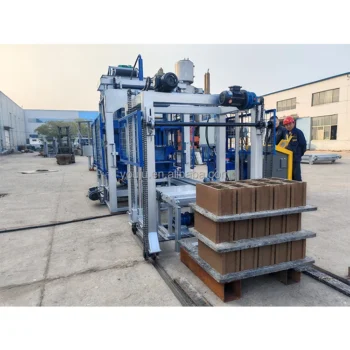
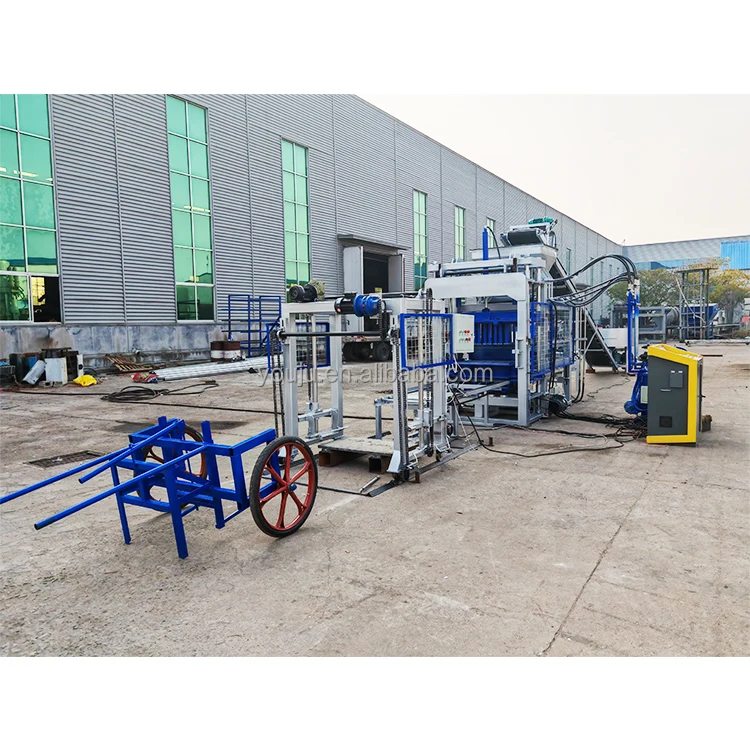
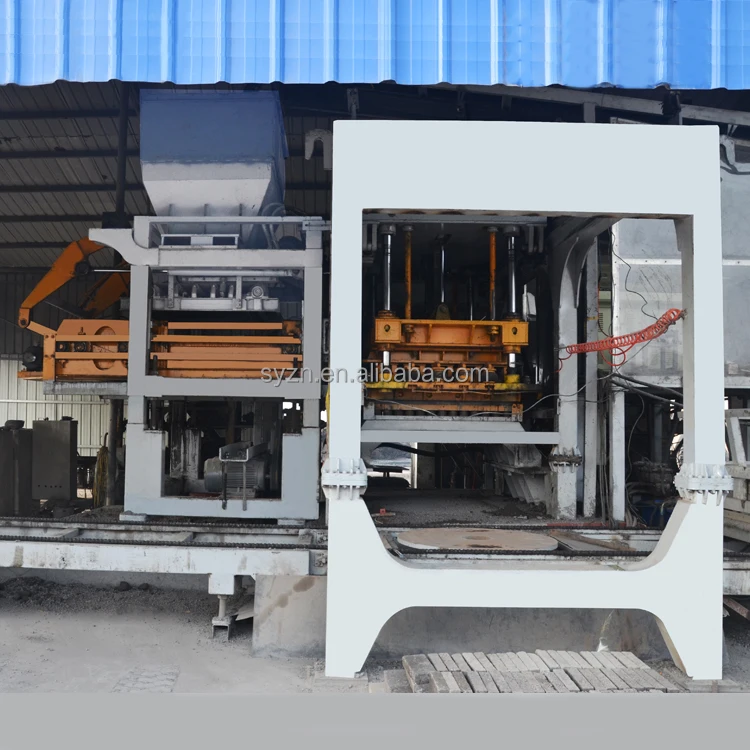
Stocked Dispatch — QT18-25 fully automatic block machine configurations are held in inventory for container loading within confirmed lead times, so project schedules stay intact.
Technical Specifications
| Parameter | Value |
|---|---|
| Model | QT18-25 |
| Product Type | Fully Automatic Hydraulic Pallet-free Block Making Machine |
| Brick Height Range | 50–300 mm |
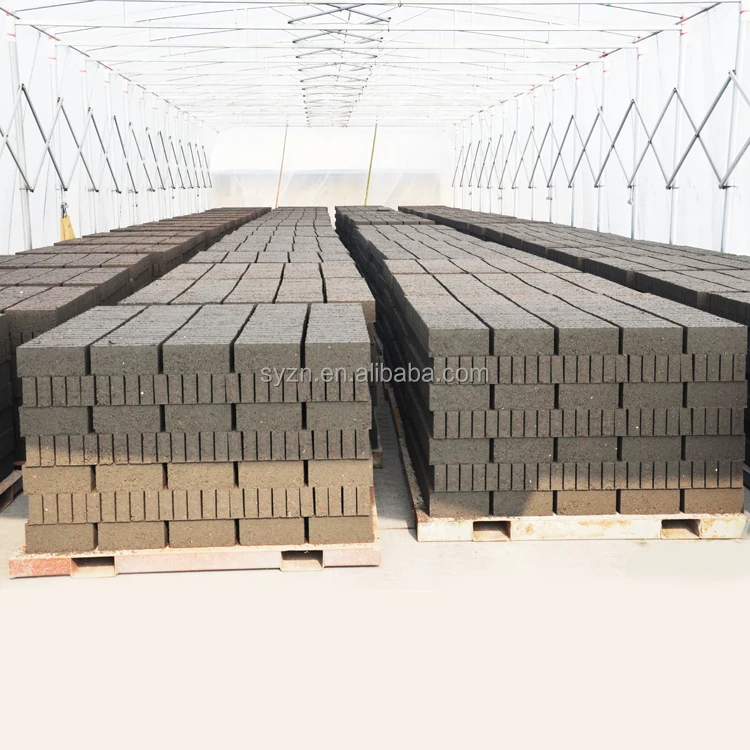
| Stacking Height | 0–1200 mm |
| Main Vibration Form | Platform Vibration |
| Vibration Frequency | 2800–4500 r/min |
| Molding Cycle | 15–25 s (basis to be confirmed by block format and material) |
| Vibration Power | 60 kW |
| Hydraulic System Power | 59 kW |
| Driving Method | Hydraulic |
| Demolding Method | Vibration and Hydraulic |
| General Water Consumption | 8 T/Day |
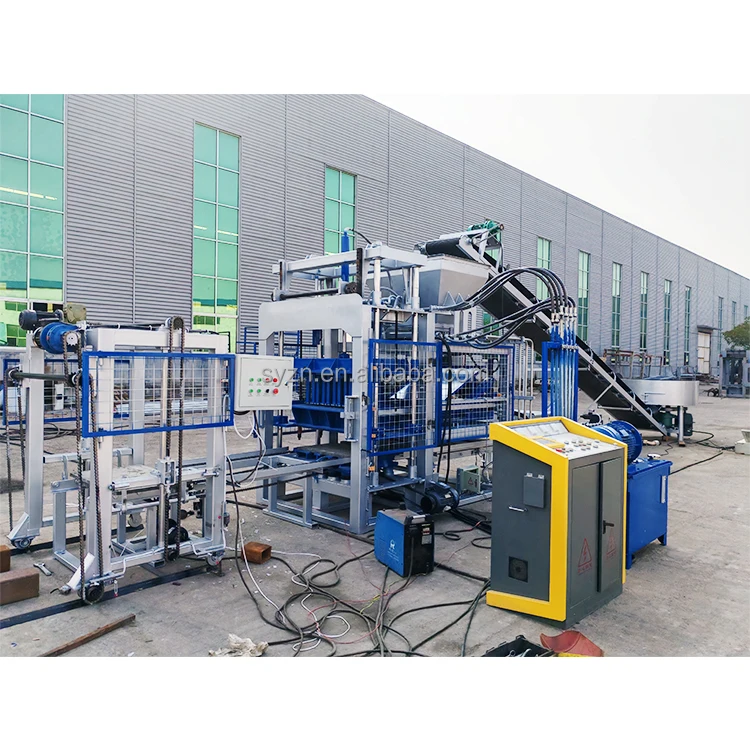
| Control System | PLC with person-machine conversation interface |
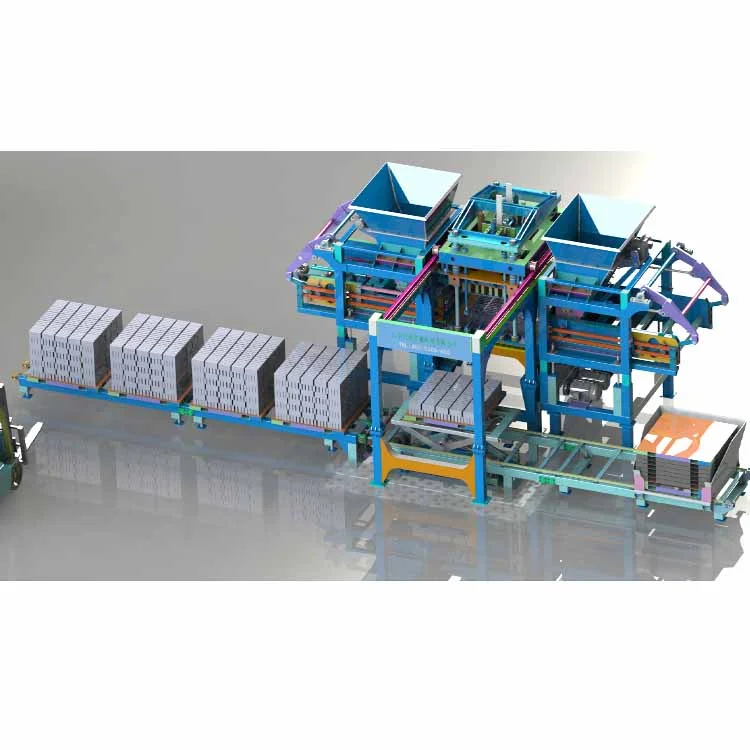
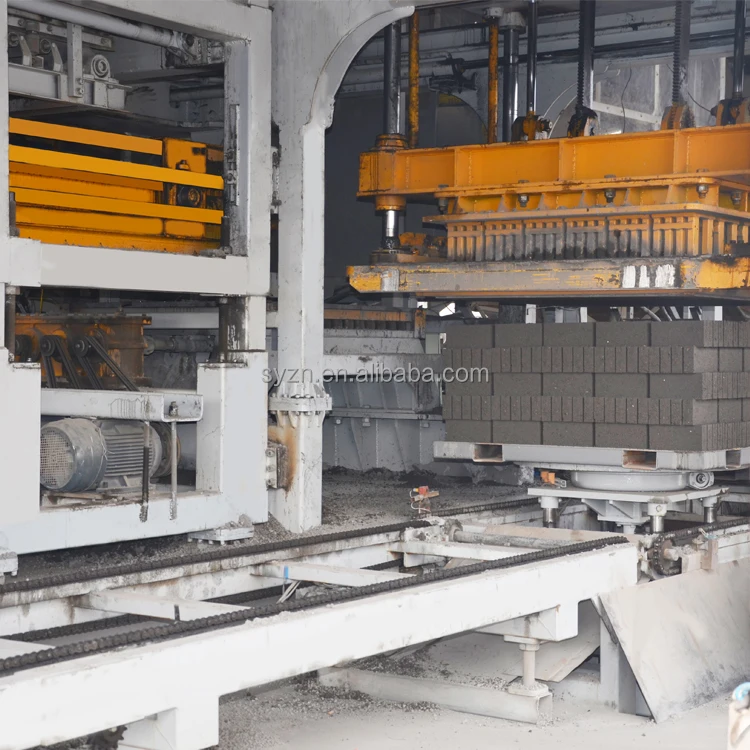
| Automation Level | Fully Automatic, blocks stacked directly after moulding |
Application Suitability
| Application | Material or Output |
|---|---|
| Hollow block production for residential walls | Crushed stone, sand, cement, fly ash |
| Solid block manufacturing for load-bearing structures | Gravel, cement, dust blends |
| Paver and interlocking block runs for landscaping | Colored concrete mixes, slag aggregates |
| Curbstone forming for municipal infrastructure | High-strength concrete with coarse aggregate |
| On-site block production for housing projects | Locally sourced sand and crushed stone |
Why the Arrival Date Matters More Than the Cycle Time
A machine sitting in a warehouse does not lay a single block. When project deadlines compress, buyers need confirmed dispatch dates and realistic port-to-site timelines before they sign anything. A fully automatic block machine in stock means the conversation shifts from "when can you build it" to "when can we load it." I have watched contractors lose weeks because a supplier quoted an impressive cycle time but had no inventory and no container plan [NEED_CITE: typical shipping and customs clearance timelines for heavy industrial equipment]. The QT18-25 is available in stocked configurations, so the lead time discussion focuses on container booking and ocean freight rather than manufacturing queues.
Stocked Configurations and Dispatch Readiness
The QT18-25 fully automatic block machine in stock is prepared for dismantling and container loading without waiting for a production slot. Standard moulds commonly requested for hollow blocks and pavers ship alongside the press, so the first production run can begin soon after commissioning. Voltage, frequency, and PLC display language are confirmed against the destination market before the crate is sealed, preventing the kind of on-site rewiring delays that stall projects.
Container Loading and Shipment Transparency
A fully automatic block machine in stock still requires a detailed loading plan. The QT18-25 is broken down into modules that fit standard container dimensions, and the dismantling method is documented so the receiving team knows which assemblies arrive in which container. Dispatch lead time is quoted at the inquiry stage, not buried in fine print. Buyers working against construction milestones can map arrival estimates against their foundation and curing area readiness [NEED_CITE: container loading best practices for heavy hydraulic machinery].
What the Vibration and Hydraulic Numbers Mean on the Floor
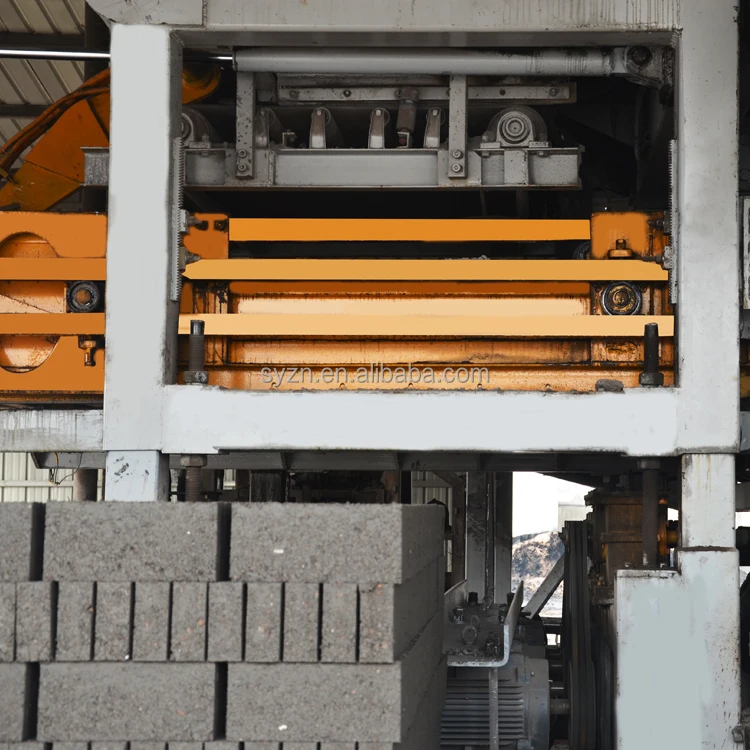
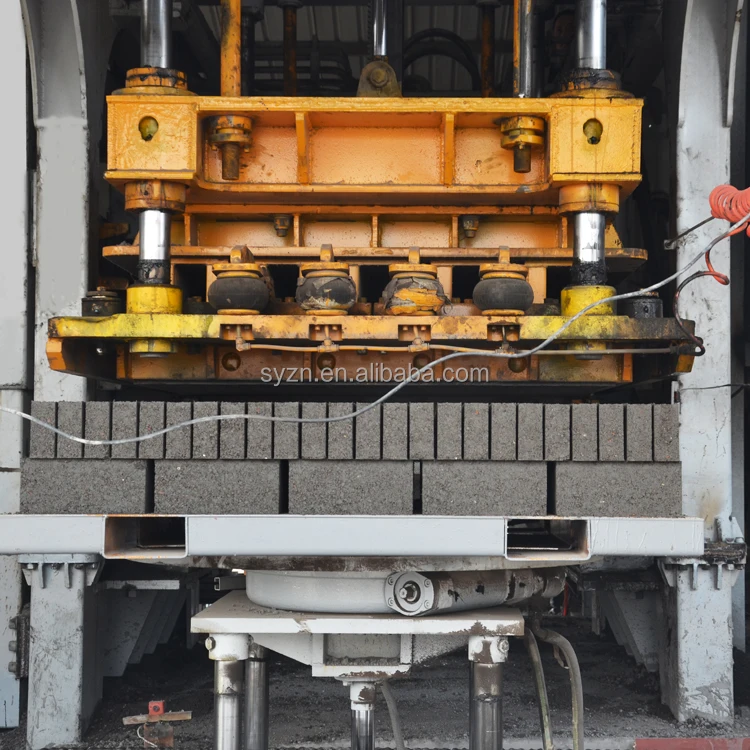
The platform vibration system operates across 2800–4500 r/min, which allows the operator to dial in frequency based on the aggregate size and moisture content of the local mix. Coarse crushed stone typically demands higher frequency for proper consolidation, while finer fly ash blends respond better at lower ranges. The 60 kW vibration power paired with 59 kW hydraulic system power gives the press enough force to compact dense mixes without stalling mid-cycle. The hydraulic demolding method reduces block edge damage compared to purely mechanical ejection, which matters when producing pavers with tight dimensional tolerances. Brick heights from 50 mm up to 300 mm cover everything from thin pavers to tall hollow blocks, and the stacking height of 0–1200 mm means cured stacks can be built high enough to minimize floor space in the curing area.
When the Wrong Pallet Decision Follows You for Years
The pallet-free design of the QT18-25 eliminates the need for thousands of wooden or composite pallets circulating through a curing system. Buyers who chose pallet-based machines without calculating pallet replacement cost and handling labour often find the ongoing expense overtakes the initial savings within a couple of production seasons [NEED_CITE: pallet replacement and handling costs in block manufacturing]. Without pallets, there is no pallet return conveyor, no pallet brushing station, and no pallet storage yard consuming space that could hold finished product.
What Sets This Procurement Path Apart
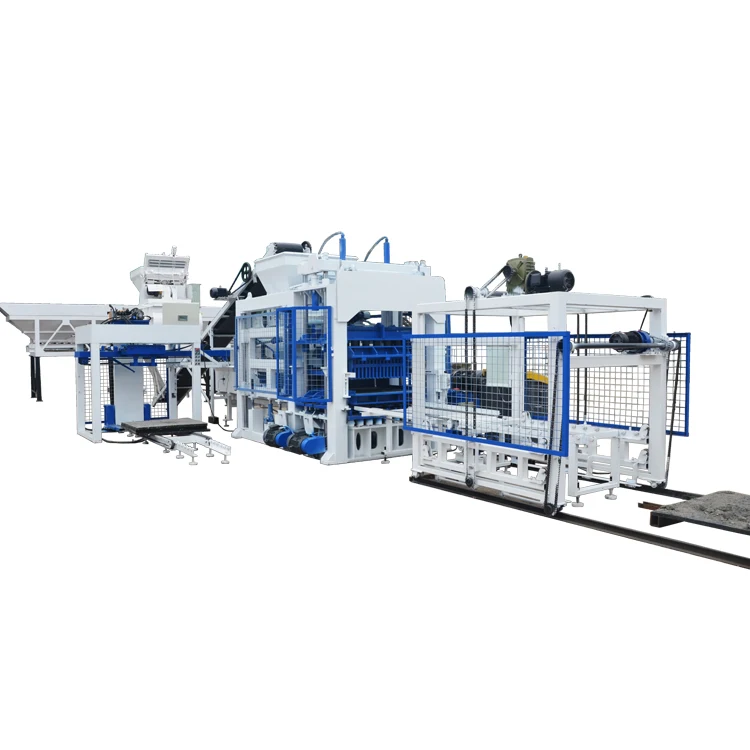
Block machinery is the single focus here, so the QT18-25 is specified as a matched system — press, mould, stacking mechanism, and PLC controls — rather than assembled from unrelated suppliers. The configuration is set against the buyer’s actual mix design and target block format, not a catalogue default. Moulds for the formats the local market demands are designed and supplied together with the press, including custom drawings when standard formats do not fit. Stocked models mean the buyer can lock in an arrival estimate rather than gamble on a production queue. Installation and commissioning support includes operator training so the crew is running independently before the technician leaves site.
Documentation & Verification
- Line layout showing QT18-25 footprint with stacking zone and curing area clearances
- Machine specification sheet confirming vibration power and hydraulic ratings per configuration
- Mould drawing and format list matching the buyer’s target block dimensions
- Voltage, frequency, and PLC language confirmation signed off before dispatch
- Factory test record on the buyer’s specified block format and mix proportion
- Packing photographs documenting container loading sequence and crate labelling
Installation, Commissioning & Support
- Foundation plan sized for QT18-25 vibration loads and 60 kW vibration motor startup current
- Dedicated electrical circuit planned for combined 119 kW vibration and hydraulic draw
- Dismantled module list provided so on-site reassembly follows a documented sequence
- PLC interface configured in operator language before first production test
- Mould change procedure trained on-site so format switches happen within a single shift
- Wear parts list supplied with recommended replacement intervals for hydraulic seals and vibration components
What We Need to Quote Your Arrival Date
Share the block formats your market moves, the daily volume your project demands, and the destination port so we can map a realistic arrival estimate. Confirm your site voltage and frequency, and tell us whether your curing area is already built or still being planned. If you have existing mixers or material feeders, let us know so the line integration does not create a bottleneck upstream of the press.
Frequently Asked Questions
Q: Which QT18-25 configurations are currently stocked and what is the dispatch lead time?
A: Stocked configurations typically include the standard hollow block and paver mould sets with PLC controls pre-configured for common voltage ranges. Dispatch lead time depends on container availability and destination port scheduling, and is confirmed at the inquiry stage so buyers can align it with their project timeline rather than guessing.
Q: How is the machine dismantled for container loading and how many containers are required?
A: The QT18-25 is broken into modules — main frame, hydraulic station, stacking mechanism, and mould set — each secured in a documented loading sequence. The exact container count depends on the mould quantity and stacking height configuration ordered, and a loading plan is provided before shipment.
Q: What arrival estimate can I expect for my destination port?
A: Arrival estimates factor in container booking lead time, ocean transit duration, and typical customs clearance windows at the destination. We quote the estimate upfront based on your named port, so you can schedule foundation work and raw material procurement against a known date.
Q: Are voltage, frequency, and control language confirmed before shipment?
A: Yes. Before the QT18-25 leaves the factory, we verify the electrical specifications against your local grid standards and set the PLC display to your operator’s preferred language. This prevents on-site rewiring delays and ensures the crew can read fault codes from day one.
Q: What standard moulds are in stock and which formats ship with the machine?
A: Commonly stocked moulds cover hollow blocks, solid blocks, and interlocking pavers in sizes that move in most construction markets. Custom moulds are designed from buyer drawings when standard formats do not match local demand, and lead times for custom tooling are quoted separately from the press dispatch.