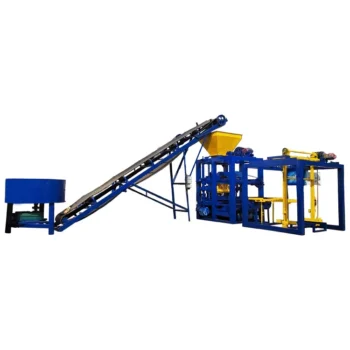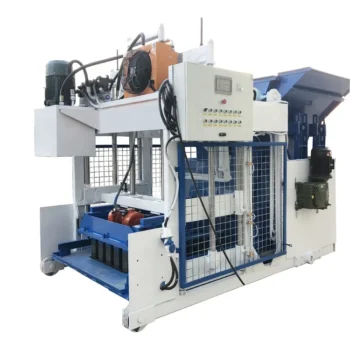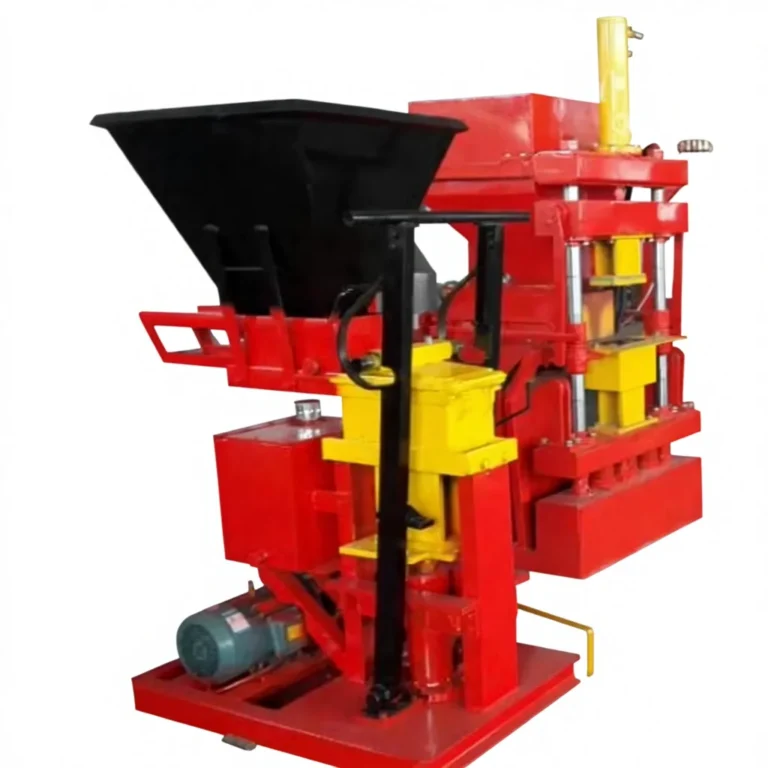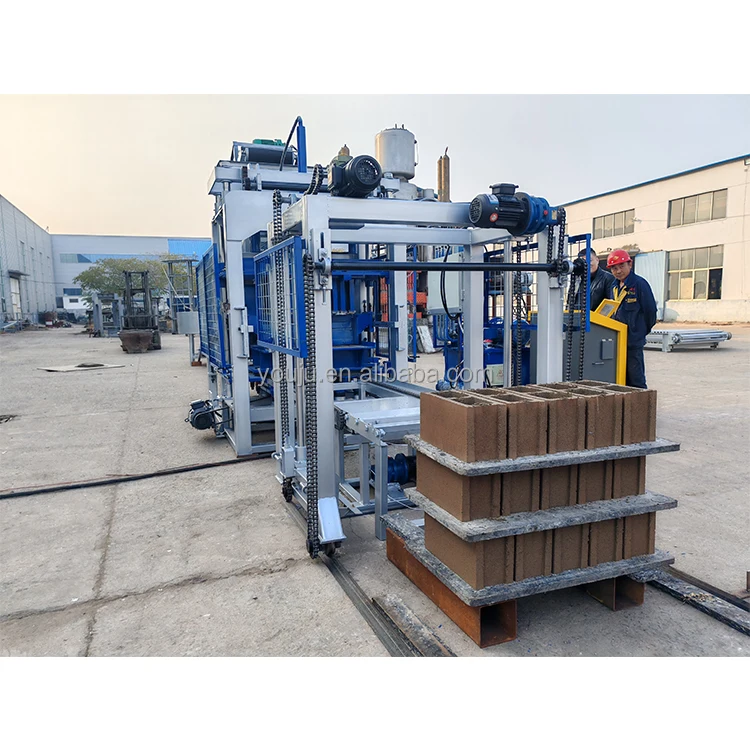
Description
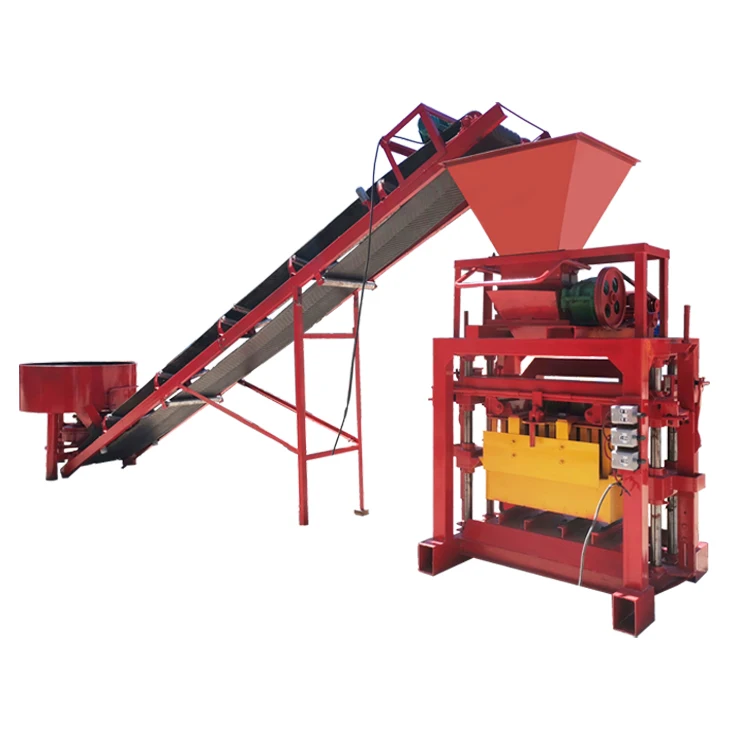
Stocked configuration — QT4-15 units held ready with standard mould sets so dispatch happens on a known calendar date rather than after an open-ended production wait.
Technical Specifications
| Parameter | Value |
|---|---|
| Model | QT4-15 |
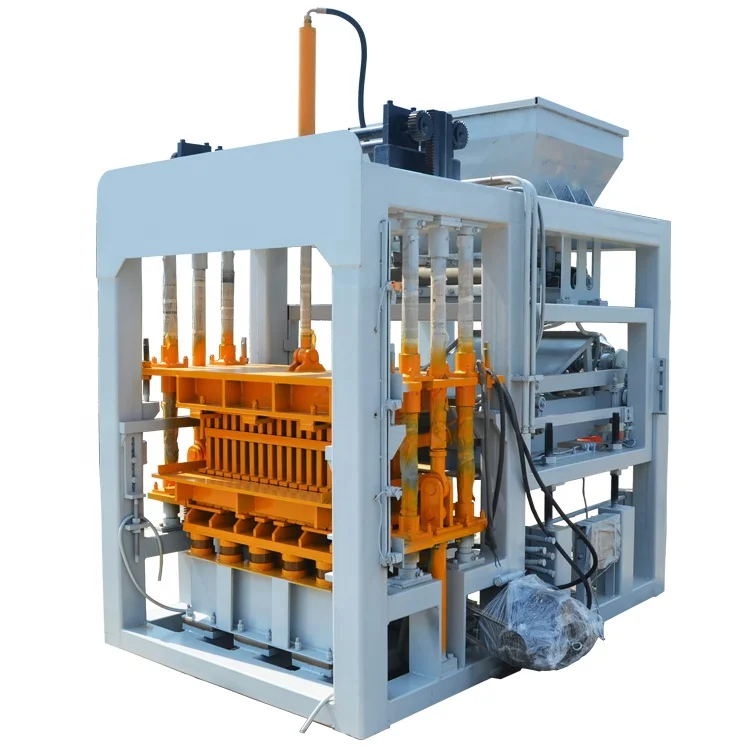
| Product Type | Automatic Hydraulic Block Making Machine |
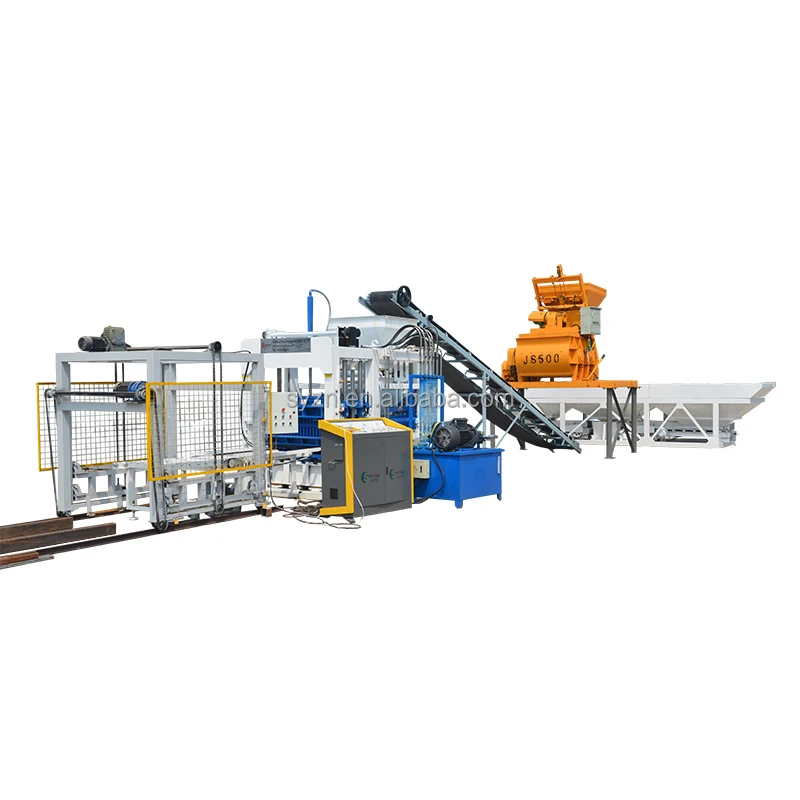
| Overall Dimensions (L×W×H) | 7100 × 1600 × 2610 mm |
| Net Weight | 5800 kg |
| Rated Power | 27.5 kW |
| Voltage & Frequency | 380V or customized to buyer’s local standard |
| Control System | PLC (model and display language confirmed before dispatch) |
| Vibration Force | 60 kN |
| Pallet Size | 1020 × 850 × 40 mm |
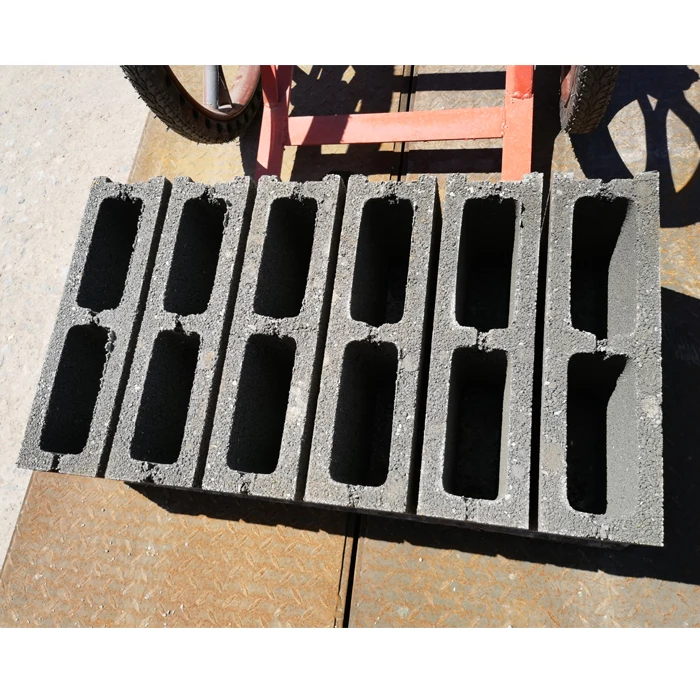
| Mould Format — Hollow Block | 400 × 200 × 200 mm, 4 pcs/mould, 960 pcs/h, 7680 pcs/day |
| Mould Format — Block | 400 × 150 × 200 mm, 6 pcs/mould, 1440 pcs/h, 11520 pcs/day |
| Mould Format — Solid Brick | 225 × 112.5 × 53 mm, 16 pcs/mould, 3840 pcs/h, 30720 pcs/day |
| Cycle Time | 15 s (per format to be confirmed at inquiry) |
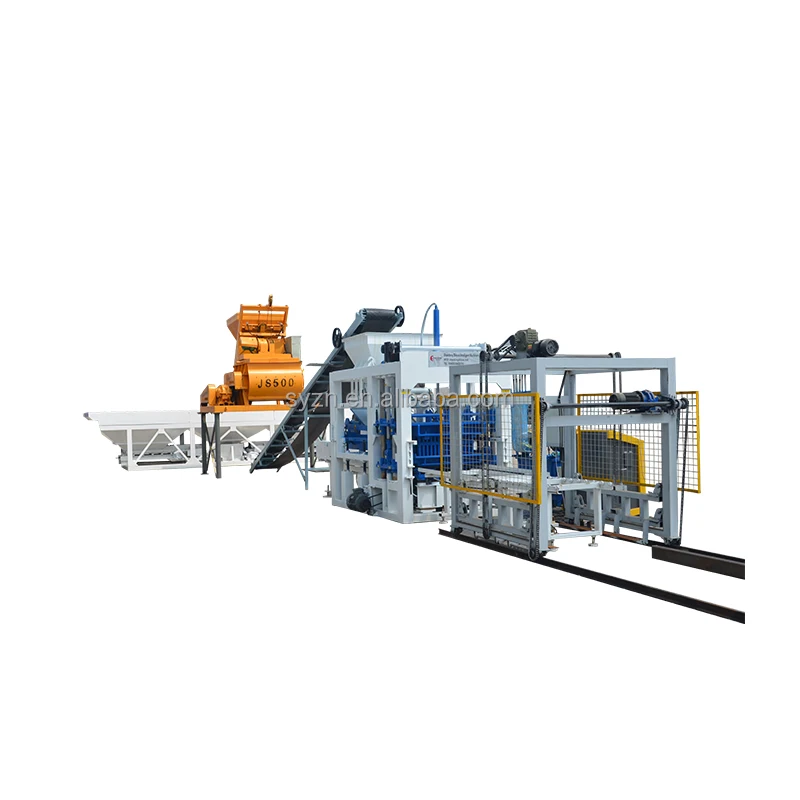
| Mixer Model | JS500 (confirm inclusion in line scope) |
| Standards | ISO 9001:2008, CE |
| Warranty | 1 year |
| Color | Customizable to buyer request |
Application Suitability
| Application | Material or Output |
|---|---|
| Hollow block production for building contractors | Crushed stone, sand, cement, and water mix for 400 × 200 × 200 mm cavity blocks |
| Solid brick runs for housing projects | Fine aggregate and cement blend for 225 × 112.5 × 53 mm dense bricks |
| Paver and kerbstone batches for infrastructure | Coarse aggregate with cement for interlocking formats on the same pallet size |
| Block yard expansion for distributors | Multiple mould formats on one press, switching production between hollow and solid runs |
What "Fast Delivery" Actually Means When You Order a QT4-15 Block Machine in Stock
A confirmed dispatch date beats a promised one — here the shipping container is booked before the balance is paid.
I spent years showing up on West African and South Asian job sites where the block machine sat under a tarp because nobody confirmed the voltage before it left the factory. One QT4-15 landed in a 440V zone wired for 380V, and the crew waited three weeks for a step-down transformer while the whole line stood idle. When you search for a QT4-15 block machine in stock, the real question is not whether it exists in a warehouse — it is whether the voltage, frequency, PLC language, and mould set match your site before the container door closes [NEED_CITE: voltage and frequency standards by export market].
Dispatch Timing You Can Put on a Project Gantt Chart
The value of finding a QT4-15 block machine in stock is that your project schedule does not depend on a production slot you cannot control. Standard models with common mould formats — hollow block, solid brick — ship from available inventory, and the container loading plan is drawn up before you wire the deposit. For contractors working against a dry-season deadline or a housing handover date, that predictability matters more than any catalogue specification.
How the Container Loading Plan Protects Your Arrival Date
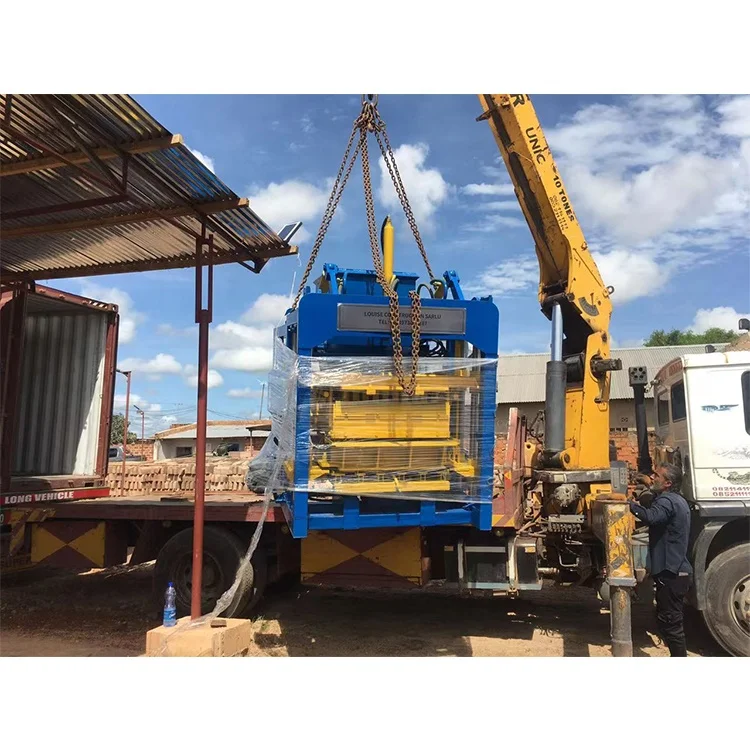
Every QT4-15 block machine in stock ships with a dismantling scheme that matches the container dimensions, so the main frame, hydraulic station, and pallet feeder arrive without last-minute repacking delays. The loading photograph set documents exactly how the machine sits inside the container, giving your clearing agent the paperwork needed for fast port release [NEED_CITE: standard export packing practices for heavy industrial machinery].
Reading the Specs That Decide Your First Production Day
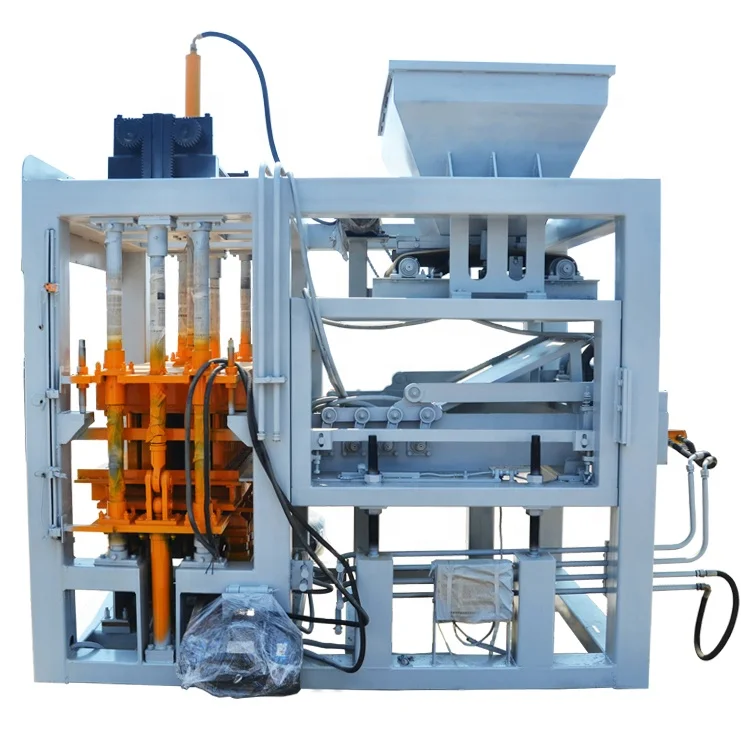
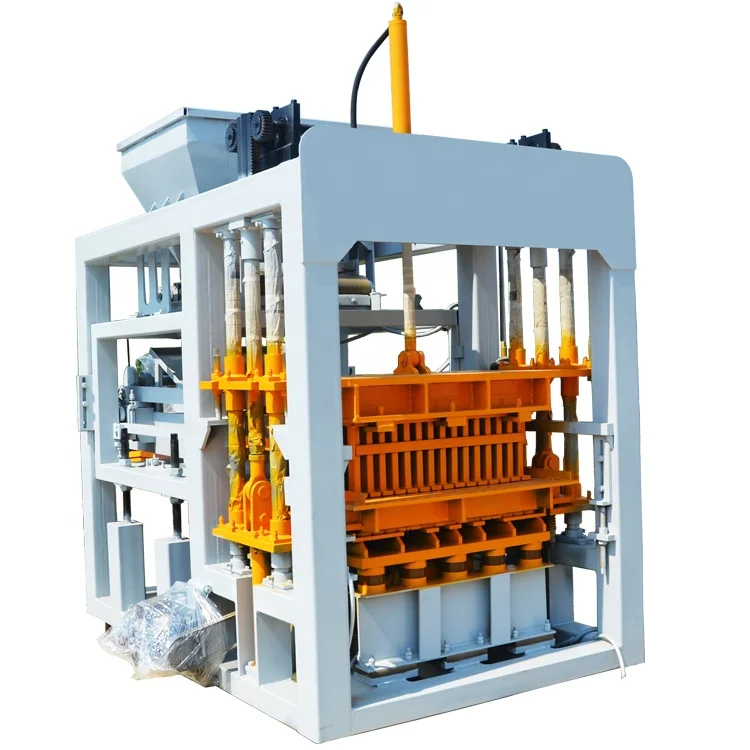
The 60 kN vibration force works together with the hydraulic pressure to compact the mix into a dense block — if either value is too low for your local aggregate, the blocks come off the pallet brittle. The 1020 × 850 × 40 mm pallet size must match the curing racks and forklift tines you already have on site; a mismatch means you cannot move wet stacks to the curing yard without manual lifting. Voltage and frequency are locked in writing before production, because rewiring a PLC panel after arrival costs more than getting it right the first time. The JS500 mixer, when included in the line scope, feeds the press at a rate that keeps the 15-second cycle from starving for material.
When a Stock Machine Arrives Wrong for Your Site
A machine can be physically in stock and still wrong for the buyer. If the pallet size does not fit the curing area, the yard crew stacks blocks by hand and the daily output collapses. If the PLC display language was never confirmed, the operator cannot read fault codes and every minor alarm becomes a phone call across time zones. These are not quality defects — they are configuration errors that turn a fast delivery into a slow commissioning [NEED_CITE: common causes of commissioning delays in exported block machinery].
Why Buyers Working to Deadlines Source Here
Block machinery is the single focus, so the QT4-15 press, moulds, pallets, and handling equipment are specified as one matched set rather than assembled from separate suppliers. Dispatch lead times are quoted at inquiry, not after the order is placed. Voltage, frequency, and control language are confirmed in writing before the machine enters final assembly. Factory test records and packing photographs are shared before the container is sealed. Standard moulds for the formats your local market actually sells are kept alongside the machines, so a hollow block order does not wait on a custom tooling run.
Documentation & Verification
- Factory test record showing cycle times on your specified block format before dispatch
- Voltage and frequency confirmation sheet signed before final assembly begins
- Container loading plan with machine dismantling diagram for your freight forwarder
- Packing photograph set documenting crate condition before container door closes
- Hydraulic and electrical schematic matching the as-built machine configuration
- CE declaration and ISO 9001:2008 documentation for customs clearance
Installation, Commissioning & Support
- Foundation pad sized to the 7100 × 1600 mm footprint with anchor bolt template provided
- Dedicated 27.5 kW circuit at confirmed voltage and frequency required at the panel
- Main frame and hydraulic station reassembled on site with alignment checks before power-on
- First-run cycle timed against the quoted 15-second figure with your local mix design
- PLC display language verified with the operator before training session begins
- Wear parts list covering hydraulic seals and mould liners for the first replacement cycle
What to Send With Your Inquiry
Tell us the block format your market sells most, the daily output you need to hit, and the local voltage and frequency at your site. Share your existing curing area dimensions and forklift specifications so the pallet size is matched before the QT4-15 block machine in stock is reserved for your order. If you have a project deadline, include the date — the dispatch schedule is built around it.
Frequently Asked Questions
Q: Is the QT4-15 block machine in stock, and how fast can it ship?
A: Standard QT4-15 units with common hollow block and solid brick moulds are held in ready-to-dispatch condition. Once voltage, frequency, and PLC language are confirmed in writing, the container is booked and a dispatch date is given. Lead time depends on the mould set and any customization requested at inquiry.
Q: How is the machine packed for ocean freight?
A: The main frame, hydraulic station, and feeder are dismantled to fit standard container dimensions. A loading plan and photograph set document the packing condition before the container door closes, so your clearing agent has what they need at the destination port.
Q: Which moulds and spare parts come with the machine?
A: The mould set matches the block format you confirm at inquiry. A wear parts list covering hydraulic seals, mould liners, and vibration components is included so the first replacement cycle does not halt production. Additional moulds can ship in the same container.
Q: Can the voltage and PLC language be set before dispatch?
A: Yes — voltage, frequency, and control panel language are confirmed in writing before final assembly. This step is mandatory because arriving with the wrong voltage on a Ghana job site once left a crew waiting weeks for a transformer.
Q: What is the estimated arrival time at my destination port?
A: Arrival depends on the shipping route and port congestion at the time of booking. The dispatch date is quoted upfront, and ocean transit estimates are provided once the container is allocated to a specific sailing schedule.