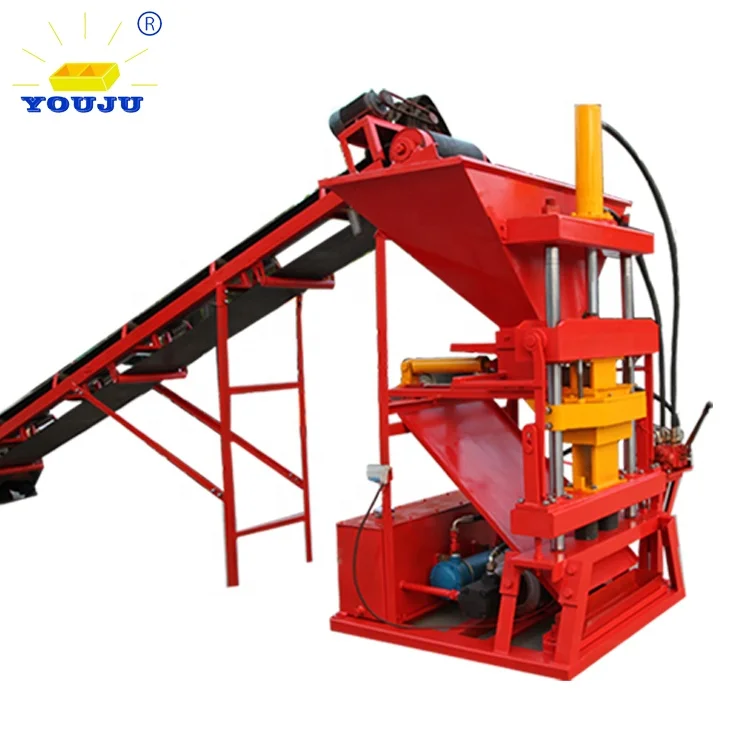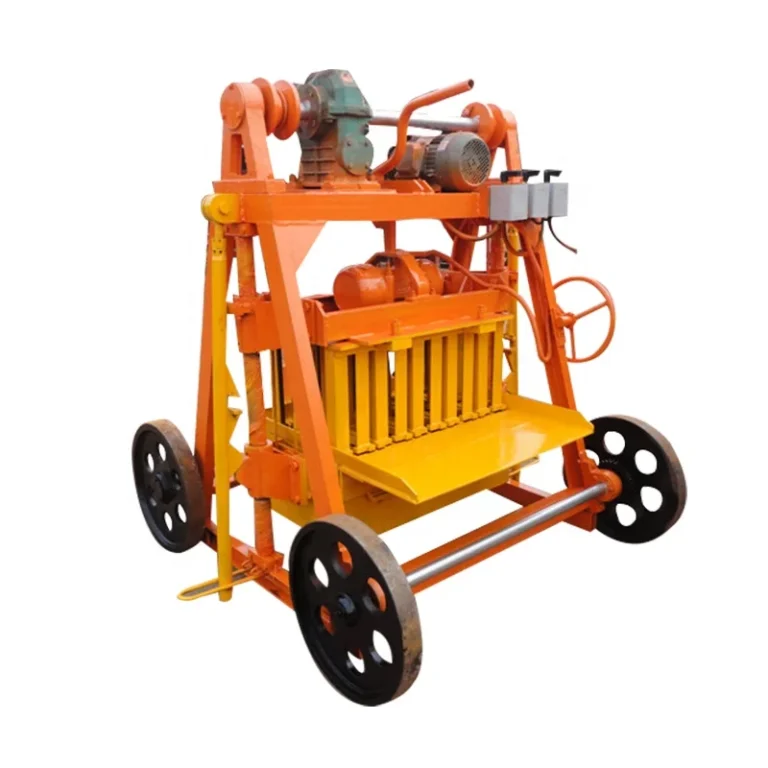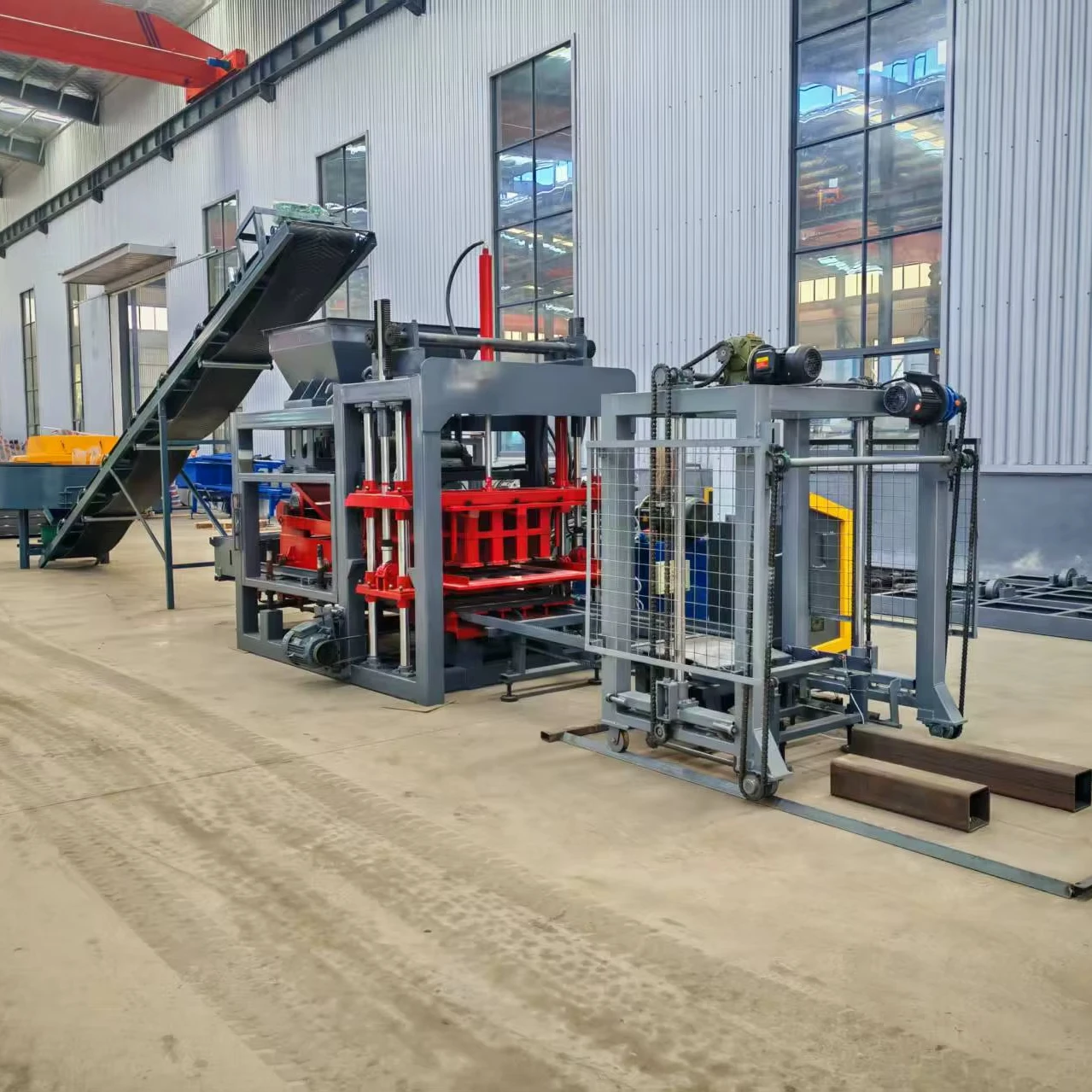
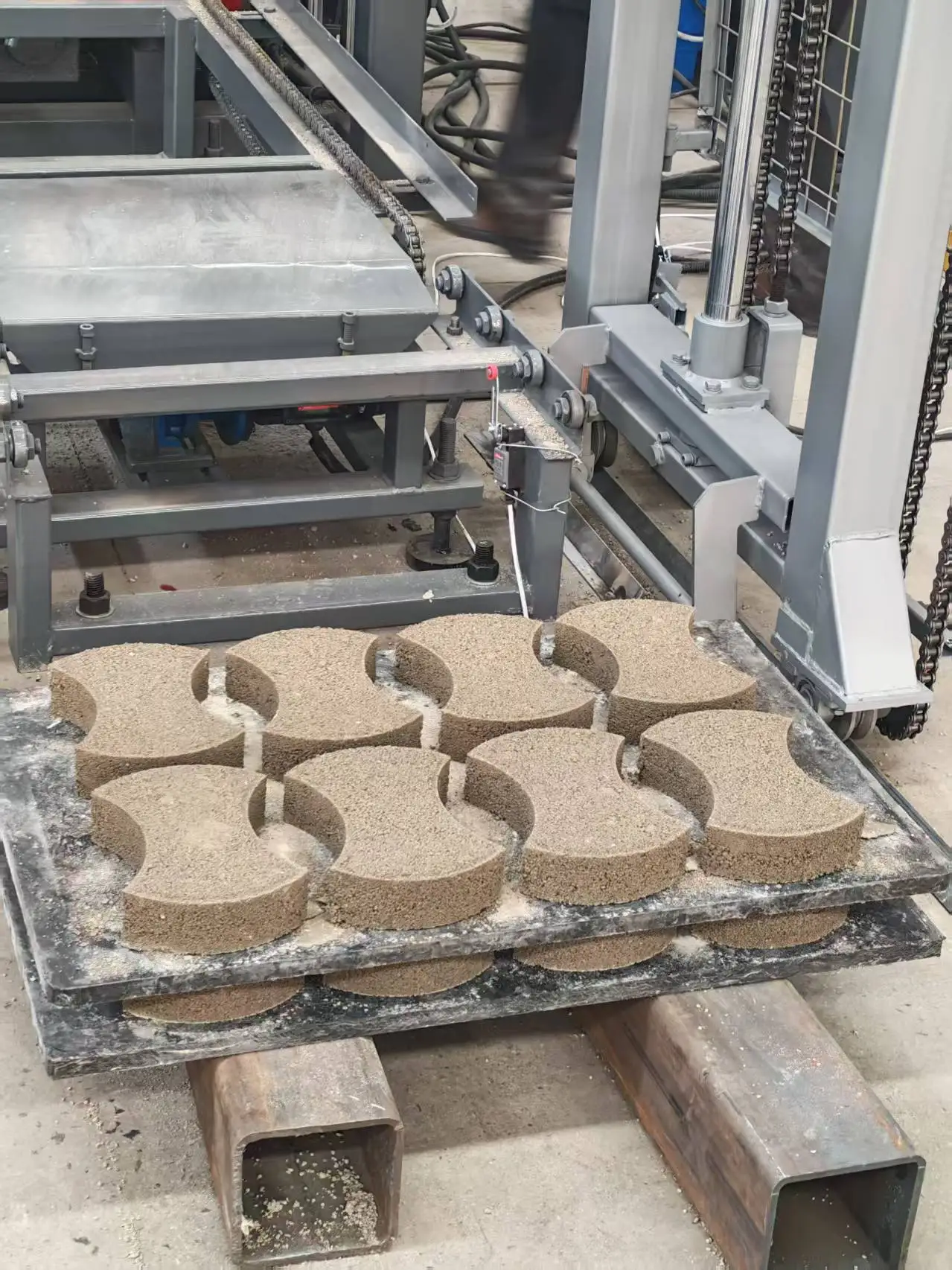
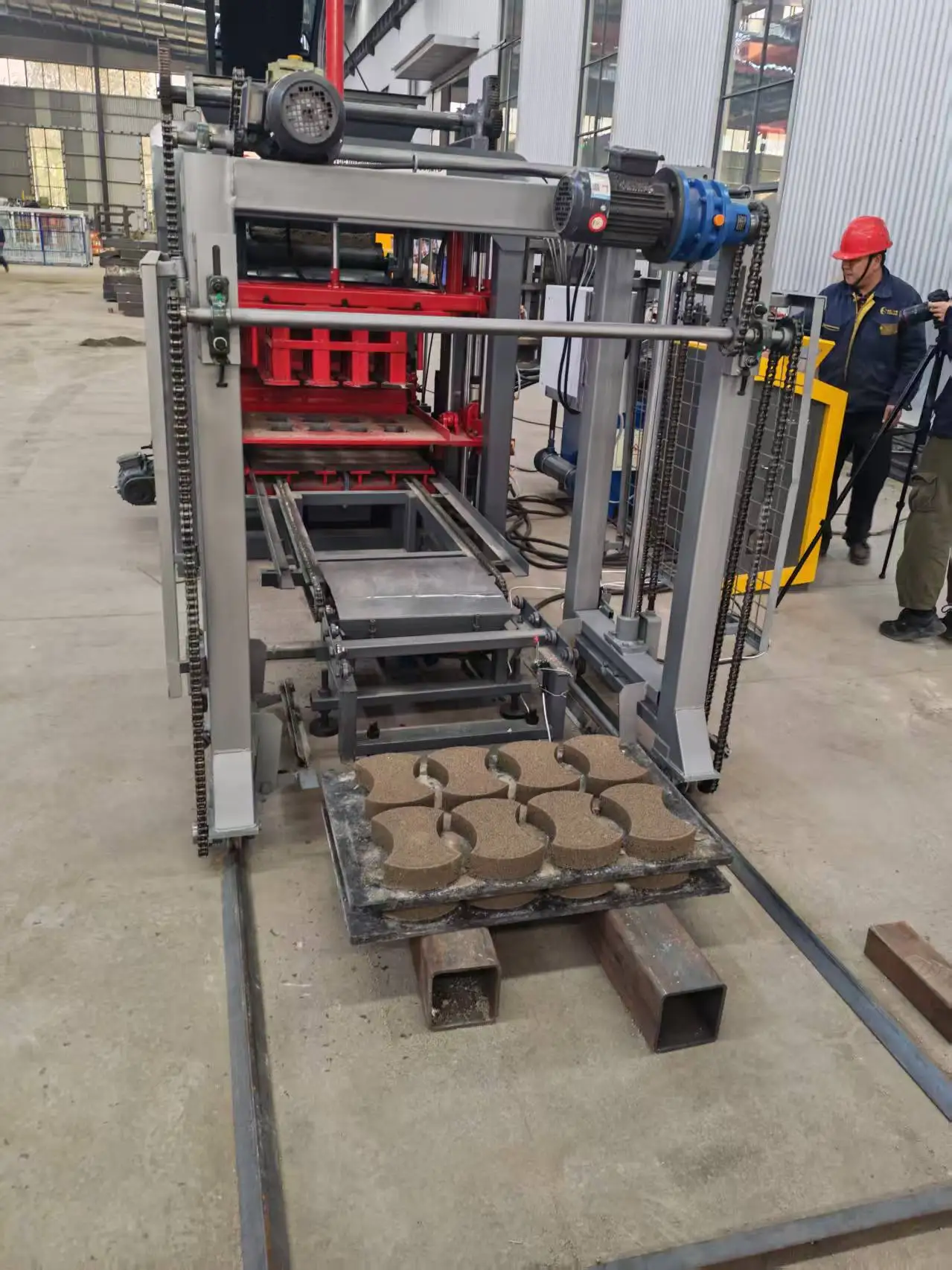
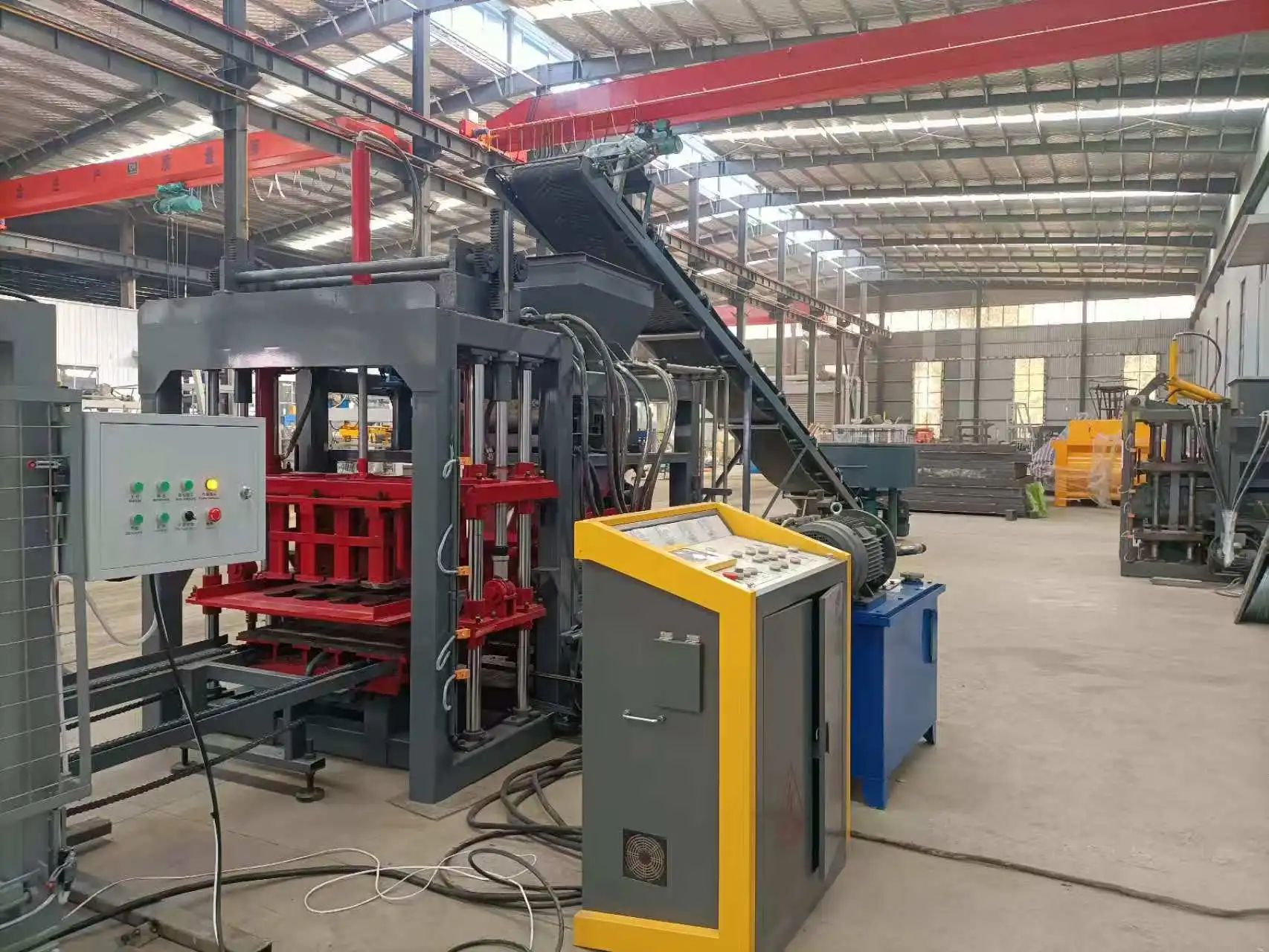
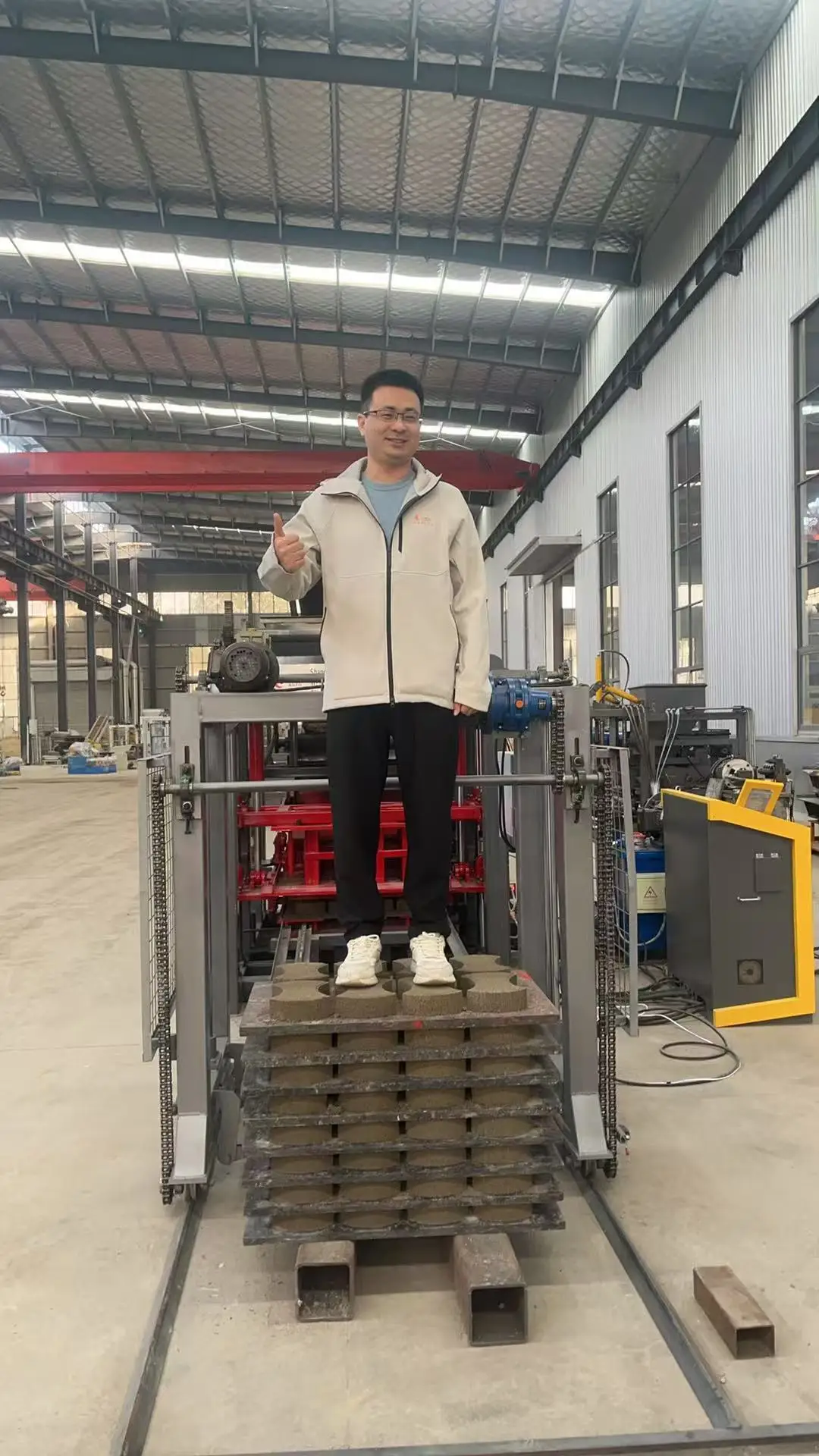
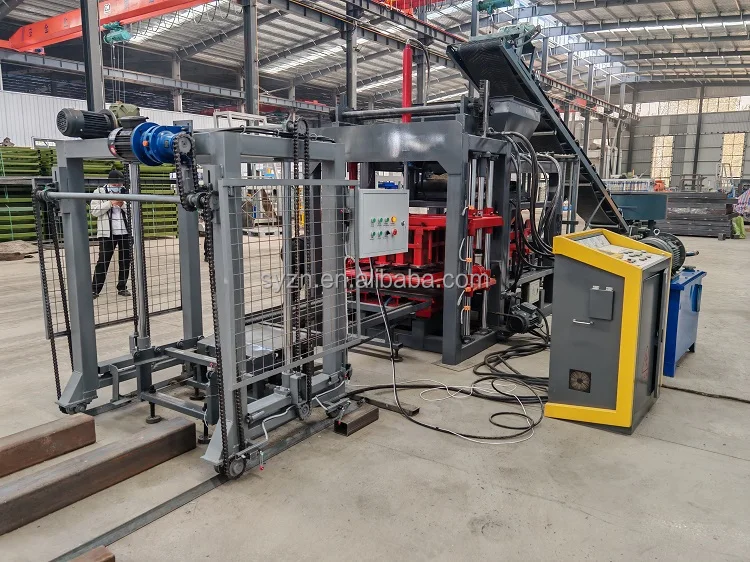
Description
Proven Dispatch Reliability — Stocked QT4-15 units ship with voltage, PLC language, and container loading confirmed before the machine leaves the factory, not after it arrives at your port.
Technical Specifications
| Parameter | Value |
|---|---|
| Model | QT4-15 |
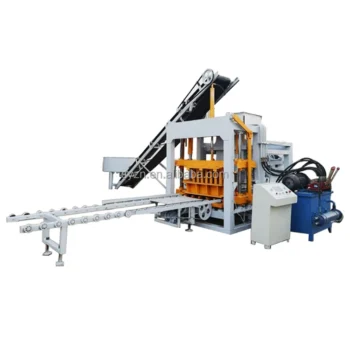
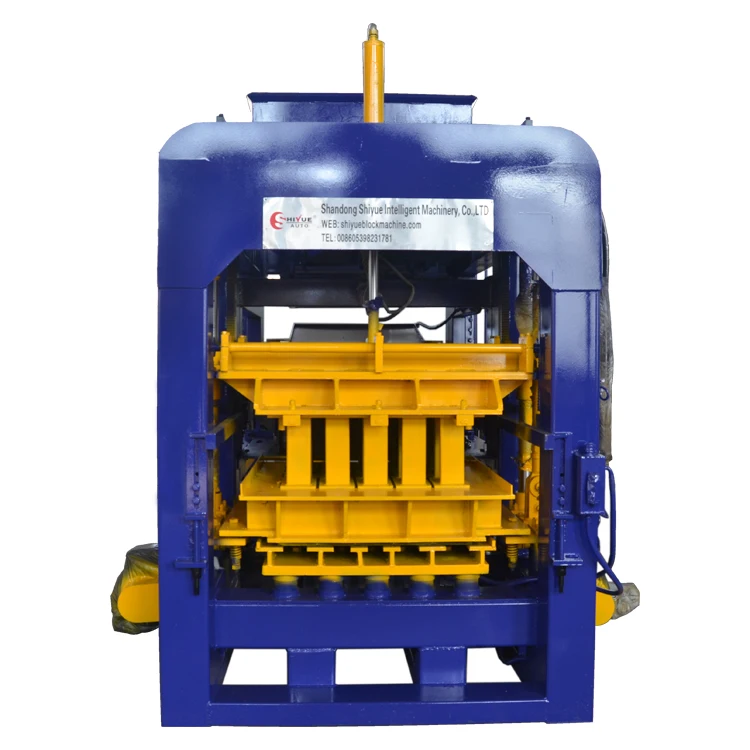
| Product Type | Full Automatic Hydraulic Block Making Machine |
| Overall Dimensions (L×W×H) | 7100×1600×2610 mm |
| Host Machine Dimensions | 2800×1800×2550 mm |
| Rated Pressure | 16 MPa |
| Vibration Form | Platform Vibration |
| Vibration Frequency | 4600 r/min |
| Vibration Force | 40 kN |
| Pallet Size | 950×550×20/25 mm |
| Molding Cycle | 15–25 s |
| Overall Power | 27.5 kW |
| Host Machine Power | 19.2 kW |
| Total Mass | 5 T |
| General Water Consumption | 4 T/day |
| Control System | PLC (Siemens original, independently developed control program) |
| Motor | Siemens or ABB brand (buyer selectable) |
| Hydraulic System | Double proportional hydraulic valve (Calyca or Youken brand) |
| Output — Hollow Brick | 720–960 pcs/h (based on 390×190×190 mm, 4 pcs/mold, 15–20 s cycle) |
| Output — Porous Brick | 2520–3360 pcs/h (based on 240×115×90 mm, 14 pcs/mold, 15–20 s cycle) |
| Output — Standard Brick | 5930–6720 pcs/h (based on 240×115×53 mm, 28 pcs/mold, 15–17 s cycle) |
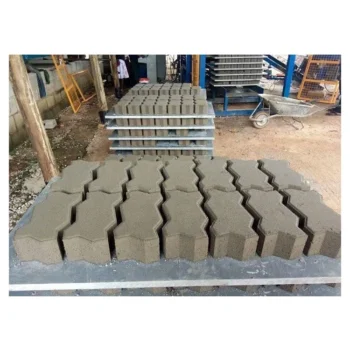
| Mould Formats Supported | Hollow brick, porous brick, standard brick, paving brick, road brick |
| Automation Level | Full automatic |
| Language Options | Customizable (PLC display language confirmed per buyer) |
| Voltage & Frequency | Configurable (verify against destination site requirements) |
| Warranty | 1 year for the whole machine (excluding spare parts) |
Application Suitability
| Application | Material or Output |
|---|---|
| Hollow block production for residential and commercial walls | Crushed stone, sand, cement, and fly ash mixes on 950×550 mm pallets |
| Standard solid brick manufacturing for masonry contractors | Local aggregate blended with cement, 28 bricks per mold cycle |
| Porous brick runs for lightweight partition walls | Lightweight aggregate and cement at 14 bricks per mold |
| Paving and road brick supply for municipal projects | High-density mix designs compacted under 16 MPa hydraulic pressure |
Why the Dispatch Date Matters More Than the Quoted Output
A QT4-15 block machine in stock is only useful if the voltage, PLC language, and pallet size match your site before it ships.
Capacity figures on a brochure mean little when the machine sits at customs because the frequency does not match the local grid, or the operator cannot read the control screen. I have watched commissioning stall on day one because the default language was set for a market thousands of kilometers away. The QT4-15 full automatic block making machine ships with these details locked in during the order stage, so the machine is producing blocks — not waiting for an electrician or a translator — when it arrives. [NEED_CITE: common commissioning delays caused by unconfirmed voltage and language settings]
Arrival Timing You Can Build a Project Schedule Around
Contractors working against a project deadline need a QT4-15 block machine in stock that ships within weeks, not a unit built to order with an open-ended lead time. Dispatch timing is quoted upfront along with the container loading plan, so your site preparation and foundation work can run in parallel with transit. The host unit and hydraulic system are dismantled for shipment and reassembled on-site, and the loading arrangement is confirmed before the container is booked.
What Fast Delivery Actually Includes
Quick dispatch does not mean skipping verification. Every stocked QT4-15 full automatic hydraulic block making machine goes through a factory test before packing, and photographs of the packed machine are shared before the container is sealed. Voltage and frequency are confirmed against your destination grid, and the PLC display language is set to match your operators. This is what separates a fast delivery from a fast disappointment. [NEED_CITE: factory testing protocols for hydraulic block machines prior to export]
Reading the Specs That Affect Your Daily Output
The 16 MPa rated pressure and 40 kN vibration force work together to compact the mix into a dense block. Higher vibration frequency at 4600 r/min helps consolidate finer aggregates, but the hydraulic pressure is what holds the mold together during that vibration — if the two are mismatched, blocks crack at the edges. The 950×550 mm pallet size determines how many blocks cure per rack, so confirm your existing curing area and forklift can handle this dimension before the machine ships. The 27.5 kW overall power draw requires a dedicated circuit; confirm your site transformer has the headroom. Molding cycles between 15 and 25 seconds vary by block format, which is why output is stated per format rather than as a single number.
The Hidden Cost of Skipping Pre-Shipment Confirmation
When voltage and frequency are not confirmed before dispatch, the machine may arrive with a motor rated for a grid that does not exist at your site. Rewinding or replacing a motor on arrival costs time you do not have when a project deadline is fixed. When the pallet size is chosen without checking your curing racks, blocks end up stacked by hand on the floor — the exact bottleneck the buyer was trying to eliminate. These are not theoretical problems; they happen regularly when orders are placed on price alone. [NEED_CITE: costs associated with post-arrival electrical modifications for imported machinery]
What This Supply Point Gets Right for Deadline Buyers
Block machinery is the single focus here, so the QT4-15 is specified as a matched system — host machine, hydraulic unit, pallets, and moulds — rather than assembled from separate suppliers. Stocked models and standard moulds are ready for dispatch, with container loading planned upfront. Arrival estimates are quoted before the order is placed, not revised after production begins. Factory test records and packing photographs are provided before shipment, giving you visibility into exactly what is in the container. Documentation for customs clearance ships with the machine, reducing the risk of delays at the destination port.
Documentation & Verification
- Factory test record run on your specified block format before dispatch
- Voltage, frequency, and PLC language confirmation sheet signed before shipment
- Container loading plan with machine dismantling arrangement quoted at order stage
- Packing photographs shared before the container seal is applied
- Operation and maintenance manual in the confirmed control language
- Customs documentation package prepared for destination port clearance
Installation, Commissioning & Support
- Foundation pad sized to the 7100×1600 mm overall footprint with leveling allowance
- Dedicated power circuit rated for 27.5 kW overall draw at confirmed voltage and frequency
- Host unit and hydraulic system reassembled on-site after container unloading
- PLC control language and cycle parameters set during first-day commissioning
- Operator training covers mould change procedure across supported brick formats
- Wear parts list and hydraulic valve service intervals provided at handover
- Siemens or ABB motor service network available in most export markets
What to Include in Your Inquiry
To confirm availability and dispatch timing for a QT4-15 block machine in stock, provide your target block format and daily volume requirement. State the voltage and frequency at your site, and confirm the PLC display language your operators need. Share your curing area dimensions and the pallet size your existing forklift handles, so compatibility is verified before the machine ships rather than after it arrives.
Frequently Asked Questions
Q: Is the QT4-15 currently in stock, and what is the dispatch lead time?
A: Stocked QT4-15 units are available for dispatch. Lead time depends on the specific configuration — standard moulds and default settings ship fastest, while custom PLC language or voltage requirements may add a short verification step before the container is booked. Confirm your requirements early to lock in the dispatch window.
Q: What container size is needed, and how is the machine dismantled for shipment?
A: The QT4-15 is dismantled into the host unit and hydraulic system for container loading. The specific container size and loading arrangement are quoted upfront based on the pallet and mould package included in your order, so there are no surprises when the container is booked.
Q: Will voltage, frequency, and PLC language be confirmed before the machine leaves the factory?
A: Yes. Voltage and frequency are verified against your destination grid, and the PLC display language is set to match your operators. A confirmation sheet is signed before dispatch so the machine is ready for commissioning on arrival without electrical or language rework.
Q: What documents ship with the machine for customs clearance at destination?
A: Each shipment includes the operation manual, factory test record, hydraulic and electrical schematics, packing list, and customs documentation. The exact document set is confirmed during the order stage to match the import requirements at your destination port.
Q: How soon can on-site installation and commissioning begin after arrival?
A: Commissioning can begin once the container is unloaded and the foundation pad is ready. The host unit and hydraulic system are reassembled on-site, and the PLC parameters are set to your block format. Operator training runs alongside the first production cycles.