
Description
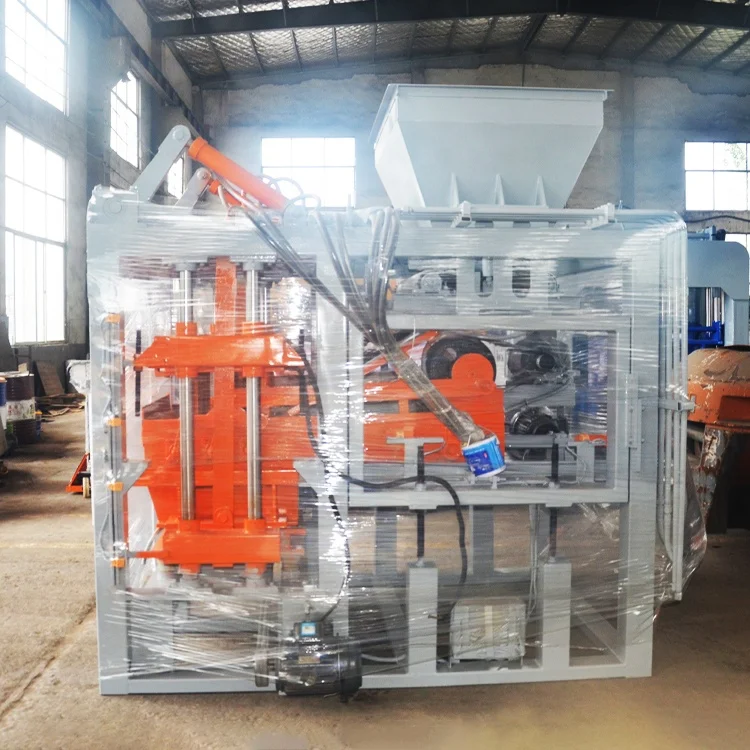
Fast Dispatch From Stock — QT4-15A units are held ready for container loading so your project start date does not slip while the factory builds your machine from scratch.
Technical Specifications
| Parameter | Value |
|---|---|
| Model | QT4-15A |
| Product Type | Automatic Hydraulic Block Making Machine |
| Overall Dimensions (L×W×H) | 7100 × 1600 × 2610 mm |
| Molding Cycle | 15–25 s (basis to be confirmed by block format) |
| Vibration Frequency | 4600 r/min |
| Exciting Power (Vibration Force) | 40–50 kN |
| Total Power | 18.45 kW |
| Mixer Model | JQ350 |
| Pallet Size | 850 × 550 × 25 mm |
| Total Weight | 3 T |
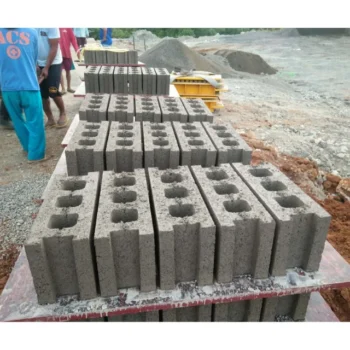
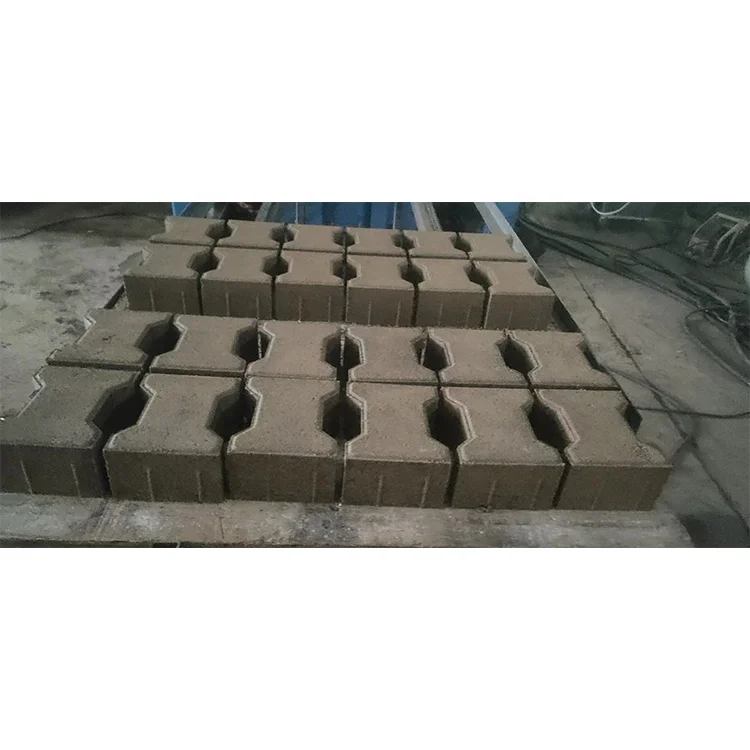
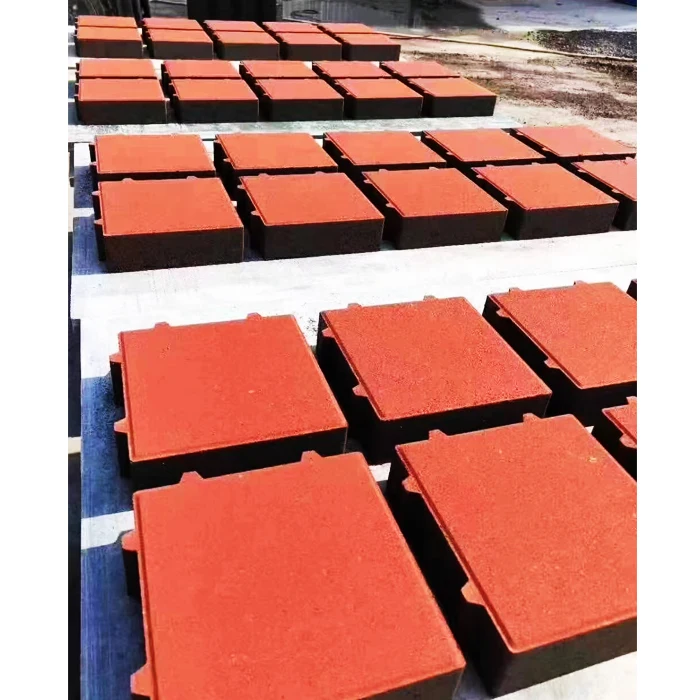
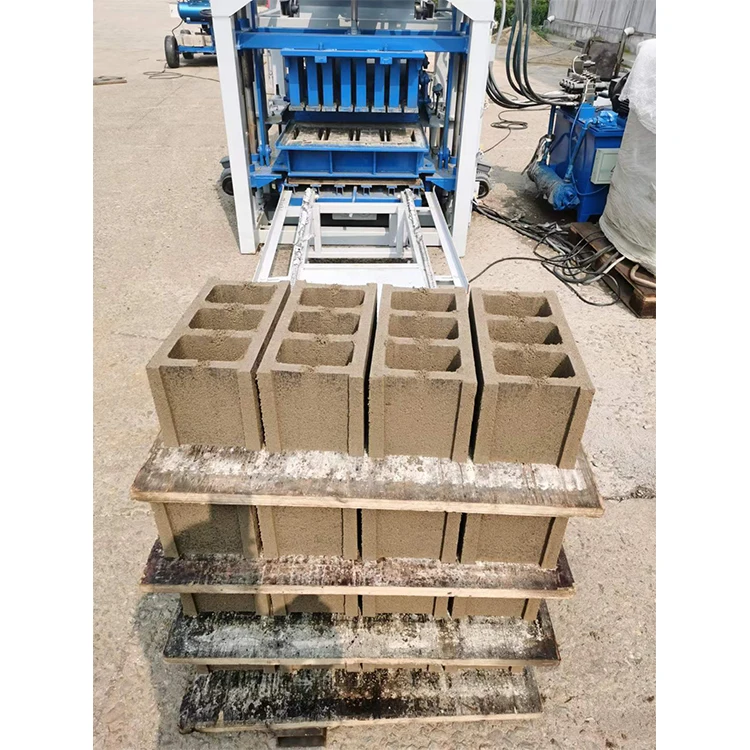
| Applied Products | Paver, solid block, hollow block, curbstone |
| Raw Materials | Crushed stone, sand, cement, dust, fly ash |
| Control System | PLC control system |
| Hydraulic Station | High-pressure hydraulic system included |
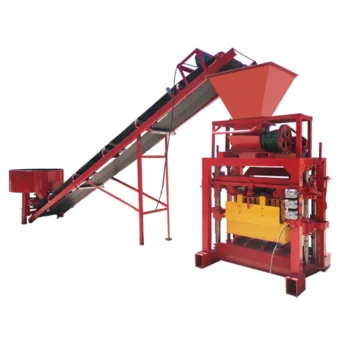
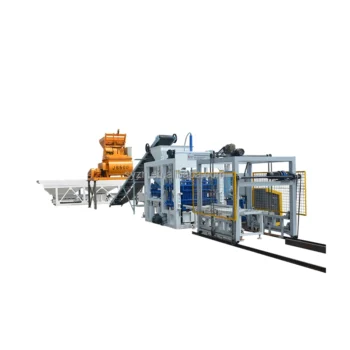
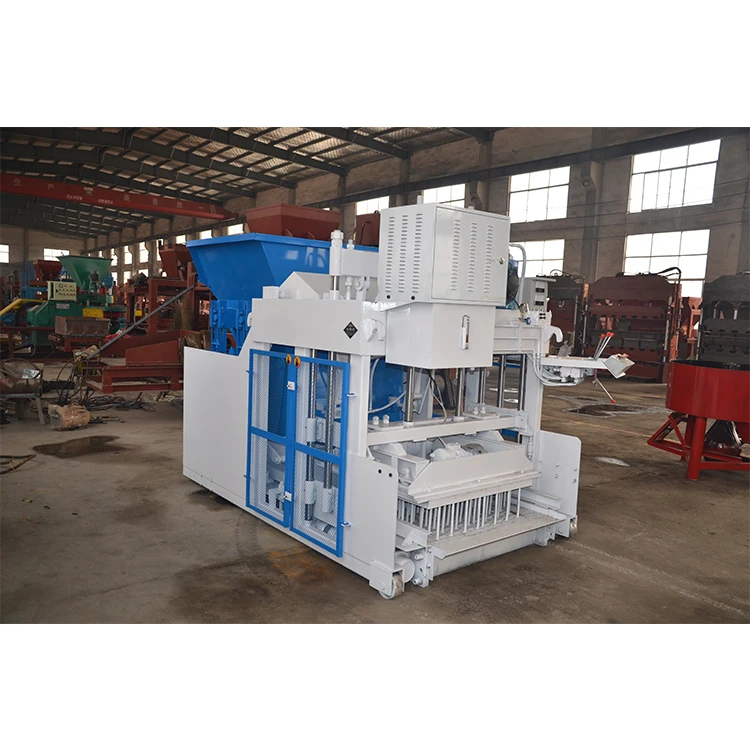
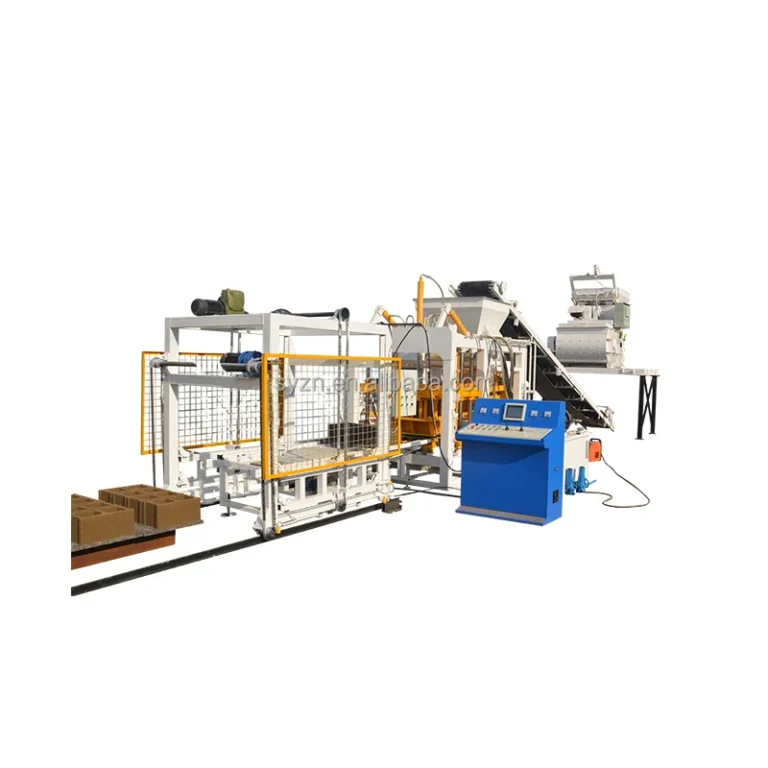
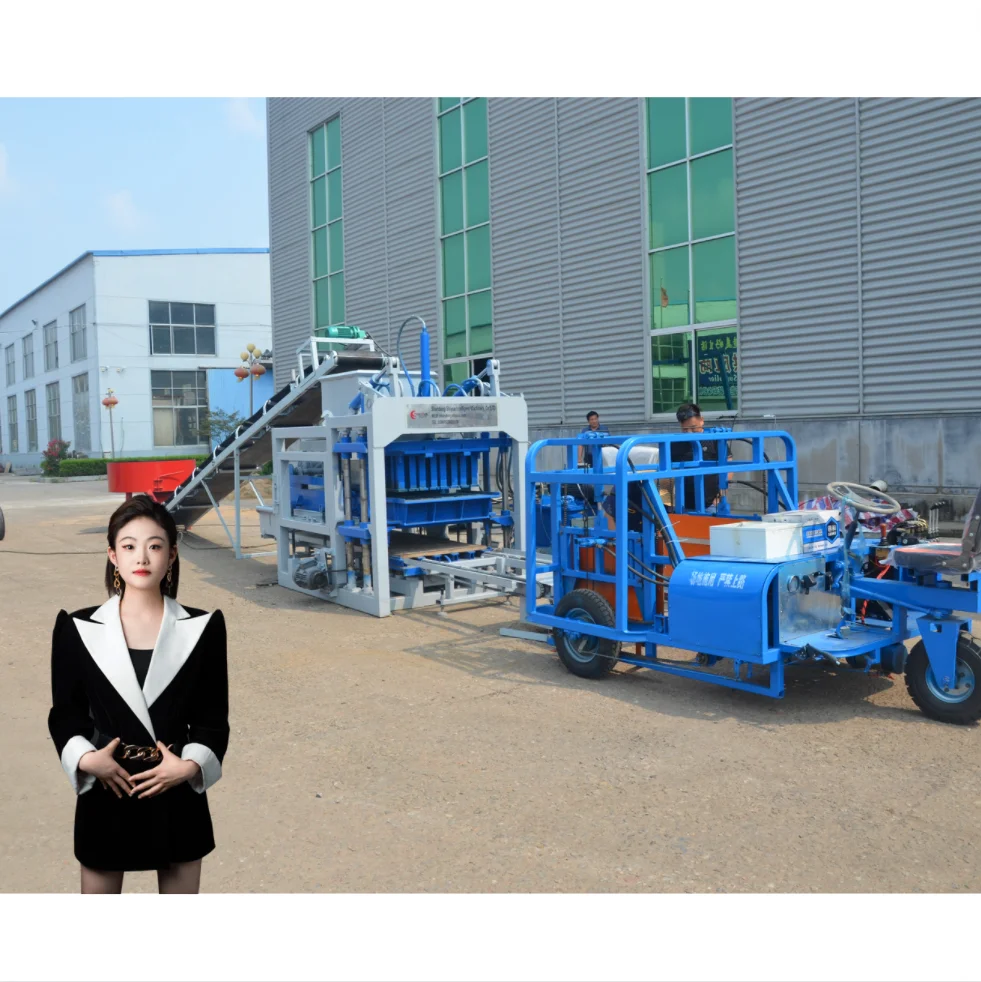
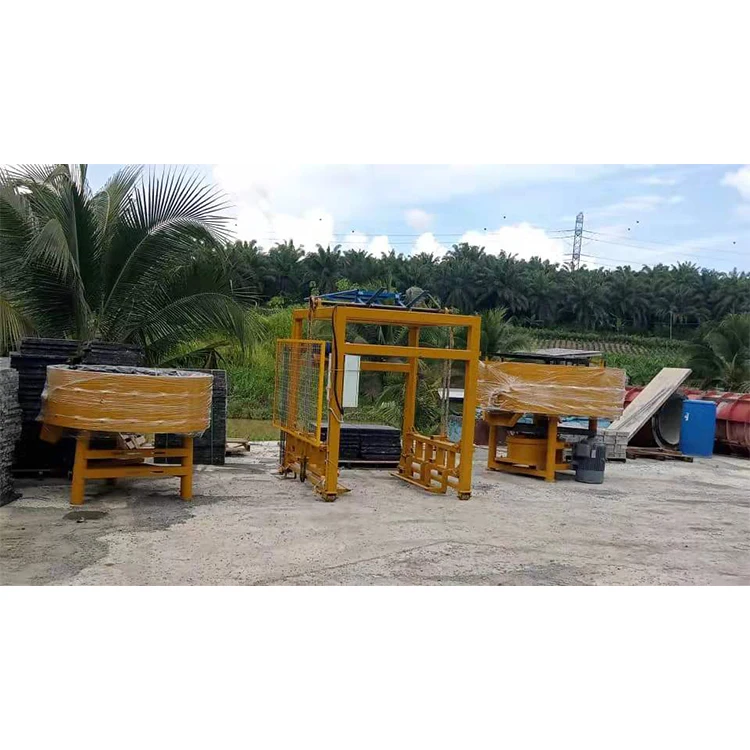
| Line Components | Block making machine, hydraulic station, PLC control system, pallet feeder, brick conveyor, block sweeper |
| Free Accessories | Manual hydraulic trolley, spare parts and tools |
| Output — Hollow Block 400×200×200 mm | 4 pcs/mould, 408 pcs/h, 3264 pcs/8 hr |
| Output — Hollow Block 400×150×200 mm | 5 pcs/mould, 510 pcs/h, 4080 pcs/8 hr |
| Output — Solid Brick 240×115×53 mm | 18 pcs/mould, 2100 pcs/h, 17000 pcs/8 hr |
| Automation Level | Automatic (pallet feeder, conveyor, sweeper) |
| Stacking Method | To be confirmed |
| Voltage & Frequency | To be confirmed before commissioning |
| PLC Display Language | To be confirmed before commissioning |
| Certification | To be confirmed (CE available where applicable) |
Application Suitability
| Application | Material or Output |
|---|---|
| Hollow block production for residential walls | Crushed stone, sand, cement, fly ash |
| Solid brick manufacturing for load-bearing structures | Sand, cement, stone dust |
| Paver and interlocking brick for walkways and yards | Crushed stone, cement, pigment |
| Curbstone production for road and driveway edging | Coarse aggregate, cement |
| On-site block making for construction contractors | Locally sourced aggregate and cement |
| Small-to-medium block plant start-up | Fly ash, sand, crushed stone blends |
What "408 Pieces per Hour" Actually Means on Site
The cycle time only holds when the mould, mix, and pallet flow are matched to the format you run most.
A quoted capacity of 408 hollow blocks per hour assumes a 400×200×200 mm format with a consistent mix and uninterrupted pallet supply. Switch to a smaller solid brick mould and the per-hour figure changes entirely. I have watched buyers celebrate a number on a quotation, then discover on the first production day that their target block format cuts real output by a noticeable margin. The QT4-15A block making machine in stock ships with a cycle range of 15–25 seconds, but where your actual figure lands depends on the block geometry and the aggregate you feed [NEED_CITE: block format impact on cycle time and daily output].
Dispatch Timeline When Stock Is Already Built
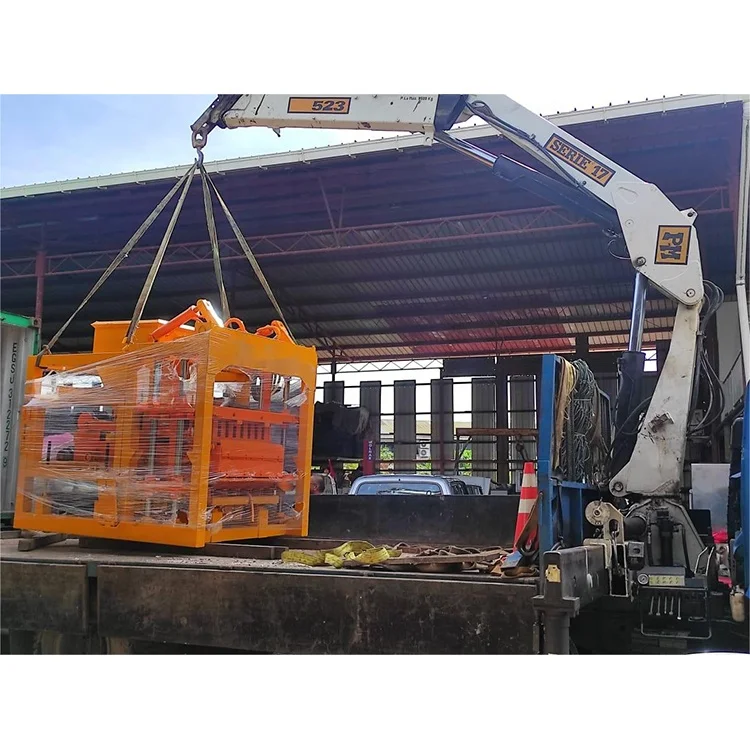
The main reason buyers come to this page is a project deadline that will not move. A QT4-15A block making machine in stock skips the typical multi-week production queue. Once voltage, frequency, and PLC language are locked in, the machine moves straight to pre-shipment testing and container loading. For a 20GP container, the press is secured for sea freight and standard pallets can be loaded around it. This sequence cuts the gap between purchase order and vessel departure down to a matter of days rather than weeks.
Container Loading and Arrival Planning
Shipping a 7100 mm long press demands a clear loading plan. The QT4-15A is dismantled into mainframe, hydraulic station, and control cabinet for a 20GP container, with pallets and spare parts filling remaining volume. Knowing the container type and the loading arrangement before the machine leaves the factory floor prevents surprises at the destination port. I always send packing photographs and a loading diagram so the buyer can arrange the crane and floor space before the container door opens [NEED_CITE: container loading practices for block machinery].
How Pressure and Vibration Shape Block Density
The 40–50 kN vibration force working alongside the high-pressure hydraulic station is what gives the QT4-15A its compaction capability. Vibration settles the aggregate into the mould cavity while hydraulic pressure squeezes out air voids from the top. If the vibration frequency of 4600 r/min is paired with a mix that is too wet, the block slumps before curing. Too dry and the aggregate will not flow fully into the mould corners, leaving weak edges. The balance between these two forces must match the local sand and crushed stone the buyer actually sources, not a textbook ratio.
When Voltage Assumptions Delay Commissioning
A machine wired for the wrong voltage sits idle on the workshop floor until a transformer arrives. The QT4-15A block making machine in stock must have its voltage, frequency, and PLC display language confirmed before the container is sealed. I have seen a three-phase 380V/50Hz press land in a region running 440V/60Hz, and the motor overheated within the first shift. A simple confirmation step before dispatch avoids a delay that can stretch into weeks while replacement electrical components are shipped [NEED_CITE: voltage and frequency standards by export market].
Why Sourcing From Stock Reduces Hidden Costs
Ordering a machine that is already assembled and tested means the factory has already run the hydraulic station, checked the PLC sequence, and verified the vibration motor alignment. When a buyer waits for a built-to-order unit, any component shortage pushes the delivery date back. Stock availability removes that variable. SHIYUE holds QT4-15A units so the lead time conversation shifts from "when will production finish" to "when can the container be booked." The machine, mould, pallet feeder, conveyor, and sweeper are specified as one matched line rather than assembled from separate suppliers, reducing the risk of interface mismatches when the plant goes live.
Documentation & Verification
- Factory test record run on your specified block format before dispatch
- Machine specification sheet with confirmed voltage and PLC language
- Mould drawing and format list showing every block type included
- Pallet specification matched to your curing area and forklift capacity
- Packing photographs and container loading diagram for customs clearance
- Hydraulic and electrical schematic for on-site maintenance reference
Installation, Commissioning & Support
- Foundation must support 7100 mm length and dynamic vibration loads of the QT4-15A mainframe
- Dedicated three-phase circuit sized for 18.45 kW total power draw with confirmed voltage and frequency
- Machine arrives dismantled; mainframe, hydraulic station, and PLC cabinet reassembled on site
- First production run verifies molding cycle and block dimensions against your target format
- Operator training covers PLC interface, mould change procedure, and daily maintenance checkpoints
- Wear parts list and spare tool kit shipped with the machine for the first replacement cycle
Tell Us About Your Project Before You Order
Before a container is booked, we need to know the block format you sell most, the daily output your project demands, and the aggregate available in your region. Share your local voltage and frequency so the motor and PLC are configured correctly before dispatch. If you have an existing curing yard and forklift, send the dimensions and pallet size you already use so the 850×550 mm pallets integrate without extra handling equipment. The more detail you provide up front, the shorter the gap between arrival and first production run.
Frequently Asked Questions
Q: How do I verify the actual daily output for my block format?
A: The quoted figures of 3264 hollow blocks (400×200×200 mm) and 17000 solid bricks (240×115×53 mm) per 8-hour shift are calculated at specific cycle times. Your real output depends on the format, mix design, and pallet turnover speed. Send us your primary block drawing and local aggregate sample so we can calculate a capacity figure tied to your product.
Q: How quickly can a stocked QT4-15A ship after the order is placed?
A: Once voltage, frequency, and PLC language are confirmed and the factory test is completed, the machine moves to container loading. The total time from purchase order to vessel departure is measured in days, not weeks. We provide a dispatch timeline at the quotation stage so you can plan your project schedule around a known arrival date.
Q: Will the machine match my country’s electrical supply?
A: The motor and control panel are configured to the voltage and frequency you confirm before production or dispatch. If your site runs on a supply different from the standard industrial voltage, tell us early so the correct components are installed. A mismatch discovered at the destination port can delay commissioning by several weeks.
Q: What happens if I need a different mould after the machine arrives?
A: The QT4-15A accepts mould changes for hollow blocks, solid bricks, pavers, and curbstones. We supply custom moulds built to your drawings. Mould change time depends on the format and operator familiarity, so we recommend training your team on the procedure during installation to keep downtime within a reasonable window.
Q: When should I order replacement wear parts?
A: The free accessory kit includes spare parts and tools for initial operation. We provide a wear parts list with estimated replacement intervals based on production volume. Most buyers place their first reorder after the initial months of operation once they can measure actual wear rates against their specific aggregate mix.