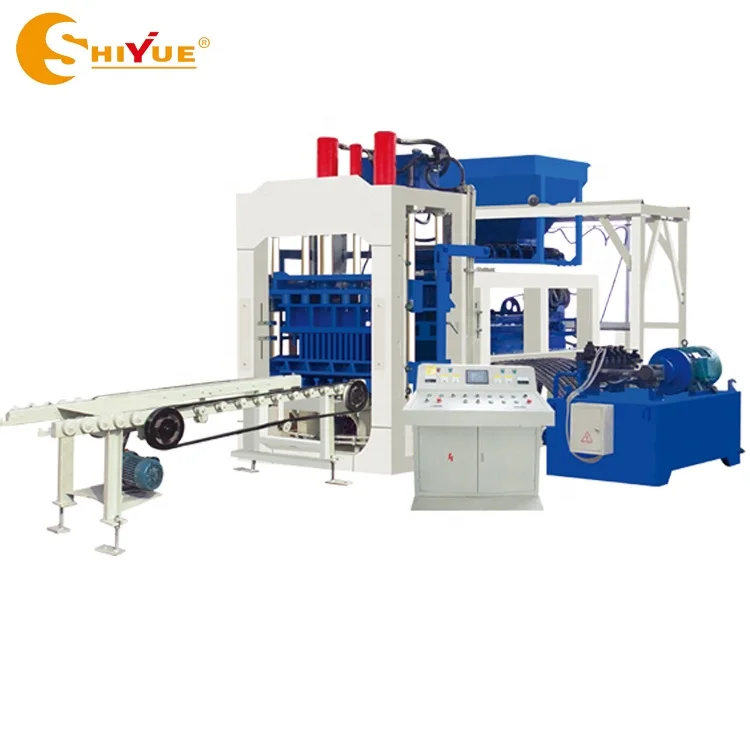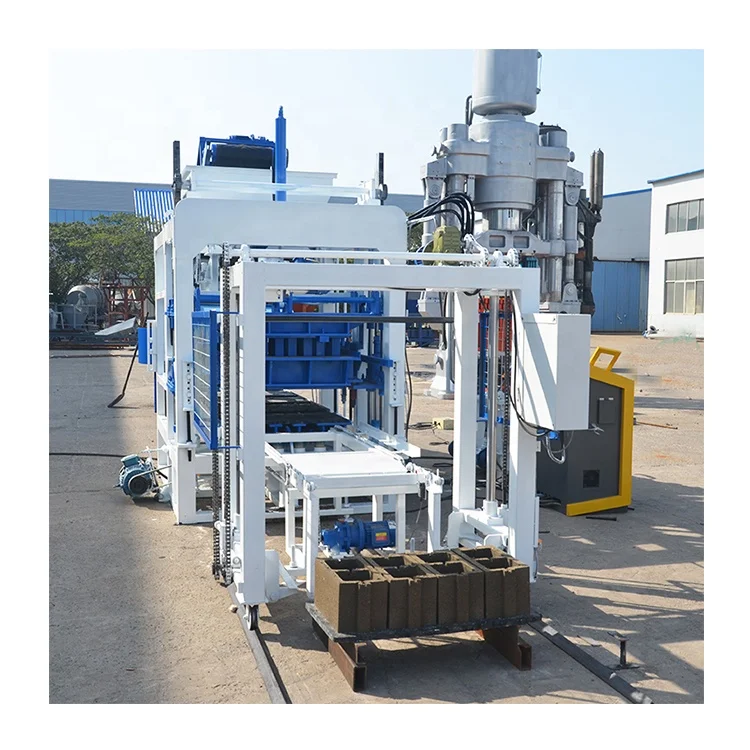


Description
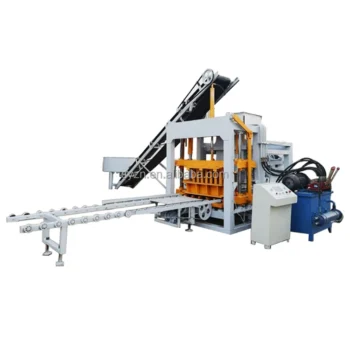
Stock readiness — QT4-18 block making machines are held in inventory for immediate dispatch, so your project timeline is not held hostage by a factory build schedule.
Technical Specifications
| Parameter | Value |
|---|---|
| Model | QT4-18 |
| Product Type | Semi-Automatic Concrete Block Making Machine |
| Overall Dimensions (L×W×H) | 3900×1600×2300 mm |
| Total Weight | 3T |
| Rated Power | 24KW |
| Molding Cycle | 15-25s |
| Vibration Force | 40-50KN |
| Pallet Size | 850×550×25 mm |
| Mixer Model | JQ350 |
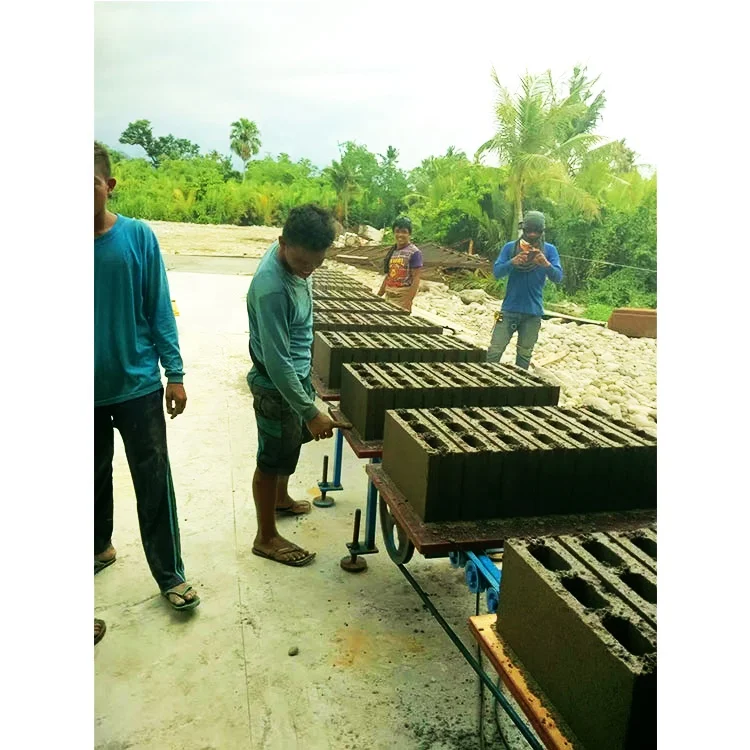
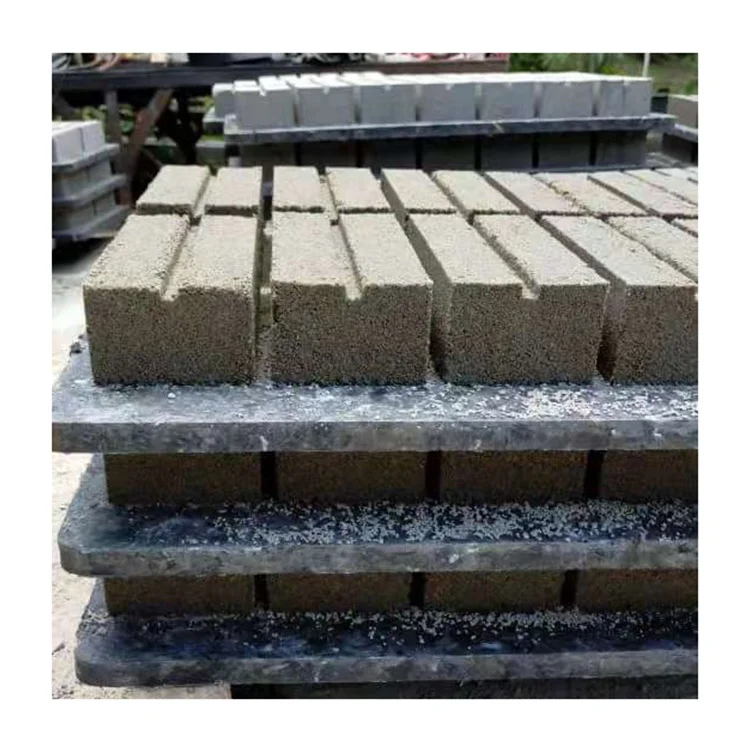
| Applied Products | Paver, solid block, hollow block, curbstone |
| Raw Materials | Crushed stones, sand, cement, dust, fly ash |
| Output Capacity (400×200×200mm hollow block) | 9600-13440 pcs/8hr |
| Output Capacity (400×150×200mm hollow block) | 14400-19200 pcs/8hr |
| Output Capacity (240×115×53mm solid brick) | 16200-19440 pcs/8hr |
| Automation Level | Semi-automatic |
| Hydraulic Station | Equipped, high pressure for stable operation |
| Pallet Material Suggestion | Fiber glass (wooden pallet compatible) |
| Recommended Pallet Quantity | 300-500 pieces |
| Assembly State | Nude packing in 20GP container |
Application Suitability
| Application | Material or Output |
|---|---|
| Hollow block production for wall construction | Crushed stone, sand, cement, fly ash blends |
| Solid brick manufacturing for load-bearing structures | Cement and fine aggregate mixes |
| Paving block production for walkways and yards | High-density aggregate and cement compositions |
| Curbstone forming for road and site edging | Coarse aggregate with reinforced cement ratios |
| On-site block production for housing projects | Locally sourced sand, dust, and crushed stone |
Why "In Stock" Means Nothing If the Voltage Is Wrong
A stocked QT4-18 block making machine that arrives with the wrong motor winding is just three tons of steel sitting on your dock.
I have watched containers arrive in West Africa and Southeast Asia with machines wired for 380V/50Hz when the local grid runs 440V/60Hz. The machine sits idle while a replacement motor is shipped overseas, and the project deadline passes. Stock availability only matters when the electrical configuration matches your site before the crate is sealed [NEED_CITE: voltage and frequency standards by export market].
This is why confirming voltage, frequency, and PLC display language sits at the top of our dispatch checklist, not buried in the shipping paperwork.
Dispatch Without the Waiting Game
The QT4-18 block making machine in stock is prepared for nude packing directly into a 20GP container. The machine is dismantled into its main frame, hydraulic station, and mixer assembly so it fits without requiring a flat rack or open-top surcharge. Once your voltage and frequency are confirmed, the dispatch lead is measured in days, not production weeks.
What Arrival Timing Actually Depends On
Ocean transit from the loading port to your destination is the variable we cannot compress, but we can give you an upfront arrival estimate based on current shipping schedules. The machine leaves our yard with packing photographs and customs documentation so you can track it through clearance without guessing which paperwork is missing [NEED_CITE: standard export documentation requirements for industrial machinery].
Molding Cycle and Vibration Force in Practice
The 15-25 second molding cycle means the QT4-18 completes a press every quarter minute or less depending on block format, which keeps the rhythm steady for a semi-automatic line where operators handle pallet transfer. The 40-50KN vibration force works with the hydraulic station to compact the mix into dense, consistent blocks. Too little vibration and hollow blocks crack during curing; too much and the mix segregates, leaving weak spots in the wall.
The 850×550×25 mm pallet size is chosen so that standard fiber glass or locally sourced wooden pallets can cycle through the machine and stack on common curing racks without custom fabrication. This matters because pallets wear out and you need to replace them from local suppliers, not wait for a specialized shipment.
The Cost of Skipping the Configuration Check
Ordering a block machine on lead time alone, without confirming the mix design your local quarry actually supplies, leads to weak blocks that fail compressive strength tests. Contractors then blame the machine when the real issue is that the vibration force and hydraulic pressure were never matched to the aggregate gradation available on site [NEED_CITE: relationship between aggregate gradation and block compressive strength].
Replacing moulds after arrival because the format does not match what the local market buys is another avoidable expense. A machine dispatched fast but configured wrong costs more in downtime than waiting an extra week to get the specification right.
Why Source This Machine Here
Block machinery is our single focus, meaning the QT4-18 press, its moulds, pallets, and JQ350 mixer are specified as one matched system rather than assembled from unrelated suppliers. We hold standard moulds for hollow, solid, and paving block formats in stock alongside the machines, so your first production run does not wait on a custom tooling order.
Every machine undergoes a factory test before packing, and we provide the test record so you can verify cycle times and block density before the container is sealed. Packing photographs are shared before dispatch so you know exactly how the machine is secured for transit.
Documentation & Verification
- Factory test record confirming cycle time on your selected block format before dispatch
- Voltage and frequency confirmation sheet signed off before motor wiring
- Mould drawing and format list for every tool included in the shipment
- Packing photographs showing securing and bracing inside the 20GP container
- Hydraulic and electrical schematic for on-site troubleshooting
- Customs documentation package matched to your import port requirements
Installation, Commissioning & Support
- Foundation pad sized to 3900×1600 mm footprint with level tolerance for stable vibration transfer
- Dedicated 24KW circuit at confirmed voltage and frequency with isolation switch at the operator station
- Machine arrives dismantled; main frame, hydraulic station, and JQ350 mixer reassemble on site with standard tools
- First-run commissioning includes molding cycle adjustment and vibration force tuning to your local mix
- Operator training covers mould change procedure, pallet handling rhythm, and daily inspection points
- Wear parts list provided with recommended local sourcing options for hydraulic seals and vibration springs
What We Need to Move Forward
To confirm stock availability and prepare a dispatch plan, share your target block format, the daily volume your project requires, and the raw materials available at your site. Include your local voltage and frequency so we can wire the motor and control panel correctly before the machine leaves our floor. If you have existing pallets or curing racks on site, send their dimensions so we can verify compatibility with the 850×550×25 mm pallet specification.
Frequently Asked Questions
Q: What is the dispatch lead time for a stocked QT4-18 machine?
A: Once voltage, frequency, and mould format are confirmed, a stocked QT4-18 can be prepared for container loading within a short turnaround. The exact timeline depends on the confirmation speed and any pallet or spare parts additions to the shipment. We provide the dispatch date in writing before production is reserved.
Q: How is the QT4-18 packed and loaded into a 20GP container?
A: The machine is dismantled into its main frame, hydraulic station, and JQ350 mixer for nude packing inside a standard 20GP container. This avoids flat rack surcharges and keeps shipping costs predictable. Packing photographs are taken before the container doors close so you have a record of the loading condition.
Q: Can I get an arrival estimate quoted upfront for my destination port?
A: We provide an estimated arrival window based on current ocean transit schedules to your port at the time of order. This estimate accounts for the dispatch date and typical sailing times, giving you a working timeline for site preparation and customs clearance planning.
Q: What standard moulds are available from stock for this model?
A: Standard moulds held in stock for the QT4-18 cover hollow block, solid brick, and paving block formats. If your market requires a specific dimension not in the standard range, custom mould production is available but carries a separate lead time. Confirming your format early ensures the right tooling ships with the machine.
Q: Is on-site installation support available after the machine arrives?
A: Installation and commissioning support is available for the QT4-18, including reassembly guidance, first-run parameter tuning, and operator training on mould changes and daily maintenance. The scope is confirmed during the order process so you know what is covered before the machine departs.