

Description
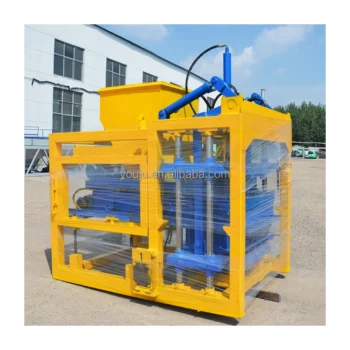
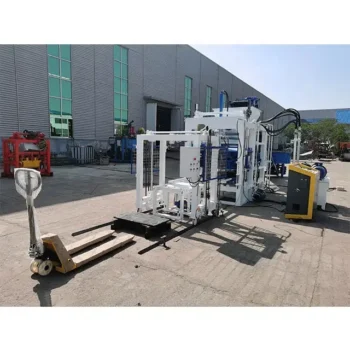
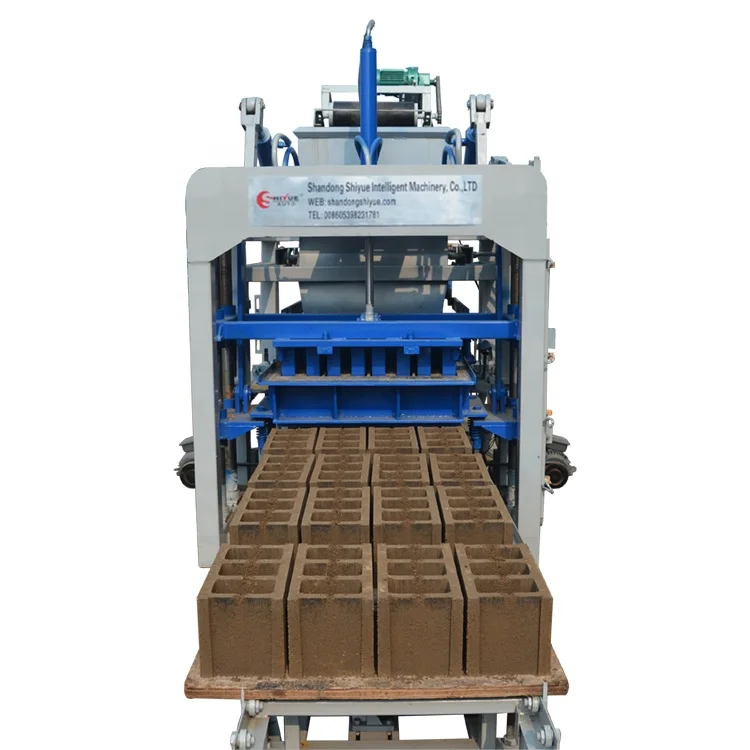
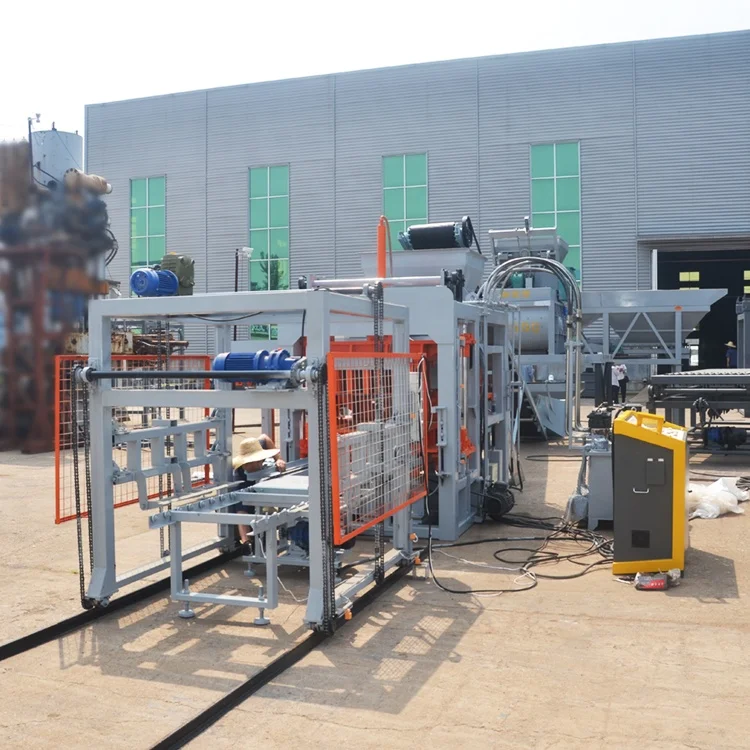
Stocked Dispatch Timing — QT4-18 block machines held in ready-to-ship configuration with pallets, moulds, and line support equipment matched before crating, so commissioning starts immediately upon arrival rather than waiting for missing components.
Technical Specifications
| Parameter | Value |
|---|---|
| Model | QT4-18 |
| Product Type | Automatic Concrete Block Making Machine |
| Overall Dimensions (L×W×H) | 2500×1750×2200mm |
| Rated Pressure | 16MPa |
| Vibration Form | Platform Vibration |
| Pallet Size | 950×550mm |
| Molding Cycle | 18-25s |
| Overall Power | 27.5kW |
| Control System | PLC with frequency converter |
| Electrical Components | Schneider |
| Mould Lifting Mechanism | Double-sided synchronous gears |
| Key Features | Automatic pallet feeding, molding, block conveying, CE compliance |
Application Suitability
| Application | Material or Output |
|---|---|
| Hollow block production | Crushed stone, sand, cement, water |
| Solid block manufacturing | Local aggregate blends with standard cement ratios |
| Paving block formation | Dense concrete mixes for load-bearing exterior surfaces |
| On-site contractor production | Construction project locations with available curing yard space |
What the Dispatch Clock Actually Looks Like for a QT4-18 Block Machine in Stock
Stocked equipment only matters if the entire line — not just the press — is ready to load.
I spent years doing site support across Africa and South Asia. The pattern was always the same: a contractor ordered a block machine with a project deadline looming, the press arrived on schedule, and then everyone discovered the pallet conveyor wasn’t in the container, or the mould didn’t match the block format the local market actually bought. The machine sat idle while we scrambled. When you evaluate a QT4-18 block machine in stock, the real question is whether the full supporting line has been configured and physically staged, not just the main press [NEED_CITE: typical block plant commissioning delays due to incomplete line configuration].
How Stocked Really Differs From Made-to-Order
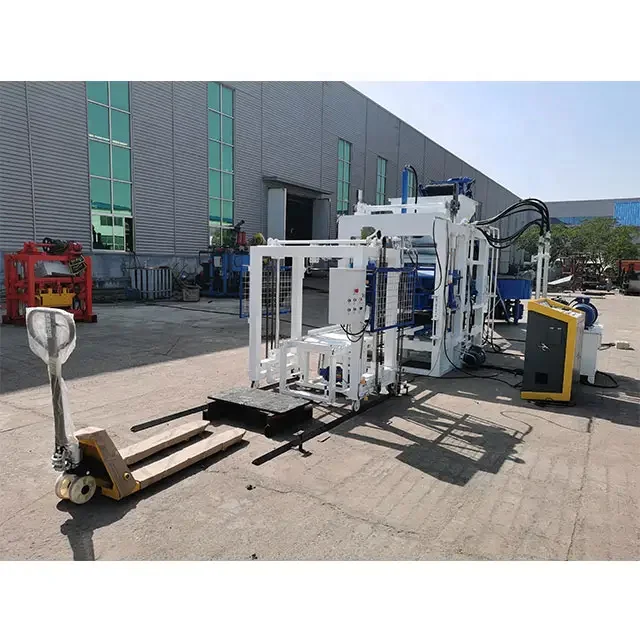
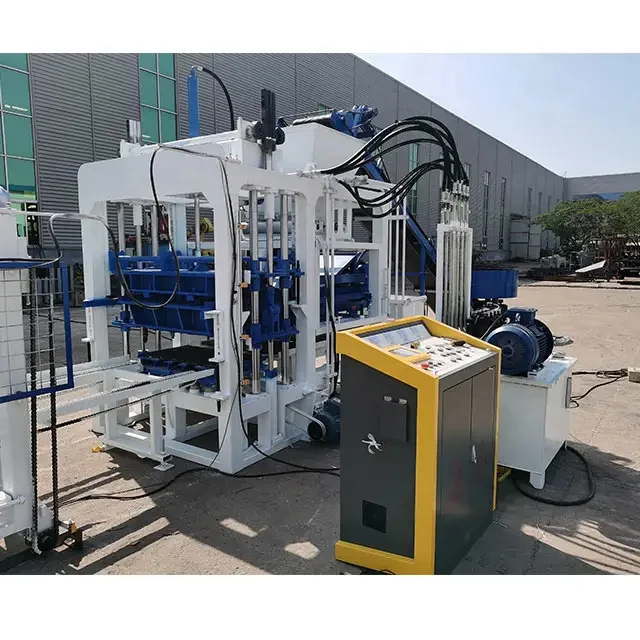
A fast delivery block machine only delivers fast if the hydraulic station, electronic console, block conveyor, and pallet handling stations are also built and tested. This QT4-18 configuration ships as a complete line assembly requiring the mixer, pallet conveyor, molding machine, block conveyor, and hydraulic station to be matched. We confirm stock status for every station before crating, not just the central press.
Container Loading and the Dismantling Reality
The QT4-18 block machine in stock breaks down into specific sub-assemblies for container loading. The overall 2500×1750×2200mm dimensions mean the main frame requires strategic dismantling to fit standard shipping containers alongside the pallet feeder, block receiver with its frame and conveyor system, and the hydraulic station. Loading plans are confirmed before dispatch, and packing photographs are provided so you can verify everything made it into the container before it sails [NEED_CITE: container loading standards for heavy industrial machinery].
Reading the Specs That Matter on Site
The 950×550mm pallet size was chosen with a reason, and it must match your existing curing rack dimensions and forklift tine spacing. Changing pallet size after arrival means rebuilding your curing area. The 18-25s molding cycle is stated with platform vibration active, but actual cycle time depends on your mix design and the block format in the mould. A hollow block with thin walls cycles faster than a dense solid block requiring extended vibration.
The 16MPa rated pressure works together with platform vibration to determine block density and compressive strength. If your local aggregate has different particle shape or grading than what the machine was tested with, the pressure and vibration settings need adjustment during commissioning. The double-sided synchronous gear mould lifting system keeps the mould level during extraction, which matters for block surface consistency [NEED_CITE: hydraulic pressure and vibration force requirements for concrete block compressive strength].
The PLC control with frequency converter and Schneider electrical components means spare parts are sourceable through regional distributors in most markets. The 27.5kW overall power draw dictates your transformer and dedicated circuit requirements. Confirm voltage, frequency, and PLC display language before the machine enters the crate, because rewiring on site costs time you do not have when a construction deadline is counting down.
When the Wrong Pallet Size Reaches Your Yard
Buyers who skip pallet dimension confirmation discover the problem when the first loaded pallet reaches the curing rack and does not fit. The 950×550mm pallet must align with your rack spacing, your forklift capacity, and the available curing yard footprint. I have seen entire curing areas rebuilt because the pallet size was assumed rather than verified. That is a delay measured in weeks, not days [NEED_CITE: block plant curing yard layout and pallet compatibility standards].
Why Buyers Place Repeat Orders Here
Block machinery is the single focus, meaning the QT4-18 block machine in stock ships with moulds, pallets, and handling equipment specified as one system. Configuration is confirmed against your actual mix design and target block format before dispatch, not defaulted from a catalogue. One free hollow mould is included, with additional moulds available and customizable to your market requirements. Automation level is selectable, allowing you to start with core functions and add stacking or batching equipment as production volume grows. Installation support with operator training is provided on site, and wear parts lists are supplied so you know what to reorder before the first replacement is due.
Documentation & Verification
- Line layout drawing showing QT4-18 station spacing and pallet flow direction
- Factory test record on your specified block format before container loading
- Mould drawing and format list confirming cavity count and block dimensions
- Voltage and PLC display language confirmation document signed before crating
- Hydraulic and electrical schematic for local maintenance team reference
- Packing photographs showing each sub-assembly before container sealing
Installation, Commissioning & Support
- 27.5kW total power requires dedicated circuit and transformer matching your local voltage and frequency
- 2500×1750×2200mm main frame arrives dismantled; foundation must be leveled and cured before assembly begins
- PLC with frequency converter configured on site to match your mix design vibration and pressure profile
- One free hollow mould installed during commissioning; operator training covers mould change procedure
- Wear parts list provided at handover identifying hydraulic seals, vibration components, and gear wear items
Before You Request a Quote
We need to confirm a few details to ensure the fast delivery block machine matches your actual site conditions. Provide your target block format and daily output requirement so we can verify molding cycle assumptions. Confirm your local voltage, frequency, and preferred PLC display language. Share your existing curing yard dimensions and forklift specifications so the 950×550mm pallet size can be validated or adjusted before shipment.
Frequently Asked Questions
Q: Is the QT4-18 currently in stock or made to order?
A: Stock status is confirmed per order. We verify physical availability of the press, hydraulic station, pallet conveyor, block receiver, and supporting equipment before issuing a dispatch date. If any station requires assembly, that lead time is stated upfront so your project planning reflects reality rather than an optimistic estimate.
Q: How long from order confirmation to container dispatch?
A: Dispatch timing depends on stock status and any customization such as mould fabrication or pallet size adjustment. A fully stocked QT4-18 block machine in stock with standard configuration moves to crating quickly. Any configuration change adds time, which is quoted in writing before you commit so your shipping schedule stays accurate.
Q: What is the container loading arrangement and how is the machine dismantled?
A: The QT4-18 is dismantled into sub-assemblies including the main frame, hydraulic station, pallet feeder, and block conveyor with motor and reducer. A loading plan specifies container placement and bracing. Packing photographs document each component before sealing, and the list is shared so you can verify completeness against the manifest upon arrival.
Q: Can the pallet size be changed before shipment to match my curing racks?
A: The standard 950×550mm pallet size can be adjusted before dispatch if your curing rack dimensions or forklift specifications require a different format. This change must be confirmed before crating because pallet size affects the entire pallet feeding and block conveying system configuration.
Q: Is the arrival estimate quoted upfront including sea freight transit time?
A: We provide dispatch lead time and container booking estimates. Sea freight transit depends on your destination port and carrier selection. We confirm the dispatch date so your freight forwarder can book space accordingly, and packing documentation is provided in time for customs clearance preparation at your end.