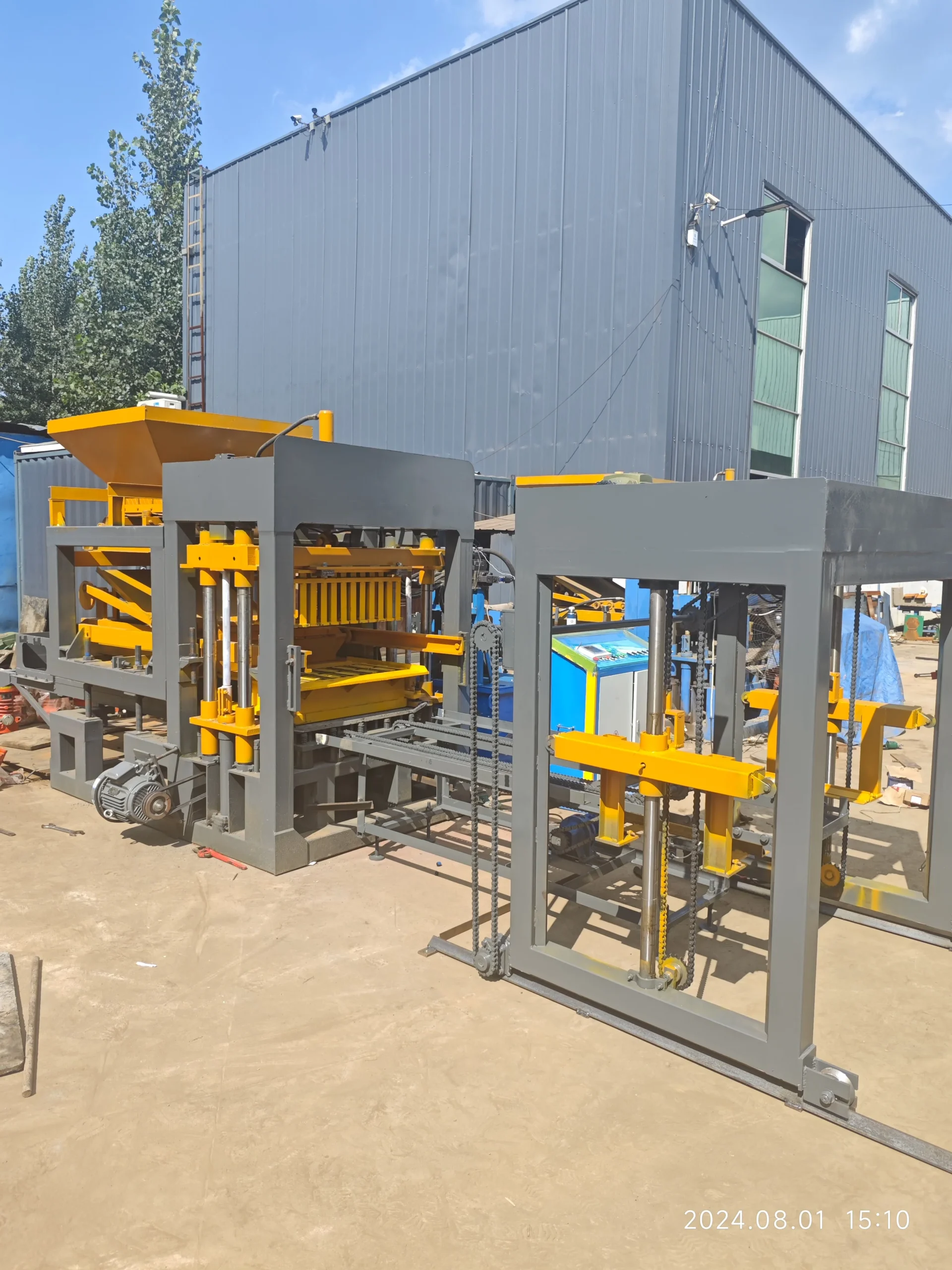
Description
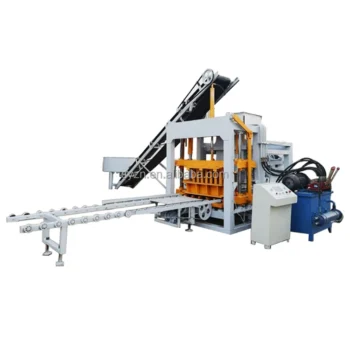
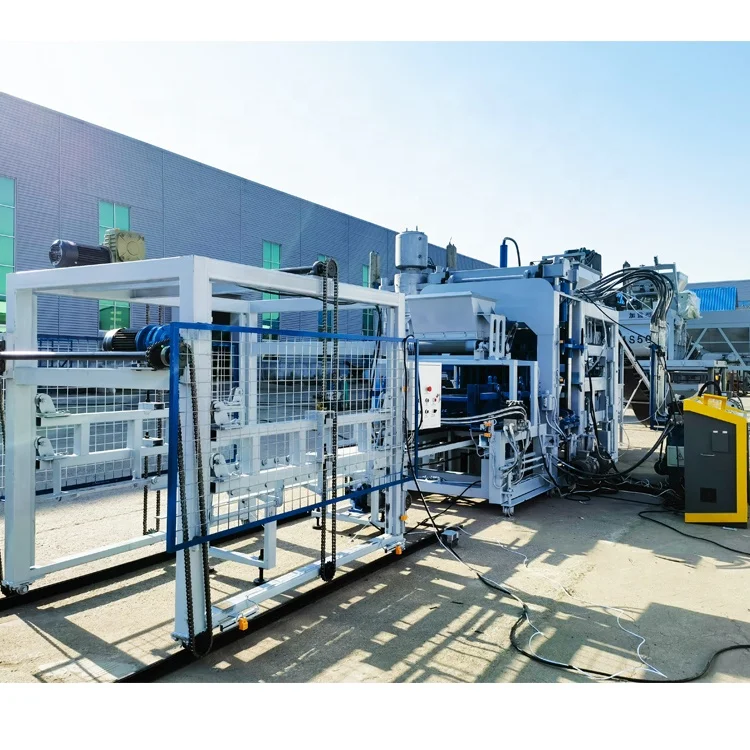
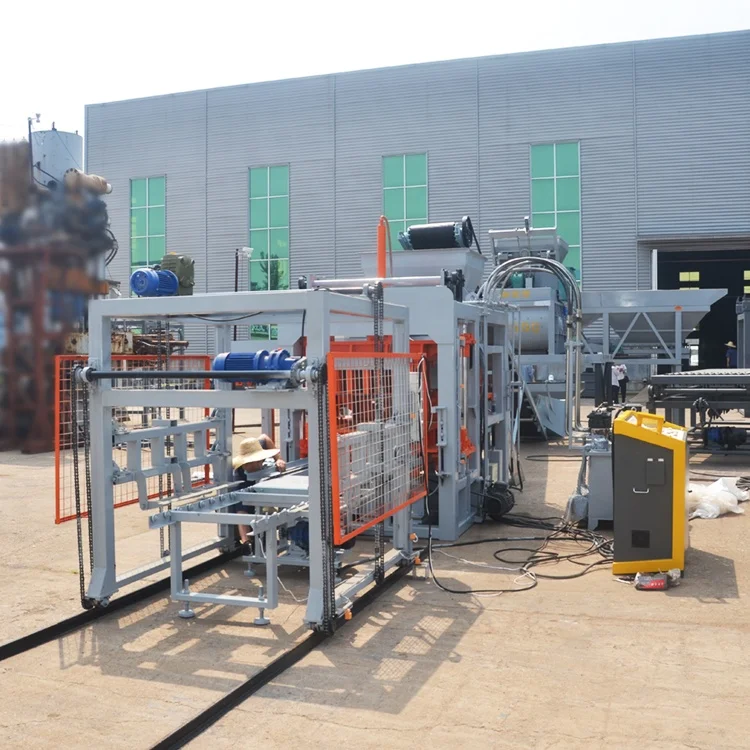
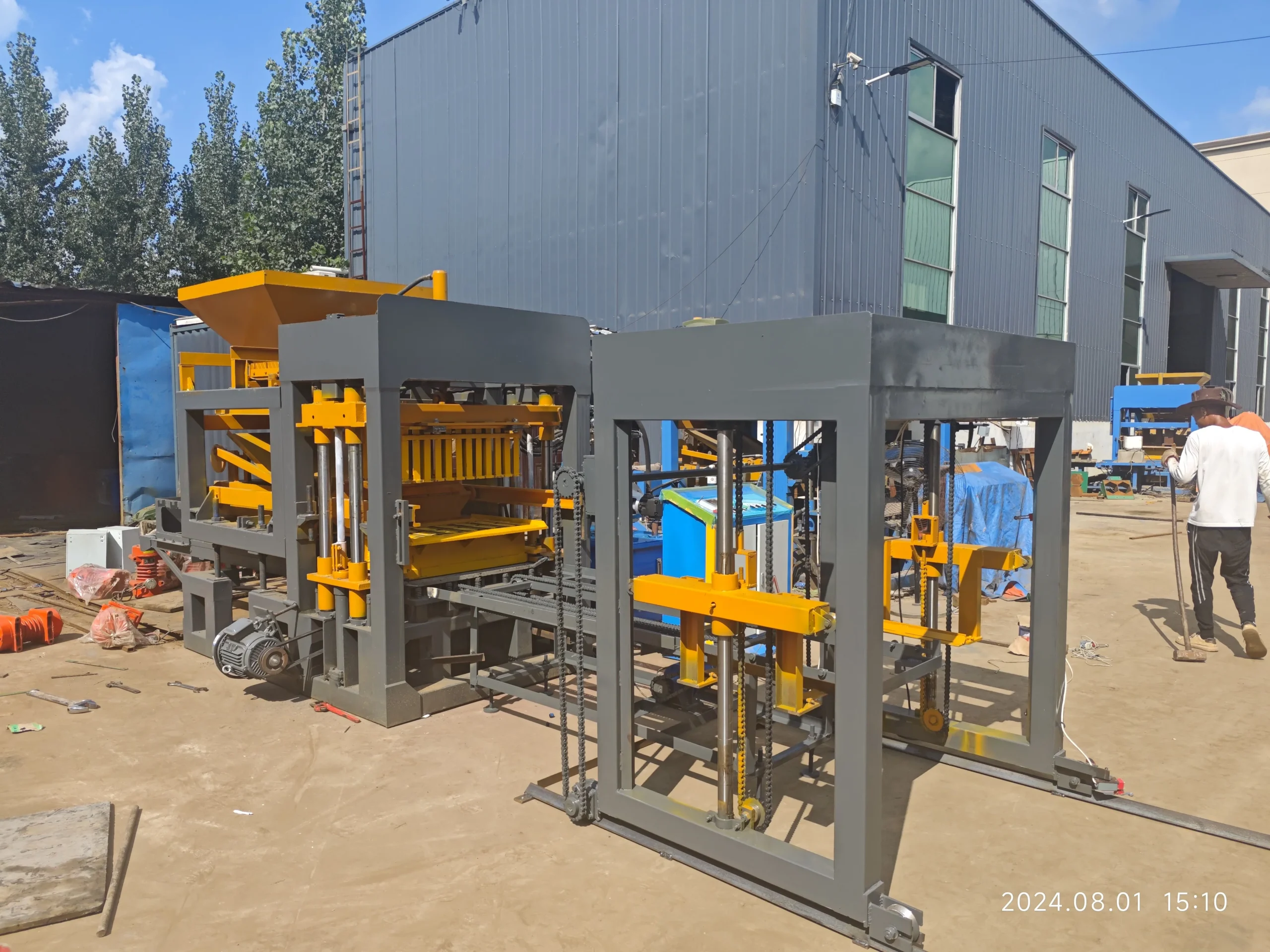
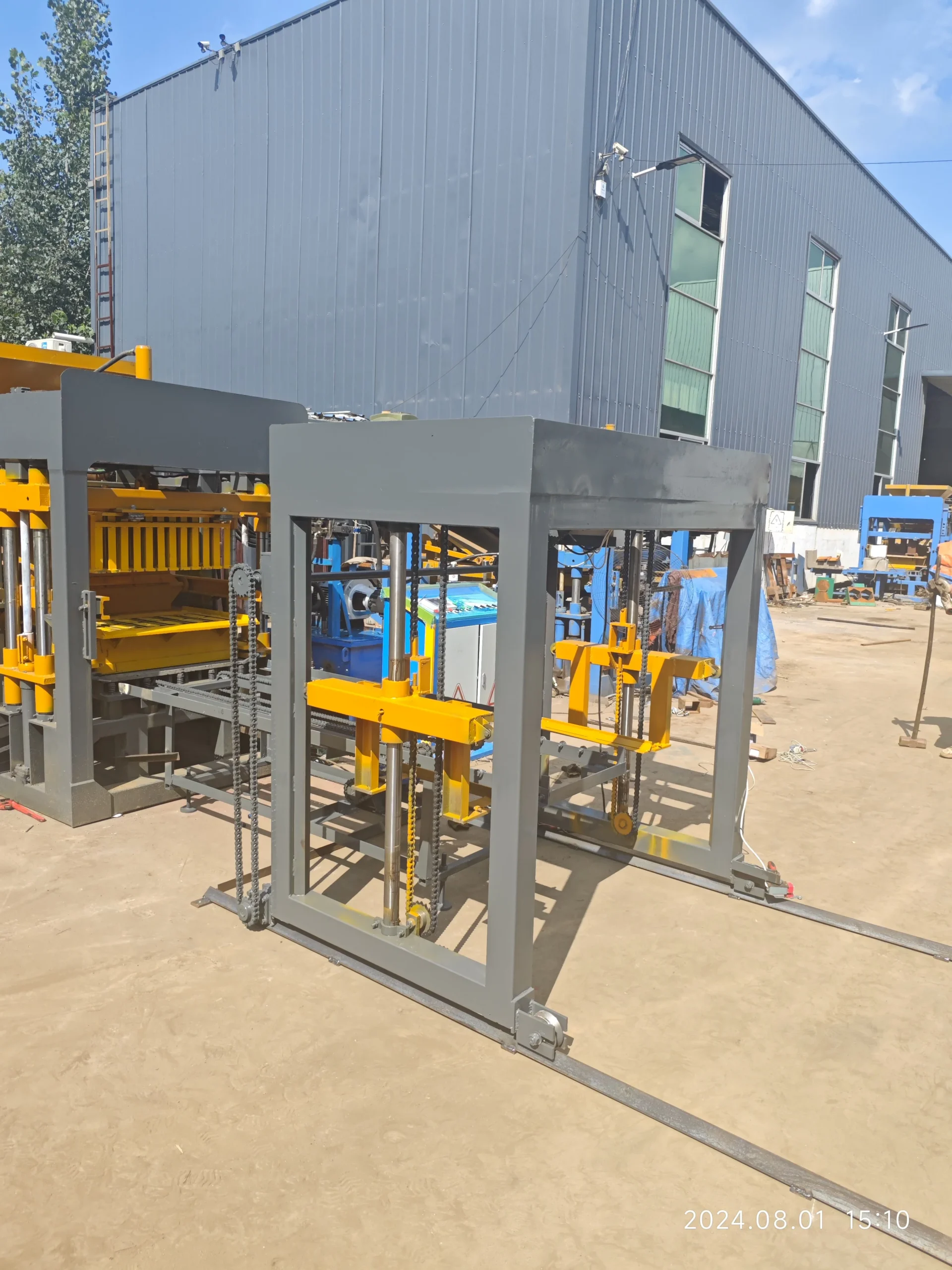
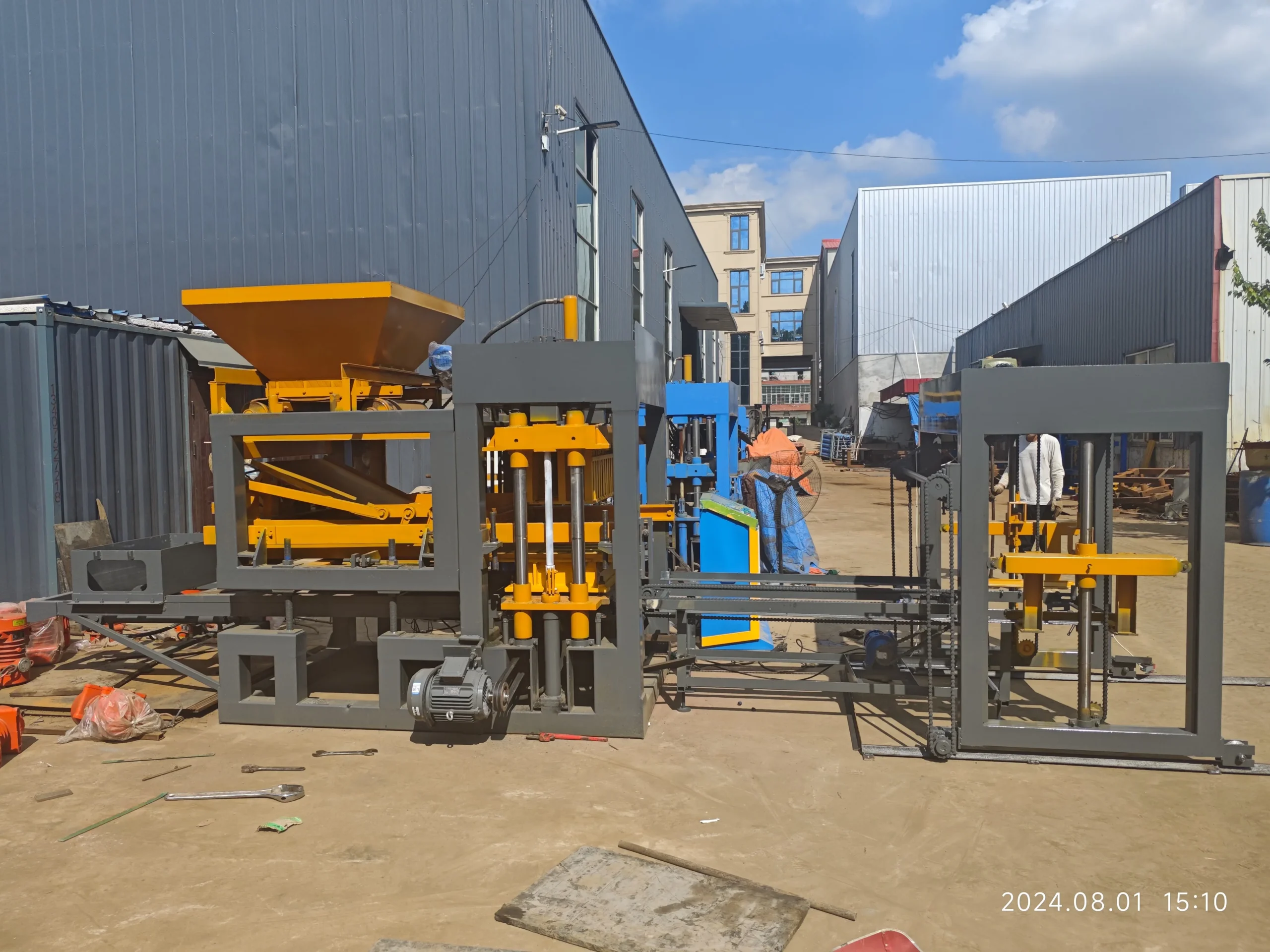
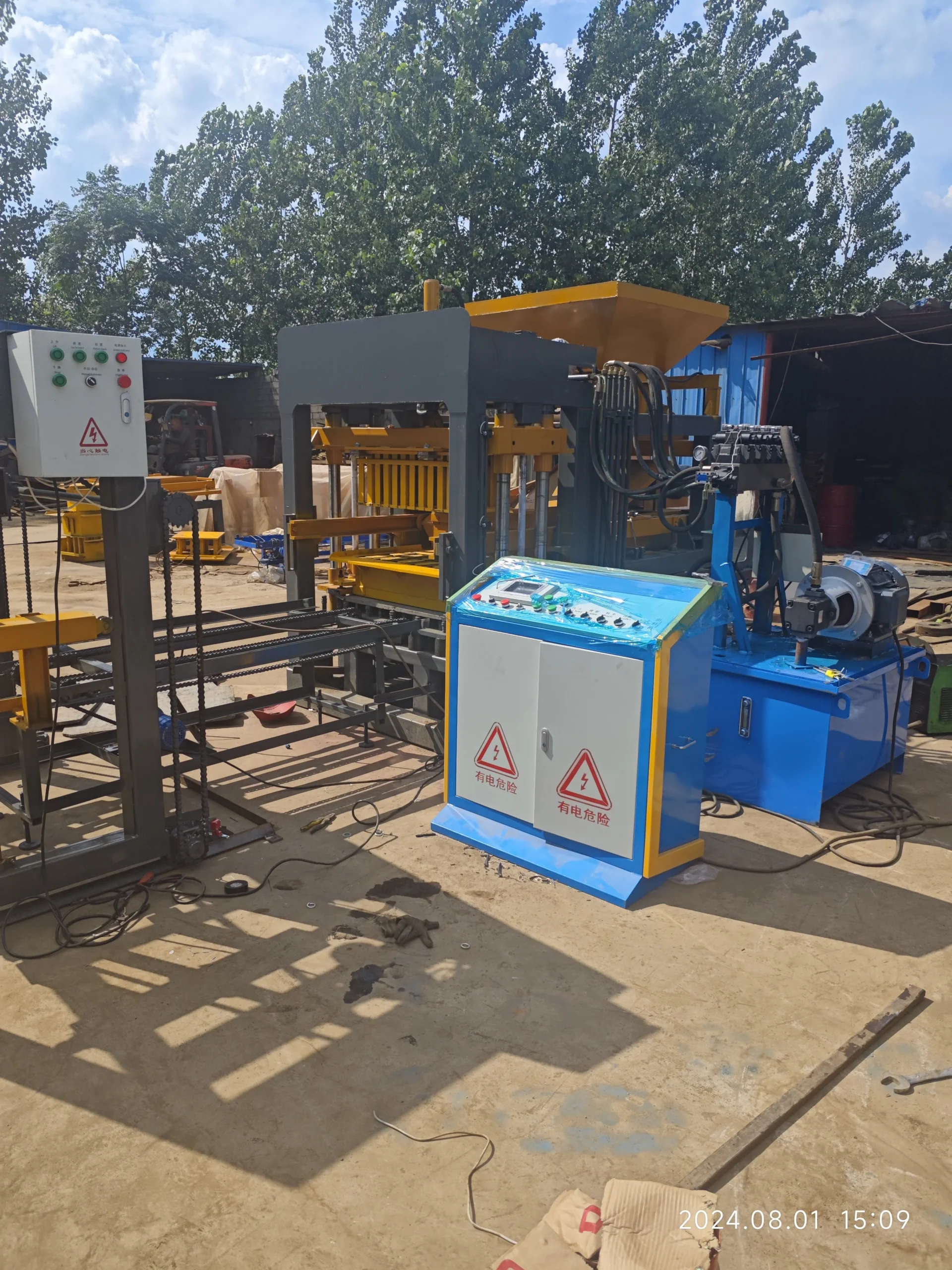
Stock readiness — QT4-18 block making machine units are pre-built and held in our Linyi yard, allowing container loading within days rather than weeks of order confirmation.
Technical Specifications
| Parameter | Value |
|---|---|
| Model | QT4-18 |
| Product Type | Concrete Block Making Machine |
| Overall Dimensions | 3900×1600×2300 mm |
| Molding Cycle | 15-25s |
| Vibration Force | 40-50 kN |
| Rated Power | 23.45 kW |
| Mixer Model | JQ350 |
| Pallet Size | 850×550×25 mm |
| Net Weight | 3 T |
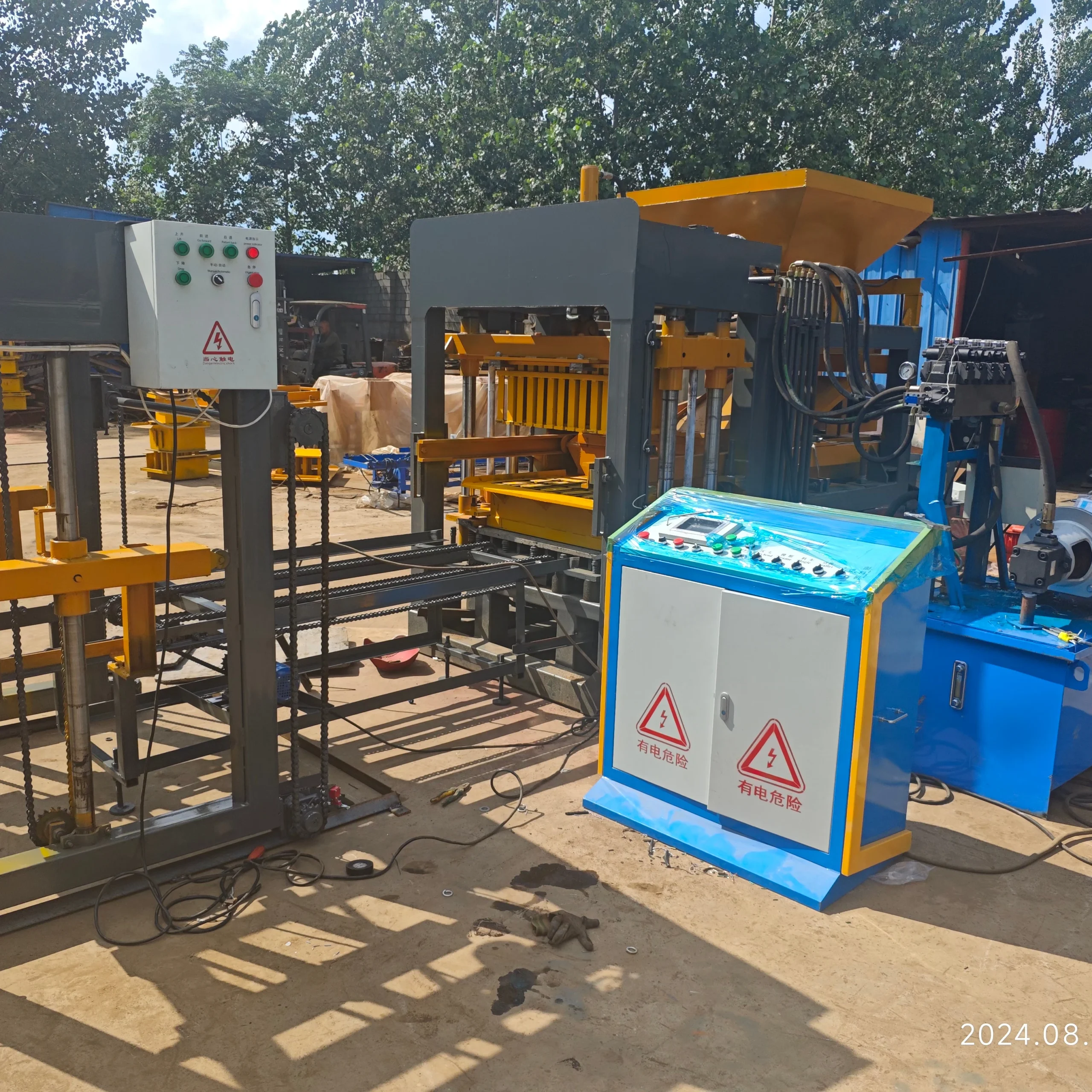
| Hydraulic System | Hydraulic station equipped |
| Automation Level | Semi-automatic |
| Vibration Type | Bed mould vertical vibration + upper mould compression vibration |
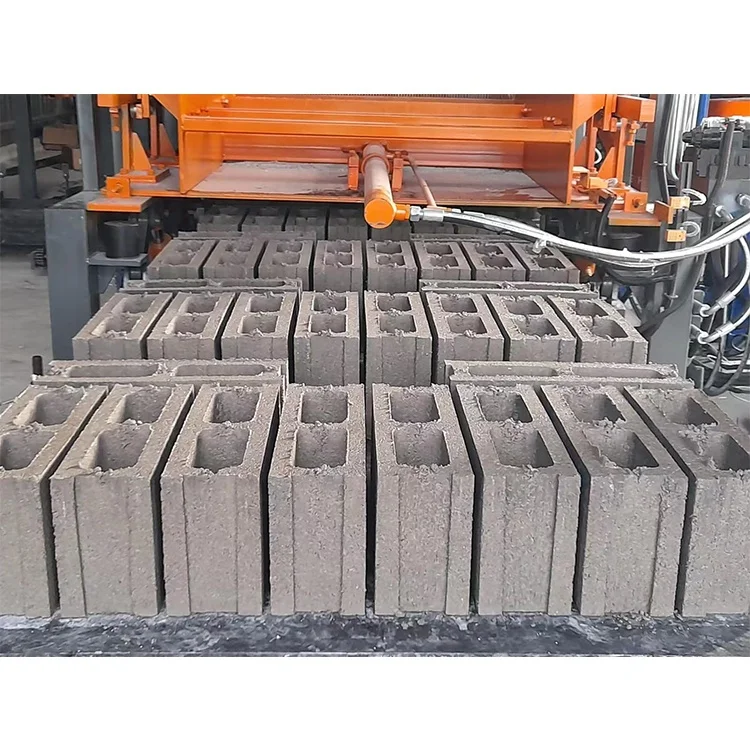
| Applied Products | Paver, solid block, hollow block, curbstone |
| Raw Materials | Crushed stones, sand, cement, dust, fly ash |
| Output Capacity (Hollow Block 400×200×200 mm) | 1200-1680 pcs/hr based on 4 pcs/mould, 15-20s cycle (basis to be confirmed) |
| Output Capacity (Solid Brick 240×115×53 mm) | 3240 pcs/hr (basis to be confirmed) |
Application Suitability
| Application | Material or Output |
|---|---|
| Hollow block production for wall construction | Crushed stone, sand, cement, fly ash blends |
| Solid brick manufacturing for load-bearing structures | Sand and cement with fine aggregate |
| Paving block production for walkways and yards | Crushed stone and cement with surface finish layer |
| Curbstone forming for road and driveway edges | Coarse aggregate and cement mixes |
Why the Container Loading Plan Matters More Than the Cycle Time
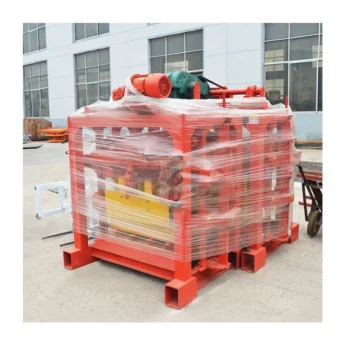
The QT4-18 block making machine in stock ships as a dismantled semi-automatic line inside a single 20GP container, with approximately 500 pallets loaded alongside.
Buyers often focus on cycle time numbers without asking how the machine actually arrives at their port. A block press that takes 60 days to build is useless when your construction milestone is in 30 days. I have watched project timelines slip because the machine quotation never mentioned whether pallets, moulds, and the hydraulic station would all fit in one container or require a second shipment weeks later [NEED_CITE: container loading plans for semi-automatic block machines].
Dispatch Timing for Project-Deadline Buyers
The QT4-18 block making machine in stock is a semi-automatic configuration that moves from our Linyi yard to the port of loading without entering the production queue. Standard moulds for hollow block, solid brick, and paver formats ship with the machine, so the first production run can begin shortly after on-site assembly. The hydraulic station arrives pre-connected, reducing commissioning time.
What "In Stock" Actually Includes
Stock availability covers the main press frame, hydraulic station, JQ350 mixer, control panel, and a defined count of production pallets. Approximately 500 pallets of 850×550×25 mm are loaded into the same 20GP container. This means the buyer does not need to source pallets locally before the machine arrives. Moulds beyond the standard set can be added to the container if space allows, confirmed at order placement [NEED_CITE: pallet quantity and container loading standards for block machinery].
Vibration, Pressure, and Block Density
The QT4-18 uses a dual vibration system combining bed mould vertical vibration with upper mould compression vibration, rated at 40-50 kN. This paired action compacts the concrete mix from both directions during the 15-25s molding cycle, producing blocks with consistent density across the pallet. The hydraulic station maintains stable pressure throughout each cycle, which is critical when switching between hollow block and solid brick formats that demand different compaction levels. The 23.45 kW rated power drives both the vibration motors and the hydraulic pump simultaneously, so buyers should confirm their site electrical supply can handle sustained draw at this level.
What Happens When Dispatch Details Are Skipped
When a buyer orders a block machine without confirming the loading plan, pallets sometimes arrive on a separate vessel weeks after the press itself. The machine sits idle at the project site because production cannot begin without pallets to carry the freshly pressed blocks through curing. Voltage mismatches discovered at the port of destination add further delays, as the control panel must be reconfigured or components replaced before the first test run [NEED_CITE: common commissioning delays from unconfirmed electrical specifications].
Why Buyers Source This Model from Our Yard
Block machinery is our single focus, so the QT4-18 ships as a matched system — press, moulds, pallets, and hydraulic station specified together rather than assembled from separate suppliers. We confirm the container loading plan at quotation stage, including machine dismantling arrangement and pallet count. Voltage, frequency, and PLC display language are verified against the destination country before the machine leaves our facility. Packing photographs are provided so the buyer can confirm load condition before the container is sealed. Factory test records document cycle performance on the buyer’s specified block format prior to dispatch.
Documentation & Verification
- Factory test record on buyer-specified block format before container sealing
- Voltage and control language confirmation sheet matched to destination country
- Packing photographs documenting dismantling arrangement and load condition
- Hydraulic and electrical schematic for on-site troubleshooting
- Mould drawing and format list for all included standard moulds
- Customs documentation support for import clearance at destination port
Installation, Commissioning & Support
- Foundation plan based on the 3900×1600 mm footprint and 3 T operating weight
- Electrical supply confirmation for 23.45 kW rated power with dedicated circuit
- Dismantling reversal sequence documented for on-site reassembly
- First-run parameter setting on buyer’s local aggregate and mix design
- Operator training covering mould change and hydraulic station maintenance
- Wear parts list with initial spare set included in the container
Before You Request a Quote
To confirm the QT4-18 block making machine in stock can ship within your timeline, we need your target block format and daily output requirement, the voltage and frequency standard at your project site, and the raw materials available locally. Share your curing area dimensions so we can confirm the 850×550 mm pallet count will match your handling setup.
Frequently Asked Questions
Q: What is the current stock status and dispatch lead time for QT4-18?
A: The QT4-18 is held as a stocked semi-automatic model in our Linyi yard. Dispatch lead time depends on current inventory and container booking availability. We confirm exact stock status and the earliest loading date at the inquiry stage, along with the vessel schedule to your port of destination so you can plan around your project milestone.
Q: How is the machine packed and loaded into a 20GP container?
A: The QT4-18 is dismantled into major assemblies — main frame, hydraulic station, mixer, and control panel — and loaded nude into a single 20GP container. Approximately 500 production pallets of 850×550×25 mm are stacked alongside. The loading arrangement is confirmed with packing photographs before the container is sealed and dispatched.
Q: What voltage and frequency configurations are available from stock?
A: Stock units are configured to common export voltage and frequency standards, but the exact configuration must be confirmed against your destination country’s electrical supply before shipment. We verify voltage, frequency, and PLC display language at order placement to avoid commissioning delays when the machine arrives on site.
Q: Which standard moulds ship with the machine, and can additional moulds be added?
A: Standard moulds for hollow block, solid brick, and paver formats are included with the QT4-18. Additional moulds for other formats such as curbstone or interlocking brick can be added to the same container if space permits. We confirm the mould list and available container space at the quotation stage.
Q: What arrival timeline should I expect from order to port of destination?
A: Arrival timeline depends on vessel scheduling from the port of loading to your destination port. We quote the estimated arrival date upfront based on current shipping schedules at the time of order confirmation, so you can align machine arrival with your project milestone and site preparation schedule.