

Description
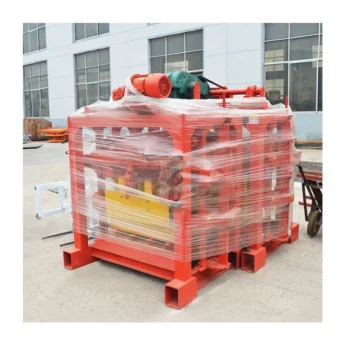
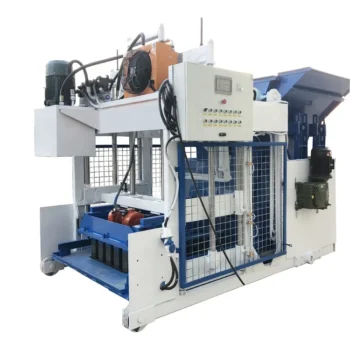
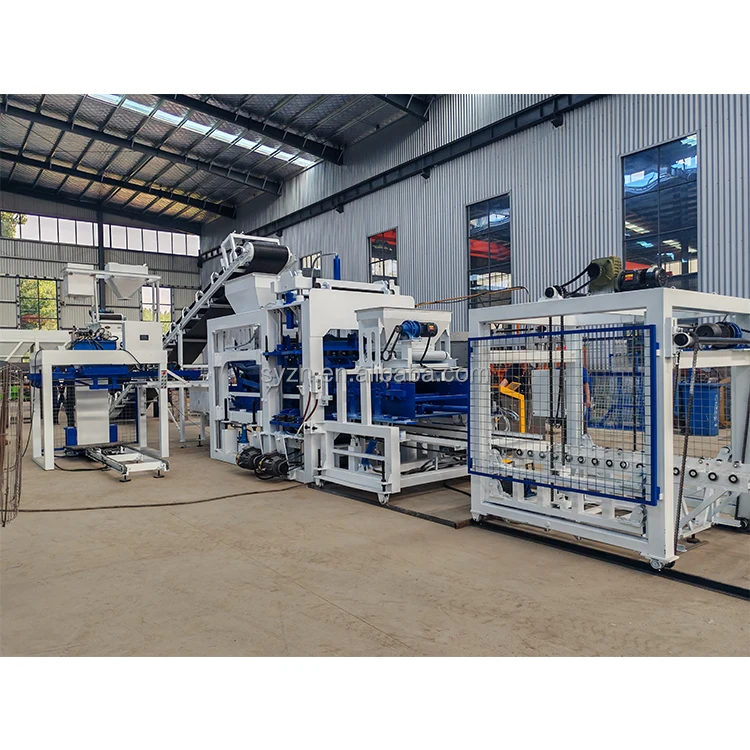
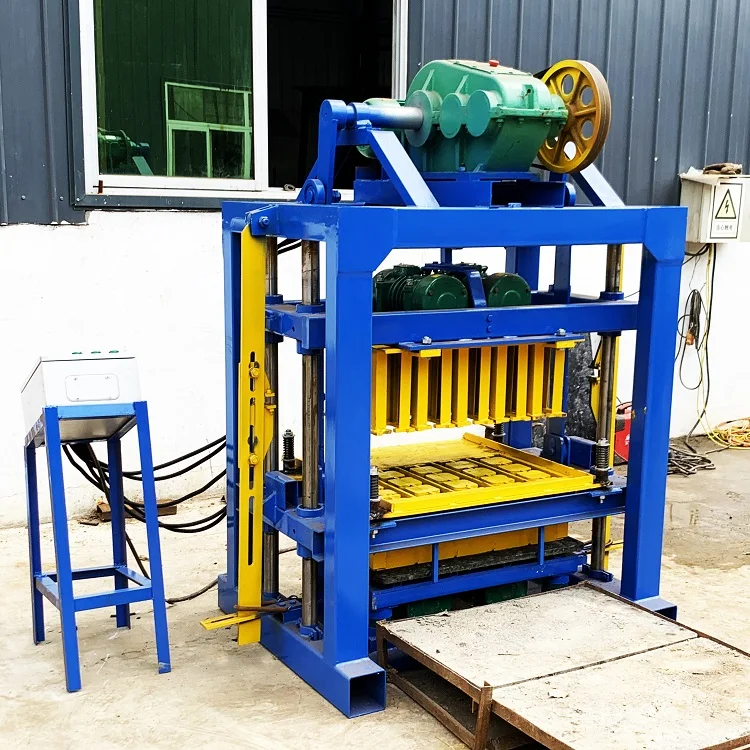
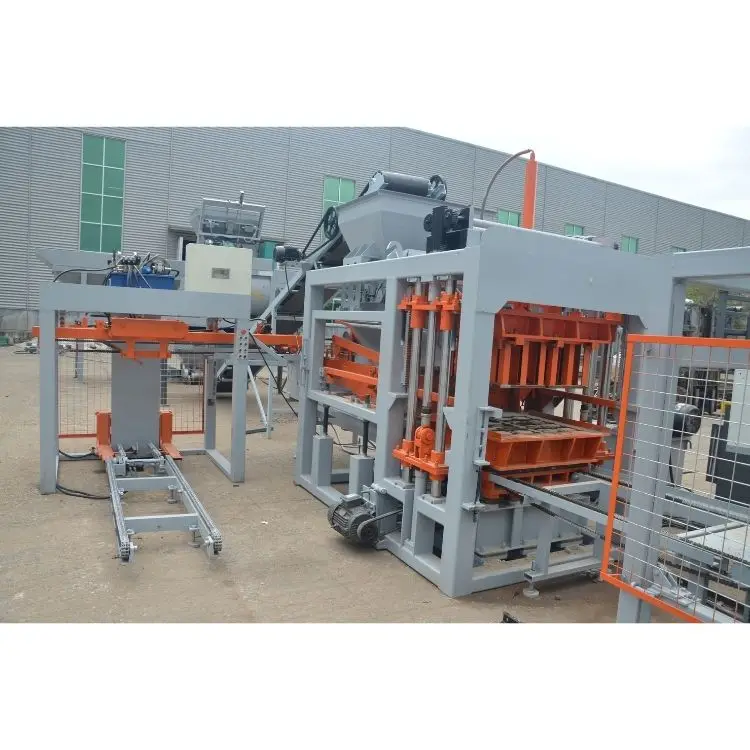
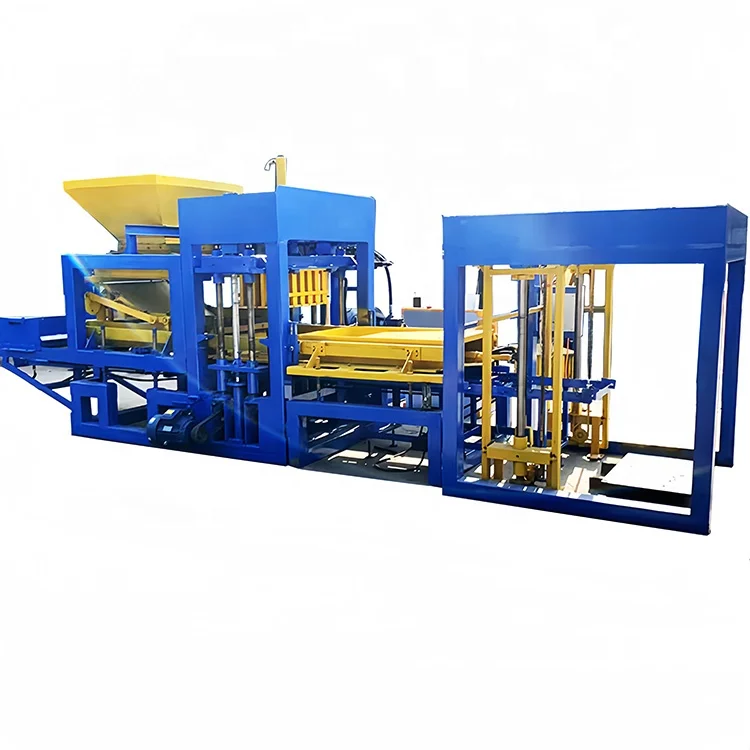
Complete Plant Dispatch — QT4-18 ships as a fully assembled block production unit, from the hydraulic station to the pallet feeder and sweeper, so your plant does not wait on missing auxiliary stations.
Technical Specifications
| Parameter | Value |
|---|---|
| Model | QT4-18 |
| Product Type | Automatic Hydraulic Block Making Machine |
| Overall Dimensions (L×W×H) | 3900 × 1600 × 2300 mm |
| Total Weight | 3,000 kg |
| Molding Cycle | 15 – 25 s (basis to be confirmed by block format) |
| Vibration Force | 40 – 50 kN |
| Rated Power | 24 kW |
| Mixer Model | JQ350 |
| Pallet Size | 850 × 550 × 25 mm |
| Control System | PLC |
| Hydraulic Station | High-pressure, included in package |
| Applied Products | Paver, solid block, hollow block, curbstone |
| Raw Materials | Crushed stone, sand, cement, dust, fly ash |
| Output Capacity | 1,200 – 1,680 pcs/h based on 400×200×200 mm hollow block, 15–20 s cycle; 1,800 – 2,400 pcs/h based on 400×150×200 mm hollow block, 15–20 s cycle; 3,240 pcs/h (basis not stated in source) |
| Assembly State | Fully assembled with hydraulic station, PLC cabinet, pallet feeder, brick conveyor, block sweeper |
| Voltage & Frequency | Configurable to buyer market, confirmed before dispatch |
| PLC Language | Confirmed at order |
Application Suitability
| Application | Material or Output |
|---|---|
| Hollow block production for housing and wall systems | Crushed stone, sand, cement, fly ash blends |
| Solid brick manufacturing for masonry and partition walls | Cement and local fine aggregate mixes |
| Interlocking and paving block production for roads and yards | High-density aggregate blends with cement |
| Curbstone and kerbstone for infrastructure projects | Coarse aggregate and cement mixes |
| Fly ash block production near thermal power plants | Fly ash, sand, cement blends |
Arrival Certainty for a Project Deadline
A QT4-18 block machine in stock fast delivery eliminates the gap between contract signature and production startup. Project timelines rarely wait for manufacturing queues, and every idle week on a construction site carries carrying costs, equipment rentals, and crew overhead. The real risk is not the machine itself but the silence between dispatch and arrival [NEED_CITE: lead time variability in heavy machinery imports]. We quote container loading, dispatch date, and estimated port arrival upfront so your site manager can schedule the foundation curing, electrical drop, and operator training around a confirmed window rather than a guess.
Container Loading and the Pallet Question
The QT4-18 block machine in stock fast delivery ships as a single coordinated package in a 20GP container, with the press, hydraulic station, PLC cabinet, pallet feeder, conveyor, and sweeper loaded together. Approximately 500 production pallets fit the same container, so you arrive on site with everything needed to run the first cycle. Pallet spec — 850 × 550 × 25 mm — is confirmed at order so they match your existing curing racks and forklift tine spacing, avoiding the costly mismatch we have seen delay other projects by weeks.
Dispatch Timeline and What "In Stock" Actually Means
Stock availability refers to fully assembled QT4-18 units, not a kit of parts waiting for final build. The machine leaves the factory with hydraulic hoses connected, electrical cabinet wired, and a factory run-off completed against the buyer’s specified mould. Dismantling for container loading follows a documented procedure so re-assembly on site is a matter of reconnecting marked sections, not re-engineering the layout [NEED_CITE: container loading practices for hydraulic block machinery]. Voltage, frequency, and PLC display language are locked in before production, so the first day on your site is a production day, not a troubleshooting day.
Why Hydraulic Pressure and Vibration Force Define Block Quality
The QT4-18 uses a high-pressure hydraulic station paired with 40–50 kN vibration force to compact raw material into dense, consistent blocks. Hydraulic pressure alone compresses the mix, but without matched vibration the aggregate particles do not settle into the mould corners — resulting in weak edges and surface voids. The 15–25 s molding cycle gives the vibration enough time to consolidate the mix fully, particularly for hollow block formats where wall thickness is narrow. The JQ350 mixer prepares a homogeneous batch before the press, which matters because an uneven mix fed into any press will produce uneven blocks regardless of pressure rating. Pallet size directly determines curing area layout; a mismatch forces you to re-stack blocks manually or reconfigure your entire yard.
When Auxiliary Stations Are Left Out of the Quote
Buyers have received block presses that sat idle because the pallet feeder, conveyor, or sweeper was quoted separately and ordered later. The resulting delay is not days but weeks, because the missing station must be manufactured, shipped, and then integrated with the existing PLC logic [NEED_CITE: line integration delays in block plants]. A press without a pallet feeder means operators load pallets by hand, cutting effective output and introducing alignment errors. A line without a block sweeper leaves debris on the block surface that hardens during curing and affects finish quality on pavers and facing bricks.
Why Dispatch From This Facility
Block machinery is the single focus here, so the QT4-18 ships as one matched system — press, mould, pallet, and handling — rather than assembled from separate suppliers. Dispatch lead time and container loading plans are confirmed at order, not after production. Mould design covers the formats your local market actually sells, including custom drawings. The automation level is selectable, so you can begin with the standard package and add automatic stacking later. Installation and commissioning support includes operator training on the exact PLC language confirmed before shipment.
Documentation & Verification
- Factory test record showing QT4-18 running your specified mould before dispatch
- Voltage and PLC language confirmation document signed off prior to production
- Container loading plan with dismantling and re-assembly markings for your site crew
- Packing photographs taken at the factory for customs and insurance records
- Hydraulic and electrical schematics for your maintenance team on arrival
- Customs documentation support for destination port clearance
Installation, Commissioning & Support
- Foundation pad must support 3,000 kg total weight across the 3900 × 1600 mm footprint
- Dedicated 24 kW electrical circuit with confirmed voltage and frequency before cable pull
- Machine arrives in marked sections for straightforward re-assembly from 20GP container
- First cycle commissioning with your local aggregate mix to validate molding cycle settings
- PLC language and control parameters set to confirmed specification on power-up
- Wear parts list and mould maintenance schedule provided with initial spare set
Preparing Your Enquiry
To move from enquiry to confirmed dispatch, we need the block format you produce most frequently, your target daily output for that format, and your local aggregate type and cement ratio. Confirm your site voltage, frequency, and preferred PLC display language so electrical and control configuration is locked before build. Share your curing area dimensions and existing forklift specification so pallet size and handling equipment are matched correctly from the first shipment.
Frequently Asked Questions
Q: What is the dispatch lead time from order confirmation to container loading?
A: Lead time depends on whether the exact configuration is in current stock or requires a short production run. We confirm the dispatch date at order, along with a container loading plan and estimated arrival at your port, so you can schedule site preparation around a real calendar date rather than an estimate.
Q: Which QT4-18 units and standard moulds are currently in stock?
A: Availability rotates with orders, but QT4-18 presses in standard configurations are held ready for fast dispatch. Standard moulds for hollow blocks, solid bricks, and pavers are typically stocked. Confirm your required block formats and we will advise exact stock status and any custom mould lead time.
Q: How are voltage, frequency, and PLC language confirmed before shipment?
A: We request your site electrical specification and preferred control language at the enquiry stage. These are written into the order confirmation and verified before the electrical cabinet is closed. This prevents the common issue where a machine arrives with the wrong voltage or an unreadable display.
Q: What arrives in the container and what should I prepare on site?
A: The shipment includes the press, hydraulic station, PLC cabinet, pallet feeder, brick conveyor, block sweeper, and approximately 500 pallets. On site you need a cured concrete foundation, a dedicated 24 kW power supply, raw material stockpiles, and space for your curing racks matched to the 850 × 550 mm pallet size.
Q: How do I estimate arrival time at my destination port?
A: We provide an arrival estimate based on your port and the confirmed dispatch date, accounting for typical sea transit times. This allows you to coordinate customs clearance, transport from port to site, and the commissioning schedule before the container arrives.