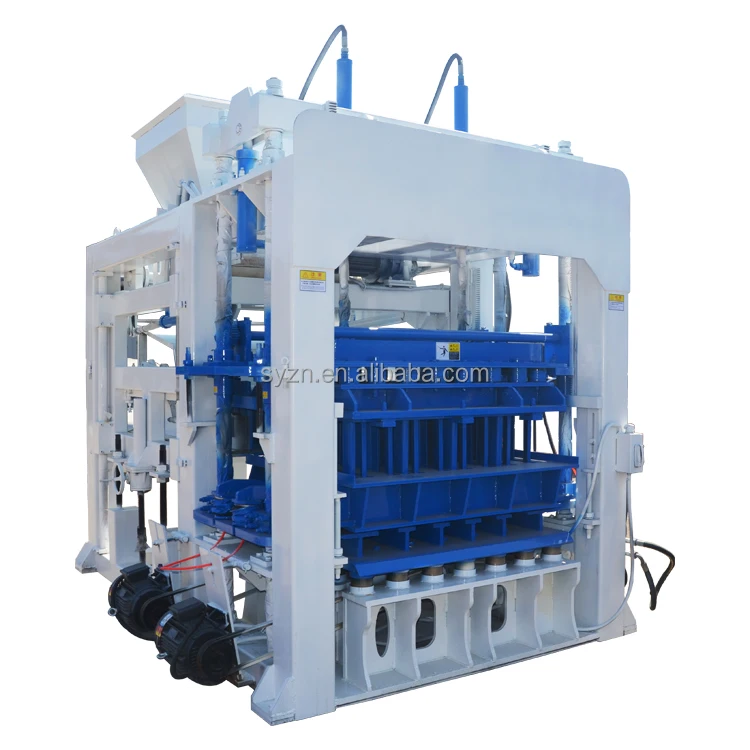
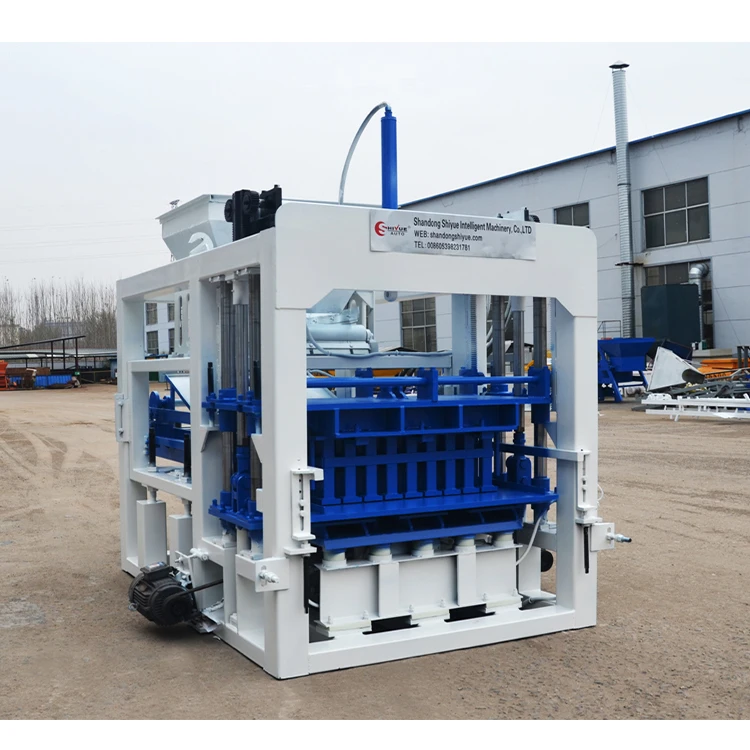
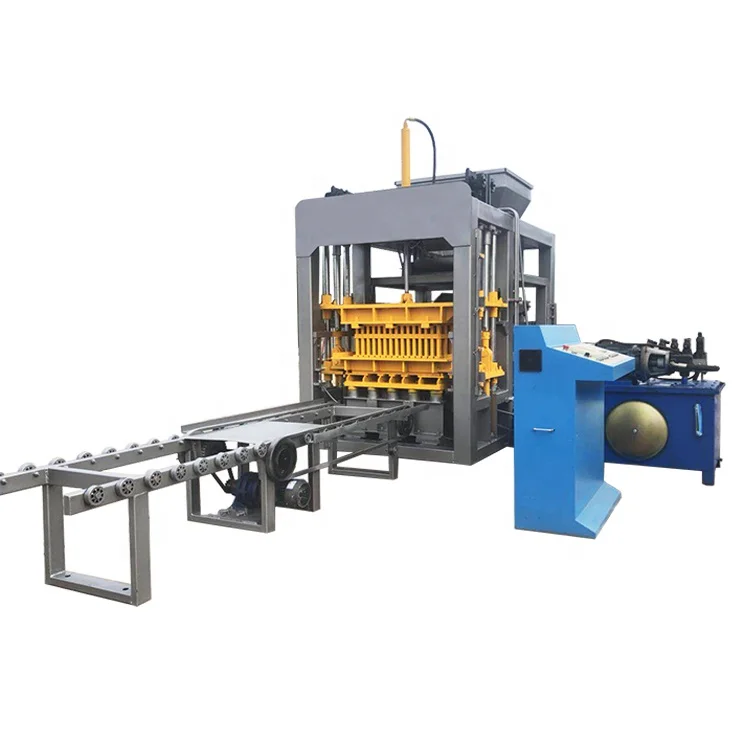


Description
Prompt Dispatch Alignment — The QT5-15 block machine in stock ships with standard moulds and confirmed lead times, keeping your project deadline intact while avoiding custom build delays.
Technical Specifications
| Parameter | Value |
|---|---|
| Model | QT5-15 |
| Product Type | Automatic Cement Block Making Machine |
| Overall Dimensions (L×W×H) | 7400×1950×2800 mm |
| Total Mass | 5000 kg |
| Overall Power | 32 kW |
| Vibration Force | 80 kN |
| Vibration Frequency | 0-60 Hz |
| Vibration Form | Platform Vibration |
| Moulding Mode | Automatic loading, vibration moulding |
| Demolding Method | Hydraulic |
| Pallet Size | 1100×550 mm |
| Molding Cycle | 15-20 s (basis to be confirmed per block format and material) |
| Control System | PLC with touch screen interface |
| Hydraulic System | Independent integrated hydraulic station |
| Factory Area Required | 1000 m² |
| Output — Hollow Block 400×200×200 mm | 900-1200 pcs/h, 5 pcs/mould |
| Output — Hollow Block 400×150×200 mm | 1080-1440 pcs/h, 6 pcs/mould |
| Output — Solid Brick 240×115×53 mm | 5760-7680 pcs/h, 32 pcs/mould |
| Output — Rectangular Paver 200×100×60 mm | 3600-4500 pcs/h, 25 pcs/mould, cycle 20-25 s |
| Output — Zigzag Paver 225×112.5×60 mm | 2304-2880 pcs/h, 16 pcs/mould, cycle 20-25 s |
| Block Compressive Strength | ≥15 MPa |
| Raw Material Compatibility | Fly ash (up to 70%), slag, gangue, sand, crushed stone, cement, water |
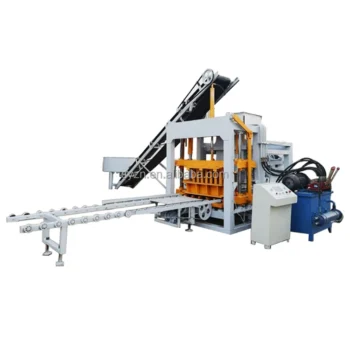
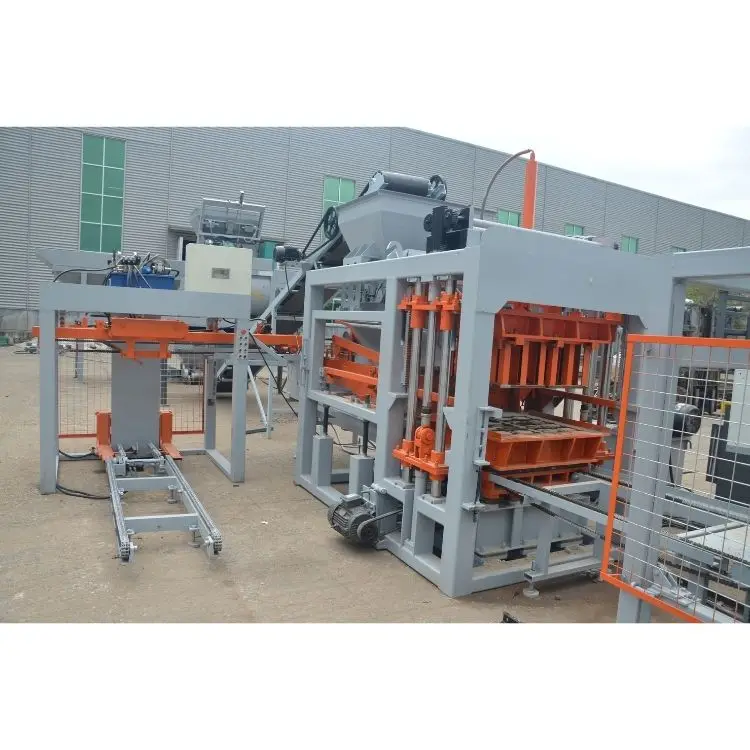
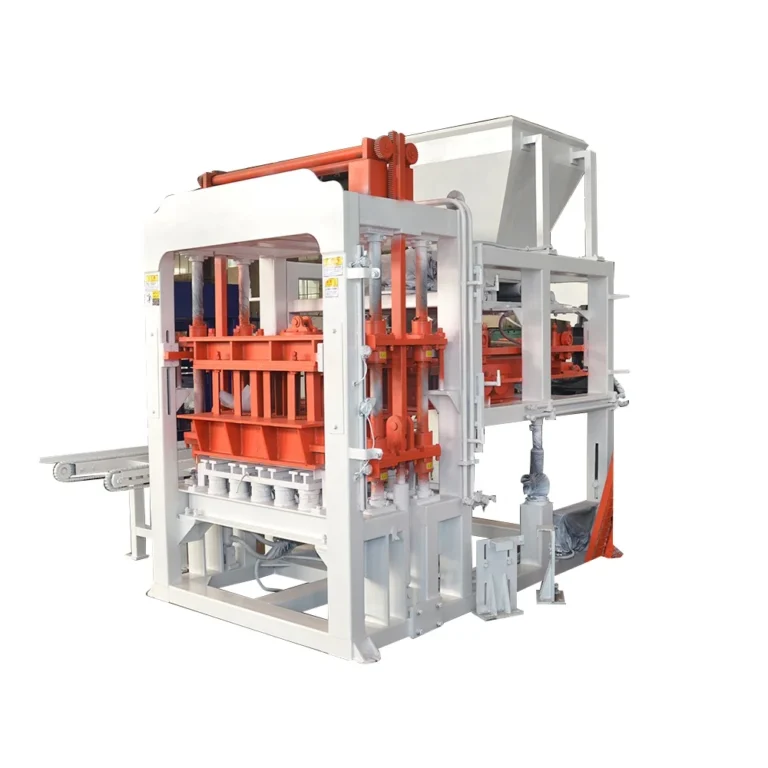
| Assembly State | Fully assembled line — pallet feed, block maker, hopper, conveyor, hydraulic unit, PLC cabinet |
| Warranty | 1 year (excluding spare parts) |
Application Suitability
| Application | Material or Output |
|---|---|
| Hollow block production | Crushed stone, sand, cement mix; 400×200×200 mm and 400×150×200 mm formats |
| Solid brick production | Fly ash, slag, cement blend; 240×115×53 mm standard format |
| Rectangular paving block | Sand and fine aggregate; 200×100×60 mm for driveways and walkways |
| Interlocking zigzag paver | Crushed stone and cement; 225×112.5×60 mm for heavy-duty paving |
| Fly ash brick manufacturing | Up to 70% fly ash content with cement binder |
Why the Arrival Date Matters More Than the Quoted Cycle Time
A machine that arrives three weeks late costs more than one with a slightly slower cycle.
When buyers focus exclusively on pieces-per-hour figures, they often overlook the calendar that actually governs their project. I have watched construction crews stand idle because the block machine was still sitting in a port while the foundation crew was already pouring concrete. The QT5-15 block machine in stock is positioned to close that gap — units are configured with standard mould sets and held ready so that dispatch follows order confirmation rather than waiting on a production slot [NEED_CITE: typical lead time risks for construction equipment procurement].
Dispatch Readiness and Container Loading
Standard QT5-15 configurations currently available include the PLC-controlled automatic system with touch screen, the independent hydraulic station rated at 32 kW, and the 1100×550 mm pallet format. These units ship as a fully assembled line — pallet feed machine, block making machine, storage hopper, conveyor, hydraulic unit, and control cabinet. Container loading plans are prepared against these exact dimensions, so buyers know which container size fits before they commit. The 7400×1950×2800 mm overall footprint of the main press dictates the loading sequence, and dismantling for shipment is scoped around that envelope.
Matching the Arrival Estimate to Your Project Calendar
The QT5-15 block machine in stock is intended for buyers working against a fixed milestone — a housing phase handover, a road project commencement, or a distributor commitment to fill. Once the order is confirmed and voltage details are locked, the dispatch timeline moves forward without waiting for custom fabrication. Arrival estimates are quoted upfront so that site preparation, foundation curing, and electrical work can run in parallel [NEED_CITE: port congestion variables affecting equipment delivery schedules].
Reading the Specs That Actually Affect Output
Vibration force at 80 kN combined with the independent hydraulic station determines how densely the mix is compacted into each mould cavity — a direct factor in whether blocks reach the ≥15 MPa compressive strength target. The 0-60 Hz vibration frequency range lets operators tune the shake intensity to suit different mix designs, from dry sand-cement blends to wetter fly ash mixes. Pallet size at 1100×550 mm must match the curing racks and forklift forks already on site; a mismatch here means buying new handling equipment or losing pallets to damage. The PLC touch screen interface controls the 15-20 second moulding cycle, but that cycle figure depends entirely on block format, material moisture, and thickness — a rectangular paver at 60 mm thick runs at 20-25 seconds instead.
The Hidden Cost of Skipping Voltage Confirmation
I once watched a QT5-15 ship to West Africa with a 380V/50Hz motor, only for the site to run on 415V/60Hz. The crew waited weeks for a transformer retrofit while the concrete foundation cured past its ideal window. Voltage, frequency, and PLC display language are the three details that cause the most commissioning delays, and they are the easiest to fix before the machine leaves the factory. Every stocked QT5-15 block machine in stock can have these parameters verified against the buyer’s site requirement before dispatch [NEED_CITE: voltage and frequency standards by export market].
What Stock Availability Actually Means Here
Block machinery is our single focus, which means the QT5-15 is not one item in a catalogue of unrelated equipment — it shares pallets, moulds, and hydraulic components with the rest of the range, keeping spare parts simple. Moulds for hollow blocks, solid bricks, and pavers are held in standard formats, so buyers do not wait for custom tooling when common sizes are needed. Configuration is checked against the buyer’s actual mix design and local aggregate, not pulled from a default sheet. The pallet size, automation level, and supporting equipment are specified together so the press is never left waiting on the mixer or the pallet feeder. Factory test records are generated on the buyer’s target block format before the machine is crated.
Documentation & Verification
- Line layout showing the QT5-15 footprint within the 1000 m² factory area requirement
- Capacity calculation sheet stating the exact block format behind each output figure
- Voltage, frequency, and PLC display language confirmation signed before dispatch
- Factory test record produced on your target block format and mix design
- Hydraulic and electrical schematic matching the shipped configuration
- Packing photographs documenting the QT5-15 dismantling state for container loading
Installation, Commissioning & Support
- Foundation plan based on the 7400×1950 mm press footprint and 5000 kg total mass
- Dedicated electrical circuit sized for the 32 kW overall power draw and hydraulic station
- Dismantling and reassembly guidance for the fully assembled line components
- PLC touch screen commissioning with moulding cycle tuning per block format
- Operator training covering mould change procedures across hollow, solid, and paver formats
- Wear parts list for the hydraulic system and vibration platform with replacement intervals
What We Need to Confirm Before Shipping
To align a stocked QT5-15 with your site, share your target block format and the daily output you need in that specific format. Confirm the local voltage and frequency, along with your preferred PLC display language. Let us know which moulds you need from the standard range — hollow block, solid brick, or paver — and whether your existing pallets and curing racks match the 1100×550 mm size.
Frequently Asked Questions
Q: Which QT5-15 configurations and moulds are currently in stock for immediate dispatch?
A: Standard configurations include the PLC-controlled system with touch screen, 32 kW power package, 80 kN vibration force, and 1100×550 mm pallet size. Moulds for 400×200×200 mm hollow blocks, 240×115×53 mm solid bricks, and 200×100×60 mm rectangular pavers are typically held in stock. Specific availability is confirmed at the time of inquiry.
Q: What is the dispatch lead time from order confirmation to container loading?
A: Once voltage, frequency, and PLC language are confirmed and the order is placed, stocked QT5-15 units move to container loading without waiting for a custom build cycle. The exact timeline depends on the container booking schedule and any pre-shipment electrical adjustments required for your site.
Q: How is the QT5-15 dismantled and packed for shipment?
A: The 7400×1950×2800 mm main press and the fully assembled line components — pallet feeder, hopper, conveyor, hydraulic unit, and PLC cabinet — are dismantled into container-loadable sections. A loading plan is prepared against the machine dimensions to determine the correct container size before shipment.
Q: Can the arrival estimate be confirmed before payment?
A: Arrival estimates are quoted upfront based on the dispatch schedule and destination port. Factors such as port congestion, customs clearance speed, and inland transport can shift the actual arrival date. We provide the estimate transparently so you can plan site preparation accordingly.
Q: What voltage and PLC language options are available on stocked units?
A: Stocked QT5-15 units are configured to standard voltage settings, but these can be adjusted before dispatch to match your site’s electrical supply. PLC display language is confirmed during the order process so operators can read the touch screen interface in their preferred language upon commissioning.